


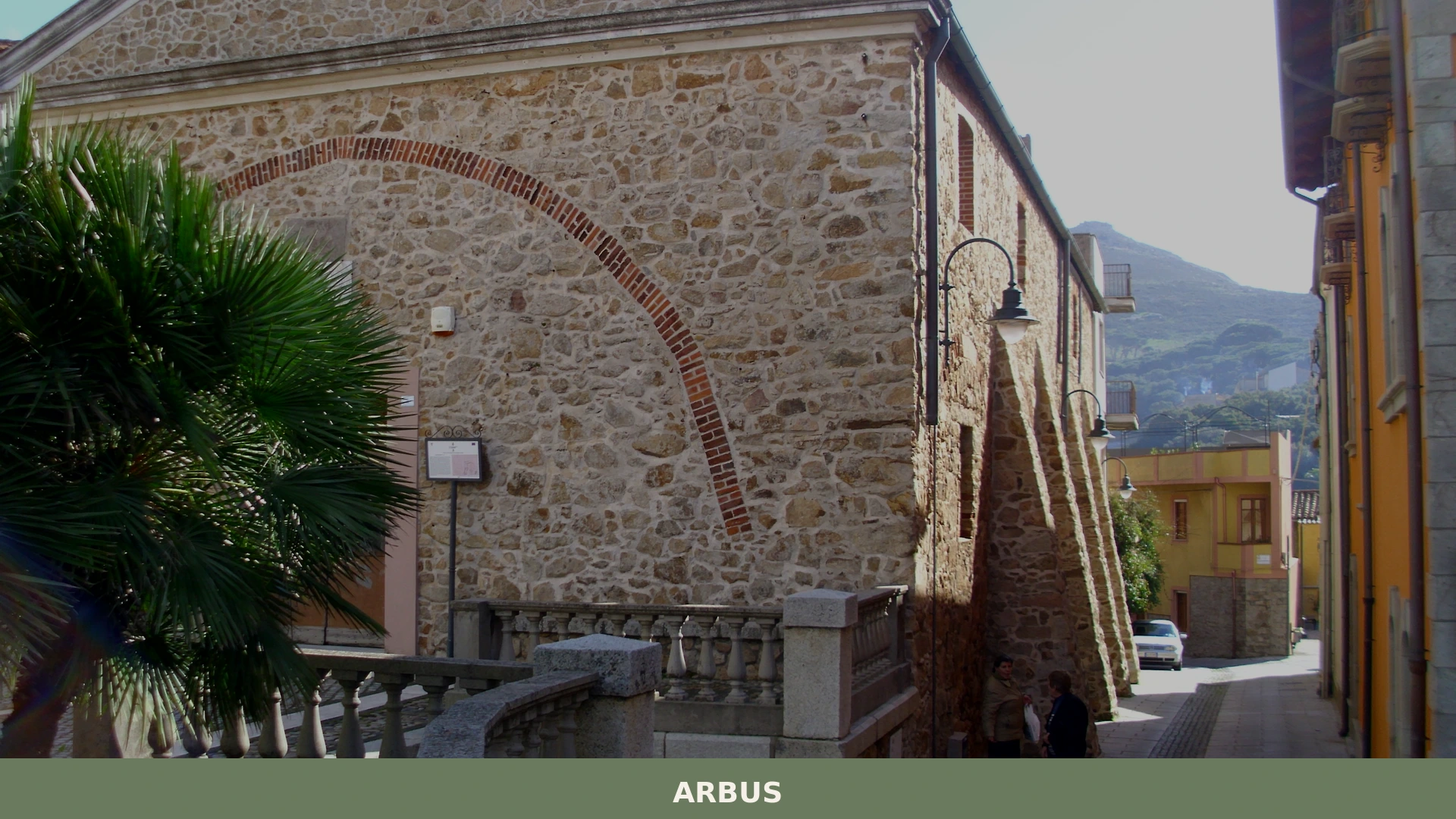

What to see in Arbus, Sardegna, Italy: explore coastal cliffs, historic mining sites and local food traditions. Discover the best of this South Sardinia village.
Discover Arbus
The Costa Verde coastline runs for roughly 35 km (21.7 mi) along the western edge of Sardinia, and Arbus holds the keys to the longest stretch of it. Granite outcrops drop toward sand dunes that reach 60 m (197 ft) in height at Piscinas, one of the largest active dune systems in Europe.
The town itself sits at around 400 m (1,312 ft) above sea level in the Medio Campidano uplands, far enough from the shore to feel like a different world entirely.
Deciding what to see in Arbus requires some orientation: the commune covers approximately 300 sq km (115 sq mi), making it one of the largest by area in Sardinia.
Visitors to Arbus find a landscape divided between the granite hills of the Campidano interior and a coastline that includes the beaches of Piscinas and Torre dei Corsari. The Arbus highlights include the disused lead and zinc mines of Ingurtosu, the ethnographic museum of knives in the town centre, and the protected dune corridor managed under regional conservation rules. Exploring what to see in Arbus properly takes at least two full days.
History of Arbus
The name Arbus derives from the Latin arbos, meaning tree, a reference likely tied to the forested character of the granite hills that surround the settlement.
The village appears in medieval administrative records as part of the Giudicato of Arborea, one of the four autonomous kingdoms that governed Sardinia before the Aragonese conquest of 1420. Its position in the upland zone between the coastal marshes and the interior plateaus made it a transit point for pastoral communities moving livestock between seasonal grazing grounds, a practice known in Sardinian as transumanza.
From the late nineteenth century onward, the economic identity of Arbus shifted toward mineral extraction.
The mines at Ingurtosu, situated about 20 km (12.4 mi) from the town centre, operated under concession from 1870 and produced lead and zinc ore for export through the coastal facility at Naracauli. At their peak in the early twentieth century, the Ingurtosu complex employed several hundred workers and included housing, a school, and administrative buildings constructed in an industrial Liberty style imported from mainland Italy and central Europe.
Production continued intermittently until the 1970s, when falling ore prices and increasing extraction costs made operations unviable.
The post-mining period saw Arbus reorient toward agriculture, craft production, and, from the 1990s onward, coastal tourism. The crafting of resolza knives — the distinctive fixed-blade knives associated with Sardinian pastoral culture — remained a documented local industry throughout the twentieth century and into the present. Several workshops in the historic centre continue to produce knives using traditional steel and horn-handle techniques, and the practice gave rise to the permanent museum that now documents the typology and regional distribution of Sardinian blade craft.
Villages along the western Sardinian coast, including Olbia on the northeastern coast, developed differently under maritime trade influences, making Arbus’s inland-pastoral-then-industrial trajectory notably distinct within the island’s history.
What to See in Arbus, Sardegna: Top Attractions
Piscinas Dunes and Beach
The dune system at Piscinas extends over approximately 5 km (3.1 mi) of coastline and reaches heights of up to 60 m (197 ft), driven by the maestrale wind that blows consistently from the northwest across the open Tyrrhenian.
The sand here is coarse and reddish-gold, coloured by the iron-bearing granite that erodes from the hills inland. No road reaches the beach directly from the main Arbus road in the conventional sense: the final 8 km (5 mi) approach passes through the former mining landscape of Naracauli on an unpaved track requiring a vehicle with adequate ground clearance. The best period to visit is between May and early July, before the summer crowds arrive and while the macchia scrubland bordering the dunes is still green.
Miniera di Ingurtosu
The former lead and zinc mine at Ingurtosu operated from 1870 until the final closure of productive activities in the 1970s, leaving behind a cluster of industrial buildings spread across a valley at roughly 200 m (656 ft) above sea level.
The Liberty-style administrative villa, the processing plant structure, and the workers’ housing blocks stand largely intact, their rendered facades marked by a century of coastal humidity and abandonment.
Visiting the site today means walking through a landscape where the industrial overlay sits directly on top of the natural granite terrain — ore-processing channels cut into rock, rail tracks leading nowhere, a chimney stack that still measures several metres above the surrounding canopy. Guided access is possible through local operators, and the site is connected to the Naracauli riverbed trail that leads down toward the coast.
Museo del Coltello Sardo
The Museo del Coltello Sardo, housed in the historic centre of Arbus town, documents the production and typology of the Sardinian knife across the island’s main craft traditions. The collection includes examples of the resolza style specific to the Campidano area, distinguished by its curved blade and handles made from mouflon horn, ram horn, or staghorn.
Dating of specific workshop pieces in the collection extends back to the nineteenth century, with documentation of individual craftsmen’s names and the villages where they worked.
The museum provides the clearest available framework for understanding what to see in Arbus from a craft-history perspective, particularly for visitors interested in how pastoral material culture evolved alongside the mining economy. Opening hours and admission fees are available through the Arbus municipal office.
Torre dei Corsari
The coastal watchtower at Torre dei Corsari stands at the southern end of a beach that stretches for approximately 2 km (1.2 mi) along the Arbus shoreline. The structure dates to the Spanish colonial period of the sixteenth and seventeenth centuries, when the Crown of Aragon built a series of defensive towers along the Sardinian coast to signal the approach of North African raiding vessels — the corsari of the name. The tower is circular in plan and constructed from the local granite, which gives it a colour that shifts between grey and amber depending on the light.
Access to the beach itself is straightforward by car from the Arbus coastal road, and the tower can be viewed from the shoreline without restriction.
Sa Luas Cave System
The Sa Luas cave system, located within the commune of Arbus at an elevation accessible by foot trail, represents one of the few significant speleological sites in the southwestern Sardinian uplands.
The cave extends for documented passages of several hundred metres, with internal formations including stalactites and a seasonal underground watercourse that flows following winter rainfall. The granite geology of the surrounding hills makes the limestone-origin cave system geologically notable as a formation that predates the granite overlay in this part of the island. Access requires organised speleological equipment and is best arranged through the local guides operating out of Arbus town; independent entry is not advisable given the unlit interior and uneven passage floors.
Local Food and Typical Products of Arbus
The food traditions of Arbus developed within the dual economy of pastoral uplands and coastal proximity.
The Campidano interior, of which the Arbus territory forms the southwestern edge, is historically a zone of sheep and goat herding combined with cereal cultivation on the lower slopes. This produced a culinary pattern centred on preserved meats, hard cheeses, unleavened flatbreads, and the opportunistic use of seasonal coastal resources including fish and sea vegetables when transport permitted. The mining period from the 1870s onward introduced a larger, more mixed working population that drew on both Sardinian interior traditions and the eating habits of technical workers brought from mainland Italy and from northern Europe.
Among the dishes most directly tied to the Arbus area, pane carasau — a double-baked flatbread made from durum wheat semolina, water, salt, and yeast, rolled to near-translucent thinness before the second bake — remains the daily bread of the inland household.
Eaten dry as a cracker or briefly soaked in broth or water and layered with sauce, it stores for weeks without refrigeration, which made it essential in the pastoral economy.
Pecora in cappotto, mutton slow-cooked in its own fat with wild herbs including mirto (myrtle) and rosemary, is the dish associated with communal celebrations and the post-shearing season in spring. Local cheesemakers in the Arbus area produce a semi-aged sheep’s milk cheese that is pressed, salted, and left to dry for a minimum of 60 days, developing a firm paste and a clean lactic sharpness without the intensity of a fully aged pecorino.
No PDO or PGI certified products are formally registered specifically to Arbus as a single-municipality designation in the available documentation. The broader Pecorino Sardo DOP and Mirto di Sardegna IGT — the island’s myrtle-berry liqueur — apply across wide areas of Sardinia and include the Arbus territory within their production zones.
Visitors interested in purchasing directly from producers will find small-scale sheep farmers and cheese producers operating in the hills above the town, though direct sales require local enquiry rather than a fixed market structure.
The coastal section of the Arbus commune, particularly around Torre dei Corsari and Piscinas, supports a summer economy that includes restaurants serving grilled orata (sea bream) and spigola (sea bass) caught in the open waters offshore.
These establishments operate from June through September and close for the remainder of the year. For those visiting in the cooler months, the town centre offers a smaller number of year-round trattorie focused on the inland pastoral menu rather than seafood.
Festivals, Events and Traditions of Arbus
The principal religious festival of Arbus centres on Sant’Antonio Abate, observed on 17 January with a bonfire ritual known as su fogarone. Bonfires are lit in the streets and piazzas of the village on the eve of the feast day, a practice documented across many Sardinian communities as a winter purification and blessing rite for livestock at the start of the agricultural year.
The flames are traditionally fed with wood collected and stacked by the neighbourhood youth in the weeks beforehand, and the event draws residents from the surrounding countryside into the town centre.
The summer months bring a series of smaller local events tied to the coastal tourism season, including outdoor music and food gatherings at the beach settlements.
The craft tradition of knife-making is periodically celebrated through exhibitions held in Arbus town, where working artisans demonstrate forging and handle-finishing techniques to visitors. The Autunno in Barbagia circuit, a regional open-doors festival that runs through Sardinian villages in autumn, has included municipalities in the broader Medio Campidano area, though specific annual programming varies and should be confirmed with the local tourist office before travel planning.
When to Visit Arbus, Italy and How to Get There
The best time to visit Arbus depends on what you are coming for.
The coastal areas — Piscinas, Torre dei Corsari, and the intermediate beaches — are most accessible and most rewarding between mid-May and late June, when temperatures reach 22–26°C (72–79°F), the sea is swimmable, and the summer influx has not yet compressed parking and accommodation. July and August bring intense heat, with inland temperatures regularly exceeding 35°C (95°F), and the unpaved access roads to the more remote beaches become congested.
For the mining landscape at Ingurtosu and the town’s cultural sites, spring and autumn are both suitable; the light in October is particularly clear over the granite hills. International visitors should carry some euro cash, as smaller establishments in Arbus town do not reliably accept card payments, and English-language assistance in shops and local services is limited.
Arbus, Sardegna, Italy is reached most directly by car from Cagliari, the regional capital, which lies approximately 75 km (46.6 mi) to the southeast via the SS130 state road toward Iglesias and then north along secondary roads.
The drive takes roughly one hour and fifteen minutes in normal traffic conditions. There is no direct train service to Arbus; the nearest functional rail station is at Cagliari, served by Trenitalia connections from the Italian mainland via ferry-rail combinations through Genoa or Civitavecchia.
The nearest international airport is Cagliari Elmas Airport, located approximately 80 km (49.7 mi) from Arbus, with a transfer time of around one hour and twenty minutes by rental car. Flying from Rome Fiumicino takes approximately one hour, making a long weekend from Rome a realistic proposition. From Milan, the flight is around one hour and fifteen minutes, and the total transfer time from Milan city centre to Arbus town runs to approximately three and a half hours. There is no public bus service that connects Cagliari airport directly to Arbus; a rental car is the practical requirement for this destination.
For those building a wider Sardinian itinerary, the western coast between Arbus and the north offers a logical progression.
Travellers heading north along the coast road will find the medieval architecture and Spanish-era old town of Alghero, around 180 km (111.8 mi) away, a practical overnight stop that also has its own airport for return flights. In the northeastern corner of the island, Benetutti offers a contrasting inland Sardinian experience rooted in thermal springs and upland farming traditions, for those extending their itinerary into the Nuoro province interior.
Frequently asked questions about Arbus
What is the best time to visit Arbus?
The ideal time to visit Arbus depends on your interests. For enjoying the stunning Piscinas Dunes and beach with fewer crowds and lush Mediterranean scrub, plan your trip between May and early July. The weather is pleasant for outdoor activities before the peak summer heat. If you're interested in local traditions, consider visiting around January 20th for the patron saint's day festivities dedicated to San Sebastiano, offering a glimpse into authentic Arburese culture during the quieter winter months.
What to see in Arbus? Main monuments and landmarks
Arbus offers a diverse range of attractions. Explore the evocative Miniera di Ingurtosu, a fascinating abandoned mining complex with industrial Liberty-style architecture; guided tours are available via local operators. In the town centre, visit the Museo del Coltello Sardo to delve into Sardinian blade craft traditions; contact the Arbus municipal office for opening hours and admission. Don't miss the picturesque Torre dei Corsari, a historic Spanish watchtower accessible from its namesake beach. While a natural wonder, the Sa Luas Cave System offers a unique speleological experience, requiring guided tours due to its complexity.
What are the main natural or scenic attractions of Arbus?
Arbus is renowned for its striking natural landscapes. The Piscinas Dunes and Beach represent one of Europe's largest active dune systems, featuring golden sands and dramatic coastal scenery. Access to Piscinas requires navigating an unpaved track suitable for vehicles with adequate ground clearance. For a subterranean adventure, explore the Sa Luas Cave System, a geologically significant site with impressive formations. Guided tours with specialized equipment are essential for safe access to the caves, which can be arranged through local Arbus guides.
Where to take the best photos in Arbus?
For breathtaking photographs in Arbus, head to the Piscinas Dunes and Beach, where the massive golden-red sand dunes create a dramatic backdrop against the sea—especially stunning at sunrise or sunset. The abandoned Miniera di Ingurtosu offers unique photo opportunities with its atmospheric Liberty-style buildings, industrial ruins, and the stark contrast between human structures and nature. Additionally, capture the historic charm of the Torre dei Corsari, a granite watchtower perched on the coastline, offering picturesque views of the beach and the Sardinian sea.
Are there museums, churches or historic buildings to visit in Arbus?
Yes, Arbus features notable historic and cultural sites. The Museo del Coltello Sardo, located in the town centre, is dedicated to the traditional Sardinian knife, showcasing its history and craftsmanship; contact the municipal office for visitor information. The Miniera di Ingurtosu complex, an important industrial heritage site, comprises well-preserved Liberty-style administrative buildings and workers' housing, offering a glimpse into the region's mining past. Furthermore, the Spanish colonial Torre dei Corsari stands as a historic coastal watchtower, accessible from the beach.
What can you do in Arbus? Activities and experiences
Arbus offers a range of engaging activities. You can immerse yourself in nature by relaxing on the vast Piscinas beach or exploring its impressive sand dunes. History enthusiasts can delve into the industrial past with a guided tour of the Miniera di Ingurtosu, perhaps combining it with a hike along the Naracauli riverbed trail. For a cultural experience, visit the Museo del Coltello Sardo. Adventure seekers can arrange a guided speleological excursion into the Sa Luas Cave System. Additionally, explore the culinary traditions by seeking out local sheep farmers for artisanal cheese and traditional products.
Who is Arbus suitable for? Families, couples, hikers, solo travelers?
Arbus is ideal for travelers seeking a diverse experience encompassing nature, history, and authentic Sardinian culture. It appeals strongly to **nature lovers** and **hikers** drawn to the unique Piscinas dunes, coastal trails, and the scenic Campidano uplands. **History enthusiasts** and those interested in industrial heritage will find the Ingurtosu mines captivating. **Adventure seekers** can explore the Sa Luas caves with local guides. Its blend of rugged coastline and rich inland traditions also makes it perfect for **couples** and **families** (with older children) looking for an immersive and less conventional Sardinian holiday.
What to eat in Arbus? Local products and specialties
The cuisine of Arbus reflects its pastoral and coastal heritage. A staple is *pane carasau*, a versatile double-baked flatbread, enjoyed dry or softened with broths. For a traditional main course, savor *pecora in cappotto*, slow-cooked mutton with local herbs like myrtle and rosemary, typically served during celebrations. Local cheesemakers produce a distinctive semi-aged sheep's milk cheese, characterized by its firm texture and clean, sharp flavor after at least 60 days of drying. While Arbus doesn't have unique PDO/PGI designations, it falls within the production zones for *Pecorino Sardo DOP* cheese and *Mirto di Sardegna IGT* liqueur.
Nearby Villages near Arbus
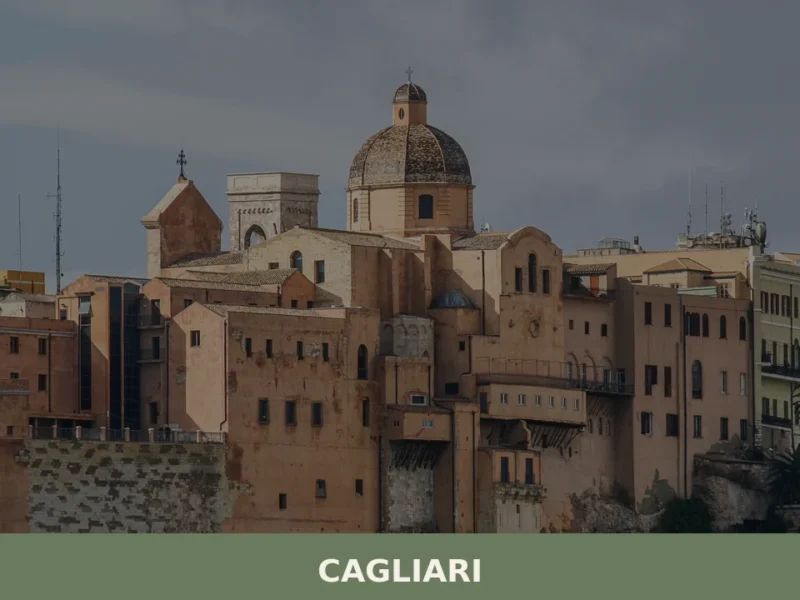
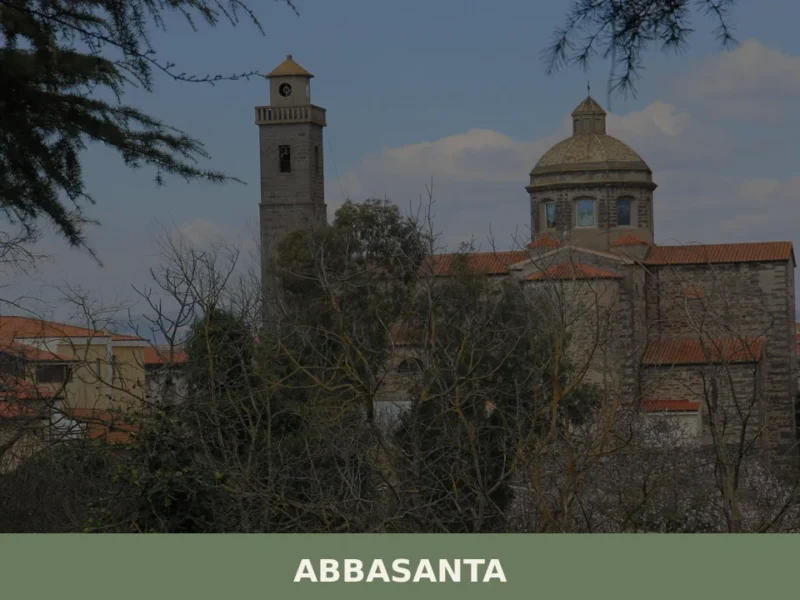
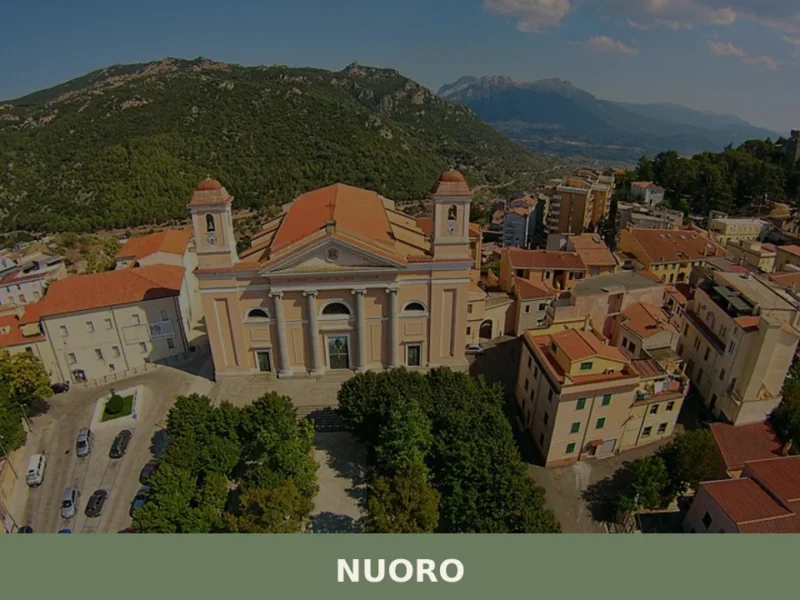
In Sardinia More villages to discover
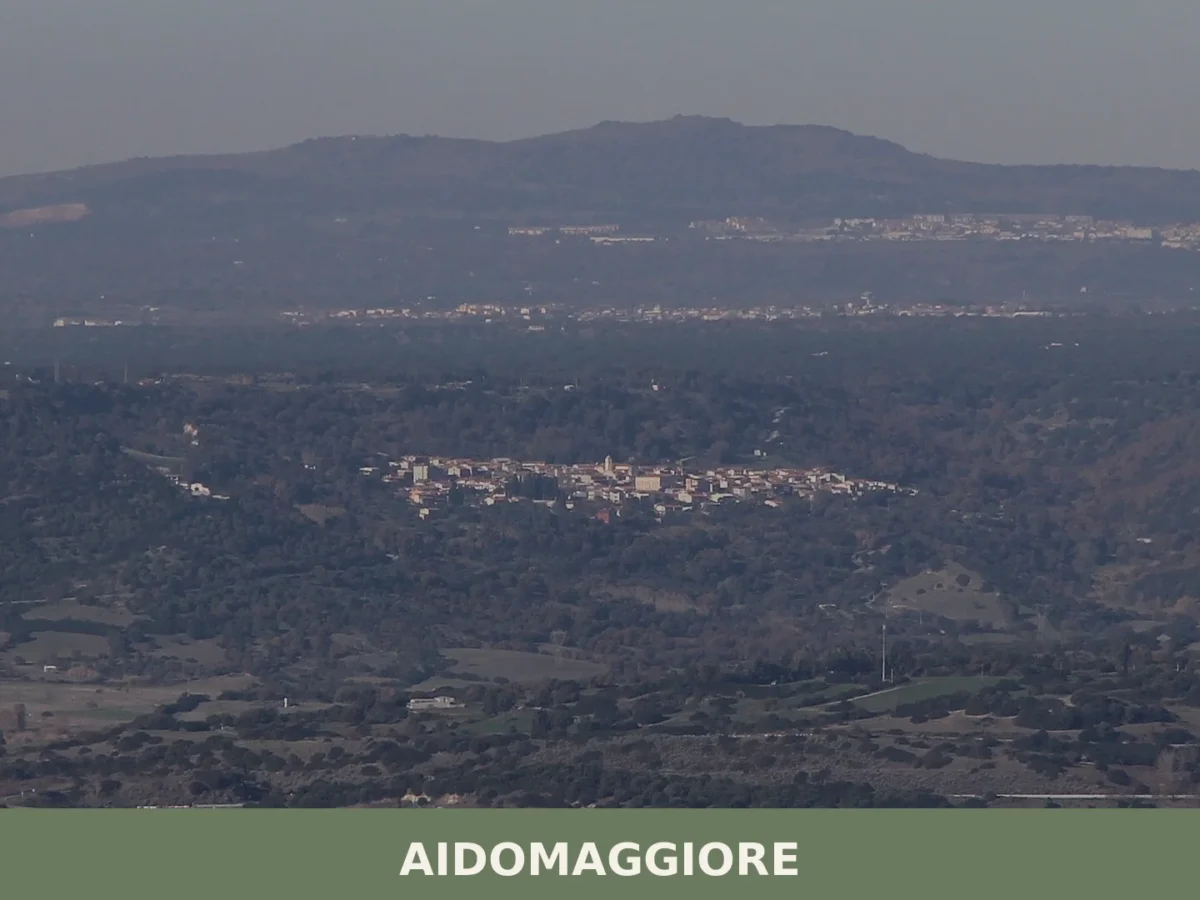
Aidomaggiore
 Hills
Hills
A village of 465 people anchored in Sardinian medieval history and Nuragic archaeology. Visit for unmediated landscape, ancient tombs, and rural traditions.
Bonnanaro
Hills
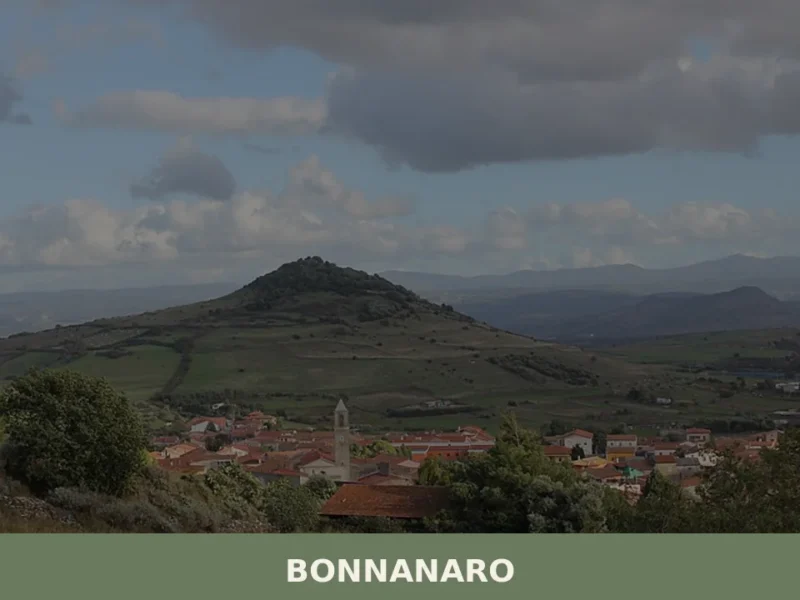
In 1388, when representatives of the Sardinian villages signed the peace treaty with the Crown of Aragon, among the signatories was the village of Bonnanaro, an agricultural centre already known for the fertility of its volcanic soils on the slopes of Monte Pelao. Today this village of 921 inhabitants, situated at 405 metres above sea […]
Albagiara
 Plains
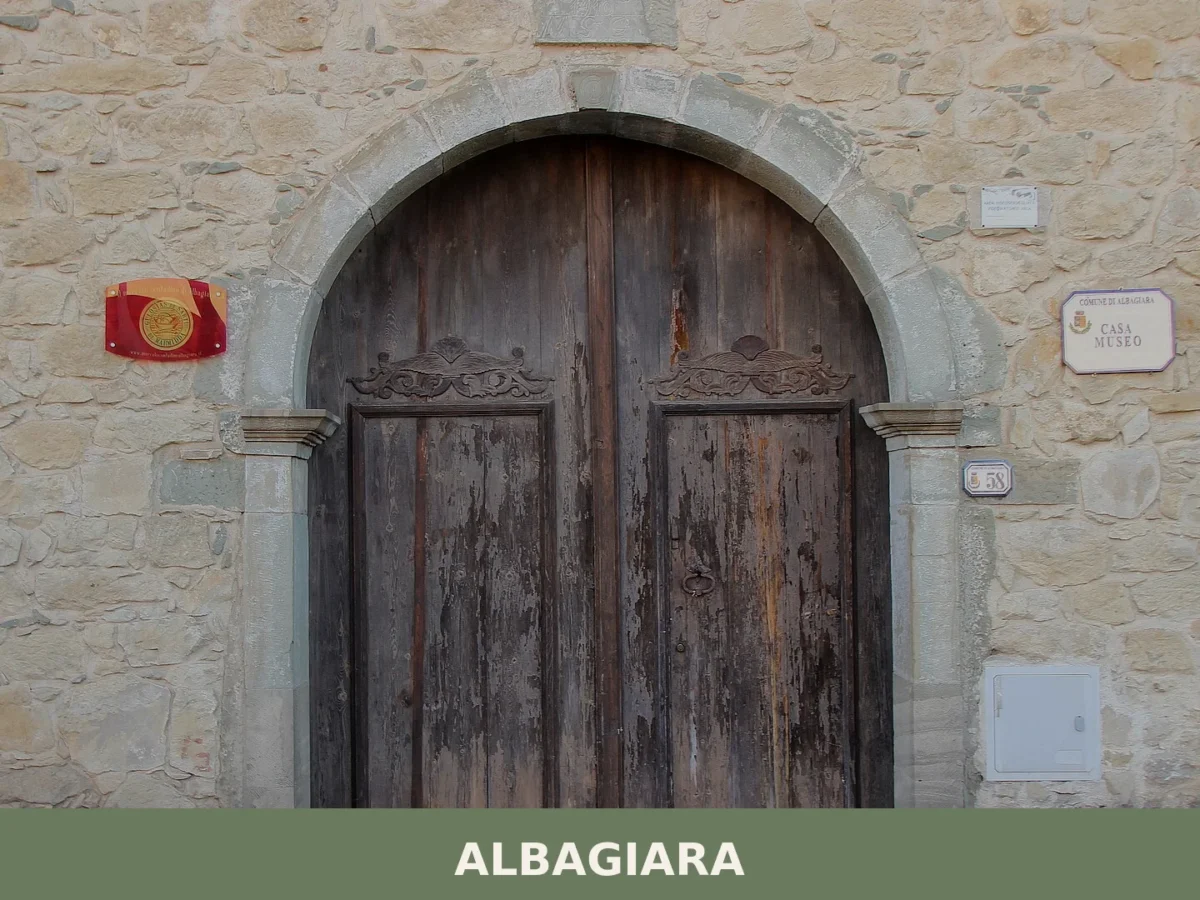
A community of 273 inhabitants in the heart of Oristano province. Albagiara balances ancient archaeology with modern agricultural and artisan traditions.
Benetutti
Hills
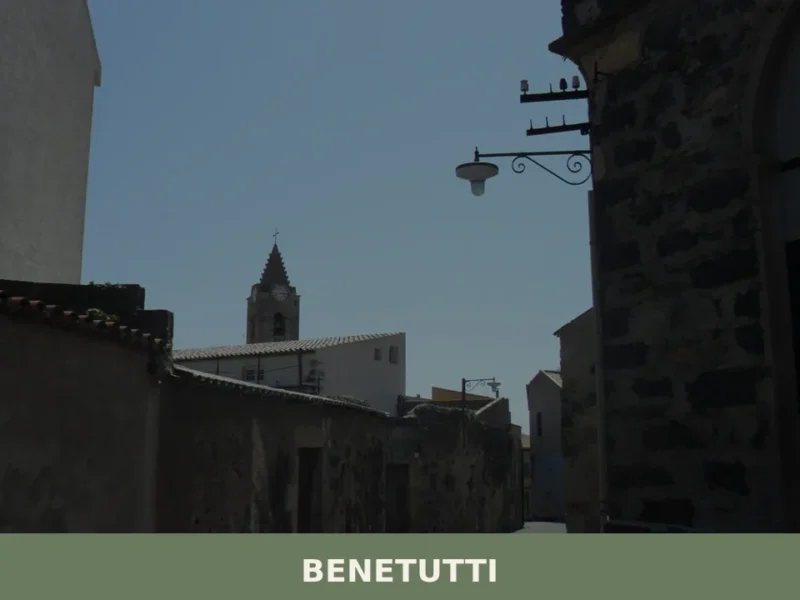
The thermal springs of San Saturnino, known since Roman times for their waters emerging at 43°C, define the identity of Benetutti more than any other element. This village of 1,686 inhabitants, at 406 metres above sea level in the province of Sassari, occupies a stretch of the Rio Tirso valley between granite formations and expanses […]
Baunei
Hills
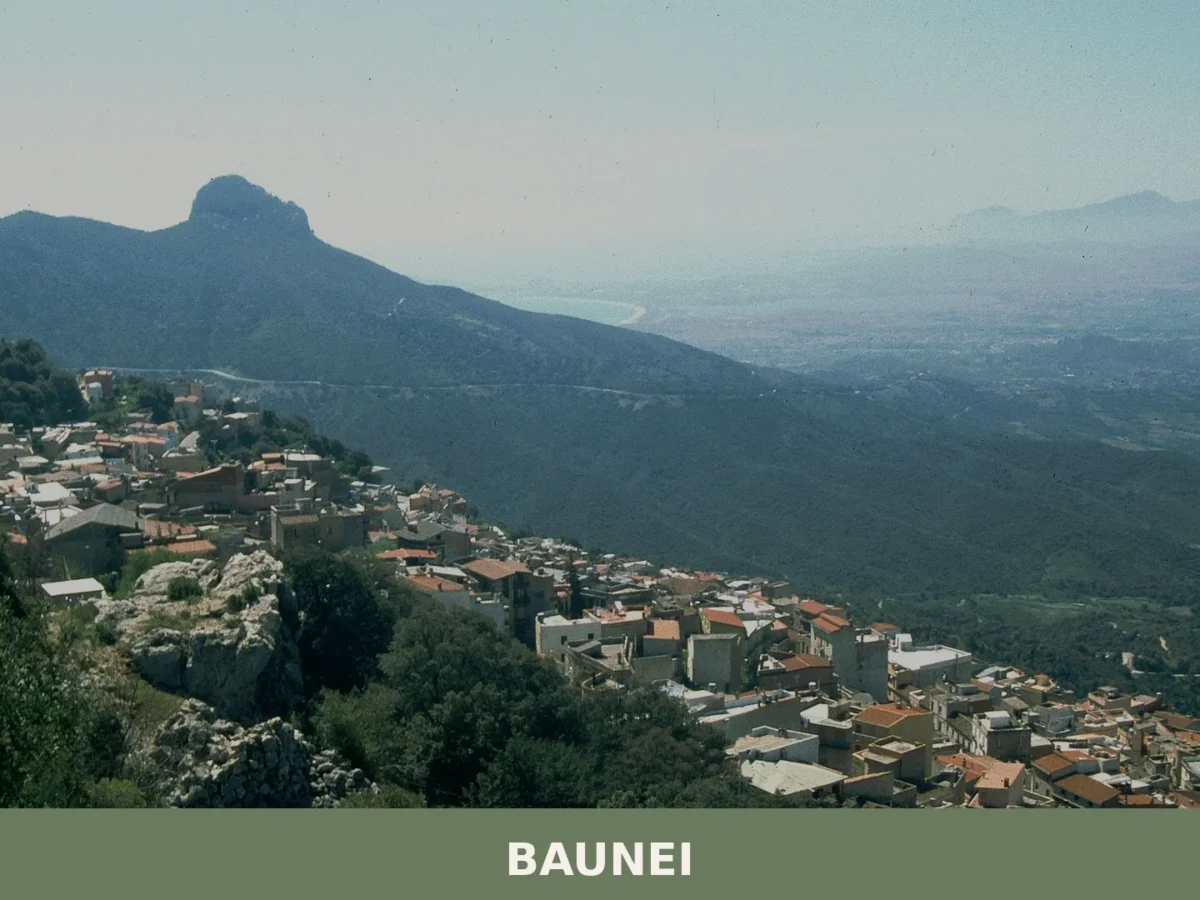
Baunei is a commune of around 3,678 inhabitants in Ogliastra, eastern Sardinia, where a high calcareous plateau meets 40 kilometres of dramatic Tyrrhenian coastline inside a national park.

Nuraminis
Plains
Discover Nuraminis, a Sardinian village with ancient nuraghi, Byzantine treasures & a Gothic-Catalan church. Your guide to an unmissable cultural escape.
Lanusei
 Sea
Sea
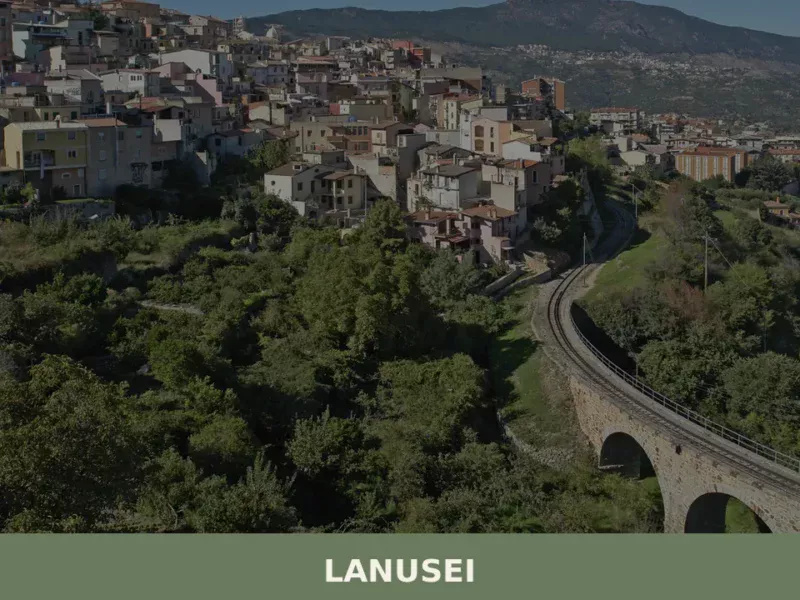
What to see in Lanusei, a Sardinian town at 595 m with 5,468 residents. Visit the Cathedral of Santa Maria Maddalena, the Natural History Museum and Gorropu Gorge. Plan your trip now.
Belvì
 Mountain
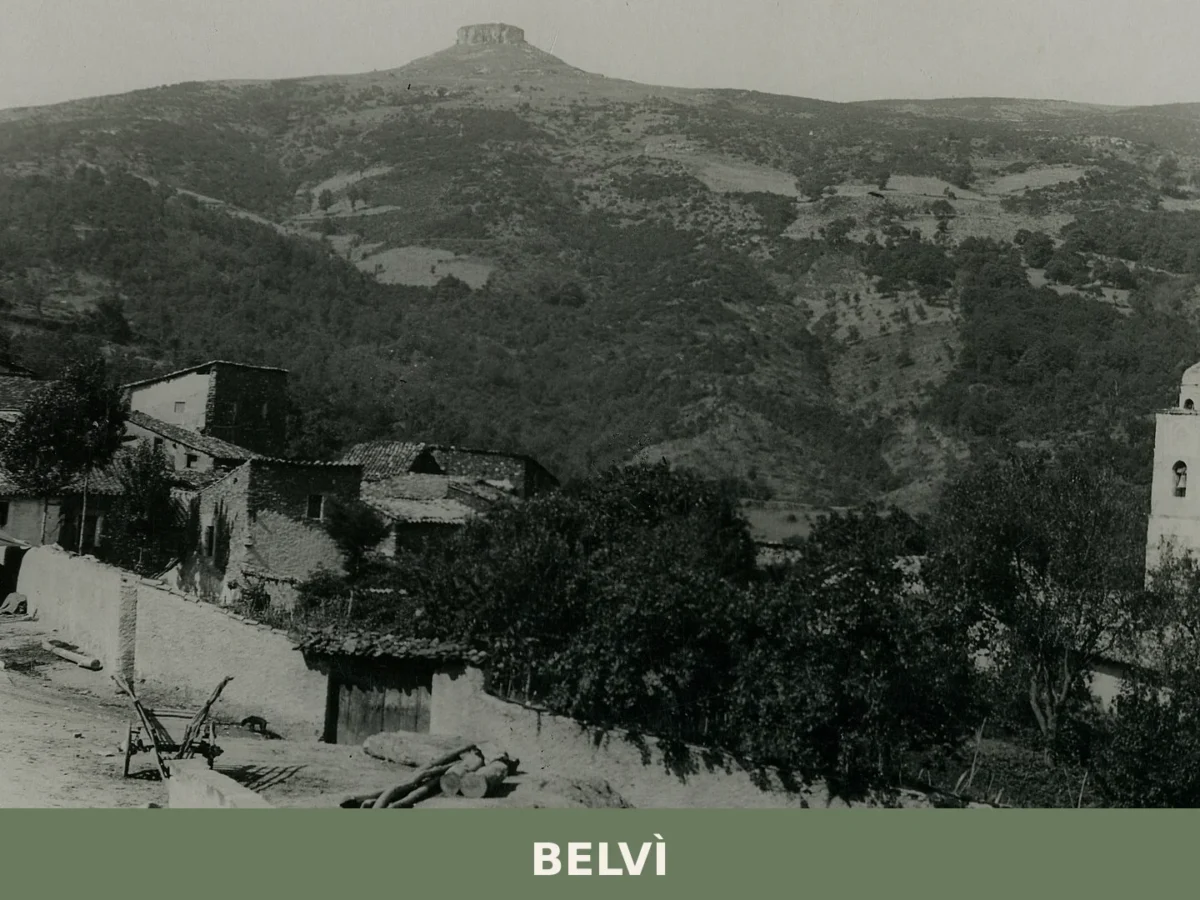
Belvì is a mountain comune in the province of Nuoro, Sardegna, at 669 metres above sea level, giving its name to the Barbagia di Belvì subregion and bordered by the Gennargentu massif.
Sant’Antioco
Sea
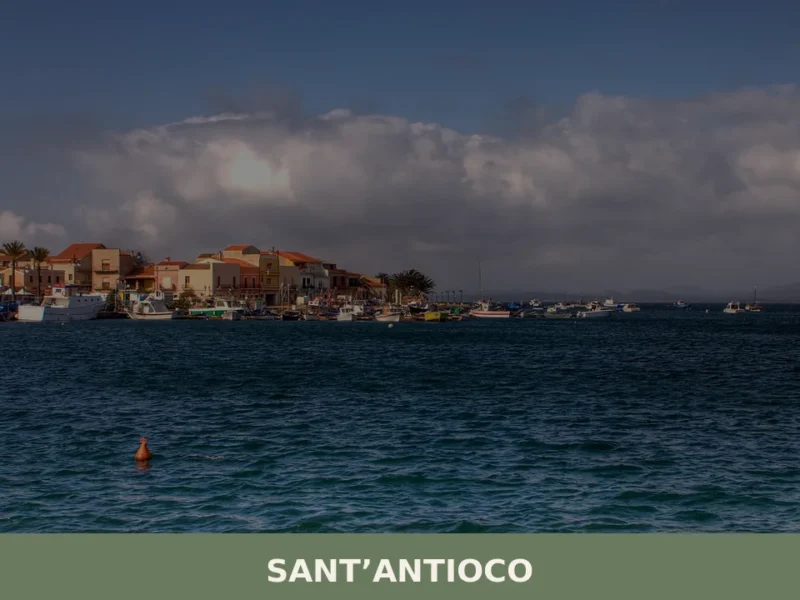
Sant'Antioco is a lagoon-fringed island town in southwestern Sardinia where Phoenician ruins, cave dwellings and flamingo-filled shallows occupy the same compact, sea-level landscape.
Aritzo
Mountain
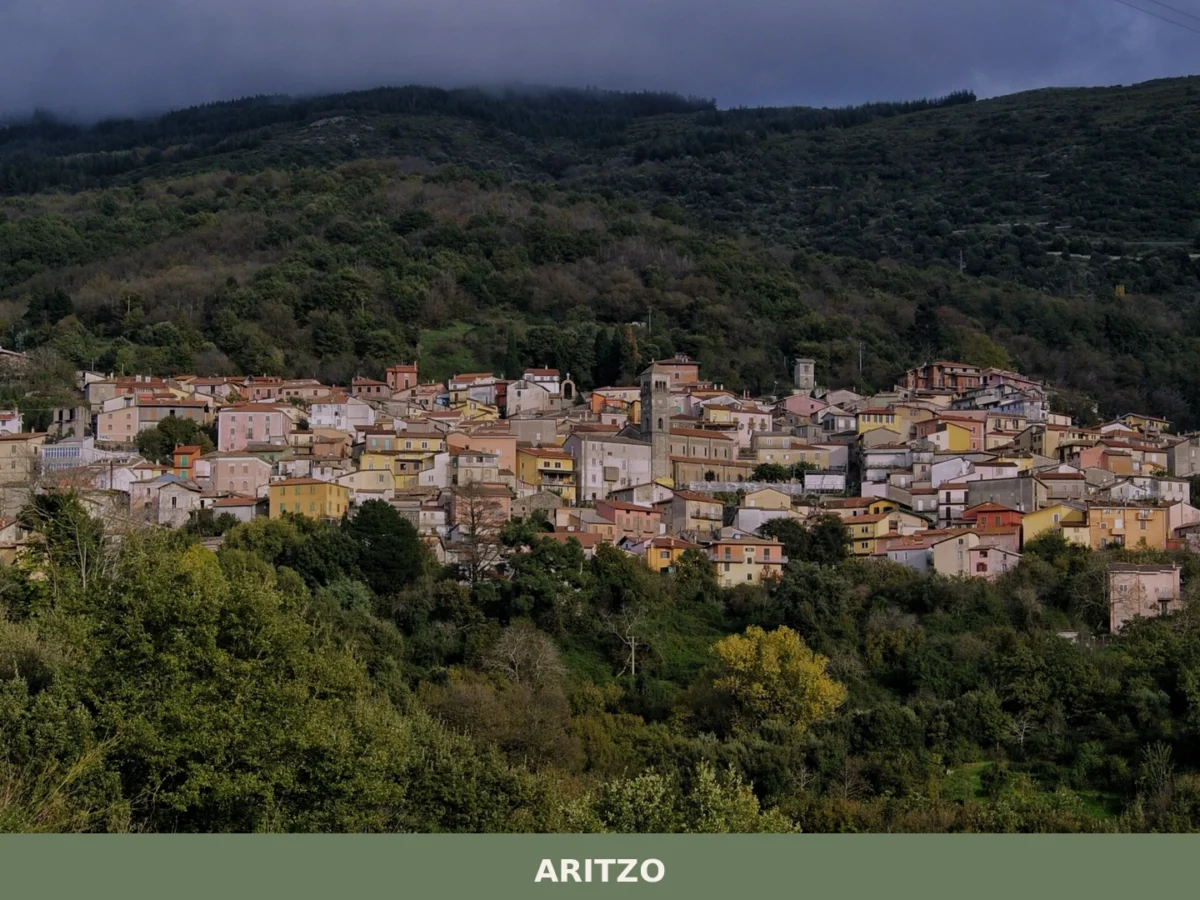
What to see in Aritzo, Italy: Explore a village of 1,272 residents in Sardegna, located 80 km from Cagliari. Discover its unique demographics and geographical setting.

🏡 Know Arbus better than we do?
If you’re a local or have been there, your knowledge matters: add what’s missing or fix a detail on this page.