


Como
 Hills
Hills
 Lake
Lake
what to see in como? Explore this city of 83,184 inhabitants. Discover its historic Duomo, Lake Como’s beauty, and local cuisine. Read our guide.
Discover Como
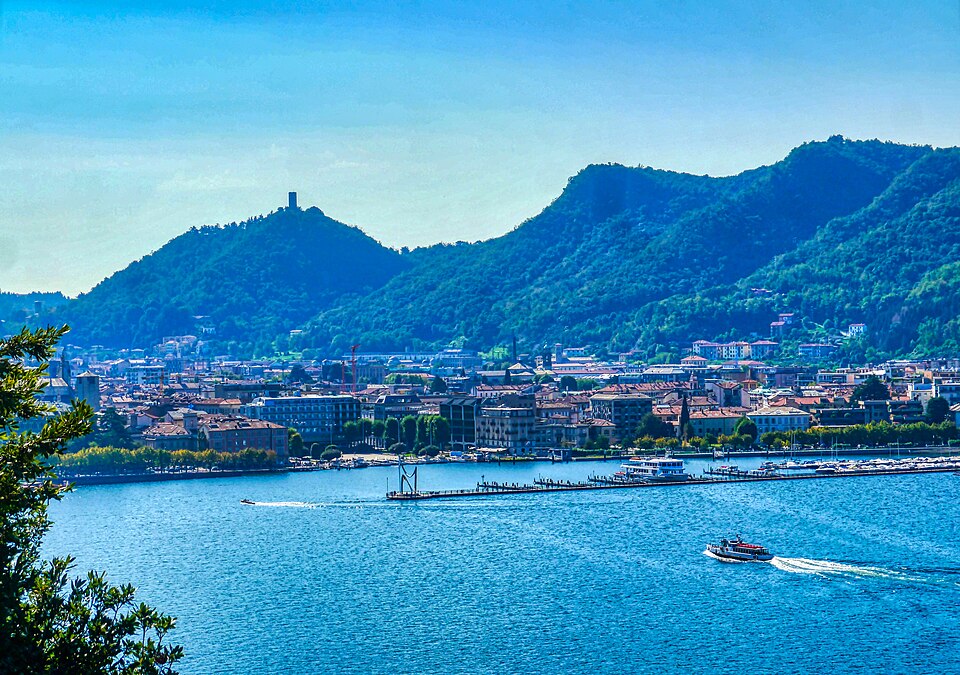
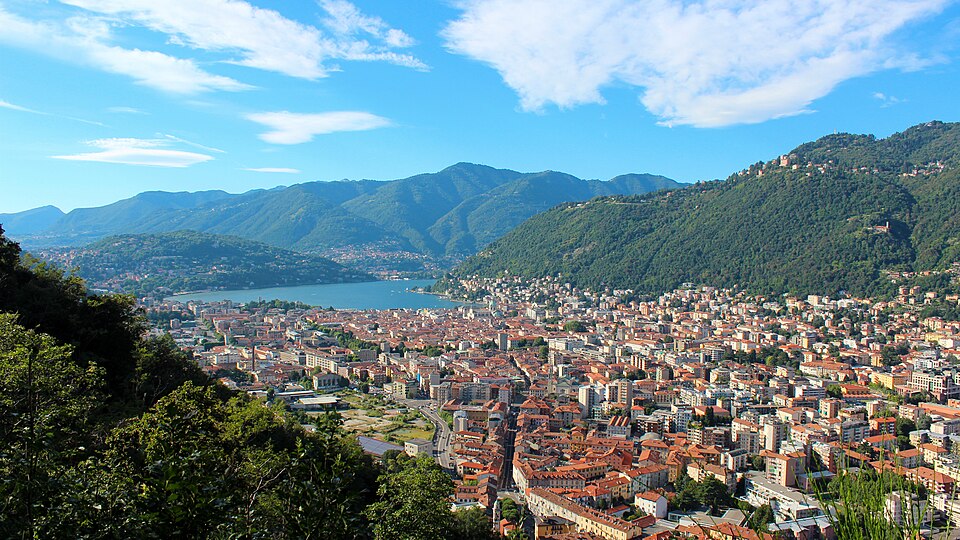
Lake Como, with its deep waters and pre-Alpine landscape, is one of Lombardy’s most renowned destinations, and the city of Como represents its beating heart. This urban center, with a population of 83,184 inhabitants and situated 201 meters above sea level, is a crossroads of history, art, and nature.
The province of Como is famous for its silk, an industry that has shaped the local economy and identity over centuries, but visitors will find much more to explore.
For those wondering what to see in Como, the city offers a rich heritage ranging from religious and civil architecture to museums dedicated to illustrious figures, without forgetting the natural beauty that surrounds it. Every corner of the historic center and the lake shores holds stories and views that deserve careful discovery, making every visit a memorable experience.
History and origins of Como
The origins of Como are rooted in pre-Roman times, with settlements of Celtic populations, but it was with the arrival of the Romans that the city assumed strategic importance. In 196 BC, the consul Marcus Claudius Marcellus defeated the Insubres Gauls, and the territory was progressively Romanized.
The name itself, Comum, probably derives from a Celtic or Latin term indicating a basin or a settlement.
Julius Caesar, in 59 BC, was instrumental in the development of Novum Comum, granting the city the status of a Latin colony and settling about five thousand colonists, many of whom were of Greek origin. This period marked a significant urban and demographic expansion, with the construction of infrastructures and the organization of the surrounding territory, laying the foundations for Como’s future greatness.
During the Middle Ages, Como was the scene of important political and military events. After the fall of the Western Roman Empire, the city underwent Ostrogothic, Byzantine, and Lombard dominations. It was a prominent episcopal center, and its strategic position between the Po Valley and the Alpine passes made it a contested objective.
In the 12th century, Como was involved in fierce struggles against Milan, culminating in the destruction of the city in 1127 by the Milanese, after ten years of war.
However, Como quickly recovered, also thanks to the support of Frederick Barbarossa, who rebuilt and fortified it, providing it with walls and defensive towers that still bear witness to its military importance today. This period of reconstruction and consolidation laid the groundwork for a new phase of economic and cultural development.
The modern age saw Como pass under various dominations, while maintaining a significant role in the Lombard context. After the Visconti and Sforza lordships, the city became part of the Duchy of Milan and, consequently, was subjected to Spanish rule from the 16th to the 18th century, and subsequently to Austrian rule. During the Habsburg era, particularly under Maria Theresa of Austria and Joseph II, Como experienced a period of reforms and enlightened development, especially in the silk manufacturing sector, which became the driving industry.
The 19th century, with the Napoleonic wars and the Risorgimento, led Como to join the Kingdom of Italy in 1859, following the Second War of Independence.
The city has thus traversed millennia of history, leaving a tangible legacy in every neighborhood, offering visitors a fascinating journey through the ages, similar in some respects to nearby centers like Albizzate, which also preserves traces of an agricultural and manufacturing past.
What to see in Como: main attractions
The city of Como is a true treasure trove of artistic and natural wonders, capable of satisfying every type of visitor. Its attractions range from historical monuments to green spaces, offering a wide array of opportunities for those who wish to discover the beauty of the place. Each point of interest tells a part of Como’s long history and culture, making the visit a rich and engaging experience.
For those wondering what to see in Como, the options are numerous and all equally fascinating, from the historic center to the lake shores.
Como Cathedral
Como Cathedral, dedicated to Santa Maria Assunta, is one of the most imposing religious buildings in Lombardy and represents a masterpiece of Gothic and Renaissance architecture.
Its construction began in 1396 and continued for almost four centuries, until the 18th century, with the completion of the dome. The richly decorated main facade features sculptures of Pliny the Elder and Pliny the Younger, natives of Como. The interior is a riot of art, with 16th-century Flemish tapestries, paintings by Bernardino Luini and Gaudenzio Ferrari, and polychrome stained-glass windows that create suggestive plays of light. This cathedral is a focal point for city life and a must-see for every visitor.
Tempio Voltiano
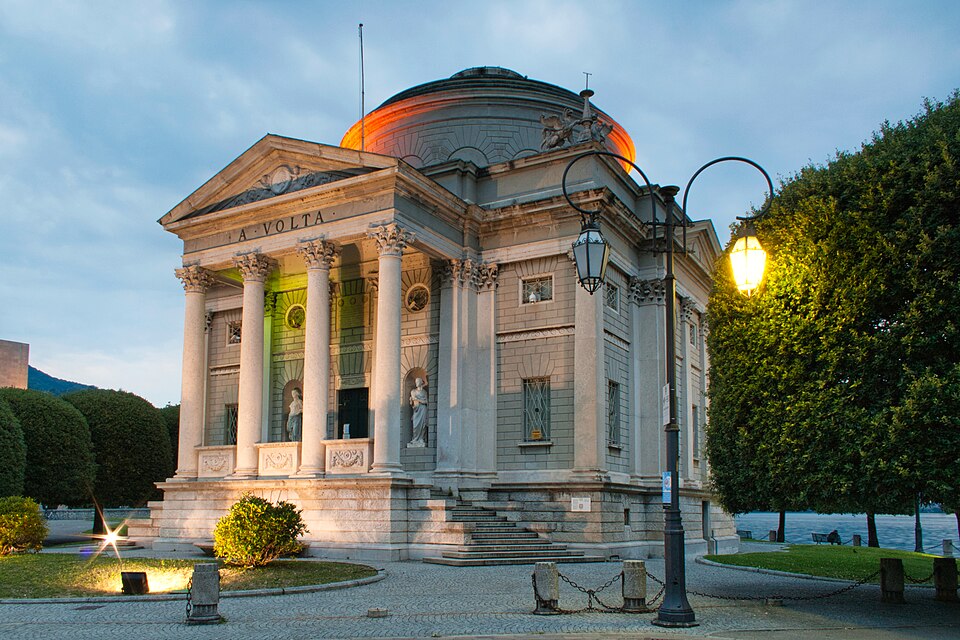
Located along the lake, the Tempio Voltiano is a neoclassical museum dedicated to Alessandro Volta, the famous physicist from Como and inventor of the electric battery. Built in 1927 to commemorate the centenary of the scientist’s death, the building houses a vast collection of original scientific instruments that belonged to Volta, including equipment for electricity experiments, battery models, and autograph documents.
The structure, with its clean and elegant lines, directly overlooks the lake waters, offering a striking setting. Visiting the Tempio Voltiano means immersing oneself in the history of science and understanding the legacy of one of Italy’s greatest innovators.
Villa Olmo
Villa Olmo is one of the most sumptuous historic residences overlooking Lake Como, a magnificent example of neoclassical architecture.
Built at the end of the 18th century for the noble Odescalchi family, the villa is surrounded by a vast English-style park with manicured gardens, fountains, and sculptures. Over the centuries, it has hosted illustrious figures such as Napoleon Bonaparte and Emperor Francis I of Austria. Today, owned by the Municipality of Como, Villa Olmo hosts art exhibitions, cultural events, and conferences. Its opulent interior and frescoed halls can be visited during events, while the park is always open to the public, ideal for relaxing walks with lake views.
Como-Brunate Funicular
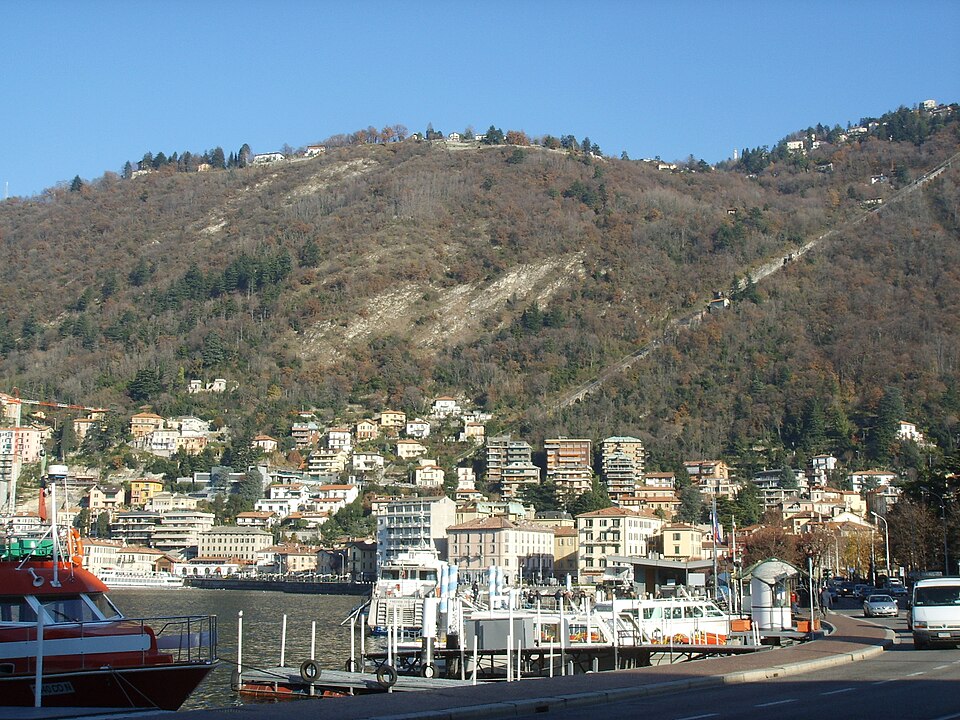
The Como-Brunate Funicular, inaugurated in 1894, offers a picturesque way to reach the village of Brunate, situated at an altitude of 715 meters, from which one can enjoy a spectacular panoramic view of the city of Como, the lake, and the surrounding Alps.
The journey takes about seven minutes and traverses a lush landscape, offering evocative glimpses. Once in Brunate, visitors can explore the small inhabited center, with its Art Nouveau villas and its paths leading to even higher panoramic points, such as the Volta Lighthouse. The funicular is an attraction in itself, an unmissable experience to admire the beauty of the territory from a unique perspective.
Medieval Walls and Porta Torre
Como’s imposing medieval walls, along with the majestic Porta Torre, represent one of the most significant testimonies to the city’s defensive past.
Built in the 12th century at the behest of Frederick Barbarossa, after the destruction of Como by Milan, the walls surrounded the ancient urban core. Porta Torre, in particular, is one of the best-preserved city gates, with its massive structure and four corner towers.
Approximately 40 meters high, it served as the main access to the city and a robust fortification. A walk along the remains of the walls and the exploration of Porta Torre allows one to immerse themselves in the medieval atmosphere and understand the strategic importance Como held in the past. These historical elements offer further inspiration for those looking for what to see in Como, connecting the visit to the main attractions with an in-depth look at its military history.
Typical Cuisine and Products of Como
The gastronomic tradition of Como and its lake is deeply linked to the availability of local products, particularly freshwater fish and the fruits of the surrounding land. Como’s cuisine reflects the influences of neighboring regions, such as Valtellina and Brianza, but has also developed distinctive dishes that enhance local ingredients.
The mild climate and the presence of the lake have favored a variety of crops and livestock, which have enriched the tables of the Comaschi over the centuries. Simplicity and genuineness are the pillars of this gastronomy, which favors bold flavors and preparations that respect the raw ingredients.
Among the typical dishes, those based on lake fish stand out. Lavarello (whitefish), for example, is a much-appreciated fish, often prepared grilled or fried.
Missoltini, on the other hand, are sun-dried agoni (shad), pressed and preserved in oil or brine, an ancient recipe dating back to times when it was necessary to preserve fish. They are usually grilled and served with polenta. Polenta, made from cornmeal, is an almost obligatory accompaniment for many local dishes, including braised meats and game. Other notable first courses are risottos, often enriched with porcini mushrooms gathered in the surrounding woods or with fish.
Como’s cuisine also offers pizzoccheri, although more typical of Valtellina, they are often found on local tables, a robust dish made from buckwheat flour, vegetables, potatoes, and cheese.
Regarding local products, while there are no DOP, IGP, or PAT certifications provided, the area is renowned for the production of fresh and aged cheeses, such as ricotta and taleggio, typical of Lombardy, which are easily found in local markets. The hilly areas also produce olive oil in limited quantities, but of excellent quality, thanks to the lake’s microclimate.
The confectionery tradition includes specialties like miascia, a humble cake made from stale bread, fruit, and milk, reminiscent of peasant preparations. These products, which can also be found in nearby villages like Besano, testify to a deep connection with the territory and its resources.
Weekly markets are an excellent opportunity to discover fresh products and local specialties.
In Como, the Saturday market is a point of reference for purchasing fruit, vegetables, cheeses, and fish directly from producers. Throughout the year, fairs and village festivals are also held in neighboring municipalities, celebrating seasonal products, such as chestnuts in autumn or berries in summer.
These occasions allow one to savor local cuisine in a festive context and to connect with the culinary traditions of the lake and its valleys.
Festivals, Events, and Traditions of Como
Como’s traditions and events are closely linked to its religious history and local culture, offering moments of gathering and celebration that involve residents and visitors. The city, while being a modern and dynamic center, maintains a strong sense of belonging to its roots, manifested through participation in festivals that are deeply rooted in the past.
These occasions are ideal for immersing oneself in the authenticity of the place and discovering the customs that animate the Como community.
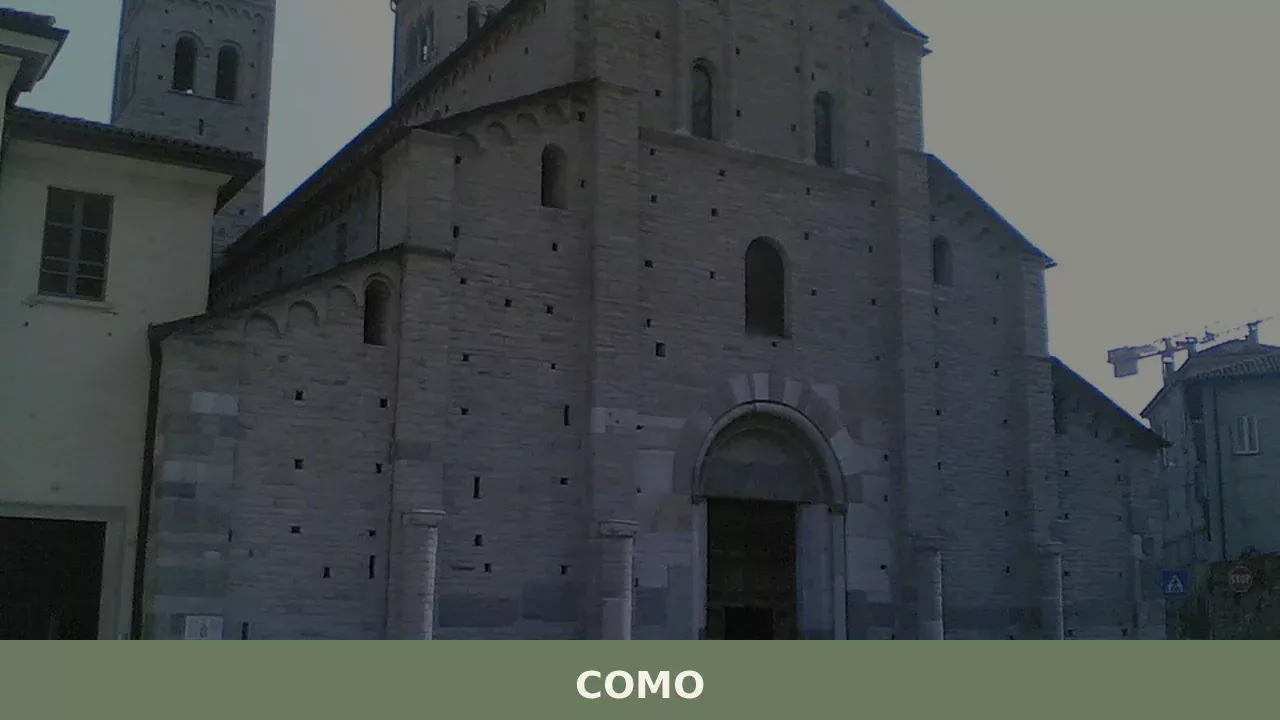
The patron saint of Como is Saint Abundius, bishop of the city in the 5th century, whose feast is celebrated on August 31st. On this day, the city pays homage to its patron with religious ceremonies culminating in the Basilica of Sant’Abbondio, a jewel of Romanesque Lombard architecture. The patronal festival is often accompanied by civil events, such as markets, concerts, and shows that enliven the historic center.
Although not a specific food festival, the occasion is opportune for tasting local specialties in the city’s restaurants and trattorias. The celebration of Sant’Abbondio is a moment of strong identity for the people of Como, who retrace the history and spirituality of their territory.
Other traditions include processions and historical re-enactments which, although without documented fixed dates, enliven the city at different times of the year, especially during Easter and Christmas festivities, with living nativity scenes and concerts.
When to visit Como and how to get there
The city of Como is a fascinating destination at any time of year, but the choice of the best time to visit depends heavily on personal preferences and the type of experience desired. Spring (April-May) and autumn (September-October) are generally considered ideal periods, thanks to the mild climate and fewer tourists.
In these months, the lake landscape is tinged with vibrant colors, and temperatures are perfect for exploring the historic center, strolling along the lakeside, or hiking in the surroundings. Summer (June-August) offers long, warm days, ideal for water activities and fully enjoying the villas and gardens, but it is also the period of highest crowds. Winter, on the other hand, offers a more intimate and suggestive atmosphere, with snow-capped mountains reflecting on the lake and Christmas lights adorning the city.
Reaching Como is simple thanks to its strategic location and good infrastructural connections.
For those arriving by car, the A9 “dei Laghi” motorway directly connects Milan to Como and continues to the Swiss border. The recommended exit is “Como Centro” or “Como Sud”, depending on the area of the city you intend to reach. The city is also served by two main railway stations: Como San Giovanni, which offers connections to Milan Centrale and Switzerland, and Como Lago, from which regional trains depart towards Milan Cadorna. It is possible to consult schedules and purchase tickets via the official website of Trenitalia or Trenord.
For those who prefer air travel, the closest airports are Milan Malpensa (MXP) and Milan Linate (LIN), both about 50-60 km away. From both airports, it is possible to reach Como by train, bus, or taxi and shuttle services. The proximity to these important hubs makes Como easily accessible even for international travelers, who may consider extending their visit to villages like Cadrezzate, a few kilometers distant and well-connected.
Where to stay in Como
Como, being a highly attractive tourist city, offers a wide range of accommodation solutions, capable of satisfying different needs and budgets.
From luxurious lake-view hotels to cozy bed & breakfasts in the historic center, options are numerous and well-distributed. Many establishments are located along the lake shores, guaranteeing unforgettable views and direct access to walks and boats. The historic center, with its pedestrian streets and proximity to main attractions like the Cathedral and Porta Torre, is another privileged area for those seeking convenience and a lively atmosphere. Apartments and holiday homes are also available, ideal for longer stays or for families, allowing visitors to experience the city with greater autonomy.
For those who desire a quieter experience and closer contact with nature, the surroundings of Como offer agriturismos and small hotels nestled in the green hills, just a few minutes’ drive from the center.
These solutions are particularly appreciated by those seeking relaxation and the opportunity to explore the surrounding trails and landscapes. The quality of hospitality is generally high, with particular attention to comfort and services offered.
It is advisable to book in advance, especially during high season, to ensure the best choice and most advantageous rates. Those looking for a more secluded experience, while remaining in the province, might consider a stay in Brenta, which offers more rural and authentic hospitality.
Frequently asked questions about Como
What is the best time to visit Como?
Spring (April–June) and early autumn (September–October) offer mild temperatures, clear skies, and fewer crowds, making them ideal for exploring the lakefront and historic center. Summer is peak season, with vibrant atmosphere but heavier tourist traffic. The feast of the patron saint Sant'Abbondio falls on 31 August, when the city celebrates with religious ceremonies and local festivities — a culturally rich moment to be in Como. Winter is quieter and prices drop, though the Alpine backdrop and Christmas markets add their own charm.
What are the historical origins of Como?
Como's origins trace back to Celtic settlements before Roman conquest. In 196 BC, consul Marcus Claudius Marcellus defeated the Insubres Gauls, beginning Romanization. In 59 BC, Julius Caesar established Novum Comum as a Latin colony, settling around five thousand colonists. The city's Latin name, Comum, likely derives from a Celtic or Latin term for a basin or settlement. In the Middle Ages Como endured Ostrogothic, Byzantine, and Lombard rule, and was destroyed by Milan in 1127 before being rebuilt and fortified by Frederick Barbarossa.
What to see in Como? Main monuments and landmarks
Como's historic center offers outstanding attractions: the Cathedral of Santa Maria Assunta (begun 1396), with Flemish tapestries and paintings by Luini and Ferrari; the neoclassical Tempio Voltiano on the lakefront, dedicated to physicist Alessandro Volta (open Tuesday–Sunday, admission approx. €5); Villa Olmo, a neoclassical 18th-century villa with a freely accessible lakeside park; the medieval Porta Torre, a 40-metre fortified gate built under Barbarossa; and the Como–Brunate Funicular (inaugurated 1894), which ascends to Brunate at 715 metres for panoramic Alpine and lake views.
What are the main natural or scenic attractions of Como?
Como sits at the southern tip of Lake Como, one of Italy's deepest and most scenic pre-Alpine lakes. The lakefront promenade (lungolago) offers direct views of the water and surrounding mountains. The Como–Brunate Funicular climbs to Brunate village at 715 metres, where marked walking paths lead to further viewpoints including the Volta Lighthouse. The hills surrounding the city — referenced in the village's Collina theme — provide wooded slopes ideal for easy hiking and nature walks accessible from the city.
Where to take the best photos in Como?
The lungolago (lakefront promenade) near the Tempio Voltiano offers classic shots of Lake Como with Alpine backdrops. The terrace at Brunate, reached by the 1894 funicular, provides sweeping panoramas over Como's rooftops, the lake, and the Alps — particularly spectacular at sunrise. The facade of Como Cathedral, framed by the medieval streets of the historic center, is another iconic subject. For reflections and boat-framed views, the small harbor area near Villa Olmo is a favourite among photographers.
Are there museums, churches or historic buildings to visit in Como?
Yes. The Tempio Voltiano (open Tuesday–Sunday; admission approx. €5) houses Alessandro Volta's original scientific instruments and battery models. Como Cathedral contains 16th-century Flemish tapestries and works by Bernardino Luini and Gaudenzio Ferrari, and is free to enter. The medieval Porta Torre, part of the 12th-century Barbarossa walls, is freely accessible from the street. Villa Olmo hosts temporary art exhibitions (entry fees vary by event) while its park is always open to the public at no charge.
What can you do in Como? Activities and experiences
Visitors can ride the historic Como–Brunate Funicular for panoramic views and then hike onward to the Volta Lighthouse. Lake Como offers boat excursions to nearby villages such as Bellagio and Varenna, bookable at the lakefront. Cycling paths run along the shoreline. The city is the global capital of silk production — the Museo Didattico della Seta documents this tradition. Strolling the medieval walls, visiting Romanesque churches, and enjoying lakeside dining complete the experience. The patron feast of Sant'Abbondio on 31 August adds a local cultural event to late-summer visits.
Who is Como suitable for? Families, couples, hikers, solo travelers?
Como suits a wide range of visitors. Couples appreciate the romantic lakefront, elegant villas, and fine dining. Families enjoy the funicular ride, the lakeside park at Villa Olmo, and boat trips. History and architecture enthusiasts will find the cathedral, Porta Torre, and Roman heritage rewarding. Science lovers can explore the Tempio Voltiano. Hikers use Como as a base for trails around Brunate and the surrounding hills. Solo cultural travelers benefit from Como's excellent transport links, making it an ideal hub for day trips across Lake Como.
What to eat in Como? Local products and specialties
Como's cuisine is rooted in lake fish and mountain produce. Missoltini — sun-dried agoni (shad) preserved in oil or brine and served grilled with polenta — are a signature local dish. Lavarello (whitefish) is popular grilled or fried. Polenta accompanies most savory dishes, including braised meats and game. Risotto enriched with porcini mushrooms or lake fish appears on many menus. Local cheeses, including ricotta and taleggio typical of Lombardy, are widely available. The area's silk-trade heritage brought cosmopolitan culinary influences, reflected in the variety of Como's restaurant scene.
📷 Photo Gallery — Como
Nearby Villages near Como
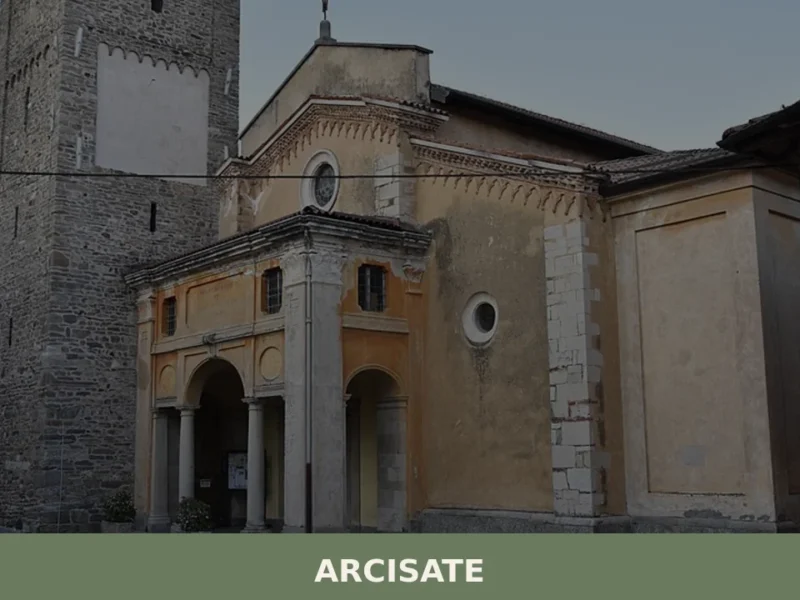
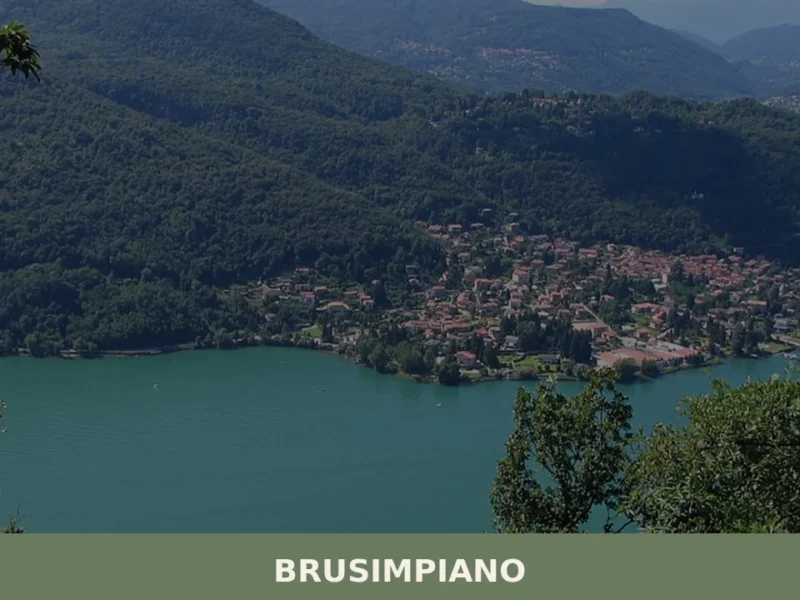
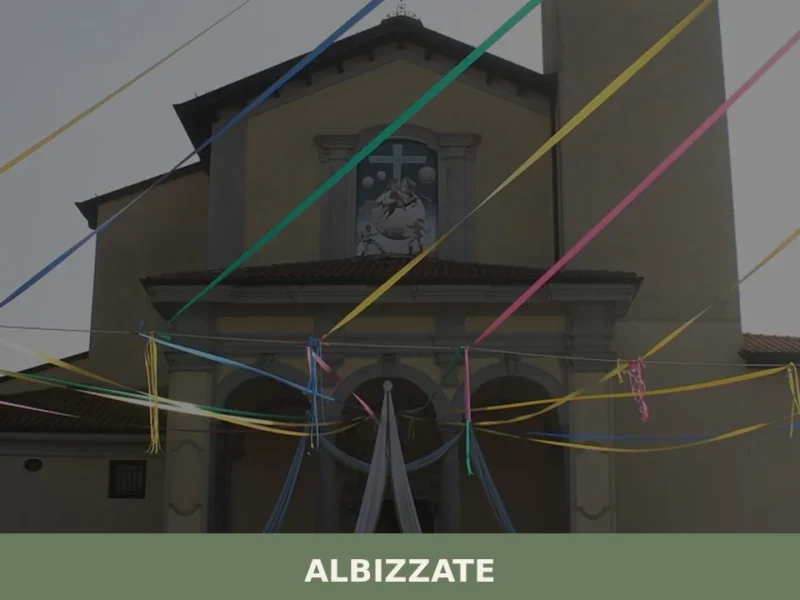
In Lombardy More villages to discover
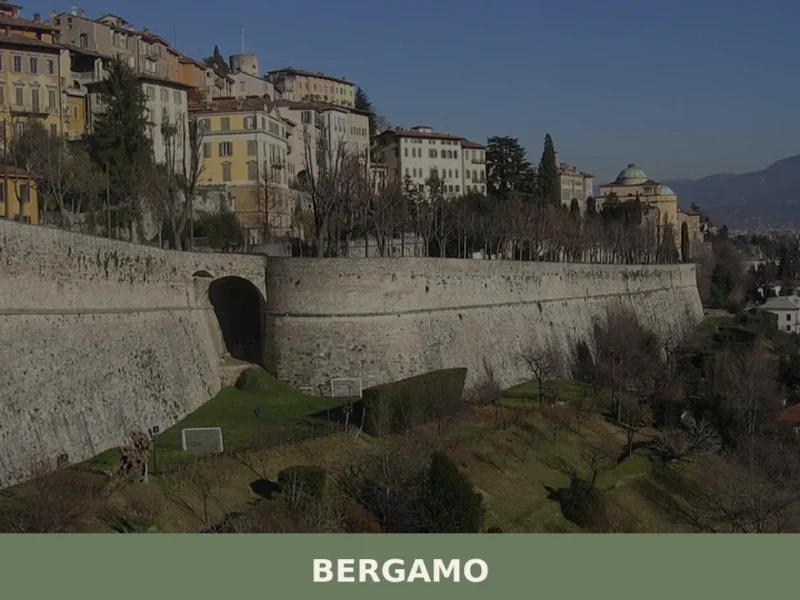
Bergamo
Hills
What to see in Bergamo? With 119,534 inhabitants, the city is famous for its Venetian Walls and Piazza Vecchia. Discover its rich history and typical dishes.
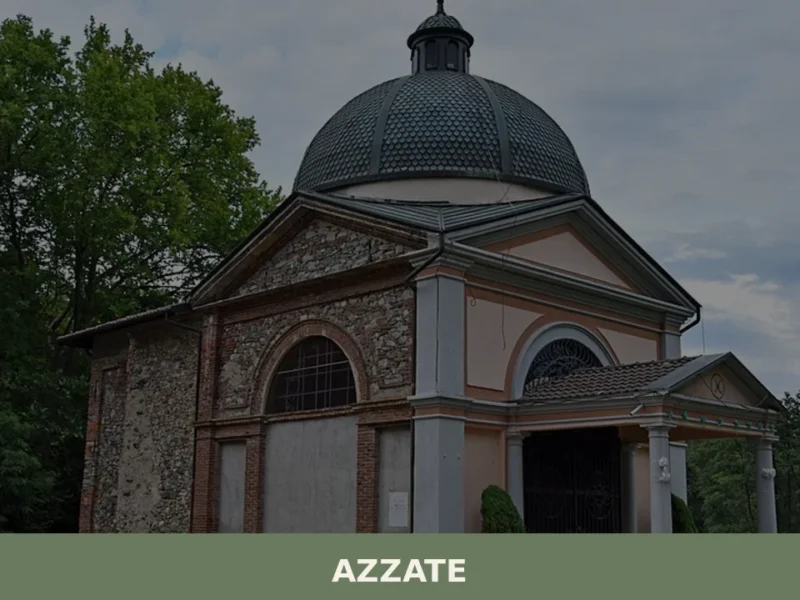
Azzate
Hills
Lake
What to see in Azzate? Discover 5 must-see attractions. Explore the Church of Sant'Andrea and the Belvedere. Book your visit now!
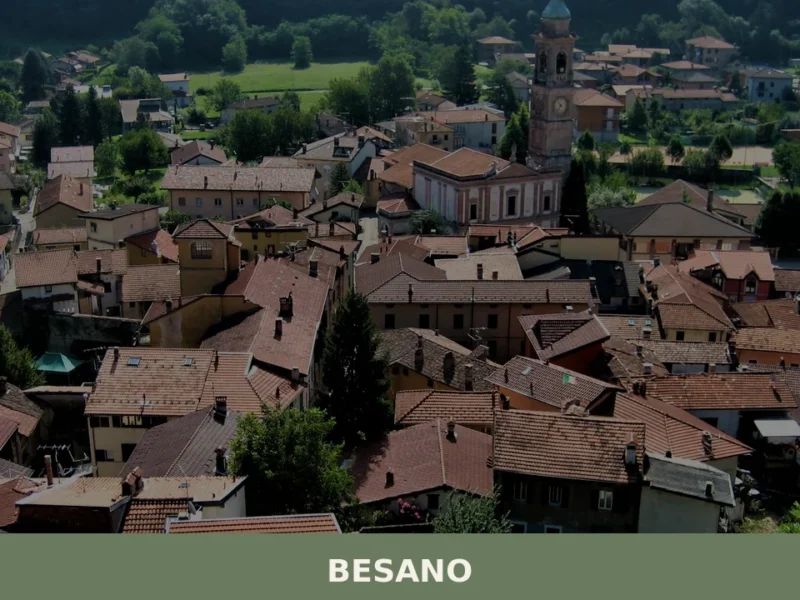
Besano
Hills
What to see in Besano, Italy: Explore the paleontological site and discover village life at 350 m (1,148 ft) a.s.l. Read our guide to Lombardy's unique corners.
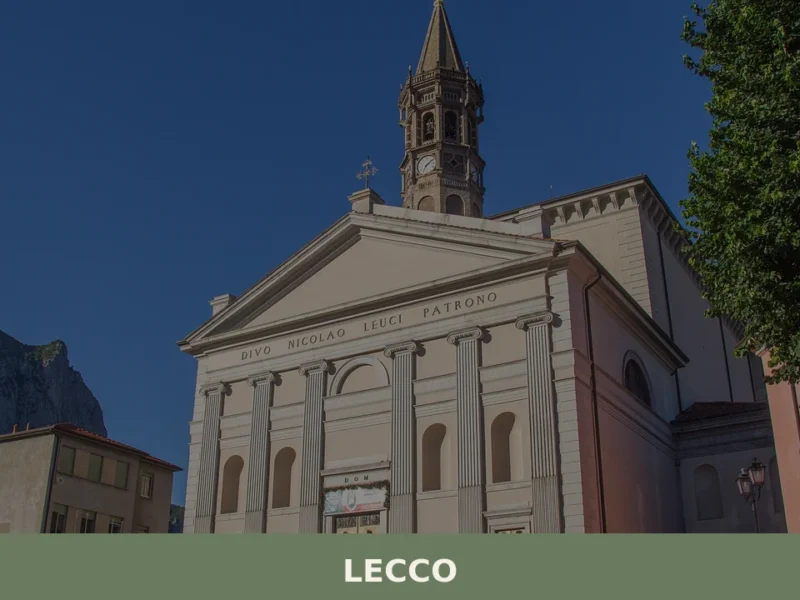
Lecco
Lake
 Mountain
what to see in lecco, Italy: Explore the 5 essential attractions of this Lombard city, from the historic Azzone Visconti Bridge to the towering Mount Resegone. Discover its 47,240 inhabitants.

Paderno Dugnano
 Plains
A metropolitan comune of nearly 48,000 residents formed from five historic settlements. Medieval chapels, noble villas and the Seveso river define its rhythm.
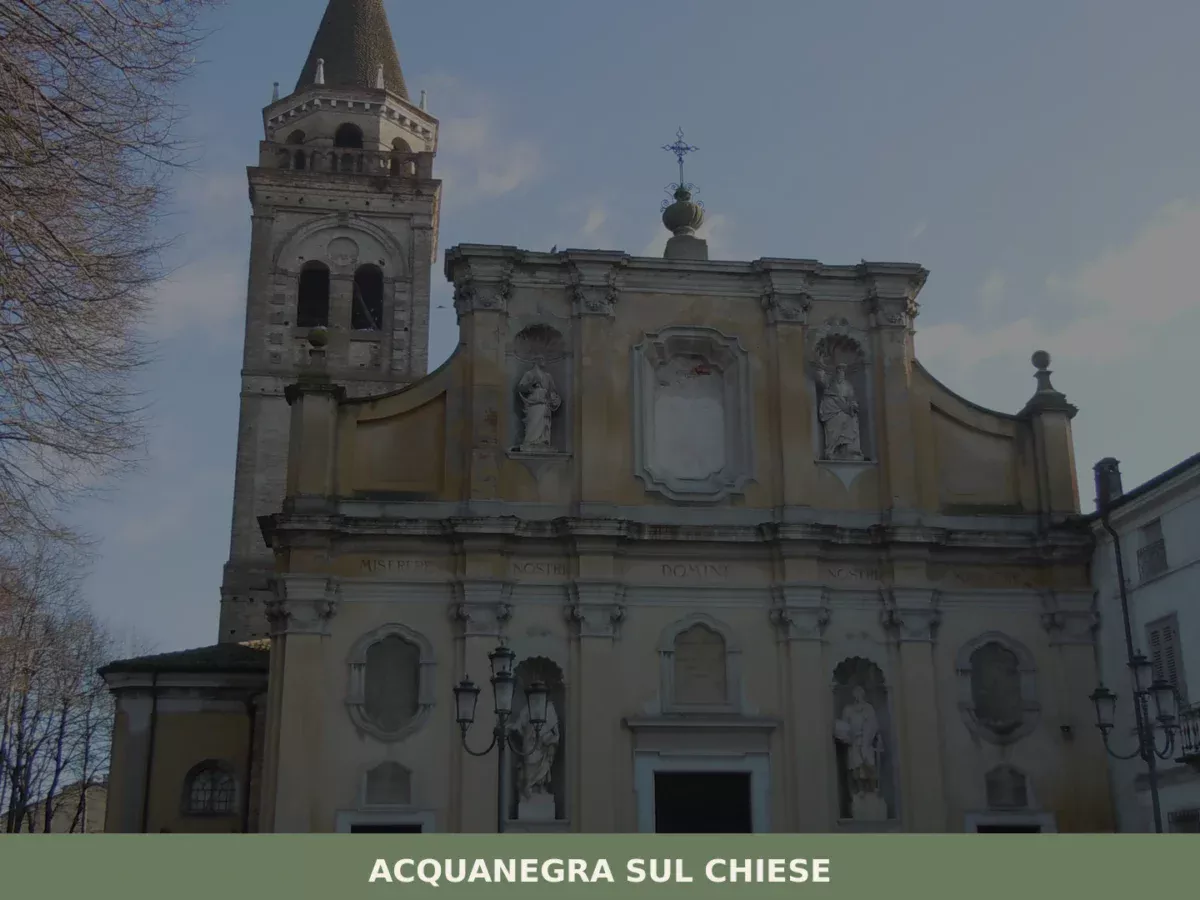
Acquanegra sul Chiese
Plains
What to see in Acquanegra sul Chiese, Lombardia, Italy — 100 km from Milan. Discover 5 top attractions, local food traditions, and how to get there. Explore now.
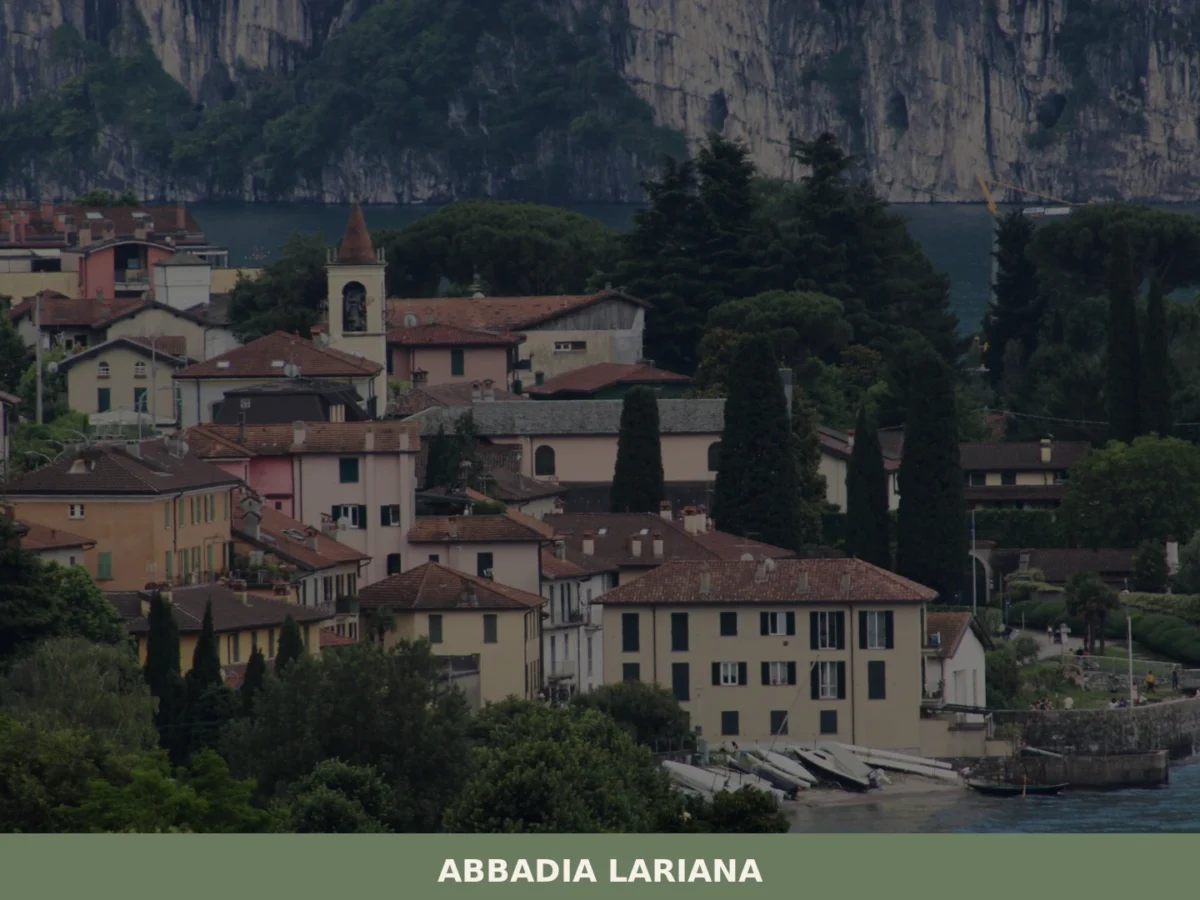
Abbadia Lariana
Lake
Discover what to see in Abbadia Lariana, a lakeside village on Lake Como in Lecco province. History, attractions, food, travel tips and how to get there.
Besozzo
Hills
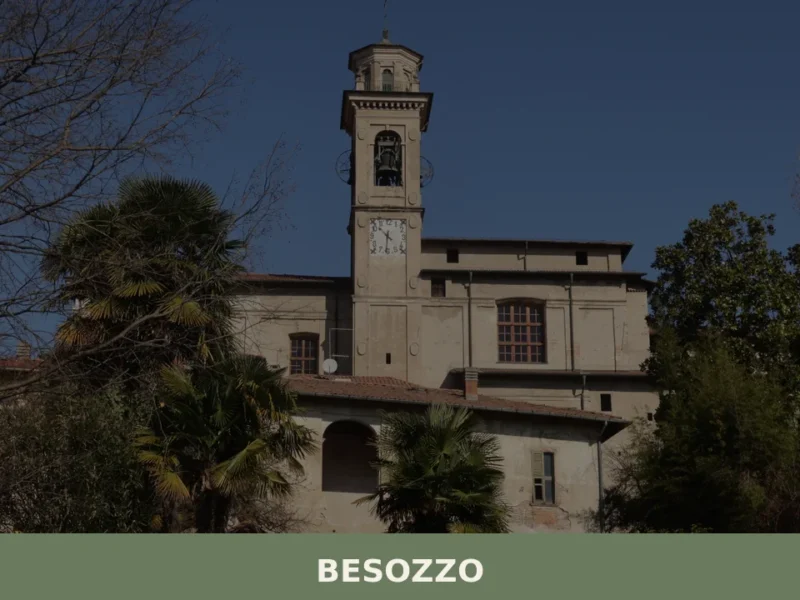
What to see in Besozzo, Italy: Explore the historic upper village (240 m a.s.l.), its noble Palazzi, and proximity to Lago Maggiore. Discover this Lombardian gem.

Vanzaghello
Plains
5,375 residents, one medieval parish church and a steam locomotive in the central square: Vanzaghello rewards visitors drawn to authentic Lombard daily life.
Casalzuigno
Hills
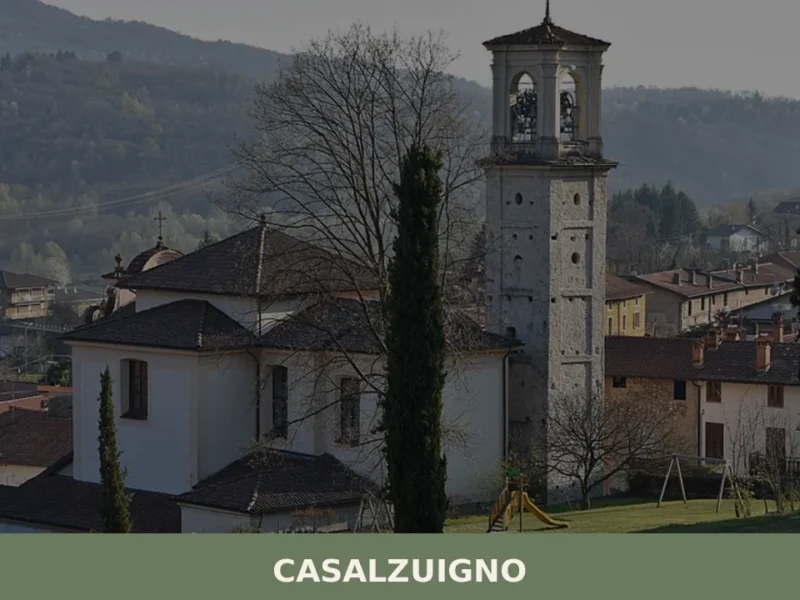
Cosa vedere a Casalzuigno: borgo a 350m nel Varesotto con Villa della Porta Bozzolo (FAI), chiesa di San Vittore e Parco Campo dei Fiori. Guida completa.



🏡 Know Como better than we do?
If you’re a local or have been there, your knowledge matters: add what’s missing or fix a detail on this page.