


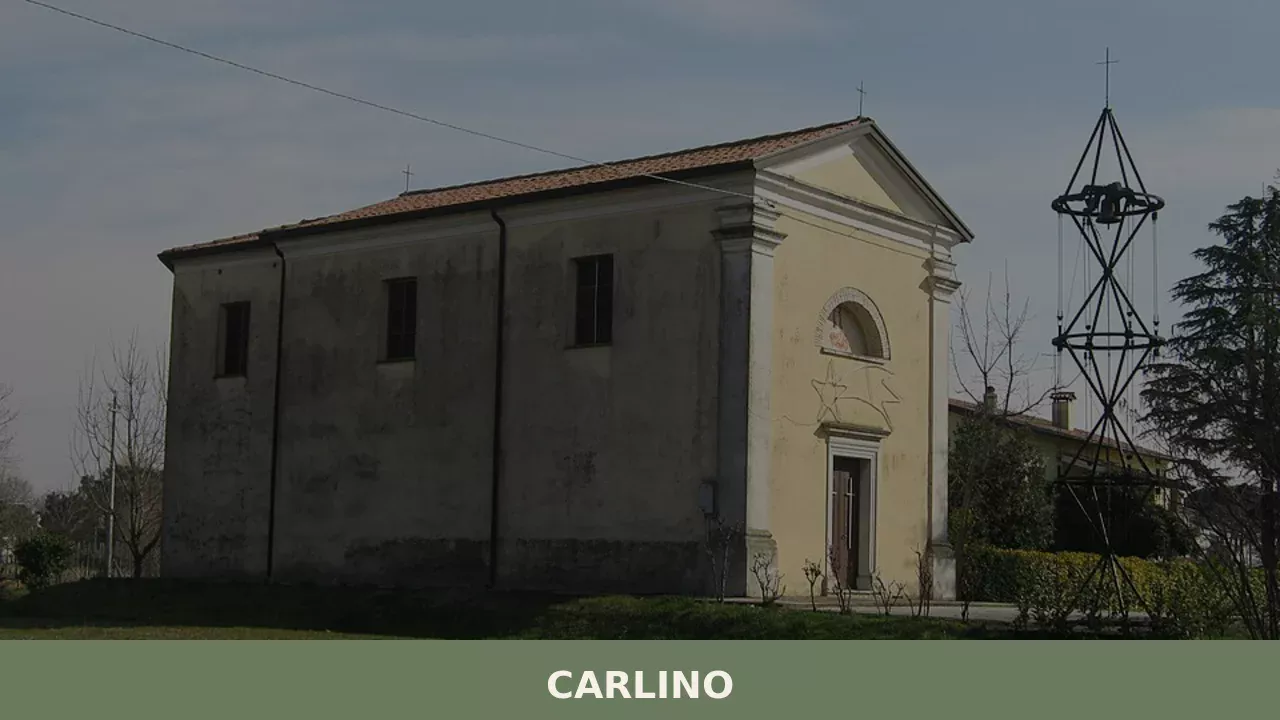
Carlino
 Plains
The first thing you notice arriving in Carlino is the industrious silence of the Friulian plain, broken only by the rustle of water flowing through the drainage canals that cross the municipal territory. We are in the Bassa Friulana, province of Udine, just a few kilometres from the Marano Lagoon, in a land where agriculture […]
Discover Carlino
The first thing you notice arriving in Carlino is the industrious silence of the Friulian plain, broken only by the rustle of water flowing through the drainage canals that cross the municipal territory. We are in the Bassa Friulana, province of Udine, just a few kilometres from the Marano Lagoon, in a land where agriculture has reshaped the landscape over the centuries. With its 2,812 inhabitants, Carlino is a scattered municipality that also includes the hamlet of San Gervasio. Asking what to see in Carlino means preparing to read a layered territory, where Roman traces, Lombard necropolises and rural architecture form a coherent narrative of over two thousand years of human settlement on the plain between the Tagliamento and the Stella rivers.
History and origins of Carlino
The etymology of the name Carlino has been the subject of several hypotheses among scholars of Friulian place names.
The most widely accepted theory traces the toponym to a Latin personal name, probably Carolinus or Carlinus, indicating the owner of an agricultural estate in Roman times — a derivation common to many settlements on the Friulian plain, where the Roman praedia system organised the exploitation of the territory. Another hypothesis, less well documented, links it to a Lombard term denoting a free man, reflecting the presence of Germanic communities in the area between the 6th and 8th centuries. This second interpretation intersects with the archaeological evidence found within the municipal territory, which confirms a significant Lombard presence in the zone.
The territory of Carlino was inhabited from the pre-Roman era, as demonstrated by finds of materials dating to the Bronze and Iron Ages along the course of the Stella. With Roman colonisation, the area came within the orbit of Aquileia, the great city founded in 181 BC as a military and commercial outpost of the Roman Republic. The proximity to Aquileia — some fifteen kilometres away — made this territory a productive agricultural area, crossed by communication routes linking the colony to the lagoon coast.
After the fall of the Western Roman Empire in 476, the zone experienced barbarian invasions and saw the settlement of the Lombards, who entered Italy in 568 under the leadership of Alboin and established the Duchy of Friuli with its capital at Cividale. The Lombard necropolis discovered in the territory of Carlino is one of the most significant pieces of evidence from this period in the Bassa Friulana.
In the Middle Ages, Carlino followed the political fortunes of Friuli, passing under the rule of the Patriarchate of Aquileia, which governed the region until 1420, the year of the Venetian conquest. Under the Most Serene Republic of Venice, the territory experienced a phase of relative stability and saw the first water regulation works, a constant concern for a community situated on a plain prone to waterlogging.
Annexation to the Kingdom of Italy in 1866, following the Third War of Independence, marked the beginning of a new phase. The 20th century brought the devastation of the First World War — Friuli was a direct theatre of conflict — and, in the post-war period, the major land reclamation works radically transformed the landscape, making large portions of previously marshy territory fit for cultivation and giving Carlino the orderly appearance of fields and canals that characterises it today.
What to see in Carlino: 5 key attractions
1. Parish Church of San Martino Vescovo
The Church of San Martino Vescovo stands in the centre of the main settlement and is the municipality’s principal religious building. The dedication to Saint Martin of Tours is extremely widespread in northern Italy and recalls the Christianisation of the territory in late antiquity and the early medieval period, when the cult of the bishop-saint spread along the Roman roads.
The current building is the result of several phases of construction over the centuries, with a structure that reflects the forms of Friulian sacred architecture. Inside, it preserves liturgical furnishings and works of art that document the devotion of the local community. The bell tower, visible from a great distance across the surrounding plain, serves as a geographical reference point for anyone travelling the roads of the Bassa Friulana.
2. Archaeological area of the Lombard necropolis
Within the municipal territory of Carlino, the remains of a Lombard necropolis have been found, datable to between the 6th and 7th centuries AD, confirming the importance of the area during the period of Germanic migrations. The grave goods recovered during excavation campaigns include metal objects, ceramics and weaponry typical of Lombard culture in Italy.
These finds fit within the broader context of the Lombard presence in Friuli, the region that hosted the first duchy founded by this people on the peninsula. The materials recovered contribute to our understanding of settlement dynamics between late antiquity and the early Middle Ages in a territory situated between Aquileia and the lagoon, providing valuable data on the transition from the Roman to the early medieval period on the eastern Friulian plain.
3. Church of Santi Gervasio e Protasio
In the hamlet of San Gervasio, a short distance from the main settlement, stands the church dedicated to Saints Gervasius and Protasius, Milanese martyrs whose cult was promoted by Saint Ambrose in the 4th century. The presence of this dedication in the Bassa Friulana bears witness to the network of cultural and religious influences that crossed the eastern Po plain. The building retains the simple layout of Friulian rural churches, with a single nave and a façade free of excessive decoration, following local building tradition. The hamlet itself is worth a walk to observe the typical organisation of scattered settlement on the reclaimed plain, where farmhouses are arranged along the straight lines of agricultural roads.
4. Network of drainage canals and the agrarian landscape
The territory of Carlino is crossed by a dense network of drainage canals that constitute a living document of hydraulic engineering applied to the Friulian plain, particularly from the systematic interventions of the 20th century onwards. Walking or cycling along the farm tracks and canal embankments allows you to observe a landscape built by human effort through centuries of water regulation, drainage and land cultivation. The proximity to the Stella River — one of the most important resurgence watercourses in Friuli — profoundly influences the local hydrography. This horizontal landscape, punctuated by rows of trees, ditches and arable fields, is a significant example of the Bassa Friulana territory and is particularly suited to bicycle excursions along flat routes.
5. Cycling and walking routes towards the Marano Lagoon
From Carlino, several cycling and walking routes lead towards the Marano Lagoon, situated to the south of the municipal territory. This wetland of great ecological value, part of the Upper Adriatic lagoon system, hosts numerous species of waterbirds and is included in environmental protection areas. The route crosses the transition zone between the reclaimed farmland and the lagoon environment, allowing you to observe the gradual shift from cultivated land to reed beds and salt marshes. The relatively short distance — around ten to twelve kilometres from the centre of Carlino to the first lagoon viewpoints — makes this excursion accessible even to inexperienced cyclists.
During the spring and autumn months, the area is frequented by birdwatching enthusiasts.
What to eat in Carlino: traditional cuisine and local products
The cuisine of Carlino is rooted in the gastronomic tradition of the Bassa Friulana, a territory where the table reflects the direct relationship with the reclaimed land and the proximity to the lagoon. For centuries, the plain has provided cereals — maize, barley, wheat — while the waterways and the lagoon have supplemented the diet with freshwater and brackish fish. This is a peasant cuisine that favours long cooking times, simple ingredients and robust combinations, born from the need to feed those who worked in the fields and along the canals. Venetian influences interweave with Friulian tradition, creating a gastronomic repertoire that naturally combines dishes of land and water.
At the centre of the Friulian table you will often find polenta, prepared with cornmeal and served as an accompaniment to cheeses, cured meats and meat dishes. In the Bassa Friulana, polenta takes on an even more central role than elsewhere, eaten soft when freshly made or toasted on the grill the following day. Among first courses, frico — a preparation based on Montasio cheese melted with potatoes — is one of the symbols of regional cuisine.
It is prepared in two versions: soft, resembling a thick fondue, or crispy, cooked until it forms a golden disc. Another notable dish is jota, a thick soup made with beans, sauerkraut and potatoes, consumed above all in the cold months and sharing its origins with the culinary traditions of the nearby Trieste area.
The proximity to the Marano Lagoon brings valley and lagoon fish into the local diet: eels, sea bass, sea bream and mullet appear in traditional recipes, often grilled or stewed with tomato and polenta. Montasio cheese, a Friulian dairy product with European-level DOP designation, features in everyday cooking both as a table cheese at various stages of ageing and as the fundamental ingredient in frico. The Friulian pork-butchering tradition contributes cured meats and smoked products, including musetto — a local cotechino traditionally served with brovada, turnips fermented in grape pomace, a pairing that belongs specifically to the Friuli Venezia Giulia tradition and is documented in the historical records of regional cuisine.
Village festivals are the best occasion to taste these specialities in their proper context.
As in many municipalities of the Bassa Friulana, Carlino and its hamlet host summer and autumn feste di paese where traditional dishes are prepared by local associations in large quantities. For purchasing fresh products, the markets in nearby towns — particularly Latisana and Palmanova — offer stalls run by local agricultural producers where you can find cheeses, seasonal vegetables and lagoon fish.
On the wine front, the territory of Carlino falls within the Friuli Latisana DOC denomination, which encompasses white and red wines produced on the plain between the Tagliamento and the Stella. Among the whites, Friulano (formerly Tocai), Pinot Grigio and Sauvignon stand out; among the reds, Merlot, Cabernet Franc and Refosco dal Peduncolo Rosso, the last of these considered an indigenous Friulian grape variety. These are wines of the plain, generally easy-drinking and well suited to pairing with local cuisine, available at the wineries in the area and in the trattorias of the surrounding villages.
When to visit Carlino: the best time of year
The climate of the Bassa Friulana is temperate subcontinental, with cold, damp winters and warm summers.
The best months to visit Carlino and its surrounding territory are those between April and June and between September and October. In spring the countryside is at its peak of flowering, temperatures are pleasant for cycling excursions towards the lagoon, and the days lengthen without reaching the muggy heat of July and August. Autumn offers the colours of the countryside after harvest and coincides with the season of village festivals, when opportunities to sample local cuisine are easiest to find. Winter, though cold, can have its own appeal on clear days, when the plain opens out into vast horizons.
The patron saint feast days of San Martino, traditionally celebrated on 11 November, are an important occasion for the community. The hamlet of San Gervasio also has its own celebrations linked to its patron saints. During the summer, village festivals are concentrated between July and August. Anyone seeking peace and quiet will find Carlino rarely crowded at any time of year, given its position outside the most frequented tourist circuits.
For birdwatching enthusiasts, the migration months — March–April and September–October — are ideal for observing species passing through the nearby Marano Lagoon.
How to reach Carlino
Carlino can be reached by car via the A4 motorway (Venice–Trieste), exiting at the Latisana-Lignano toll station, from which the centre of the municipality is about ten kilometres east along local roads. Alternatively, from the Palmanova exit on the same motorway, you travel approximately fifteen kilometres southward. From Udine the distance is around 35 kilometres, reachable in under forty minutes. From Trieste the journey takes about 90 minutes over approximately 100 kilometres.
The nearest railway station with regular service is Latisana-Lignano-Bibione, on the Venice–Trieste line, from which Carlino is about ten kilometres away and reachable by local public transport or taxi. The closest airport is Trieste Airport at Ronchi dei Legionari, situated around 40 kilometres away and connected to major Italian and European cities. Venice Marco Polo Airport, approximately 120 kilometres away, is an alternative offering a wider range of international flights. For local travel, the TPL FVG bus network connects the towns of the Bassa Friulana, though services run at limited frequencies: having your own vehicle is advisable.
Other villages to discover in Friuli Venezia Giulia
Anyone staying in Carlino can put together an itinerary crossing the Friulian plain and taking in other centres of interest.
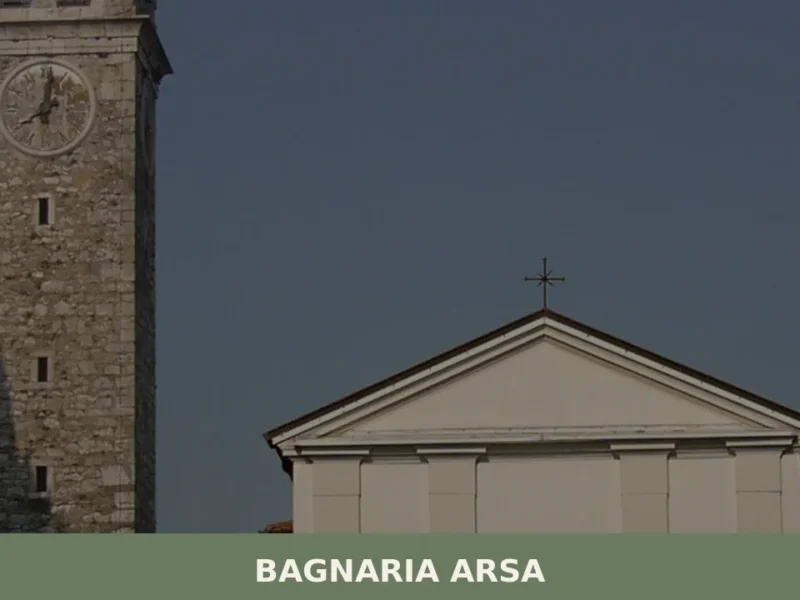
To the north-west, reachable in about twenty minutes by car, lies Bagnaria Arsa, a municipality that shares with Carlino its position in the Bassa Friulana and a similar agrarian landscape, shaped by 20th-century land reclamation. Bagnaria Arsa has its own identity linked to the history of the plain between Palmanova and the lagoon, and a visit there allows you to deepen your knowledge of a territory often overlooked by conventional tourist routes. The two centres, combined in a single day, offer a complete reading of the relationship between rural communities and water management on the Friulian plain.
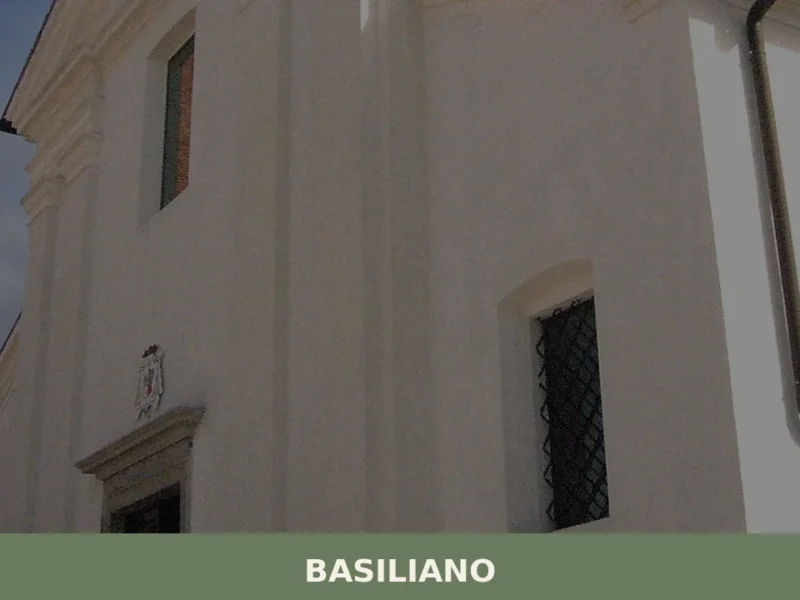
Continuing northward towards Udine, Basiliano is worth a stop, situated on the mid-plain about thirty kilometres from Carlino. Basiliano presents a different landscape context, where the countryside takes on slightly different features and the presence of rural villas and historic architecture adds further points of interest. Linking the three villages allows you to travel a north–south transect across the province of Udine, from the mid-plain to the lagoon fringe, observing how the landscape and human settlement change according to altitude and hydrography.
For further information on the history of the territory, the page dedicated to the municipality of Carlino on Wikipedia offers useful data, as does the Turismo FVG portal for overall trip planning in the region.
Frequently asked questions about Carlino
What is the best time to visit Carlino?
Spring (April–June) and early autumn (September–October) are the best seasons to visit Carlino. Mild temperatures make cycling along the canal network and hiking towards the Marano Lagoon particularly enjoyable, while spring and autumn also bring migratory birds to the lagoon wetlands, attracting birdwatching enthusiasts. Winter visits are rewarding for those wishing to experience local traditions: the feast of the patron saint San Tommaso falls on 21 December, coinciding with the winter solstice and offering an authentic glimpse into community life. Summer can be hot and humid on the Friulian plain.
What are the historical origins of Carlino?
Carlino's origins date to the Roman era, when the territory fell within the productive agricultural hinterland of Aquileia, founded in 181 BC. The toponym likely derives from the Latin personal name Carolinus or Carlinus, referring to the owner of a Roman agricultural estate. After the fall of the Western Roman Empire, the Lombards settled in the area, leaving behind a significant necropolis datable to the 6th–7th centuries. In the Middle Ages, Carlino passed under the Patriarchate of Aquileia and later the Republic of Venice (from 1420), before joining the Kingdom of Italy in 1866.
What to see in Carlino? Main monuments and landmarks
Carlino's key sites include the Parish Church of San Martino Vescovo in the village centre, with its landmark bell tower visible across the plain; the Church of Santi Gervasio e Protasio in the hamlet of San Gervasio, a fine example of Friulian rural religious architecture; and the archaeological evidence of a Lombard necropolis (6th–7th century) within the municipal territory, whose grave goods shed light on the early medieval settlement of the Bassa Friulana. The extensive network of drainage canals and the agrarian landscape itself constitute a further open-air heritage worth exploring on foot or by bike.
What are the main natural or scenic attractions of Carlino?
Carlino's most significant natural attraction is its proximity to the Marano Lagoon, a wetland of high ecological value included in environmental protection areas and home to numerous waterbird species. The Stella River, one of Friuli's important resurgence watercourses, shapes the local hydrography. The flat landscape of reclaimed farmland, crossed by drainage canals and lined with rows of trees, offers scenic cycling and walking routes. The transition zone between cultivated plain and lagoon reed beds — reachable in roughly ten to twelve kilometres from the village centre — is especially evocative during spring and autumn migrations.
Where to take the best photos in Carlino?
The most photogenic spots in Carlino are found along the canal embankments at dawn or dusk, when low light catches the reflections of the flat Friulian plain. The bell tower of San Martino Vescovo church provides a vertical accent against the wide horizon typical of the Bassa Friulana. Cycling or walking southward towards the Marano Lagoon reveals striking landscape transitions from ordered arable fields to open reed beds and salt marshes — ideal for landscape and nature photography, particularly during spring and autumn when migratory waterbirds are present.
Are there museums, churches or historic buildings to visit in Carlino?
Carlino has two documented churches of interest: the Parish Church of San Martino Vescovo in the main village, which preserves liturgical furnishings and artworks reflecting centuries of local devotion, and the Church of Santi Gervasio e Protasio in the hamlet of San Gervasio, notable for its simple single-nave Friulian rural layout. The Lombard necropolis site within the municipal territory is a significant archaeological landmark, though visitors seeking finds from excavation campaigns should check with regional museums in Udine, where materials from the Bassa Friulana are typically conserved. Admission to both churches is generally free.
What can you do in Carlino? Activities and experiences
Carlino is well suited to slow, outdoor tourism. The flat terrain makes it ideal for cycling along farm tracks and canal embankments, with routes extending towards the Marano Lagoon (approximately 10–12 km from the village centre). Birdwatching is a popular activity during spring and autumn migrations in the lagoon wetland. Walking the hamlet of San Gervasio allows visitors to observe the characteristic scattered settlement pattern of the reclaimed plain. The feast of patron saint San Tommaso on 21 December offers an opportunity to experience a traditional Friulian community celebration.
Who is Carlino suitable for? Families, couples, hikers, solo travelers?
Carlino is particularly well suited to cyclists and nature lovers, thanks to its flat terrain and proximity to the Marano Lagoon. Birdwatching enthusiasts will find the lagoon wetlands rewarding during migration seasons. The village is ideal for travellers seeking an off-the-beaten-path experience of the authentic Friulian plain, away from tourist crowds. Families with children who enjoy cycling on easy flat routes will find the canal-side tracks accessible. History and archaeology buffs will appreciate the Lombard necropolis context and the Roman-era heritage linked to nearby Aquileia. The slow pace suits couples and solo travellers looking for quiet rural immersion.
What to eat in Carlino? Local products and specialties
The cuisine around Carlino reflects the Bassa Friulana tradition, combining plain and lagoon influences. Key dishes include polenta (eaten soft or grilled), frico — prepared with Montasio DOP cheese melted with potatoes in either soft or crispy form — and jota, a hearty soup of beans, sauerkraut and potatoes. The proximity to the Marano Lagoon brings valley fish to the table: eels, sea bass, sea bream and mullet, typically grilled or stewed with tomato and polenta. Montasio is the area's most celebrated DOP cheese product, produced across Friuli Venezia Giulia and central to many local preparations.
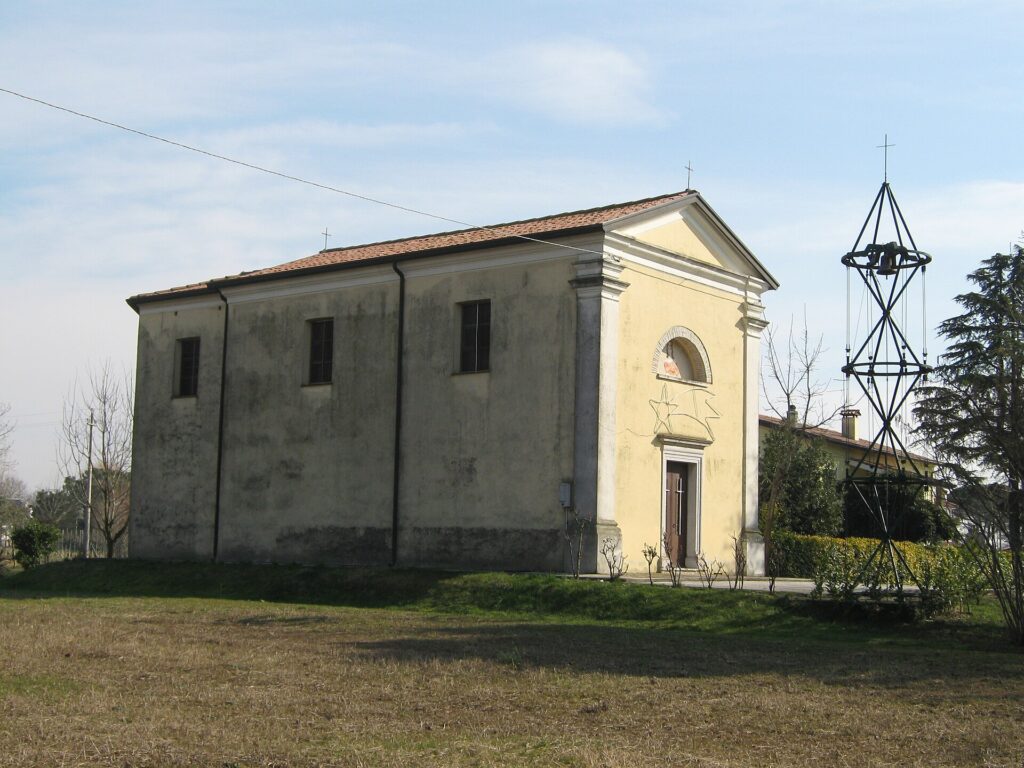
📷 Photo Gallery — Carlino
Nearby Villages near Carlino
In Friuli-Venezia Giulia More villages to discover
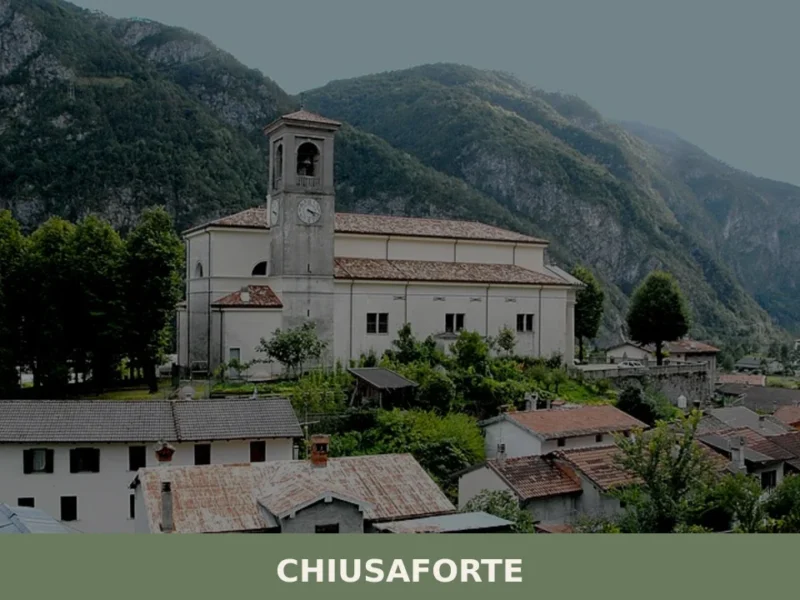
Chiusaforte
 Hills
Hills
Anyone travelling along the A23 motorway towards the Austrian border will notice, quite suddenly, the Fella valley narrowing between sheer rock walls. Right at that point stands Chiusaforte, a settlement of 684 inhabitants at 391 metres above sea level, whose name — from “chiusa forte,” meaning “strong barrier” — declares without ambiguity the military and […]
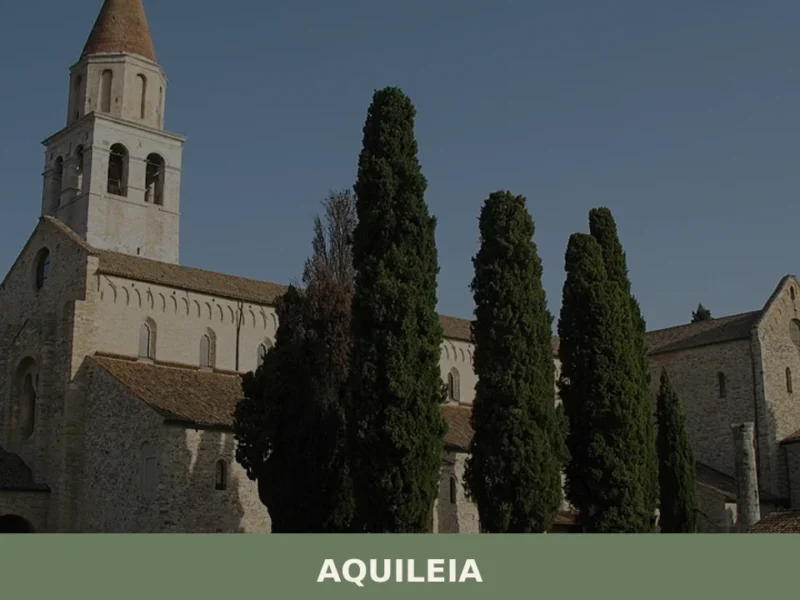
Aquileia
Plains
What to see in Aquileia: early Christian basilica, UNESCO mosaics, Roman forum, archaeological museum. Guide with history, cuisine and how to get there.
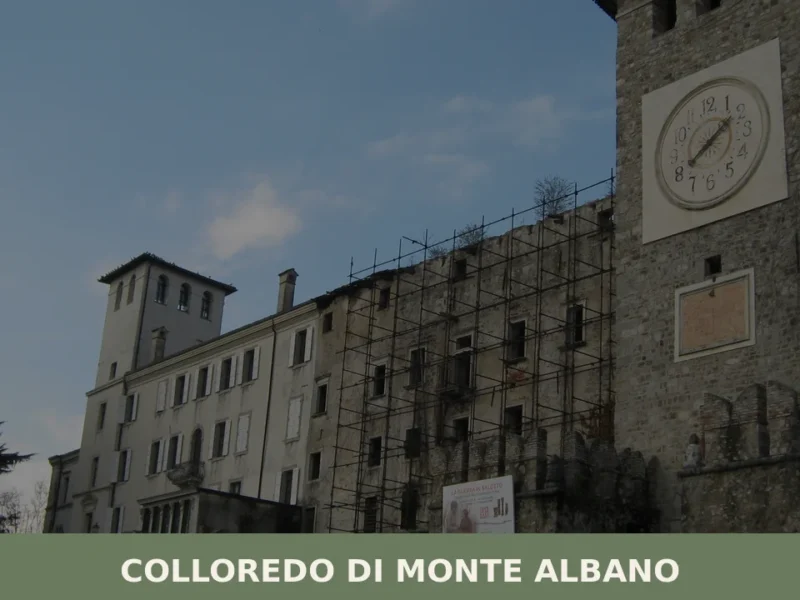
Colloredo di Monte Albano
Hills
The earthquake of 6 May 1976 split the history of Colloredo di Monte Albano in two: before and after. The castle of the Counts of Colloredo, one of the most imposing noble residences in Friuli, largely collapsed that evening, and with it shattered an architectural heritage built over seven centuries. Today, after decades of restoration, […]
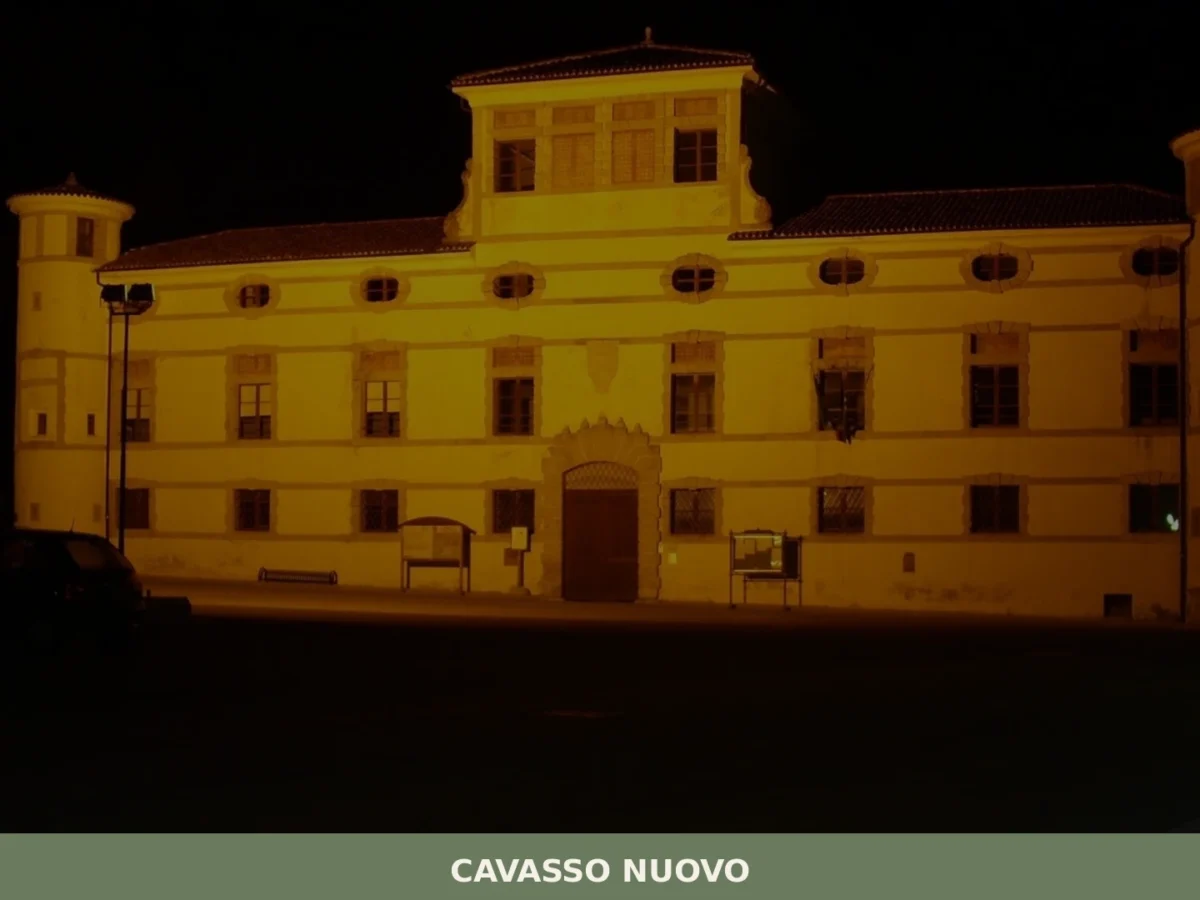
Cavasso Nuovo
Hills
What to see in Cavasso Nuovo, Italy? Explore this Friuli-Venezia Giulia village at 280 m (919 ft) altitude. Discover its 15th-century church and the birthplace of Louis Francescon.
Caneva
Plains
What to see in Caneva, Italy: explore a 42 km² comune near Pordenone. Discover top attractions, local food and travel tips. Read the complete guide.
Comeglians
Hills
In the valley of the Degano torrent, along the road that climbs from Tolmezzo toward the Monte Croce Carnico pass, Comeglians marks a precise point on the map of Carnia: 553 metres above sea level, 533 inhabitants spread across the main village and the hamlets of Povolaro, Maranzanis, Tualis, and Calgaretto. The municipality is documented […]
Arba
Plains
What to see in Arba: Explore Italy's Arba, a village at 210 meters altitude. Discover its historic church and vibrant patron saint festival on September 29. Read more.
Arta Terme
Hills
In 1687, the physician and naturalist Giovanni Battista De Candido published the first treatise on the healing properties of the sulphurous waters flowing from the Fonte Pudia spring in the territory of Arta. That document marked the beginning of a thermal spa tradition that would define the economic identity of this Carnic centre for the […]
Bertiolo
Plains
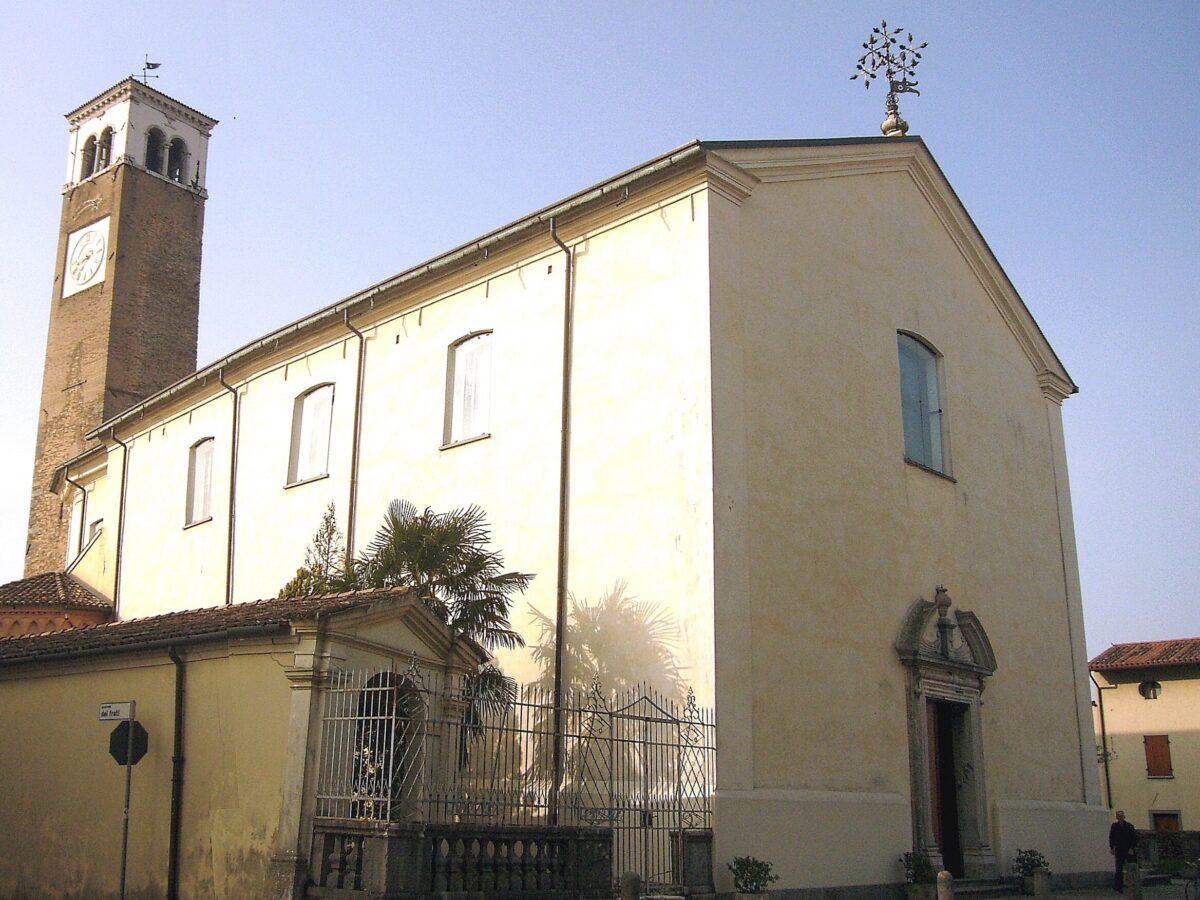
The earliest documented mention of the name Bertiolo dates back to 1219, in a notarial deed linked to the properties of the Patriarchate of Aquileia. Arriving today along the road that leads south from Codroipo, visitors encounter a compact urban centre laid out along a grid of orderly streets, surrounded by fields of maize and […]
Grado
 Sea
Sea
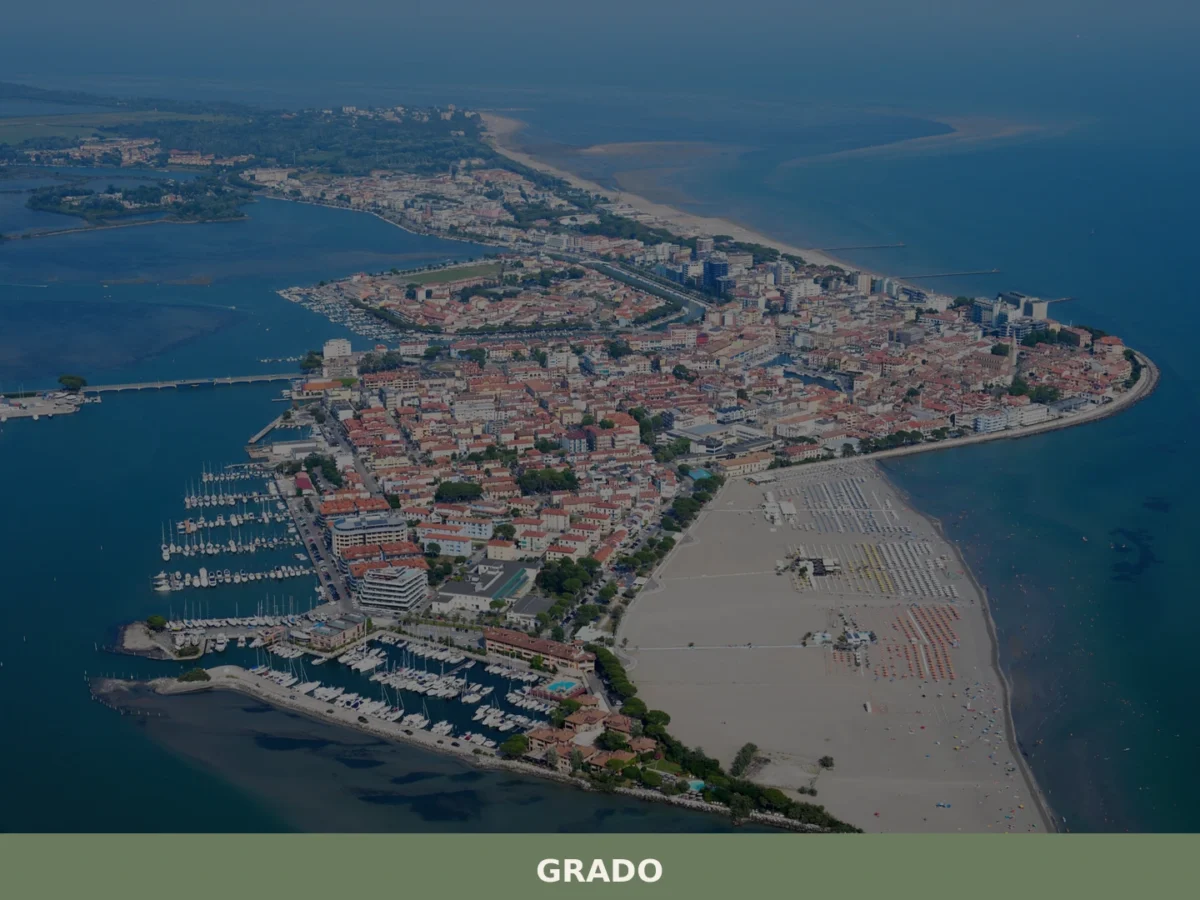
What to see in Grado, Italy? Explore its 2 m altitude, discover over 7,658 residents, and visit the impressive Basilica di Sant'Eufemia. Discover Italy's unique offerings today.




🏡 Know Carlino better than we do?
If you’re a local or have been there, your knowledge matters: add what’s missing or fix a detail on this page.