


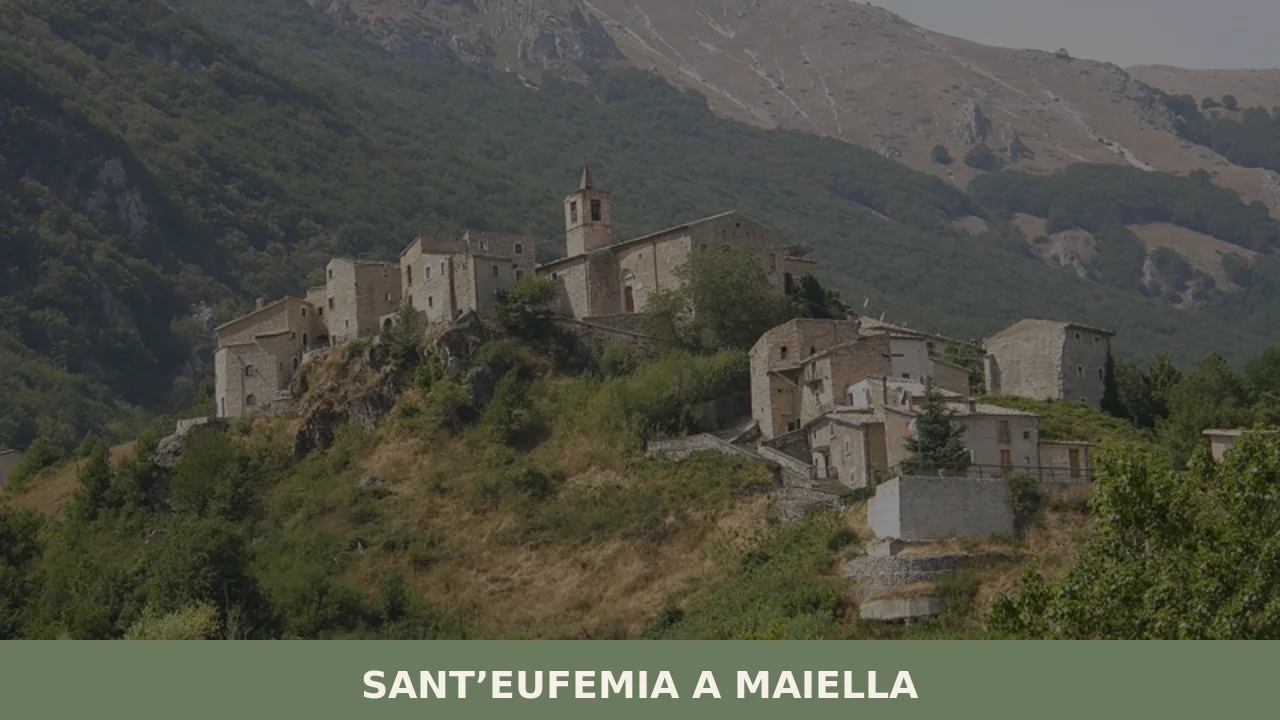
Sant’Eufemia a Maiella
 Mountain
Scopri le 5 attrazioni imperdibili di Sant’Eufemia a Maiella, un pittoresco borgo dell’Abruzzo tra natura, storia e tradizioni montane.
Discover Sant’Eufemia a Maiella
The western slope of the Maiella massif hosts a small inhabited center that gradually reveals itself to those who reach it, with its buildings blending into the mountain landscape.
This portion of Abruzzo, where time seems to slow down, is defined by the imposing presence of the National Park.
A place where nature is the absolute protagonist, shaping the territory and the experience of those who traverse it.
For those wondering about what to see in Sant’Eufemia a Maiella, the village of 232 inhabitants offers a deep immersion into the wild heart of Abruzzo.
The main attractions include the rich landscape of the Maiella National Park and the geological peculiarities of the Alta Valle dell’Orta, elements that define the identity of the place.
Visitors to Sant’Eufemia a Maiella find a privileged starting point to explore an authentic territory, characterized by untouched nature and a history inextricably linked to the mountains.
History and origins of Sant’Eufemia a Maiella
Sant’Eufemia a Maiella, an Italian municipality nestled in the province of Pescara, boasts an identity deeply rooted in its geographical context. Its location on the western slope of the Maiella massif, within the Alta Valle dell’Orta, has shaped its character over the centuries. Although available sources do not provide precise founding dates or specific historical events related to the village, its existence as an administrative and social entity is testament to a long human interaction with the Abruzzese mountain environment.
The presence of settlements in mountainous areas like this often dates back to remote eras, linked to defense needs, exploitation of natural resources, or transhumance routes.
The village is part of the eponymous Maiella National Park and the Maiella and Morrone Mountain Community, two institutions that highlight its naturalistic value and territorial management.
This inclusion is not a recent development but reflects a history of conservation and enhancement of a unique ecosystem.
The lives of the inhabitants of Sant’Eufemia a Maiella have historically been influenced by environmental conditions, from pastoralism to mountain agriculture, with rhythms and traditions dictated by the cyclical nature of the seasons and the majesty of the surrounding massif. Its elevated position has contributed to preserving a certain isolation, fostering the development of a distinctive local culture.
The evolution of Sant’Eufemia a Maiella, although not traceable with specific dates from the provided sources, can be understood within the broader context of the development of small Abruzzese mountain municipalities. These centers, often born as rural agglomerations or strategic outposts, have maintained their contained size over time, as evidenced by its 232 inhabitants.
The resilience of these villages is linked to their ability to adapt to the challenges of the territory and to preserve a strong connection with their roots.
The history of Sant’Eufemia a Maiella, though not detailed by specific chronicles, can be read in the continuity of its landscape and the persistence of its community, which continues to live in harmony with the mountain environment.
This context closely resembles that of Catignano, another Abruzzese center with a rural history tied to the territory.
What to see in Sant’Eufemia a Maiella: Main Attractions
The Heart of the Maiella National Park
The extends for over 74,000 hectares, and Sant’Eufemia a Maiella is located on its western slope, serving as a privileged gateway to an ecosystem of rare beauty. Founded in 1991, the Park is known for its high biodiversity and for hosting one of the richest Apennine faunas, including Marsican brown bears, wolves, and Abruzzo chamois.
Visitors to this area can observe the altimetric variation ranging from approximately 600 meters up to almost 2,800 meters at the highest peaks, offering an extraordinary variety of natural environments.
The geology of the park is of particular interest, with limestone rock formations that shape a unique karst landscape, characterized by canyons, caves, and plateaus.
Exploring the Upper Orta Valley
The Upper Orta Valley, where Sant’Eufemia a Maiella is located, is an area characterized by a deep gorge carved by the Orta river, which shapes the landscape with imposing rock walls and lush vegetation.
This valley is a significant example of a mountain river environment, where water has created a winding and evocative path over millennia. Visitors can follow trails that run alongside the river, admiring small waterfalls and crystal-clear pools, ideal for local wildlife. The valley’s flora includes species typical of humid and mountainous areas, adapted to conditions of humidity and shade.
The valley represents a peculiar microclimate within the National Park, offering naturalistic views of great visual impact and opportunities for nature observation.
The Maiella Massif: Views and Nature
The Maiella massif, with its peaks exceeding 2,700 m a.s.l., represents one of the main mountain ranges of the central Apennines and offers Sant’Eufemia a Maiella a landscape of great impact.
From the village, located on the western slope, wide views open up to the valleys below and the surrounding peaks, which change color according to the seasons.
The geological conformation of the massif, predominantly calcareous, has given rise to a rugged but fascinating landscape, with extensive high-altitude grasslands and beech forests at lower altitudes. The thermal excursion between day and night, and between different altitudes, creates favorable conditions for rich biodiversity.
Those who venture onto the slopes of Maiella may come across traces of ancient glaciers and rock formations shaped by centuries of erosion.
The Village of Sant’Eufemia a Maiella: Architecture and Local Life
The inhabited core of Sant’Eufemia a Maiella, with its 232 residents, develops in a configuration typical of Abruzzese mountain villages, characterized by local stone buildings that blend harmoniously with the surrounding environment. Walking through its streets, one can observe traditional architectural elements, such as carved stone portals and wrought-iron balconies, which bear witness to local craftsmanship.
The main square, though modest, represents the heart of the village’s social life, a meeting point for the community.
From the windows of the oldest houses, panoramic views open onto the Orta valley and the Maiella peaks, offering unique perspectives.
The village preserves an atmosphere of tranquility, inviting a slow and careful discovery of its most authentic corners, where time seems to follow different rhythms.
The Trails and Nature Paths of the Maiella
The network of trails branching out from Sant’Eufemia a Maiella offers countless possibilities for hiking and trekking enthusiasts, with routes suitable for various difficulty levels. The paths delve into beech forests, reach high-altitude pastures, and lead to panoramic viewpoints overlooking the entire valley.
Many of these trails follow ancient pastoral routes or mule tracks, with elevation gains that can exceed 500 meters and lengths varying from a few kilometers to multi-day itineraries.
The signage, maintained by the National Park, guides visitors through unspoiled environments, allowing them to discover the richness of wild flora and, with a bit of luck, spot wildlife.
Each season offers a different perspective: the vibrant colors of spring, the intense green of summer, the warm hues of autumn, and the snow-covered winter landscapes continuously transform the experience for those who travel these paths.
Typical Cuisine and Products of Sant’Eufemia a Maiella
The cuisine of Sant’Eufemia a Maiella, like that of many Abruzzese mountain villages, is deeply rooted in the agro-pastoral tradition and the products of the land. The recipes reflect the need to make the best use of locally available ingredients, with a predilection for robust and genuine flavors.
The influence of the Maiella massif is evident in the use of sheep and goat meats, sheep cheeses, and a wide range of wild herbs gathered in the pastures.
Dish preparation often follows ancient methods, handed down from generation to generation, which emphasize the simplicity and quality of the raw ingredients.
This culinary approach is also common in villages like Pietracupa, in Molise, where the farming and pastoral tradition defines the gastronomic identity.
Among the dishes that can be savored in this mountain setting, homemade pasta preparations stand out, such as the sagne a pezze or maccheroni alla chitarra, often seasoned with robust lamb or castrato meat sauces. Another fundamental element is polenta, prepared with local cornmeal and accompanied by sausage sauces or aged cheeses. Wild greens, such as chicory or borage, are used in flavorful soups or as side dishes, while legumes, particularly beans and lentils, are protagonists in nutritious soups.
Pecorino cheeses, produced from flocks grazing on the Maiella heights, represent an excellence, with different aging periods that enhance their flavor.
Currently, available sources do not indicate typical products with DOP, IGP, or PAT certifications specifically linked to the municipality of Sant’Eufemia a Maiella.
However, the gastronomic richness of the area is expressed through the artisanal production of cheeses, cured meats, and baked goods that follow traditional Abruzzese recipes.
These products, while not having specific certification labels for the village, are the result of careful processing that respects local raw ingredients, ensuring authentic flavors tied to the Maiella territory. Quality is often found in small local shops or directly from agricultural producers in the valley.
Festivals, Events, and Traditions of Sant’Eufemia a Maiella
Specific information on annual festivals, events, and traditions linked to the village of Sant’Eufemia a Maiella is not detailed in the provided sources. However, it is customary for small Italian municipalities, especially those with a strong rural and religious identity, to celebrate their patron saint with processions and community festivities.
These celebrations are often accompanied by folkloristic events involving traditional music, dances, and the tasting of local specialties.
The social life of the village is likely marked by these occasions, which strengthen the sense of belonging and keep local customs alive.
In the absence of specific details, it can be inferred that the traditions of Sant’Eufemia a Maiella are deeply linked to the agricultural and pastoral cycle, as is typical of mountain communities.
The seasons of the year influence rituals and gathering moments, from sheep shearing to harvest festivals, although no specific events are reported for the village. Community participation in these occasions is fundamental for cultural transmission and the preservation of an intangible heritage that defines the identity of the place.
Any gastronomic festivals, if present, would serve to promote local products, offering the opportunity to savor the flavors of tradition.
When to visit and how to get to Sant’Eufemia a Maiella
Determining the best time to visit Sant’Eufemia a Maiella largely depends on the type of experience you wish to have. Spring and summer, from May to September, offer ideal conditions for hiking and outdoor activities in the Maiella National Park, with mild temperatures and longer days.
During these months, the mountain flora is in full bloom and wildlife is more active, making walks particularly evocative.
Autumn, with its warm colors and cool temperatures, is perfect for those seeking tranquility and breathtaking landscapes, ideal for photography and exploring forests rich in mushrooms and berries.
Winter, from December to March, transforms the landscape into a snow-covered expanse, attracting winter sports enthusiasts and those who wish to experience the evocative atmosphere of the mountains.
Reaching Sant’Eufemia a Maiella requires a planned approach, given its mountain location. By car, you can take the A25 motorway (Rome-Pescara) and exit at Bussi sul Tirino, from which the village is about 20-25 kilometers away, with an estimated travel time of 30-40 minutes on provincial roads.
Those who prefer the train can arrive at Pescara Centrale station, which is well connected to major Italian cities via Trenitalia.
From Abruzzo Airport in Pescara, about 50 kilometers away, car rental services or taxis are available to reach the village in approximately one hour.
It is always advisable to check public transport schedules and road conditions, especially during winter months, on the official municipal website or travel portals.
| Starting Point | Distance | Estimated Time |
|---|---|---|
| Pescara (Abruzzo Airport) | ~50 km | ~1 hour |
| Pescara Centrale (Railway Station) | ~55 km | ~1 hour and 10 minutes |
| Bussi sul Tirino (A25 Exit) | ~25 km | ~35 minutes |
Those who wish to extend their exploration beyond the borders of the Maiella National Park can consider itineraries that include other characteristic villages in central and southern Italy.
For example, a visit to Sant’Eufemia a Maiella can be integrated with a route towards Cercivento, in Friuli Venezia Giulia, which offers a different but equally authentic mountain life experience, or extend to Campomaggiore, in Basilicata, to discover the peculiarities of southern Italian villages.
These connections allow you to appreciate the variety and richness of Italy’s cultural and scenic heritage, while maintaining a focus on small towns.
Frequently asked questions about Sant’Eufemia a Maiella
What is the best time to visit Sant'Eufemia a Maiella?
The ideal periods are late spring (May–June) and early autumn (September–October), when mild temperatures and clear skies make trekking in the Maiella National Park particularly rewarding. Summer offers lush green landscapes and cooler mountain air at 878 m altitude. Winter brings snow, transforming the massif into a scenic wonderland for those who enjoy snowshoeing. The feast of the patron saint Bartolomeo (Apostle) on 24 August is a key community event, making late August a good time to experience local traditions alongside outdoor activities.
What to see in Sant'Eufemia a Maiella? Main monuments and landmarks
The village itself is the first attraction: its stone buildings, carved portals, and wrought-iron balconies reflect authentic Abruzzese mountain architecture typical of the province of Pescara. The central square serves as the social heart of the community. Beyond the village, the Maiella National Park — one of Italy's most significant protected areas, established in 1991 and covering over 74,000 hectares — is the defining landmark. The Alta Valle dell'Orta, with its deep gorge, rock walls, and river pools, is a must-see natural site directly accessible from the village.
What are the main natural or scenic attractions of Sant'Eufemia a Maiella?
Sant'Eufemia a Maiella sits within the Maiella National Park, one of the richest ecosystems in the central Apennines, home to Marsican brown bears, wolves, and Abruzzo chamois. The Alta Valle dell'Orta offers dramatic gorge landscapes carved by the Orta river, with waterfalls, crystal-clear pools, and limestone cliffs. The Maiella massif reaches nearly 2,800 m, featuring karst formations, high-altitude grasslands, and extensive beech forests. The park's trail network, maintained and signposted by the National Park authority, starts directly from the village area.
Where to take the best photos in Sant'Eufemia a Maiella?
The most evocative photo opportunities are found along the Alta Valle dell'Orta, where the Orta river winds between imposing limestone walls — particularly striking in autumn foliage. From the village's elevated position at 878 m, panoramic views over the valley and the Maiella peaks offer excellent landscape shots that change dramatically with the seasons. The stone village streets, with their traditional portals and wrought-iron balconies framed against the massif backdrop, provide authentic architectural photography in a setting unspoiled by modern development.
What can you do in Sant'Eufemia a Maiella? Activities and experiences
Sant'Eufemia a Maiella is primarily a destination for hiking and nature-based activities. The National Park's trail network includes routes for all levels, from gentle valley walks along the Orta river to demanding ascents onto the Maiella massif with elevation gains exceeding 500 m. Many paths follow ancient pastoral and mule tracks. Wildlife watching — including the possibility of spotting chamois, wolves, and bears within the park — is a significant draw. The feast of Sant'Bartolomeo on 24 August offers a glimpse into local community traditions.
Who is Sant'Eufemia a Maiella suitable for? Families, couples, hikers, solo travelers?
Sant'Eufemia a Maiella is best suited for nature lovers, hikers, and trekkers seeking an authentic, uncrowded Apennine experience within the Maiella National Park. Solo travelers and couples looking for mountain tranquility and slow travel will find the village's peaceful atmosphere rewarding. Families with older children who enjoy nature trails and wildlife observation will appreciate the park environment. It is less suited to those seeking beach holidays, nightlife, or extensive cultural museums. The village's small size (259 inhabitants) makes it ideal for anyone wanting to escape mass tourism.
What to eat in Sant'Eufemia a Maiella? Local products and specialties
The local cuisine reflects the agro-pastoral traditions of the Maiella mountains. Key specialties include maccheroni alla chitarra and sagne a pezze, typically served with lamb or castrato meat sauces. Polenta with sausage and aged pecorino cheese — produced from flocks grazing on the Maiella heights — are staples. Wild greens such as chicory and borage appear in soups and side dishes, alongside hearty legume-based dishes. While no DOP or IGP certifications are specifically linked to the municipality, artisanal cheeses and cured meats following traditional Abruzzese recipes can be found from local producers.
📷 Photo Gallery — Sant’Eufemia a Maiella
Getting there
Piazza della Vittoria, 65020 Sant'Eufemia a Maiella (PE)
Nearby Villages near Sant’Eufemia a Maiella
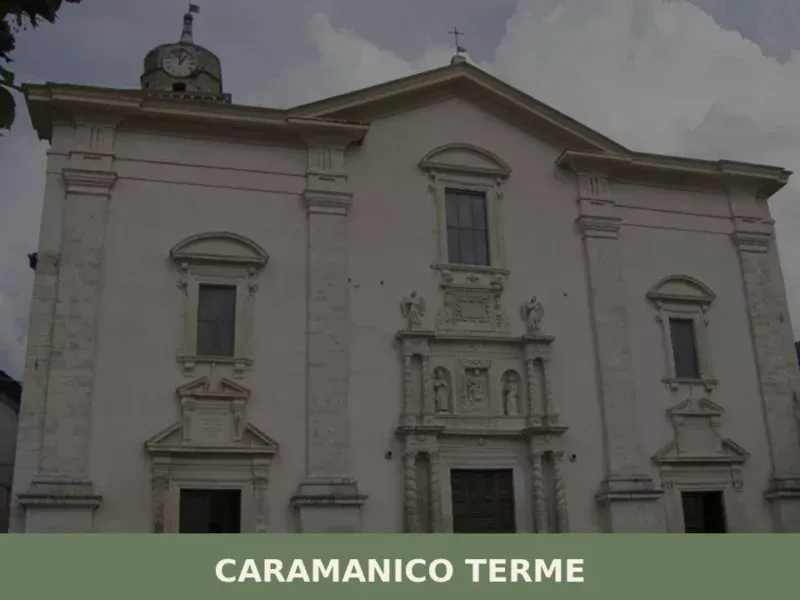
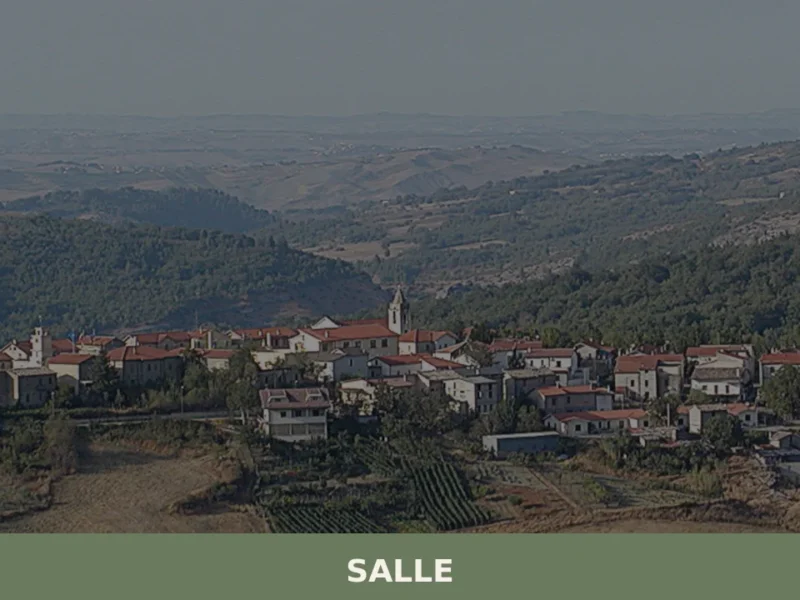
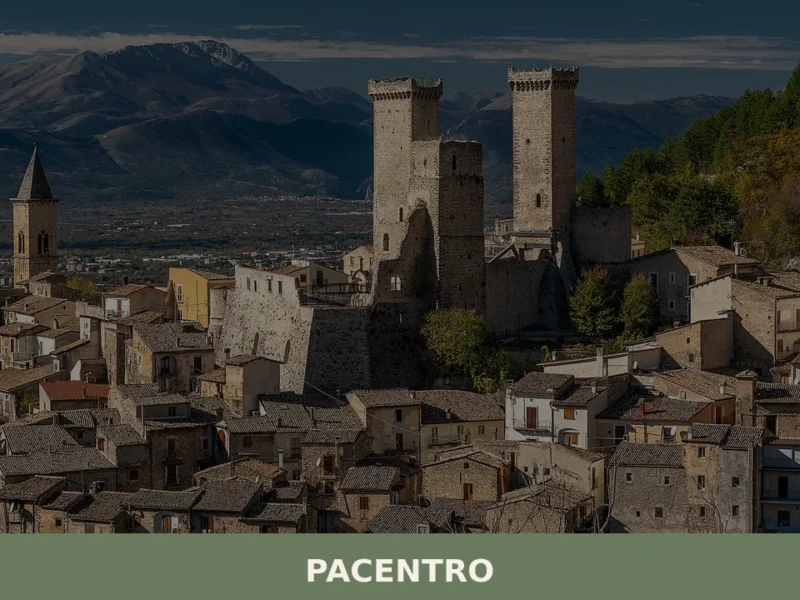
In Abruzzo More villages to discover
Palmoli
Mountain
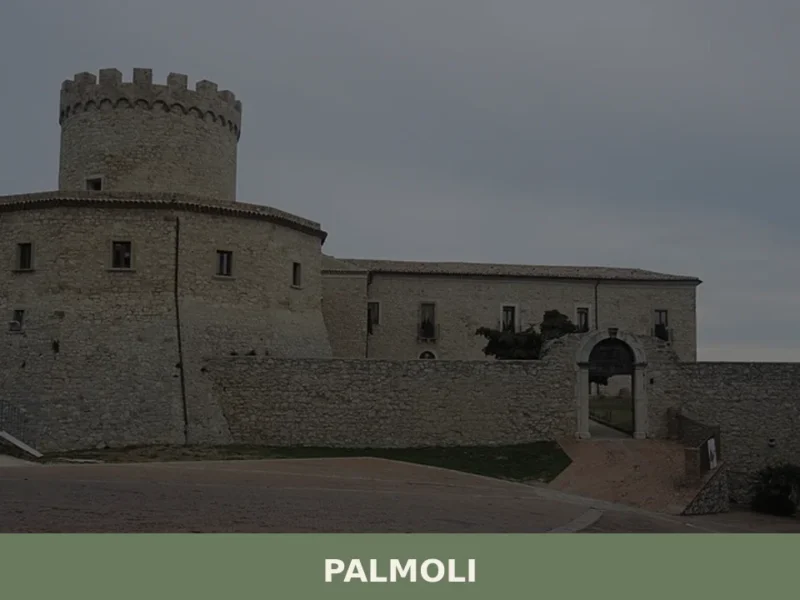
What to see in Palmoli: explore the village at 727 meters above sea level. Discover the Marchesale Castle and the Church of San Valentino. Plan your visit today!
Ateleta
Mountain
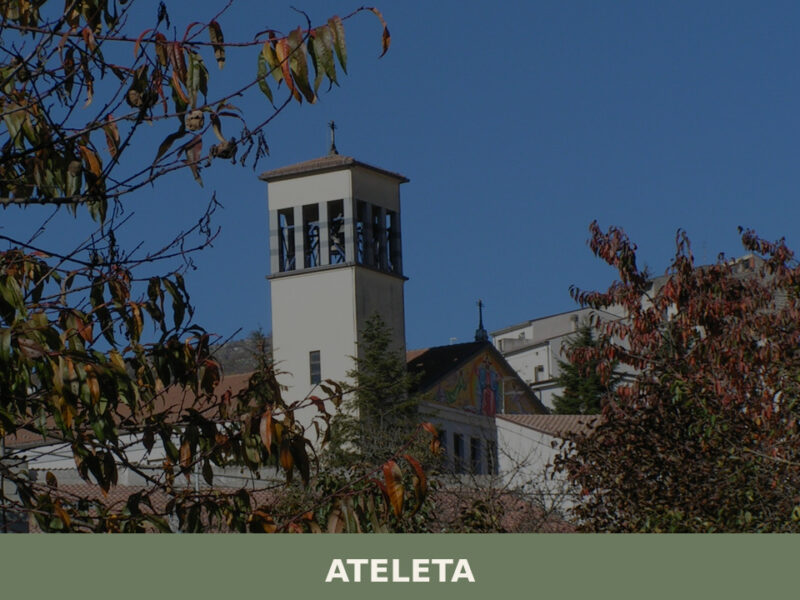
Morning fog lifts off the Alto Sangro valley in slow, deliberate sheets, revealing stone houses arranged along a ridge at over 750 metres above sea level. The air carries woodsmoke and the faint sound of a church bell marking seven o’clock. Ateleta, a village of 1,157 inhabitants in the province of L’Aquila, occupies a quiet […]
Fallo
 Hills
Hills
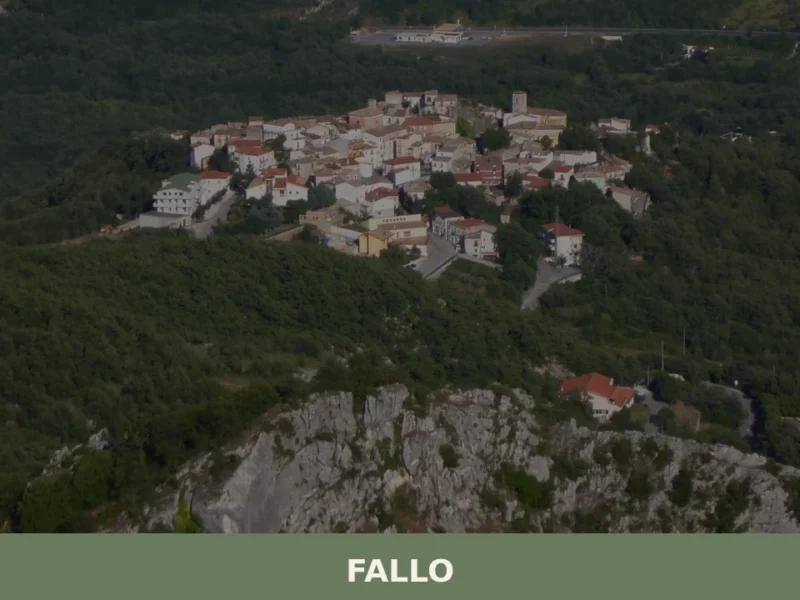
With its 134 registered inhabitants, Fallo, in the province of Chieti, is confirmed as one of Abruzzo’s least populous settlements, a fact that immediately defines its intimate scale and unique relationship with the surrounding territory. This small urban cluster, situated on a rocky spur overlooking the Sangro valley, offers a genuine glimpse into Abruzzese mountain […]
Rocca Pia
Mountain
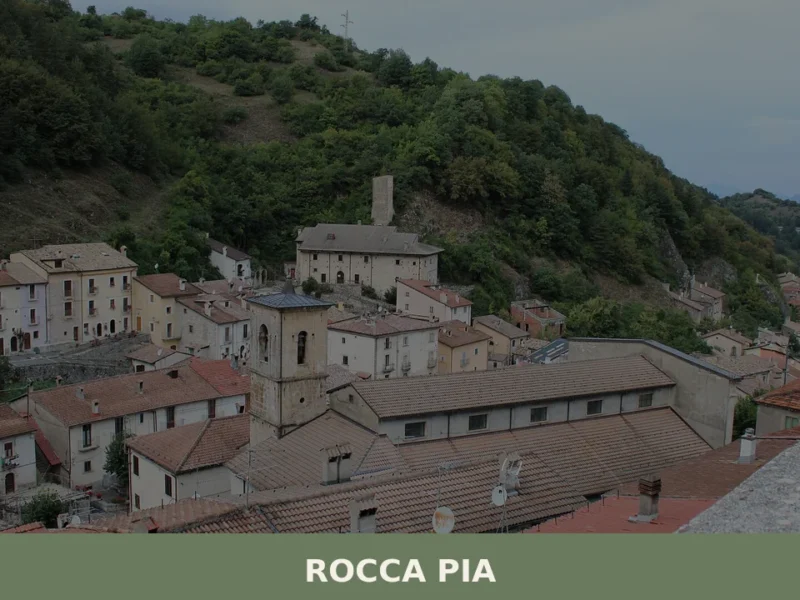
what to see in rocca pia, Italy: Explore this Abruzzo comune near L'Aquila. Discover its territory extending to the Cinquemiglia Plain. Read our guide.
Cocullo
Mountain
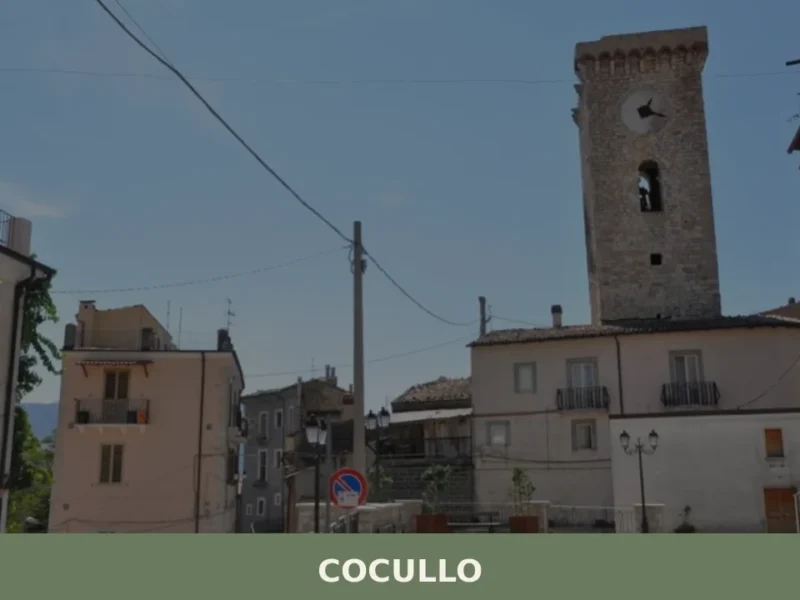
What to see in Cocullo: from the Serpari Festival to the Church of San Domenico. Complete guide with 5 attractions and practical tips for visiting the village.
Capestrano
Hills
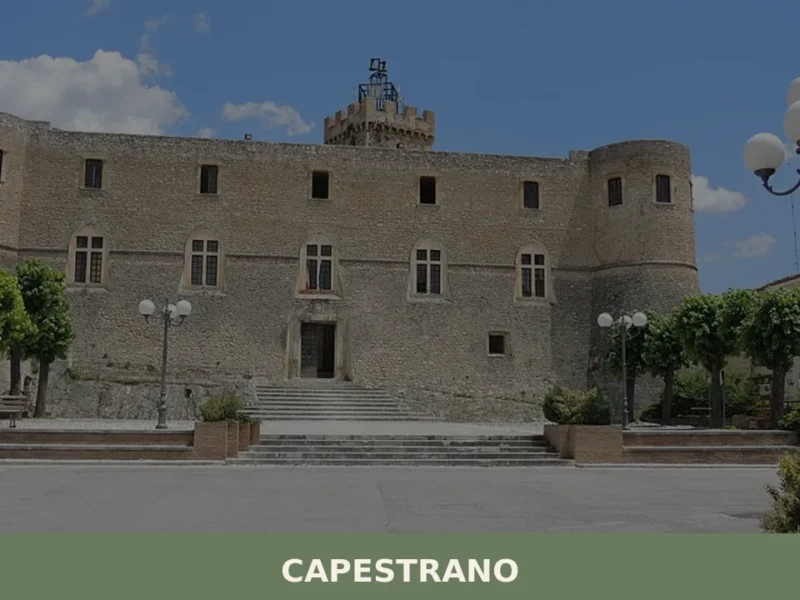
What to see in Capestrano? Discover the 5 top attractions, from Piccolomini Castle to the Warrior statue. Plan your visit to this Abruzzo village.
Villetta Barrea
 Lake
Mountain
Lake
Mountain
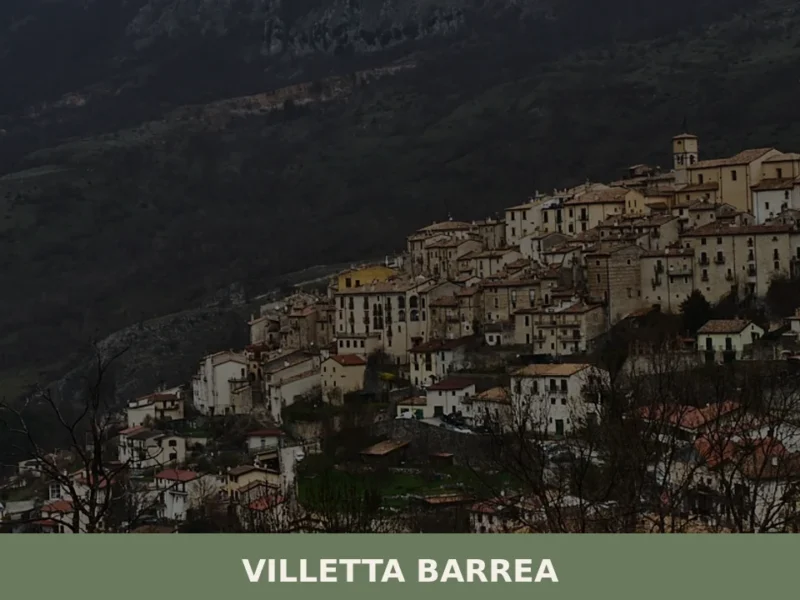
What to see in Villetta Barrea, Italy: Explore its 990 m altitude, the National Park of Abruzzo, Lazio and Molise, and the historic Church of San Vincenzo Ferreri. Discover this mountain village.
Carpineto della Nora
Hills
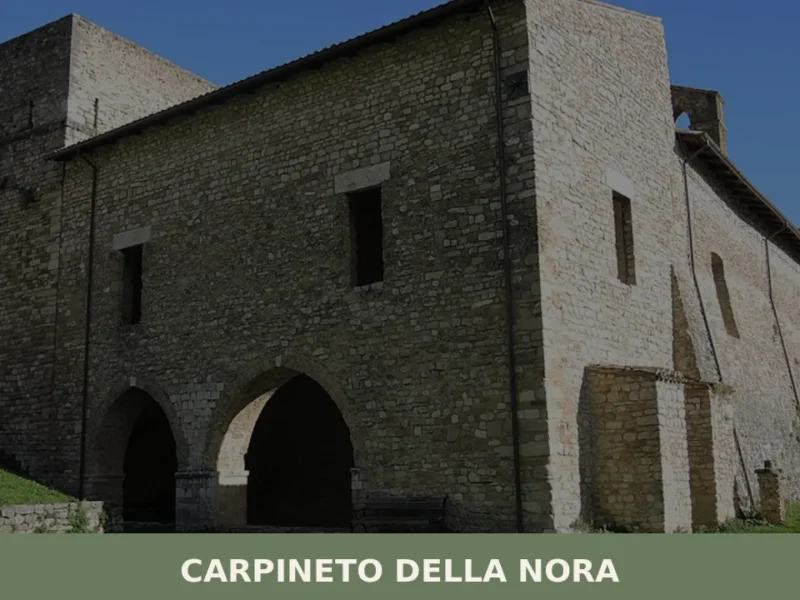
At 535 metres above sea level, on the ridge separating the Nora valley from the Pescara plain, Carpineto della Nora has a current population of 536 — a number that has halved since post-war censuses. Anyone looking into what to see in Carpineto della Nora will find a settlement built entirely from local stone, spread […]
Castelli
Hills
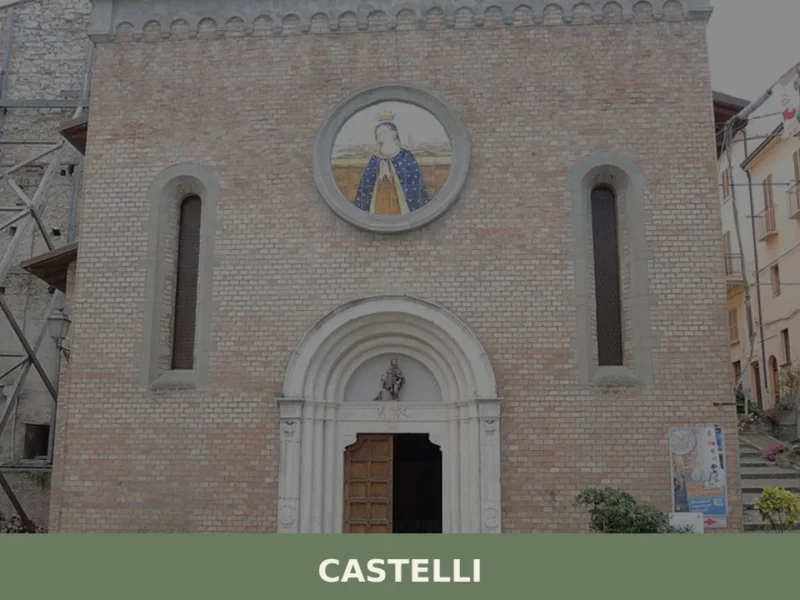
Since the 14th century, Castelli has been recognized as one of Abruzzo’s most significant ceramic production centers, an art that has shaped the village’s identity and continues to define its image today. This small settlement, with its 976 inhabitants and an altitude of 497 meters above sea level in the province of Teramo, offers an […]
Serramonacesca
Hills
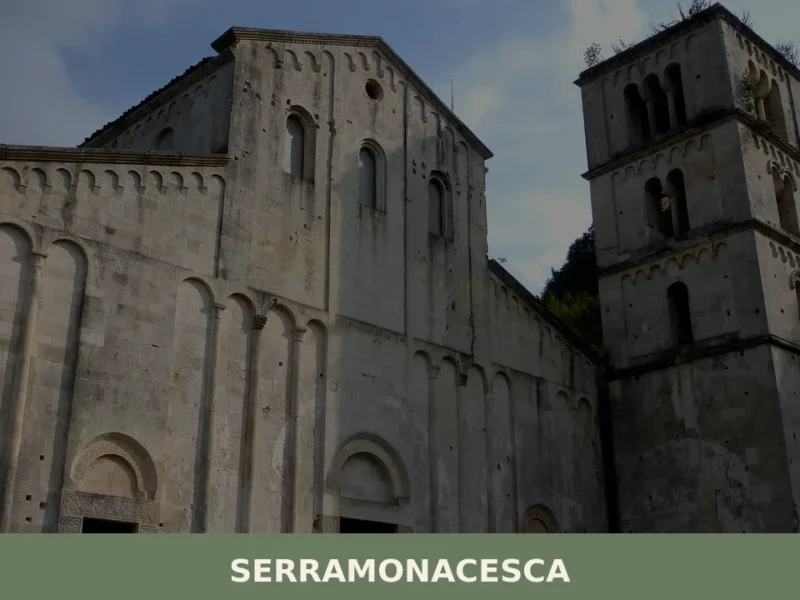
What to see in Serramonacesca, Abruzzo, Italy: discover 6 top attractions including the Abbey of San Liberatore, rock-cut tombs, and a medieval tower. Population 560.

🏡 Know Sant’Eufemia a Maiella better than we do?
If you’re a local or have been there, your knowledge matters: add what’s missing or fix a detail on this page.