


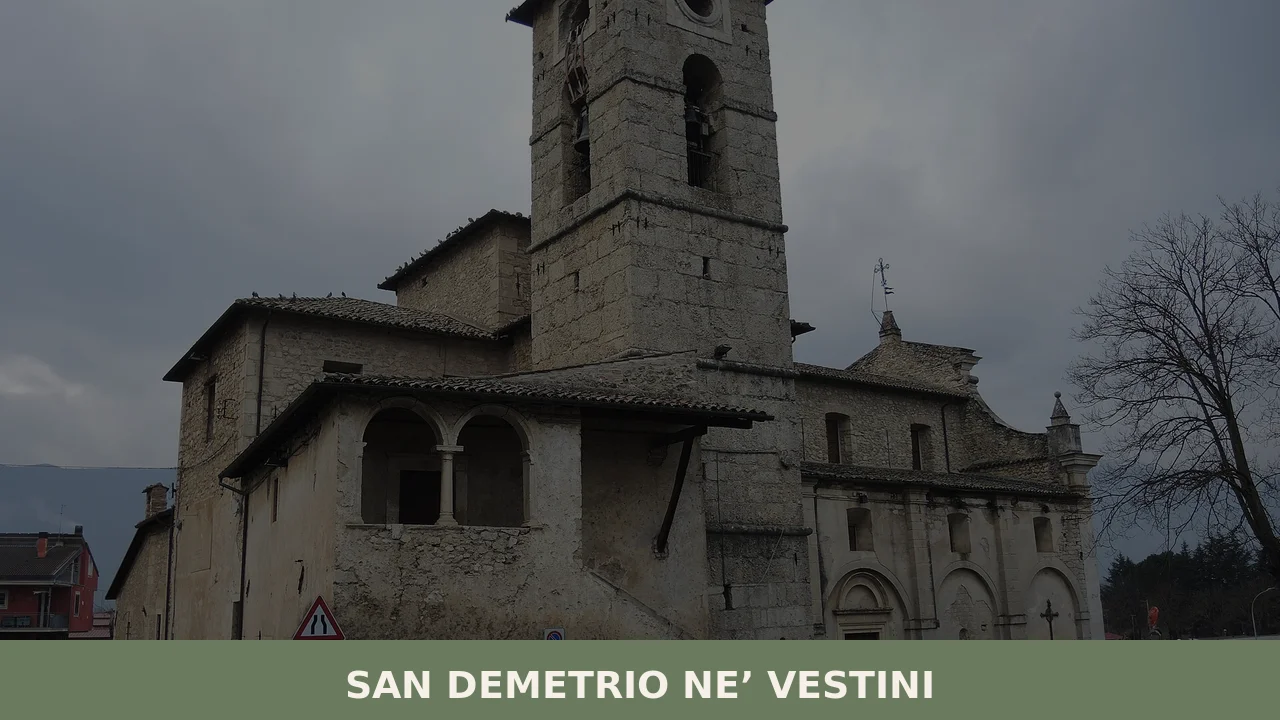
San Demetrio ne’ Vestini
 Mountain
What to see in San Demetrio ne’ Vestini: discover the village, the historic center, and the main church. Plan your visit and unmissable attractions!
Discover San Demetrio ne’ Vestini
The name San Demetrio ne’ Vestini, with its clear historical echo, evokes the ancient populations that inhabited this portion of Abruzzo.
With its 2009 inhabitants, the municipality is located in the province of L’Aquila, an area characterized by a mountainous landscape that has shaped both its history and local culture.
The conformation of the territory, often marked by valleys and plateaus, has dictated the rhythms of life and the development of these settlements, maintaining a strong connection with the deepest roots of the place.
For those wondering what to see in San Demetrio ne’ Vestini, it is useful to consider the context in which the village is situated, a territory that offers points of interest related both to the ancient history of the Vestini and the natural beauty of the L’Aquila basin.
Although specific attractions are not always highlighted in every guide, the area surrounding the province of L’Aquila offers multiple opportunities for visitors.
Possibilities include exploring the natural landscape of Abruzzo and discovering the history linked to ancient peoples, elements that define the identity of this place.
History and origins of San Demetrio ne’ Vestini
The toponym San Demetrio ne’ Vestini is a clear indicator of the deep historical roots of the municipality, directly connecting it to the ancient Italic population of the Vestini.
This tribe, whose presence is attested in the heart of Abruzzo since the 6th century BC, occupied a vast territory extending between the Gran Sasso and the Maiella, influencing the culture and geography of the region for centuries.
The addition “ne’ Vestini” to the name of the patron saint suggests a continuity or a reference to their historical presence, marking the identity of the village within the context of this heritage.
With the progressive Romanization of the Italian peninsula, the territory of the Vestini was also integrated into Rome’s orbit, a process that led to the foundation of new settlements and the transformation of existing ones.
Although available sources do not provide precise dates for the foundation of San Demetrio ne’ Vestini, it is plausible that the village saw its first developments in the medieval era, like many other centers in the L’Aquila basin.
The presence of a saint’s name in the toponym is typical of the Christian-medieval period, indicating a community organized around a place of worship.
The history of the municipality is inextricably linked to the events of the province of L’Aquila, an area that has experienced periods of great prosperity but also moments of destruction, often due to seismic events or conflicts.
Over the centuries, San Demetrio ne’ Vestini has maintained its identity as a mountain community, adapting to historical and social changes.
Its population, which today numbers 2009 inhabitants, is testimony to its resilience and ability to preserve an authentic connection with its territory and traditions over time, in a context similar to that of Torrebruna, also an example of an Abruzzese community tied to its history.
What to see in San Demetrio ne’ Vestini: main attractions
The legacy of the Vestini in the territory
The very name of the village, San Demetrio ne’ Vestini, refers to the ancient Italic people of the Vestini, who inhabited these lands between the Gran Sasso and the Majella massif. Although specific archaeological evidence directly connected to the municipality has not been provided in the available sources, it is reasonable to hypothesize that the surrounding territory may conceal traces of this civilization.
Their presence, documented as early as the 6th century BC, left a deep cultural and historical imprint in inland Abruzzo, influencing toponymy and, probably, the earliest forms of settlement.
Visitors to the area can therefore embark on a journey to discover the Vestini archaeological sites present in the L’Aquila basin, to understand the historical context that preceded the founding of the medieval villages.
Local religious architecture
As in many Italian historical centers, religious architecture in San Demetrio ne’ Vestini also represents a fundamental reference point for the community.
Although sources do not detail specific churches or monuments, the presence of the name “San Demetrio” suggests the existence of a place of worship dedicated to the saint, which presumably constitutes the spiritual heart of the village. Abruzzese churches, often built with local stone, feature a style that combines Romanesque and Gothic elements, with sober facades and interiors rich in popular devotion.
Exploring these buildings allows one to grasp the artistic evolution and faith that has shaped the social fabric of the territory over the centuries.
Landscapes of the L’Aquila Basin
The location of San Demetrio ne’ Vestini in the province of L’Aquila places it in a landscape of considerable interest, characterized by the valleys and reliefs of the Abruzzo Apennines.
The L’Aquila basin offers natural scenery ranging from gentle hills to the harsher profiles of the mountains, making it ideal for outdoor activities. Although no specific routes or panoramic points are mentioned directly in the municipality, the surrounding environment invites excursions and walks.
Visitors can appreciate the biodiversity of the local flora and fauna, enjoying wide views that open onto the surrounding massifs, an experience also found when exploring the surroundings of Civita d’Antino, another Abruzzese village.
Abruzzese artisan traditions
The history and culture of a village are often reflected in its artisan traditions, and San Demetrio ne’ Vestini, while not having specific products documented in the sources, is part of a region, Abruzzo, with a rich heritage in this field.
The manual skill of local artisans has been expressed over the centuries in the working of ceramics, wood, metals, and textiles, often using local raw materials.
Even if no details on specific workshops or products for San Demetrio have been provided, a visit to the markets or fairs of the province can offer the opportunity to discover artifacts that tell the story and ingenuity of the Abruzzese communities.
Archaeological sites and museums of the surrounding area
Considering the village’s name connection to the Vestini, the area surrounding San Demetrio ne’ Vestini offers opportunities for exploring archaeological sites and museums that document the ancient history of Abruzzo.
Although specific museums or excavations in the municipality itself have not been mentioned, the province of L’Aquila is rich in testimonies of the past, from pre-Roman artifacts to vestiges of the imperial era.
These cultural sites allow for a deeper understanding of the civilizations that inhabited the region, offering a broader perspective on the historical context in which the village developed.
The search for these sites can significantly enrich the experience of those who wish to fully understand the roots of the territory.
Typical Cuisine and Products of San Demetrio ne’ Vestini
Available sources do not provide specific details on the typical cuisine or certified products of the municipality of San Demetrio ne’ Vestini.
However, as an integral part of the province of L’Aquila and Abruzzo, the village is part of a very rich and appreciated regional gastronomic tradition. Abruzzese cuisine is historically linked to sheep farming, mountain agriculture, and the simplicity of ingredients, which are enhanced with robust and flavorful preparations.
The typical dishes of the region reflect the mountain environment and rural life, with a strong use of sheep meat, legumes, cereals, and seasonal vegetables.
Although specific preparations from San Demetrio ne’ Vestini cannot be mentioned, it is likely that the local table offers variations of Abruzzese classics such as pasta alla chitarra, often seasoned with lamb meat sauces or mixed ragù, and pecore alla cottora, a slow and flavorful preparation.
Cheeses, mainly derived from sheep’s milk, and artisanal cured meats are also part of the area’s food tradition.
Regarding certified products, the database does not indicate any specific DOP, IGP, PAT, DOC, or DOCG certification for the San Demetrio ne’ Vestini area.
This does not exclude the presence of small, high-quality artisanal productions, but it means that there are no official recognitions mentioned in the available sources. Searching for these products can be an opportunity to interact with local producers and discover authentic flavors, even if not formally certified.
Festivals, Events, and Traditions of San Demetrio ne’ Vestini
Specific information regarding annual festivals, events, and traditions of San Demetrio ne’ Vestini is not detailed in the provided sources.
However, as with many Italian villages, it is customary for community life to be marked by religious celebrations, particularly that of the patron saint, Saint Demetrius.
These festivities, although not described in detail, usually include processions, solemn masses, and moments of social gathering, which can range from concerts to small local fairs, keeping alive the connection to the history and spirituality of the place.
In a broader context, Abruzzo is a region rich in popular traditions that often manifest in sagre (festivals) dedicated to local produce or historical events.
Although specific sagre for San Demetrio ne’ Vestini cannot be cited, it is plausible that the local calendar includes events reflecting the agro-pastoral culture of the area, typically in summer or autumn.
Participation in these events, where present, offers an opportunity for visitors to immerse themselves in the authentic atmosphere of the village and its neighboring communities, for example, like those that can be found in Larino, which, despite being in Molise, shares a similar historical and cultural heritage.
When to visit San Demetrio ne’ Vestini and how to get there
The best time to visit San Demetrio ne’ Vestini, like much of the province of L’Aquila, depends on the visitor’s preferences.
Spring and early summer (May to July) offer a mild climate and long days, ideal for exploring the surrounding natural landscape and enjoying excursions. During this period, the vegetation is lush and temperatures are pleasant. Autumn (September-October) is equally charming, with the warm colors of the foliage and cool temperatures, suitable for walks and enjoying seasonal products.
Winter brings snow and a more intimate atmosphere, suitable for those seeking tranquility and snowy landscapes.
To reach San Demetrio ne’ Vestini, the most convenient means is by car.
The village is easily accessible via the A24 motorway (Rome-Teramo), with the L’Aquila Est exit located a few kilometers away. Once off the motorway, proceed on well-marked provincial roads that lead directly to the town center. For those who prefer the train, the nearest railway station is L’Aquila.
From there, it is possible to continue with local bus services, whose timetable can be checked on the TUA (Trasporto Unico Abruzzese) website.
The reference airport is Rome Fiumicino International Airport (FCO), from which you can rent a car or reach L’Aquila by road connections.
It is always advisable to check public transport timetables and road conditions, especially in winter, before embarking on your journey. The village’s location, a short distance from the provincial capital, makes it a strategic starting point for exploring the entire L’Aquila basin and the surrounding mountain areas.
| Starting point | Estimated distance | Estimated time |
|---|---|---|
| L’Aquila | About 15 km | About 20 minutes |
| Rome | About 120 km | About 1 hour and 30 minutes |
| Pescara | About 90 km | About 1 hour |
Frequently asked questions about San Demetrio ne’ Vestini
What is the best time to visit San Demetrio ne' Vestini?
Spring (April–June) and early autumn (September–October) are ideal for visiting San Demetrio ne' Vestini. Temperatures are mild at 662 m altitude, the landscape is lush, and the L'Aquila basin is at its most scenic. A particularly meaningful date is 26 October, the feast day of the patron saint Demetrius of Thessaloniki, when the village community gathers for traditional religious celebrations including processions and a solemn mass. Summer is pleasant for outdoor activities, while winter can be cold and snowy.
What are the historical origins of San Demetrio ne' Vestini?
The village takes its name from the ancient Italic people of the Vestini, who inhabited the territory between Gran Sasso and Maiella from at least the 6th century BC. The suffix 'ne' Vestini' directly references this pre-Roman population. With Romanization, the area was integrated into Rome's sphere, and the village likely developed as an organized community during the medieval period, as evidenced by the Christian saint's name in the toponym — a naming convention typical of medieval Abruzzese settlements in the province of L'Aquila.
What to see in San Demetrio ne' Vestini? Main monuments and landmarks
San Demetrio ne' Vestini is home to the Church of San Demetrio, the spiritual heart of the village dedicated to its patron saint. The historic center, built with traditional local stone, reflects the architectural heritage of Abruzzese mountain communities. The surrounding L'Aquila basin offers access to Vestini archaeological sites that document pre-Roman civilization in the area. The village's elevated position at 662 m also provides panoramic views of the Abruzzo Apennines. For updated visiting hours and access, contact the local municipality directly.
What are the main natural or scenic attractions of San Demetrio ne' Vestini?
San Demetrio ne' Vestini is set in the L'Aquila basin at 662 m altitude, surrounded by the Abruzzese Apennines. The area offers open landscapes ranging from cultivated plains to mountain ridges, with views toward Gran Sasso and Maiella. The province of L'Aquila hosts an extensive network of CAI-marked hiking trails accessible from nearby centers. The natural environment is suited to walking, birdwatching, and photography, particularly in spring and autumn when the light and colors of the Abruzzo highlands are at their most striking.
Who is San Demetrio ne' Vestini suitable for? Families, couples, hikers, solo travelers?
San Demetrio ne' Vestini is best suited for travelers seeking authentic Abruzzese culture away from mass tourism. History enthusiasts will appreciate the Vestini heritage and medieval roots. Hikers and nature lovers benefit from the mountain setting at 662 m and proximity to the wider L'Aquila trail network. Couples and slow-travel visitors will enjoy the quiet village atmosphere and scenic Apennine landscape. It is less suitable for families seeking structured entertainment facilities, but ideal for those wanting a genuine, unhurried encounter with inland Abruzzo.
What to eat in San Demetrio ne' Vestini? Local products and specialties
San Demetrio ne' Vestini sits within the gastronomic tradition of the province of L'Aquila, where the cuisine is rooted in sheep farming and mountain agriculture. Regional staples found in this area include pasta alla chitarra with lamb ragù, slow-cooked mutton dishes, sheep's milk cheeses, and artisanal cured meats. Lentils from the nearby Santo Stefano di Sessanio area and saffron from Navelli — both recognized quality products of the L'Aquila basin — are part of the broader local food culture accessible to visitors exploring this part of Abruzzo.
📷 Photo Gallery — San Demetrio ne’ Vestini
Getting there
Via Nazionale, 67028 San Demetrio ne' Vestini (AQ)
Nearby Villages near San Demetrio ne’ Vestini
In Abruzzo More villages to discover
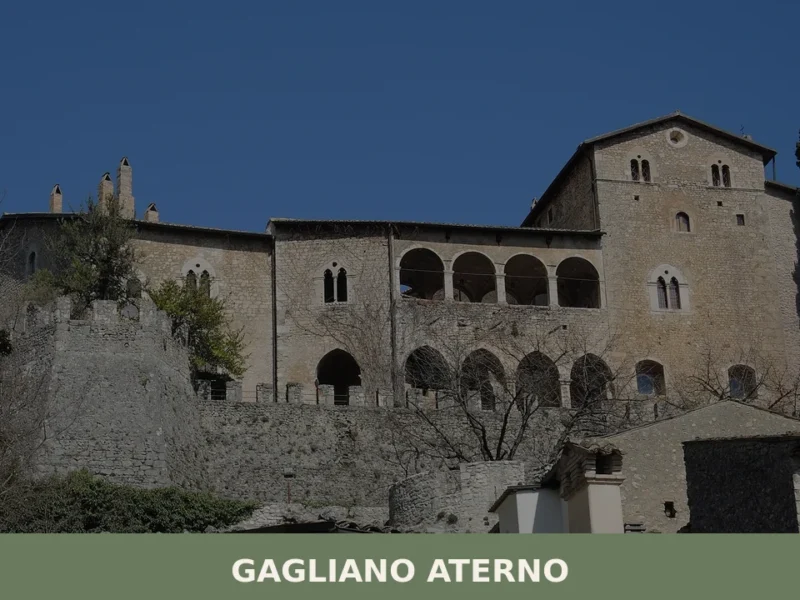
Gagliano Aterno
Mountain
What to see in Gagliano Aterno, Italy: a 14th-century castle, Baroque stucco church and a village of 251 inhabitants 45 km from L'Aquila. Discover the full guide.
Guilmi
Mountain
What to see in Guilmi, a hill village at 674 m in Chieti province with 408 residents. Visit the Church of San Nicola, the medieval centre and taste PAT products from the Frentani area.
Roccascalegna
 Hills
Hills
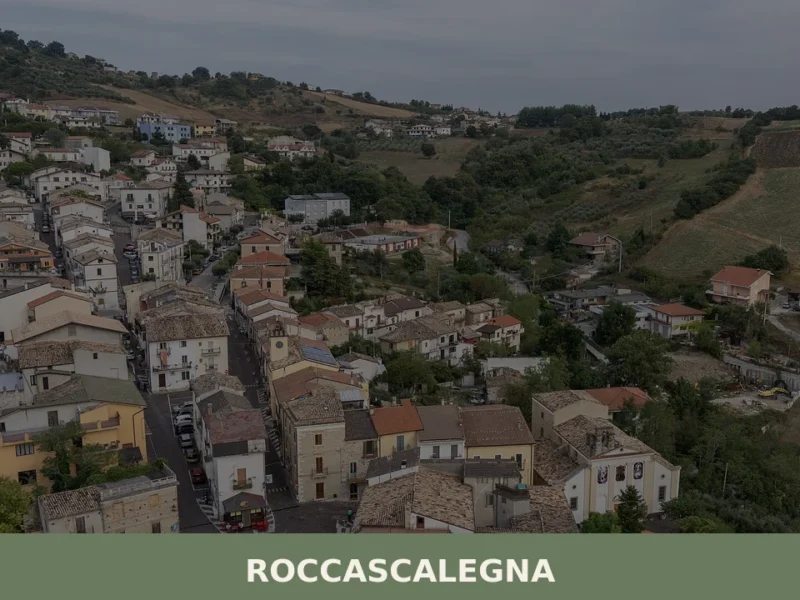
What to see in Roccascalegna, Abruzzo, Italy: castle, abbey, medieval village and 1,263 inhabitants. Discover top attractions, food and travel tips.
Canosa Sannita
Hills
At 231 metres above sea level, on the plain that opens between the Maiella massif and the Teatine coast, Canosa Sannita is home to 1,268 inhabitants spread across an agricultural landscape where the cultivation of vines and olive trees marks the rhythm of the seasons. The village’s very name carries a precise indication: a reference […]
Civitella Alfedena
 Lake
Mountain
Lake
Mountain
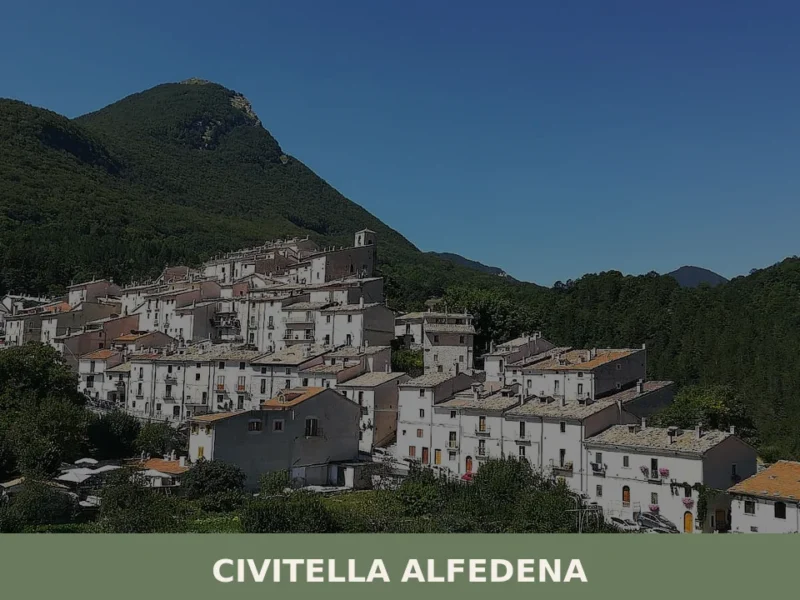
At 1123 metres above sea level, on the southern slopes of the Abruzzo, Lazio and Molise National Park, Civitella Alfedena is home to just 285 residents — fewer than a single apartment block in Rome — spread along an urban core that retains its medieval defensive layout, complete with stone portals and covered passageways. Asking […]
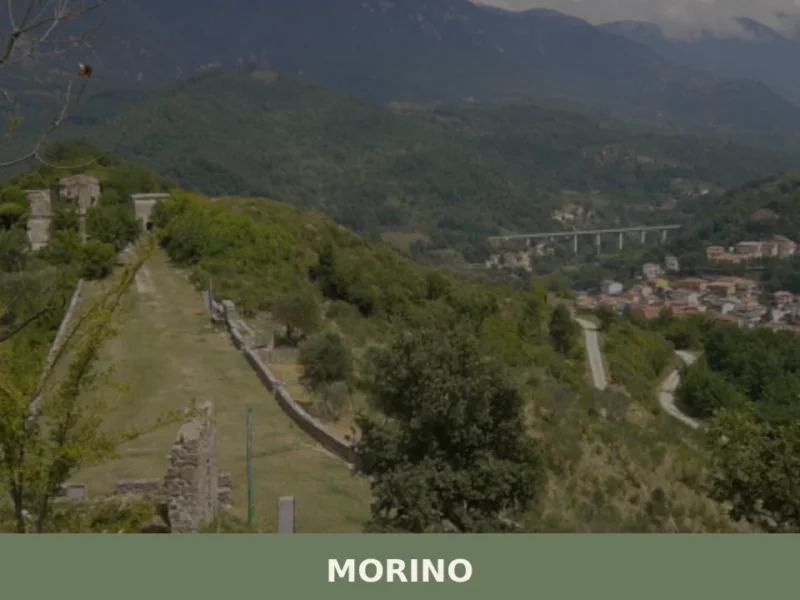
Morino
Mountain
What to see in Morino, Abruzzo, Italy: explore the Hermitage of Santa Maria del Cauto, the Roveto Valley, and 1,477 inhabitants' traditions. Discover it now.
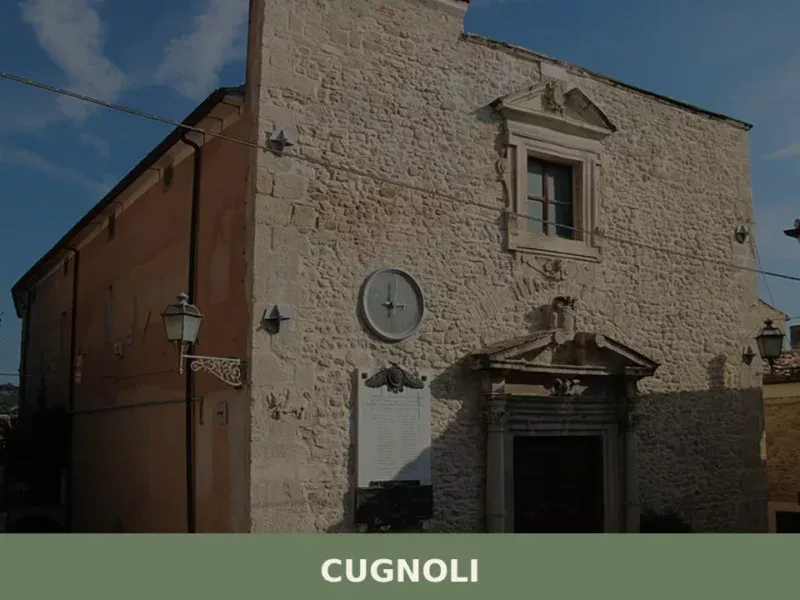
Cugnoli
Hills
At 331 meters above sea level, in the heart of the province of Pescara, lies Cugnoli, a settlement of 1,336 residents known for its hilly location. The village, whose history dates back to Roman times, as suggested by the etymology of its name (probably from Cunula, meaning small cradle or basin), offers a direct experience […]
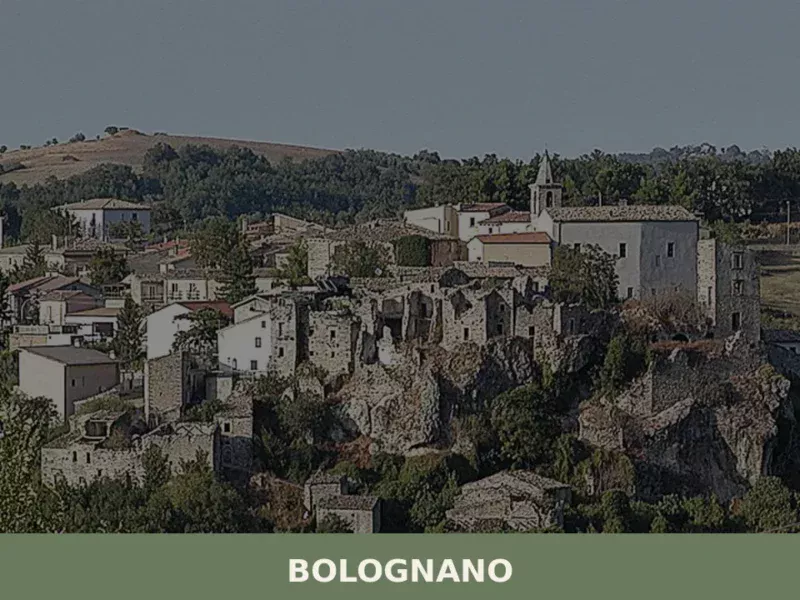
Bolognano
Hills
At 276 metres above sea level, along the Orta valley, Bolognano has a current population of 1,002 and occupies a stretch of flatland in the province of Pescara that served, between 1989 and 1992, as the site of an international art experiment conceived by the German artist Joseph Beuys. Asking what to see in Bolognano […]
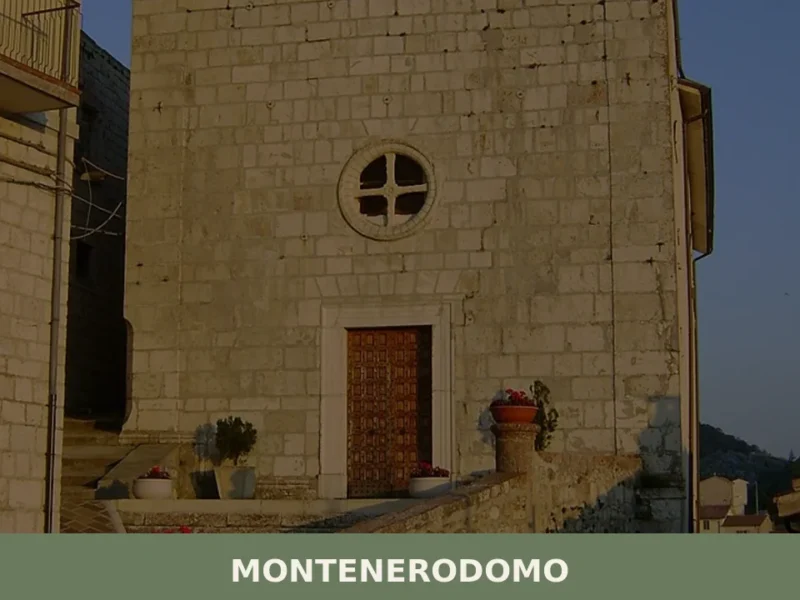
Montenerodomo
Mountain
What to see in Montenerodomo? Discover the 5 main attractions, from the Juvanum archaeological site to the Majella trails. Plan your visit!
Cagnano Amiterno
Mountain
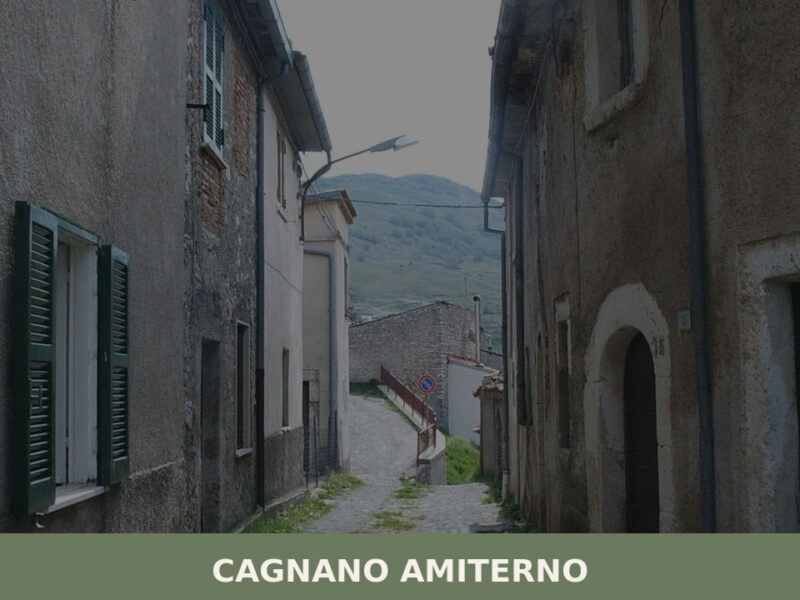
Morning light falls flat across the high plateau west of L’Aquila, catching the stone walls of a settlement that has survived earthquakes, depopulation, and the slow erosion of memory. The air carries woodsmoke and the cold mineral scent of mountain water. Cagnano Amiterno, home to just over 1,400 residents, sits in a landscape shaped by […]





🏡 Know San Demetrio ne’ Vestini better than we do?
If you’re a local or have been there, your knowledge matters: add what’s missing or fix a detail on this page.