


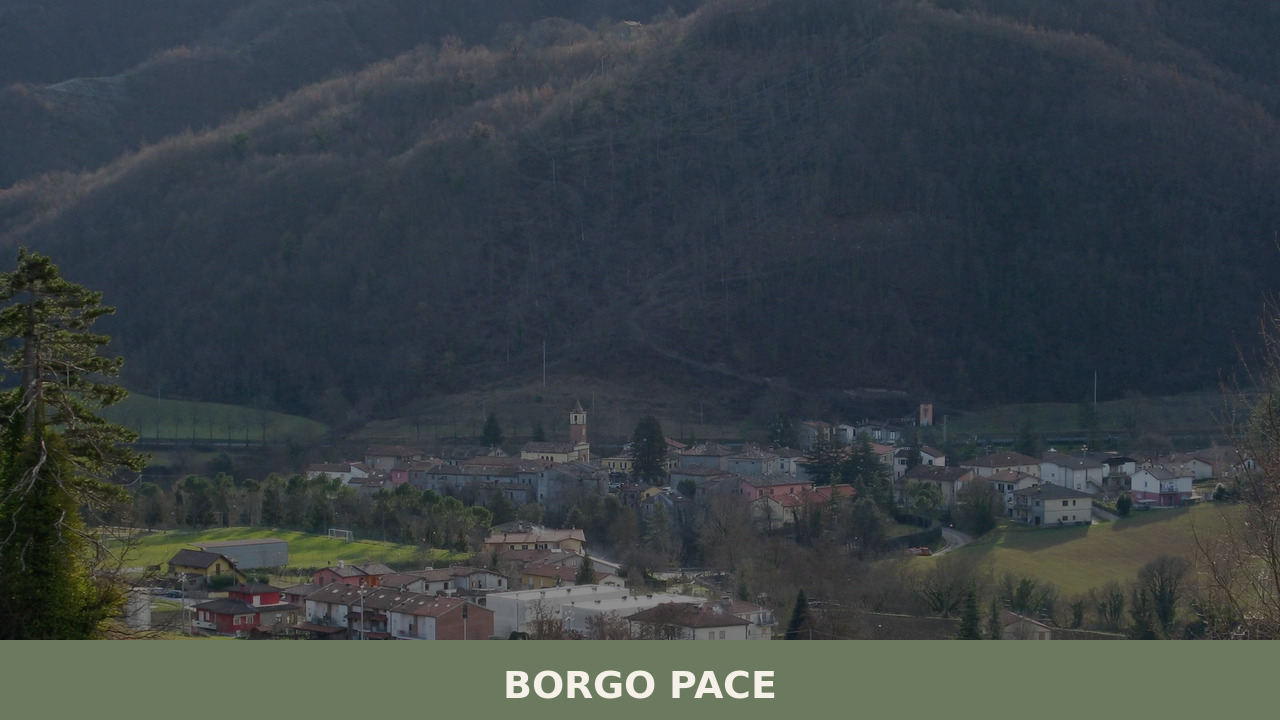
Borgo Pace
 Hills
Hills
Two rivers converge here — the Meta and the Auro — and their meeting point gives this settlement its ancient rhythm. In the early morning, mist lifts off the water and clings to stone walls darkened by centuries of wood smoke. Borgo Pace sits at the edge of the Apennine watershed in the province of […]
Discover Borgo Pace
Two rivers converge here — the Meta and the Auro — and their meeting point gives this settlement its ancient rhythm. In the early morning, mist lifts off the water and clings to stone walls darkened by centuries of wood smoke. Borgo Pace sits at the edge of the Apennine watershed in the province of Pesaro e Urbino, a village of 646 inhabitants where silence is not emptiness but presence. If you are wondering what to see in Borgo Pace, the answer begins with the land itself: dense forest, river valleys, and a human settlement shaped entirely by the mountains around it.
History of Borgo Pace
The name “Borgo Pace” — literally “village of peace” — likely derives from the Latin pagus, meaning a rural district or small territorial division, though local tradition holds that the name commemorates a peace agreement between rival feudal lords during the medieval period. The settlement grew at the confluence of the Meta and Auro rivers, a strategic point where the Massa Trabaria — the vast forested territory that supplied timber to Rome for the construction of roof beams (trabes) — met the routes connecting Tuscany to the Adriatic coast. Historical records place the area under the control of the Massa Trabaria district, a medieval administrative region of considerable importance to the Papal States.
Throughout the Middle Ages, the territory passed between ecclesiastical authorities and local feudal families. The surrounding forests were not mere wilderness but an economic engine: oak, beech, and chestnut timber was felled, floated downriver, and transported to Rome. This extractive economy shaped everything — the location of hamlets, the construction of bridges, the rhythm of seasonal labour. When the timber trade declined, Borgo Pace contracted but never disappeared. Its churches, stone farmhouses, and scattered frazioni — small satellite hamlets like Lamoli and Parchiule — remain as evidence of a community that adapted century after century.
During the Second World War, the area’s remote terrain made it a corridor for partisan activity along the Gothic Line. The mountains that had once sheltered timber workers now sheltered resistance fighters. This chapter left deep marks on local memory, and the villages of the upper Metauro valley still observe commemorations tied to the liberation period.
What to see in Borgo Pace: 5 must-visit attractions
1. Abbazia di San Michele Arcangelo, Lamoli
This Benedictine abbey, located in the hamlet of Lamoli a few kilometres from Borgo Pace, dates to the early medieval period and preserves a notable cycle of frescoes. The interior is austere — bare stone walls, a timber ceiling, and a quiet that suggests continuous prayer. The adjacent museum houses a rare 8th-century altar cloth, one of the oldest textile artefacts in the Marche region.
2. Confluence of the Meta and Auro rivers
The two watercourses merge just below the village to form the upper Metauro, the river that Pliny the Elder once described. The meeting point is physically accessible — flat, rocky banks shaded by alder and willow — and offers a tangible illustration of why human settlement arose precisely here: water, transport, and a natural defensive position.
3. Museo dei Colori Naturali
Housed in Lamoli, this small museum documents the ancient practice of extracting pigments from local plants, minerals, and earth. Exhibits include raw materials, tools, and finished dyes used historically in textile production. The museum runs occasional workshops where visitors can prepare pigments by hand, connecting the chemical properties of the landscape to its cultural output.
4. Forests of the Alpe della Luna
The Alpe della Luna — the “Moon’s Mountain” — rises south of the village, a massif covered in beech, fir, and mixed deciduous woodland. Walking trails traverse the upper slopes, where the tree canopy is dense enough to reduce midday sunlight to a pale green filter. The forest is part of a broader protected area managed by the Marche region and supports populations of deer, wild boar, and several raptor species.
5. Churches and hamlets of the frazioni
The scattered hamlets surrounding Borgo Pace — Parchiule, Ca’ Raffaello, Borgo dei Tronconi — each contain small parish churches built from local sandstone, many with Romanesque elements. Walking between them along unpaved roads offers a cross-section of rural Apennine architecture: dry-stone walls, wood-beam roofs, and doorways worn smooth by generations of hands.
Local food and typical products
Borgo Pace occupies the heart of one of Italy’s most productive truffle territories. The white truffle (Tuber magnatum pico) is the prestige ingredient, harvested from October through December in the oak and hazelnut woodlands along the river valleys. Local trattorias serve it shaved over fresh egg pasta — tagliatelle, in particular — or folded into a simple frittata. The black truffle appears earlier in autumn and lends itself to cooked preparations: sauces, crostini, and stuffed meats. The village hosts an annual truffle fair, the Mostra Mercato del Tartufo Bianco Pregiato, which draws buyers and curious visitors from across central Italy.
Beyond truffles, the cuisine reflects Apennine subsistence traditions. Polenta made from local corn varieties, grilled meats from semi-wild pigs raised in the forests, and crescia sfogliata — a layered flatbread cooked on a griddle — form the backbone of the table. Chestnut flour appears in autumn desserts and bread. Local producers also press small quantities of olive oil from groves at lower elevations and keep bees whose honey carries the flavour of chestnut and acacia blossom. The Casciotta d’Urbino DOP, a mixed sheep-and-cow milk cheese with historical ties to the Montefeltro area, is widely available in the surrounding territory.
Best time to visit Borgo Pace
Autumn is the defining season. From late September through November, the forests shift through ochre, copper, and rust, and the truffle harvest activates a local economy otherwise running at low idle. The annual truffle fair, typically held in late October or early November, transforms the small village centre with market stalls, cooking demonstrations, and the sharp, earthy scent of freshly unearthed truffles. Temperatures in October hover between 8°C and 18°C — ideal for extended walks in the Alpe della Luna without summer’s humidity or insects.
Spring brings wildflowers to the meadows and swollen rivers after snowmelt, making it the best period for photography and birdwatching. Summer can be warm at lower elevations but remains pleasant in the forest, where shade and altitude moderate the heat. Winter is cold and quiet — snowfall is common above 800 metres — and appeals mainly to those seeking deep solitude. Regardless of season, visitors should note that services are limited: there is no ATM in the village, shops keep irregular hours, and mobile phone reception weakens outside the centre. Plan provisions accordingly.
How to get to Borgo Pace
From the Adriatic motorway (A14), exit at Fano and follow the E78 superstrada — the so-called “road of the two seas” — inland toward Urbino and onward through the upper Metauro valley. The drive from Fano to Borgo Pace covers approximately 75 kilometres and takes roughly 90 minutes, the final section narrowing into a two-lane road that winds through the river gorge. From Urbino, the distance is about 45 kilometres.
The nearest railway station with regular service is Fano, on the Bologna–Ancona line. From there, a car is effectively necessary, as bus connections to the upper valley are infrequent and rarely timed for tourist convenience. The nearest airports are Federico Fellini Airport in Rimini (approximately 100 km) and Raffaello Sanzio Airport in Ancona-Falconara (approximately 130 km). Bologna’s Guglielmo Marconi Airport, around 200 kilometres to the north, offers the widest selection of international flights. Drivers arriving from Tuscany can approach via the Bocca Trabaria pass, a route that crosses the Apennine ridge and descends directly into the Borgo Pace territory — dramatic in clear weather, slow and occasionally closed in winter snow.
More villages to discover in Marche
The upper Metauro valley and the broader Montefeltro territory contain a constellation of small settlements, each with its own character shaped by altitude, economy, and the particular bend of river or ridge it occupies. Downstream from Borgo Pace, the valley opens gradually toward the cultural centres of the duchy, and the landscape softens from dense forest into rolling agricultural hills. Exploring the network of villages by car — or, for the determined, by bicycle — reveals how closely architecture, food, and daily life mirror the terrain beneath them.
To the north, the village of Mercatello sul Metauro preserves a compact medieval centre with notable churches and a quiet riverside walk along the young Metauro. Further afield, Frontone, positioned beneath the mass of Monte Catria, offers a different perspective on the Marche Apennines — a castle-crowned hilltop where Dante is said to have found inspiration. Together with Borgo Pace, these villages form an itinerary through a region that rewards slow, attentive travel over rapid sightseeing.
Frequently asked questions about Borgo Pace
What is the best time to visit Borgo Pace?
Autumn — late September through November — is the ideal season, combining vivid foliage in the Alpe della Luna forests with the white truffle harvest and the annual Mostra Mercato del Tartufo Bianco Pregiato, typically held in late October or early November. October temperatures range from 8°C to 18°C, perfect for hiking. Spring is excellent for wildflowers and birdwatching. The village also celebrates its patron saint Sant'Eurosia on the fourth Sunday of May, when the community gathers for the traditional patronal feast — a quieter but authentic local occasion worth attending.
What are the historical origins of Borgo Pace?
Borgo Pace developed at the confluence of the Meta and Auro rivers within the Massa Trabaria, a medieval administrative district of the Papal States whose forests supplied structural timber — trabes — to Rome. The name likely derives from the Latin pagus (rural district), though local tradition links it to a peace accord between feudal lords. Throughout the Middle Ages the territory alternated between ecclesiastical and feudal control. During World War II, its remote Apennine terrain served as a corridor for partisan activity along the Gothic Line, a chapter still commemorated in the upper Metauro valley.
What to see in Borgo Pace? Main monuments and landmarks
The Abbazia di San Michele Arcangelo in the hamlet of Lamoli is the principal landmark: an early medieval Benedictine abbey with original frescoes and a rare 8th-century altar cloth housed in its adjacent museum. Also in Lamoli, the Museo dei Colori Naturali documents the extraction of natural pigments from local plants and minerals, with hands-on workshops available. The confluence of the Meta and Auro rivers is physically accessible via flat, rocky banks below the village. The scattered frazioni — Parchiule, Ca' Raffaello, Borgo dei Tronconi — each contain small Romanesque sandstone parish churches worth visiting on foot.
What are the main natural or scenic attractions of Borgo Pace?
The Alpe della Luna massif, rising south of the village, is the dominant natural feature: dense beech, fir, and mixed deciduous woodland managed as a regional protected area, with walking trails crossing the upper slopes. The forest supports deer, wild boar, and several raptor species. The confluence of the Meta and Auro rivers — forming the upper Metauro — offers a scenic and historically significant river landscape accessible directly from the village. The Bocca Trabaria mountain pass, on the approach from Tuscany, provides dramatic Apennine ridge scenery and is itself a notable scenic route.
Where to take the best photos in Borgo Pace?
The confluence of the Meta and Auro rivers, accessible via flat banks below the village, offers strong compositions combining water, stone, and riparian vegetation — particularly evocative in early morning when mist rises off the current. The Alpe della Luna forest provides exceptional autumn colour photography from late October, with beech canopy turning gold and copper under clear mountain light. The Abbazia di San Michele Arcangelo in Lamoli, with its austere stone facade set against forested hillside, is a reliable architectural subject in any season.
Are there museums, churches or historic buildings to visit in Borgo Pace?
Yes. The Abbazia di San Michele Arcangelo in Lamoli is the most significant historic building in the territory, preserving medieval frescoes and a museum containing an 8th-century altar cloth — one of the oldest textile artefacts in the Marche region. The Museo dei Colori Naturali, also in Lamoli, is a specialist museum dedicated to natural pigment extraction, offering occasional practical workshops. The frazioni surrounding Borgo Pace contain multiple small Romanesque parish churches built from local sandstone. For current opening hours and admission fees, contact the municipality or local pro loco directly, as rural sites often keep seasonal schedules.
What can you do in Borgo Pace? Activities and experiences
Hiking through the Alpe della Luna protected forest is the primary outdoor activity, with marked trails crossing dense woodland and offering ridge-top views across the Apennine watershed. Truffle hunting in the oak and hazelnut river valleys is a defining local experience, peaking October through December — local guides can be arranged seasonally. The Museo dei Colori Naturali in Lamoli runs pigment-making workshops by appointment. Visiting the scattered frazioni on foot or by car provides an immersive itinerary through rural Apennine architecture. The annual truffle fair in late October or early November combines food, market, and cooking demonstrations in the village centre.
Who is Borgo Pace suitable for? Families, couples, hikers, solo travellers?
Borgo Pace suits hikers and nature lovers most directly, given the Alpe della Luna trails and river valley landscapes. Couples seeking slow, immersive travel will find the quiet forests, truffle season, and intimate local trattorias genuinely restorative. Food and wine enthusiasts focused on white truffle, local charcuterie, and Apennine cuisine have a clear seasonal draw. Families with older children can engage with the Museo dei Colori Naturali workshops and riverside walks. The village is not oriented toward mass tourism — there is no ATM, shops keep irregular hours, and services are limited — so it is best suited to self-sufficient, independently minded travellers.
What to eat in Borgo Pace? Local products and specialties
White truffle (Tuber magnatum pico), harvested October through December from local river-valley woodlands, is the prestige product — typically served shaved over fresh egg tagliatelle or in a frittata. Black truffle appears earlier in autumn in cooked preparations. The broader table draws on Apennine subsistence traditions: polenta, grilled meats from semi-wild forest-raised pigs, and crescia sfogliata, a layered griddle flatbread. Autumn desserts use chestnut flour. Local producers press small-batch olive oil and keep bees producing chestnut and acacia honey. Casciotta d'Urbino DOP, a mixed sheep-and-cow milk cheese with protected designation, is widely available across the surrounding Montefeltro territory.
Nearby Villages near Borgo Pace
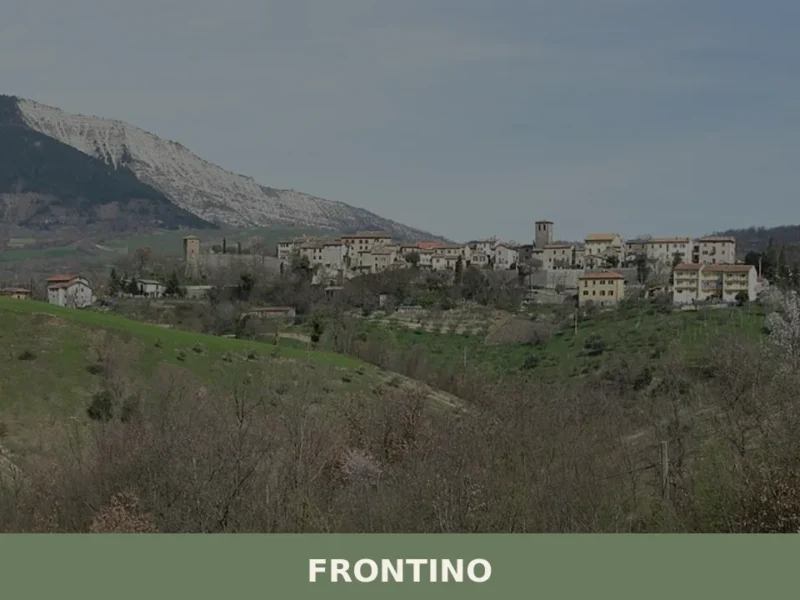
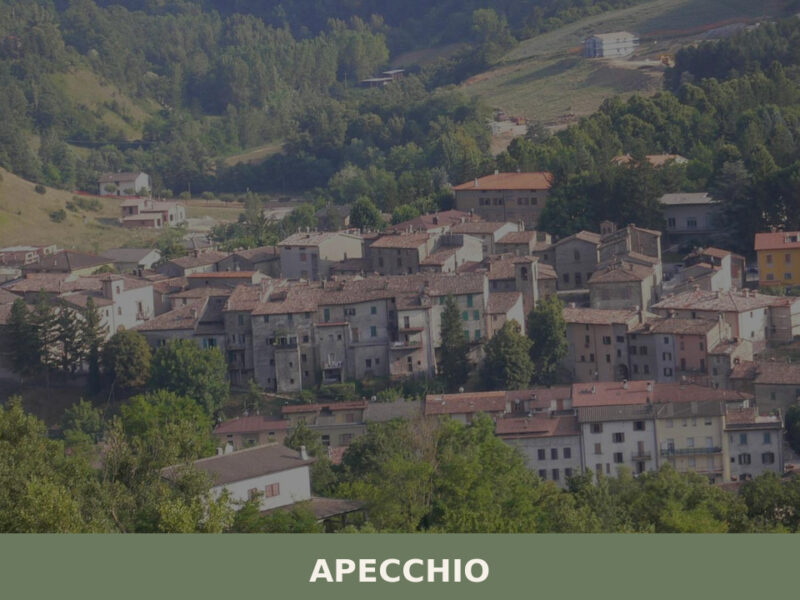
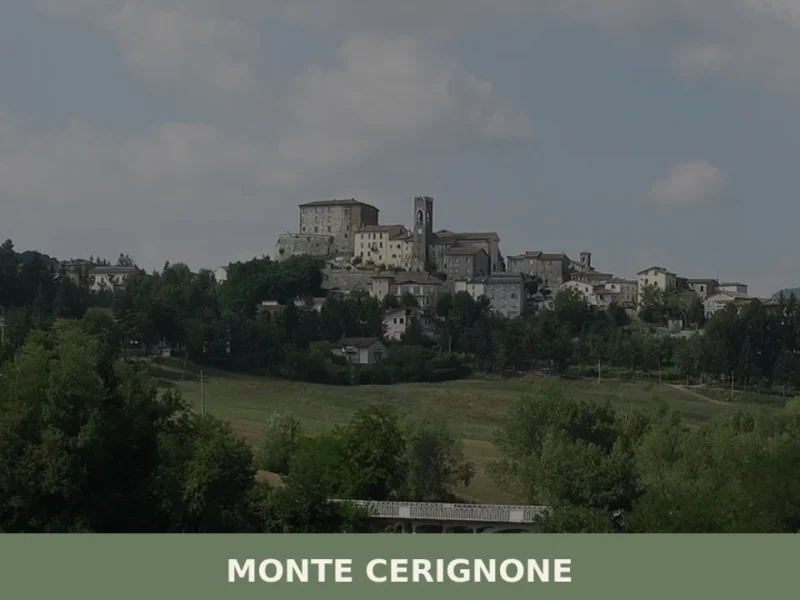
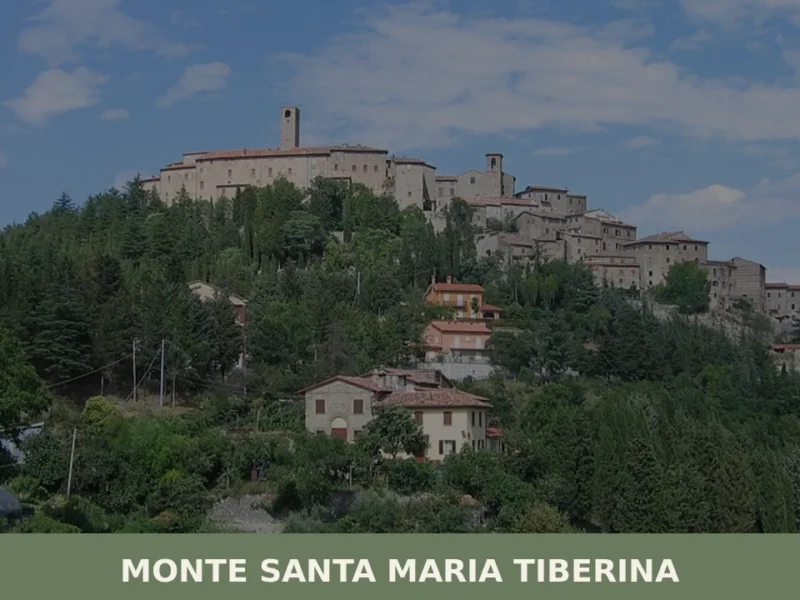
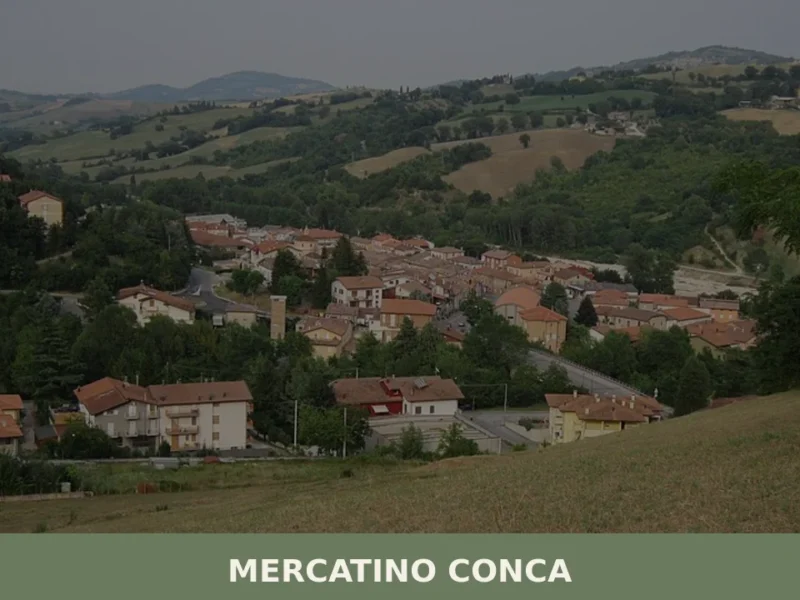
In Marche More villages to discover
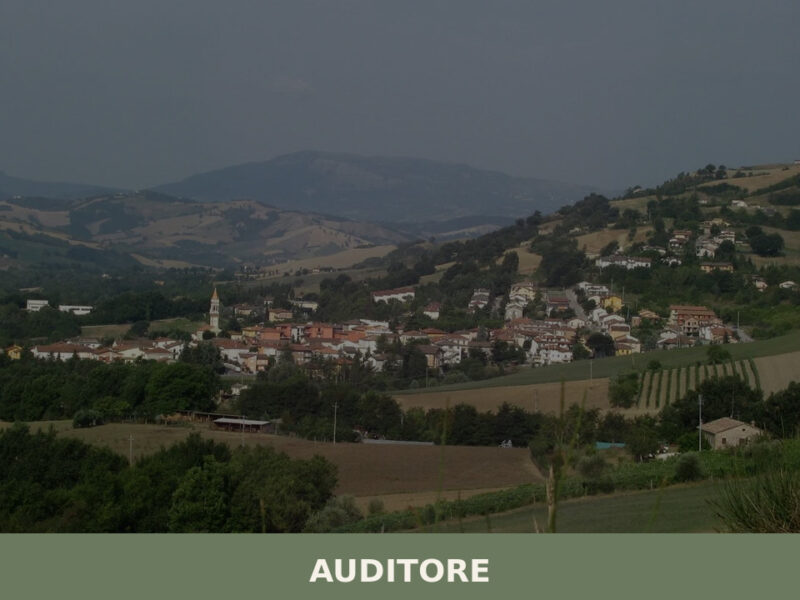
Auditore
Hills
Morning light falls across a line of stone houses the colour of dry wheat, and somewhere below the rooftops a church bell marks the hour with a single, unhurried stroke. Auditore sits in the hill country of the province of Pesaro e Urbino, a settlement of 1,631 people where the Foglia river valley opens toward […]

Camerata Picena
 Mountain
Discover Camerata Picena, a charming hilltop village in Ancona province with medieval churches, scenic views, and authentic Marche countryside.
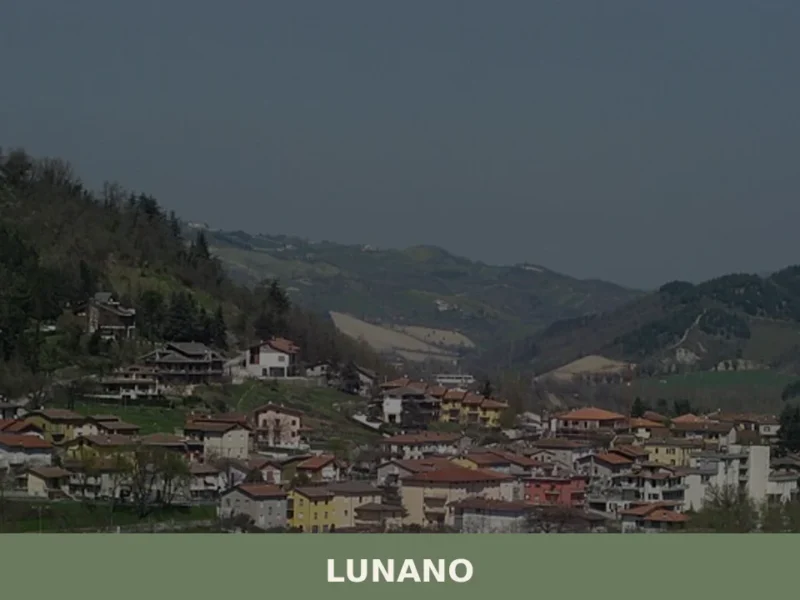
Lunano
Hills
what to see in lunano, Italy: Discover its 297-meter altitude, ancient castle, and unique Chestnut Festival. Explore this Montefeltro village.
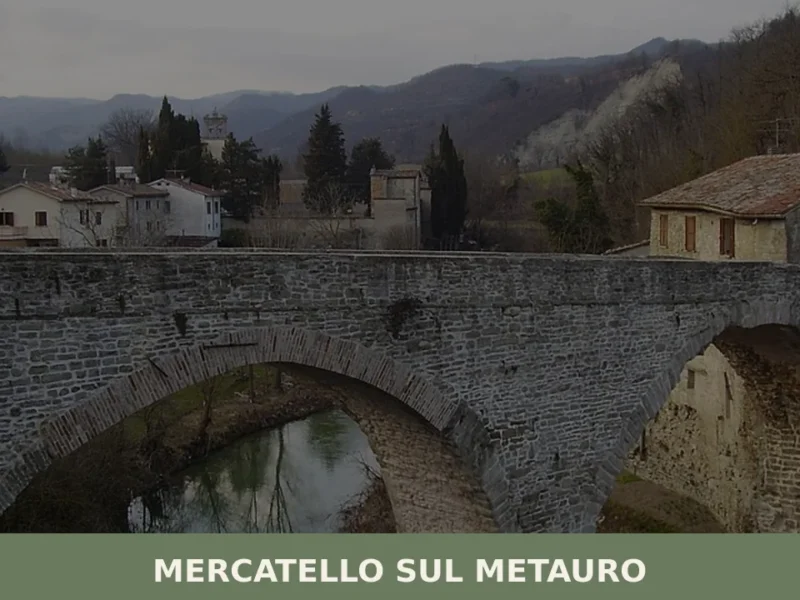
Mercatello sul Metauro
Hills
Mercatello sul Metauro has a current population of 1,326 and sits at an elevation of 429 metres in the middle Metauro valley, in the province of Pesaro and Urbino. The village owes its identity to one specific figure: Saint Veronica Giuliani, a Capuchin mystic born here in 1660, beatified in 1804 and canonised in 1839. […]
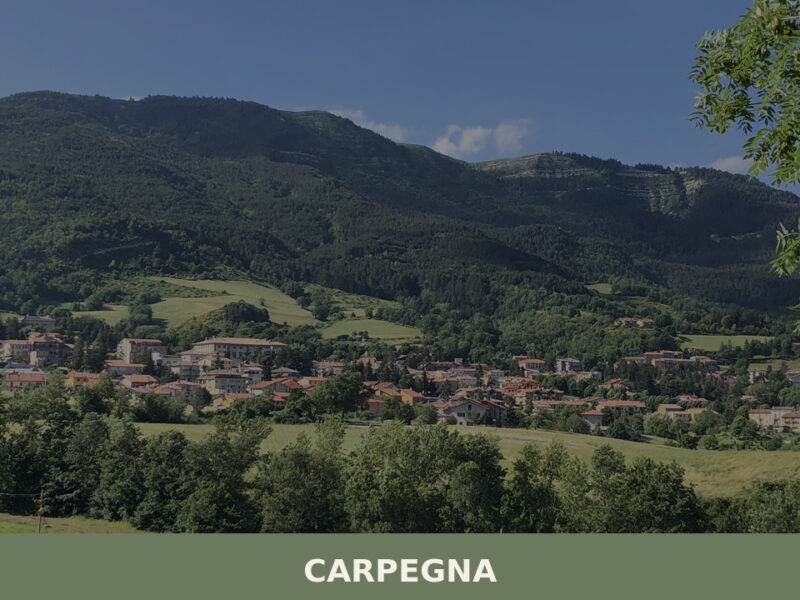
Carpegna
Mountain
Morning mist lifts off Monte Carpegna in slow, deliberate layers, revealing stone walls the colour of raw honey and a bell tower that has marked the hours here for centuries. The village sits at the foot of its namesake peak in the province of Pesaro e Urbino, home to just 1,672 residents who move through […]
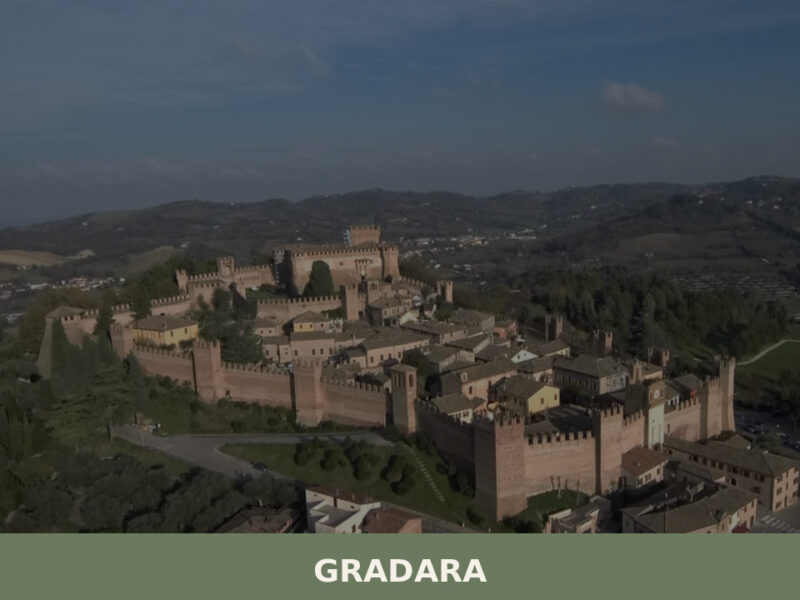
Gradara
 Plains
What to See in Gradara: discover Malatesta Castle and 4 other must-see attractions. Plan your trip to this Marche village of 4,889 inhabitants.
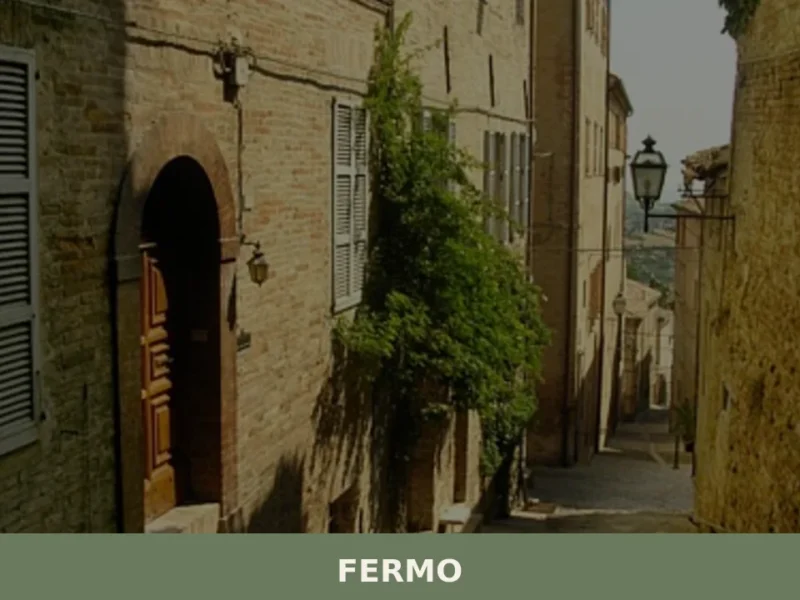
Fermo
 Sea
Sea
What to see in Fermo? Discover the 5 must-visit attractions of this village in Marche with our complete guide. Plan your perfect visit!
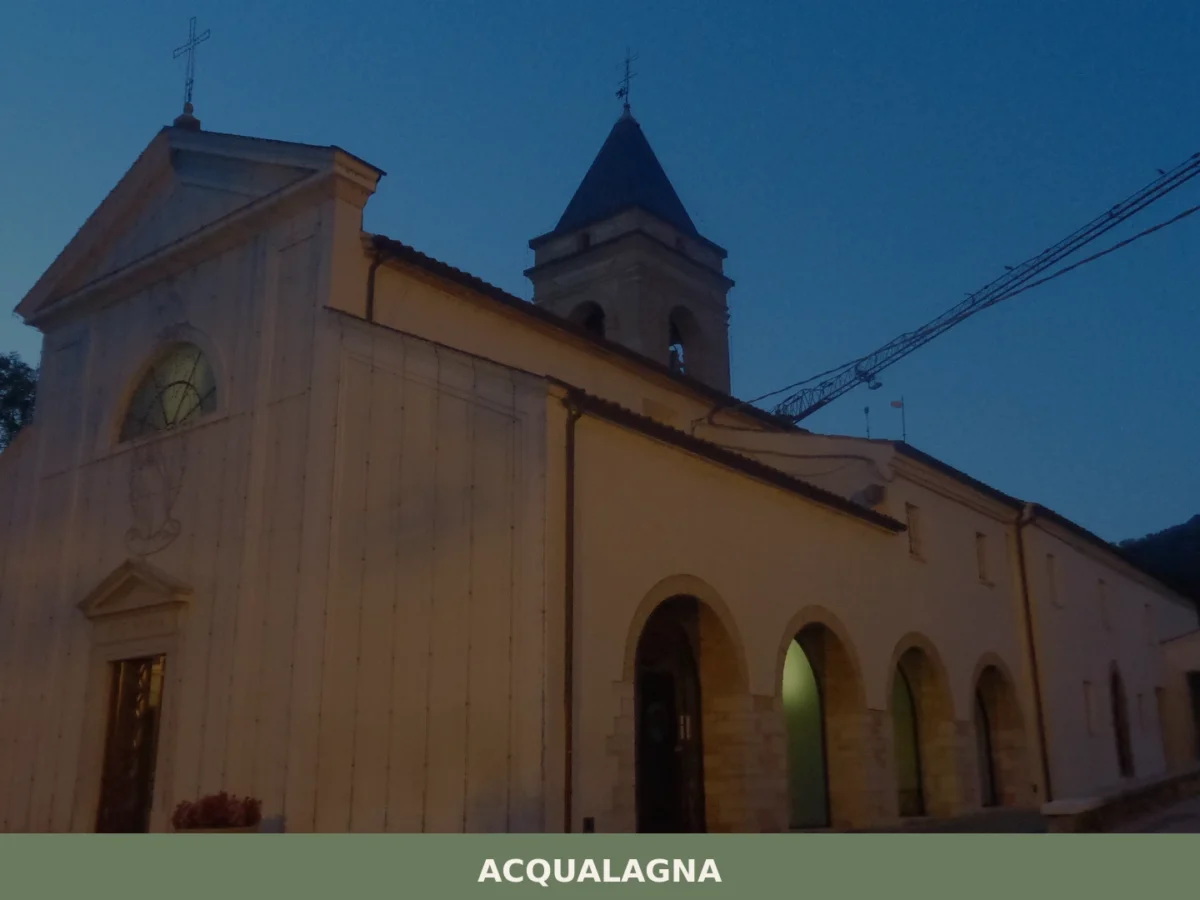
Acqualagna
Plains
Discover what to see in Acqualagna, Marche: the Furlo Gorge, Via Flaminia, white truffle fairs and Apennine woodlands. Practical travel guide to Pesaro e Urbino.
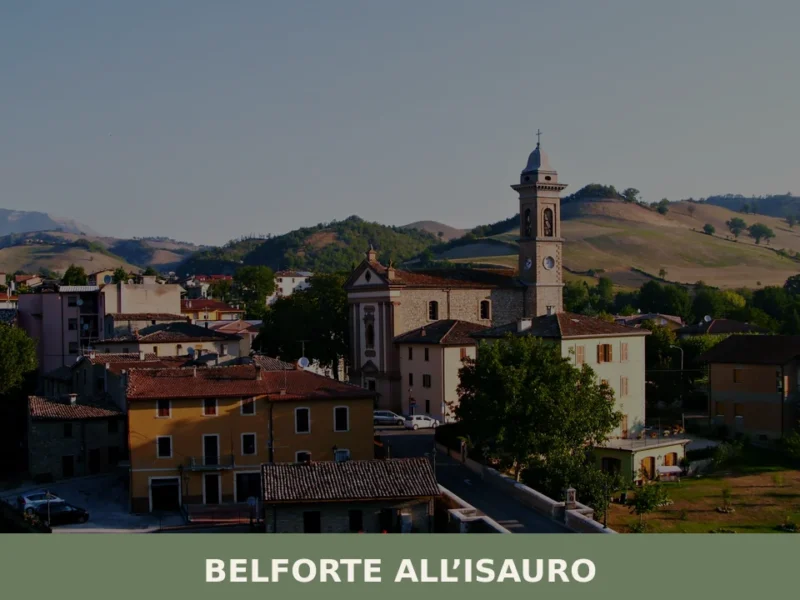
Belforte all’Isauro
Hills
Morning light catches the stone walls of the old borgo before it reaches the valley floor, warming the façades to a pale amber. Below, the Isauro river — a modest tributary of the Foglia — moves quietly between wooded banks. With fewer than 800 inhabitants, Belforte all’Isauro occupies a stretch of the upper Montefeltro where […]
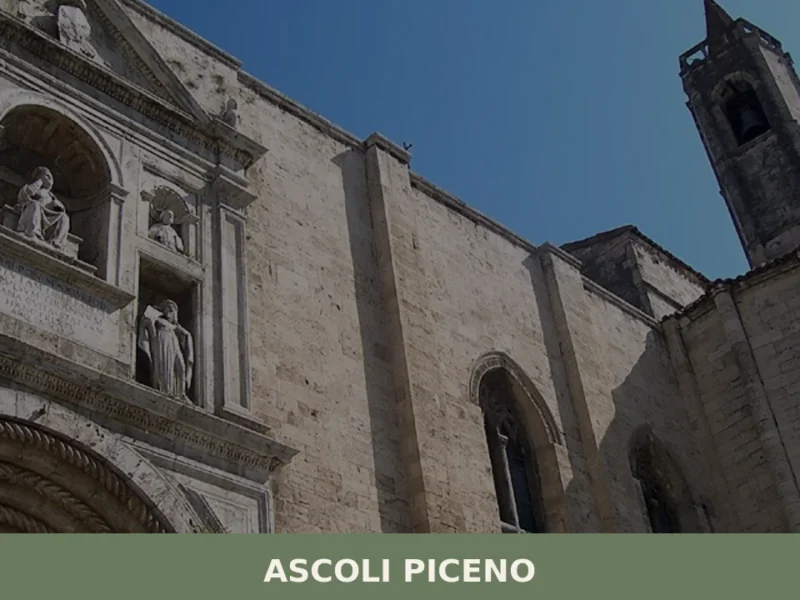
Ascoli Piceno
Plains
At 154 meters above sea level, in the heart of southern Marche, Ascoli Piceno rises between the waters of the Tronto river and its tributary, the Castellano, a natural crossroads that has shaped its identity over millennia. In this article History and origins of Ascoli Piceno What to see in Ascoli Piceno: main attractions Typical […]


🏡 Know Borgo Pace better than we do?
If you’re a local or have been there, your knowledge matters: add what’s missing or fix a detail on this page.