


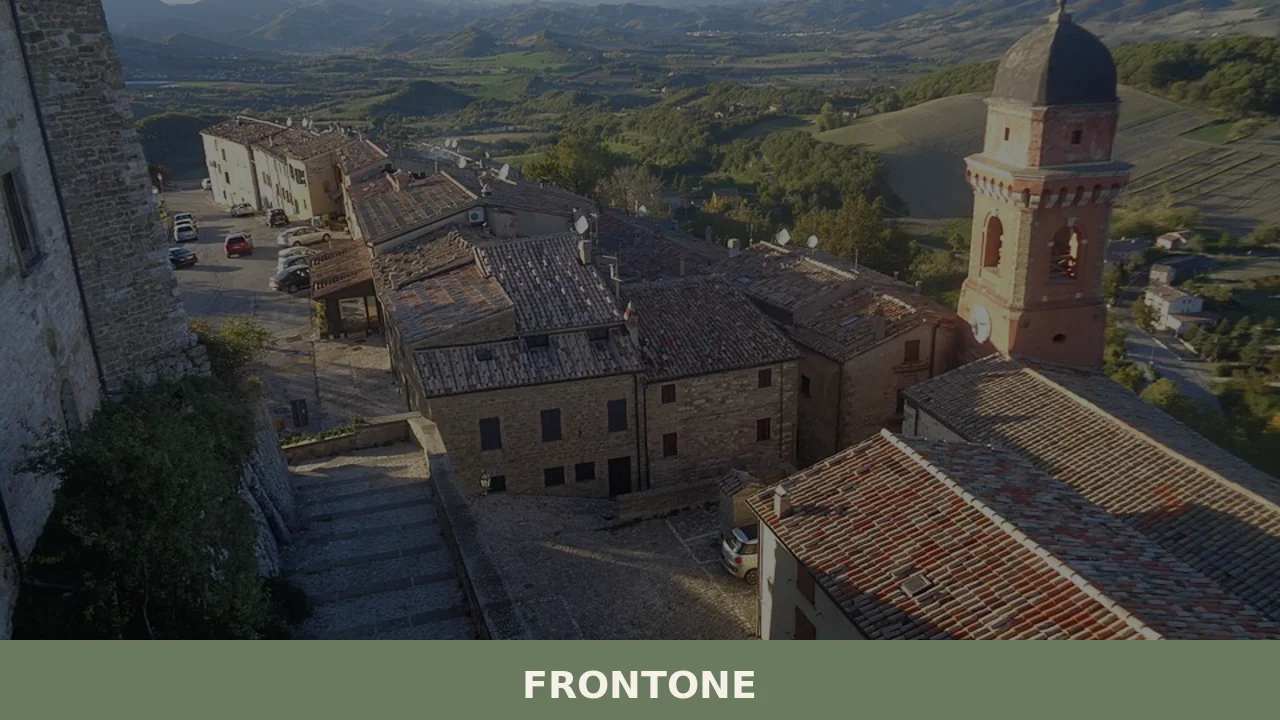
Frontone
 Hills
Hills
Frontone Castle, whose original structure dates between the 11th and 12th centuries, overlooks the village of the same name, a municipality of 1,218 inhabitants in the province of Pesaro and Urbino. Situated at 412 meters above sea level, Frontone extends along the slopes of Mount Catria, offering a view of the surrounding hilly landscape. Its […]
Discover Frontone
Frontone Castle, whose original structure dates between the 11th and 12th centuries, overlooks the village of the same name, a municipality of 1,218 inhabitants in the province of Pesaro and Urbino. Situated at 412 meters above sea level, Frontone extends along the slopes of Mount Catria, offering a view of the surrounding hilly landscape. Its strategic location, once a control point between the Candigliano valley and the Marche hinterland, shaped its history and architecture. For those wondering what to see in Frontone, the village offers a historical core and a natural environment that invite exploration, maintaining a strong connection with local traditions and the surrounding territory.
History and Origins of Frontone
Frontone’s roots extend to the medieval period, with the construction of its imposing castle. Built between the 11th and 12th centuries, the fortress was designed as a defensive outpost, controlling communication routes across the Apennines. Over the centuries, ownership of the castle and village passed through various lordships, including the Malatesta and Montefeltro families. It was under the rule of Federico da Montefeltro in the 15th century that the castle underwent significant modifications, taking on the appearance of a fortified residence while retaining its defensive functions. Subsequently, the fortress passed to the Della Rovere family, following the destiny of the Duchy of Urbino.
The name “Frontone” is believed to derive from its
Frequently asked questions about Frontone
What is the best time to visit Frontone?
The best time to visit Frontone is typically from spring (April-May) to early autumn (September-October). These months offer pleasant temperatures ideal for exploring the historic village, the castle, and enjoying the surrounding hilly landscapes and Mount Catria's slopes. A particularly vibrant period is around September 9th, when Frontone celebrates its patron, San Teodoro di Amasea, with traditional festivities that offer a glimpse into local culture. Summer months are also popular, though warmer, providing opportunities for outdoor activities and local events.
What to see in Frontone? Main monuments and landmarks
The primary landmark in Frontone is its imposing Castle, dating back to the 11th-12th centuries. Originally a defensive fortress, it was transformed into a fortified residence by Federico da Montefeltro in the 15th century. Visitors can explore its historic architecture and enjoy panoramic views of the surrounding hilly landscape from its strategic position. Beyond the castle, the village invites exploration of its charming historical core, where narrow streets and traditional buildings reflect centuries of history and local traditions. Access and visiting hours for the castle may vary, so it's advisable to check local tourism sources.
What are the main natural or scenic attractions of Frontone?
Frontone is nestled on the slopes of Mount Catria, offering a stunning natural environment. The surrounding hilly landscape provides numerous opportunities for outdoor activities, particularly hiking and nature walks. Visitors can explore trails that wind through the Apennine foothills, enjoying panoramic views and discovering the local flora and fauna. The strategic location, once a control point, now serves as an excellent starting point for excursions into the Marche hinterland, inviting exploration of its unspoiled natural beauty.
Where to take the best photos in Frontone?
For the most picturesque photos in Frontone, head to the Castle itself, which offers commanding views of the village and the vast, verdant hilly landscape stretching towards the Marche hinterland. The castle's ancient walls and panoramic terraces provide excellent vantage points, especially at sunrise or sunset. Additionally, the charming historical core of Frontone, with its characteristic medieval architecture and narrow streets, offers delightful opportunities for capturing the authentic atmosphere of this hillside village.
Are there museums, churches or historic buildings to visit in Frontone?
Beyond the prominent Frontone Castle, a significant historical building, visitors can also explore the Parish Church of San Teodoro, dedicated to the village's patron saint. While specific opening hours for the church may vary, it typically welcomes visitors during religious services or by prior arrangement. The historic core of Frontone itself functions as an open-air museum, showcasing traditional architecture and the village's medieval heritage, inviting a leisurely stroll to appreciate its enduring charm and historical details.
What can you do in Frontone? Activities and experiences
In Frontone, visitors can immerse themselves in both history and nature. A key activity is exploring the impressive Frontone Castle and its medieval architecture, offering insights into its defensive past and noble transformations. The surrounding hilly landscape, situated on the slopes of Mount Catria, is ideal for hiking, trekking, and nature walks, providing picturesque views and fresh air. For those visiting around September 9th, experiencing the traditional festivities of San Teodoro di Amasea, the village's patron saint, offers a unique cultural insight into local traditions and community life.
Who is Frontone suitable for? Families, couples, hikers, solo travelers?
Frontone is an ideal destination for history enthusiasts, nature lovers, and those seeking tranquility away from bustling cities. Its medieval castle and historical core appeal to visitors interested in culture and heritage. The location on the slopes of Mount Catria makes it perfect for hikers, trekkers, and outdoor adventurers of all levels. Families can enjoy exploring the castle and engaging in educational nature walks, while couples will appreciate the romantic views and peaceful atmosphere. Solo travelers will find a welcoming environment for introspection and exploration.
📷 Photo Gallery — Frontone
Nearby Villages near Frontone

In Marche More villages to discover
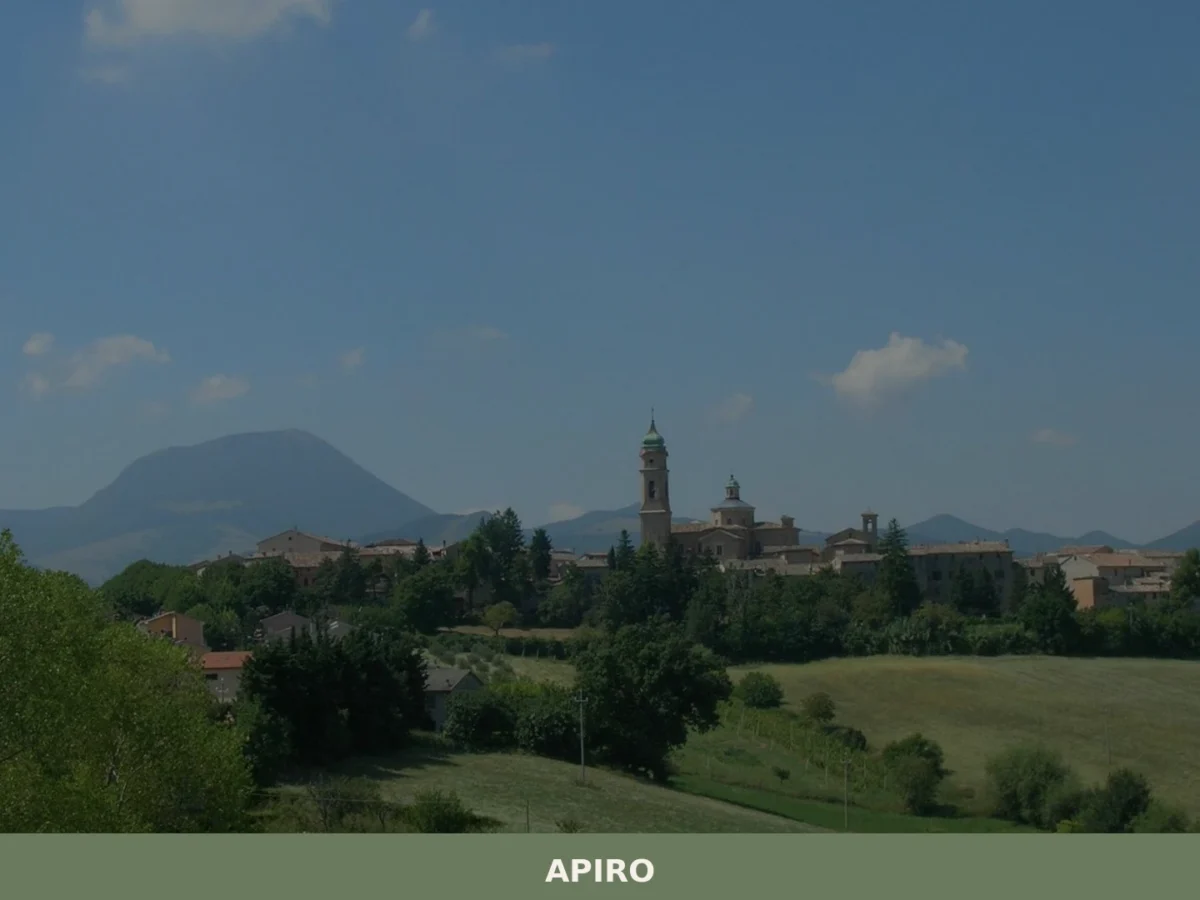
Apiro
Hills
What to see in Apiro, Marche, Italy: discover the Sant'Urbano museum, a 14th-century church, and local cuisine 40 km from Ancona. Explore the full guide.
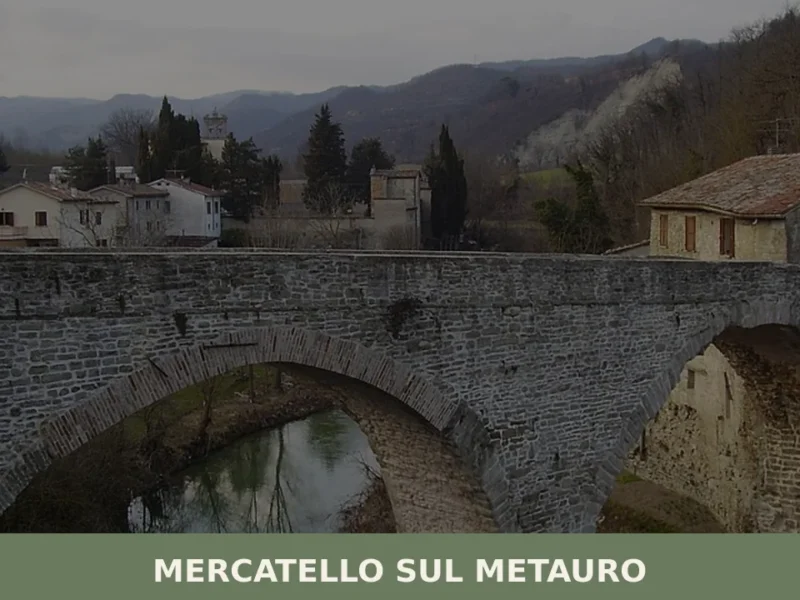
Mercatello sul Metauro
Hills
Mercatello sul Metauro has a current population of 1,326 and sits at an elevation of 429 metres in the middle Metauro valley, in the province of Pesaro and Urbino. The village owes its identity to one specific figure: Saint Veronica Giuliani, a Capuchin mystic born here in 1660, beatified in 1804 and canonised in 1839. […]

Camerata Picena
 Mountain
Discover Camerata Picena, a charming hilltop village in Ancona province with medieval churches, scenic views, and authentic Marche countryside.
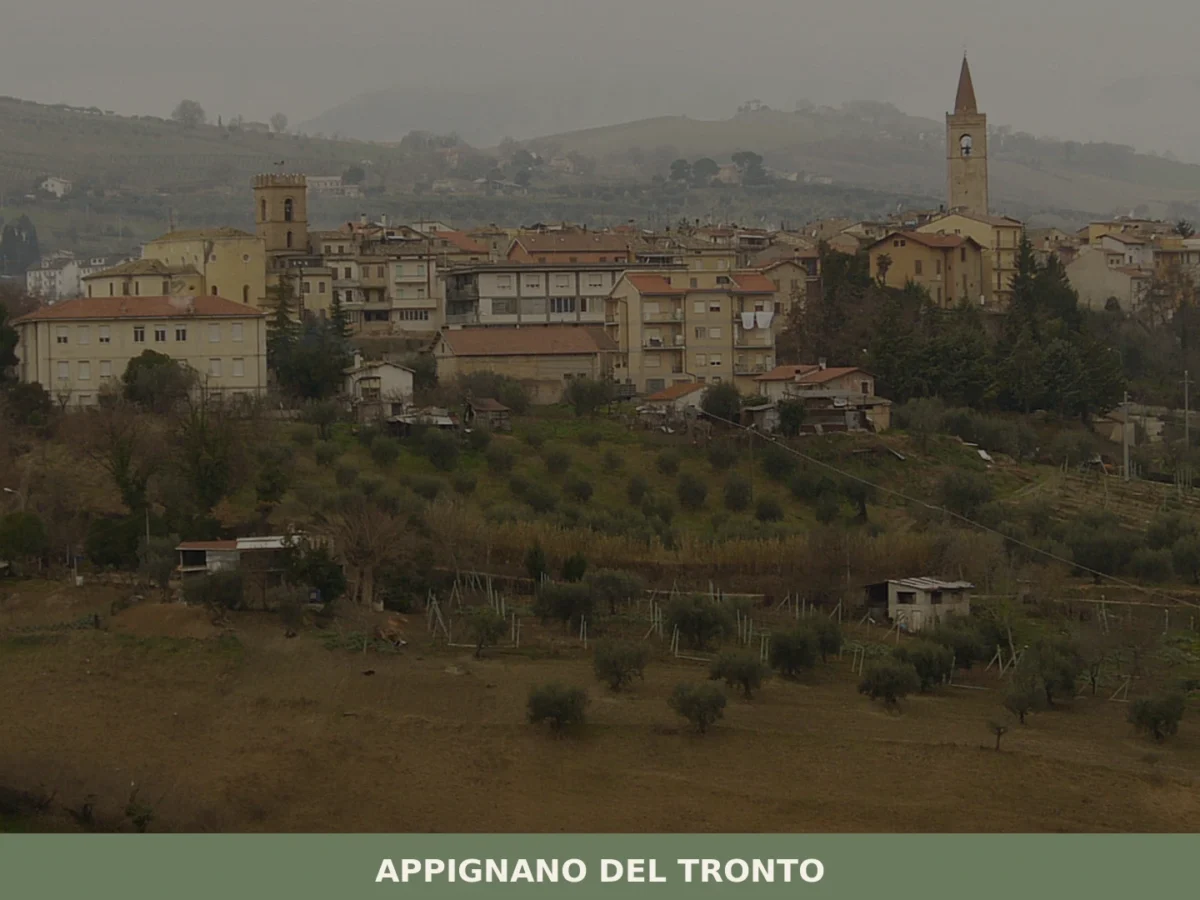
Appignano del Tronto
 Plains
What to see in Appignano del Tronto, Italy: 9 km from Ascoli Piceno, discover top attractions, local food, and travel tips for this Marche village. Explore now.
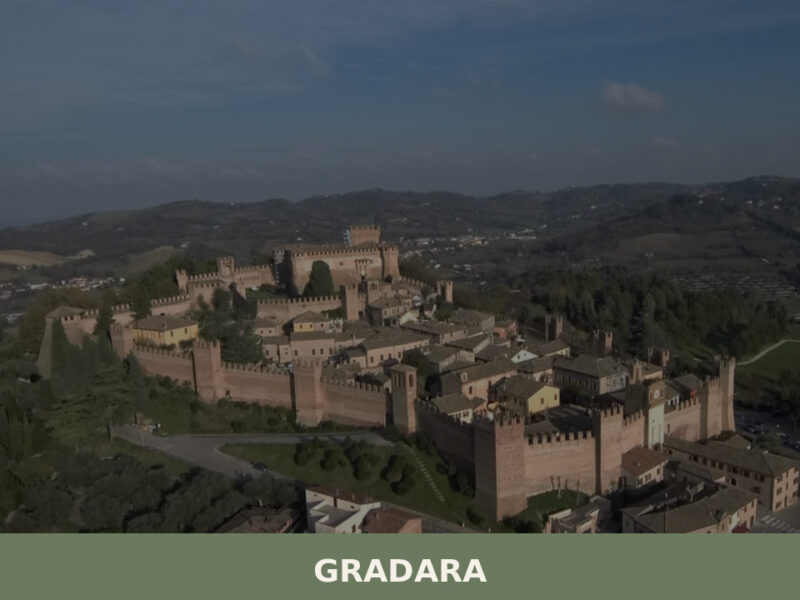
Gradara
Plains
What to See in Gradara: discover Malatesta Castle and 4 other must-see attractions. Plan your trip to this Marche village of 4,889 inhabitants.
Acqualagna
Plains
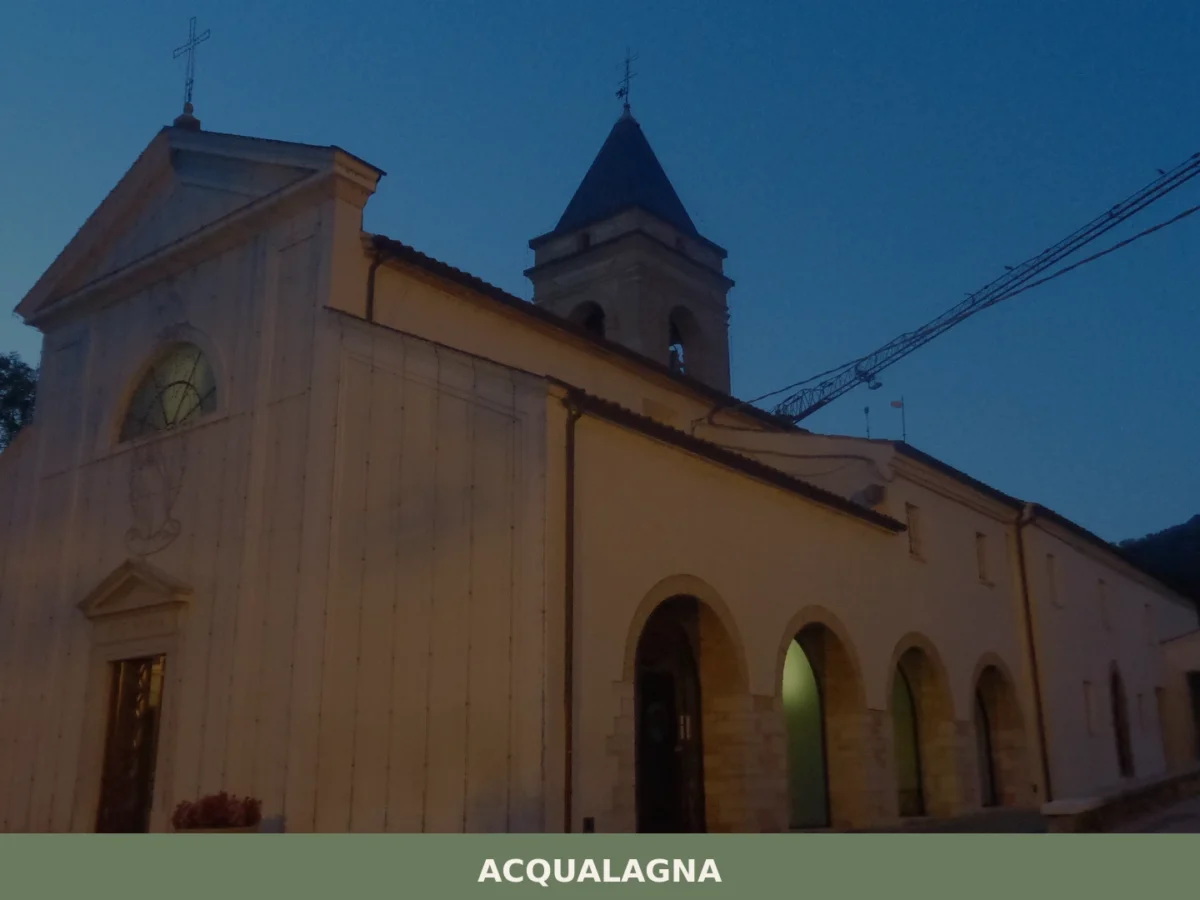
Discover what to see in Acqualagna, Marche: the Furlo Gorge, Via Flaminia, white truffle fairs and Apennine woodlands. Practical travel guide to Pesaro e Urbino.
Lunano
Hills
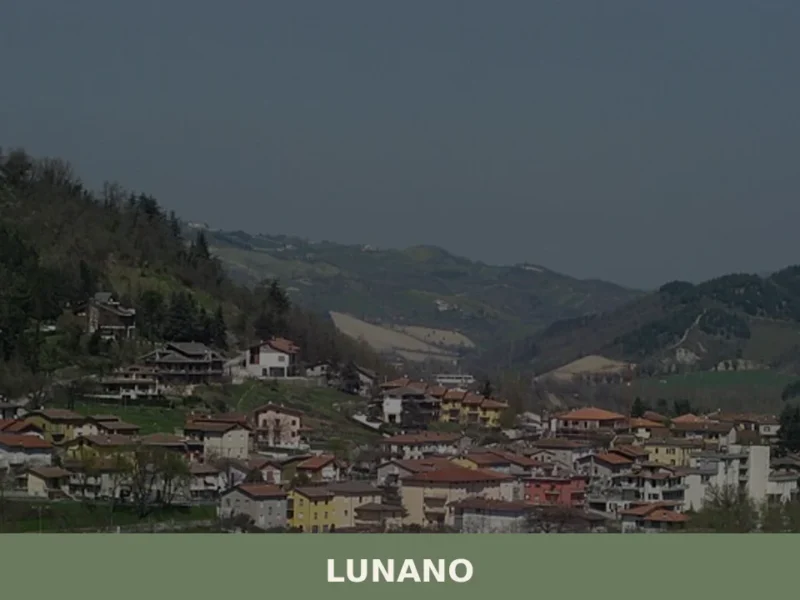
what to see in lunano, Italy: Discover its 297-meter altitude, ancient castle, and unique Chestnut Festival. Explore this Montefeltro village.
Appignano
Plains
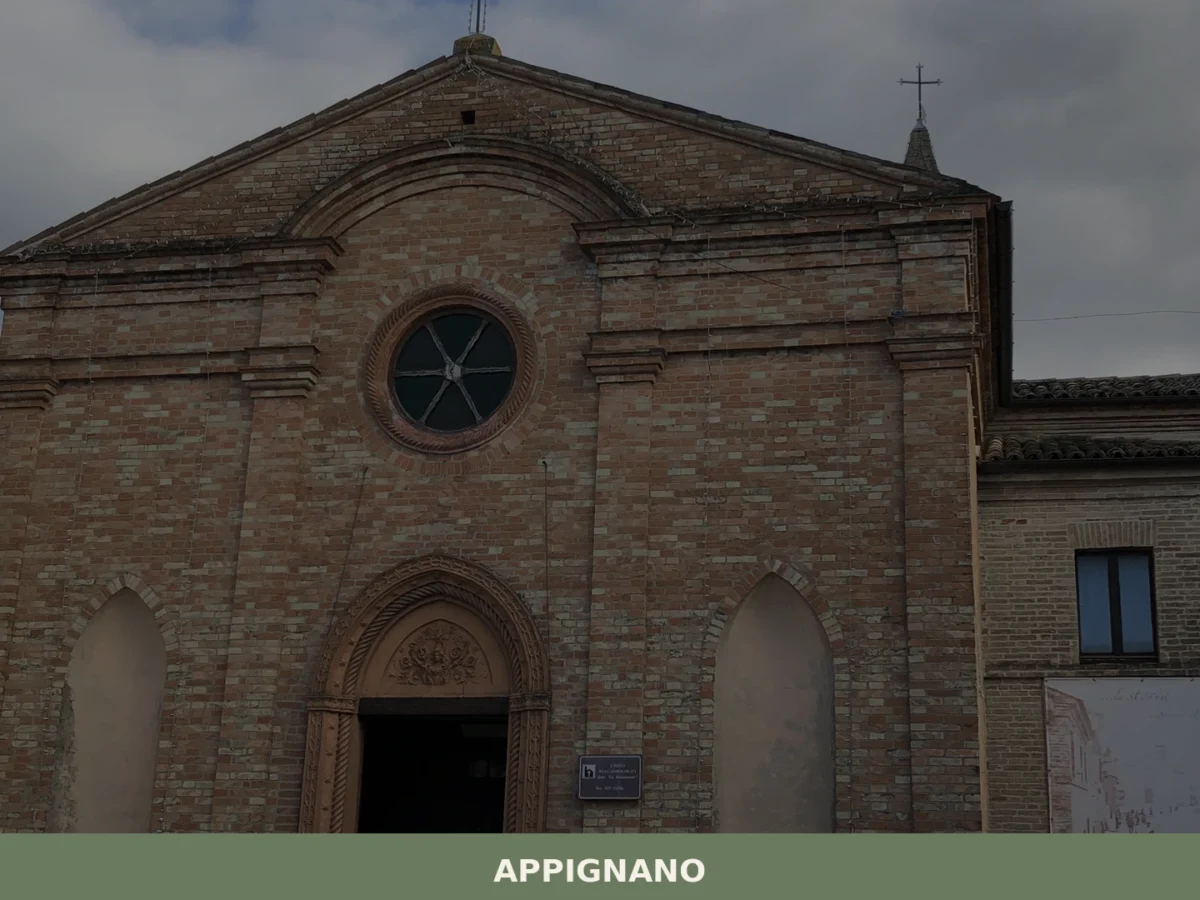
What to see in Appignano, Marche, Italy: discover the church of San Giovanni, local food traditions, and a village 35 km from Ancona. Explore the full guide.
Ascoli Piceno
Plains
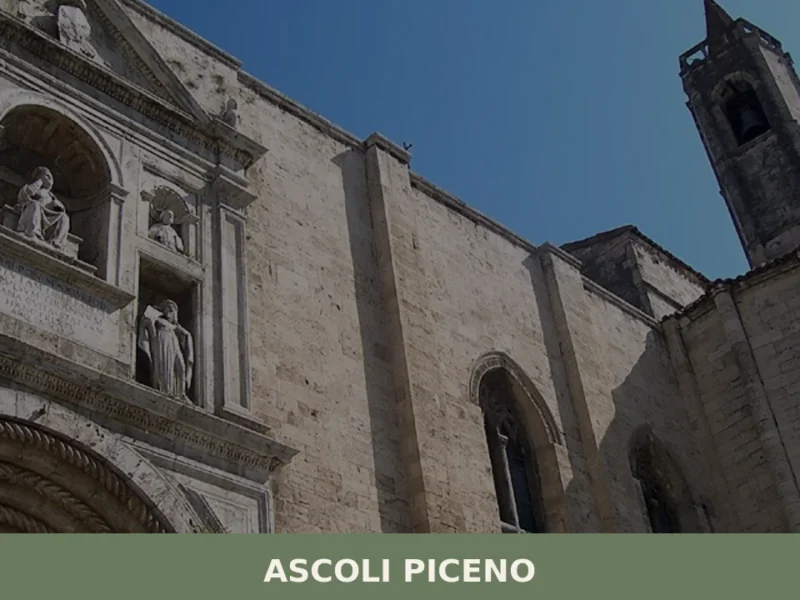
At 154 meters above sea level, in the heart of southern Marche, Ascoli Piceno rises between the waters of the Tronto river and its tributary, the Castellano, a natural crossroads that has shaped its identity over millennia. In this article History and origins of Ascoli Piceno What to see in Ascoli Piceno: main attractions Typical […]
Fratte Rosa
Hills
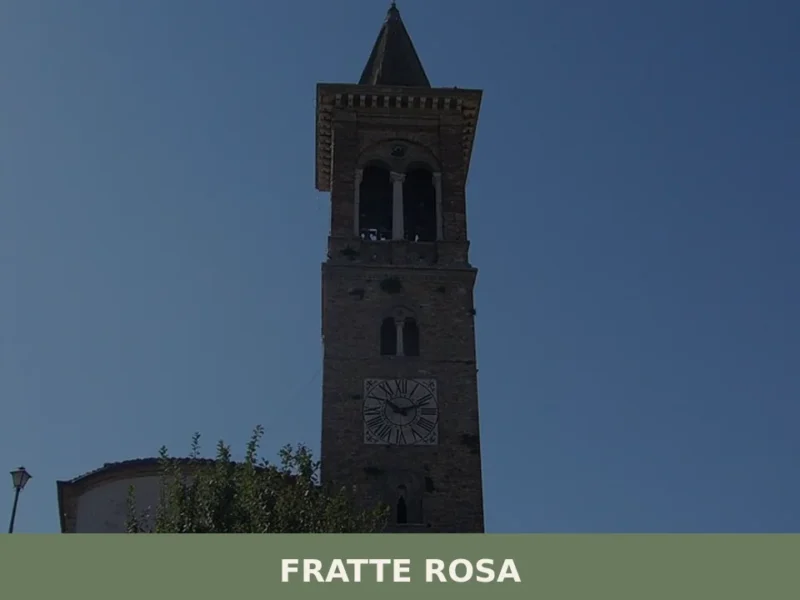
With its 847 inhabitants and an altitude of 419 meters above sea level, Fratte Rosa is located in the province of Pesaro and Urbino, a hilly area of the Marche region. The village’s name “Rosa” is historically linked to the color of a local clay, an essential component for the practice of pottery, documented in […]





🏡 Know Frontone better than we do?
If you’re a local or have been there, your knowledge matters: add what’s missing or fix a detail on this page.