


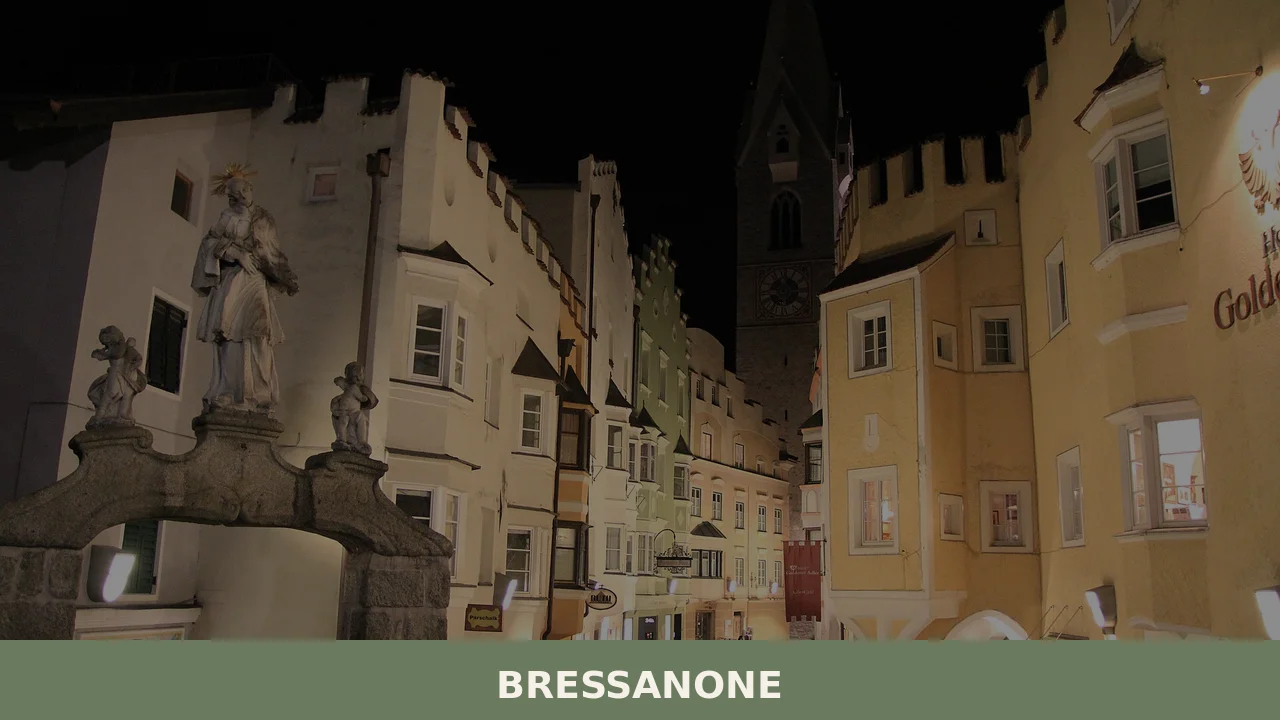
Bressanone
 Hills
Hills
Bressanone is the oldest city in Tyrol, with a bishopric founded around 990 AD that shaped the urban, economic and cultural structure of the entire valley for centuries. Situated at 559 metres above sea level, at the point where the Rienza river flows into the Isarco, the city has a current population of 22,816 and […]
Discover Bressanone
Bressanone is the oldest city in Tyrol, with a bishopric founded around 990 AD that shaped the urban, economic and cultural structure of the entire valley for centuries. Situated at 559 metres above sea level, at the point where the Rienza river flows into the Isarco, the city has a current population of 22,816 and ranks as the second most important centre in the province of Bolzano. For anyone wondering what to see in Bressanone, the answer inevitably starts with the cathedral and extends outward into a human-scale historic centre where Romanesque, Gothic and Baroque architecture exist side by side.
History and origins of Bressanone
The name Bressanone — Brixen in German — appears for the first time in a document dating to 901, when the settlement is mentioned as the seat of a Carolingian royal court. In 990, Emperor Otto III elevated Bressanone to an independent bishopric, separating it from the diocese of Sabiona, and this decision marked the beginning of an unprecedented period of expansion: the prince-bishops of Bressanone acquired extensive temporal powers over the entire Isarco Valley during the Middle Ages, exercising jurisdiction that included markets, toll collection and the administration of justice.
In 1027, Emperor Conrad II granted the Bishop of Bressanone the title of Prince of the Holy Roman Empire, transforming the diocese into an ecclesiastical principality that retained substantial autonomy for more than seven centuries. The bishops’ temporal power began to decline in 1803, when Napoleonic secularisation dissolved the episcopal principality and the territory was incorporated first into the Kingdom of Bavaria, then, in 1814, into the Austrian Empire. Bressanone remained under Austrian rule until 1919, when the Treaty of Saint-Germain-en-Laye assigned all of Southern Tyrol to Italy, including the city with its significant German-speaking majority.
It is precisely in this layering of political affiliations — Carolingian, imperial, Habsburg, Italian — that the architectural complexity of the historic centre has its roots. The monastery of Novacella, founded in 1142 by Augustine of Sabiona a few kilometres north of the city, remained for centuries the principal cultural and productive hub of the valley, with an active scriptorium and a winery whose viticulture continues to this day. The cathedral, rebuilt in Baroque form between 1745 and 1754 on pre-existing Romanesque foundations, preserves in its cloister Gothic frescoes dating from the fourteenth and fifteenth centuries, made possible by the patronage of the prince-bishops.
What to see in Bressanone: 5 key attractions
The Cathedral of Santa Maria Assunta and San Cassiano
The present cathedral is the result of a thorough Baroque transformation completed in 1754, carried out on the foundations of an earlier Romanesque building. The vaults of the central nave feature frescoes by Paul Troger, a Tyrolean painter and one of the leading figures of Austrian Baroque. The cathedral is also dedicated to San Cassiano, patron saint of the city, whose feast day falls on 5 February.
The Cathedral Cloister
Adjacent to the cathedral, the cloister preserves one of the most extensive cycles of Gothic frescoes in the entire Alpine arc: the wall paintings, produced between the fourteenth and fifteenth centuries, cover the cross-vaulted ceilings of all four corridors with biblical and hagiographic scenes. Entry is directly through the cathedral’s side nave, with no separate admission charge.
The Bishop’s Palace and Diocesan Museum
The former residence of the prince-bishops now houses the Diocesan Museum, with a collection of historical nativity scenes comprising over two thousand examples dating from the seventeenth to the twentieth century. The palace, with its internal courtyard featuring three tiers of Renaissance loggias, was systematically expanded between the fifteenth and sixteenth centuries.
The Monastery of Novacella
Founded in 1142 by Augustinian canons, the monastery of Novacella lies approximately three kilometres north of the city centre. It remains an active religious community to this day, and its winery produces white wines — notably Sylvaner and Kerner — from vineyards cultivated between 700 and 900 metres above sea level, among the highest in Europe.
Via dei Portici
The city’s medieval commercial axis is lined with continuous arcaded walkways whose structure traces back to the late medieval urban plan. The upper floors of the buildings retain facades with fresco decorations and pointed arch or double-arched windows, while at street level traditional craft shops, pastry shops and local produce retailers stand side by side.
Traditional cuisine and local products
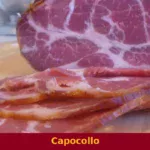
Bressanone’s gastronomic tradition reflects the city’s dual cultural identity, Italian and Tyrolean. Among the most deeply rooted dishes are Schlutzkrapfen, fresh pasta half-moons filled with spinach and ricotta and dressed with melted butter and Parmesan, and Knödel — canederli in Italian — made from stale bread, Alto Adige IGP speck, onion and parsley, served either in broth or dry with melted butter. Speck Alto Adige IGP is the best-known local product: a cured pork leg seasoned with a blend of salt, pepper, rosemary, bay leaf and juniper, subjected to light smoking alternated with open-air mountain drying for a minimum of 22 weeks. The IGP designation, obtained in 1996, governs production across the entire province of Bolzano.
Alongside speck, the area has a notable wine-producing tradition: the wines of the Novacella Monastery, under the Valle Isarco DOC denomination, include varieties such as Sylvaner, Kerner, Müller-Thurgau and Veltliner grown on steep terraced vineyards along the Isarco. Among traditional sweets, Zelten is a spiced bread made with dried fruit — figs, dates, walnuts, almonds — enriched with grappa and cinnamon, typically prepared during the Christmas period. Schüttelbrot, a thin crispy rye bread flavoured with wild fennel and caraway seeds, is instead a daily staple that accompanies platters of speck and local cheeses. For up-to-date information on seasonal food events, the reference point is the official website of the Municipality of Bressanone.
When to visit Bressanone: the best time of year
Bressanone works as a destination throughout the year, but the months offering the best balance of climate, visitor numbers and cultural offerings are May–June and September–October. In spring, the vineyards of the Isarco Valley show their first leaves and temperatures settle between 14 and 20 degrees, making the hillside paths walkable without heavy equipment. In autumn, the grape harvest brings activity to the Novacella monastery winery and local producers, while the historic centre is less crowded than in summer. The Christmas period has a well-established tradition: Bressanone’s Christmas market, set up in Cathedral Square, is among the longest-documented in Alto Adige and draws a considerable number of visitors from late November through to 6 January. Summer — July and August — sees the highest visitor numbers, with temperatures that rarely exceed 28 degrees thanks to the altitude and valley setting.
How to get to Bressanone
Bressanone is easily reached by both car and train. Its position along the Brenner corridor makes it one of the best-connected centres in Alto Adige, both with the rest of Italy and with Austria.
- By car: Take the A22 Brenner Motorway, exit at Bressanone/Brixen. From Bolzano approximately 40 km (30 minutes); from Trento approximately 90 km (1 hour); from Verona approximately 170 km (1 hour 40 minutes); from Munich approximately 170 km travelling south on the same motorway.
- By train: Bressanone is on the Verona–Brenner railway line, one of the busiest in northern Italy. Trenitalia and ÖBB provide frequent services. From Bolzano the journey takes around 20 minutes; from Verona Porta Nuova approximately 1 hour 30 minutes on fast regional trains; from Innsbruck approximately 40 minutes.
- By air: The closest airport is Bolzano (BZO), around 45 km away, with limited connections. The main alternative is Innsbruck Airport (INN) in Austria, approximately 80 km away, or Verona Villafranca Airport (VRN), approximately 160 km away and well connected to Verona’s railway station.
Where to stay in Bressanone
Bressanone’s accommodation offer covers a wide range: from small family-run hotels in the historic centre — often housed in historic buildings along Via dei Portici or in the streets around the cathedral — to higher-category hotels in the outskirts with views over the surrounding countryside. Staying in the historic centre allows you to walk to all the main attractions, but parking is limited and paid; those arriving by car may prefer slightly out-of-centre properties with a garage or private parking. The official Alto Adige tourism portal holds an up-to-date list of properties registered with the provincial booking system.
In the hillside hamlets surrounding the city — such as Millan, Sarnes and Albeins — there are farm stays and traditional South Tyrolean Masi offering bed and breakfast accommodation, often with their own production of speck, apples or wine. This type of accommodation is particularly suited to multi-day stays focused on hiking. For the Christmas period and August, booking at least two to three months in advance is advisable; during other months availability is generally good even with last-minute reservations.
Other villages to explore in Trentino-Alto Adige
The Isarco Valley, where Bressanone stands, is just one of the corridors through which Trentino-Alto Adige reveals its variety of landscapes and settlement patterns. To the south, along the South Tyrolean Wine Road, Caldaro sulla Strada del Vino offers a completely different setting: a vine-growing village on the edge of a lake, with a production of Lago di Caldaro DOC that is documented as far back as the medieval period. To the north-east, Braies opens onto the landscape of the Sesto Dolomites, with its glacial lake and network of mountain huts that forms one of the densest hiking systems in the eastern Alpine arc.
Those wanting to explore the innermost part of the Ladin Dolomites can head towards Badia, the main centre of the Val Badia where the Ladin language and culture remain both an official language and part of daily life. In the opposite direction, towards the Adige plain, Bronzolo represents an example of a valley-floor agricultural settlement, with an economy historically tied to the intensive fruit growing that defines the lower stretch of the Adige between Bolzano and Trento. Each village follows its own precise territorial logic: understanding these distinctions helps in navigating the complexity of a region whose character shifts noticeably every few kilometres.
Frequently asked questions about Bressanone
Quando si celebra la festa patronale di Bressanone e chi è il patrono della città?
Il patrono di Bressanone è San Cassiano di Imola, martire paleocristiano a cui è co-dedicata anche la cattedrale cittadina insieme a Santa Maria Assunta. La sua festa patronale si celebra il 5 febbraio. Non a caso il Duomo porta il suo nome accanto a quello della Vergine, ed è tra i monumenti simbolo dell’identità religiosa e civica della città fin dal Medioevo.
Esistono percorsi escursionistici documentati nei dintorni di Bressanone?
Sì. Il territorio attorno a Bressanone è attraversato da sentieri CAI numerati che salgono verso gli altipiani di Naz-Sciaves, Luson e Valles. La zona collinare sopra la città, con borghi come Millan, Sarnes e Albeins, è percorribile a piedi su mulattiere e sentieri panoramici ben segnalati. La Valle Isarco è inoltre inclusa nel sistema cicloturistico dell’Alto Adige, con la pista ciclabile della Ciclovia dell’Isarco (Radweg Eisack) che collega Bressanone a Bolzano e al Brennero.
È possibile visitare Bressanone in giornata partendo da Verona o Bolzano?
Sì, Bressanone è facilmente raggiungibile in giornata da entrambe le città. Da Bolzano il treno impiega circa 20 minuti e le corse sono frequenti lungo la linea Verona–Brennero; in auto la distanza è di circa 40 km sull’A22. Da Verona il collegamento ferroviario richiede circa 1 ora e 30 minuti con i treni regionali veloci. Il centro storico è compatto e visitabile a piedi in mezza giornata, rendendo la città ideale anche per una sosta.
Il monastero di Novacella è aperto al pubblico per visite?
Il monastero agostiniano di Novacella, fondato nel 1142 e situato a circa 3 km a nord di Bressanone, è aperto ai visitatori con visite guidate programmate. La struttura comprende la chiesa, il chiostro, la biblioteca storica e la cantina, dove è possibile acquistare i vini DOC Valle Isarco prodotti dai monaci. Per orari aggiornati e prenotazioni è consigliabile consultare il sito ufficiale del monastero (kloster-neustift.it), in quanto i turni di visita possono variare stagionalmente.
Come si raggiunge Bressanone dall’aeroporto più vicino?
L’aeroporto più vicino è quello di Bolzano (BZO), a circa 45 km, ma dispone di collegamenti limitati. Le alternative principali sono l’aeroporto di Innsbruck (INN) in Austria, a circa 80 km percorribili in auto o con combinazione treno-bus attraverso il Brennero, e l’aeroporto di Verona Villafranca (VRN), a circa 160 km, ben collegato alla stazione ferroviaria di Verona da cui partono treni diretti per Bressanone.
Quali eventi caratterizzano il periodo natalizio a Bressanone?
Il mercatino di Natale di Bressanone, allestito in Piazza del Duomo, è tra i più antichi e documentati dell’Alto Adige, attivo dalla fine di novembre fino al 6 gennaio. Attrae visitatori da tutto il nord Italia e dall’Austria grazie alla scenografia del centro storico e all’offerta di prodotti artigianali e gastronomici locali, tra cui Zelten, Schüttelbrot e vin brulé. Per questo periodo è consigliabile prenotare l’alloggio con almeno due o tre mesi di anticipo.
Frequently asked questions about Bressanone
When is the patron saint festival of Bressanone celebrated and who is the city's patron?
The patron of Bressanone is Saint Cassian of Imola, an early Christian martyr to whom the city cathedral is also co-dedicated alongside Santa Maria Assunta. His feast day is celebrated on February 5th. It is no coincidence that the Cathedral bears his name alongside that of the Virgin Mary, and it has been among the monuments symbolizing the religious and civic identity of the city since the Middle Ages.
Are there documented hiking trails around Bressanone?
Yes. The territory surrounding Bressanone is crossed by numbered CAI trails that climb toward the plateaus of Naz-Sciaves, Luson and Valles. The hilly area above the city, with villages such as Millan, Sarnes and Albeins, can be explored on foot via mule tracks and well-marked scenic trails. The Isarco Valley is also included in South Tyrol's cycle tourism system, with the Isarco Valley Cycle Path (Radweg Eisack) connecting Bressanone to Bolzano and the Brenner Pass.
Is it possible to visit Bressanone as a day trip from Verona or Bolzano?
Yes, Bressanone is easily reachable as a day trip from both cities. From Bolzano the train takes about 20 minutes and services are frequent along the Verona–Brenner line; by car the distance is about 40 km on the A22. From Verona the rail connection takes about 1 hour and 30 minutes with fast regional trains. The historic center is compact and can be explored on foot in half a day, making the city ideal even for a brief stop.
Is the Novacella monastery open to the public for visits?
The Augustinian monastery of Novacella, founded in 1142 and located about 3 km north of Bressanone, is open to visitors with scheduled guided tours. The complex includes the church, cloister, historic library and cellar, where it is possible to purchase the DOC Isarco Valley wines produced by the monks. For updated hours and reservations it is advisable to consult the monastery's official website (kloster-neustift.it), as visiting times may vary seasonally.
How do you reach Bressanone from the nearest airport?
The nearest airport is Bolzano (BZO), about 45 km away, but it has limited connections. The main alternatives are Innsbruck airport (INN) in Austria, about 80 km away and accessible by car or by train-bus combination via the Brenner Pass, and Verona Villafranca airport (VRN), about 160 km away, well connected to Verona railway station from which direct trains depart for Bressanone.
What events characterize the Christmas period in Bressanone?
The Bressanone Christmas market, set up in Cathedral Square, is among the oldest and most documented in South Tyrol, operating from late November until January 6th. It attracts visitors from throughout northern Italy and Austria thanks to the scenery of the historic center and the range of local artisanal and gastronomic products, including Zelten, Schüttelbrot and mulled wine. For this period it is advisable to book accommodation at least two or three months in advance.
Getting there
Via Portici Maggiori, 39042 Bressanone (BZ)
Nearby Villages near Bressanone
In Trentino-South Tyrol More villages to discover
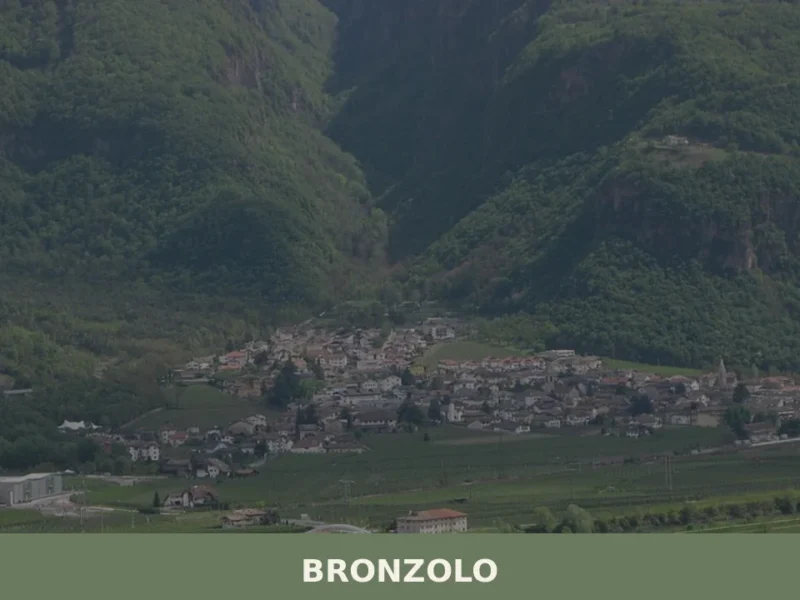
Bronzolo
Hills
Bronzolo has 2,646 inhabitants and sits at 238 metres above sea level, on the right bank of the Adige River, at the point where the Isarco Valley meets the Adige plain. The German name for the town — Branzoll — already appears in medieval documents related to the control of trade routes between the Germanic […]
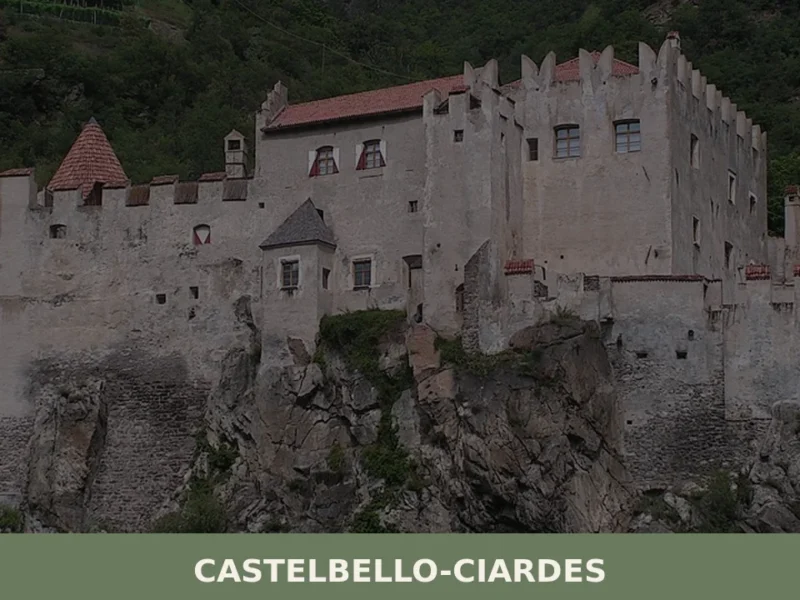
Castelbello-Ciardes
Hills
The municipality of Castelbello-Ciardes, home to 2,379 inhabitants at 587 metres above sea level in the Venosta Valley, owes its existence to a dual administrative identity: in 1928 the two separate villages of Castelbello (Kastelbell) and Ciardes (Tschars) were merged into a single municipality. Anyone looking into what to see in Castelbello-Ciardes will find an […]
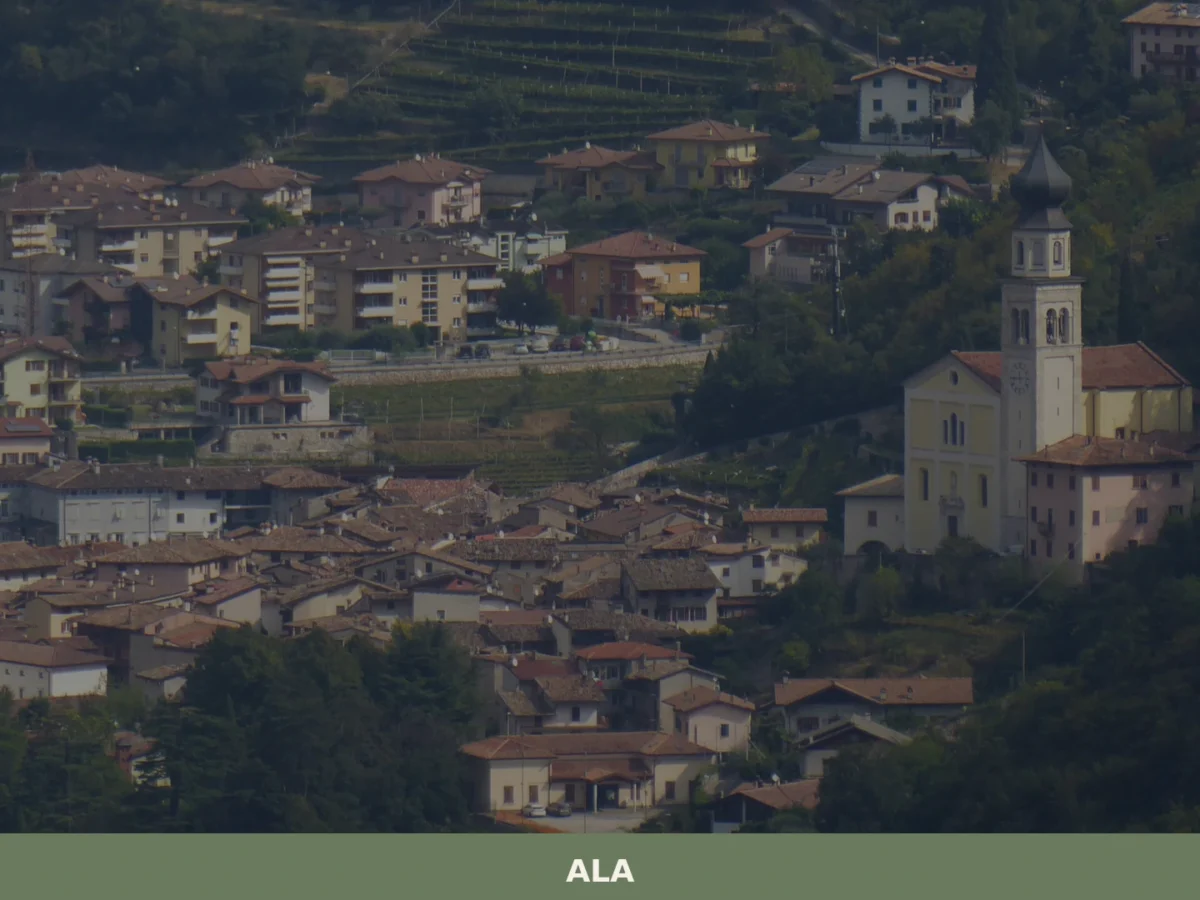
Ala
 Mountain
Discover what to see in Ala, Trentino: silk merchant palazzi, Habsburg border history, Vallagarina wines and the Valle dei Ronchi. Practical tips included.
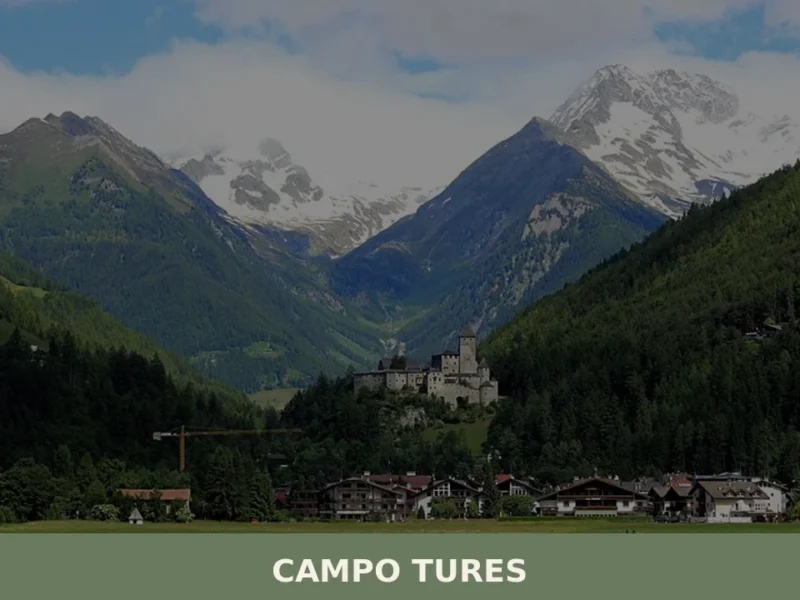
Campo Tures
Mountain
Tures Castle, first documented in 1136, dominates Campo Tures from a rocky spur at the entrance to the Tures Valley, a side valley of the Aurina Valley. The village has 5,321 inhabitants, spread across an elevation of 864 metres, in a basin where the Aurino torrent slows before continuing south. Understanding what to see in […]
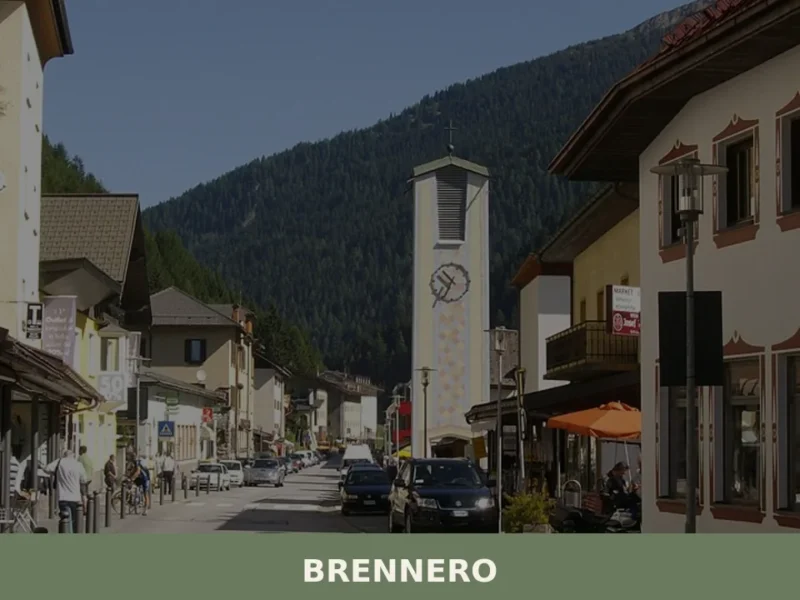
Brennero
Mountain
The Brenner Pass, at 1,370 metres above sea level, is the lowest Alpine crossing between Italy and Austria, and this geographical circumstance has shaped every aspect of life in the village that bears its name. With 2,111 inhabitants spread across the hamlets of Brennero, Fleres, Ponticolo and Terme di Brennero, the municipality marks the northern […]
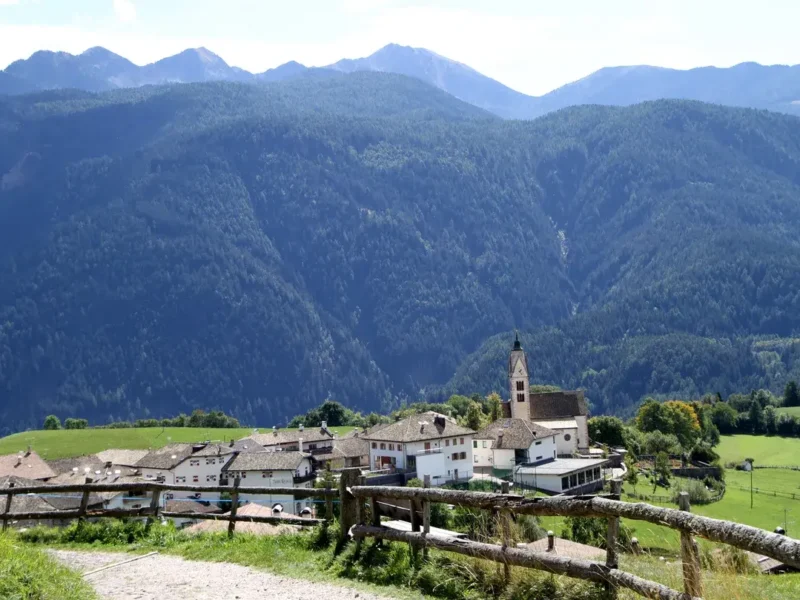
Anterivo
Mountain
In the valleys of Trentino-Alto Adige, at 1209 meters above sea level, lies Anterivo, a small mountain village with just 393 inhabitants. Here, the rhythm of life is dictated by the surrounding nature, with coniferous forests embracing wooden and stone houses, and the crisp air carrying the scent of alpine pastures. In this article History […]
Badia
Mountain
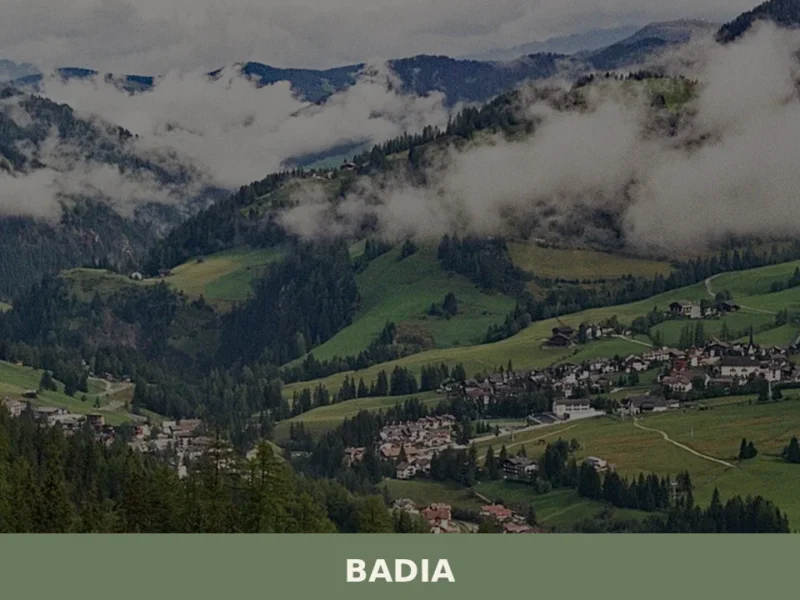
Badia has 3,396 inhabitants spread across six hamlets — San Leonardo, Pedraces, La Villa, San Cassiano, La Val and Antermoia — and occupies a stretch of the Val Badia where Ladin is the mother tongue for over ninety per cent of the population. Understanding what to see in Badia means entering a Dolomite valley where […]

Renon
Mountain
At 1154 m above sea level, Renon offers earth pyramids, medieval castle ruins and a narrow-gauge railway surviving from 1907.

Castelrotto
Mountain
7,000 residents, three languages and one of the Alps' highest-altitude market towns. Castelrotto offers medieval architecture, Ladin heritage and alpine pastures.
Caldaro sulla strada del vino
Hills
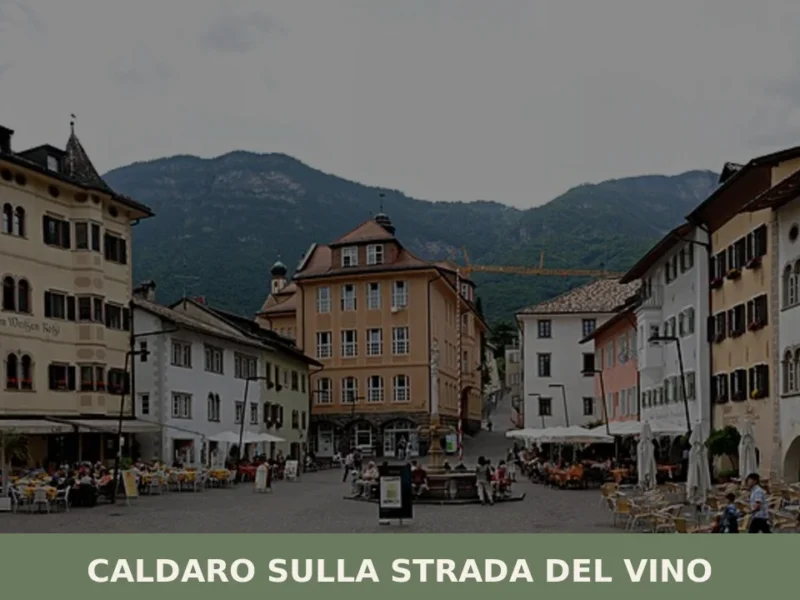
Caldaro sulla strada del vino — Kaltern an der Weinstraße in German — has 7,735 inhabitants and over 600 hectares of vineyards, the largest cultivated wine-growing area in South Tyrol. The place name itself declares the vocation of this centre in the province of Bolzano, which grew along the trade route linking the Bassa Atesina […]


🏡 Know Bressanone better than we do?
If you’re a local or have been there, your knowledge matters: add what’s missing or fix a detail on this page.