


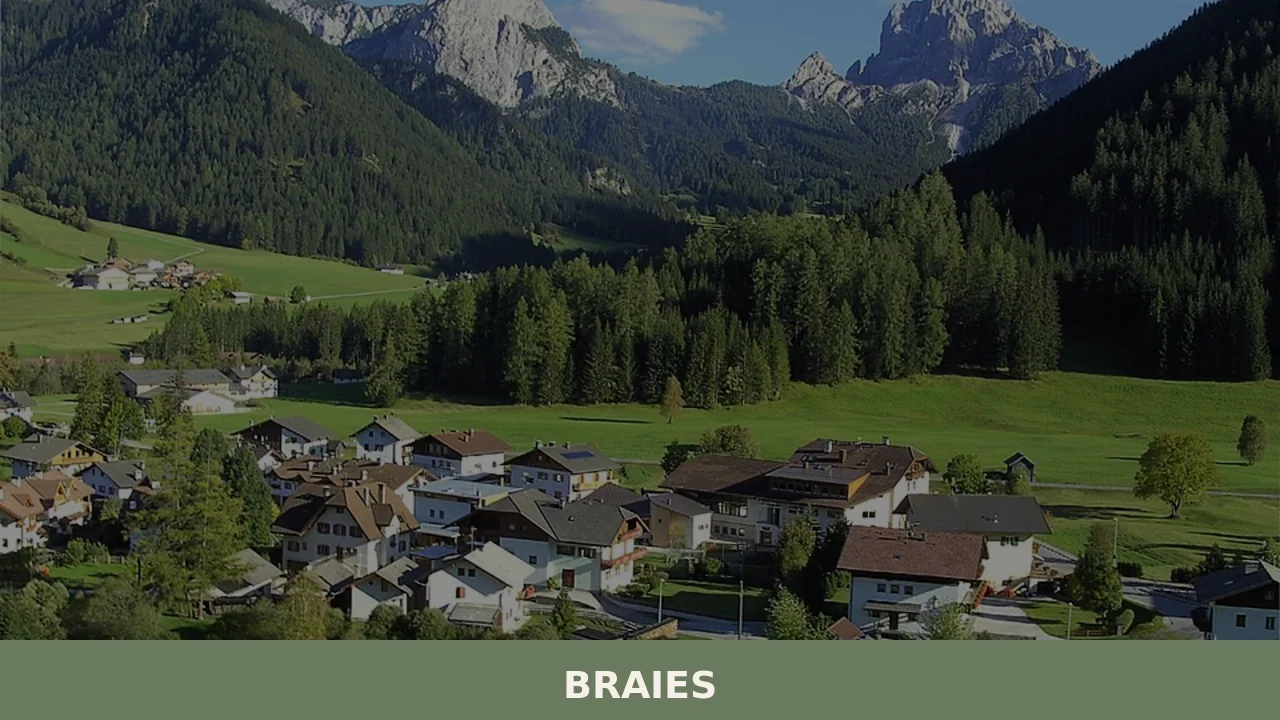
Braies
 Mountain
Lake Braies, sitting at 1496 metres above sea level, is the deepest natural lake in South Tyrol: 36 metres at its maximum point, fed by underground springs that filter through the Dolomite rock. This geological fact alone explains why hundreds of thousands of people reach this side valley off the Puster Valley every year. But […]
Discover Braies
Lake Braies, sitting at 1496 metres above sea level, is the deepest natural lake in South Tyrol: 36 metres at its maximum point, fed by underground springs that filter through the Dolomite rock. This geological fact alone explains why hundreds of thousands of people reach this side valley off the Puster Valley every year. But truly understanding what to see in Braies means going beyond the emerald-green surface of that lake and looking at the 658 inhabitants, the 1213 metres of altitude of the main settlement, the working alpine dairies, and the trails that cut through the Fanes-Senes-Braies Nature Park.
History and origins of Braies
The place name “Prags” — the German form of Braies — appears in documents as early as the 12th century, linked to the properties of the Benedictine monastery of Castel Badia (Sonnenburg) near San Lorenzo di Sebato. The valley was long used as seasonal grazing land, exploited by communities of the Puster Valley for summer alpine pasture. The name may derive from a pre-Roman term indicating marshy or waterlogged terrain, consistent with the hydrogeological makeup of the area, which is rich in springs and peatbogs. Ecclesiastical jurisdiction passed over the centuries through the Diocese of Bressanone, which maintained a decisive influence on the territorial organisation of the entire area.
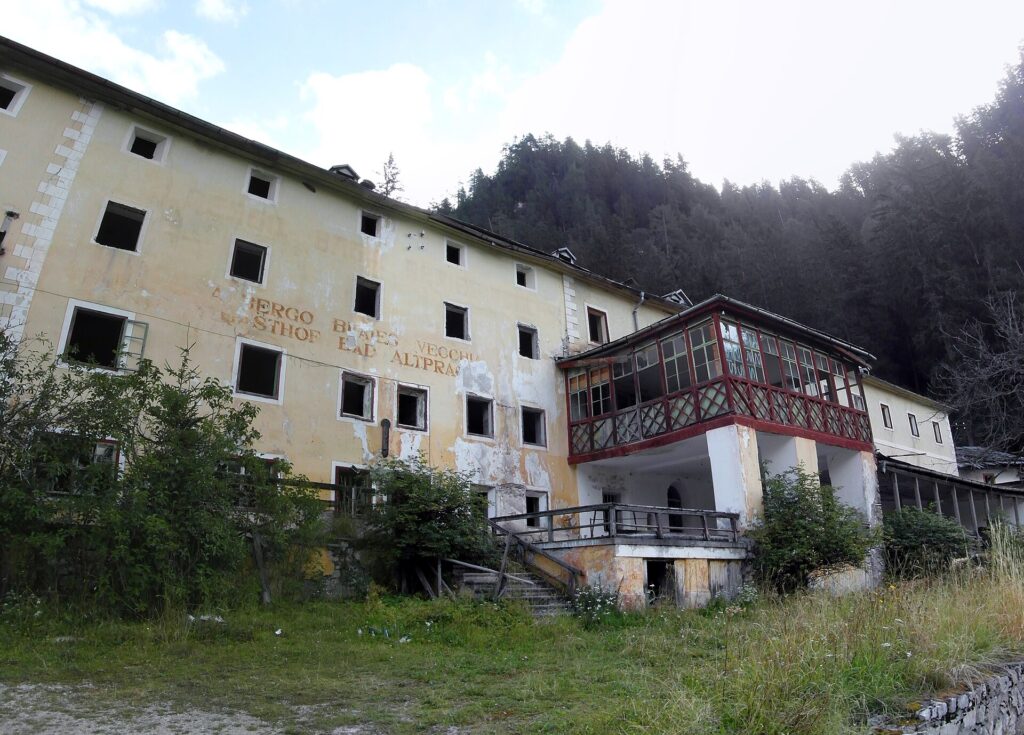
During the Second World War, Braies acquired an unexpected role in European history. In April 1945, a group of 139 high-profile prisoners — including former French Prime Minister Léon Blum, Austrian Chancellor Kurt von Schuschnigg, and several members of the Italian royal family — was transferred by the SS to the Hotel Pragser Wildsee, on the lake. On 4 May 1945, troops from the US Army’s 42nd Infantry Division reached the hotel and liberated the prisoners. This episode is documented in several historiographical sources and gave the lake a significance that extends well beyond its landscape dimension.
The municipality, which is part of the autonomous province of Bolzano, is made up of several scattered hamlets — Ferrara, San Vito, Braies di Dentro, Braies di Fuori — and retains a settlement structure tied to the agro-pastoral economy, with isolated farmsteads (masi) distributed along the valley slopes.
What to see in Braies: 5 main attractions
1. Lake Braies (Pragser Wildsee)
A natural lake of landslide origin, surrounded by the north face of Croda del Becco (2810 m). The perimeter trail of approximately 3.5 km can be walked in about an hour on flat terrain. Wooden rowing boats, available from May to October, allow visitors to reach the centre of the lake where the depth reaches 36 metres. The water takes on colours ranging from deep green to turquoise depending on the season and the light.
2. Fanes-Senes-Braies Nature Park
Covering 25,680 hectares, it is one of the largest protected areas in South Tyrol. From the valley floor of Braies, trails lead up to the Fanes plateau, a karst zone with dolines and sinkholes. The Legend Trail (Sagenweg) passes through landscapes that Ladin tradition connects to the underground kingdom of Fanes, narrated in the epic cycles collected by Karl Felix Wolff in 1913.
3. Church of San Vito (Kirchlein St. Veit)
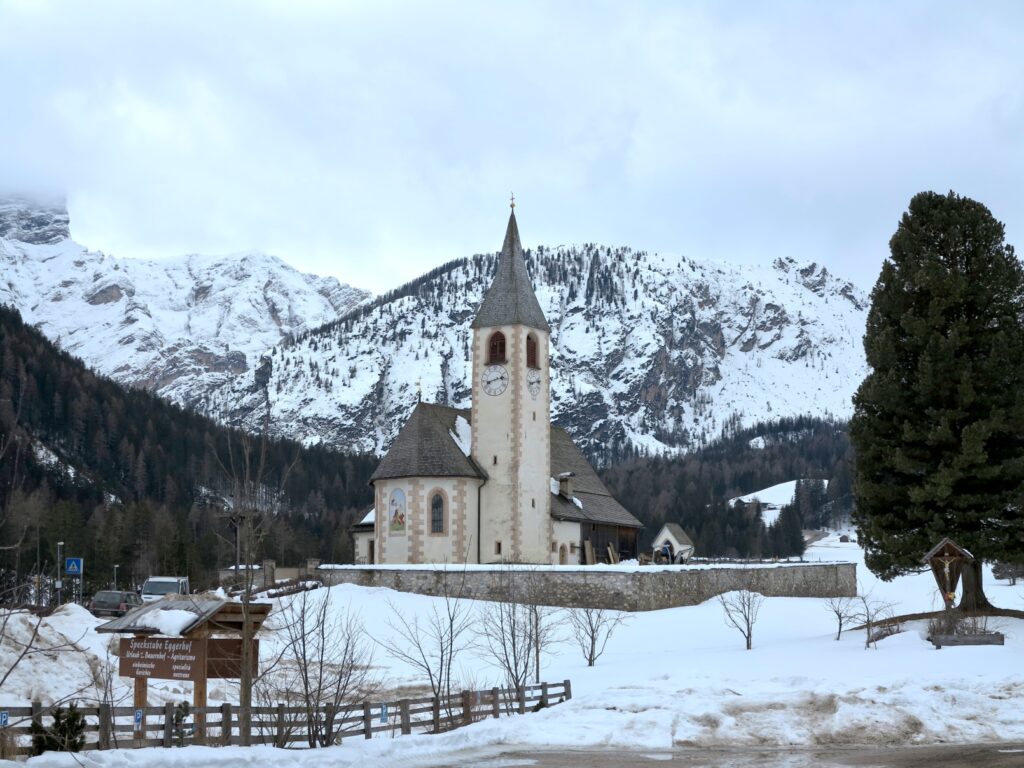
A Gothic building in the hamlet of the same name, documented since the 14th century. The interior holds a carved wooden altarpiece and late-Gothic frescoes. The modest structure — a single nave, a pointed bell tower — is representative of the valley churches of the South Tyrolean Dolomite area, built to serve communities of just a few dozen families scattered across the surrounding farmsteads.
4. Chapel at Lake Braies
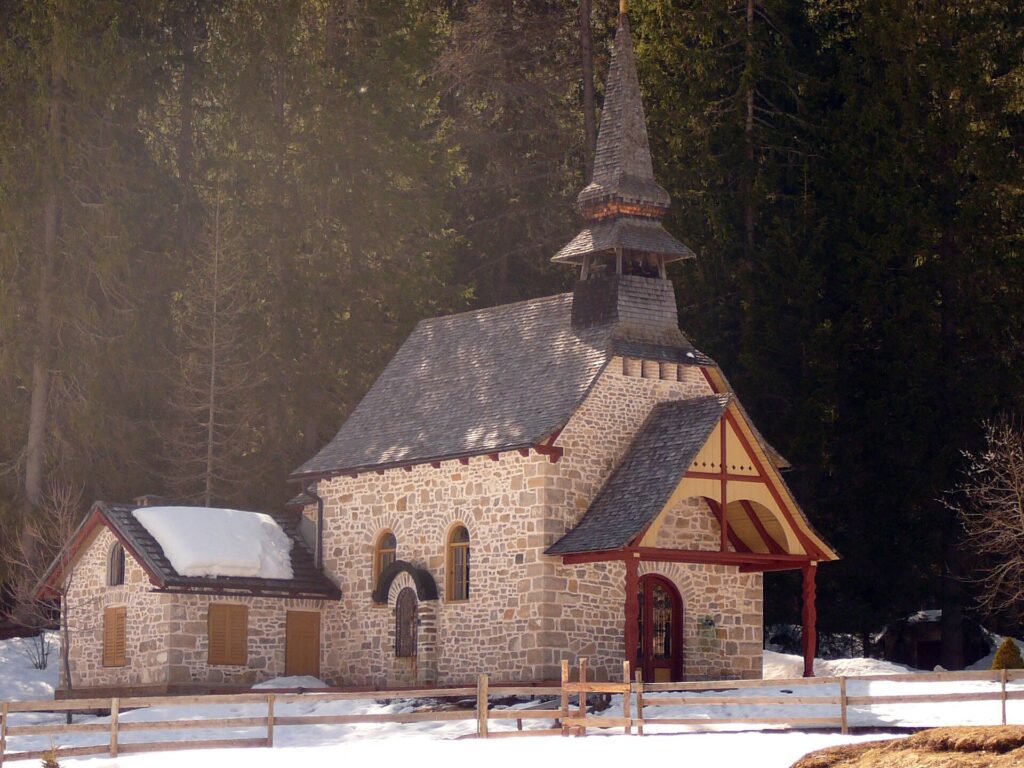
A small votive chapel located on the southern shore of the lake, near the Hotel Pragser Wildsee. The building is linked to the memory of the liberation of the prisoners in 1945. A commemorative plaque bears the names of the detainees and the date of the liberation. The spot offers a direct view of Croda del Becco and the head of the valley.
5. Malga Foresta (Waldmalm) and Val Foresta
Val Foresta opens to the north-west of the lake and leads towards Rifugio Biella (2327 m) along a trail of approximately three hours. The alpine dairy, still active during the summer months, produces milk and butter according to the traditional cycle of alpine grazing. The route passes through larch and spruce forests before reaching the high-altitude meadows, with views of Croda Rossa d’Ampezzo.
Local cuisine and regional products
The cuisine of Braies is that of the Puster Valley, with specificities tied to the alpine dairy economy. Schlutzkrapfen (rye-dough half-moons filled with spinach and ricotta) are the most common first course in the local trattorias. Pressknödel — pressed bread dumplings with speck, stale bread, and chives, served in broth or dry with melted butter — represent the systematic use of leftover bread in peasant cooking. Speck Alto Adige IGP, produced across the province according to a specification that requires smoking with beechwood and a minimum ageing of 22 weeks, is found in every farmstead and mountain hut in the valley. Graukäse (grey cheese of the Puster Valley), made from acidified skimmed milk without the addition of rennet, is a PAT product of Trentino-Alto Adige with a sour and pungent flavour, traditionally dressed with oil, vinegar, and onion in the preparation known as Graukäse mit Essig und Zwiebeln.
Among the desserts, Strauben — a spiral-shaped fritter made from liquid batter, served with lingonberry jam — is associated with village festivals and autumn fairs. Kaiserschmarrn, a shredded sweet omelette dusted with icing sugar and served with plum compote, appears on the menus of mountain huts and alpine dairies. Tirtlan, a disc of fried dough filled with spinach, sauerkraut, or ricotta, is typical of the Puster Valley and can be found at the rural festivals of the district. As for drinks, the area falls within the zone of Puster Valley craft beer production, and on the farmsteads freshly produced Buttermilch (buttermilk) is still consumed. Puster Valley rye bread (Pusterer Breatl), baked in the wood-fired ovens of the farmsteads with rye flour, caraway seeds, and wild fennel, is another regional PAT product and accompanies every meal.
When to visit Braies: the best time
The Braies valley is accessible year-round, but conditions change dramatically. From June to September the lake reaches its maximum water level and its most intense colour; the high-altitude trails towards Fanes and Rifugio Biella are generally free of snow from mid-June. In July and August the tourist influx at the lake is such that since 2023 the Municipality of Braies has introduced a mandatory booking system for car access to the lake area, with replacement shuttle buses from the Puster Valley.
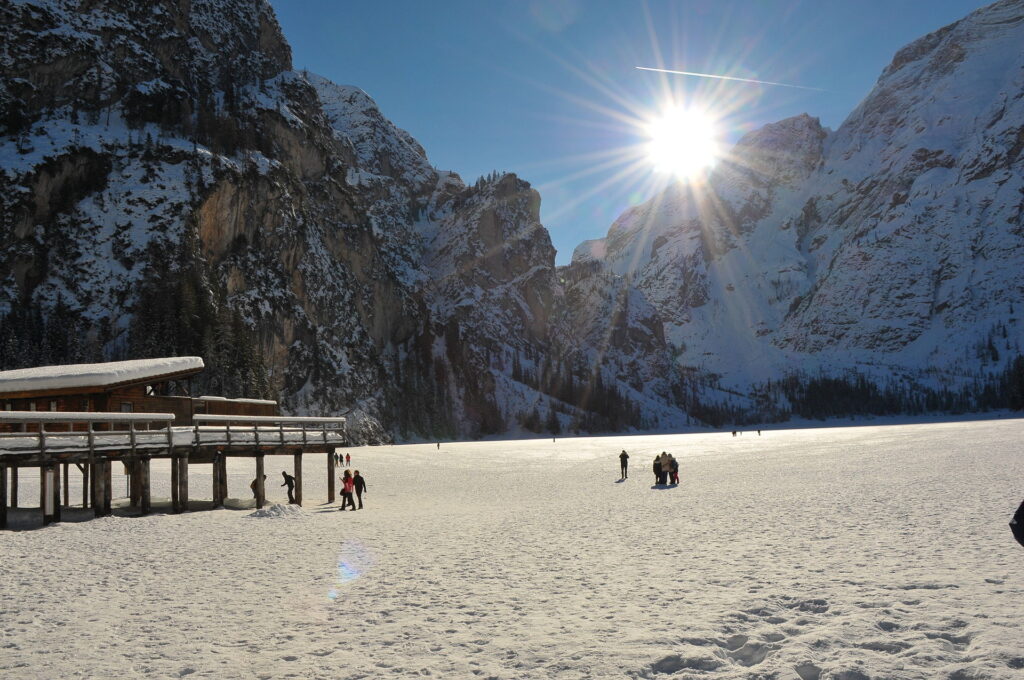
Autumn — October in particular — turns the larches golden and significantly reduces visitor numbers. Winter transforms the valley into a cross-country skiing and snowshoeing area: the Braies cross-country ski trail extends for approximately 20 km along the valley floor. The lake partially freezes between December and March, but walking on the surface is not permitted for safety reasons. Winter temperatures regularly drop below -10°C on January nights.
How to reach Braies
Braies is reached from the Puster Valley along the provincial road that branches off the SS49 at Villabassa (Niederdorf). From there it is approximately 13 km to the main settlement and 18 km to the lake car park.
- By car: from the Brenner motorway A22, exit at Bressanone, then take the SS49 through the Puster Valley to Villabassa. From Bolzano approximately 110 km (1 hour and 30 minutes). From Innsbruck approximately 130 km. From Munich approximately 270 km.
- By train: the nearest railway station is Villabassa, on the Fortezza–San Candido line. From Villabassa, SAD public buses run to Braies (with an increased seasonal service in summer).
- By air: the nearest airports are Bolzano (105 km), Innsbruck (130 km), and Verona Villafranca (250 km). Bolzano airport has limited connections; Innsbruck and Verona offer more options.
- Access to the lake: during the summer months (June–September) it is necessary to book parking or use the shuttle buses from the Puster Valley floor. The service is managed by the local tourism consortium.
Other villages to discover in Trentino-Alto Adige
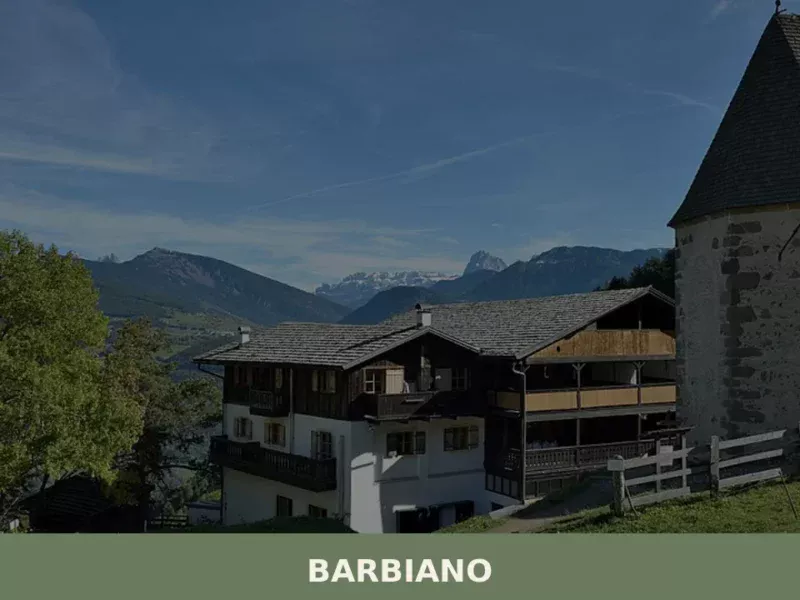
Travelling across South Tyrol from east to west, leaving the Puster Valley to head up towards the Isarco Valley, you encounter places very different from Braies. Barbiano, clinging to the eastern slope of the Isarco Valley above Chiusa, is a scattered municipality of agricultural hamlets where chestnut and vine cultivation coexists with hay meadows. Its waterfalls — the Barbiano Waterfalls, with a total drop of over 80 metres — represent a geological feature quite distinct from the Dolomite lakes.
Further south still, in the Lower Adige area, Andriano sits at just 260 metres above sea level on the Wine Road, in a climatic context that has nothing in common with Braies’s 1213 metres. Here viticulture dominates the landscape: rows of Schiava and Pinot Bianco occupy the south-facing terraces. The comparison between these three municipalities — Braies, Barbiano, Andriano — captures the altimetric and climatic variety of South Tyrol, a territory where in less than one hundred kilometres you pass from Dolomite glaciers to valley-floor vineyards.
Frequently asked questions about Braies
What is the best time to visit Braies?
Late June to September offers the lake at its most vivid emerald-turquoise colour and all high-altitude trails open, including the route to Rifugio Biella. July and August are the busiest months: since 2023, car access to Lake Braies requires advance booking, with shuttle buses running from the Puster Valley floor. October is ideal for smaller crowds and golden larch colours. Winter (December–March) suits cross-country skiing and snowshoeing on the 20 km valley trail, with temperatures regularly below -10°C at night.
What are the historical origins of Braies?
The Germanic name 'Prags' appears in 12th-century documents tied to the Benedictine monastery of Castel Badia near San Lorenzo di Sebato. The valley served primarily as seasonal alpine pasture for Puster Valley communities. The place name likely derives from a pre-Roman term for marshy or waterlogged terrain, consistent with the area's springs and peatbogs. Ecclesiastical authority rested with the Diocese of Bressanone for centuries. In April–May 1945, the Hotel Pragser Wildsee became the site of a significant WWII episode: 139 VIP prisoners, including former French PM Léon Blum, were liberated by US troops.
What to see in Braies? Main monuments and landmarks
The five key sites are: Lake Braies (Pragser Wildsee), the deepest natural lake in South Tyrol at 36 metres, walkable on a flat 3.5 km perimeter trail; the 14th-century Gothic Church of San Vito with carved altarpiece and late-Gothic frescoes; the lakeside memorial chapel with a plaque commemorating the 1945 liberation of WWII prisoners; Malga Foresta alpine dairy, active in summer, reachable via a three-hour trail; and the vast Fanes-Senes-Braies Nature Park, accessible directly from the valley floor along marked trails including the Ladin Legend Trail.
What are the main natural or scenic attractions of Braies?
Lake Braies (1496 m) is the centrepiece — a landslide-origin lake beneath the north face of Croda del Becco (2810 m), with rowing boats available May to October. The Fanes-Senes-Braies Nature Park (25,680 hectares) extends from the valley to the karst Fanes plateau, with dolines and sinkholes. Val Foresta leads north-west to Rifugio Biella (2327 m) through larch and spruce forests with views of Croda Rossa d'Ampezzo. In winter the valley floor transforms into a 20 km cross-country skiing and snowshoeing circuit.
Where to take the best photos in Braies?
The classic shot is from the northern shore of Lake Braies, framing the Hotel Pragser Wildsee and the reflected north face of Croda del Becco. Early morning, before shuttle buses arrive, offers the clearest water and least crowded conditions. October adds golden larch reflections to the lake surface. From the perimeter trail's western side, the view across the full length of the lake towards the valley head is another established photographic spot. Rifugio Biella (2327 m) provides a high-altitude panorama over Croda Rossa d'Ampezzo for those willing to hike three hours.
Are there museums, churches or historic buildings to visit in Braies?
The Church of San Vito (Kirchlein St. Veit) in the hamlet of San Vito is a Gothic building documented since the 14th century, featuring a carved wooden altarpiece and late-Gothic frescoes inside a single-nave structure with a pointed bell tower. On the southern shore of Lake Braies, the small votive chapel near the Hotel Pragser Wildsee bears a commemorative plaque listing the 139 WWII prisoners liberated on 4 May 1945, including Léon Blum and Kurt von Schuschnigg. Specific opening hours for these sites are not officially published; the chapel is open-air and freely accessible.
What can you do in Braies? Activities and experiences
Hiking is the primary activity: the flat 3.5 km lake perimeter trail suits all fitness levels, while the Val Foresta route to Rifugio Biella (3 hours) and trails into the Fanes-Senes-Braies Nature Park suit experienced walkers. Wooden rowing boats are available for hire on the lake from May to October. In winter, 20 km of cross-country skiing and snowshoeing trails run along the valley floor. Summer visits to the active Malga Foresta alpine dairy allow direct purchase of locally produced milk and butter. The Ladin Legend Trail through the park connects landscape walking with the oral epic tradition of the Fanes cycle.
Who is Braies suitable for?
Braies suits a wide range of visitors. Families with children can manage the flat lake perimeter trail (3.5 km) and the rowing boats without difficulty. Hikers and trekkers find extensive options from the lake up to Rifugio Biella (2327 m) and across the Fanes-Senes-Braies Nature Park. Couples seeking scenic mountain landscapes and a quiet atmosphere will find October particularly rewarding. History enthusiasts are drawn by the documented WWII episode at the lake hotel. Cross-country skiers and snowshoers are well served in winter. The mandatory summer booking system for car access means advance planning is essential for all visitor types.
What to eat in Braies? Local products and specialties
The local table follows Puster Valley tradition. Schlutzkrapfen — rye-dough half-moons filled with spinach and ricotta — are the standard first course. Pressknödel (pressed bread dumplings with speck and chives, served in broth or with butter) reflect the valley's peasant bread economy. Speck Alto Adige IGP, beechwood-smoked and aged at least 22 weeks, is found in every hut and farmstead. Graukäse, a rennnet-free grey cheese made from acidified skimmed milk and a PAT product of Trentino-Alto Adige, is typically served with oil, vinegar, and onion. Strauben (spiral fritters with lingonberry jam) and Kaiserschmarrn feature on mountain-hut menus.
📷 Photo Gallery — Braies
Nearby Villages near Braies
In Trentino-South Tyrol More villages to discover
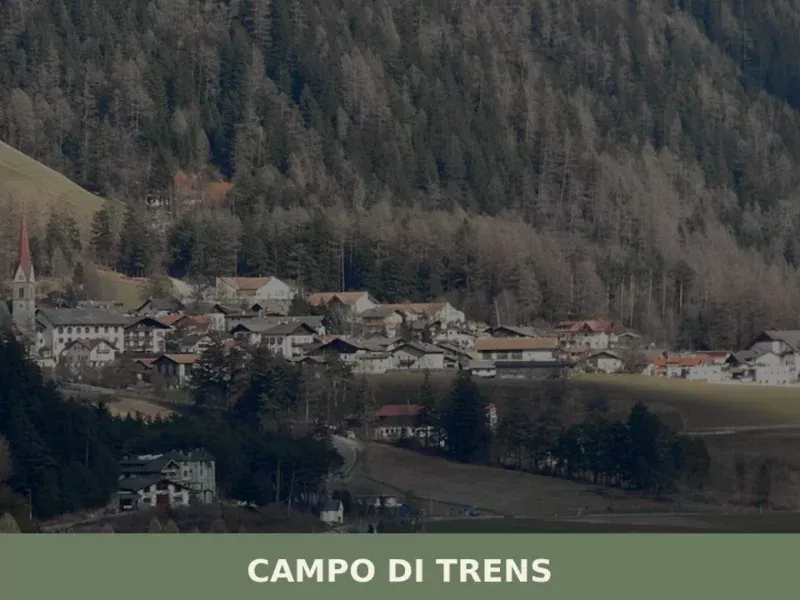
Campo di Trens
Mountain
At 937 metres above sea level, along the Isarco valley between Vipiteno and Fortezza, the municipality of Campo di Trens has 2,679 inhabitants spread across the hamlets of Trens, Stilves and Mules. Anyone looking into what to see in Campo di Trens will find an area where the German language predominates — the official German […]
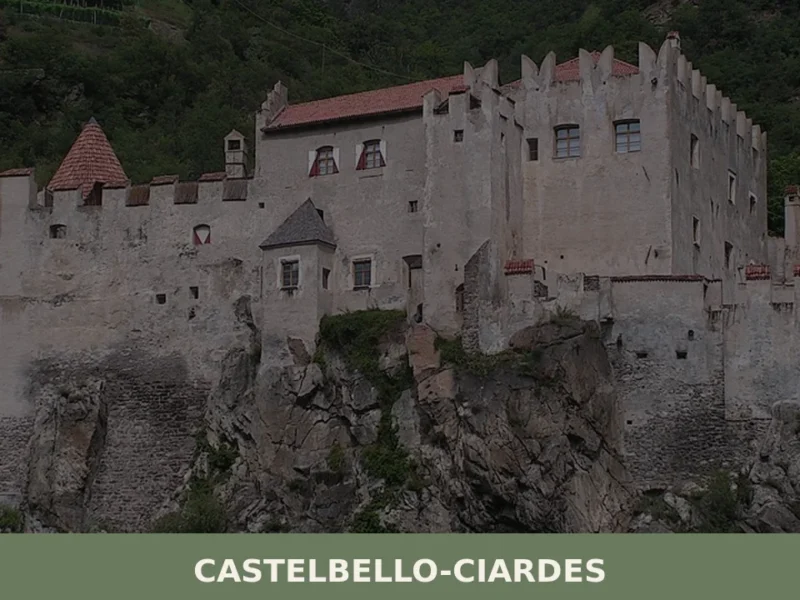
Castelbello-Ciardes
 Hills
Hills
The municipality of Castelbello-Ciardes, home to 2,379 inhabitants at 587 metres above sea level in the Venosta Valley, owes its existence to a dual administrative identity: in 1928 the two separate villages of Castelbello (Kastelbell) and Ciardes (Tschars) were merged into a single municipality. Anyone looking into what to see in Castelbello-Ciardes will find an […]

Castelrotto
Mountain
7,000 residents, three languages and one of the Alps' highest-altitude market towns. Castelrotto offers medieval architecture, Ladin heritage and alpine pastures.
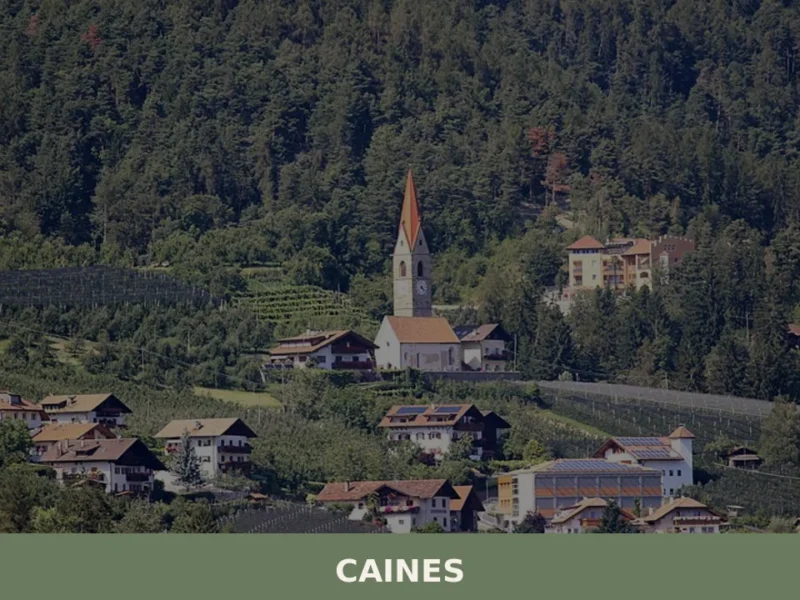
Caines
Hills
With just 398 registered inhabitants and an elevation of 592 metres above sea level, Caines — Kuens in German — is one of the smallest municipalities in the province of Bolzano. It extends across the sun-facing slope of the middle Passiria Valley, a few kilometres from Merano, on a natural terrace overlooking the confluence of […]
Aldeno
Mountain
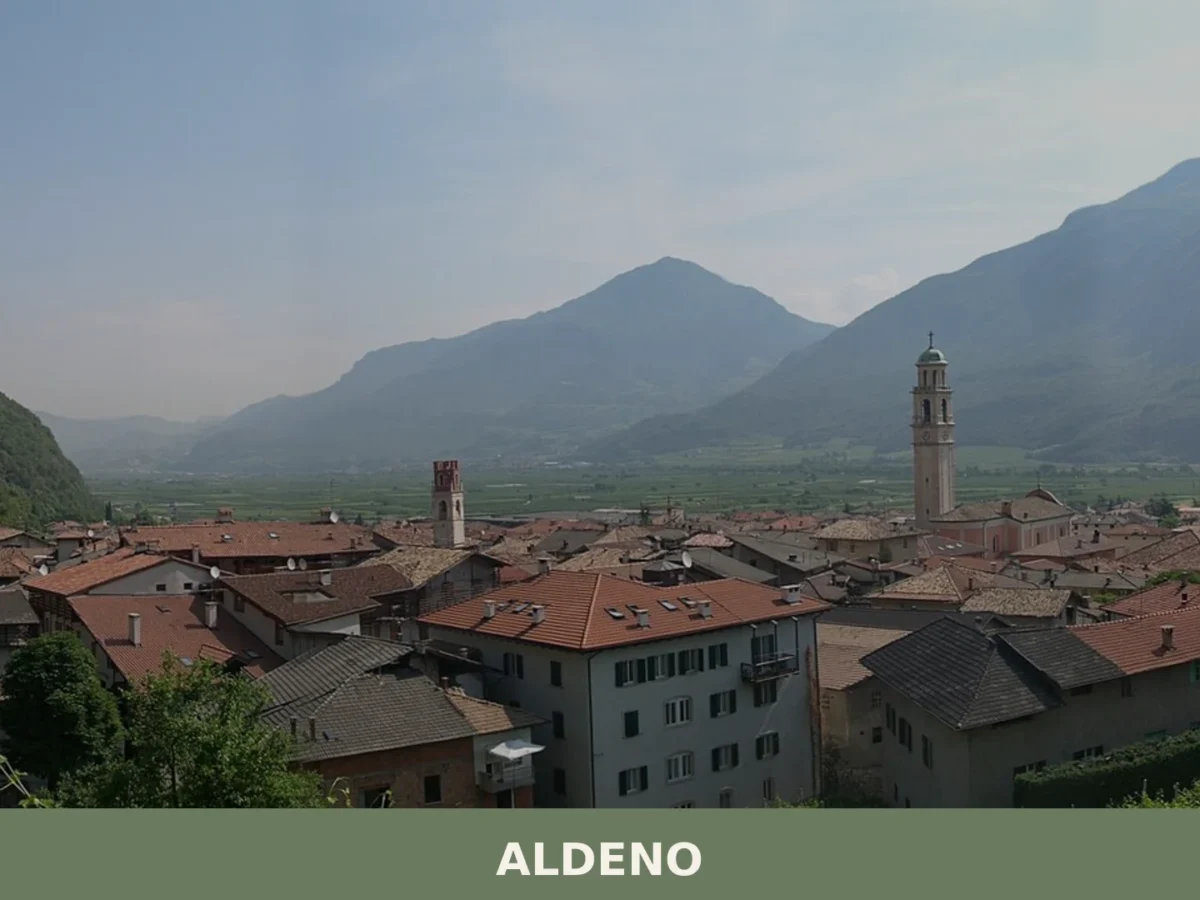
A 3,374-inhabitant comune on the Adige's bank, Aldeno blends prehistoric trade crossings with baroque churches and the memory of the Austro-Hungarian Great War command.

Trento
 Plains
What to see in Trento, a city of 119,359. Discover its Duomo, Castello del Buonconsiglio, and typical cuisine. Explore its rich Council history.
Brennero
Mountain
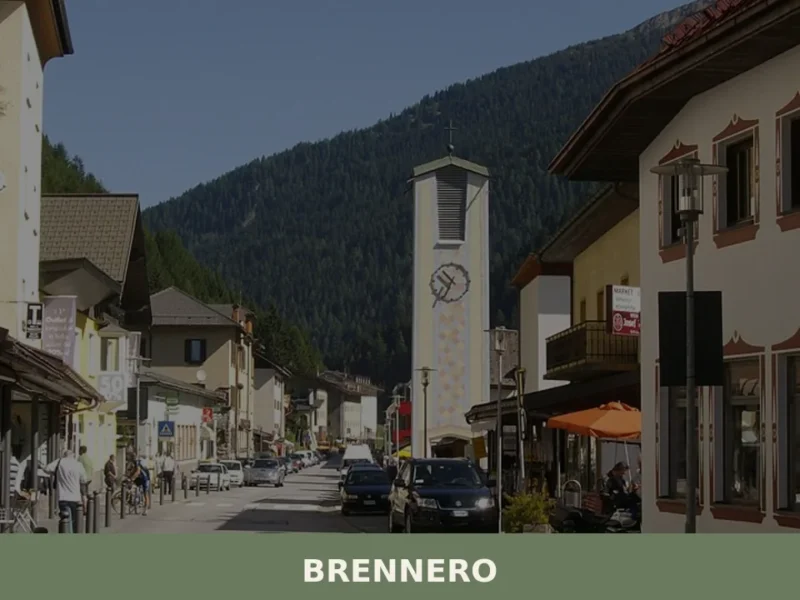
The Brenner Pass, at 1,370 metres above sea level, is the lowest Alpine crossing between Italy and Austria, and this geographical circumstance has shaped every aspect of life in the village that bears its name. With 2,111 inhabitants spread across the hamlets of Brennero, Fleres, Ponticolo and Terme di Brennero, the municipality marks the northern […]
Altopiano della Vigolana
Mountain
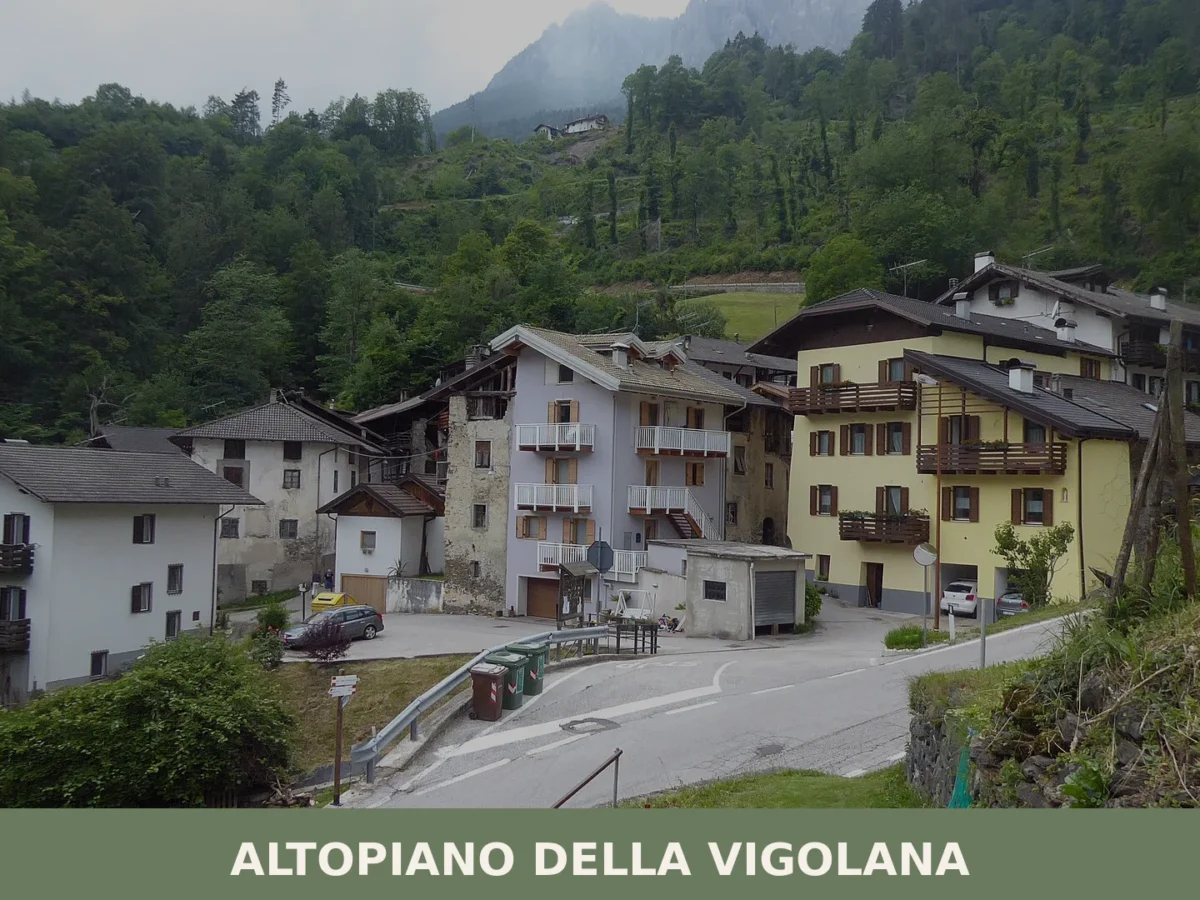
Five thousand inhabitants spread across four frazioni at 725 metres altitude. Roman roads, medieval churches and a 2015 municipal reunification anchor this mountain village in the Upper Valsugana.
Andriano
Hills
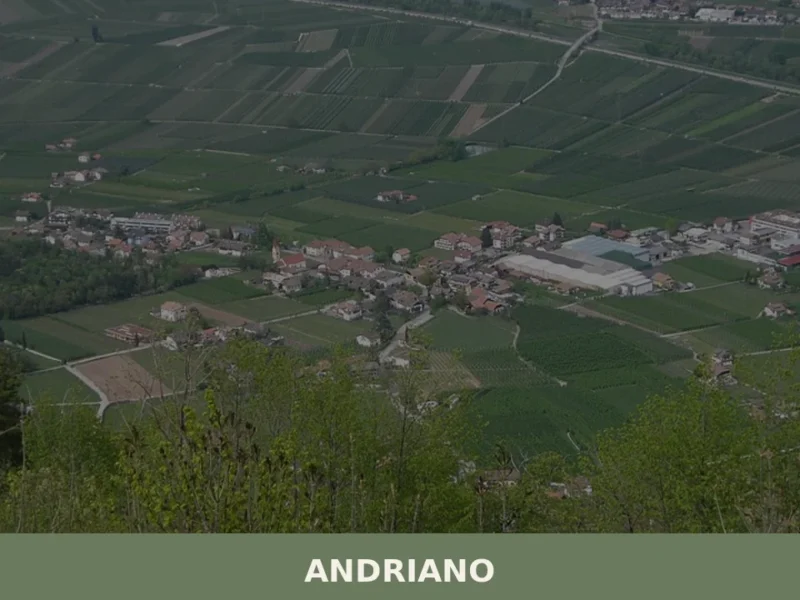
At 274 metres above sea level, on the left bank of the Adige river, Andriano has 1,025 inhabitants spread between the historic centre and the farmsteads scattered among rows of vines. The municipality, one of the smallest in South Tyrol by area, extends entirely across flat ground along the alluvial strip connecting Bolzano to Merano. […]
Bolzano
Hills
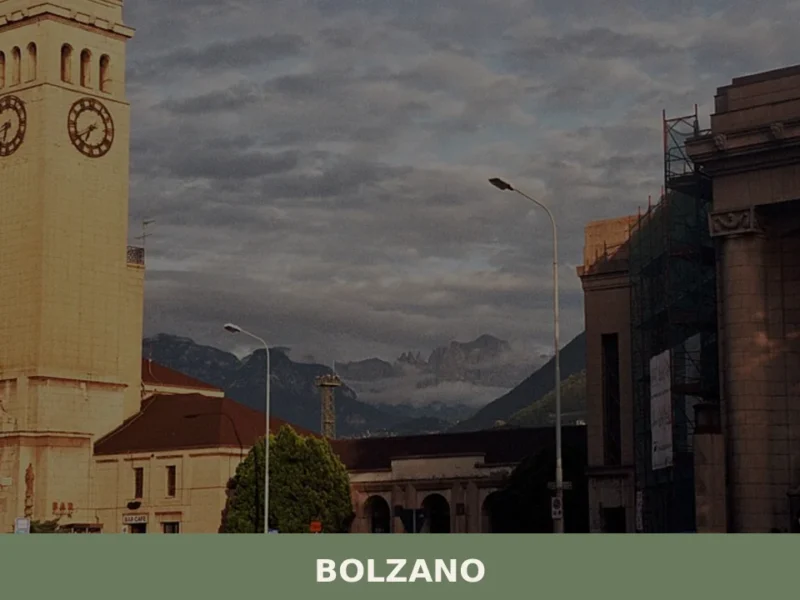
what to see in bolzano at 262m altitude. Discover the South Tyrol Museum of Archaeology, home to Ötzi the Iceman, and stroll along the historic Portici Street.
🏡 Know Braies better than we do?
If you’re a local or have been there, your knowledge matters: add what’s missing or fix a detail on this page.