


Andriano
 Hills
Hills
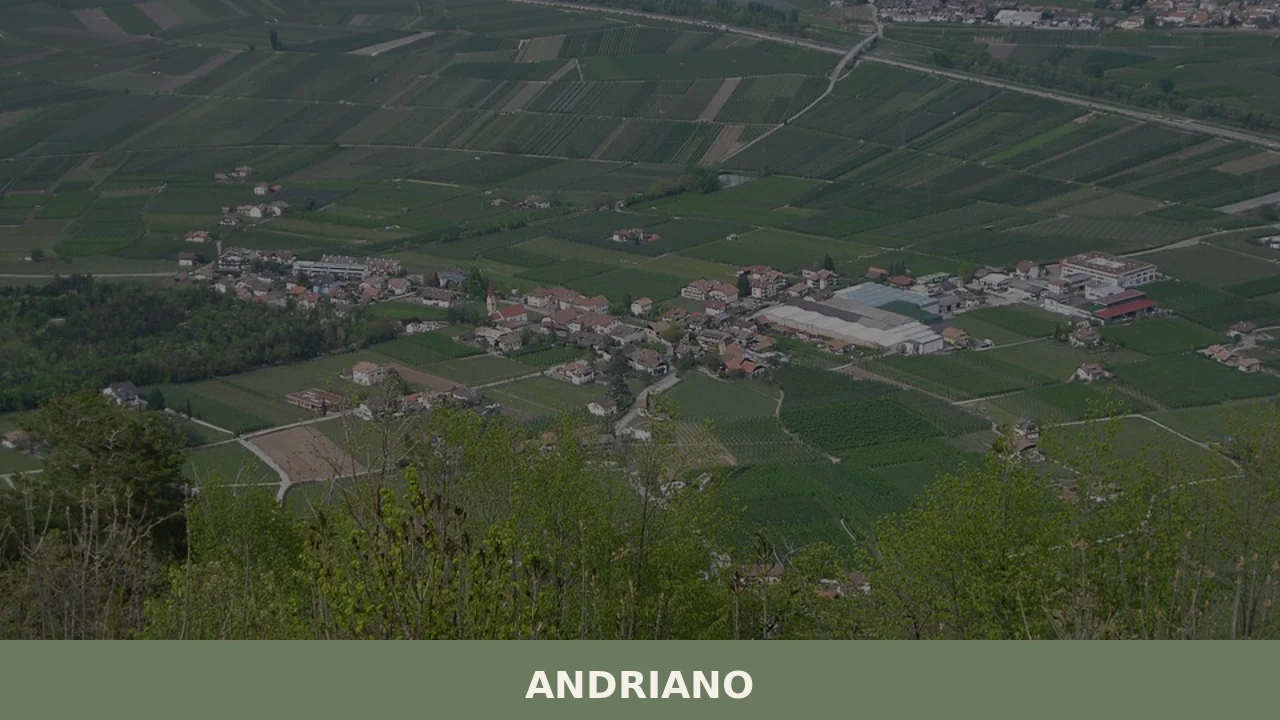
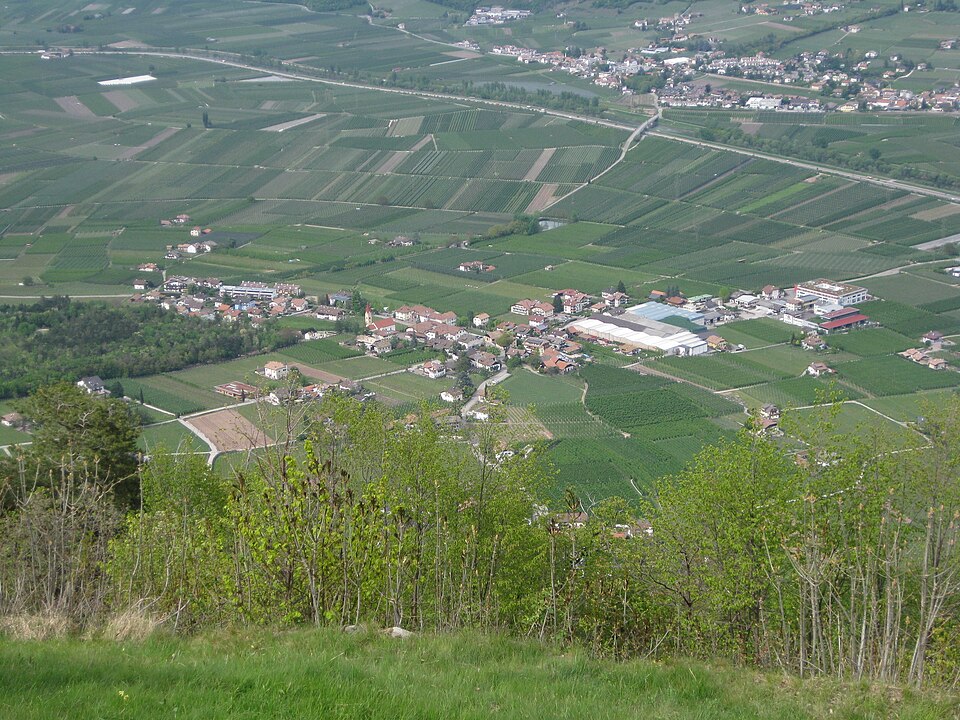
At 274 metres above sea level, on the left bank of the Adige river, Andriano has 1,025 inhabitants spread between the historic centre and the farmsteads scattered among rows of vines. The municipality, one of the smallest in South Tyrol by area, extends entirely across flat ground along the alluvial strip connecting Bolzano to Merano. […]
Discover Andriano
At 274 metres above sea level, on the left bank of the Adige river, Andriano has 1,025 inhabitants spread between the historic centre and the farmsteads scattered among rows of vines. The municipality, one of the smallest in South Tyrol by area, extends entirely across flat ground along the alluvial strip connecting Bolzano to Merano. Understanding what to see in Andriano means entering a place where viticulture is not folklore but an everyday economic activity: ninety per cent of the agricultural land is devoted to growing vines and apple trees, and the local wine cooperative vinifies grapes that end up in bottles of Schiava and Lagrein distributed well beyond provincial borders.
History and origins of Andriano
The place name Andriano — Andrian in German — first appears in documents dating to the 12th century, although settlements in the area are attested in Roman times thanks to its position along the road linking the Adige valley floor with the Val di Non. The name may derive from the Latin gentile name Andrius, indicating an ancient agricultural estate from the imperial period. During the Middle Ages the territory fell under the jurisdiction of the Counts of Tyrol, and the village maintained its rural character without developing an independent urban structure, remaining tied to the feudal dynamics of the nearby County of Tyrol.
In the 14th and 15th centuries, several noble families built residences and Ansitze — the typical South Tyrolean manor houses — that still define the architectural profile of the centre today. The transfer from the Habsburg Empire to Italy in 1919, following the Treaty of Saint-Germain-en-Laye, brought a gradual linguistic shift in official place names, but the community has remained predominantly German-speaking: according to linguistic census data, over 90% of residents declare German as their everyday language.
In the post-war period, Andriano underwent the transformation typical of agricultural municipalities in South Tyrol: mechanisation of viticulture, a decline in the active farming population, and the growth of low-key tourism linked to the Adige Valley cycle path network. The municipality has maintained its administrative autonomy despite its small size, and today it manages services for just over a thousand residents.
What to see in Andriano: 5 main attractions
1. Parish Church of San Valentino
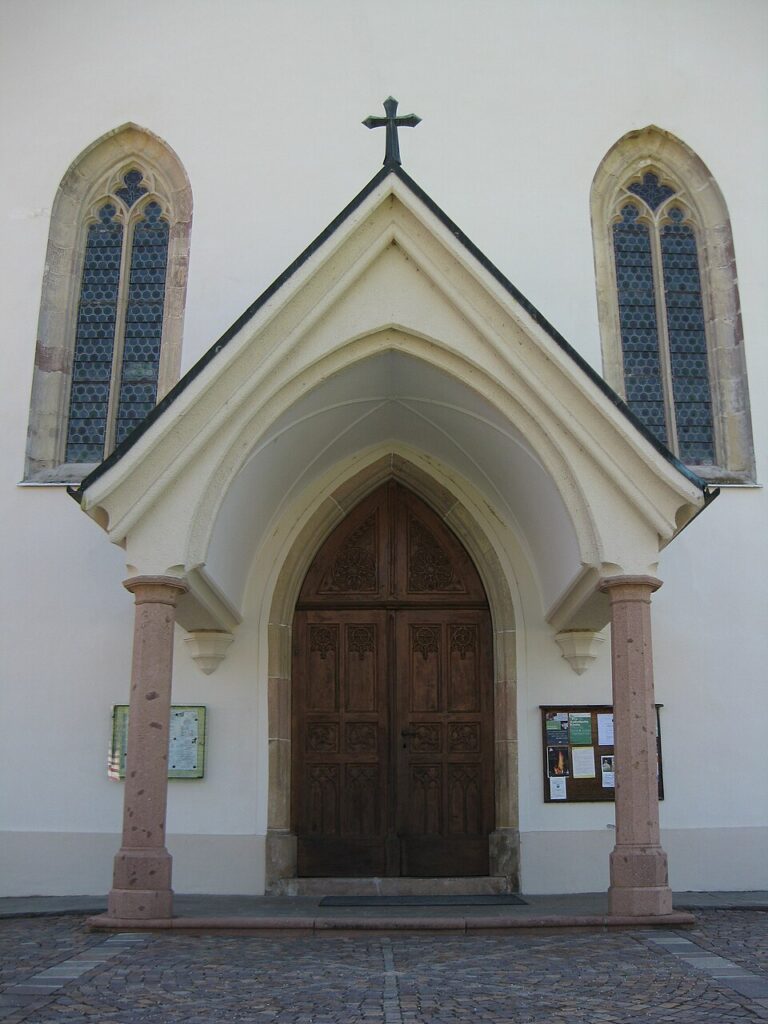
Dedicated to the patron saint of the village, celebrated on 14 February, the parish church has a Gothic structure with Baroque modifications visible in the nave vault and the high altar. The bell tower, visible from several points across the plain, is the most recognisable vertical landmark in the village. Inside, frescoes and wooden furnishings document local religious patronage between the 17th and 18th centuries.
2. The Ansitze of the historic centre
Several noble residences from the late medieval and Renaissance periods are dotted around the inhabited centre. These buildings, recognisable by their stone portals, arched loggias and coats of arms on their façades, belonged to noble families connected to the Tyrolean administration. Some have been restored and converted into private wineries, open to visitors during tasting days organised by the local cooperative.
3. Oltradige Wine Trail
The hiking path that crosses the vineyards of Andriano is part of the Oltradige trail network and connects the village to the neighbouring municipalities of Terlano and Nalles. The elevation gain is minimal — you walk almost entirely on flat ground — and the route passes through plots planted with Schiava, Pinot Bianco and Gewürztraminer, offering a direct reading of the South Tyrolean agricultural landscape.
4. Adige Valley Cycle Path
Andriano is crossed by the cycle path that runs along the Adige river from Merano to Bolzano and beyond. The section passing through the municipality is flat and paved, suitable for families and inexperienced cyclists. From the path there is direct access to the village centre, and several bike racks and water points have been placed along the route by the municipality.
5. View of Appiano Castle
From the western edge of the village, looking towards the hill of Appiano sulla Strada del Vino, there is a direct view of the ruins of Appiano Castle (Burg Hocheppan), a 12th-century fortress with celebrated Romanesque frescoes in its internal chapel. The castle does not fall within the municipal territory of Andriano, but its proximity — less than five kilometres — makes it reachable on foot or by bicycle.
Traditional cuisine and local products
The table in Andriano reflects the dual culinary identity of southern South Tyrol. Canederli — Knödel in German — are prepared with stale bread, speck and cheese, served in broth or dry with melted butter and chives. Schlutzkrapfen, rye ravioli filled with spinach and ricotta, appear on the menus of restaurants in the surrounding area. Speck Alto Adige IGP, produced at various facilities in the province of Bolzano, can be found in local shops and butchers.
The product that defines Andriano is wine. The Andriano Winery, founded in 1893, is one of the oldest wine cooperatives in South Tyrol. It primarily vinifies Schiava, Lagrein, Pinot Bianco, Sauvignon and Gewürztraminer. Alongside wine, apple cultivation supplies Golden Delicious and Gala apples destined for national markets through the producer consortia of the Adige Valley. In the autumn months, Törggelen — a farming tradition involving tastings of new wine, chestnuts and rustic dishes — also involves the farms of Andriano.
When to visit Andriano: the best time
The valley-floor climate, with mild temperatures from as early as March, makes spring the most suitable period: between late March and mid-April the apple blossom transforms the plain into a white and pink expanse, and daytime temperatures range between 15 and 22 degrees. Summer is hot — July and August regularly exceed 30 degrees — but the low humidity makes it more bearable than the Po Valley. The patron saint’s feast of San Valentino, on 14 February, falls in the middle of winter and is celebrated with a solemn mass and a local market in the village centre.
Autumn, from September to November, coincides with the grape harvest and the Törggelen season: this is the time when Andriano most clearly expresses its bond with viticulture. Days often remain clear until mid-October, with highs around 18–20 degrees, ideal for riding the cycle path and walking the trails through the vineyards without the summer heat.
How to reach Andriano
Andriano is located along State Road 38, approximately 15 kilometres north-west of Bolzano and 20 kilometres south-east of Merano. From the Brenner Motorway A22, the nearest exit is Bolzano Sud: from there, continue on the SS38 towards Merano for about 15 minutes.
- By train: the nearest railway station is Terlano, on the Bolzano–Merano line, about 3 kilometres from the centre of Andriano. Services are frequent, running every 20–30 minutes during peak hours. From Terlano, a SASA bus connects the station to the village.
- By air: the nearest airport is Bolzano (about 20 km), with limited connections. The airports of Verona Villafranca (160 km) and Innsbruck (120 km) offer a greater number of domestic and international routes.
- By bicycle: the Adige Valley cycle path connects Andriano to Bolzano in about 45 minutes of flat cycling, making it a practical alternative to the car for those already in the area.
What to see in Andriano and in the nearby villages of Trentino-Alto Adige
The Oltradige is an area where municipalities follow one another just a few kilometres apart, each with its own agricultural and architectural identity. Heading north-west, along the road towards Merano, you reach Terlano, known for its Pinot Bianco production and the asparagus beds that supply white asparagus between April and June. Terlano has a railway station on the Bolzano–Merano line and a historic centre with a late-Gothic parish church.
Heading south, past the vineyards of the Wine Road, you come to Appiano sulla Strada del Vino, the largest wine-producing municipality in South Tyrol, with more than fifteen hamlets spread between the hillside and the valley floor. Here you will find the already mentioned Appiano Castle with its Romanesque frescoes, Lake Monticolo — open for swimming in summer — and a concentration of wineries producing some of the most renowned labels in the province. The two villages, together with Andriano, form an itinerary that can be covered in a single day on foot or by bicycle, without ever leaving the provincial cycle path network.
Frequently asked questions about Andriano
What is the best time to visit Andriano?
Spring (late March to mid-April) is ideal: apple trees blossom across the plain, temperatures reach 15–22°C, and the countryside is at its most photogenic. Autumn (September–November) is equally rewarding: the grape harvest is underway, and the Törggelen season brings tastings of new wine, chestnuts and rustic dishes at local farms. Summer is hot but dry, suitable for cycling the Adige Valley path. The feast of patron saint San Valentino on 14 February draws visitors to a solemn mass and a village market, offering a glimpse of local winter traditions.
What are the historical origins of Andriano?
Andriano — Andrian in German — is first documented in 12th-century sources, though Roman-era settlements are confirmed by its position along the ancient road connecting the Adige valley to the Val di Non. The name likely derives from the Latin gentile Andrius, pointing to an imperial agricultural estate. In the Middle Ages the village fell under the Counts of Tyrol; several noble Ansitze dating from the 14th–15th centuries still shape its architectural profile. After 1919, when South Tyrol passed to Italy under the Treaty of Saint-Germain-en-Laye, the community retained its predominantly German-speaking identity.
What to see in Andriano? Main monuments and landmarks
The Gothic Parish Church of San Valentino, with its Baroque nave vault, carved high altar and 17th–18th-century frescoes, is the village's principal monument and its bell tower the most recognisable landmark. The historic centre preserves several Ansitze — late medieval and Renaissance noble residences identified by stone portals, arched loggias and heraldic façades, some now converted into private wineries open on tasting days. From the village's western edge, the ruins of 12th-century Appiano Castle (Burg Hocheppan), with celebrated Romanesque frescoes in its chapel, are visible and reachable within five kilometres on foot or by bicycle.
What are the main natural or scenic attractions of Andriano?
Andriano sits on the flat alluvial strip of the Adige Valley, where ninety per cent of agricultural land is planted with vines and apple trees. The Oltradige Wine Trail crosses the municipality on nearly level ground, threading through plots of Schiava, Pinot Bianco and Gewürztraminer before connecting to the neighbouring villages of Terlano and Nalles. The Adige Valley Cycle Path runs directly through the village, offering a flat, paved route between Merano and Bolzano with riverside stretches and open views across the vine-covered plain.
Where to take the best photos in Andriano?
The most photogenic spots are the vineyard rows along the Oltradige Wine Trail, especially in late September when the leaves turn gold and red. In late March and early April, the apple orchards in full blossom provide a classic South Tyrolean landscape shot with the village bell tower of San Valentino in the background. From the western edge of the village, the distant silhouette of Appiano Castle on its hill makes a strong compositional element, best captured in morning light before haze builds over the valley floor.
Are there museums, churches or historic buildings to visit in Andriano?
The Parish Church of San Valentino is the primary historic building open to visitors, combining a Gothic structure with Baroque interior furnishings and 17th–18th-century frescoes. The Ansitze scattered through the centre — noble manor houses with stone portals and heraldic façades typical of the Tyrolean tradition — can be observed from the street; some have been converted into private wineries that open their doors during tasting events organised by the Andriano Winery cooperative. No dedicated municipal museum is documented for the village.
What can you do in Andriano? Activities and experiences
Cycling the flat Adige Valley Cycle Path between Merano and Bolzano is the most popular activity, with direct access to the village centre and facilities along the route. The Oltradige Wine Trail offers easy vineyard walks connecting Andriano to Terlano and Nalles. Wine tastings at the Andriano Winery — founded in 1893, one of South Tyrol's oldest cooperatives — let visitors try Schiava, Lagrein and Gewürztraminer. In autumn, Törggelen evenings at local farms combine new wine, roasted chestnuts and traditional dishes. Day trips to Appiano Castle and Lake Monticolo are feasible by bicycle within the same afternoon.
Who is Andriano suitable for? Families, couples, hikers, solo travelers?
Andriano suits couples and food-and-wine enthusiasts drawn to a quiet agricultural village with cooperative winery visits and Törggelen experiences. Families with children benefit from the flat, paved Adige Valley Cycle Path — safe and accessible with no significant climbs. Cyclists of all abilities will find the valley floor network practical and well-signposted. The village is less suited to hikers seeking demanding mountain routes, as the terrain is predominantly flat; those wanting altitude should combine a stay here with excursions towards Appiano or the surrounding Oltradige hills.
What to eat and drink in Andriano? Local products and specialties
Wine is the defining product: the Andriano Winery produces Schiava, Lagrein, Pinot Bianco, Sauvignon and Gewürztraminer, available for tasting and purchase directly at the cooperative. Speck Alto Adige IGP, the smoked cured ham produced under a protected designation, is available at local shops. Traditional dishes of the area include canederli (bread and speck dumplings served in broth or with butter) and Schlutzkrapfen (rye ravioli filled with spinach and ricotta). Autumn Törggelen gatherings add roasted chestnuts and farmhouse platters to the seasonal food calendar. Local apple varieties — Golden Delicious and Gala — are also grown in the municipality.
📷 Photo Gallery — Andriano
Nearby Villages near Andriano
In Trentino-South Tyrol More villages to discover
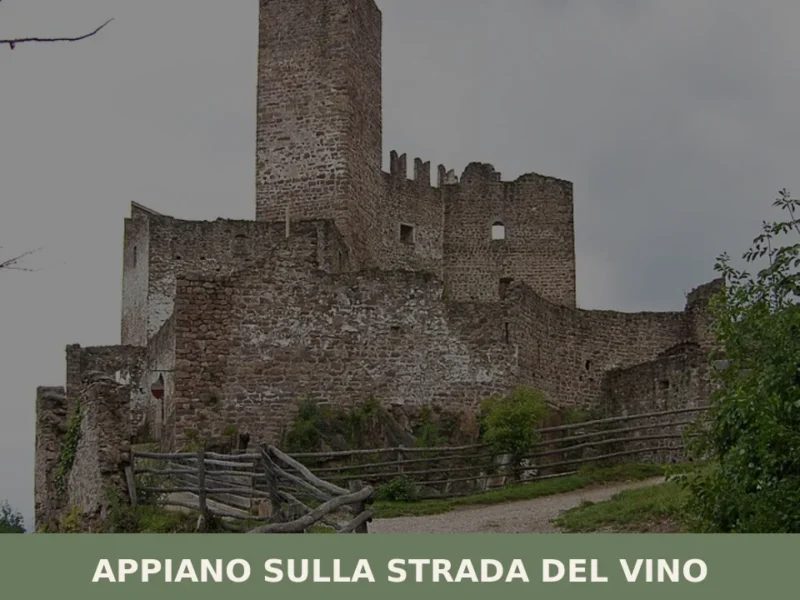
Appiano sulla strada del vino
Hills
The municipality of Appiano sulla strada del vino has 14,304 inhabitants spread across eight hamlets — San Michele, San Paolo, Cornaiano, Frangarto, Missiano, Monticolo, Gaido and Girlan (Cornaiano) — set between 200 and 500 metres above sea level on the left bank of the Adige river, in the middle of the Bassa Atesina (Lower South […]

Trento
 Plains
What to see in Trento, a city of 119,359. Discover its Duomo, Castello del Buonconsiglio, and typical cuisine. Explore its rich Council history.
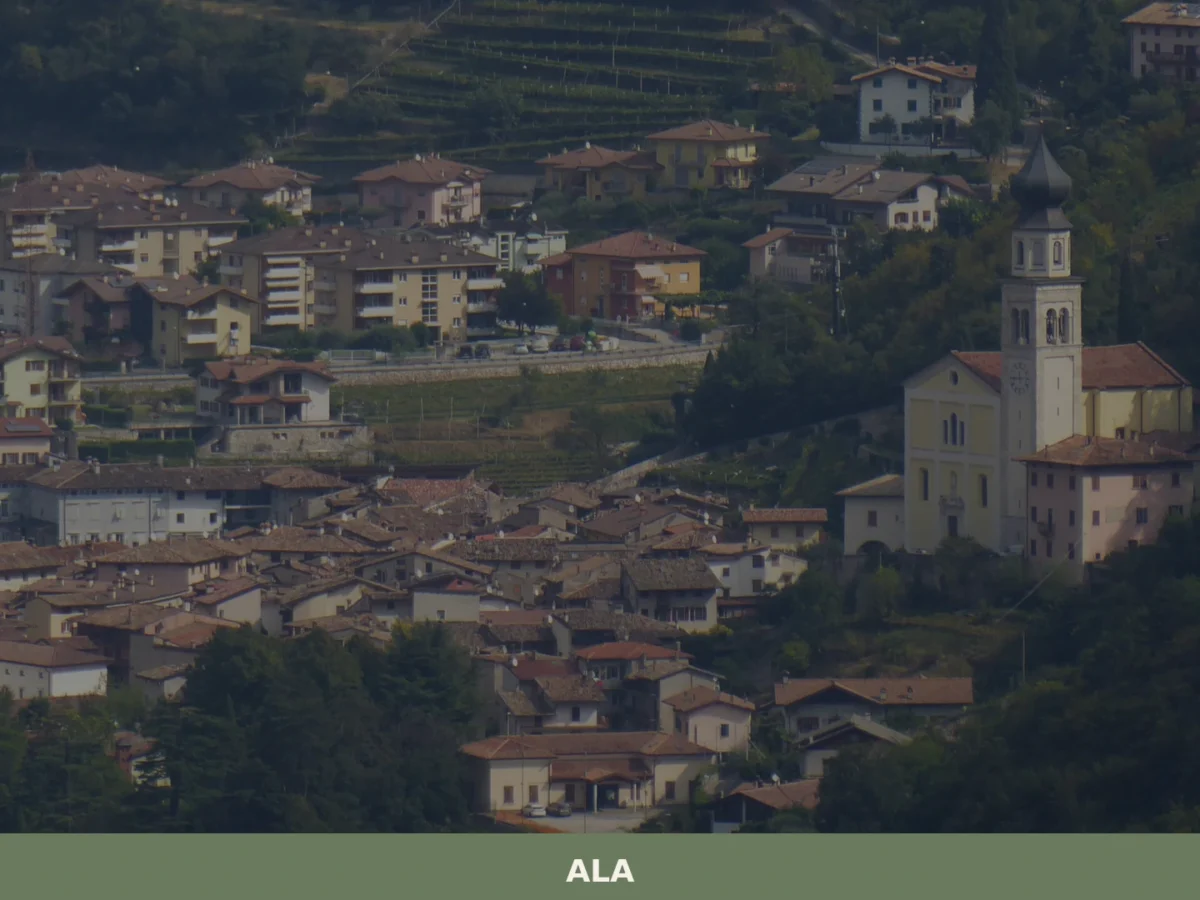
Ala
 Mountain
Discover what to see in Ala, Trentino: silk merchant palazzi, Habsburg border history, Vallagarina wines and the Valle dei Ronchi. Practical tips included.
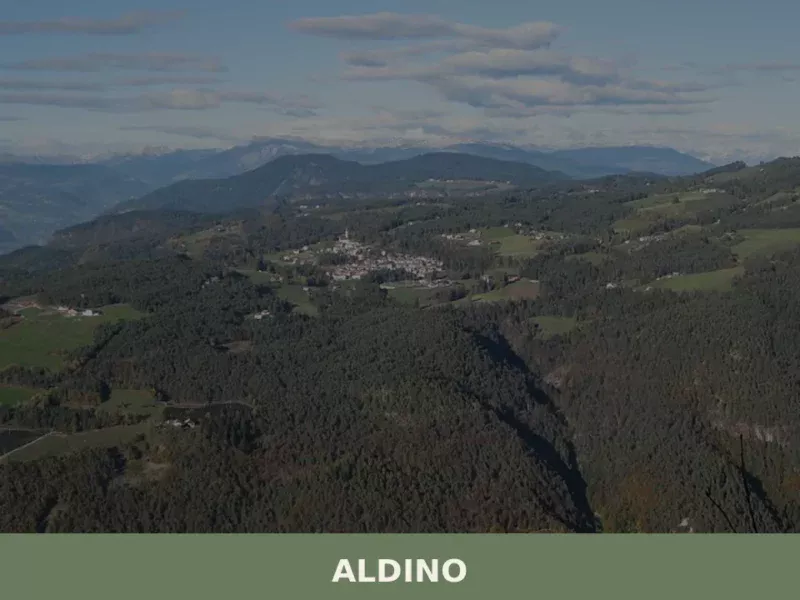
Aldino
Mountain
Population 1,607. Aldino sits at 1,225 metres in Bolzano province, where Alpine architecture and seasonal rhythms shape daily life.
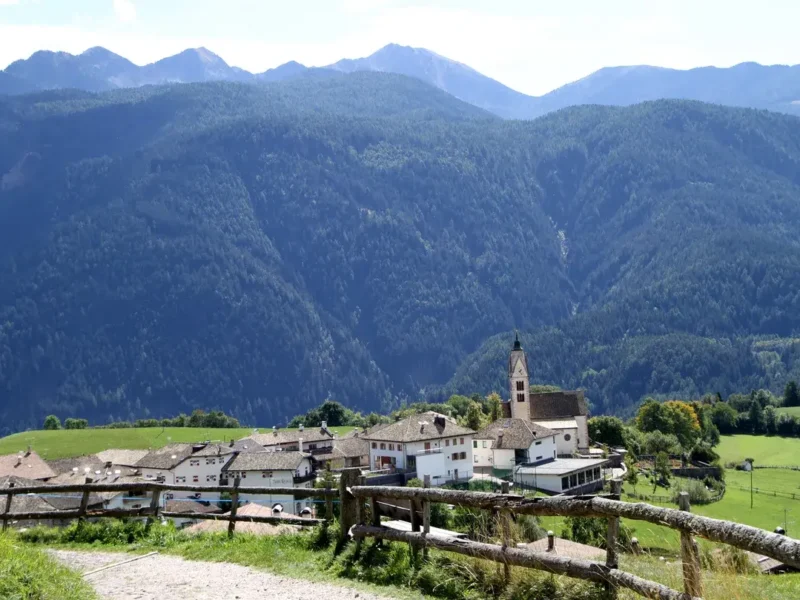
Anterivo
Mountain
In the valleys of Trentino-Alto Adige, at 1209 meters above sea level, lies Anterivo, a small mountain village with just 393 inhabitants. Here, the rhythm of life is dictated by the surrounding nature, with coniferous forests embracing wooden and stone houses, and the crisp air carrying the scent of alpine pastures. In this article History […]
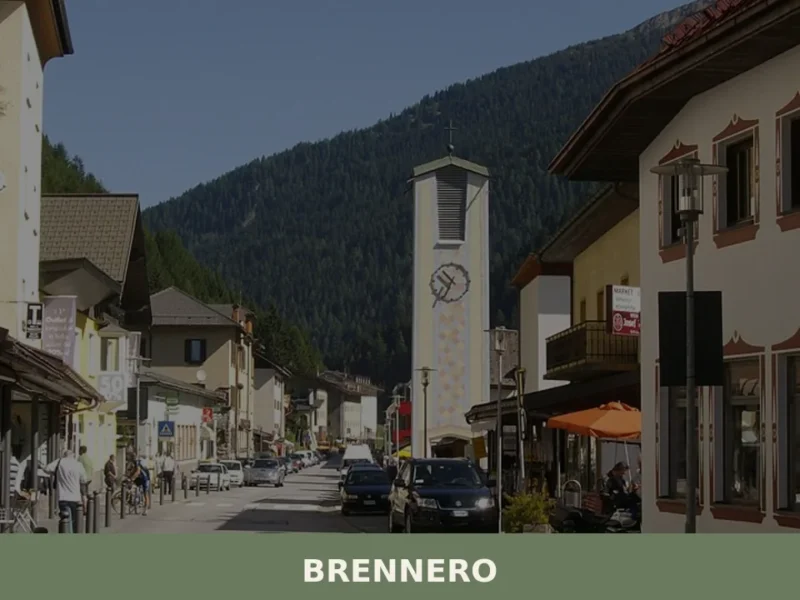
Brennero
Mountain
The Brenner Pass, at 1,370 metres above sea level, is the lowest Alpine crossing between Italy and Austria, and this geographical circumstance has shaped every aspect of life in the village that bears its name. With 2,111 inhabitants spread across the hamlets of Brennero, Fleres, Ponticolo and Terme di Brennero, the municipality marks the northern […]
Braies
Mountain
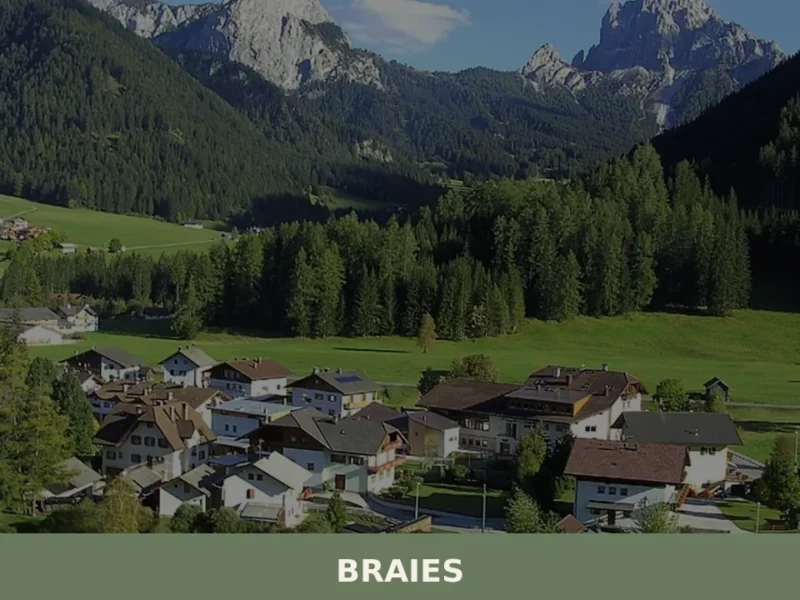
Lake Braies, sitting at 1496 metres above sea level, is the deepest natural lake in South Tyrol: 36 metres at its maximum point, fed by underground springs that filter through the Dolomite rock. This geological fact alone explains why hundreds of thousands of people reach this side valley off the Puster Valley every year. But […]
Caines
Hills
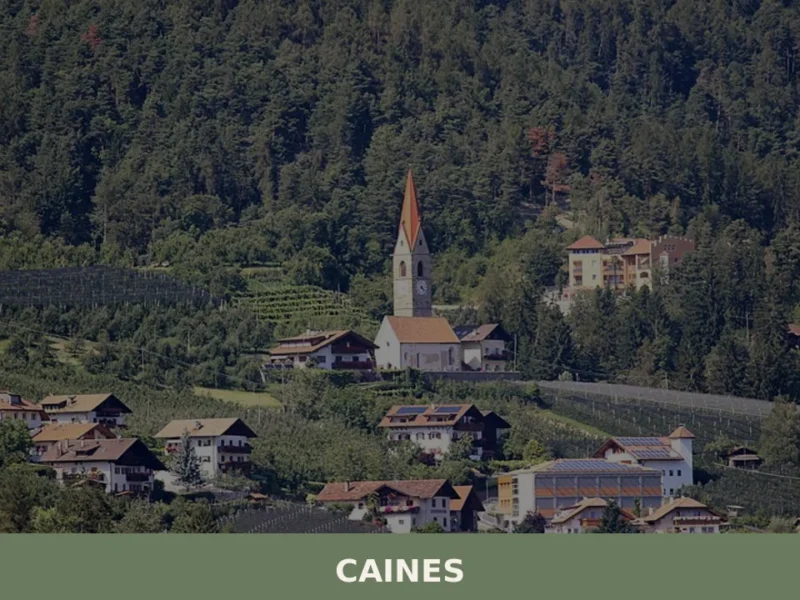
With just 398 registered inhabitants and an elevation of 592 metres above sea level, Caines — Kuens in German — is one of the smallest municipalities in the province of Bolzano. It extends across the sun-facing slope of the middle Passiria Valley, a few kilometres from Merano, on a natural terrace overlooking the confluence of […]

Renon
Mountain
At 1154 m above sea level, Renon offers earth pyramids, medieval castle ruins and a narrow-gauge railway surviving from 1907.
Bressanone
Hills
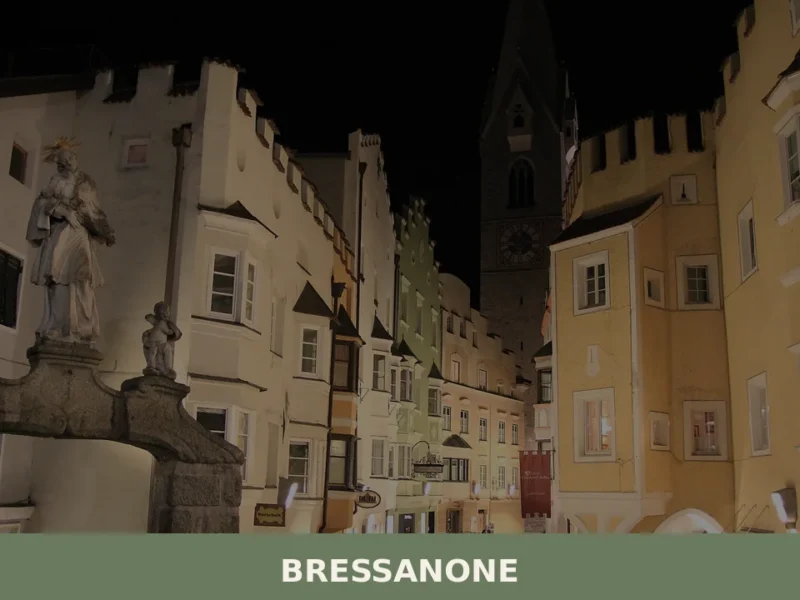
Bressanone is the oldest city in Tyrol, with a bishopric founded around 990 AD that shaped the urban, economic and cultural structure of the entire valley for centuries. Situated at 559 metres above sea level, at the point where the Rienza river flows into the Isarco, the city has a current population of 22,816 and […]

🏡 Know Andriano better than we do?
If you’re a local or have been there, your knowledge matters: add what’s missing or fix a detail on this page.