


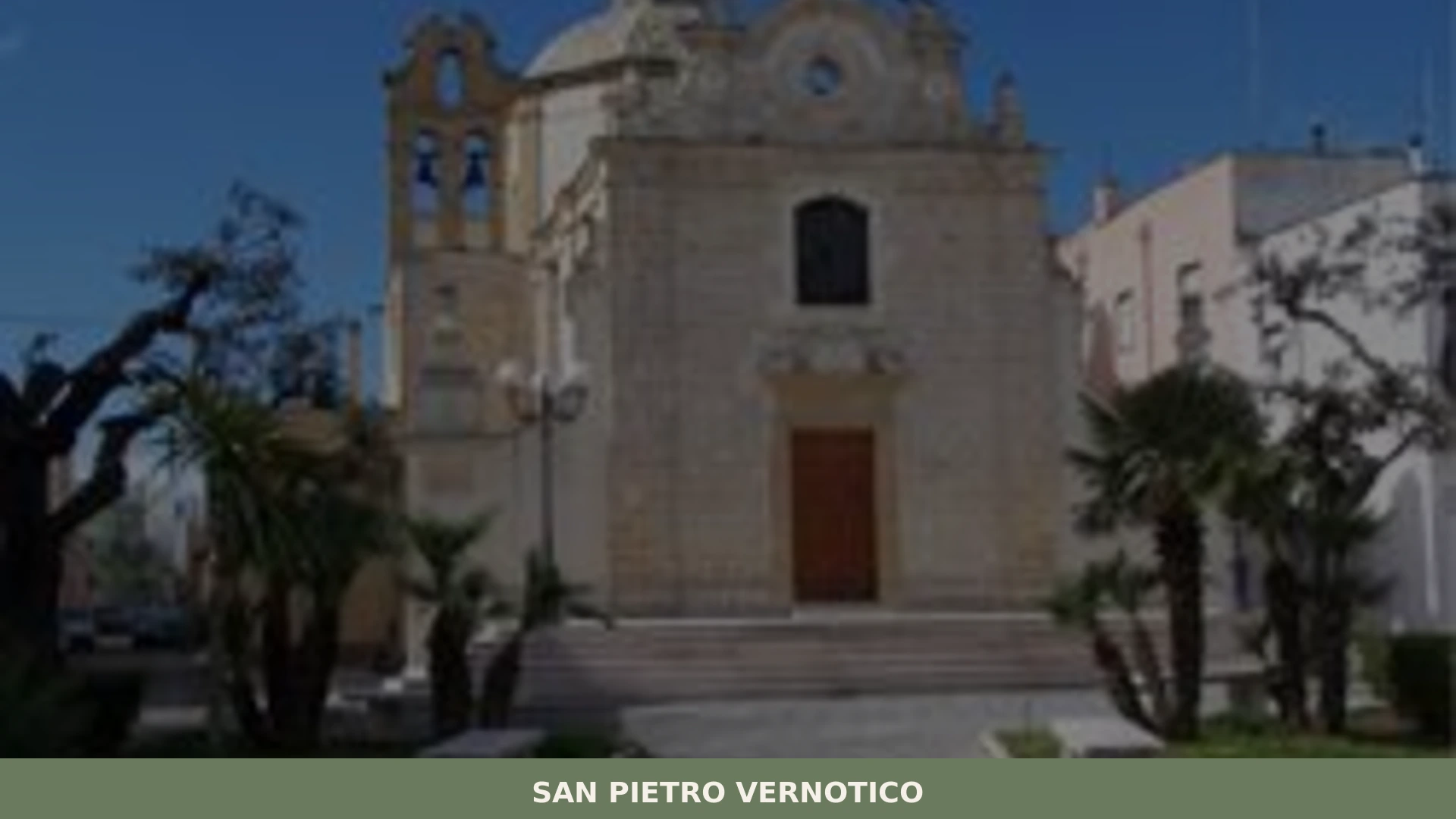

What to see in San Pietro Vernotico, Italy? Discover its 14th-century Torre Quadrata and the historic Chiesa Matrice. Explore this village, 36 m above sea level, for its rich past.
Discover San Pietro Vernotico
The sound of church bells, perhaps from the 15th-century Chiesa Matrice, resonates across the flat plains of Salento, a landscape marked by ancient olive groves and sprawling vineyards.
Situated at an altitude of 36 m (118 ft) above sea level, San Pietro Vernotico, a town in the province of Brindisi, Puglia, Italy, reveals its history through its architectural remnants and the agricultural rhythms that define its economy.
For those planning a trip to the heel of Italy, understanding what to see in San Pietro Vernotico provides a detailed insight into the region’s cultural fabric.
The San Pietro Vernotico highlights include the historic Church of San Pietro Apostolo and the robust Torre Quadrata, offering visitors a tangible connection to its past. This guide will help you navigate the village’s significant sites and local traditions.
History of San Pietro Vernotico
The origins of San Pietro Vernotico predate the significant Norman, Ottonian, and Saracen invasions that swept through Salento, indicating a long-standing presence in this part of Southern Italy.
The earliest documented settlements coalesced around the current site of the Church of San Pietro Apostolo, established by Basilian monks sometime between the 8th and 9th centuries AD within a fertile pasture area. Historical records from the Angevin-Aragonese period further suggest that by the 12th century, the growing village functioned as a small hamlet, subservient to the larger County of Lecce.
A pivotal moment in the town’s early history occurred in 1107, with what is considered the first official mention of San Pietro Vernotico. Countess Sighelgaita, the widow of Goffredo, Count of Brindisi, formally bequeathed some of her lands to a “hamlet of San Pietro,” solidifying its existence in historical documents. The 12th century also witnessed the emergence of the first Universitas Salentine, an early form of civic administration complete with a mayor, auditors, parliament, and captain, designed to organize local citizens.
By approximately 1300, the specific Universitas Sancti Petri Vernotici was formally established, marking a significant step towards self-governance.
Around the 11th century, the Normans constructed the Baronial Castle, a symbol of their dominion, which later served as a baronial seat for feudal Bishops of Lecce and a defensive structure against potential attacks. The town maintained its status as an Universitas until 1811, experiencing a transformation with the Napoleonic Laws of 1808, when Gioacchino Murat mandated the creation of municipal registries from January 1 of the following year. Consequently, San Pietro Vernotico transitioned from an Universitas to a municipality in 1812, first within the ancient province of Terra d’Otranto and subsequently Lecce, a journey shared by many nearby communities like Giurdignano.
The late 19th and early 20th centuries brought significant transformations and challenges to San Pietro Vernotico. During the First World War (1915–1918), the community endured substantial losses, with 114 local residents, known as Sanpietrani, perishing in the conflict, including Ruggero De Simone, who was posthumously awarded a gold medal for his heroic actions. This period also saw concerted efforts to improve public infrastructure and life, including the reclamation of marshy and uncultivated lands to expand agricultural capacity.
The construction of the Brindisi-Lecce railway line significantly enhanced connectivity, while the establishment of a police station provided greater security for the populace.
Demographic growth characterized the turn of the century, fueled by an influx of laborers immigrating from Southern Salento, which elevated the town’s socio-economic well-being. By 1911, the population had grown to 6,180 inhabitants. A final administrative change occurred in 1927, when San Pietro Vernotico was transferred from the province of Lecce to its current affiliation with the province of Brindisi.
What to see in San Pietro Vernotico, Puglia: top attractions
Exploring what to see in San Pietro Vernotico offers a journey through centuries of architectural and cultural heritage, reflecting its strategic position in Puglia.
Church of San Pietro Apostolo
The Church of San Pietro Apostolo stands as a foundational monument in San Pietro Vernotico, its origins tracing back to the Basilian monks who established the first settlements between the 8th and 9th centuries AD.
Inside, visitors can observe frescoes depicting the four Evangelists, which offer a glimpse into the artistic and religious expressions of past eras.
This church was the initial focal point around which the community grew, predating the later development around the Baronial Castle. Visiting this site provides a direct link to the earliest documented history of the town.
Chiesa Matrice
The Chiesa Matrice, or Mother Church, presents a more recent yet equally significant architectural statement, dating back to the 15th century. Its robust construction and historical context position it as a central element of the town’s religious and civic life. The church’s design reflects the prevailing styles of its construction period, offering insights into the local craftsmanship and devotional practices of the time.
Observing the details of its facade and interior provides a sense of the community’s enduring faith and architectural evolution over the centuries.
Torre Quadrata
The Torre Quadrata, or Square Tower, is a formidable 14th-century structure that originally served as a defensive stronghold and later became part of the Baronial Castle.
Its sturdy stone construction speaks to its military purpose, designed to withstand attacks and protect the local populace. The tower was integral to the Norman period’s architectural legacy, which began around the 11th century. Standing beside this tower, one can appreciate its strategic importance in a flat landscape, making it a compelling piece of history for anyone exploring what to see in San Pietro Vernotico.
Campo di Mare
A few kilometers from the town center, the seaside resort of Campo di Mare offers a coastal contrast to San Pietro Vernotico’s inland historical sites. This area, which falls under the municipality’s jurisdiction, provides access to the Adriatic Sea. While specific historical dates for Campo di Mare are not detailed, its existence as a resort highlights the region’s economic reliance on tourism, alongside traditional agriculture.
A visit here allows for appreciation of Puglia’s diverse landscapes, from agricultural plains to the coast, providing a different perspective on the local environment.
The Messapian Community Site
Archaeological evidence points to a substantial Messapian community thriving near San Pietro Vernotico around 500 BC, predating much of the visible historical architecture.
Although specific ruins are not detailed, the mention of this ancient civilization underscores the deep historical layers of the region, revealing a sophisticated pre-Roman culture that inhabited the area. Understanding this early presence adds another dimension to the historical narrative of the town, connecting it to the broader ancient history of Salento, similar to other Messapian sites found near Giuggianello.
Local food and typical products of San Pietro Vernotico
The gastronomic tradition of San Pietro Vernotico is deeply rooted in the agricultural bounty of the Salento plain, characterized by its fertile soil and Mediterranean climate.
The primary economic activities of growing olives and grapes have shaped the local diet for centuries, emphasizing fresh, seasonal ingredients and simple, robust preparations. This culinary heritage reflects influences from various historical periods, including Greek and Roman traditions, as well as the more recent impact of peasant culture, all contributing to a cuisine that is both hearty and flavorful.
Typical dishes found in the area often feature olive oil, a staple of the Mediterranean diet, and locally produced wine.
Expect to find pasta dishes made with durum wheat, often accompanied by fresh vegetables and legumes. A common preparation might be Orecchiette con le Cime di Rapa, a pasta dish with turnip tops and garlic, or hearty vegetable stews.
The local cuisine also includes various baked goods, often made with locally milled flour, and simple, wholesome desserts that celebrate the natural sweetness of fruits.
While specific certified products (DOP, IGP) are not detailed for San Pietro Vernotico in the provided sources, the town’s economy is strongly based on the cultivation of two major agricultural products: Olives and Grapes. These form the backbone of local production, yielding high-quality olive oil and a variety of wines characteristic of the Salento region. These products are integral to the local economy and culinary identity, reflecting the agricultural traditions passed down through generations. Visitors can find these local products at small shops and markets throughout the area, especially during harvest seasons.
Given the focus on agriculture, local food fairs, or sagre, often celebrate the harvest of these key products.
While specific dates are not provided, it is common for communities in Puglia to host festivals dedicated to olive oil in autumn or wine in late summer and early autumn. These events would offer opportunities to taste fresh produce, local specialties, and experience traditional music and dance, providing a lively insight into the local culture.
Exploring such events offers a deeper understanding of the regional identity, much like the vibrant traditions found in Cisternino.
Festivals, events and traditions of San Pietro Vernotico
The annual calendar in San Pietro Vernotico is marked by traditions that celebrate its religious heritage and community spirit. The patron saint of the town is Pietro Apostolo (Saint Peter the Apostle), whose feast day is a significant occasion for the local populace. While the exact date for the main celebration is not provided, patron saint festivals in Italy typically involve solemn processions through the streets, often featuring a statue of the saint carried by devotees.
These events are usually accompanied by musical performances, traditional street food vendors, and often conclude with fireworks displays, bringing together families and visitors in a shared celebration.
Beyond the patron saint festival, the community maintains other traditions rooted in its agricultural and historical context.
The strong local identity, evident in the demographic growth fueled by immigration from Southern Salento in the early 20th century, suggests a vibrant social fabric that supports communal gatherings. Although specific additional events or food fairs are not detailed in the available sources, the focus on olives and grapes implies seasonal celebrations around harvest times, which are common across Puglia. These local customs contribute to the unique character of San Pietro Vernotico.
When to visit San Pietro Vernotico, Italy and how to get there
The best time to visit Puglia, and consequently San Pietro Vernotico, generally spans from late spring (April-May) to early autumn (September-October). During these months, the weather is pleasantly warm, ideal for exploring historical sites and enjoying the coastal areas without the intense heat and larger crowds of July and August. Spring offers blooming landscapes and milder temperatures, while autumn provides comfortable conditions for sightseeing and coincides with grape and olive harvests, offering a glimpse into local agricultural life.
For those seeking quiet exploration, the shoulder seasons provide a more serene experience.
San Pietro Vernotico is situated on a plain, making it relatively easy to navigate on foot or by bicycle; the terrain is generally flat and stroller-friendly. For international visitors, understanding the local transport options is crucial.
The nearest major airport is Brindisi Airport (BDS), officially known as Salento Airport, located approximately 20 km (12.4 mi) north of the town. From the airport, visitors can rent a car or take a taxi to reach San Pietro Vernotico, with a typical travel time of about 25-30 minutes. The town is also accessible by train, with the Brindisi-Lecce railway line providing connections to major cities.
The nearest train station is San Pietro Vernotico, offering regional services. For those driving from further afield, the A14 motorway provides a connection to Southern Italy, with exits leading towards Brindisi or Lecce, from which local roads lead directly to the town. A day trip from a nearest major city like Lecce is straightforward, with a driving time of around 25 minutes for the 20 km (12.4 mi) journey.
When planning your trip to San Pietro Vernotico, remember that while English may be spoken in larger tourist-oriented establishments, it can be limited in smaller local shops and eateries. Carrying some Euros in cash is always a practical tip, especially in smaller Italian villages.
Check the official San Pietro Vernotico municipality website for any local event schedules or specific travel advisories before your visit.
For those considering extending their stay in the region, the nearby village of Torremaggiore, though geographically distant in northern Puglia, offers a glimpse into another facet of the region’s diverse history and cultural landscape, featuring its own distinctive castle and traditions.
Frequently asked questions about San Pietro Vernotico
What is the best time to visit San Pietro Vernotico?
The best time to visit San Pietro Vernotico is during spring (April-May) or early autumn (September-October) when the weather is pleasantly mild, ideal for exploring historical sites and the agricultural landscape. June is particularly vibrant for the Festa patronale of San Pietro Apostolo on June 29th, a significant local celebration. Late summer and early autumn may also offer local food fairs (sagre) dedicated to olive oil and wine harvests. While summer (July-August) can be hot, it's perfect for combining cultural visits with trips to the nearby coastal resort of Campo di Mare.
What to see in San Pietro Vernotico? Main monuments and landmarks
San Pietro Vernotico offers a journey through centuries of history. Key attractions include the Church of San Pietro Apostolo, with origins tracing back to the 8th-9th centuries and frescoes depicting the Evangelists. The 15th-century Chiesa Matrice is another significant architectural statement. Don't miss the formidable 14th-century Torre Quadrata, a defensive structure once part of the Norman Baronial Castle. A few kilometers away, the seaside resort of Campo di Mare provides access to the Adriatic Sea. The area also hints at a historical Messapian community from around 500 BC.
Are there museums, churches or historic buildings to visit in San Pietro Vernotico?
Yes, San Pietro Vernotico boasts several notable churches and historic buildings. The Church of San Pietro Apostolo, dating back to the 8th-9th centuries, is a foundational monument featuring frescoes. The 15th-century Chiesa Matrice, or Mother Church, showcases later architectural styles and remains a central part of the town's religious life. Additionally, the 14th-century Torre Quadrata stands as a robust defensive structure that was once part of the Norman Baronial Castle, offering a tangible connection to the town's medieval past and military heritage.
What can you do in San Pietro Vernotico? Activities and experiences
Visitors to San Pietro Vernotico can immerse themselves in its rich history by exploring the ancient Church of San Pietro Apostolo, the 15th-century Chiesa Matrice, and the imposing Torre Quadrata. Experience the local gastronomic traditions through its renowned olive oil, regional wines, and typical dishes like Orecchiette con le Cime di Rapa. During warmer months, take a short trip to Campo di Mare for seaside relaxation. Attending the Festa patronale on June 29th offers a vibrant cultural insight, and seasonal food fairs celebrate the agricultural bounty of the Salento plains.
Who is San Pietro Vernotico suitable for? Families, couples, hikers, solo travelers?
San Pietro Vernotico is ideal for history enthusiasts and cultural explorers seeking an authentic Puglian experience away from crowded tourist hubs. Its historical churches and defensive tower appeal to those interested in architectural heritage. Food and wine lovers will appreciate the focus on local olive oil and Salento wines. Families and couples can enjoy a blend of cultural sightseeing and relaxing days at the nearby Campo di Mare beach. Given its flat terrain amidst olive groves and vineyards, it's also suitable for leisurely walks or cycling, making it a good base for solo travelers exploring the Salento region.
What to eat in San Pietro Vernotico? Local products and specialties
The cuisine of San Pietro Vernotico is deeply rooted in the agricultural traditions of the Salento plain. Key local products include high-quality olive oil and a variety of wines, derived from the region's extensive olive groves and vineyards. Typical dishes often feature durum wheat pasta, with Orecchiette con le Cime di Rapa (pasta with turnip tops and garlic) being a common and beloved preparation. Visitors can also enjoy hearty vegetable stews and traditional baked goods made with locally milled flour, reflecting the simple yet flavorful peasant culinary heritage of the area.
📷 Photo Gallery — San Pietro Vernotico
Getting there
Piazza Giovanni Falcone, 72027 San Pietro Vernotico (BR)
Nearby Villages near San Pietro Vernotico
In Apulia More villages to discover
Noci
 Hills
Hills
What to see in Noci, a village at 420 m on the Murge plateau. 5 attractions, medieval gnostre, Acquasale PAT, sagre and patron feasts. Plan your visit now.
Molfetta
 Sea
Sea
What to see in Molfetta: Adriatic port town at 15m elevation with 57,329 residents. Explore the Cathedral of San Corrado and Pulo sinkhole. Plan your visit now.
Palmariggi
 Plains
Palmariggi is a small comune in the province of Lecce, Puglia, with medieval origins, Byzantine rock-cut churches, prehistoric standing stones, and a patronal feast dedicated to Maria Vergine della Pa
Latiano
Plains
Discover what to see in Latiano, Puglia: Baroque churches, historic masserie, olive groves and local food in this Brindisi province town of 13,000 inhabitants.
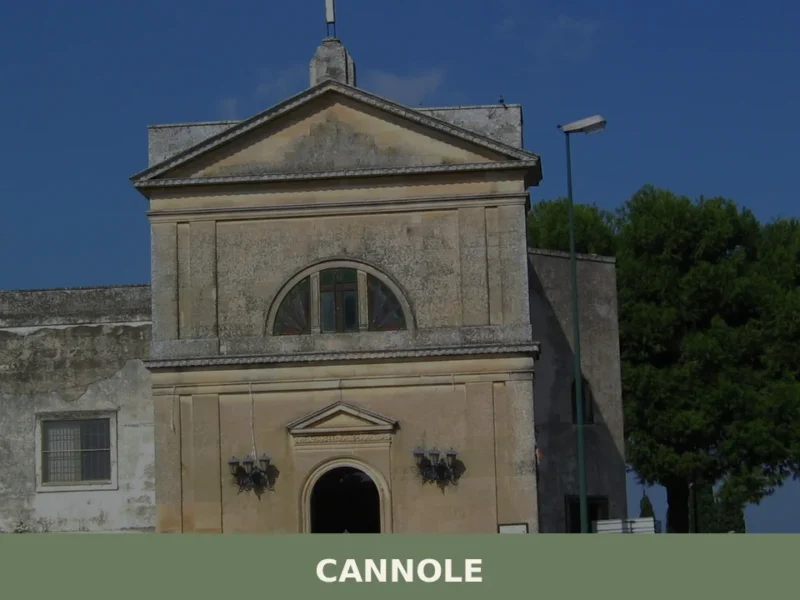
Cannole
Plains
With its 1,631 inhabitants spread across a plateau at 100 metres above sea level in the interior of the Salento, Cannole is one of the smallest municipalities in the province of Lecce. The settlement is organised around a compact core of Lecce stone houses, with a central square that still serves as a daily point […]
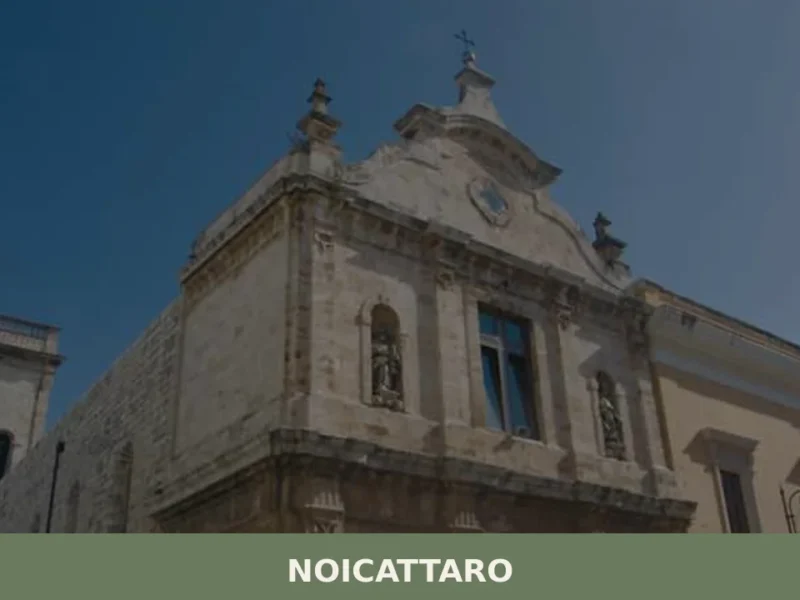
Noicattaro
Plains
What to see in Noicattaro: town at 100m in the province of Bari. Medieval crypt, concentric old town, masserie and PAT cuisine. Plan your visit now.
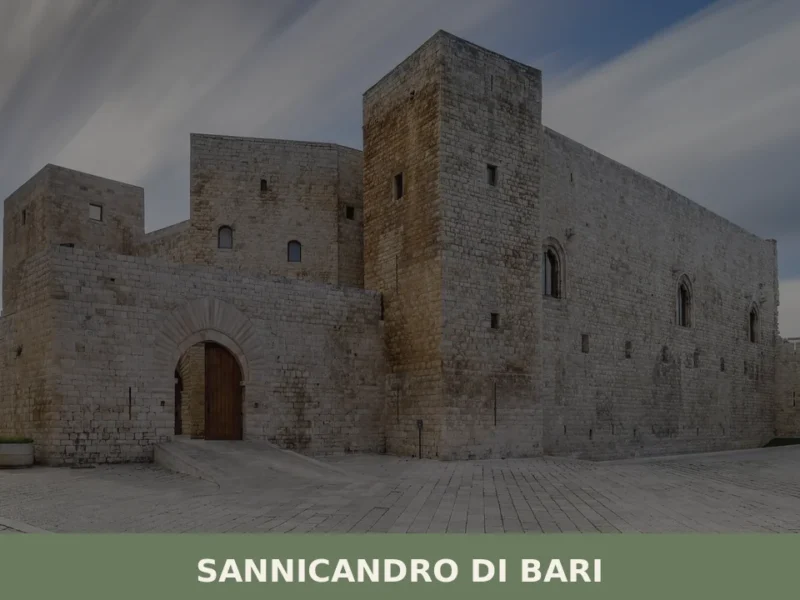
Sannicandro di Bari
Plains
Sannicandro di Bari is an inland hill town in the Metropolitan City of Bari, Puglia, with documented roots stretching back to Peucetian times and a Norman castle that gave the settlement its modern na
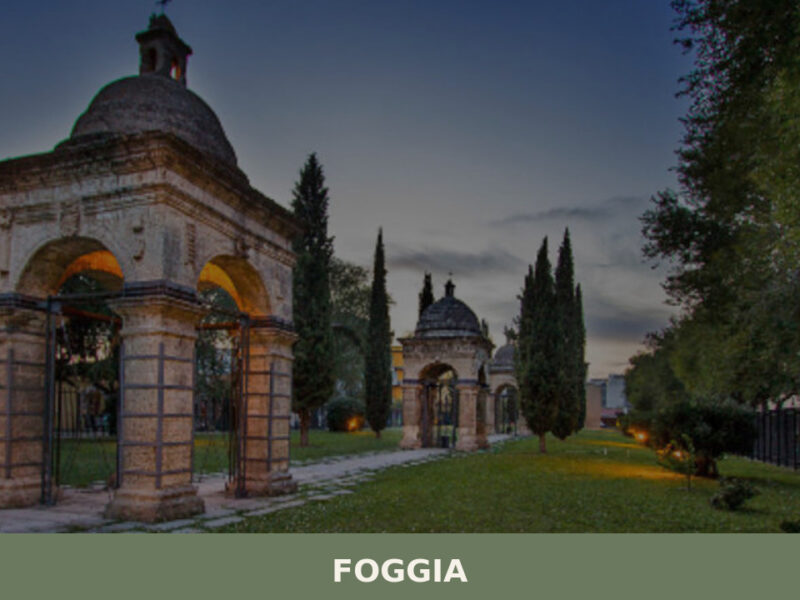
Foggia
Plains
Foggia, capital of the Capitanata, holds medieval traces, Daunian artefacts, and the culinary traditions of Italy's largest wheat plain. A guide to its overlooked layers.
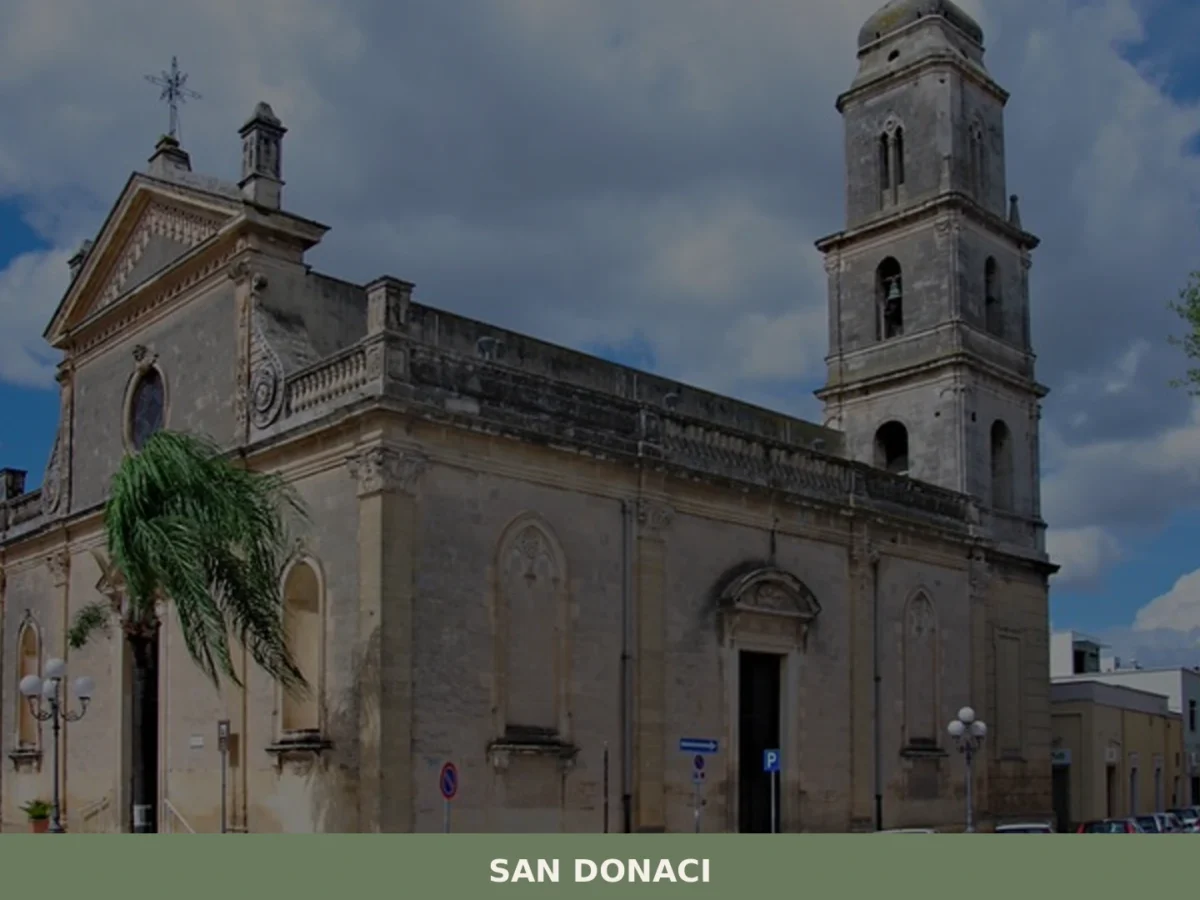
San Donaci
Plains
What to see in San Donaci? Discover the 5 must-see attractions of this Puglian village. Plan your perfect visit with our complete guide!
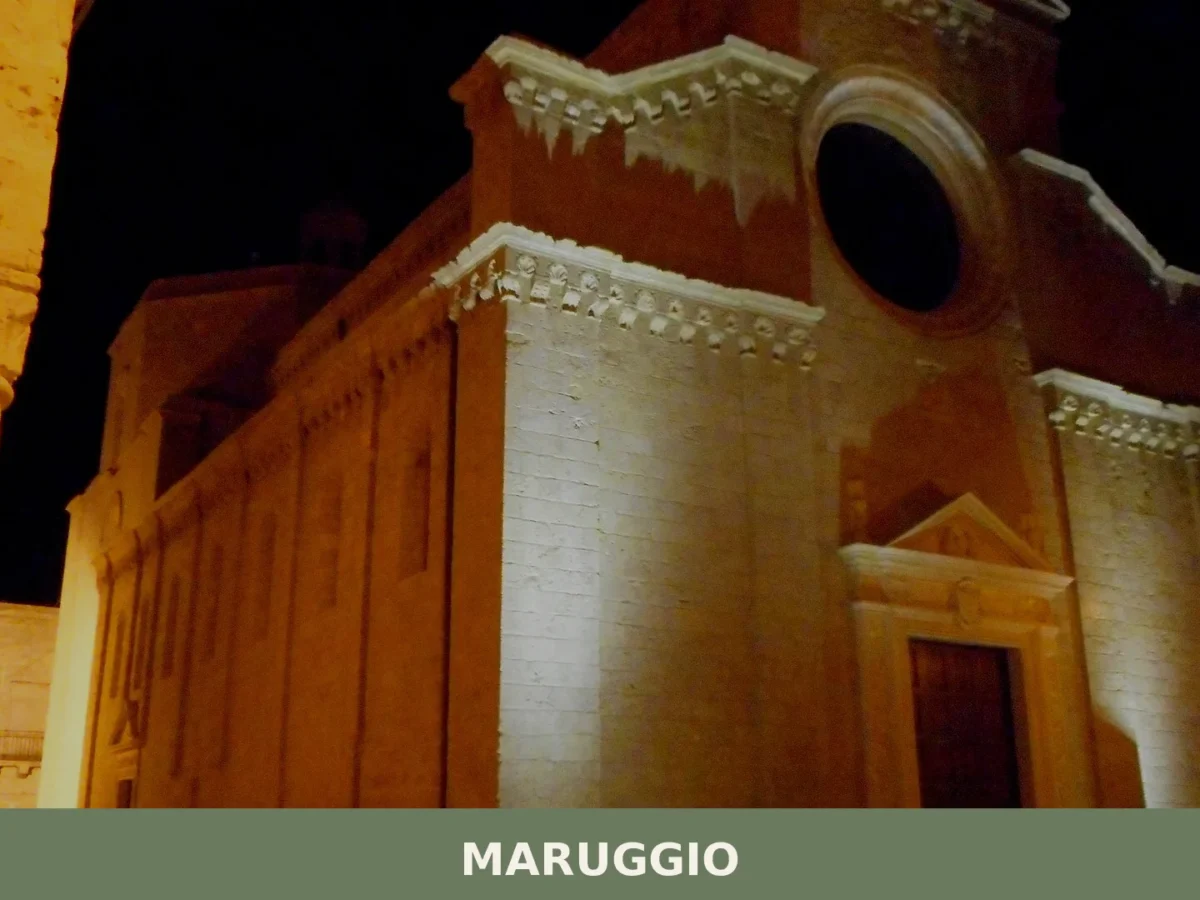
Maruggio
Sea
A 5,100-soul village in Taranto province, hidden in a natural depression and rebuilt by military monks. Medieval stone, salt ponds, Greek shipwrecks offshore.



🏡 Know San Pietro Vernotico better than we do?
If you’re a local or have been there, your knowledge matters: add what’s missing or fix a detail on this page.