


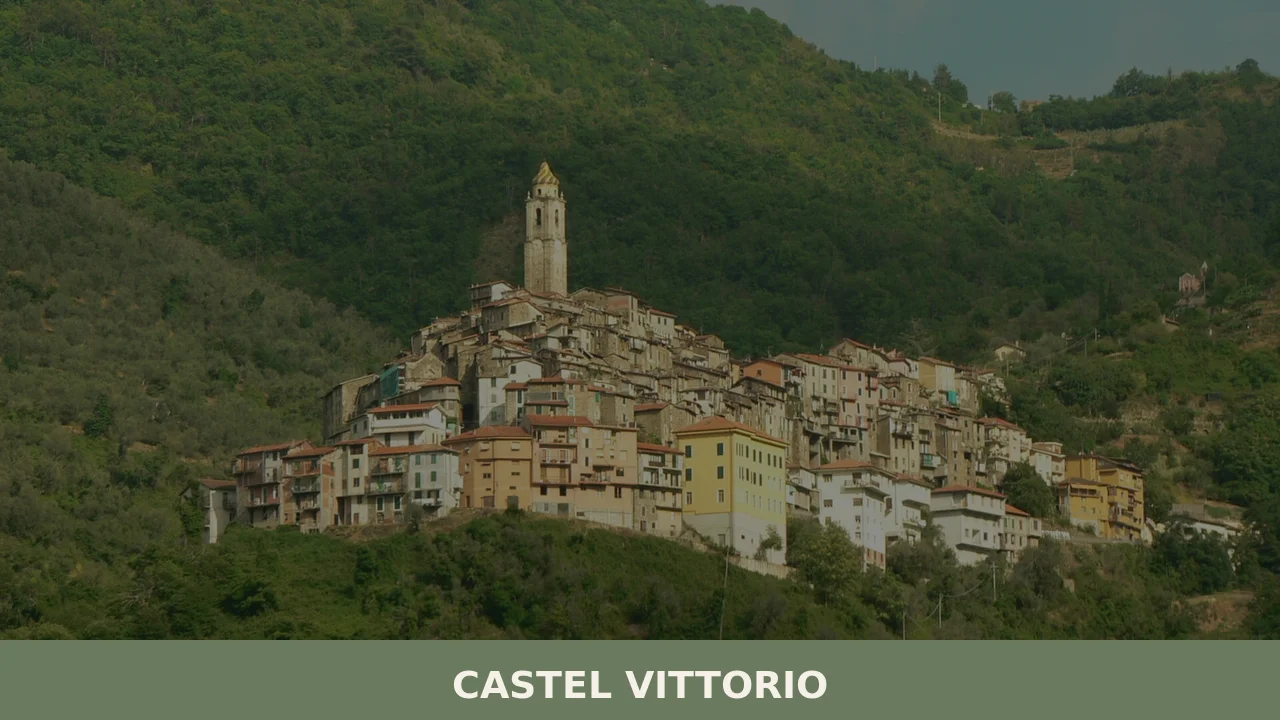
Castel Vittorio: Liguria’s Enduring Stone Village
 Hills
Hills
What to see in Castel Vittorio, Liguria, Italy: at 420 m altitude, 261 inhabitants, parish art by Venusti & Maragliano. Discover top attractions & travel tips.
Discover Castel Vittorio: Liguria’s Enduring Stone Village
The stone lanes of Castelvittorio climb at angles that make flat ground feel like a memory. At 420 metres (1,378 ft) above sea level, the village sits in the hilly interior of Liguria’s Province of Imperia, surrounded by six neighbouring municipalities — Apricale, Bajardo, Isolabona, Molini di Triora, Pigna, and Triora — each separated by ridges and steep-sided valleys. With 261 inhabitants, the settlement is compact enough to cross on foot in minutes, yet the parish church of St.
Stephen holds two documented works of considerable art-historical weight: a late sixteenth-century panel by Marcello Venusti and a crucifix attributed to Anton Maria Maragliano.
Knowing what to see in Castel Vittorio means starting with that church, which stands at the centre of a village set approximately 120 km (75 mi) southwest of Genoa and 30 km (19 mi) west of Imperia.
Visitors to Castel Vittorio find a concentrated hilltop settlement where the built fabric is dense and the surrounding landscape opens abruptly at every edge. The Castel Vittorio highlights include the parish church’s sculptural collection, the medieval street layout, and the wider network of bordering villages that make the area worth exploring over more than a single afternoon.
History of Castel Vittorio
The municipality is recorded under the local Ligurian name Caste, with the informal local variant U Casté still in use among older residents. The Italian toponym Castelvittorio — written as a single word in official usage — points to a fortified origin, the element castel deriving from the Latin castellum, meaning a small fortified place or garrison point.
The settlement’s position on a hillside at 420 m (1,378 ft) in the interior of what is now the Province of Imperia is consistent with the defensive logic that shaped dozens of similar communes across inland Liguria during the medieval period, when control of valley routes between the coast and the Ligurian Alps had real strategic value.
The village developed within a zone that changed political hands repeatedly across the centuries, as the interior of western Liguria passed between local feudal lords, the Republic of Genoa, and eventually the House of Savoy before Italian unification in the nineteenth century.
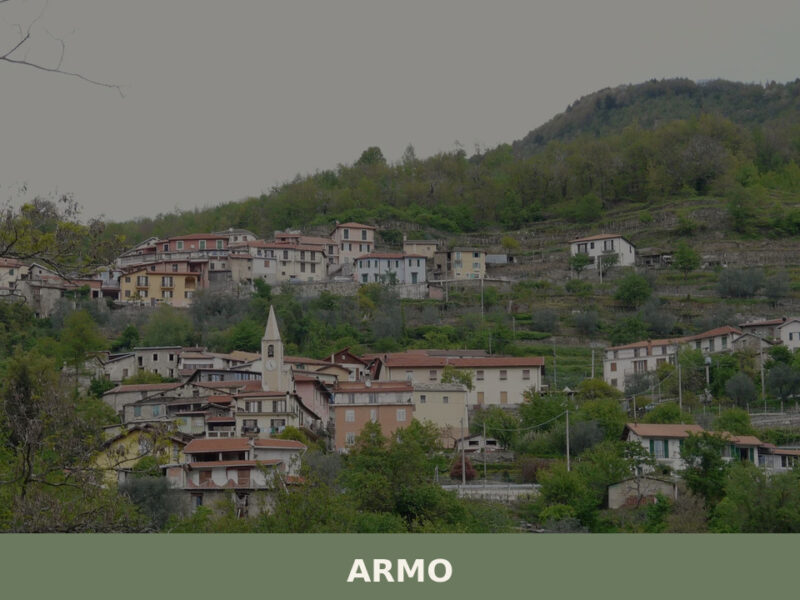
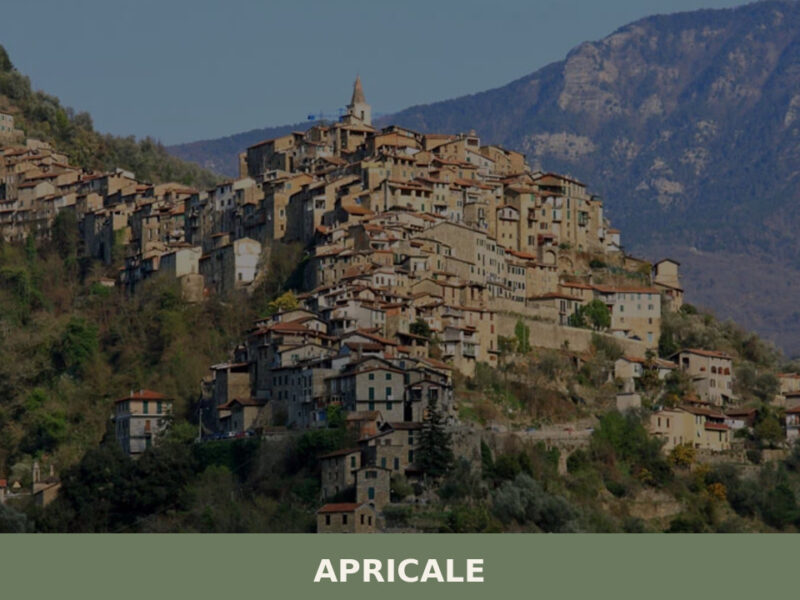
The six communes that border Castelvittorio today — including Apricale, whose own medieval core and documented feudal history parallel the patterns seen across this part of the Ligurian interior — reflect the dense patchwork of small autonomous settlements that characterised the region throughout the late medieval and early modern periods.
Each hilltop commune maintained a degree of administrative independence even as broader political authority shifted above them.
By the time the parish church of St. Stephen acquired its current artistic contents — with works dateable to the late sixteenth and early seventeenth centuries — the village was already operating within the ecclesiastical and civic structures that define it today. The patron saint, Santo Stefano Martire, gave the parish church its dedication, and the feast on 26 December has marked the village’s liturgical calendar continuously since the church’s establishment.
The present-day commune of Castelvittorio, administered from the official municipal website, retains its classification as a comune within the Province of Imperia, the administrative unit created when Liguria’s western territories were reorganised under unified Italian governance.
What to see in Castel Vittorio, Liguria: top attractions
Parish Church of St.
Stephen (Chiesa di Santo Stefano)
The church’s interior holds the most concentrated evidence of artistic patronage in the village. Two works documented from the late sixteenth and early seventeenth centuries anchor the collection: a Crocifissione panel attributed to Marcello Venusti, the Roman painter known for his close relationship with Michelangelo and his output of devotional works in the decades around 1570 to 1600, and a carved crucifix by Anton Maria Maragliano, the Genoese sculptor active from the late seventeenth into the early eighteenth century.
The church also houses a bas-relief dateable to the sixteenth or seventeenth century, the precise subject of which is the Crucifixion of Jesus. Visiting in the morning, when light enters from the eastern openings, gives the clearest view of the relief’s surface detail.
The Venusti Crucifixion Panel
Marcello Venusti produced devotional paintings of the Crucifixion across his career in Rome, and the panel in Castelvittorio represents one of the documented presences of his work outside the major urban centres of central Italy.
Venusti was active in the second half of the sixteenth century, trained within circles directly influenced by Michelangelo, and his compositions show the anatomical seriousness of that lineage.
The fact that a work of this provenance reached a commune of fewer than 300 inhabitants in the Ligurian interior speaks to the patronage networks that connected small parish churches with Rome and Genoa during the Counter-Reformation period. The panel repays close inspection: the figure’s musculature and the treatment of drapery are not typical of provincial workshop production.
Crucifix by Anton Maria Maragliano
Anton Maria Maragliano (1664–1739) was the leading Genoese sculptor of polychrome wooden figures in his generation, and his workshop produced processional sculptures and devotional crucifixes that spread across the parishes of Liguria and beyond. The crucifix in Castelvittorio’s parish church is a documented example of his output in the inland Province of Imperia. Maragliano’s figures are identifiable by the precision of the carved anatomy and the controlled surface of the polychromy.
Standing before this work in a village of 261 people, approximately 30 km (19 mi) from Imperia, makes the distribution of Baroque Genoese craftsmanship across the Ligurian hinterland legible in a direct way that a museum setting does not replicate.
The Medieval Street Layout of Castelvittorio
The village’s footprint follows the logic of its hillside position at 420 m (1,378 ft): lanes run along contour lines where possible and cut steeply uphill where necessary, producing a grid that is entirely determined by topography rather than planning.
The buildings are set close together, sharing walls and creating covered passages — caruggi, the characteristic covered alleyways of Ligurian hilltop settlements — that run between the stone structures. This urban form is consistent with the defensive and climatic requirements of inland Ligurian villages from the medieval period onward. Walking the full perimeter of the built area on foot takes under thirty minutes, but the elevation changes within that perimeter are significant.
Wear shoes with grip.
Views Toward the Bordering Municipalities
From the upper margins of the village, the terrain falls away toward the valleys that separate Castelvittorio from its six neighbouring communes. The view northwest toward Triora and southeast toward Pigna gives a concrete sense of the ridge-and-valley geography that structured settlement in this part of the Province of Imperia. Triora, at roughly 780 m (2,559 ft) altitude, is visible in clear weather as a higher point in the same system of ridges. The sight lines from Castelvittorio also extend south toward the coast, where the distance of approximately 30 km (19 mi) to Imperia translates into a visible elevation drop.
The best visibility occurs in late autumn and winter, when atmospheric haze is lowest.
Local food and typical products of Castel Vittorio
The food culture of the Ligurian interior differs from the coastal tradition in ways that reflect altitude, isolation, and the agricultural constraints of steep terrain.
The Province of Imperia’s inland communes, including Castelvittorio, sit within a zone where olive cultivation — dominant on the lower slopes closer to the sea — gives way to mixed woodland, pasture, and small-scale cultivation of vegetables and grains. The culinary tradition here draws on the same basic pantry as coastal Liguria — olive oil, dried pasta, legumes, foraged herbs — but the proportions shift toward more substantial preparations suited to a cooler, hillier environment.
Across the hilltop communes of inland Imperia, pasta e fagioli — pasta cooked directly in a broth of dried beans, finished with local olive oil and sometimes wild herbs gathered from the surrounding scrubland — remains a foundation of the domestic table. Coniglio alla ligure, rabbit braised with olives, pine nuts, white wine, and aromatic herbs including rosemary and thyme, is documented across this part of Liguria and appears on tables throughout the inland province.
Buridda, a fish stew that migrates inland in dried or preserved form, represents the coastal connection maintained even at 420 m (1,378 ft).
Locally foraged mushrooms — particularly porcini — appear in season in pasta sauces and as accompaniments to meat.
The olive oil of the western Ligurian Riviera, produced from the Taggiasca cultivar, is the foundational fat of this cuisine. The Taggiasca olive — small, low in bitterness, and high in monounsaturated fat — produces an oil with a mild, fruity profile used both in cooking and as a finishing condiment. While Castelvittorio itself sits at an altitude above the primary olive-growing zone, the oil from the surrounding lower valleys of the Province of Imperia is the standard culinary oil in the village. The same olive, preserved in brine, appears on every local table as a standalone ingredient.
The inland markets of the Province of Imperia, accessible from Castelvittorio by road, operate on weekly schedules in the larger nearby centres. The town of Imperia, 30 km (19 mi) to the east, holds regular markets where producers from the interior sell preserved goods, seasonal vegetables, and local cheeses. Autumn is the most productive season for foragers and local food buyers in this part of Liguria, when mushrooms and chestnuts are available in quantity from the surrounding woodland.
Visitors interested in local products should plan accordingly and bring cash, as smaller vendors in the inland communes do not always accept card payments.
Festivals, events and traditions of Castel Vittorio
The principal civic and religious event in Castelvittorio is the feast of Santo Stefano Martire, the village’s patron saint, celebrated on 26 December.
The date places the feast in the middle of the Christmas period, giving it a doubled significance in the village calendar: it follows Christmas Day by one day and marks the feast of St. Stephen the Protomartyr according to the Roman Catholic liturgical calendar. In a commune of 261 inhabitants, the patron saint’s feast is a concentrated local event, drawing both residents and people connected to the village by family ties who return from elsewhere in Liguria or from the coast for the occasion. The parish church of St. Stephen, as the dedicated venue for the celebration, is the focal point of the day’s religious observances.
The 26 December feast in small Ligurian hilltop communes typically includes a solemn mass in the parish church, followed by communal gathering in the village’s public spaces.
In the Province of Imperia’s inland settlements, the sagra — a traditional local food gathering organised around a specific seasonal or local product — sometimes accompanies patron saint feasts, though the specific format of Castelvittorio’s celebrations reflects the scale of a very small commune. The winter date means the event takes place in cold conditions at 420 m (1,378 ft), and the village’s stone lanes can be slippery after rain or frost. Visitors attending the feast should arrive prepared for winter mountain weather and confirm local arrangements in advance through the municipal office.
When to visit Castel Vittorio, Italy and how to get there
The best time to visit Castel Vittorio depends on what a traveller prioritises.
Late spring — from mid-May through June — offers mild temperatures at 420 m (1,378 ft), clear air, and the full green of the surrounding hillsides before summer heat sets in at lower altitudes. September and October bring cooler temperatures, reduced visitor numbers in the wider area, and the beginning of the mushroom and chestnut season in the inland Ligurian forests. Summer, from July through August, is the peak season on the Ligurian coast, which means the roads inland can be busier than usual on weekends, but the village itself sees little tourist pressure.
Winter visits around 26 December coincide with the patron saint’s feast but require preparation for cold and potentially wet conditions.
Reaching Castelvittorio by car from the coast is the most practical option for most international visitors. From the A10 motorway — the Autostrada dei Fiori connecting Genoa to the French border — take the exit for Bordighera or Ventimiglia, then follow provincial roads northwest and north into the interior. The drive from the motorway exit to Castelvittorio covers approximately 30 km (19 mi) and involves sustained uphill sections on two-lane roads. From Genoa, the total driving distance is approximately 120 km (75 mi), making it feasible as a day trip from Genoa for those with a car.
For travellers arriving by rail, the nearest stations on the coastal line are at Bordighera and Ventimiglia, both served by Trenitalia regional services; from either station, a car or taxi is needed to reach the village. The nearest international airport is Nice Côte d’Azur in France, approximately 60 km (37 mi) to the southwest, from which the drive into the Province of Imperia takes roughly 75 to 90 minutes depending on border and road conditions.
English is spoken in limited contexts in the inland villages of the Province of Imperia; carrying euro cash is advisable for smaller transactions in the area.
Travellers combining Castelvittorio with nearby hilltop communes will find the road network links it naturally to Dolceacqua, a larger inland commune in the same province known for its medieval bridge and Doria castle, which lies roughly 20 km (12 mi) to the southeast and makes a logical pairing for a full day in the Imperia interior.
The question of what to see in Castel Vittorio is best answered as part of a wider itinerary through this part of western Liguria, where the density of hilltop settlements means several distinct visits are possible within a single area.
Those extending their time in the region might also consider Balestrino, a partially abandoned hilltop commune further east along the Ligurian coast’s interior, which offers a different dimension of the Province of Savona’s rural landscape and rounds out an understanding of how hilltop settlement patterns varied across the Ligurian interior.
Frequently asked questions about Castel Vittorio: Liguria’s Enduring Stone Village
What is the best time to visit Castel Vittorio?
The ideal time to visit Castel Vittorio depends on your interests. For breathtaking panoramic views of the surrounding valleys and bordering villages, late autumn and winter offer the clearest skies with minimal atmospheric haze. If you're interested in local traditions, consider visiting on December 26th for the patron saint's feast day, Santo Stefano Martire, a significant event in the village's liturgical calendar. Spring and early autumn provide pleasant temperatures for exploring the medieval street layout and nearby trails, avoiding the hotter summer months while still enjoying the vibrant Ligurian landscape.
What are the historical origins of Castel Vittorio?
Castel Vittorio's name, derived from the Latin 'castellum,' clearly indicates its origins as a small fortified place or garrison point. Its strategic hillside position at 420 meters was typical of medieval settlements in inland Liguria, designed for defense and control of valley routes between the coast and the Ligurian Alps. Throughout centuries, the village's territory frequently changed hands, passing between local feudal lords, the Republic of Genoa, and the House of Savoy before Italy's unification. This rich history is reflected in its compact, defensive urban form and the dense patchwork of autonomous communes in the region.
What to see in Castel Vittorio? Main monuments and landmarks
The primary attraction in Castel Vittorio is the Parish Church of St. Stephen (Chiesa di Santo Stefano), a custodian of significant art. Inside, visitors can admire a late 16th-century 'Crocifissione' panel attributed to Marcello Venusti, a painter connected to Michelangelo, and a carved crucifix by Anton Maria Maragliano, a leading Genoese sculptor of the Baroque period. The church also features a 16th/17th-century bas-relief. Beyond its artistic treasures, explore the village's distinctive medieval street layout, characterized by narrow lanes and covered passages ('caruggi'). Don't miss the panoramic views from the upper village margins towards neighboring communes like Triora and Pigna, and even the coast.
What are the main natural or scenic attractions of Castel Vittorio?
Castel Vittorio's main natural and scenic appeal lies in its dramatic position within the Ligurian interior. From the village's upper elevations, you can enjoy expansive panoramic views across the steep-sided valleys and ridges that define this part of the Province of Imperia. Specific viewpoints offer sightlines towards neighboring hilltop communes like Triora and Pigna, and even extend south towards the Ligurian coast on clear days, especially during late autumn and winter. The surrounding hilly landscape, with its mixed woodlands, offers a genuine immersion in the unspoiled Ligurian hinterland.
Where to take the best photos in Castel Vittorio?
For stunning landscape photography, head to the upper margins of Castel Vittorio. From these elevated points, you can capture sweeping panoramic views of the surrounding ridge-and-valley geography, with neighboring villages like Triora and Pigna visible in the distance, and the Ligurian coast on clear days. Late autumn and winter offer the best visibility for these expansive shots. Within the village, the characteristic 'caruggi' – narrow, often covered, stone alleyways – provide excellent opportunities for atmospheric shots of medieval architecture and quaint village life, especially with the interplay of light and shadow.
Are there museums, churches or historic buildings to visit in Castel Vittorio?
Yes, the main historic building to visit is the Parish Church of St. Stephen (Chiesa di Santo Stefano). This central village church houses two significant art-historical works: a late sixteenth-century 'Crocifissione' panel attributed to Marcello Venusti and a carved crucifix by Anton Maria Maragliano. Additionally, a sixteenth or seventeenth-century bas-relief depicting the Crucifixion is present. While specific opening hours are not detailed, the church is generally accessible for visitors to admire its artistic heritage and the impressive Baroque craftsmanship. There are no documented museums in the village.
What can you do in Castel Vittorio? Activities and experiences
In Castel Vittorio, you can immerse yourself in cultural exploration by visiting the Parish Church of St. Stephen to admire its significant artworks by Venusti and Maragliano. Take a leisurely walk through the village's unique medieval street layout, navigating its 'caruggi' and appreciating the historic architecture. The hilly surroundings invite scenic walks, offering breathtaking views of the Ligurian interior and neighboring communes. Experiencing the local food culture is a must, tasting traditional dishes like 'pasta e fagioli' or 'coniglio alla ligure,' complemented by Taggiasca olive oil. The village also serves as a quiet base for exploring the wider network of picturesque bordering villages.
Who is Castel Vittorio suitable for? Families, couples, hikers, solo travelers?
Castel Vittorio is ideally suited for travelers seeking tranquility, authentic Ligurian village life, and a deep dive into local history and art. It's perfect for solo travelers and couples looking for a peaceful escape, away from coastal crowds. Art and history enthusiasts will appreciate the significant artworks within the Parish Church of St. Stephen and the well-preserved medieval street layout. Hikers will find the surrounding hilly terrain and the network of bordering villages appealing for scenic walks and explorations. While not offering specific child-centric activities, its safe, compact nature also makes it suitable for families who enjoy quiet cultural immersion and exploring on foot.
What to eat in Castel Vittorio? Local products and specialties
The culinary tradition of Castel Vittorio reflects the Ligurian interior, distinct from coastal fare. Must-try specialties include 'pasta e fagioli,' a hearty pasta and bean broth often finished with local olive oil and foraged herbs. 'Coniglio alla ligure,' rabbit braised with olives, pine nuts, white wine, and aromatic herbs like rosemary and thyme, is another regional staple. 'Buridda,' a fish stew, also makes its way inland in dried or preserved form. In season, locally foraged porcini mushrooms are a highlight. The foundational product is the exquisite Taggiasca olive oil, sourced from the surrounding lower valleys of Imperia, and the brined Taggiasca olives.
Nearby Villages near Castel Vittorio: Liguria’s Enduring Stone Village
In Liguria More villages to discover
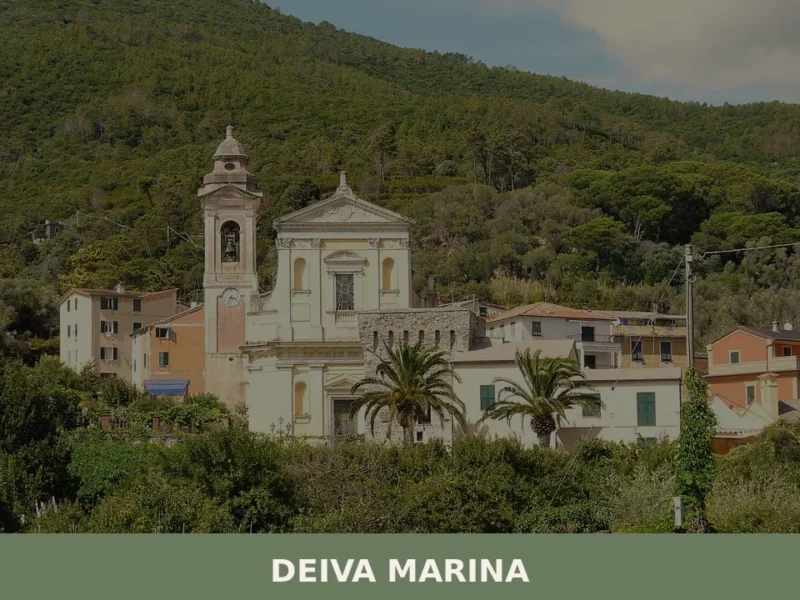
Deiva Marina
 Sea
Sea
What to see in Deiva Marina, Italy: 5 top attractions, hiking trails, Cinque Terre day trips, and travel tips for this Ligurian village of 1,409 inhabitants. Discover now.
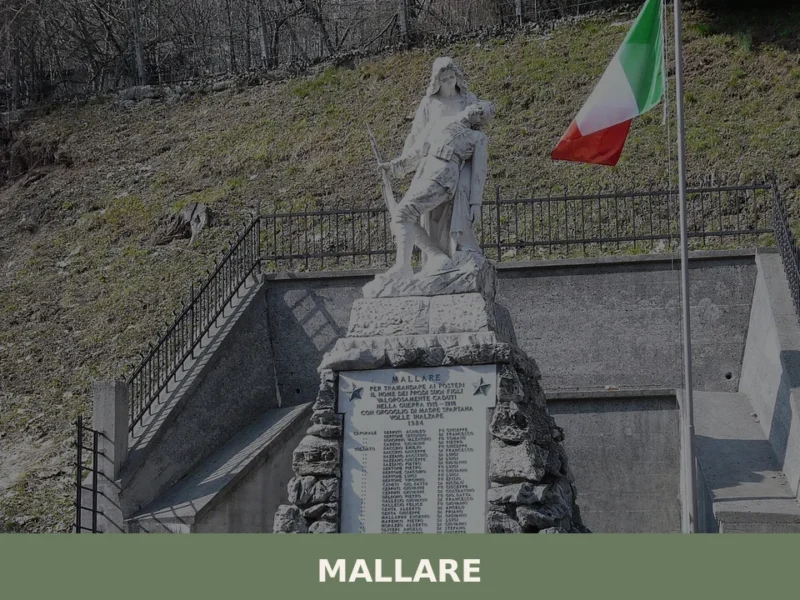
Mallare
 Mountain
What to see in Mallare, Liguria, Italy: explore 5 attractions, local food traditions, and festivals in this 1,193-inhabitant village near Savona. Discover it now.
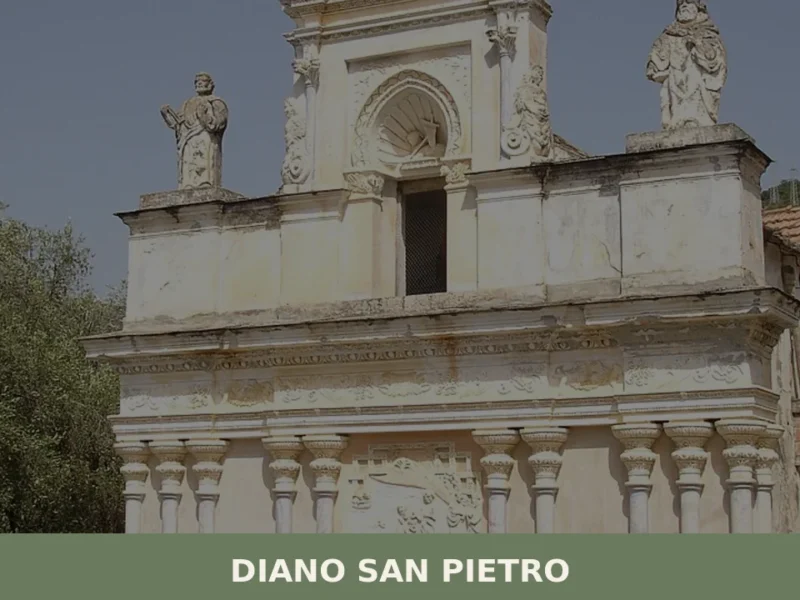
Diano San Pietro
 Plains
What to see in Diano San Pietro: a village of 1,081 at 83m in the Diano Valley. Discover the Church of San Pietro, olive terraces and nearby villages. Plan your visit.
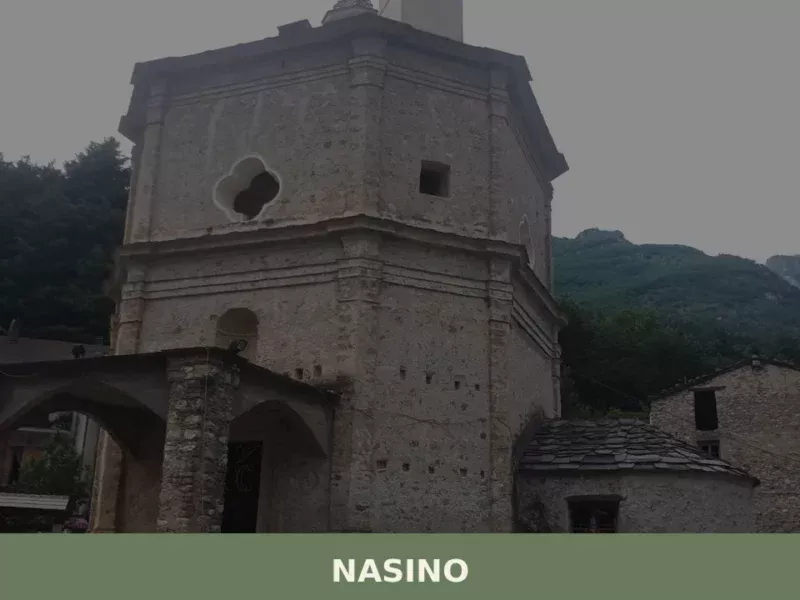
Nasino
Mountain
What to see in Nasino, Italy: a village of 212 inhabitants southwest of Savona. Explore its Ligurian character and scenic surroundings. Discover its unique charm.
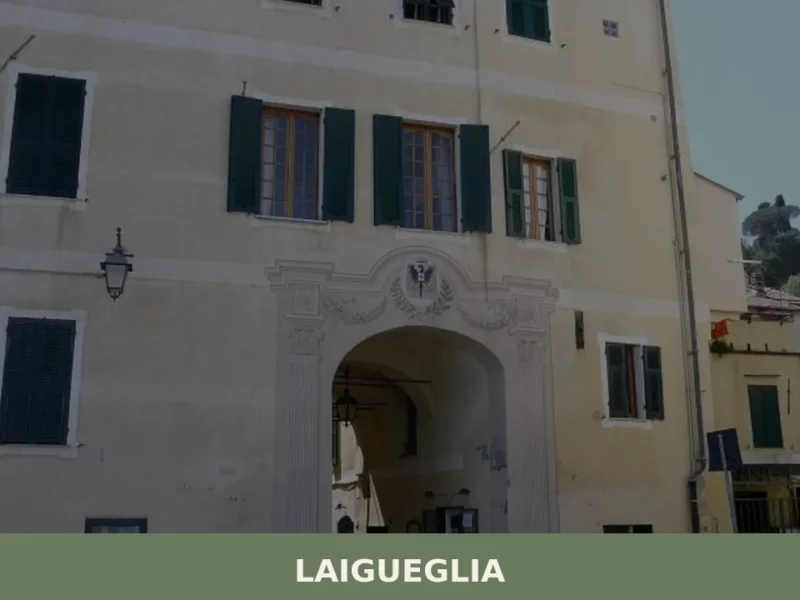
Laigueglia
Sea
What to see in Laigueglia, Italy: explore 5 top attractions, local food, and festivals in this Ligurian coastal village of 1,738 inhabitants. Discover the guide.
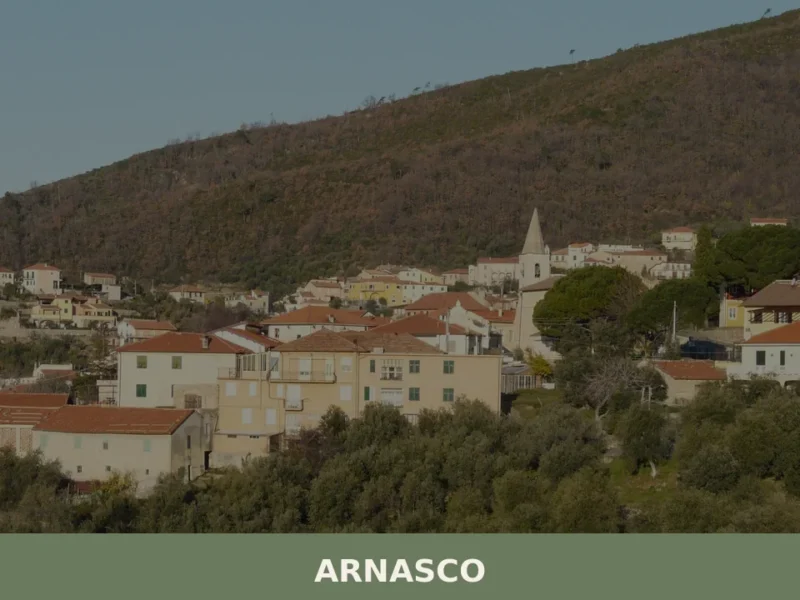
Arnasco
Hills
What to see in Arnasco, Liguria, Italy: discover this 552-inhabitant village 80 km from Genoa. Explore its historic centre, local festivals and Ligurian cuisine.
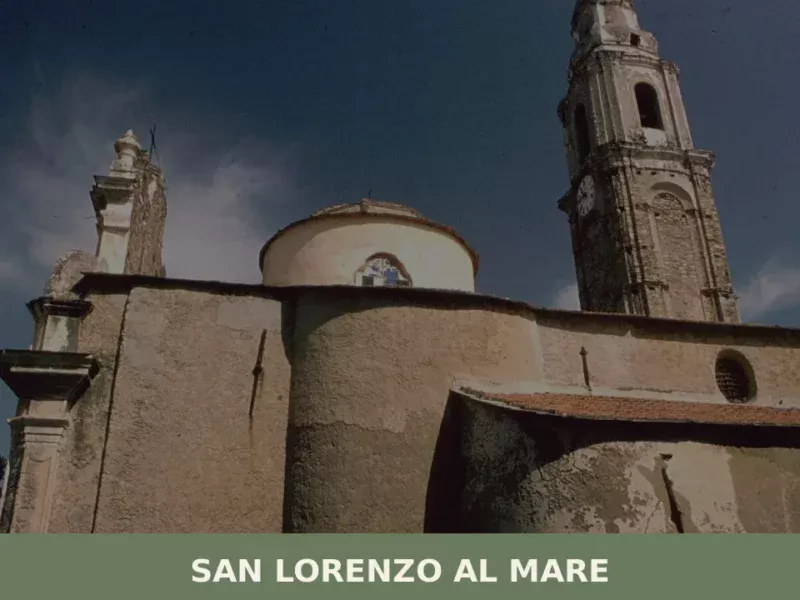
San Lorenzo al Mare
Sea
What to see in San Lorenzo al Mare, Italy: Discover its 1,380 inhabitants and coastal charm. Explore historic sites and the scenic Riviera dei Fiori. Plan your Ligurian trip.
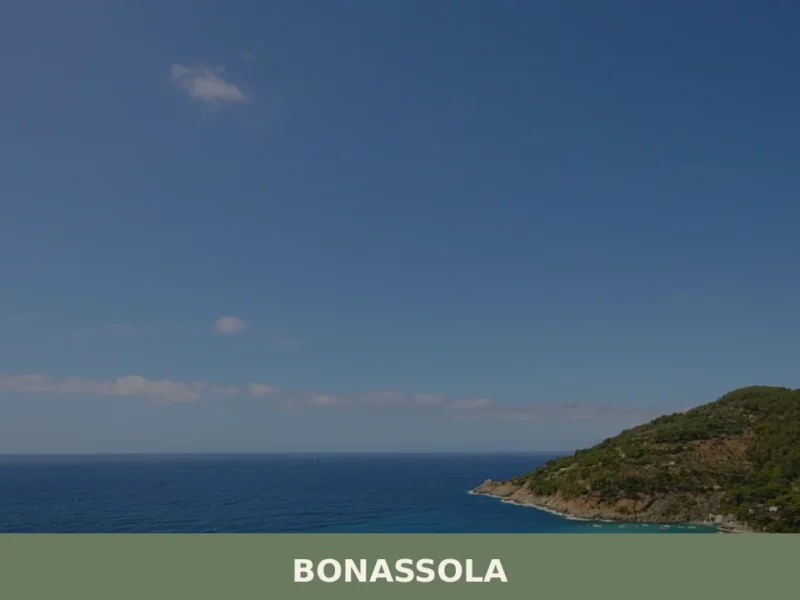
Bonassola
Sea
Bonassola’s single-track railway station, opened in 1874 as part of the Genoa–La Spezia line, brought the first outsiders to a coastal settlement that had survived for centuries on olive oil, wine, and anchovies. Today this compact village of 794 inhabitants sits at six metres above sea level along the Riviera di Levante, its beach one […]
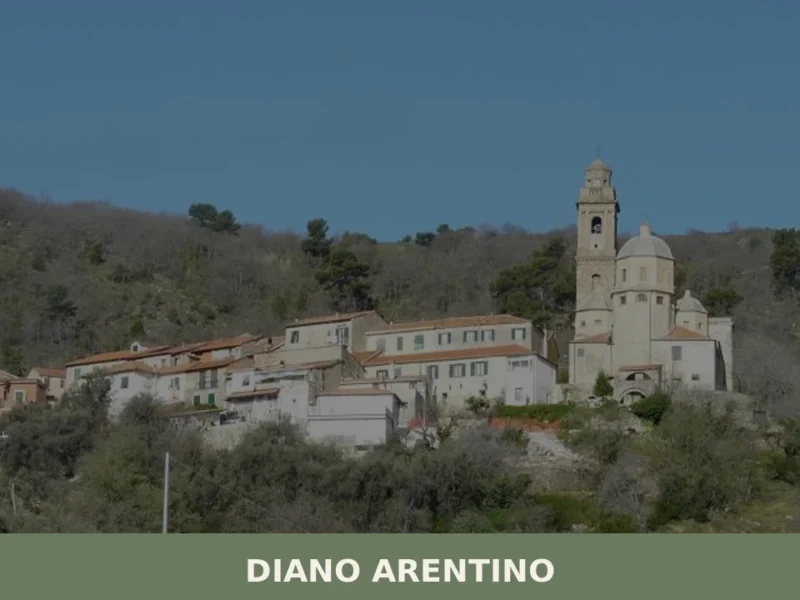
Diano Arentino
Hills
Diano Arentino sits at 331 metres above sea level in the province of Imperia, one of several small settlements that make up the historical Comunitas Diani — a confederation of villages documented in medieval records across the olive-rich hills behind the Gulf of Diano. With a population of roughly 700, the village maintains an economy […]
La Spezia
Sea
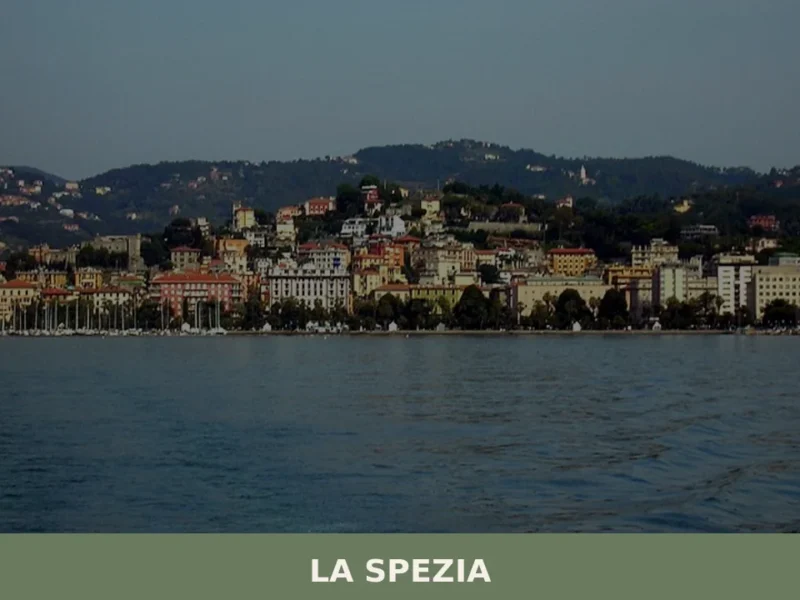
What to see in La Spezia, Italy: explore the Castle of San Giorgio, 10 museums, the Palio del Golfo and Cinque Terre links. Discover La Spezia's top highlights.

🏡 Know Castel Vittorio: Liguria’s Enduring Stone Village better than we do?
If you’re a local or have been there, your knowledge matters: add what’s missing or fix a detail on this page.