


Castellammare di Stabia
 Sea
Sea
Castellammare di Stabia offers over 2,800 years of layered history, from buried Roman villas to Bourbon royal palaces, all framed by the Gulf of Naples.
Castellammare di Stabia Campania: History, Attractions and Travel Tips
The scent of sulfur drifts from ancient springs along a waterfront where Pliny the Elder once came ashore during the eruption of Vesuvius and drew his last breath. Layers of ash buried an entire Roman resort city here, and those layers have never quite been forgotten — they push up through the soil in the form of painted walls, mosaic floors, and corridors that once echoed with the voices of wealthy patricians seeking the sea air.
Castellammare di Stabia Campania sits at a geographical crossroads that has made it irresistible to settlers, conquerors, and grand tourists alike: the ancient thermal springs that bubble up from volcanic rock and the sweeping arc of the Gulf of Naples, framed by the limestone heights of the Lattari Mountains, draw visitors who want something richer than the standard coastal postcard.
History and Origins of Castellammare di Stabia
The story of this city begins long before it had any of its current names. Archaeological evidence places the earliest human settlements on the hill of Varano as far back as the eighth century BC, when the flat plain below was still partly submerged by the sea. The promontory offered a natural defensive vantage point, and successive waves of Samnites, Etruscans, and Greeks all recognized its value. They called the place Stabiae, a name that would persist through millennia of upheaval and reinvention.
Rome absorbed Stabiae in 340 BC, and the centuries that followed brought the city its greatest prosperity. The Romans fortified it with walls, cultivated the surrounding territory — known as the Ager Stabiano — and eventually transformed it into a luxury resort for the capital’s wealthiest families. Patrician villas spread across the Varano hillside, complete with thermal baths, swimming pools, gymnasiums, and small private temples. The frescoes that decorated their walls rank among the most significant surviving examples of Roman painting. That era of splendor came to a catastrophic end on 24 August 79 AD, when Vesuvius erupted without warning, burying Stabiae under a deep blanket of ash, pumice, and lapilli alongside Pompeii and Herculaneum. One of the eruption’s most famous victims was Pliny the Elder, the Roman naturalist and admiral who sailed toward the disaster to observe it more closely and died on the beach at Stabiae, almost certainly overcome by toxic gases.
The city’s rebirth was slow and shaped by medieval politics. Survivors returned to the ruins, salvaged what they could, and established a fishing and farming settlement along the newly extended coastline. This village fell under the jurisdiction of the Duchy of Sorrento, whose rulers erected a castle on a hilltop roughly a hundred metres above the gulf to guard against barbarian raids. The first written record of the name Castrum ad Mare — Castle by the Sea — dates to 1086, and that castle is the direct origin of the modern toponym. The name was officially standardized as Castellammare by royal decree on 22 January 1863, and the final form, Castellammare di Stabia, was adopted by municipal council on 31 May 1912. Medieval lordship passed through the Swabians and then the Aragonese, who enlarged the port, reinforced the city walls, and completed a royal palace on the hill of Quisisana — a retreat so celebrated that Giovanni Boccaccio used it as the setting for a tale in the Decameron. The Farnese family inherited control in 1541 under Emperor Charles V, leaving behind Palazzo Farnese, which still serves as the town hall today. The Bourbon period, beginning in 1731 with Charles of Bourbon, proved the most transformative: the first Italian shipyards opened here in 1783, an archaeological campaign launched in 1749 began uncovering the Roman villas, and Castellammare became a mandatory stop on the Grand Tour. Even Gustave Flaubert mentioned the city in Madame Bovary. The arrival of a railway connection to Naples in 1842 sealed its role as a commercial and industrial hub, a function it maintained through the Italian unification period and well into the twentieth century.
Pliny the Elder, commanding a rescue fleet from Misenum, wrote his final observations from Stabiae on the night of the eruption. His nephew, Pliny the Younger, recorded that his uncle died on the beach the following morning — the most famous casualty of a catastrophe that also, paradoxically, preserved the city’s Roman identity beneath the ash for nearly two thousand years.
What to See in Castellammare di Stabia: Top Attractions
The Roman Villas of Ancient Stabiae
Spread across the Varano hill to the south of the city, these excavated patrician residences offer a direct encounter with the world that Vesuvius buried in 79 AD. The two principal complexes, known as Villa Arianna and Villa San Marco, preserve mosaic floors, garden porticoes, and some of the most vivid fresco cycles to survive from antiquity. Villa San Marco alone covers roughly 11,000 square metres and includes a large swimming pool. The archaeological campaign began under Bourbon sponsorship in 1749, making it one of the earliest systematic excavations in the region. Access is managed in coordination with the Pompeii archaeological authority, and guided tours are available on a scheduled basis; visitors planning a dedicated archaeological day would do well to combine this with a trip to Naples, where many of the recovered frescoes and objects are now housed in the National Archaeological Museum.
Palazzo Farnese and the Historic Centre
The austere Renaissance facade of Palazzo Farnese anchors the civic heart of the city. Commissioned after 1541 when Ottavio Farnese received the territory as a imperial fief, the building today functions as the municipal headquarters, but its courtyard and exterior remain open to observation and speak clearly to the urban ambitions of the Farnese dynasty. The surrounding historic centre rewards slow walking: the Piazza Fontana Grande, with its monumental fountain, and the narrow streets descending toward the waterfront preserve a layered architectural record that runs from Aragonese fortifications to nineteenth-century bourgeois palaces built during the thermal tourism boom. The area around the harbour retains a working character entirely different from the museum-piece quality of many Campanian town centres.
The Thermal Springs of Castellammare
Castellammare di Stabia sits above an exceptional network of mineral springs, each with a distinct chemical composition — some ferruginous, others sulfurous, others bicarbonate-rich — that have been exploited for therapeutic purposes since Roman times. The Bourbon court recognized their commercial potential in the eighteenth century, and the Nuove Terme complex, inaugurated in the postwar period and described at the time as the most modern thermal establishment in Europe, formalized that tradition on an industrial scale. The springs themselves vary in temperature and mineral content, and the facility offers treatments ranging from inhalation therapies for respiratory conditions to hydrotherapy and mud baths. Visitors interested in wellness tourism will find this a practical and historically resonant alternative to more crowded spa destinations along the Amalfi Coast.
Monte Faito and the Lattari Mountains
Rising to 1,202 metres directly behind the city, Monte Faito forms a dramatic natural backdrop and offers a completely different experience from the coastal town below. A cable car — one of the oldest in southern Italy — connects Castellammare with the summit station, and from there a network of trails fans out through beech and chestnut forest toward panoramic viewpoints that take in the entire Gulf of Naples, with Vesuvius to the north and the Sorrento Peninsula curving away to the south. The mountain also marks the boundary with Vico Equense and Pimonte, and hikers willing to extend their routes can reach villages like Agerola through the high trails of the Lattari ridge. In summer the altitude provides a reliable escape from coastal heat.
The Historic Shipyards and the Waterfront
The waterfront of Castellammare carries the weight of a specific industrial pride. The shipyards founded here in 1783 were the first in Italy, operating under Bourbon patronage, and they continued to launch vessels well into the twentieth century. During the Second World War the city’s residents defended the yards against German demolition orders as the retreating Wehrmacht applied a scorched-earth strategy across southern Italy; for that resistance, Castellammare was awarded the Gold Medal for Valor. The shipyard buildings and the adjacent lungomare, where a Fascist-era palazzo del Fascio still stands as an uncomfortable architectural document, together form an open-air narrative of the city’s industrial and political twentieth century. The harbour area today mixes fishing activity with leisure craft and offers straightforward access to ferry connections toward the islands of the bay.
Food and Local Products of Castellammare di Stabia
The kitchen of Castellammare di Stabia draws from the same volcanic generosity that shaped the landscape. The alluvial and volcanic plain to the east produces tomatoes of exceptional sweetness, and the pomodorino del Piennolo — small cherry tomatoes dried and preserved on vine clusters — appears throughout local cooking as both a condiment and a centerpiece. Pasta with fresh clams or mussels harvested from the gulf combines the agricultural and maritime identities of the territory in a single bowl. The flatlands around the Sarno river, which marks the northern boundary with Torre Annunziata and Pompei, have historically supported grain cultivation, and the pasta-making tradition of nearby Gragnano — with which Castellammare shares both geography and culinary heritage — reaches into the local diet at every level.
The hills behind the city contribute in their own right. The Lattari Mountains produce milk from free-ranging herds, and the fior di latte made in this zone is considered among the purest expressions of the mozzarella tradition in Campania, distinct from the buffalo-milk version produced further south. Local producers also make provola affumicata, a smoked stretched-curd cheese whose mild intensity works equally well sliced on bread or melted over grilled vegetables. Chestnut flour from the Monte Faito forests was historically used for breads and rustic cakes, though it has become less common in everyday cooking; a few artisan producers still work with it. Lemons grown on the terraced slopes of the Sorrento Peninsula, cultivated within easy reach of the city, are large, thick-skinned, and intensely fragrant — the essential ingredient in the limoncello produced throughout this coastal stretch.
Eating well in Castellammare requires no particular strategy beyond avoiding the most tourist-facing establishments near the ferry terminal. The trabaccolo-style restaurants around the fishing harbour serve whatever the morning catch delivered, with grilled alici (anchovies), fried paranza (mixed small fish), and seafood risotto appearing regularly on handwritten boards. Inland, the osterie of the old centre lean toward meat-based dishes — braised rabbit with olives and capers, slow-cooked pork with local wine — that reflect the agricultural interior rather than the sea. If you arrive on a weekend morning, the covered market near the historic centre offers the clearest picture of local seasonal produce, with vendors from the surrounding municipalities of Afragola and Acerra bringing produce from across the metropolitan area.
When to Visit Castellammare di Stabia and How to Get There
The climate of Castellammare di Stabia is reliably mild throughout the year. Summer averages around 25°C, with sea breezes moderating the heat along the waterfront, while winter temperatures average around 16°C — making the city genuinely comfortable outside the main tourist season. Spring and early autumn are the most rewarding periods for visiting: the archaeological sites are accessible without summer crowds, the thermal facilities operate at full capacity, and the cable car to Monte Faito runs on a regular schedule. The feast of the patron saint, Catello di Castellammare, draws local celebrations in May and offers a window into a devotional tradition rooted in the city’s medieval identity. July and August bring the heaviest tourist traffic, concentrated particularly around the waterfront and the ferry connections to Capri and Ischia.
Getting to Castellammare di Stabia is straightforward from multiple directions. The Circumvesuviana railway, one of the most useful regional lines in Campania, connects the city directly to Naples Piazza Garibaldi and to Sorrento, making it accessible without a car and easily combinable with visits to Pompeii, Herculaneum, and the Sorrento Peninsula. If you arrive by car, the A3 motorway provides a direct exit, and parking is available along the lungomare, though it fills quickly in summer. Ferry services connect the harbour to Capri, Ischia, and other points in the Gulf of Naples during the warmer months.
| Departure | Distance | Time |
|---|---|---|
| Naples (Piazza Garibaldi, Circumvesuviana) | approx. 30 km | 40–50 min by train |
| Pompeii (Circumvesuviana) | approx. 8 km | 10–15 min by train |
| Sorrento (Circumvesuviana) | approx. 20 km | 30 min by train |
| Salerno (A3 motorway) | approx. 45 km | 40–50 min by car |
| Capri (ferry from harbour) | approx. 22 km by sea | 35–45 min by hydrofoil |
Visitors looking for a base that avoids the price inflation of Sorrento and Positano while maintaining easy access to both the Amalfi Coast and the Vesuvian archaeological sites will find Castellammare di Stabia a genuinely practical choice. The city has a working urban character that many of its neighbours have surrendered entirely to tourism, and that texture — the morning fish market, the shipyard waterfront, the springs steaming in the early light — is itself part of what the place has to offer.
Frequently asked questions about Castellammare di Stabia
Come si raggiunge Castellammare di Stabia?
In treno, la stazione di Castellammare di Stabia è servita dalla Circumvesuviana (linea Napoli–Sorrento), con partenze frequenti da Napoli Porta Nolana. In auto, dall'Autostrada A3 Napoli–Salerno si esce al casello di Castellammare di Stabia. Da Napoli il percorso è di circa 30 km. Sono disponibili anche collegamenti via bus con la Reggia di Caserta e altri centri campani tramite le linee EAV.
Quando si festeggia il patrono di Castellammare di Stabia?
Il patrono della città è San Catello di Castellammare, vescovo locale venerato fin dall'alto Medioevo. La sua festa si celebra il 19 gennaio. I festeggiamenti comprendono processioni religiose nel centro storico e celebrazioni nella cattedrale cittadina. È uno dei momenti identitari più sentiti dalla comunità locale, che conta circa 62.000 abitanti.
Quanto tempo occorre per visitare Castellammare di Stabia?
Per una visita completa che includa il lungomare, le aree archeologiche di Villa San Marco e Villa Arianna (sito degli scavi di Stabiae), e una sosta alle terme, si consigliano almeno due giorni. Una visita più rapida ai principali punti di interesse, incluso il Museo Antiquarium di Stabiae, richiede comunque un'intera giornata.
Esistono percorsi naturalistici nei dintorni di Castellammare di Stabia?
Sì. I Monti Lattari, che sovrastano la città, offrono numerosi sentieri CAI ben segnalati che collegano Castellammare ai comuni della Penisola Sorrentina e al Parco Regionale dei Monti Lattari. Dalla città parte anche la funivia per Monte Faito (1.131 m), punto di accesso a percorsi trekking con panorami sul Golfo di Napoli e sul Vesuvio.
Quali sono le terme storiche di Castellammare di Stabia?
Le Terme di Castellammare di Stabia, note anche come Antiche Terme, sfruttano sorgenti sulfuree e oligominerali di origine vulcanica attive da secoli. Le acque, già citate in fonti antiche, hanno proprietà terapeutiche riconosciute, in particolare per le vie respiratorie e l'apparato muscolo-scheletrico. Lo stabilimento termale si trova nella zona collinare della città ed è aperto al pubblico con trattamenti e cure stagionali.
📷 Photo Gallery — Castellammare di Stabia


In Campania More villages to discover
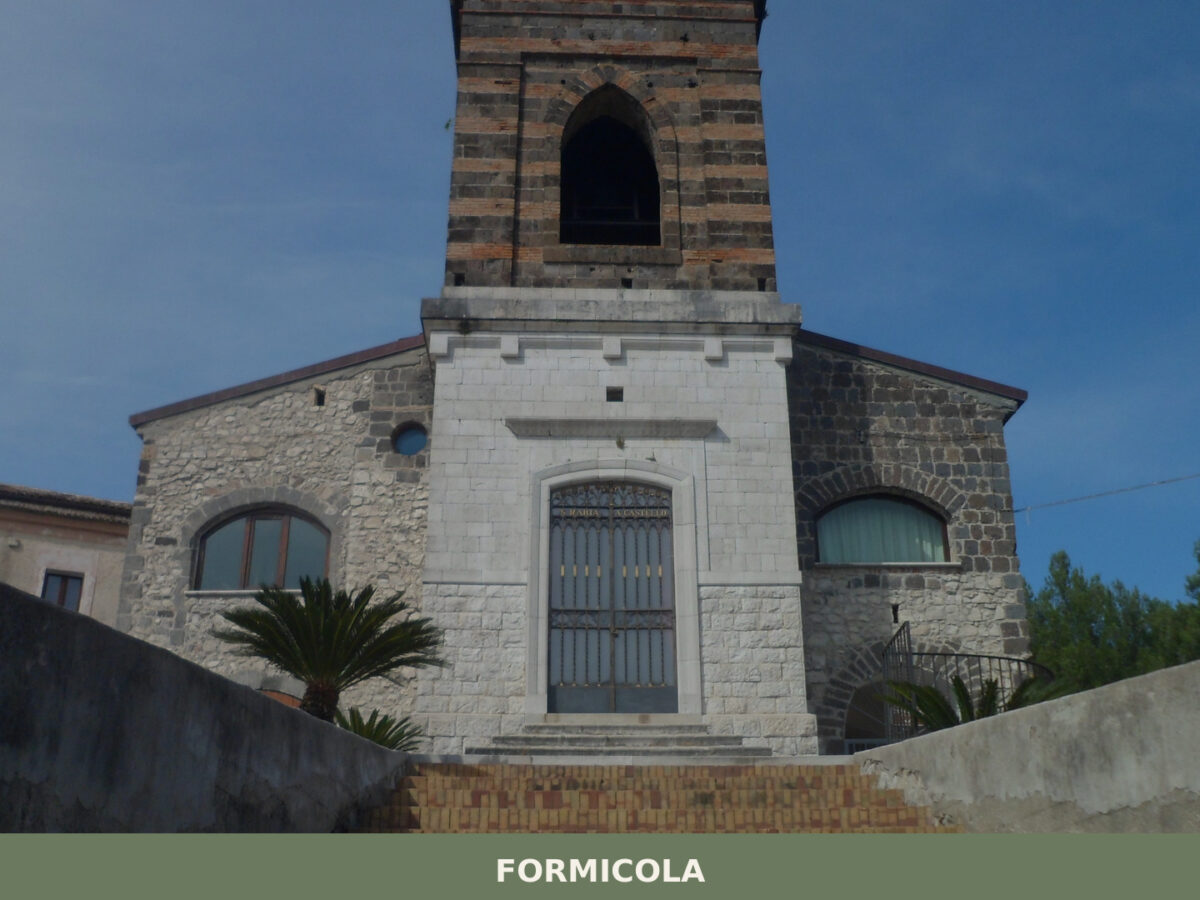
Formicola
 Plains
Discover Formicola, a picturesque village in Campania, Italy. Explore its rich history, stunning landscapes, and authentic Italian culture and traditions.
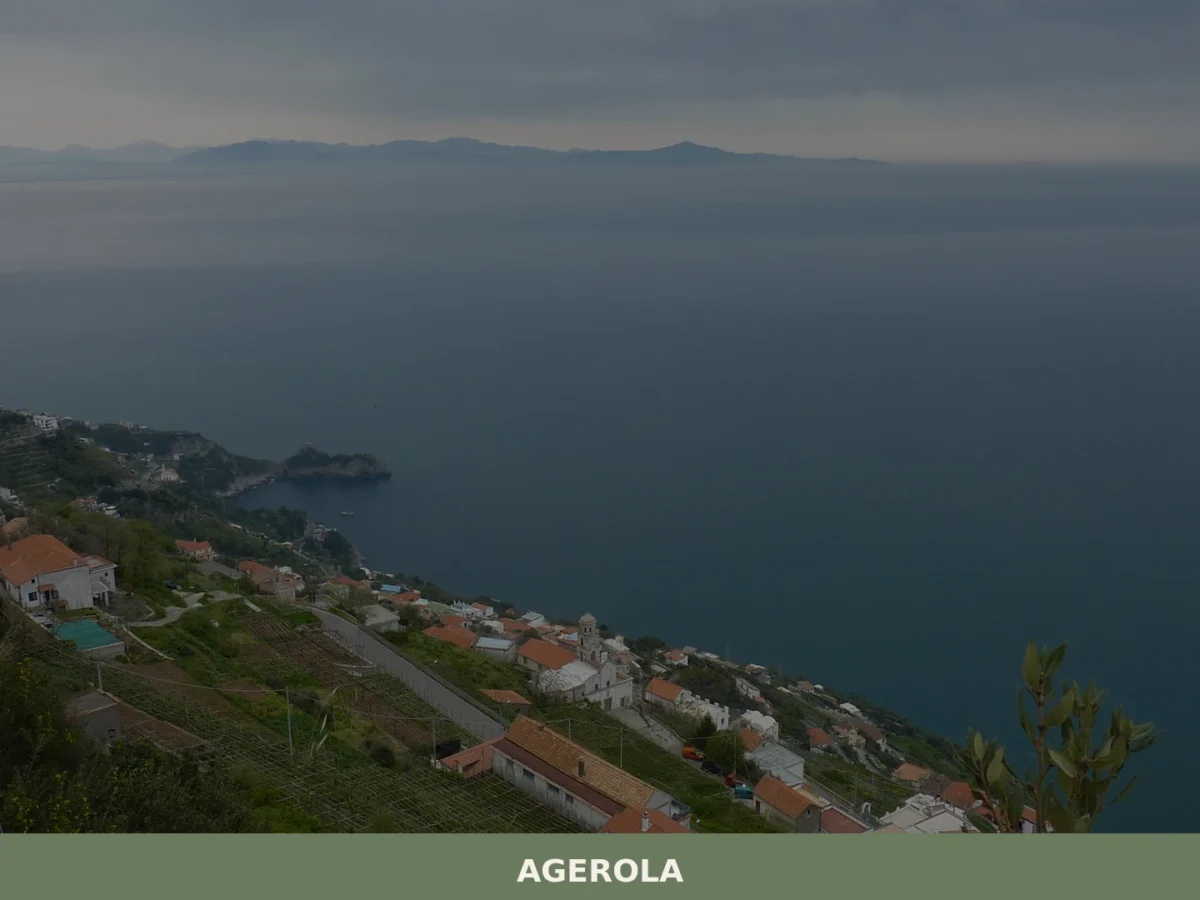
Agerola
 Mountain
Discover what to see in Agerola, a mountain comune above the Amalfi Coast: hamlets, hiking trails, DOP cheeses and practical travel tips.
Conca della Campania
 Hills
Hills
At 420 metres above sea level, on the hilly ridge separating the Volturno valley from the Lazio side, Conca della Campania today has 1,154 inhabitants spread between the main settlement and the hamlets scattered along the ridgelines. The municipal territory falls within the province of Caserta, on the border with Molise and Lazio, a frontier […]
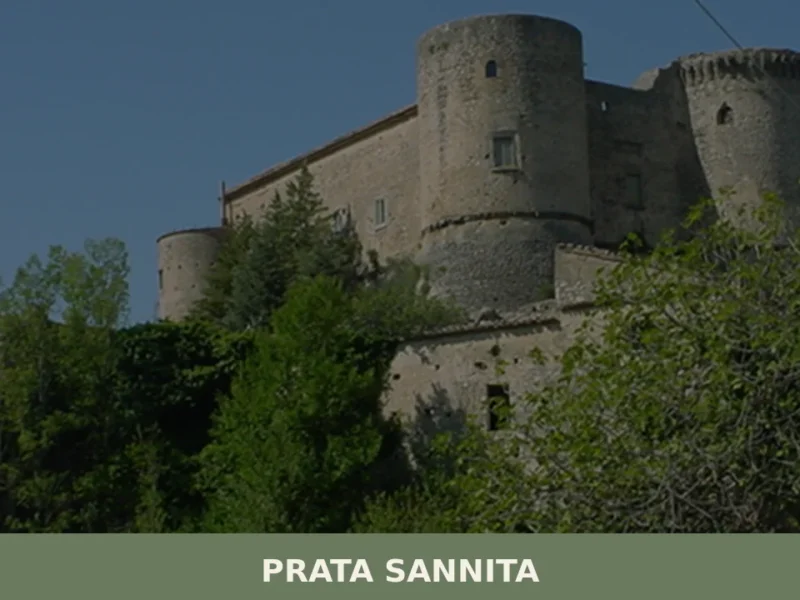
Prata Sannita
Hills
what to see in prata sannita, Italy: Explore this Campania comune at 333 meters altitude. Discover panoramic vistas and traditional village life.
San Potito Sannitico
Hills
Discover San Potito Sannitico, a hidden gem in Campania, Italy. Explore its rich history, stunning landscapes, local traditions, and authentic Italian charm.
Giano Vetusto
Hills
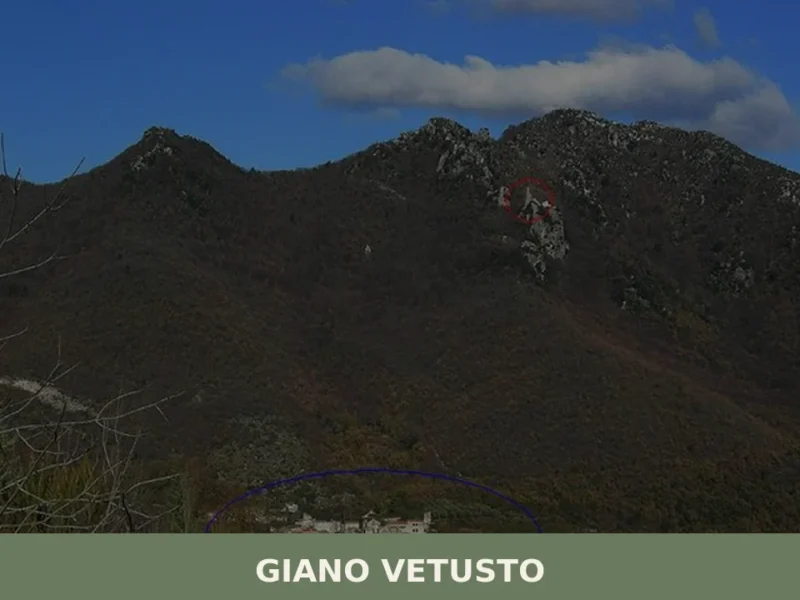
What to see in Giano Vetusto: Church of Sant'Antonio, historic centre, agricultural landscape, local cuisine and how to reach this hillside village near Caserta.
Afragola
Plains
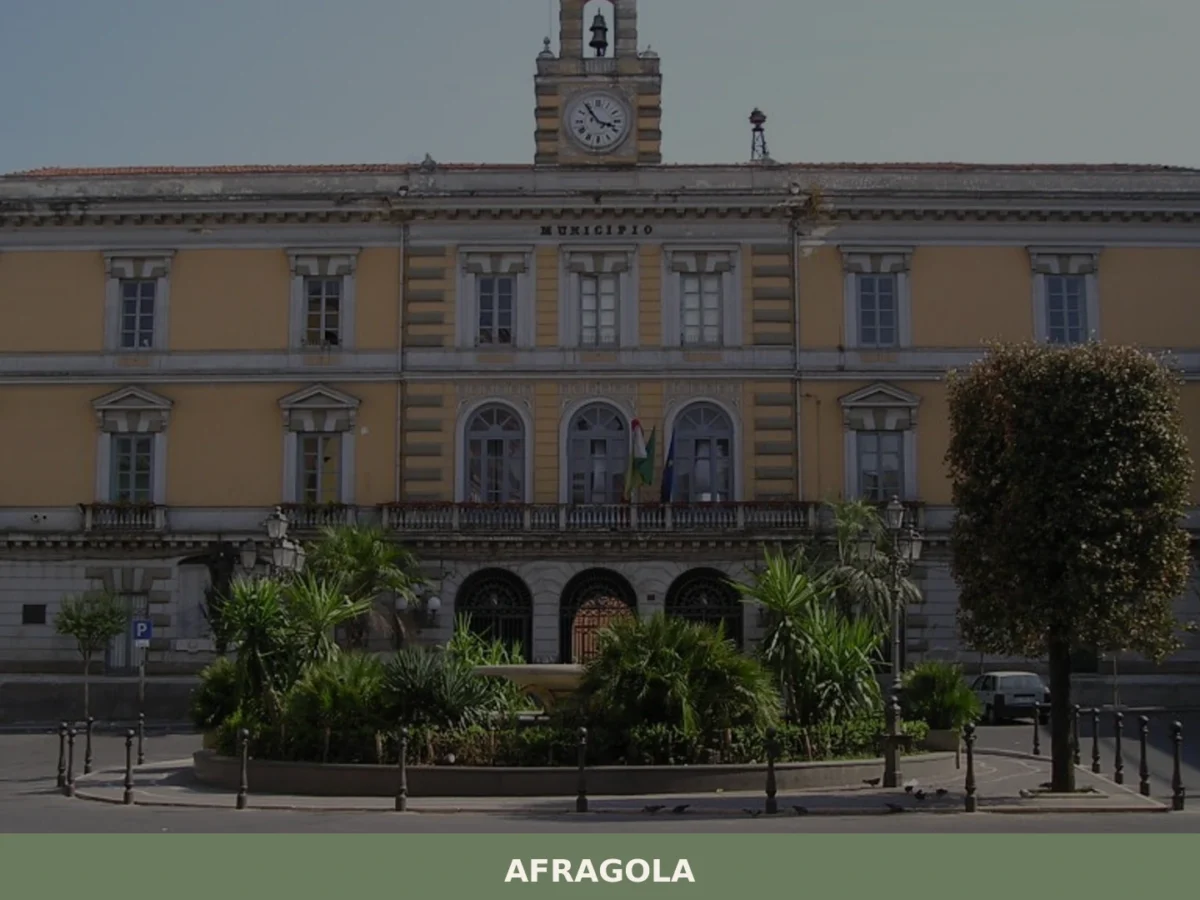
Discover what to see in Afragola, Campania: Zaha Hadid's station, Baroque churches, local food, and practical travel tips for this Naples hinterland town.
Napoli
Sea
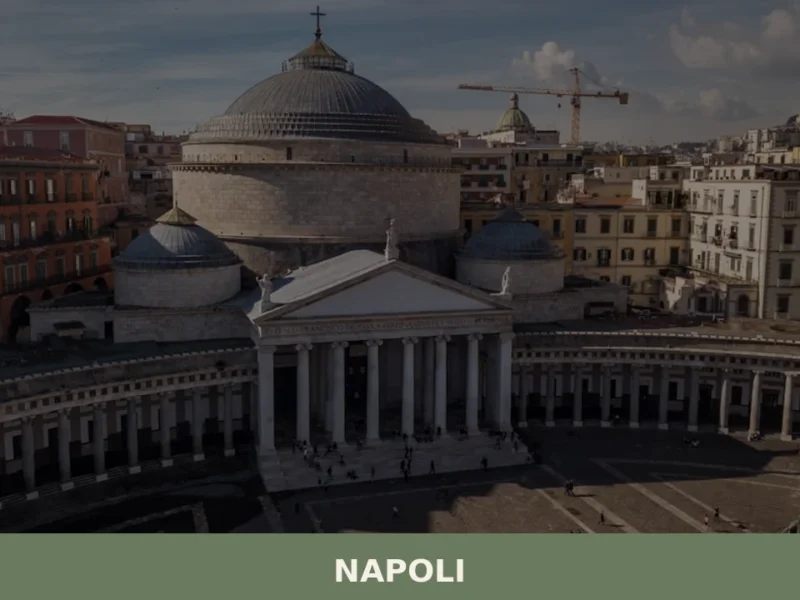
What to see in Napoli: 959,052 residents, UNESCO historic centre and Teatro San Carlo (1737). Discover the National Archaeological Museum, Neapolitan pizza and the 19 September San Gennaro feast.
Castel Campagnano
Plains
Standing at fifty-eight metres above sea level along the left bank of the Volturno, Castel Campagnano has a current population of 1,458, spread between the historic centre and the hamlets scattered across the alluvial plain. The municipality, in the province of Caserta, retains an urban layout that still follows the plan of the fortified medieval […]
Camigliano
Plains
Morning light flattens across the plain north of Caserta, and Camigliano emerges low and unhurried — a grid of stone and plaster houses, church bells marking the quarter-hour to no one in particular. With fewer than two thousand residents, this is a settlement shaped more by agriculture than spectacle. Yet for those asking what to […]






🏡 Know Castellammare di Stabia better than we do?
If you’re a local or have been there, your knowledge matters: add what’s missing or fix a detail on this page.