


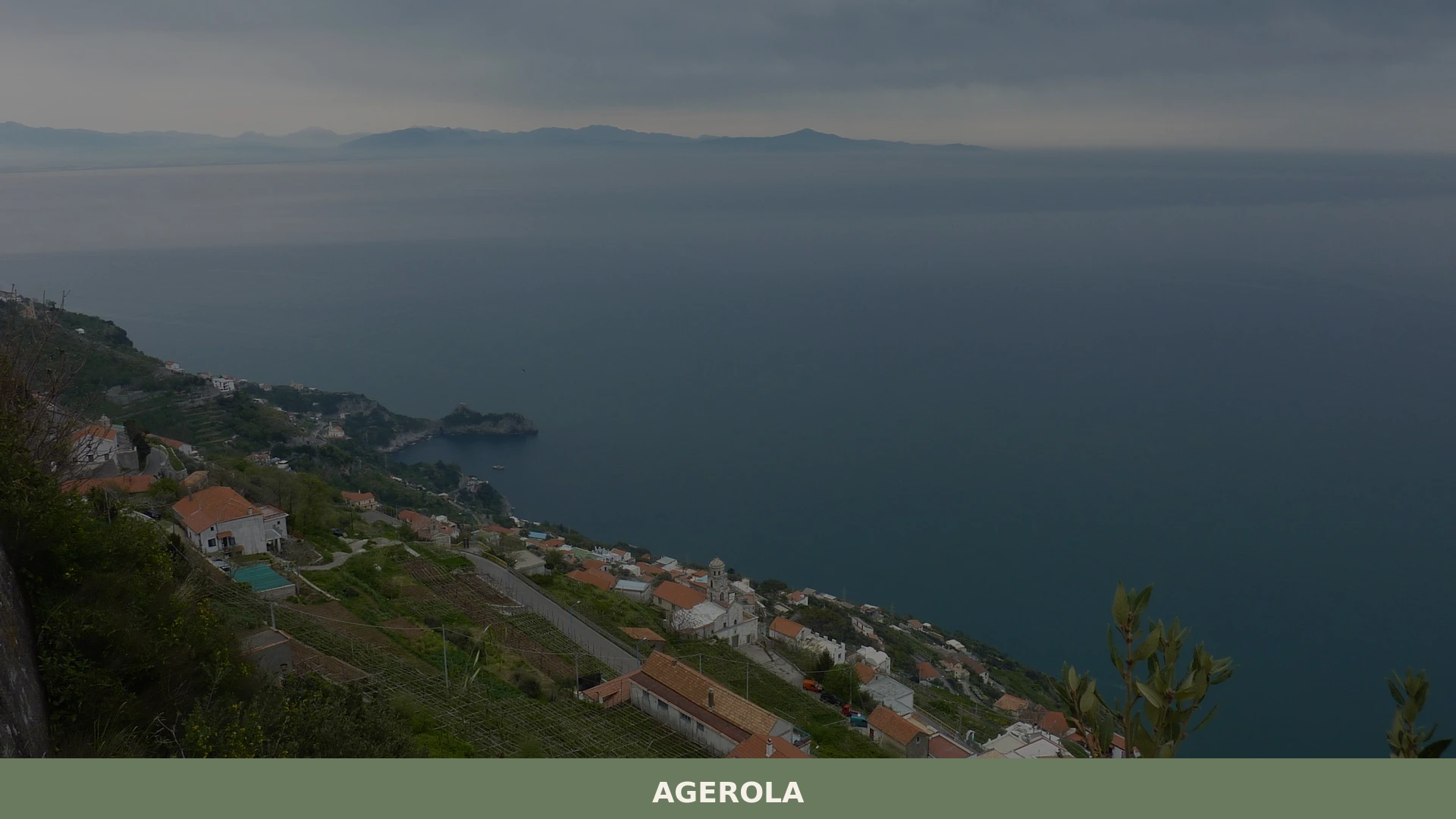
Agerola
 Mountain
Discover what to see in Agerola, a mountain comune above the Amalfi Coast: hamlets, hiking trails, DOP cheeses and practical travel tips.
Discover Agerola
Agerola is a scattered municipality of roughly 7,857 inhabitants in the Metropolitan City of Naples, organised across six distinct hamlets — San Lazzaro, Campora, Santa Maria, Pianillo, Ponte and Bomerano — with the municipal offices based in Pianillo. Sitting at altitude on the Lattari Mountains above the Amalfi Coast, it occupies a position that has made it strategically relevant since antiquity. For anyone asking what to see in Agerola, the answer is not a single monument but a constellation of small settlements, each with its own character, connected by roads that trace the contours of a limestone plateau shaped by pastoral farming and centuries of relative isolation.
History of Agerola
The origins of Agerola are closely linked to the late Roman period, when the Lattari Mountains provided refuge for coastal populations retreating from the instability that followed the collapse of imperial authority in the western Mediterranean. The place name itself is widely attributed to the Latin ager, meaning cultivated field or agricultural estate, pointing to the organised agrarian character of the settlement from its earliest documented phase. This etymology is reinforced by the productive plateau landscape, which differs markedly from the vertical cliffs of the coast below and was well suited to grazing and crop cultivation long before the medieval period.
During the medieval centuries, Agerola fell within the sphere of influence of the Duchy of Amalfi, one of the four ancient maritime republics of southern Italy, whose territory extended into the mountain interior as well as along the coast. This feudal connection linked the plateau economically and administratively to one of the most dynamic trading powers of the early medieval Mediterranean. Following the decline of Amalfi’s independence after Norman conquest in the twelfth century, the territory passed through various feudal hands typical of the Kingdom of Sicily and later the Kingdom of Naples, with the local economy continuing to revolve around livestock, cheese production and the cultivation of cereals and walnuts.
In the modern administrative period, Agerola was constituted as a single comune incorporating its six hamlets, a structure that reflects the genuinely dispersed nature of settlement on the plateau. The municipality’s identity has been defined in large part by its dairy farming tradition, particularly the production of fior di latte, a fresh cow’s milk mozzarella that the area has claimed as a local speciality for generations. This agricultural vocation set Agerola apart from the fishing and citrus-growing economies of the coastal towns directly below, and it continues to distinguish the area’s food culture today.
What to see in Agerola: 5 must-visit attractions
The Hamlet of Bomerano and the Path of the Gods Trailhead
Bomerano is the departure point for the Sentiero degli Dei, the celebrated long-distance footpath that traverses the Lattari ridge above the Amalfi Coast. The trail begins at the edge of the village and follows a limestone path first used by local farmers and muleteers, offering direct views down to Positano across a vertical drop of several hundred metres.
Pianillo and the Municipal Centre
Pianillo serves as the administrative seat of Agerola and functions as the civic hub of this scattered comune. The quarter retains the compact layout characteristic of upland southern Italian settlements, with public buildings grouped around a central piazza. It is the most practical orientation point for visitors arriving by road from the Amalfi Coast direction.
The Church of Santa Maria delle Grazie
Among the religious buildings distributed across Agerola’s six hamlets, the church dedicated to Santa Maria delle Grazie represents the area’s longstanding devotion to Marian worship, a tradition common throughout the Campanian interior. The structure, like many rural churches of the Lattari area, was built to serve a dispersed agricultural community across a wide plateau territory.
San Lazzaro Hamlet and Its Rural Fabric
San Lazzaro, one of the six constituent hamlets, retains a rural fabric of stone farmhouses and small agricultural outbuildings that documents the working landscape of upland Campanian farming. Its name connects to the widespread medieval tradition of dedicating peripheral settlements to Saint Lazarus, often associated with hospitals or leprosaria at the margins of inhabited areas.
The Lattari Mountains Natural Landscape and Belvedere Points
The Monti Lattari, of which Agerola’s plateau forms a central section, are protected as part of the Parco Regionale della Costiera Amalfitana. Several natural viewpoints along the plateau edge look directly south over the coast, providing oriented sightlines towards Capri and the Gulf of Salerno without requiring any technical hiking equipment.
Local food and typical products
The most significant food product associated with Agerola is fior di latte di Agerola, a fresh stretched-curd cheese made from whole cow’s milk. Unlike the buffalo-milk mozzarella produced in the plains of Caserta and Salerno, Agerola’s version draws on the dairy herds maintained on the Lattari plateau, where cattle have grazed on mountain pasture for centuries. The cheese is prized by Neapolitan pizzaioli, many of whom specify it by name as a topping of choice, and it can be found in small dairy operations across the municipality’s hamlets. Alongside fior di latte, local producers also make provolone del Monaco, a semi-hard aged cheese that holds DOP protected designation of origin status and is produced exclusively in the Monti Lattari area, including Agerola.
Beyond dairy, the upland diet of the area reflects the products of the plateau: walnuts, legumes and locally grown vegetables feature in home cooking, while the pork-based salumi traditions of inland Campania also have a presence here. Visitors who want to eat in the locality will find a limited but genuine offer of family-run restaurants and trattorias across the hamlets, with Bomerano and Pianillo being the most practical options for a sit-down meal, particularly around the midday hours when walkers return from the Sentiero degli Dei trail.
Best time to visit Agerola
The plateau’s altitude — significantly higher than the Amalfi Coast towns directly below — means the climate in Agerola differs from the coastal Mediterranean norm. Summers are warm but considerably cooler than Positano or Amalfi, making the months of June, July and August genuinely comfortable for walking, in contrast to the oppressive heat at sea level. Spring, particularly April and May, brings the clearest conditions for the Sentiero degli Dei, with the scrubland vegetation in flower and the risk of cloud cover lower than in winter. Autumn extends the viable walking season into October and sometimes November, when the coastal tourist pressure also diminishes sharply.
Winter on the plateau can bring cold temperatures and occasional snow at the higher elevations, which effectively closes some of the exposed hiking routes. The local calendar includes religious feast days tied to the patron saints of the individual hamlets, which represent the most direct way to observe community life outside the summer months. For those combining Agerola with a visit to the Amalfi Coast, arriving from the mountain side rather than ascending from the coast avoids the most congested sections of the SS163 coastal road during peak season.
How to get to Agerola
Agerola is accessible by road from two directions: from the Amalfi Coast via the SP2 provincial road that climbs from Amalfi town up to the plateau, and from the Naples side via Gragnano and the Lattari foothills. The nearest motorway connection is the A3 Napoli–Salerno autostrada, with the Castellammare di Stabia or Vietri sul Mare exits both serving as realistic entry points depending on the direction of travel. From Naples, the journey by car takes approximately one hour under normal traffic conditions; from Salerno, roughly forty minutes.
- By car from Naples: A3 motorway towards Salerno, exit Castellammare di Stabia, then follow signs for Gragnano and the Lattari Mountains — approximately 55–65 km.
- By car from Salerno: A3 motorway, exit Vietri sul Mare, then the coastal SS163 to Amalfi and the SP2 climb to Agerola — approximately 40–50 km.
- By public transport: SITA Sud operates bus services connecting Agerola with Amalfi and with Castellammare di Stabia, where Circumvesuviana train services link to Naples. Direct connections from Naples city centre require a combination of rail and bus.
- Nearest airport: Naples Capodichino (NAP) — approximately 60 km, around 70–80 minutes by car depending on Naples city traffic.
There is no railway station in Agerola itself. Visitors relying on public transport should plan for the bus schedules carefully, as services to the plateau are less frequent than on the main coastal routes, particularly outside summer.
Where to stay in Agerola
Accommodation in Agerola is modest in scale and largely composed of small B&Bs, family-run guesthouses and agriturismi distributed across the hamlets. Bomerano tends to attract the largest share of walkers and hikers given its role as the trailhead for the Sentiero degli Dei, and it has a corresponding concentration of rooms-to-let and small hotels within walking distance of the path entrance. Pianillo, as the administrative centre, offers a slightly more practical base for those wanting access to local services. Holiday apartments and self-catering options have grown with the increase in hiking tourism over recent years.
Because the municipality is geographically dispersed, the choice of hamlet matters: staying in Bomerano means immediate access to the main trail but fewer dining options in the evening; staying in Pianillo or Santa Maria gives a broader range of village services. Booking in advance is strongly advisable for the period between late April and early October, when demand from Italian and international walkers keeps occupancy high in the limited available stock. Outside that window, last-minute availability is more realistic.
More villages to discover in Campania
Campania’s interior holds a range of upland villages that share Agerola’s agricultural character but occupy entirely different landscapes. Valle Agricola, in the Matese mountain area north of Naples, sits within a high valley where the pastoral economy has defined settlement patterns since the medieval period, offering a contrast to the Lattari plateau’s maritime orientation. Further into the Caserta hinterland, Liberi represents the smaller-scale, more isolated end of Campanian village life, with a rural fabric that has remained largely unchanged in its layout for generations.
For those interested in the strategic and historical dimension of the region’s upland settlements, Presenzano occupies a ridge position in northern Campania with documented connections to the Roman road network, while Conca della Campania sits in a basin landscape near the Lazio border, illustrating how geography has consistently determined the organisation of rural life across the region’s diverse terrain.
Frequently asked questions about Agerola
What is the best time to visit Agerola?
The best time to visit Agerola for outdoor activities, especially hiking the Sentiero degli Dei, is during spring (April-May) for clear conditions and blooming vegetation, or autumn (October-November) when coastal crowds diminish. Summers (June-August) are also pleasant, offering cooler temperatures than the coast, ideal for comfortable walks. While winter can bring cold and snow, the local calendar features events like the feast day of Sant'Antonio Abate on January 17th, offering a glimpse into community life.
What to see in Agerola? Main monuments and landmarks
Agerola offers a constellation of attractions spread across its six hamlets. Key points include Bomerano, serving as the renowned trailhead for the Sentiero degli Dei, offering breathtaking coastal views. Pianillo hosts the municipal centre and represents the civic hub. The Church of Santa Maria delle Grazie, a significant rural church, showcases the area's Marian devotion. San Lazzaro hamlet preserves traditional stone farmhouses, reflecting Agerola's agricultural heritage. Additionally, numerous belvedere points within the Lattari Mountains Natural Landscape provide panoramic vistas over the Amalfi Coast and towards Capri.
What are the main natural or scenic attractions of Agerola?
Agerola is nestled within the Parco Regionale della Costiera Amalfitana, offering stunning natural landscapes. Its primary natural attraction is the Sentiero degli Dei (Path of the Gods), a world-famous hiking trail starting from Bomerano, providing unparalleled views of the Amalfi Coast and Positano. The Lattari Mountains also feature numerous accessible belvedere points along the plateau's edge, offering panoramic sightlines towards Capri and the Gulf of Salerno without requiring technical hiking equipment.
Where to take the best photos in Agerola?
For truly spectacular photos, head to the Sentiero degli Dei trailhead in Bomerano, where the path immediately opens to dramatic vistas of Positano and the coastline below. The various belvedere points scattered along the edge of the Agerola plateau within the Lattari Mountains Natural Landscape offer incredible panoramic opportunities, with clear views extending towards Capri and across the Gulf of Salerno, especially during spring and autumn.
Are there museums, churches or historic buildings to visit in Agerola?
Yes, Agerola features the Church of Santa Maria delle Grazie, an important religious building reflecting the area's deep Marian devotion and serving its dispersed agricultural community. While there are no major museums, visitors can explore the historic rural fabric of hamlets like San Lazzaro, with its traditional stone farmhouses and agricultural outbuildings, which offer insight into centuries of upland Campanian farming life. Pianillo, as the administrative center, also presents a compact layout typical of historic mountain settlements.
What can you do in Agerola? Activities and experiences
Agerola is primarily a destination for outdoor enthusiasts, with hiking being the main activity, particularly along the world-famous Sentiero degli Dei. Visitors can also explore the various hamlets, enjoying scenic walks and discovering the unique rural architecture. Food and wine experiences are centered around tasting local specialties like fior di latte and Provolone del Monaco DOP in family-run trattorias. Additionally, experiencing local religious feast days, such as Sant'Antonio Abate on January 17th, offers a genuine insight into Agerolese community life.
Who is Agerola suitable for? Families, couples, hikers, solo travelers?
Agerola is ideally suited for hikers, nature lovers, and anyone seeking an authentic, tranquil retreat away from the bustling Amalfi Coast. Its cooler mountain climate in summer makes it perfect for comfortable walking, appealing to active couples, solo travelers, and families with older children who enjoy outdoor activities and scenic beauty. It's also a great choice for food enthusiasts interested in local dairy products and genuine Campanian cuisine, offering a more rustic and less touristy experience.
What to eat in Agerola? Local products and specialties
Agerola is renowned for its exceptional dairy products, particularly the 'fior di latte di Agerola,' a fresh cow's milk mozzarella highly prized by Neapolitan pizzaioli. Another must-try is 'Provolone del Monaco DOP,' a semi-hard aged cheese exclusive to the Monti Lattari area. Beyond cheese, the local diet features products of the plateau, including walnuts, legumes, and various locally grown vegetables. Visitors can also sample traditional pork-based salumi, reflecting the inland Campanian culinary heritage, found in local family-run restaurants and trattorias.
📷 Photo Gallery — Agerola
Nearby Villages near Agerola
In Campania More villages to discover
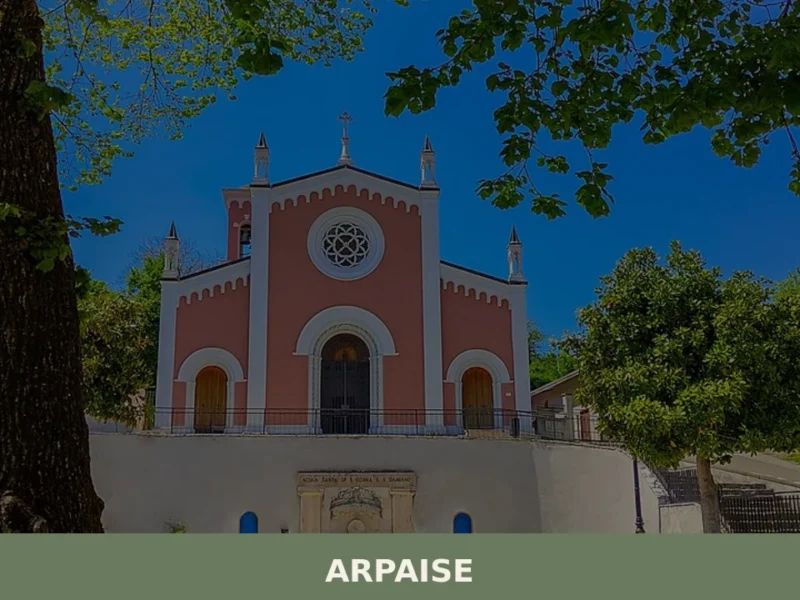
Arpaise
 Hills
Hills
What to see in Arpaise, Italy: Discover this village of 735 inhabitants at 410 m (1,345 ft) altitude. Explore the Parish Church of San Rocco and panoramic views. Read our guide.

Altavilla Irpina
Mountain
Discover Altavilla Irpina, a hilltop village in Avellino province with medieval churches, ancient stone architecture, and authentic Irpinian food traditions.
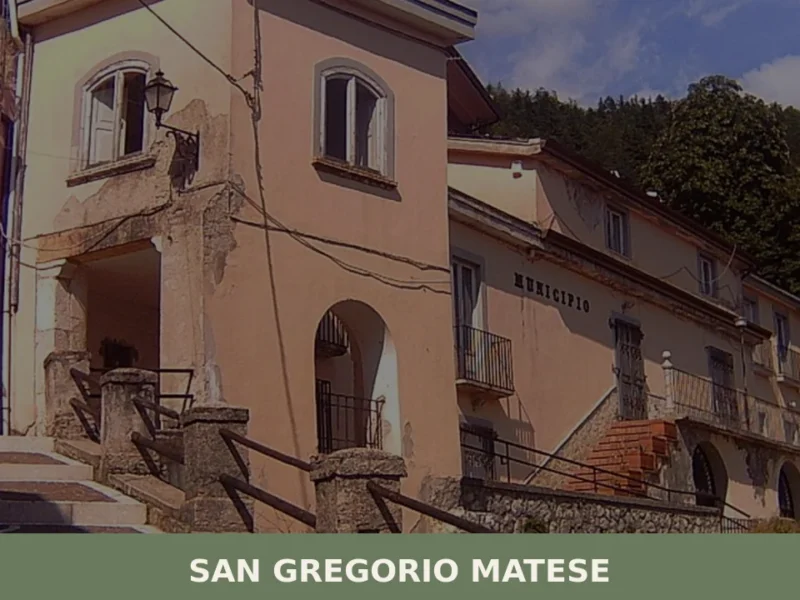
San Gregorio Matese
Mountain
What to see in San Gregorio Matese, Italy: Explore this mountain village at 765 m altitude. Discover its historic core and annual patron saint feast. Read our guide.

Palma Campania
 Plains
16,356 residents and one of Campania's most distinctive carnivals: Palma Campania draws visitors with its Roman heritage and the living spectacle of the Quadriglie.

Torre Annunziata
 Sea
Sea
Nearly 40,000 residents live above the UNESCO-listed ruins of ancient Oplontis. Torre Annunziata offers archaeology, industrial heritage and a black-sand shoreline on the Gulf of Naples.

Castellammare di Stabia
Sea
Castellammare di Stabia offers over 2,800 years of layered history, from buried Roman villas to Bourbon royal palaces, all framed by the Gulf of Naples.
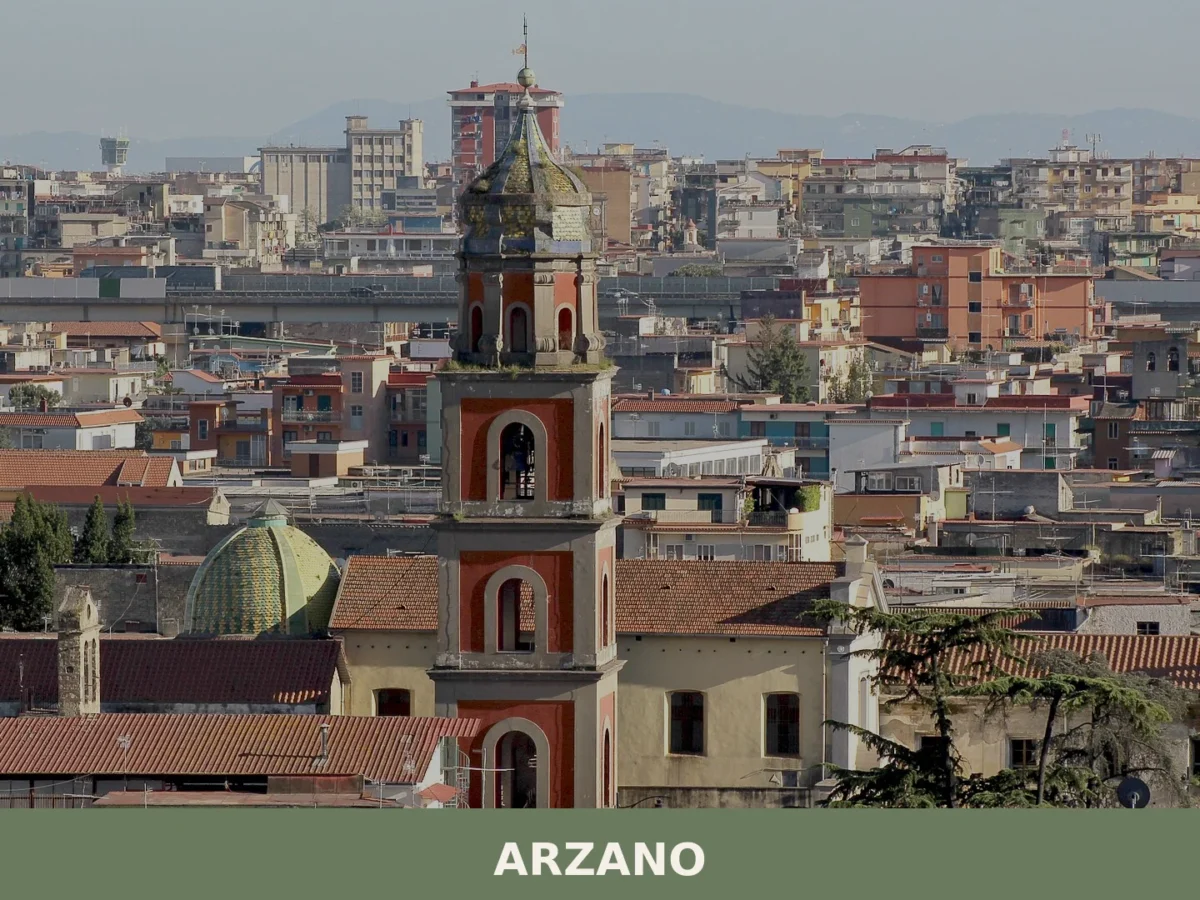
Arzano
Plains
Arzano is a municipality of around 31,800 inhabitants on the central Campanian plain, a few kilometres north of Naples, with documented origins stretching back to 937 AD.
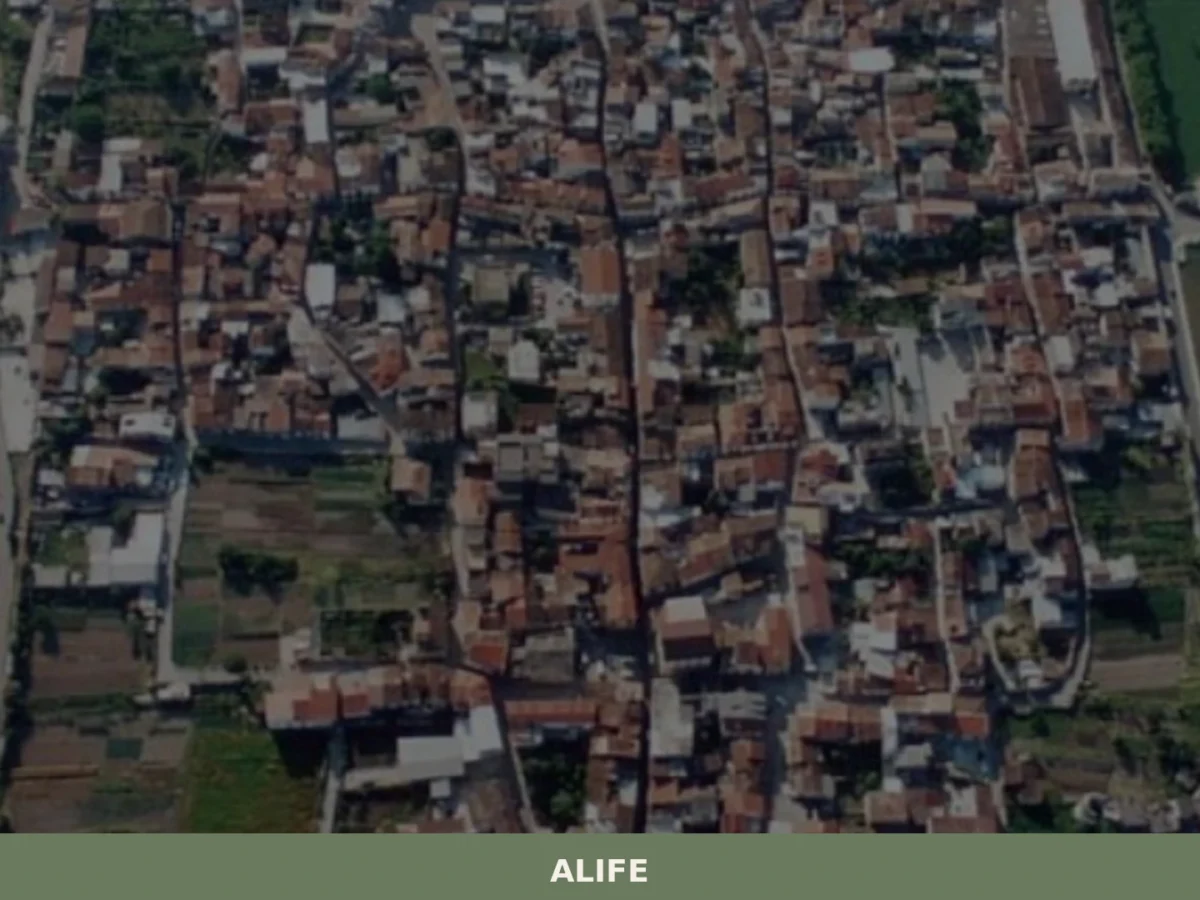
Alife
Plains
What to see in Alife, Italy: Discover at 110 m altitude the Roman Amphitheatre and the Cathedral of Alife. Explore Campania's rich history!
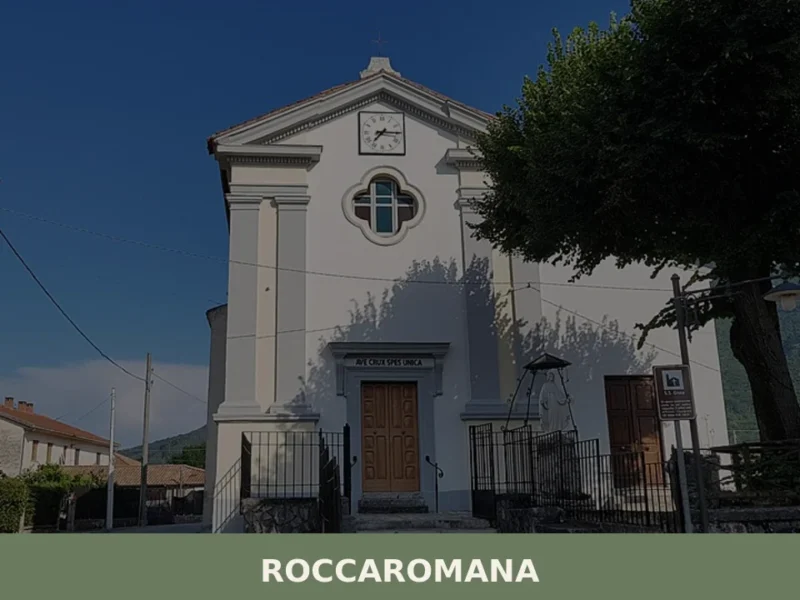
Roccaromana
Plains
What to see in Roccaromana, Italy: Explore its 180m altitude, discover historic churches and enjoy San Cataldo feast. Learn more about visiting this quaint village.
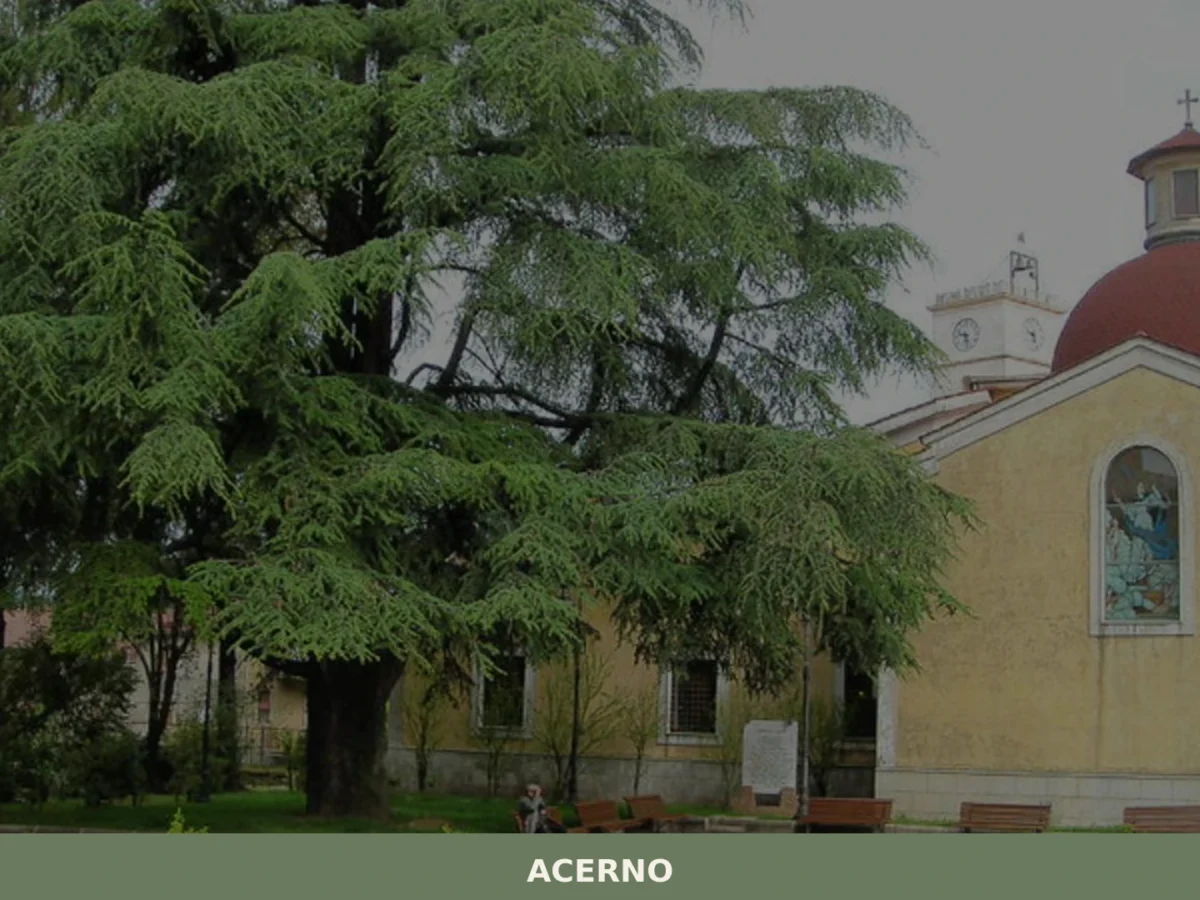
Acerno
Mountain
Discover what to see in Acerno, a 2,419-person village in Salerno's Picentini Mountains: medieval cathedral, chestnut forests, and a nine-century diocesan history.




🏡 Know Agerola better than we do?
If you’re a local or have been there, your knowledge matters: add what’s missing or fix a detail on this page.