


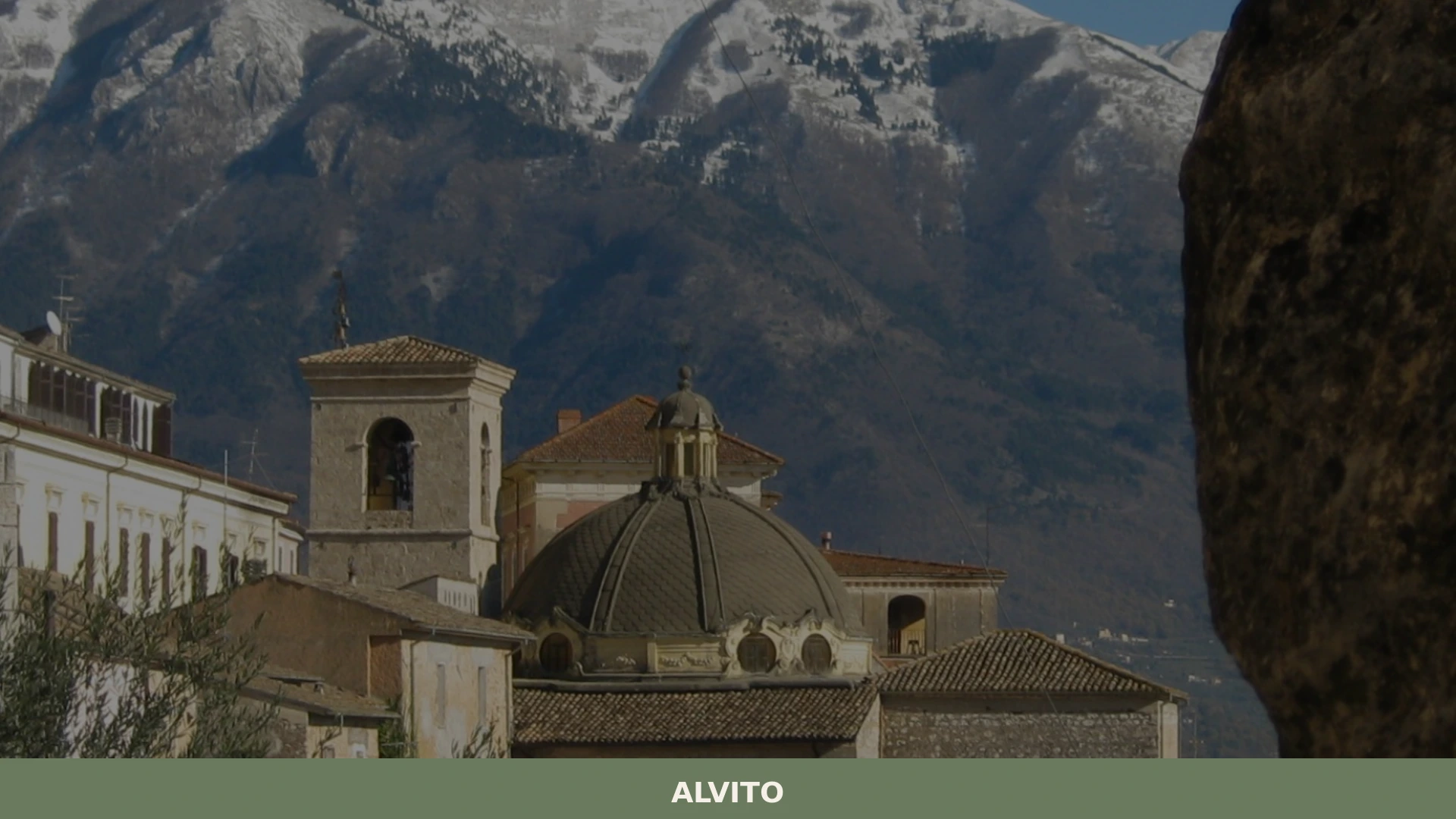
Alvito
 Mountain
What to see in Alvito: discover the 5 top attractions in this Lazio village, from the castle to the Cathedral. Plan your visit with this complete guide.
Discover Alvito
Three separate clusters of buildings rise inside a belt of town walls that still stand at intervals along the hillside: il Castello, the fortress quarter; il Peschio; and La Valle, the lowest and most inhabited of the three. The Palazzo Ducale anchors the main road through La Valle, its Renaissance facade marking the axis around which the rest of the settlement organises itself.
A Gothic gate opens onto a stairway that climbs toward a deconsecrated monastery, and a Romanesque bell tower punctuates the skyline above the parish church of San Simeone.
Deciding what to see in Alvito is made easier by the compact layout of the village, where the principal monuments stand within a short walk of one another.
Alvito, Lazio, Italy sits at the edge of the territory included in the Abruzzo, Lazio and Molise National Park, one of the oldest protected areas on the Italian peninsula. Visitors to Alvito find a Ducal Palace built in the late sixteenth and early seventeenth centuries, a parish church with an eighteenth-century interior, and a former Franciscan monastery that survived the 1915 earthquake and was restored in 1934.
The province of Frosinone places Alvito roughly 130 km (81 mi) south-east of Rome, making it feasible as a day trip from the capital.
History of Alvito
The earliest recorded name for the settlement was Albetum, a Latin toponym whose form suggests a connection to the Latin word for white or to a species of tree. Alvito passed through the hands of the Counts of Aquino before becoming a possession of the Cantelmo family, a noble house that exercised considerable influence across the borderlands between the Papal States and the Kingdom of Naples. This geographic position on a contested boundary shaped the political history of the town across several centuries, as rival powers pressed claims over the Apennine corridor running between central and southern Italy.
In 1454 a Duchy was formally created at Alvito, placing the town within the administrative and military framework of the Kingdom of Naples, which would later become the Kingdom of the Two Sicilies.
When Alfonso V of Aragon launched his conquest of the region, Alvito and the nearby town of Sora held out in loyalty to the Angevine line.
Only in 1496 did Aragonese forces finally take control of Alvito, ending a resistance that had lasted through decades of dynastic conflict. The Cantelmo connection placed Alvito alongside communities like Colfelice, another settlement in the Frosinone province that experienced comparable pressures from the shifting power dynamics of late medieval southern Lazio.
After the Aragonese period, Alvito passed into the possession of the Gallio family. Tolomeo Gallio was the figure responsible for commissioning the Palazzo Ducale, which he had built in Renaissance style during the late sixteenth and early seventeenth centuries. The Gallio ownership gave the palace its alternative name, Palazzo Gallio, by which it is still sometimes referred to today.
Alvito also produced figures of national consequence: Mario Equicola, born here, became a significant Renaissance humanist; Erminio Sipari, another native, founded and served as the first president of the Parco Nazionale d’Abruzzo, a role that directly shaped conservation policy across the region; and Antonio Fazio, former chairman of the Bank of Italy, was also born in Alvito.
What to see in Alvito, Lazio: top attractions
Palazzo Ducale (Palazzo Gallio)
The palace stands on the main road of the La Valle suburb and forms the central point around which the inhabited nucleus of present-day Alvito is organised.
Tolomeo Gallio commissioned the structure in Renaissance style across the late sixteenth and early seventeenth centuries, giving it the dual name — Palazzo Ducale and Palazzo Gallio — that the building carries to this day. The facade addresses the road directly, and the scale of the construction reflects the resources available to a family that held ducal title in this corner of the former Kingdom of Naples. Visitors approaching along the main road encounter the palace before most other monuments, making it the natural starting point for understanding what to see in Alvito.
Church of San Simeone
The main parish church of Alvito dates to the sixteenth century and occupies a position in the La Valle quarter near the Palazzo Sipari.
The bell tower follows Romanesque construction principles, while the interior was refitted during the eighteenth century, creating a contrast between an older structural shell and a later decorative programme. From inside the church, a Gothic gate gives access to a stairway that leads uphill to the deconsecrated monastery of San Nicolas. The combination of Romanesque exterior detailing, Gothic transition gate, and baroque interior elements in a single compact complex makes San Simeone an instructive site for reading the layered building history of Alvito across four centuries of construction and adaptation.
Monastery of San Nicolas
The former Franciscan monastery of San Nicolas stands above San Simeone, reached by the stairway that passes through the Gothic gate.
The 1915 earthquake caused severe damage to the structure, enough that contemporaries described it as nearly destroyed. Restoration work carried out in 1934 brought the building back to a usable condition, and the intervention preserved two specific interior elements of considerable quality: the chorus and the inlaid cupboards of the eighteenth century, both ordered by Pope Clement XIV.
The papal commission gives the surviving furnishings a documented provenance that connects this small monastic interior to one of the most significant patrons of eighteenth-century Italian ecclesiastical art. The monastery is now deconsecrated, and its current access conditions are worth checking locally before planning a visit.
Church of Santa Teresa
A short uphill road branching off the main route through La Valle leads to the Church of Santa Teresa, a baroque structure distinguished by a high portal that frames the entrance with vertical emphasis characteristic of the style. The church sits slightly apart from the cluster of civic and religious buildings on the main road, and the short climb required to reach it gives a clearer view of the relationship between the three urban nuclei — il Castello, il Peschio, and La Valle — that together form the spatial structure of Alvito.
The baroque portal is the most visually distinctive exterior element in the upper part of the village and provides a direct contrast to the Romanesque bell tower of San Simeone visible from lower down.
The Town Walls and Urban Nuclei
The town walls that once enclosed all three districts of Alvito survive in sections, well preserved at certain points along the perimeter.
The three nuclei — il Castello, the fortress quarter occupying the highest ground; il Peschio; and La Valle, the lowest residential area — follow the natural topography of the hillside and reflect a pattern of settlement common to defensive towns established on the boundary between the Papal States and the Kingdom of Naples. Walking between the nuclei, particularly from La Valle upward toward il Castello, involves significant changes in elevation and gives a clear impression of the defensive logic that governed the layout.
The preserved wall sections are distributed along this route and remain the most immediate evidence of Alvito’s medieval and early modern construction history.
Local food and typical products of Alvito
The Frosinone province sits in the Lazio region’s southern interior, a zone where the cooking traditions of Lazio overlap with those of Campania and Abruzzo along a corridor shaped by the Apennine mountains and the valleys that descend toward the Tyrrhenian and Adriatic coasts. Alvito’s position within the territory of the means that the local food culture draws on mountain products: foraged ingredients, cured meats from locally raised pigs, pasta made from hard wheat, and sheep’s milk cheeses produced at altitude. The elevation and the limited agricultural plain have historically oriented the local economy toward livestock and small-scale cultivation rather than intensive farming.
The cuisine of the Frosinone area relies on a few key preparations that appear across the towns of the Comino valley, in which Alvito stands.
Pasta e fagioli, a thick soup of pasta and dried beans cooked with pork fat and rosemary, is a staple of the colder months and is made without the use of tomato in some local variants, following a pre-Columbian formula.
Polenta with pork sausage and local sheep’s milk cheese, cooked over a wood fire and served directly from a copper pot, represents the mountain variant of a dish common across the central Apennines. Lamb preparations, particularly slow-braised cuts with wild herbs gathered from the park territory, appear on menus in the restaurants serving the Comino valley throughout the spring season when the animals come down from higher pastures.
The cheeses of the broader Frosinone area include sheep’s milk varieties aged for periods ranging from thirty days to several months, with the longer-aged formats developing a firm, granular texture suited to grating over pasta. Cured pork products — in particular guanciale, the cured pork cheek central to several Roman and Lazio pasta sauces — are produced in small batches by local producers across the Comino valley.
No certified DOP or IGP product is specifically documented for Alvito in the available sources, but the town participates in the broader agricultural and pastoral traditions of the province, and locally produced items are available through the weekly market and direct-sale points in the surrounding area.
Visitors looking to buy local products directly are best served by arriving in the village during the morning hours, when small food shops along the main road of La Valle are open.
The autumn months, from October through November, coincide with the chestnut harvest in the surrounding hills and with the production of new-season olive oil in the lower-elevation areas of the Frosinone province, making this period practical for purchasing seasonal goods.
Festivals, events and traditions of Alvito
The religious and civic calendar of Alvito follows the patterns common to towns in the Frosinone province, where patron saint festivals anchor the summer and early autumn. The village’s connection to the national park territory and to the broader Comino valley means that local celebrations often include elements tied to the pastoral and agricultural cycle.
Processions through the three urban nuclei — passing through the Gothic gate, along the main road of La Valle, and up toward il Castello — are the standard form for religious commemorations, making use of the natural route that connects the different levels of the settlement.
The historical significance of the Duchy of Alvito and the Gallio and Cantelmo families has, in various periods, provided a framework for commemorative events tied to the town’s medieval and early modern identity.
The Palazzo Ducale and the town walls serve as the physical backdrop for open-air events held during the summer months, when the mild climate at the elevation of the Comino valley makes evening gatherings practical. Specific festival dates and dedicated food fairs were not documented in the available sources at the time of writing, and visitors are advised to check with the local municipality or regional tourism offices for the current year’s calendar before planning a trip around a specific event.
When to visit Alvito, Italy and how to get there
The best time to visit Alvito falls between late April and early June, and again from September through October.
Spring brings mild temperatures and clear sight lines across the national park territory, while the autumn period combines comfortable walking conditions with the harvest activity that gives the local food market its fullest range. July and August see higher visitor numbers across the Frosinone province and the national park, and temperatures in the valley can reach 30°C (86°F) or above during afternoon hours. Winter months are cold and some local facilities operate reduced hours, but the absence of crowds makes the town walls and the monumental buildings easier to examine at close range.
Alvito sits approximately 130 km (81 mi) south-east of Rome, with a driving time of roughly 1 hour 45 minutes via the A1 motorway toward Naples, exiting at Ceprano and then following the SS82 toward the Comino valley. The Ceprano exit is the standard approach for drivers coming from Rome.
For those arriving by train, the nearest station on the main line is Ceprano, served by Trenitalia regional services from Roma Termini; from Ceprano, a local bus or taxi connection covers the remaining distance to Alvito.
The nearest major international airport is Rome Fiumicino (FCO), approximately 160 km (99 mi) from Alvito, from which a combination of train to Rome Termini and onward regional service reaches Ceprano in under two hours. Travellers arriving from Ariccia or other towns along the Castelli Romani route, such as Ariccia, can integrate a visit to Alvito into a broader southern Lazio itinerary by continuing south on the A1. International visitors should be aware that English is not widely spoken in smaller shops and at local food stalls; carrying cash in Euros is advisable, as card payment terminals are not available at all local businesses.
Visitors who wish to extend their time in the Frosinone interior can include a stop at Anticoli Corrado, a Lazio village with a comparably layered building history, or at Cantalupo in Sabina for those approaching from the northern Lazio corridor on their way back toward Rome. Both villages share with Alvito a pattern of medieval foundation and later Renaissance or baroque intervention that characterises the smaller towns of the Lazio interior.
Getting there
Piazza Guglielmo Marconi, 3041 Alvito (FR)
Nearby Villages near Alvito
In Lazio More villages to discover
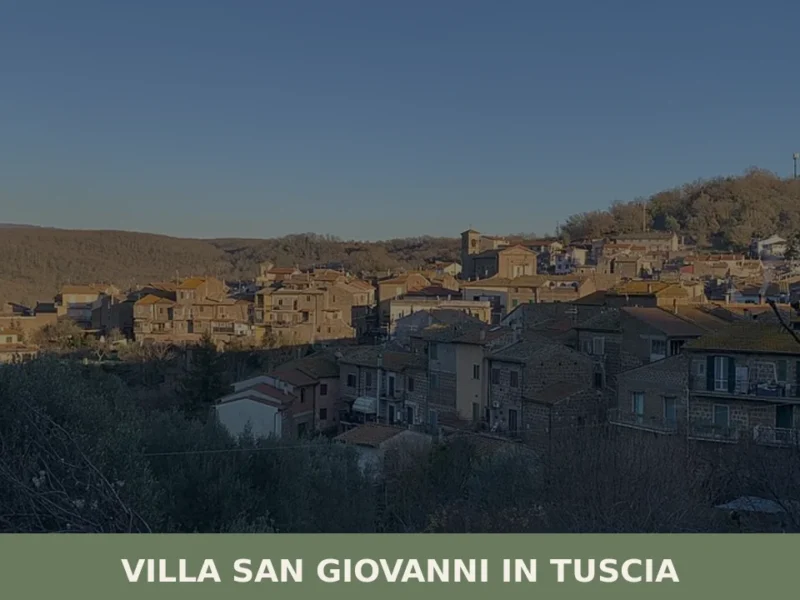
Villa San Giovanni in Tuscia
 Hills
Hills
Villa San Giovanni in Tuscia has 1,196 inhabitants spread across a hilly territory at 329 metres above sea level, in the province of Viterbo. The settlement preserves a compact layout dating back to the feudal reorganisation of the late Middle Ages, when the village was under the control of baronial families that ruled upper Lazio. […]
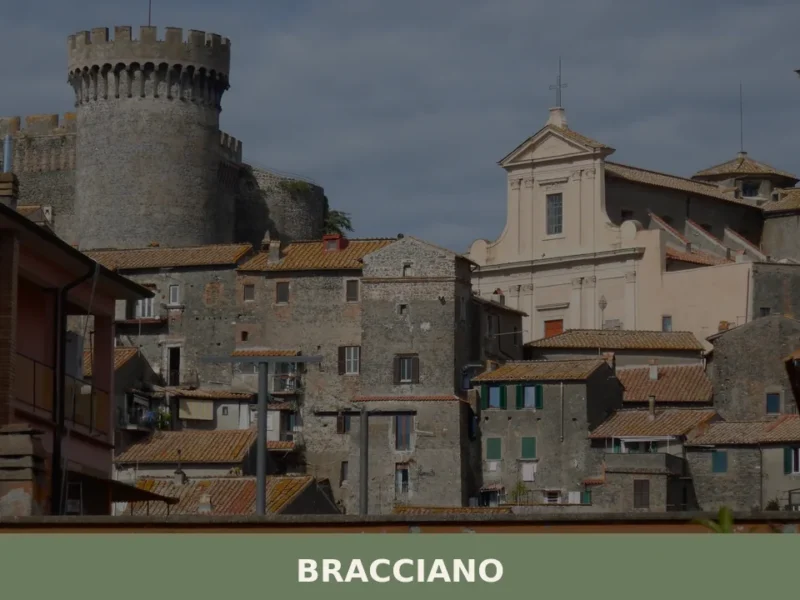
Bracciano
Hills
 Lake
Lake
What to see in Bracciano, Italy: Discover its medieval castle and volcanic lake. Located 30 km (19 mi) from Rome, explore this Lazio village for a memorable day trip.
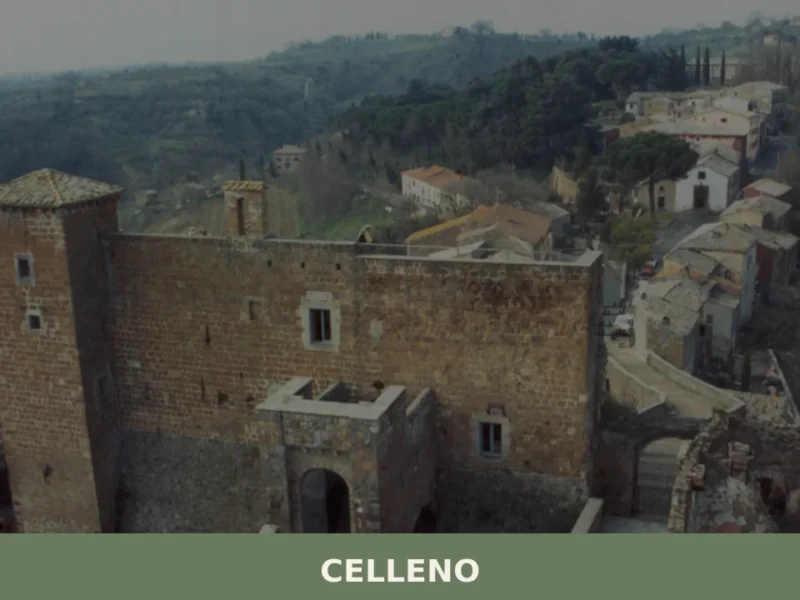
Celleno
Hills
what to see in celleno, Italy? Explore this Lazio village at 407 m altitude. Discover its WWII history and the feast of San Donato d'Arezzo. Read our guide.
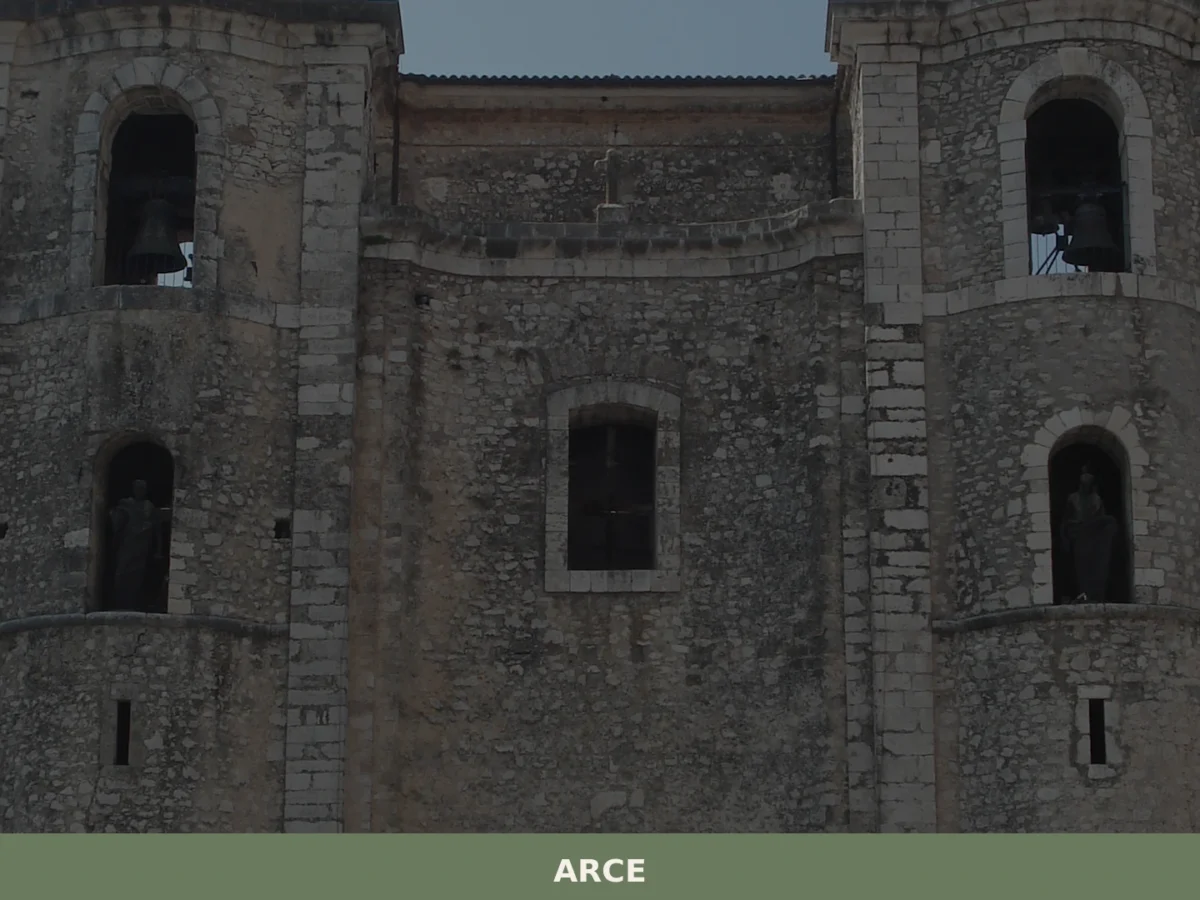
Arce
 Plains
What to see in Arce: discover the 5 unmissable aspects of this Lazio village. From medieval fortresses to scenic views, your complete guide. Plan your visit!
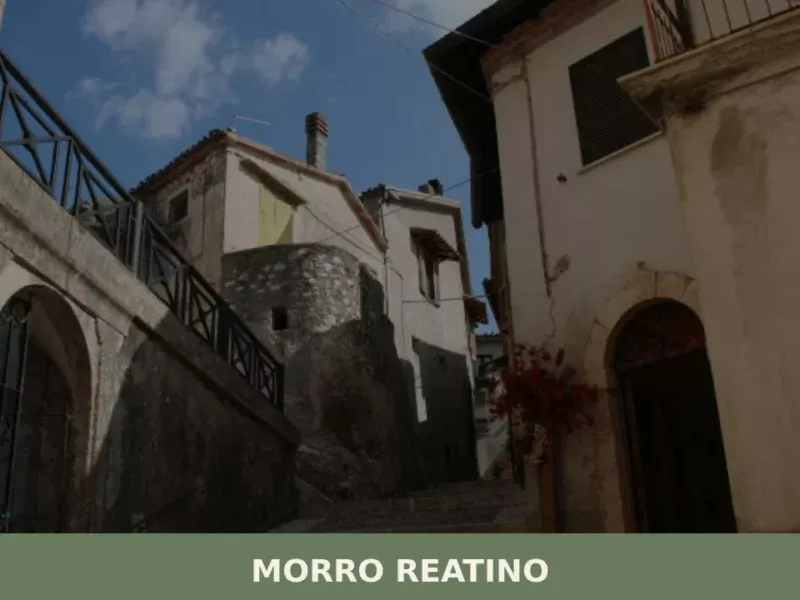
Morro Reatino
Mountain
What to see in Morro Reatino: a village at 750 m in Rieti with 353 residents. Visit the medieval church of San Lorenzo, the historic centre, and discover PAT-certified guanciale amatriciano.
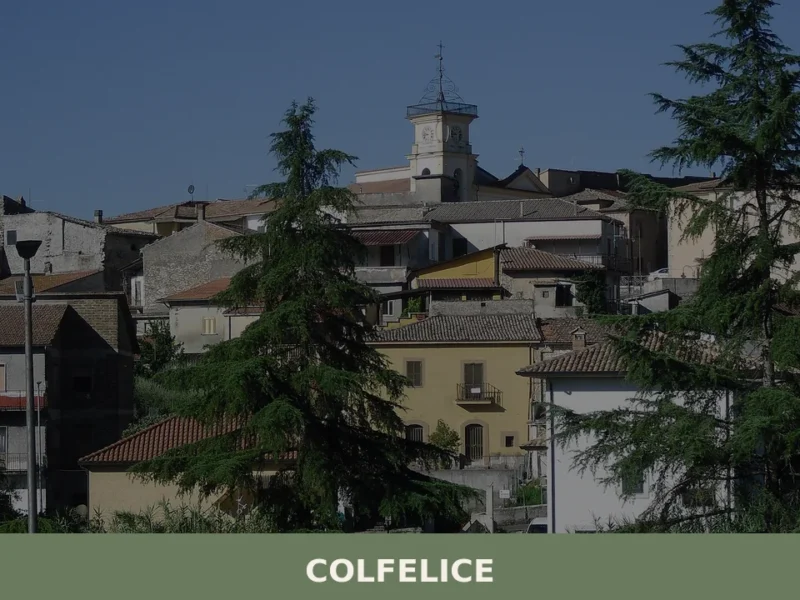
Colfelice
Plains
What to see in Colfelice, Lazio, Italy: 1,910 inhabitants, 158 m altitude, 100 km from Rome. Discover the feast of San Gaetano and the Liri Valley plain. Read more.
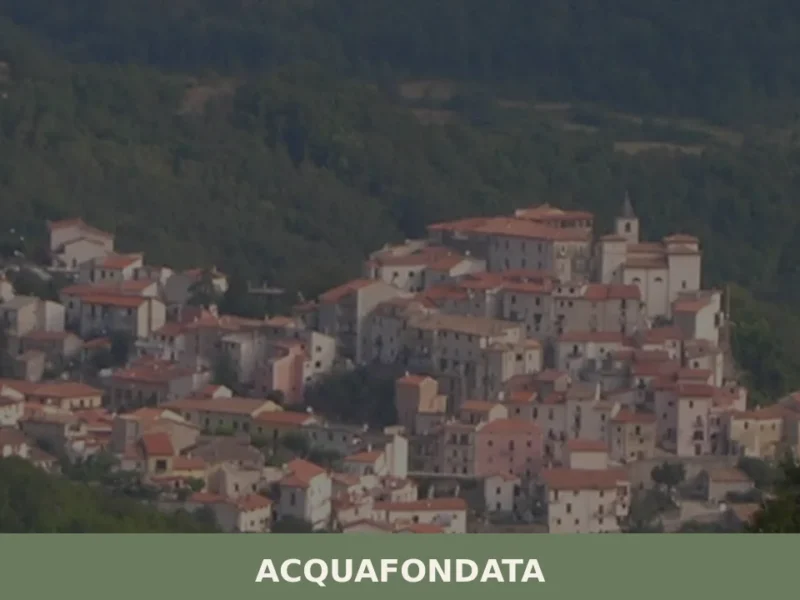
Acquafondata
Mountain
What to see in Acquafondata: discover 5 attractions in this Lazio village, from historic churches to views over the Aurunci Mountains. Plan your visit.
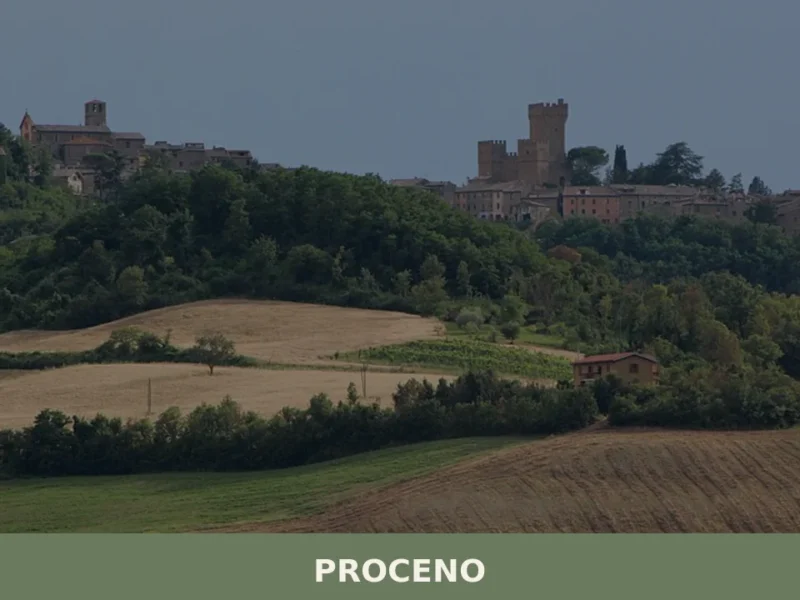
Proceno
Hills
A 418 meters above sea level, in northern Lazio, the village of Proceno developed around a Fortress documented as early as the 12th century. This architectural element, central to the settlement’s development, still defines the structure of the historic center today. With a population of 519 inhabitants, Proceno is part of the Viterbo Tuscia region, […]
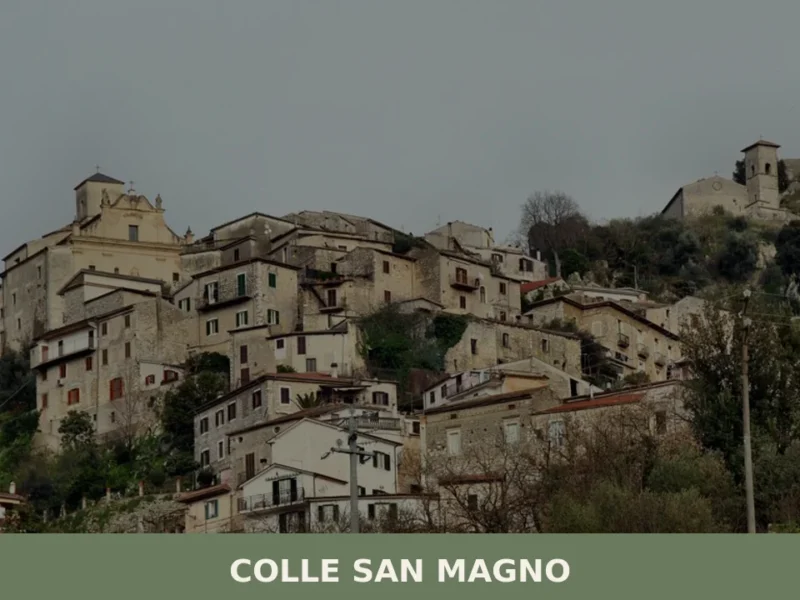
Colle San Magno
Hills
What to see in Colle San Magno, Lazio, Italy: discover a medieval castle, asphalt mines and a hilltop church at 540 m. Read the complete travel guide.
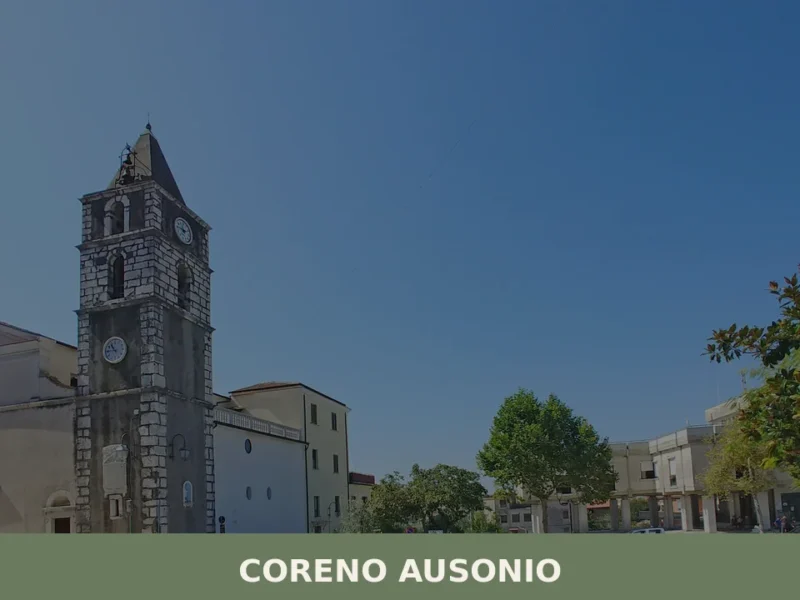
Coreno Ausonio
Hills
What to see in Coreno Ausonio, Italy: explore a village at 318 m with an 8th-century BC grotto, local festivals and hill scenery. Discover the complete guide.

🏡 Know Alvito better than we do?
If you’re a local or have been there, your knowledge matters: add what’s missing or fix a detail on this page.