


Loreggia
 Plains
Loreggia holds 7 Venetian villas and the site of Italy’s first rural credit cooperative, founded in 1883. A compact village with genuine historical depth.
Loreggia Veneto: History, Monuments and Travel Guide
A flat expanse of the Padano-Venetan plain stretches out in every direction, crossed by two branches of the Muson river and edged by rows of villas whose facades still carry the quiet confidence of the Venetian Republic. The countryside here does not dramatize itself. It simply accumulates centuries of civic and agricultural life in brick, stone, and slow-moving water.
Loreggia Veneto sits about 20 kilometers north of Padova, and two things will likely draw you here above all else: a remarkable set of historic Venetian villas scattered across the municipality, and the surprising story of a rural cooperative bank founded in 1883 that changed the economic landscape of an entire country. For visitors exploring the province of Padova, Loreggia offers a different kind of encounter — one built around local institutions, river landscapes, and a long memory of both hardship and innovation.
History and Origins of Loreggia
The written record of Loreggia reaches back to 972, when the village appears in a formal diploma issued by the Holy Roman Emperor Otto I. That single document places this small community firmly within the European political order of the early medieval period, centuries before many of its better-known neighbors in the Veneto received comparable recognition. During the twelfth through fourteenth centuries, Loreggia was a contested frontier between the rival powers of Padova and Treviso, each seeking to extend administrative and military control over this agriculturally productive stretch of plain. The village name itself, rendered as Ƚoreja in the local Venetian dialect, reflects the deep linguistic roots of a community shaped by centuries of vernacular culture alongside official Latin governance.
Before Venice absorbed Loreggia in the fifteenth century, the village governed itself through a figure known as the marigo or degan — a kind of elected community leader chosen by a council of elders who convened, most likely, in the parish church after Sunday Mass. This assembly collected local taxes, managed community disputes, and provided troops to the feudal lord when required. It was a form of micro-democracy rooted in necessity, and it gave Loreggia a degree of self-reliance that would resurface in its civic character centuries later. When Venice finally extended its dominion over the area in the 1400s, it brought a long period of relative stability, interrupted seriously only by the brutal conflict of the War of the League of Cambrai, which devastated much of the Venetian terraferma in the early sixteenth century.
The period following Italian unification proved far harder for Loreggia than the patriotic rhetoric of the Risorgimento had promised. New taxes imposed by Rome — on grain milling, salt, livestock, and mobile wealth — combined with a global collapse in agricultural commodity prices to make rural life increasingly desperate. Landowners and moneylenders exploited the situation freely. Illiteracy was widespread, housing conditions were poor, and sanitary infrastructure was minimal. Out of this difficult context, Loreggia produced one of its most significant contributions to Italian social history: in 1883, Leone Wollemborg and 32 associates founded a rural cooperative credit institution in the village, drawing inspiration from the German model developed by Friedrich Wilhelm Raiffeisen. The idea was direct — create a banking structure capable of extending loans and credit services to people who had no access to conventional financial institutions. Similar institutions spread rapidly afterward across the Veneto and into Tuscany, transforming the cooperative credit landscape of the entire country. The same decades also saw mass emigration: thousands of Loreggia’s residents left for distant destinations between the late nineteenth century and the first half of the twentieth, a painful dispersal that shaped the village’s demographic and social fabric for generations.
In 1463, the Rector of Padova Leonardo Contarini documented the existence of a small hospital in Loreggia dedicated to San Rocco — unique among villages of the Camposampiero area that were not district capitals — already equipped with eight beds serving lepers, pilgrims, and the sick poor.
What to See in Loreggia: Top Attractions
Parish Church of Loreggia
The main parish church rises in the center of the village as the most immediately visible expression of its communal religious identity. Built during the eighteenth century, it has served as the liturgical focal point of the community for over two hundred years and remains the site of the annual celebrations in honor of San Rocco, the patron saint whose name is also attached to the oldest hospital documented in the area. The building’s interior, typical of the devotional architecture of the Venetian plain, reflects the accumulated contributions of local families and the parish across generations. Visitors arriving on a weekday will generally find the church open during morning hours; the sagra held in August draws the largest crowds, when the square in front fills with stalls and music.
The Carpane Chapel
A few kilometers from the main village center, the small chapel known as the Chiesetta del Carpane carries one of the longest documented histories of any building in the municipality. It appears by name in a testament dated 1183, and by 1330 it had become a priory. A papal bull of 1501, issued by Pope Alexander VI, accompanied its reconstruction and endowment. Beside the chapel, which is dedicated to Sant’Antonio di Vienne and decorated with sixteenth-century frescoes, a modest hospice once provided shelter for pilgrims traveling the roads of the Venetian plain. By 1785 it had been recategorized as a rural chapel, though its symbolic importance to the surrounding locality remained considerable. The combination of medieval document trail, Renaissance frescoes, and pilgrim history makes this a genuinely layered site.
Parish Church of Loreggiola
The fraction of Loreggiola, located to the northwest of the main village, has its own parish church with a history that begins as a private oratory. The Gradenigo family established it in 1490 as a devotional space dedicated to Santa Maria Assunta, and it was formally consecrated as a church in 1574. In 1596, Giuliano Gradenigo assigned it substantial landholdings through his will, and the Franciscan friars of the nearby monastery of San Giovanni Evangelista in Camposampiero managed its liturgical life for a period. The current structure, dedicated to Santa Maria Immacolata, was built between 1925 and 1930 to a design by Antonio Beni, replacing the earlier building on the same site and preserving the same orientation. Two original altarpiece paintings from the earlier church have been retained inside.
The Venetian Villas
Loreggia holds an impressive concentration of Venetian villas distributed across its 19 square kilometers. The list includes Villa Polcastro Wollemborg from the sixteenth century, Villa Rana and Villa Soranzo from the seventeenth, Villa Arrigoni from the eighteenth, and several from the nineteenth century including Villa Ascoli Bonsembiante, Villa De Portis, and Villa Chinellato. These estates are the physical legacy of the Venetian noble and mercantile families who invested their capital in land and agriculture after the decline of maritime trade. Most are private properties today, but their exteriors are visible from the roads that cross the municipality. Visitors interested in the broader villa culture of the Veneto will find a useful comparative point here in relation to the great estates around Vicenza or the thermal landscape near Abano Terme.
The Hospital of San Rocco and the Cooperative Bank Site
Two institutions, one medieval and one modern, define the social history of Loreggia in concrete terms. The hospital dedicated to San Rocco, first documented in 1463, operated for centuries under the administration of successive local authorities — from the parish, to the Congregazione di Carità, to the municipality itself. Its eight original beds served lepers and pilgrims at the outset, then widened to cover all sick and indigent residents. Not far from this site, the legacy of the 1883 cooperative bank founded by Leone Wollemborg is commemorated locally. Wollemborg’s initiative addressed the same structural vulnerability the old hospital had tackled — the exposure of ordinary people to economic catastrophe without institutional support. Walking between these two sites gives a visitor a remarkably clear sense of how Loreggia consistently sought practical answers to social problems across six centuries.
Food and Local Products of Loreggia
Loreggia sits at the agricultural center of the Paduan plain, and its food culture reflects that position directly. The local table draws on the same broad tradition as the surrounding Veneto countryside: rice grown in the wetlands to the east, freshwater fish from the network of rivers and irrigation channels, and the polenta, beans, and cured meats that have anchored rural meals in this region for generations. The two branches of the Muson river that cross the municipality have long supported market gardening and small-scale mixed farming, contributing seasonal vegetables to a local diet that values simplicity and provenance over elaborate preparation. Visitors exploring the area in spring will find asparagus from nearby Badoere widely available, while autumn brings pumpkin and radicchio into most local kitchens.
The wine culture of the broader Paduan area reaches Loreggia through the Euganean and Berici hills to the south and west, and local restaurants and wine bars typically offer bottles from these nearby denominations alongside the more familiar labels of the Veneto. Prosecco from the Treviso hills, accessible from Loreggia in under an hour, also features regularly on local wine lists. For those interested in the artisan food economy, the network of farms and cooperatives in this part of the province produces dairy, salumi, and honey sold directly at farm gates or through weekend markets in the larger centers nearby, including Camposampiero. The cooperative tradition that Wollemborg helped launch in 1883 left a lasting imprint on how agricultural producers here think about collective organization, and that spirit is still visible in the structure of local agricultural associations.
The two annual festivals give the clearest window onto what Loreggia actually eats and celebrates together. The Sagra di San Rocco in the second week of August brings the village together around food stalls, dancing, and the traditional fair rides that are a fixture of Venetian summer festivals. In Loreggiola, the Sagra di Santa Croce e Fiera dei Fiori unfolds across the last days of April and the first days of May, culminating on the 1st of May with a flower market that has become a recognizable local event. Both festivals offer straightforward, unpretentious food — grilled meats, risotto, fried gnocco — alongside a social atmosphere that is genuinely local rather than staged for external consumption. If you are planning a visit to Loreggia and can align it with either of these dates, the experience will be substantially richer. The nearby villages of Agna and Treviso hold similar seasonal festivals worth combining into a longer itinerary.
When to Visit Loreggia Veneto and How to Get There
The best months to visit fall between April and October, with spring offering mild temperatures and the advantage of the Loreggiola flower festival in early May, and late summer bringing the San Rocco celebrations in August. Winter in the Paduan plain can be cold and foggy — the valley fog known in Italian as nebbia padana is a real atmospheric feature of this landscape from November through February — but even in those months the villas, the churches, and the quieter pace of the village make for a rewarding half-day visit if you are already in the province.
If you arrive by car, Loreggia is straightforward to reach via the SR 307, the regional road connecting Padova to the south and Resana to the north. From Resana, the SR 245 connects to Castelfranco Veneto. The SR 308, completed in 2011, provides a direct link between the eastern ring road of Padova and Castelfranco Veneto, making the approach from the motorway network smooth and efficient. Parking in the village center is generally available without difficulty outside festival weekends. For those without a car, a MOM bus line operates along the SR 307, connecting Loreggia directly to both Padova and Castelfranco Veneto, making public transport a practical option from either direction.
| Departure | Distance | Time by Car |
|---|---|---|
| Padova | approx. 20 km | 25–30 minutes |
| Castelfranco Veneto | approx. 15 km | 20 minutes |
| Treviso | approx. 35 km | 35–40 minutes |
| Venice (Mestre) | approx. 50 km | 45–55 minutes |
The official municipal website at comune.loreggia.pd.it provides current information on local services, event calendars, and administrative contacts. Visitors planning a longer stay in the area can use Loreggia Veneto as a convenient base for day trips into the wider network of Paduan and Trevisan villages, several of which are within 30 minutes by car. The flat terrain also makes cycling a practical option for moving between localities along the secondary roads that cross the irrigated plain.
Frequently asked questions about Loreggia
Come si raggiunge Loreggia in auto o in treno?
In auto, Loreggia si raggiunge dall'autostrada A4 (Venezia-Milano) uscendo a Padova Est o da Padova Nord sulla A31, poi seguendo le provinciali verso nord. In treno, la stazione più vicina è Camposampiero, sulla linea Padova-Castelfranco Veneto, a circa 7 km. Da Padova si può proseguire in autobus con le linee provinciali BUSITALIA. Da Treviso la distanza in auto è di circa 30 km.
Quando si festeggia il patrono San Rocco a Loreggia?
San Rocco si celebra il 16 agosto. È una data tradizionalmente sentita nei comuni veneti di pianura, dove le feste patronali coincidono spesso con il periodo estivo post-ferragostano. La ricorrenza è l'occasione principale per manifestazioni locali nel centro del paese. È consigliabile verificare il programma aggiornato presso il Comune di Loreggia o la parrocchia locale prima della visita.
Quanto tempo serve per visitare Loreggia e cosa conviene fare in un giorno?
Una visita completa a Loreggia richiede circa mezza giornata. Si consiglia di dedicare il mattino alle ville venete disseminate nel territorio comunale, proseguire con una passeggiata lungo i rami del fiume Muson e concludere con una visita al centro storico. Chi vuole approfondire la storia della cooperazione rurale può aggiungere una tappa legata alla Banca Raiffeisen fondata nel 1883. Un pomeriggio libero permette escursioni nei comuni limitrofi.
Esistono percorsi cicloturistici attorno a Loreggia?
Il territorio pianeggiante di Loreggia si presta alla cicloturismo. La zona rientra nell'area della Riviera del Brenta e del Camposampierese, attraversata da percorsi ciclabili provinciali che collegano i comuni lungo le rive del Muson e del Brenta. La Regione Veneto promuove itinerari di pianura adatti a tutti i livelli nella provincia di Padova. Per mappe dettagliate si rimanda al portale ufficiale del turismo veneto e alla cartografia del Comune di Padova.
Ci sono agriturismi o strutture ricettive a Loreggia e dintorni?
Nel comune di Loreggia e nell'immediato circondario del Camposampierese sono presenti alcune strutture agrituristiche e B&B inserite nel tessuto agricolo della pianura veneta. Per una ricerca aggiornata con disponibilità e contatti si consiglia di consultare il portale Agriturismo.it, VisitVeneto o il sito della Provincia di Padova. Padova città, a soli 20 km, offre una gamma più ampia di hotel per chi preferisce una base urbana con maggiore scelta.
📷 Photo Gallery — Loreggia


In Veneto More villages to discover
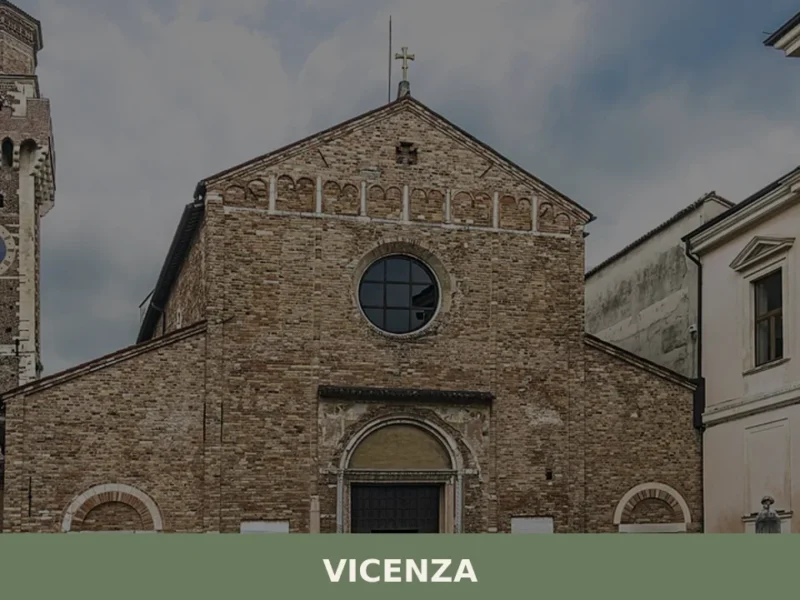
Vicenza
Plains
Village of Vicenza: Explore 1 architectural masterpiece, the Olympic Theatre, and taste traditional baccalà. Plan your Italy trip now!
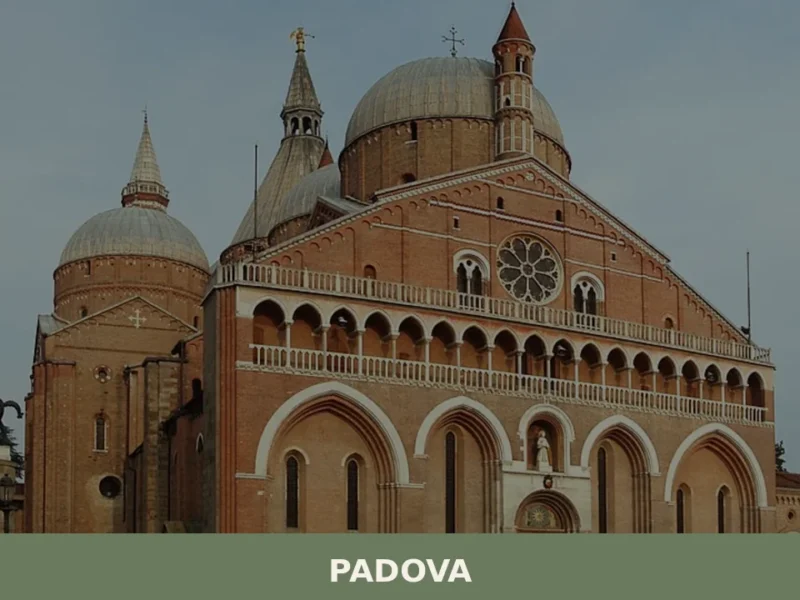
Padova
Plains
Padova, Italy: Explore 1 historic university city. Discover Giotto's frescoes at Scrovegni Chapel & the vast Prato della Valle. Plan your trip now!
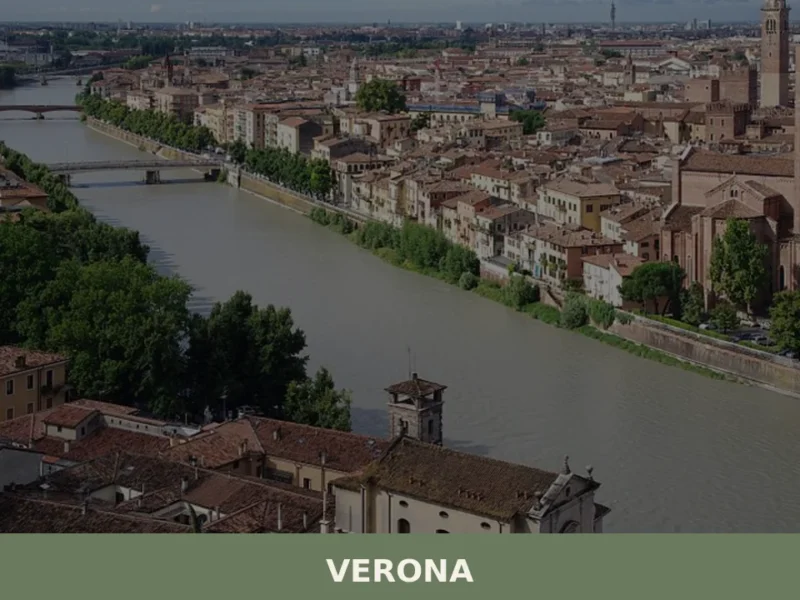
Verona
Plains
What to see in Verona, a UNESCO city of 255,000 people. Explore the Roman Arena, Juliet's House, San Zeno Basilica and local dishes like bollito and pearà. Plan your visit now.
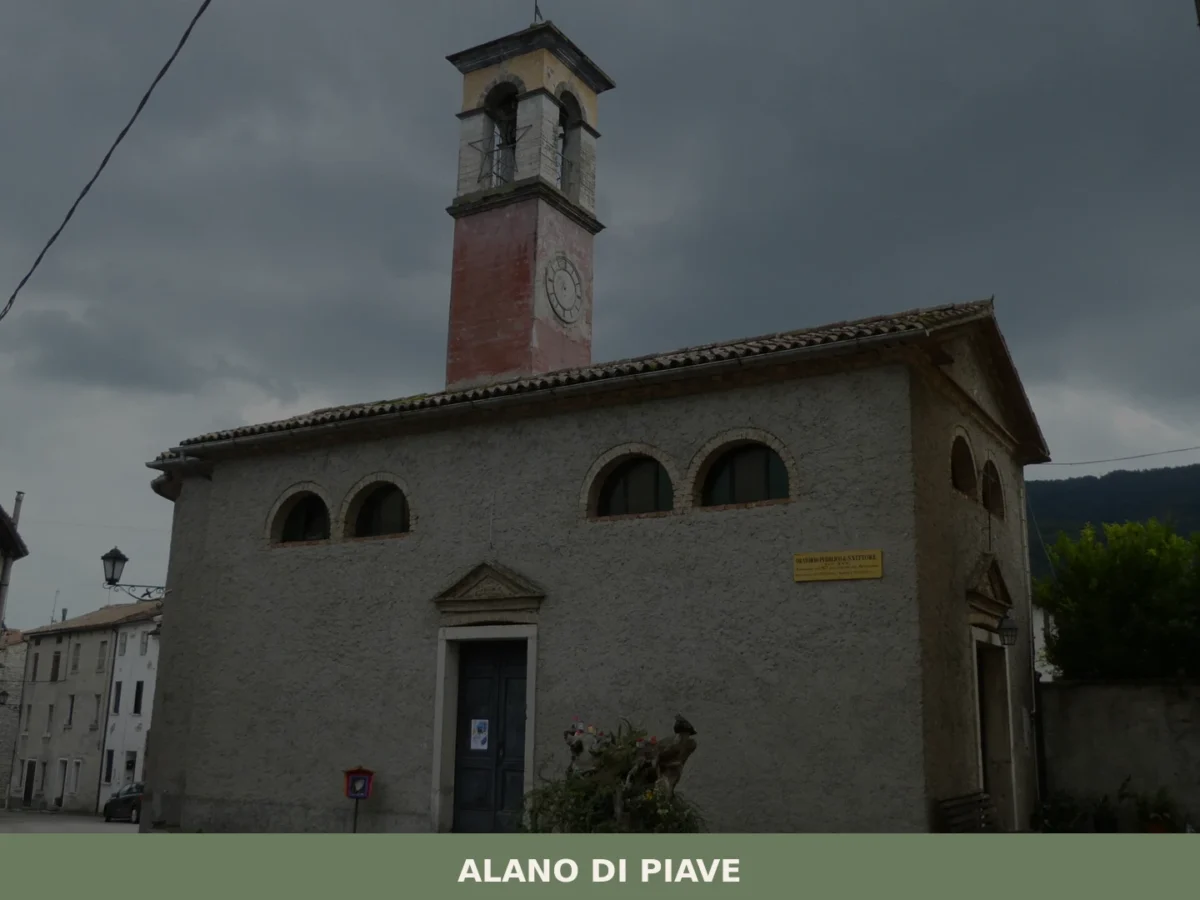
Alano di Piave
 Mountain
What to see in Alano di Piave? Explore the 5 main attractions of this Venetian village, blending history and nature. Your complete guide to not miss a thing. Plan your visit!
San Mauro di Saline
Mountain
At 804 metres above sea level, on the eastern slope of the Veronese Lessini Mountains, San Mauro di Saline has a current population of 558 inhabitants spread between the municipal centre and the scattered hamlets along the pastures. The village’s name derives from the saline — the brackish water pools that historically surfaced in this […]
Agordo
Mountain
Discover what to see in Agordo, Veneto: the Valle Imperina mine, the 1867 Mining School, Ladin culture, and the Cordevole valley in the Belluno Dolomites.
Palù
Plains
Palù has 1,266 inhabitants and occupies a stretch of the Veronese plain between the municipalities of Zevio and Ronco all’Adige, roughly fifteen kilometres south-east of the provincial capital. Its territory, covering just 8.5 square kilometres, is crossed by a network of drainage ditches and reclamation canals that still define the geometry of fields planted with […]
Cortina d’Ampezzo
Mountain
A complete guide to what to see in Cortina d'Ampezzo — from Dolomite peaks and WWI tunnels to Ladin cuisine and centuries-old communal traditions.
Selva di Progno
 Hills
Hills
At 570 metres above sea level, where the Val d’Illasi narrows and gives way to the eastern Lessinia plateau, Selva di Progno has 923 inhabitants spread between the main settlement and the scattered hamlets on the surrounding slopes. The municipality belongs to the Comunità Montana della Lessinia and preserves in its place names and local […]
San Zeno di Montagna
Mountain
At 680 metres above sea level, on the eastern slope of Monte Baldo, San Zeno di Montagna has 1,376 inhabitants spread across a constellation of contrade — Lumini, Castello, Villanova, Ca’ Montagna — each retaining its own architectural and topographic identity. The municipal territory extends from 300 to 2,200 metres in altitude, a range that […]
🏡 Know Loreggia better than we do?
If you’re a local or have been there, your knowledge matters: add what’s missing or fix a detail on this page.