


Ruviano
 Plains
What to see in Ruviano, Italy: Explore this comune at 80 m altitude, known for its patron feast and agricultural views. Discover Ruviano, Campania.
Discover Ruviano
At an elevation of 80 meters (262 ft) above sea level, Ruviano presents itself as a settlement within the fertile plains of Campania. This comune in the Province of Caserta is home to a population of 1,705 inhabitants, embodying the quiet rhythm of rural life. Its geographical position places it about 45 kilometers (28 mi) northeast of Naples, anchoring it firmly within the regional landscape.
For those wondering what to see in Ruviano, the village offers a clear example of a small Italian comune in the Caserta province.
Visitors to Ruviano find a community defined by its agricultural setting and traditional gatherings, such as the annual patron saint festival in honor of Papa Leone I. The Ruviano highlights include its central gathering spaces and the expansive views over the surrounding plain, reflecting its 80-meter (262 ft) elevation.
History of Ruviano
Ruviano, a comune in the Province of Caserta, holds its place within the historical region of Campania, an area known for its deep roots stretching back to ancient civilizations. Understanding what to see in Ruviano begins with appreciating its long-standing presence as an administrative unit, reflecting centuries of Italian political and social development, granting local autonomy to communities like Ruviano.
Its geographical context, bordering municipalities such as Alvignano, Amorosi, and Valle Agricola, illustrates a pattern of interconnected rural settlements sharing the same regional influences and historical currents.
While detailed historical narratives specific to Ruviano are not extensively documented in the provided sources, its location in the fertile plain suggests a past linked to agriculture and local resource management. Many communities in Campania experienced periods of Roman influence, followed by various medieval lordships and later integration into larger southern Italian kingdoms. Ruviano, at 80 meters (262 ft) above sea level, would have developed in response to the agricultural potential of its surroundings and the need for local governance, contributing to the broader historical fabric of the region.
The village has maintained its status as a distinct comune over time, with its population recorded at 1,705 inhabitants, reflecting a stable, albeit small, community size. This continuity underscores its role as a local center for residents, providing essential services and fostering a sense of identity. The evolution from historical settlement to a contemporary Italian municipality demonstrates the enduring nature of these local administrative units across the region, including places like Raviscanina, which share similar historical trajectories within Campania.
What to see in Ruviano, Campania: top attractions
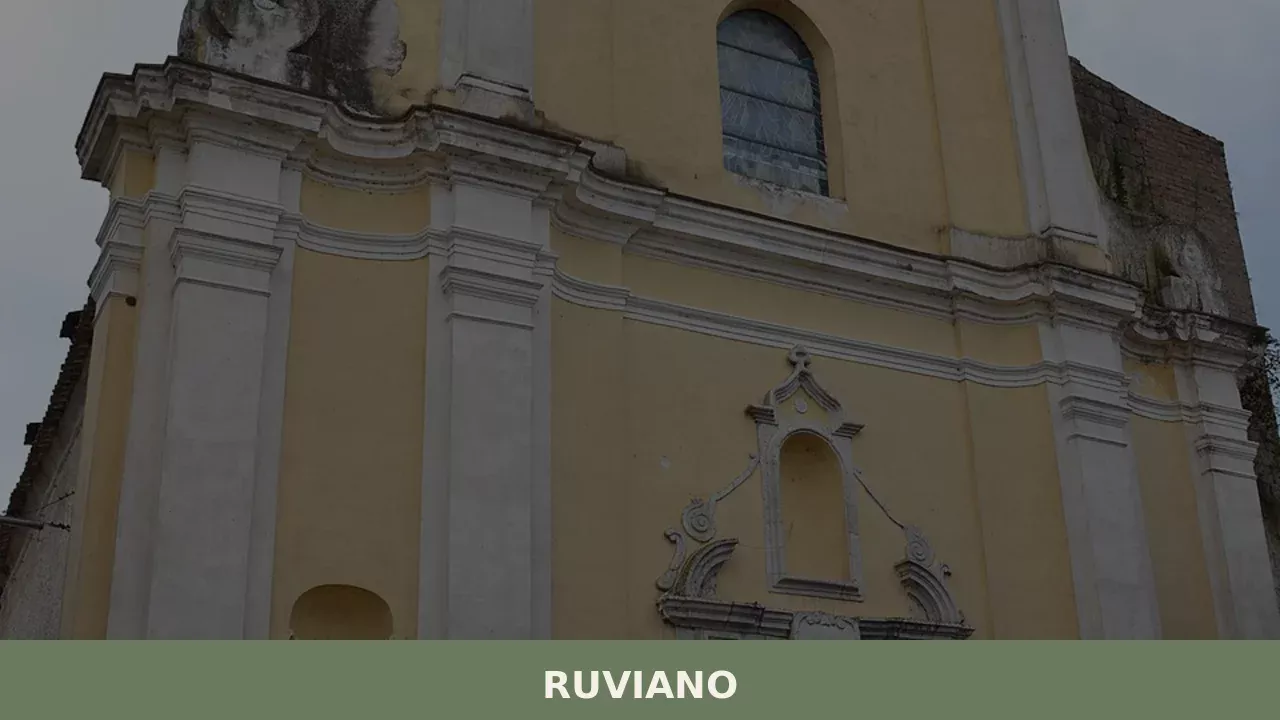
The Parish Church of Papa Leone I
The spiritual heart of Ruviano is undoubtedly its main parish church, dedicated to the village’s patron saint, Papa Leone I.
While specific architectural details are not provided, such churches typically feature a nave, an altar, and often a bell tower, serving as a focal point for community life and religious observance. The presence of a patron saint, celebrated annually, confirms the church’s central role in the village’s identity and traditions dating back centuries.
The Village’s Central Piazza
Every Italian comune, regardless of its size, possesses a central gathering space, and Ruviano is no exception. This main piazza serves as the social hub, where residents convene for daily activities, local markets, and public celebrations. It is often surrounded by key administrative buildings or commercial establishments, and its layout reflects the historical development of the settlement.
Observing the rhythm of life here offers insight into the community of 1,705 inhabitants.
Views of the Caserta Plain
Given Ruviano’s elevation of 80 meters (262 ft) above sea level, visitors can appreciate expansive views across the surrounding Caserta plain, or Pianura. This flat, fertile landscape extends for kilometers (miles), characterized by agricultural fields and scattered farmhouses. The vantage point from the village offers a perspective on the region’s primary economic activity and its natural geography, a scene that remains largely unchanged through the seasons.
Rural Landscape and Agricultural Life
Beyond the immediate village boundaries, the rural landscape of Ruviano offers a tangible connection to Campania’s agricultural heritage. The designation of “Pianura” as a key theme for the area highlights its reliance on farming and cultivation. Exploring the roads and paths that lead out from the village provides direct observation of local crops and farming practices, which sustain the local economy and contribute to the regional food identity.
This agricultural setting has shaped the village’s character for generations.
Traditional Village Architecture
The residential and public buildings within Ruviano reflect the traditional architectural styles common to small Campanian villages. These structures often utilize local materials, showcasing functional designs adapted to the climate and available resources. A walk through the older parts of the village reveals details such as aged stone facades, modest doorways, and perhaps small courtyards, each contributing to the overall visual character. This architectural continuity speaks to the enduring heritage of the region.
Local food and typical products of Ruviano
The culinary traditions in Ruviano, like many communities across the Province of Caserta, are deeply intertwined with the broader gastronomic heritage of Campania. While specific dishes unique to Ruviano are not detailed in available sources, understanding what to see in Ruviano extends to experiencing its regional flavors, with the village’s position within the Pianura theme suggesting an emphasis on agricultural products such as grains, seasonal vegetables, and possibly dairy items that form the basis of many traditional recipes.
Visitors to the area can anticipate encountering dishes that reflect the robust flavors of southern Italy, often characterized by their reliance on fresh produce and simple preparations.
Typical preparations might include various pasta dishes, frequently made with durum wheat, and a range of vegetable-based recipes, utilizing local produce like San Marzano tomatoes, eggplants, and zucchini. Meats, often from local livestock, could feature in hearty stews or roasted preparations, always prioritizing the inherent quality of the ingredients.
The local diet would also likely incorporate olive oil, a staple across Italy, and possibly cheeses from the nearby pastoral areas, even if not specifically certified for Ruviano itself. Regarding officially certified products, the provided data does not list any specific Protected Designation of Origin (PDO) or Protected Geographical Indication (PGI) items directly associated with Ruviano. However, the wider Caserta province is known for various regional specialties, which Ruviano would naturally partake in, enriching its local culinary offerings.
These might include specific types of olive oil, wines, or cheeses that are emblematic of the Campanian countryside, further defining the local food experience.
Festivals, events and traditions of Ruviano
A cornerstone of Ruviano’s community life and traditions is the annual celebration honoring its patron saint, Papa Leone I. For those visiting, these festivals are integral to understanding what to see in Ruviano beyond its physical structures, offering a glimpse into its vibrant cultural practices. This important religious observance takes place on two distinct dates: November 10th and again on the first Sunday of May.
The festa patronale, or patron saint festival, typically involves solemn religious ceremonies, including masses and processions where a statue of the saint is carried through the village streets, drawing participation from residents and visitors alike. These events are often accompanied by a range of secular activities that contribute to the festive atmosphere, such as local musical performances, traditional dances, and communal meals, bringing the community together in celebration. While specific details of additional food fairs or unique local traditions are not provided in the sources, these patron saint days serve as significant cultural events, preserving historical customs and reinforcing the collective identity of Ruviano.
When to visit Ruviano and what to see there
The best time to visit Campania, and consequently Ruviano, typically spans from spring to early autumn, specifically from April to October.
During these months, the weather is generally mild to warm, making it pleasant for exploring the village and its surrounding agricultural landscape. This period also allows visitors to fully appreciate what to see in Ruviano, from its historical core to its natural surroundings. Spring (April-May) offers comfortable temperatures and the vibrant colors of blooming flora, while early autumn (September-October) provides agreeable weather and often coincides with local harvest periods and the second patron feast for Papa Leone I.
Ruviano’s terrain, situated in the Pianura (plain), is generally flat and accessible, making it suitable for leisurely walks through the village streets and countryside. For those planning a day trip from nearest major city hubs, Ruviano is located about 20 kilometers (12 mi) northeast of Caserta, and approximately 45 kilometers (28 mi) northeast of Naples. These distances make it a feasible destination for visitors based in either city, offering a contrast to urban environments.
To reach Ruviano, visitors arriving by air would typically fly into Naples Capodichino Airport (NAP), which is the closest major international airport, approximately 45 kilometers (28 mi) away.
From the airport, rental cars are available, providing the most flexible option for exploring the Caserta province. While specific train stations directly serving Ruviano are not detailed, regional train services connect Naples and Caserta, from which onward travel by bus or taxi would be necessary. For more detailed local information, consult the Ruviano municipal website. For practical advice, international visitors should note that English may be limited in smaller local establishments, and carrying some Euros cash can be beneficial for transactions.
For those wishing to explore more of Campania’s diverse settlements, a visit to Acerra offers another perspective on the region’s historical and cultural landscape, complementing the rural charm found in Ruviano.
📷 Photo Gallery — Ruviano
Nearby Villages near Ruviano
In Campania More villages to discover
Acerra
Plains
Discover what to see in Acerra, Campania: Roman history, medieval castle, cathedral, local food and practical travel tips for this Naples metropolitan town.
Afragola
Plains
Discover what to see in Afragola, Campania: Zaha Hadid's station, Baroque churches, local food, and practical travel tips for this Naples hinterland town.

Castellammare di Stabia
 Sea
Sea
Castellammare di Stabia offers over 2,800 years of layered history, from buried Roman villas to Bourbon royal palaces, all framed by the Gulf of Naples.
Agerola
 Mountain
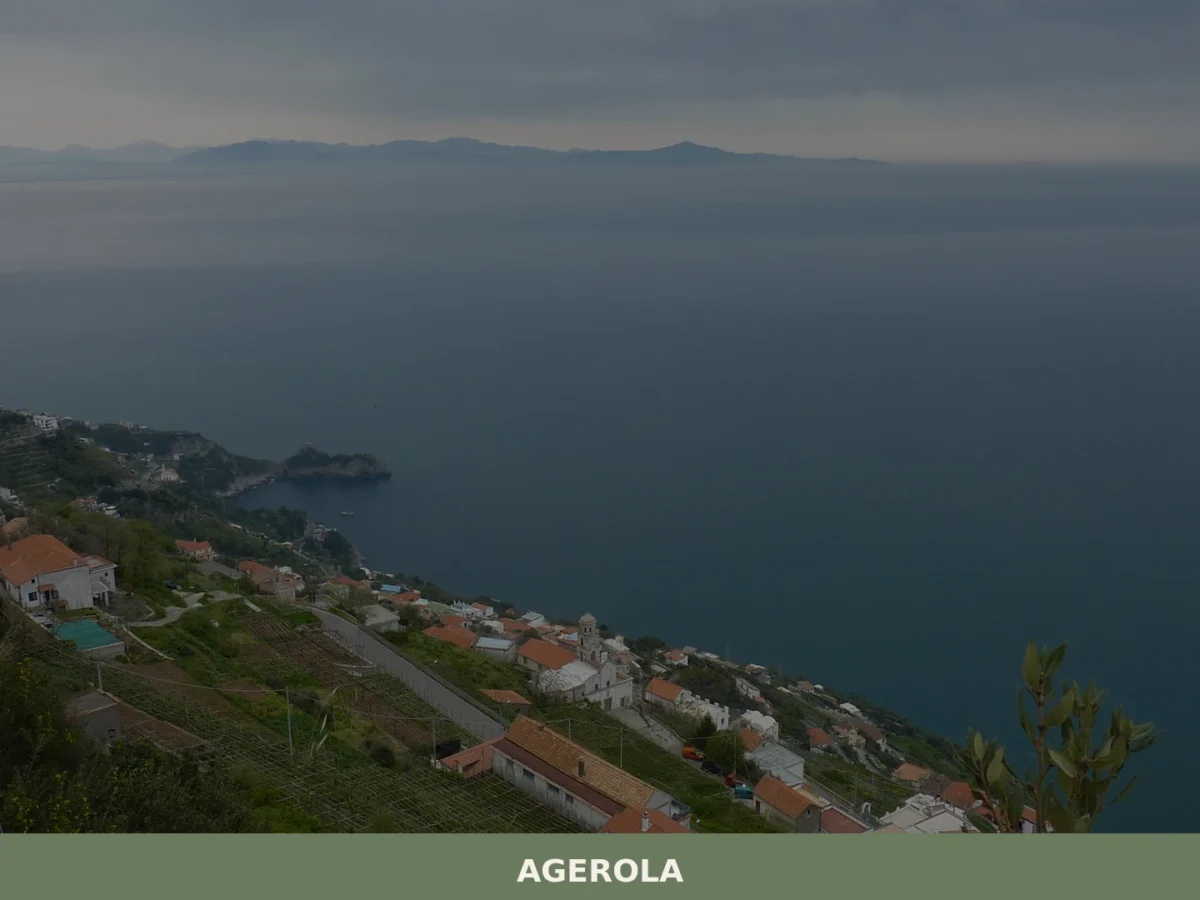
Discover what to see in Agerola, a mountain comune above the Amalfi Coast: hamlets, hiking trails, DOP cheeses and practical travel tips.
Roccaromana
Plains
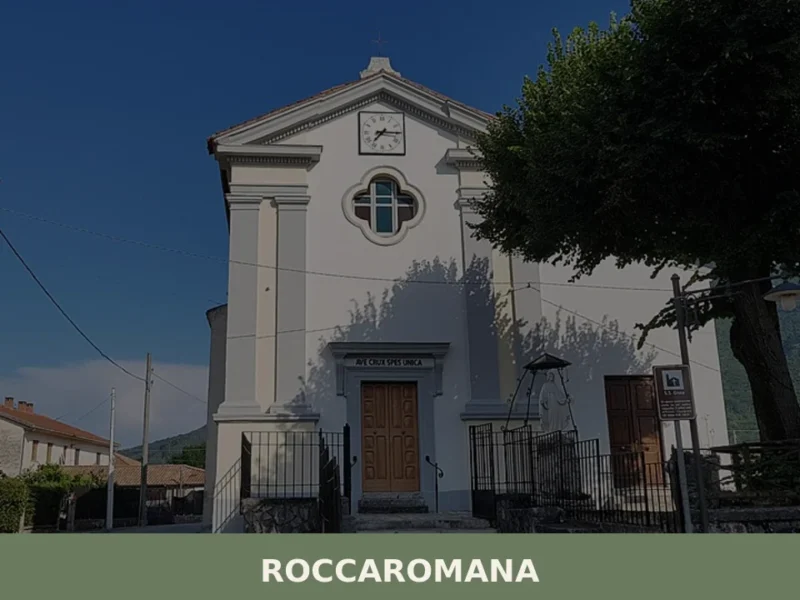
What to see in Roccaromana, Italy: Explore its 180m altitude, discover historic churches and enjoy San Cataldo feast. Learn more about visiting this quaint village.
Airola
Plains
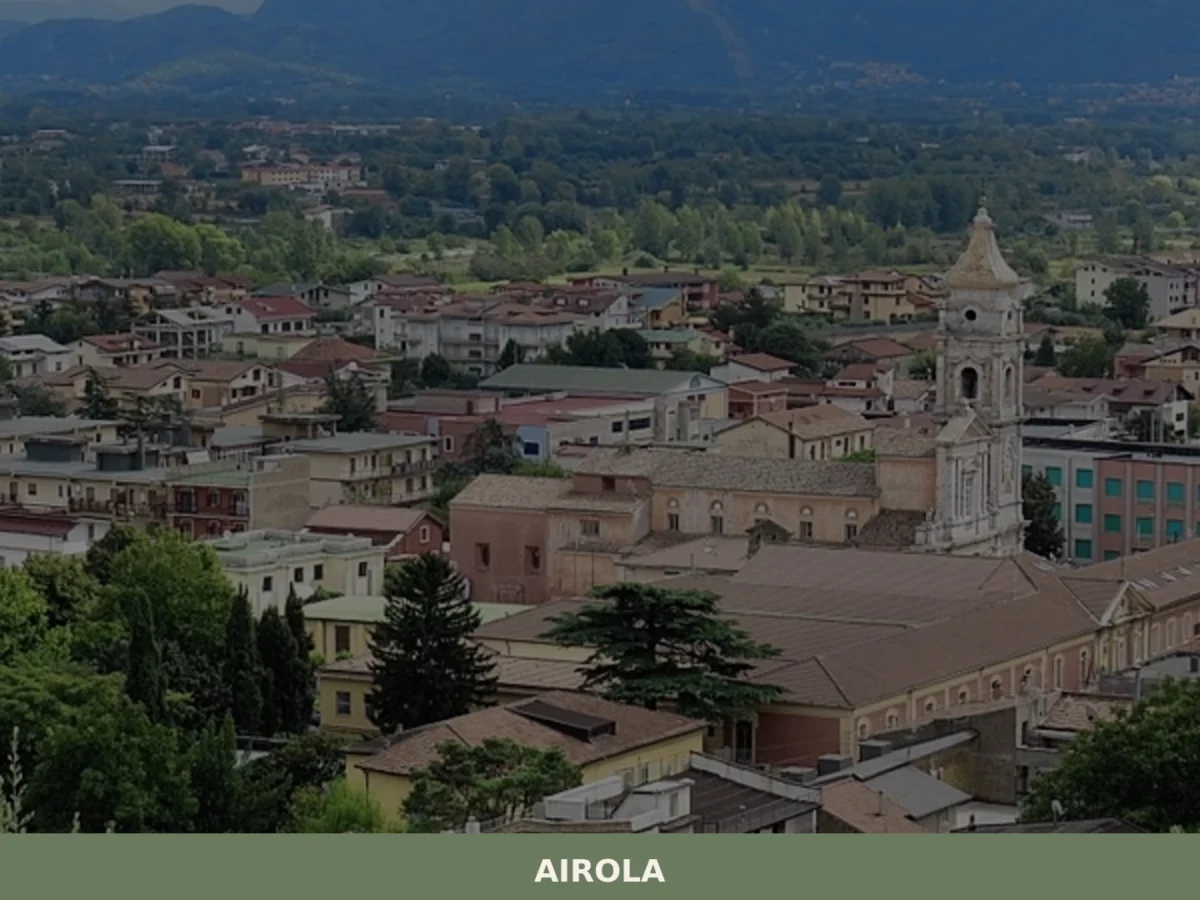
The stone bell tower of the Church of the Annunziata, reaching skyward since 1735, casts its shadow over the cobbled streets of Airola. Nestled within the expansive Valle Caudina and framed against the backdrop of Monte Taburno, this village offers a tangible connection to its past through its architecture. In this article History of Airola […]
Albanella
Plains
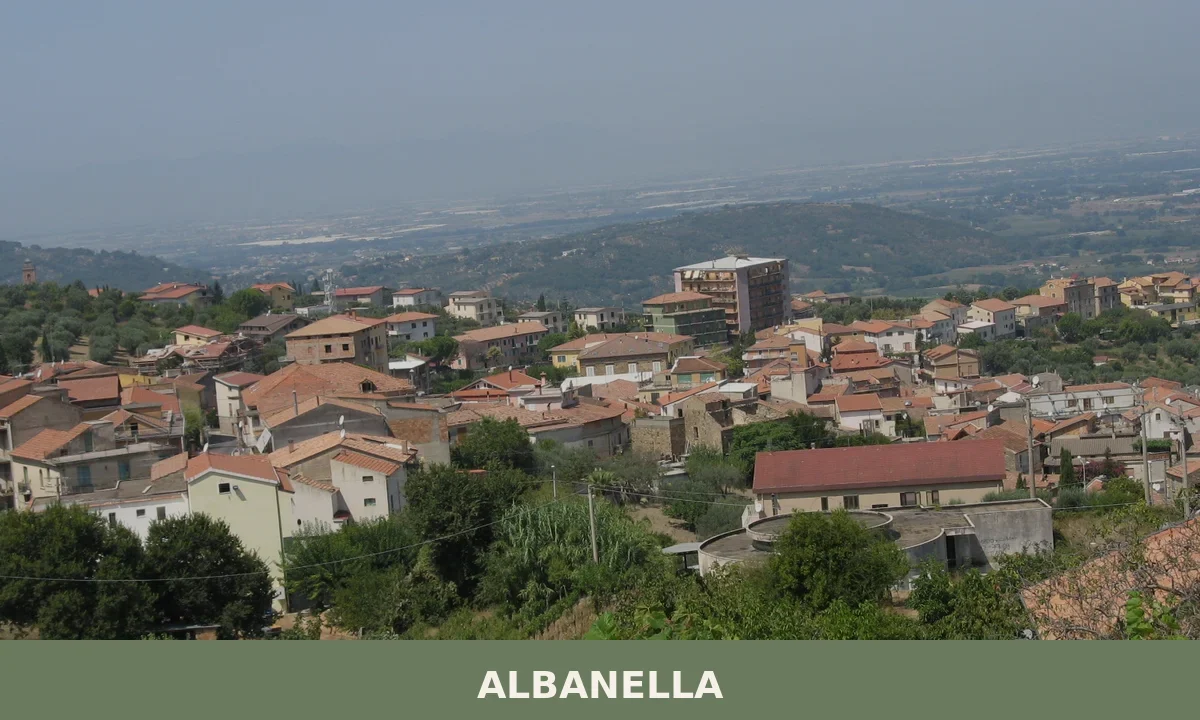
Founded in 1003 by refugees fleeing saracen raids, Albanella sits on a strategic hill between the Alburni mountains and the Salerno gulf, home to the restored Santuario di Santa Sofia.
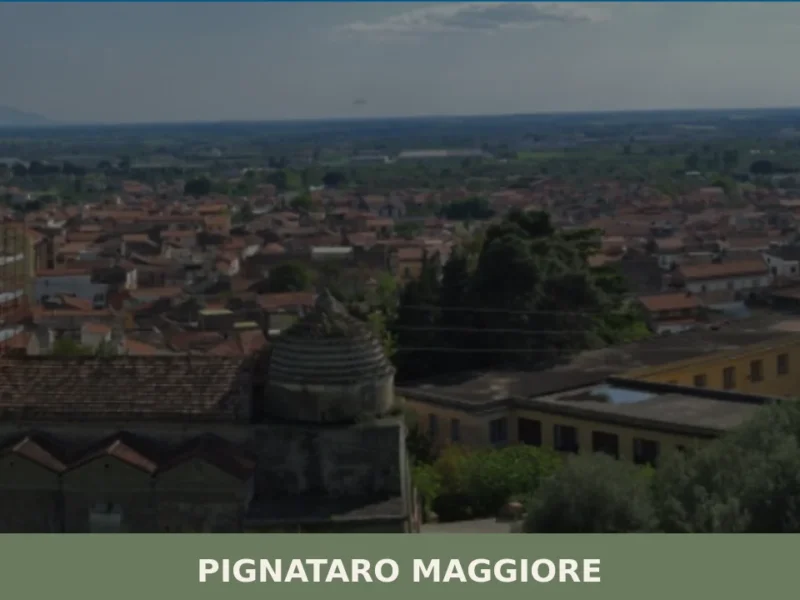
Pignataro Maggiore
Plains
What to see in Pignataro Maggiore: 5,733 residents, 93m above sea level in Caserta province. Visit San Giorgio Church, historic centre, 'Ndunderi PAT gnocchi. Plan your trip now.

Altavilla Irpina
Mountain
Discover Altavilla Irpina, a hilltop village in Avellino province with medieval churches, ancient stone architecture, and authentic Irpinian food traditions.
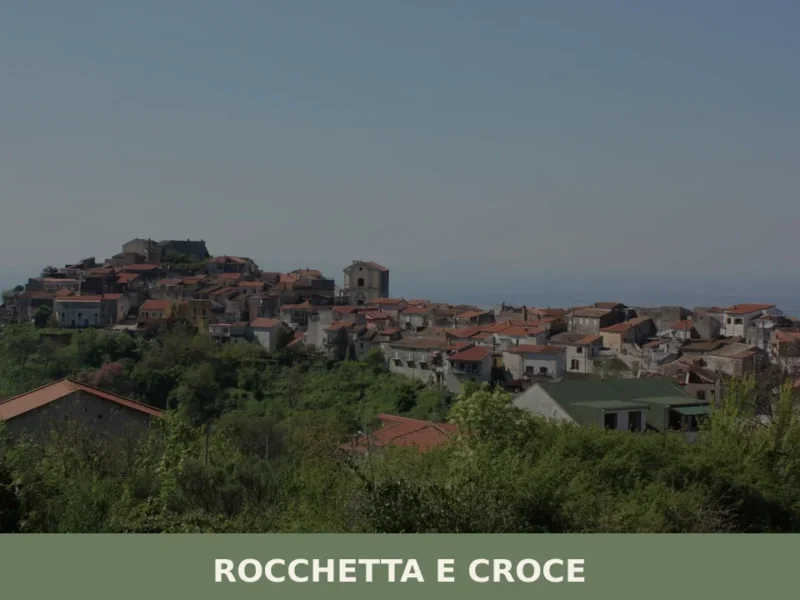
Rocchetta e Croce
 Hills
Hills
Discover Rocchetta e Croce, a charming village near Caserta. Our guide reveals what to see, must-see attractions, and the history of this Campanian gem.
🏡 Know Ruviano better than we do?
If you’re a local or have been there, your knowledge matters: add what’s missing or fix a detail on this page.