


Milano
 Plains
Over 1.3 million residents and 2,600 years of history make Milano Lombardia one of Europe’s most compelling destinations. Art, opera, fashion and extraordinary food await every visitor.
Milano Lombardia: History, Attractions, Food and Travel Guide
A forest of Gothic spires rises above a city that has never stopped reinventing itself. The white marble facade of the Duomo catches the morning light while, just blocks away, a covered arcade built for Napoleon shelters crowds of people moving between espresso bars and luxury boutiques. Beneath the pavement, Roman roads run parallel to medieval canals, and a Celtic settlement older than the Empire lies quietly beneath the foundations of a modern financial district.
Milano Lombardia draws millions of international visitors each year for two defining reasons: a cultural heritage of extraordinary depth, from Roman Mediolanum to the Renaissance Duchy, and a contemporary vitality unmatched anywhere else in Italy. The city’s opera house sets the global standard for lyric performance, and its fashion weeks dictate what the world wears each season.
History and Origins of Milano Lombardia
The name the city carries today descends from an ancient Celtic word recorded, in various forms, across dozens of settlements throughout Celtic Europe. Roman writers including Tacitus, Pliny the Elder, and Livy transmitted the Latin form Mediolanum, while Greek authors such as Polybius and Strabo used Mediólanon. Linguists have long interpreted the compound as meaning roughly “in the middle of the plain,” combining a root equivalent to the Latin medius with a Celtic term for flat land whose initial consonant dropped away following a pattern typical of Celtic phonology. A Celtic-language graffito found on a stretch of the Roman city walls spells the name Meśiolano in a northern Etruscan alphabet, offering the only direct epigraphic evidence of the original pronunciation. In the local Milanese dialect, the oldest documented form of the name appears as Miran.
The city’s foundation is traditionally placed around 590 BC, when a Celtic tribe belonging to the Insubres group and connected to the cultura di Golasecca established a settlement on the flat ground of the western Po Valley. Medieval chronicler Bonvesin de la Riva repeated an older legend, drawn from Livy, according to which the founder Belloveso chose the site after his warriors discovered a half-woolly sow — a sign interpreted as divine approval. Archaeological evidence places the early Golaseccan settlement, dating to the sixth century BC, over an area of roughly twelve hectares near what is now Piazza San Sepolcro. The Romans conquered the city in 222 BC and steadily transformed it into one of the most important urban centers in the Western Empire. By the late third century AD, Mediolanum had become the capital of the Western Roman Empire, and in 313 AD Emperor Constantine I and co-emperor Licinius reached an agreement known as the Edict of Milan, extending freedom of worship to all citizens of the Empire, Christians included; the letter implementing the agreement was dispatched from Nicomedia and is widely regarded as one of the earliest acts of religious tolerance in the Roman world.
The centuries that followed brought Visigoths, Lombards, and eventually the rise of the great medieval communes. Between the twelfth and sixteenth centuries, Milan ranked among the largest cities in Europe and served as capital of the Duchy of Milan, a major force in Renaissance politics, art, and fashion. The sixteenth century brought Spanish domination, followed nearly two centuries later by Habsburg rule, under which the city became a leading center of Italian Enlightenment thought. Napoleon made it capital of his Italian Kingdom, and after the Restoration it threw itself into the Risorgimento movement with characteristic energy, eventually joining the unified Kingdom of Italy. The industrial boom of the twentieth century then confirmed the city’s role as the economic engine of the nation, forming — together with Turin and Genoa — the so-called Triangolo industriale that drove Italy’s postwar recovery.
What to See in Milano: Top Attractions
The Duomo di Milano
Few buildings in the world concentrate so much ambition into a single facade. Construction began in 1386 under Gian Galeazzo Visconti and continued for nearly six centuries, producing a cathedral of white Candoglia marble covered in more than three thousand statues and over one hundred and thirty five spires. The interior holds space for forty thousand people and contains remarkable works including a cycle of sixteenth-century stained glass windows and the tomb of Gian Giacomo Medici. Visitors can access the rooftop terraces — known as the terrazze — either by staircase or by elevator, walking among the pinnacles with views stretching, on clear days, to the Alps. The cathedral sits at the geographical and symbolic heart of the city; almost every major urban axis radiates outward from its square.
Teatro alla Scala
Since its inauguration in 1778, La Scala has functioned as the most prestigious lyric stage in the world. The neoclassical building designed by Giuseppe Piermarini replaced an earlier Visconti-era theatre destroyed by fire, and its horseshoe-shaped auditorium, lined with six tiers of boxes, remains largely unchanged in form. The opera season opens traditionally on 7 December, the feast of Sant’Ambrogio, patron saint of Milan, drawing a global audience of critics, performers, and devoted listeners. Visitors who cannot secure performance tickets can tour the auditorium and the attached museum, which holds instruments, costumes, portraits, and documents tracing the full history of Italian opera from its origins to the present day.
The Navigli District
The canal network that once made Milan one of the great inland ports of medieval Europe survives most visibly in the Navigli quarter, in the southern part of the city. Two main waterways remain open: the Naviglio Grande, which connects the city to the Ticino river and dates in part to the twelfth century, and the Naviglio Pavese, which runs south toward Pavia. Leonardo da Vinci contributed hydraulic engineering improvements to the system during his years in Milan, designing lock mechanisms to manage differences in water level. Today the embankments along both canals are lined with workshops converted into restaurants, wine bars, antique dealers, and art studios, making the area one of the liveliest parts of the city for an evening walk. Nearby Pavia also preserves stretches of the historic canal network and rewards a half-day excursion.
Pinacoteca di Brera
The Brera art gallery occupies a seventeenth-century palazzo in the district of the same name and holds one of the most significant collections of Italian painting assembled anywhere. Founded under Napoleonic administration in the late eighteenth century, the collection grew through confiscations from suppressed religious institutions across northern Italy, resulting in a encyclopedic survey of work from the thirteenth century through the twentieth. Key canvases include Andrea Mantegna’s Dead Christ, Raphael’s Sposalizio della Vergine, Caravaggio’s Supper at Emmaus, and major works by Bellini, Piero della Francesca, and Tintoretto. The adjacent Brera neighborhood, with its narrow streets, independent bookshops, and café terraces, is one of the most pleasant areas in the city for an unhurried afternoon.
Castello Sforzesco
The massive brick fortress that anchors the northwestern edge of the historic center began as a Visconti stronghold in the fourteenth century and was rebuilt and expanded by Francesco Sforza after 1450. Leonardo da Vinci worked within its walls, and the castle later served as a Napoleonic and then Austrian military garrison before the city reclaimed it as a public monument in the late nineteenth century. Today its towers and courtyards house a complex of civic museums covering ancient art, furniture, musical instruments, Egyptian antiquities, and prehistoric collections. Among the holdings is Michelangelo’s unfinished Pietà Rondanini, one of the last works he touched before his death in 1564, displayed in a dedicated space that allows visitors to approach the marble at close range.
Food and Local Products of Milano Lombardia
Milanese cooking is one of the most technically refined regional cuisines in Italy, rooted in a tradition that privileged butter over olive oil and developed in the kitchens of a wealthy, cold-winter city. The most internationally recognized dish is cotoletta alla milanese, a bone-in veal cutlet pounded thin, coated in breadcrumbs, and fried in clarified butter until golden. The city’s claim to the recipe predates the Austrian Wiener Schnitzel by several centuries, a point Milanese cooks raise with considerable conviction. Equally central to the local table is risotto alla milanese, colored and flavored with saffron and finished with bone marrow; the recipe appears in documents from the sixteenth century and has changed very little since. Both dishes are served across the city, from white-tablecloth institutions in the fashion district to old-fashioned trattorie near the Navigli.
The Milanese tradition of the aperitivo deserves particular attention from any visitor. Unlike the Venetian spritz or the Florentine negroni, the Milan aperitivo hour developed around the concept of a free buffet accompanying a single drink — a practice that began in the late nineteenth century in the grand cafés of Corso Vittorio Emanuele and spread across the city during the twentieth century. Today, between roughly six and nine in the evening, bars throughout the Navigli, Isola, and Porta Romana neighborhoods set out spreads of cold cuts, cheeses, bruschette, and pasta salads for the price of a Campari soda or a glass of local wine. The provinces surrounding the city produce excellent cheeses including gorgonzola, born in a town of the same name east of Milan, and taleggio, from the valley of the same name in the Bergamo foothills.
Bread and pastry culture in Milan reflects the city’s commercial history. The panettone, the tall, dome-shaped sweet bread enriched with candied citrus peel and raisins, originated here and remains the defining Christmas food across Italy and much of South America. Industrial production for the global market began in Milan in the early twentieth century, but artisan bakers throughout the city still produce versions according to traditional slow-leavening methods. Visitors exploring the food culture of the wider Lombard plain will find related traditions in nearby towns: Abbiategrasso, situated along the Ticino canal, preserves a strong agricultural food culture tied to the surrounding rice paddies, while the medieval center of Lodi is famous for its lodigiano cheese, produced in the area for over five hundred years.
When to Visit Milano and How to Get There
The city rewards visits in spring and early autumn, when temperatures are moderate and the cultural calendar is full. April and May bring the design and furniture fair Salone del Mobile, one of the largest trade events in the world, which also generates a city-wide festival of installations and open studios known as Fuorisalone. September and October bring the fashion weeks and the reopening of the opera and concert seasons after the summer break. Summer in Milan runs hot and humid: the climate follows a Cfa subtropical classification, with July and August temperatures regularly exceeding thirty degrees and high humidity making the heat feel more intense than the thermometer suggests. Winter brings cold, fog, and occasional significant snowfall — the heaviest recorded accumulation in the twentieth century reached ninety centimeters in January 1985 — but also the atmospheric opening night of the opera season on the feast of Sant’Ambrogio, 7 December.
Milan sits at 138 meters above sea level on the western Lombard plain, well connected to the rest of Italy and Europe by air, rail, and road. Two major airports serve the city: Malpensa, the international hub located about fifty kilometers northwest, and Linate, the smaller city airport just seven kilometers from the center. High-speed rail links connect Milano Centrale station to Rome in under three hours and to Turin in under an hour. Visitors traveling by car should note that the city operates a congestion charge zone, the Area C, in the historic center, active on weekdays.
| Departure | Distance | Time |
|---|---|---|
| Rome (by high-speed train) | approximately 570 km | 2 h 55 min |
| Turin (by high-speed train) | approximately 140 km | 45 min |
| Venice (by high-speed train) | approximately 265 km | 2 h 20 min |
| Pavia (by regional train) | approximately 35 km | 30 min |
| Lodi (by regional train) | approximately 32 km | 25 min |
Visitors with time to explore the wider region will find rewarding day trips in every direction. The small town of Agnadello east of the city preserves the memory of a decisive 1509 battle that reshaped the balance of power across northern Italy, while the village of Abbadia Cerreto along the Adda river offers a remarkably intact Benedictine abbey complex. The official municipal website at comune.milano.it provides current information on museum opening hours, ticketing, and local services for all visitors.
Frequently asked questions about Milano
Quando si festeggia il patrono di Milano e cosa succede in città?
Milano celebra Sant'Ambrogio il 7 dicembre, data che coincide con l'apertura della stagione lirica della Scala, uno degli eventi culturali più attesi al mondo. In piazza Sant'Ambrogio si tiene l'Oh Bej! Oh Bej!, storico mercatino natalizio risalente al XVI secolo. Il 7 dicembre è anche festività civica locale: molti musei e istituzioni organizzano eventi speciali, e la città registra un'affluenza turistica particolarmente elevata.
Come raggiungere Milano in treno o in aereo?
Milano è servita da tre aeroporti: Malpensa (circa 50 km, collegato con Malpensa Express), Linate (7 km dal centro, raggiungibile in metro con la linea M4) e Bergamo Orio al Serio (45 km, con autobus Terravision e Orio Shuttle). In treno, Milano Centrale è hub dell'alta velocità italiana con collegamenti diretti da Roma (circa 3 ore), Napoli, Torino, Venezia e Firenze. Milano Cadorna collega invece l'aeroporto di Malpensa ogni 30 minuti circa.
Quanto tempo serve per visitare Milano?
Per visitare i principali monumenti — Duomo e Museo del Duomo, Castello Sforzesco, Santa Maria delle Grazie con il Cenacolo Vinciano, Pinacoteca di Brera e Galleria Vittorio Emanuele II — sono consigliati almeno tre giorni pieni. La prenotazione è obbligatoria per il Cenacolo Vinciano, con ingressi contingentati a gruppi di 25 persone ogni 15 minuti. Per includere il Quadrilatero della Moda, i Navigli e i musei minori si consigliano 4-5 giorni.
Quali sono i percorsi ciclabili disponibili a Milano?
Milano dispone di oltre 220 km di piste ciclabili urbane. Il percorso dei Navigli collega il centro alla periferia sud lungo i canali storici. La ciclovia VenTo, che unisce Venezia a Torino passando per Milano, attraversa la città lungo l'alzaia del Naviglio Grande. Il Comune gestisce il servizio di bike sharing BikeMi con oltre 300 stazioni. Per uscite extraurbane, la pista ciclabile del Parco Agricolo Sud Milano offre itinerari documentati nella pianura lombarda.
Quali curiosità storiche caratterizzano Milano al di là del periodo romano e rinascimentale?
Milano fu capitale dell'Impero Romano d'Occidente dal 286 al 402 d.C., quando Diocleziano la scelse per la sua posizione strategica, prima ancora che Roma perdesse questo ruolo. Nel 313 d.C. l'Editto di Milano, firmato da Costantino e Licinio, sancì la libertà di culto cristiano in tutto l'Impero. Nel XIX secolo Milano guidò il Risorgimento italiano con le Cinque Giornate del 1848, insurrezione popolare contro l'occupazione austriaca divenuta simbolo dell'unità nazionale.
📷 Photo Gallery — Milano


In Lombardia More villages to discover
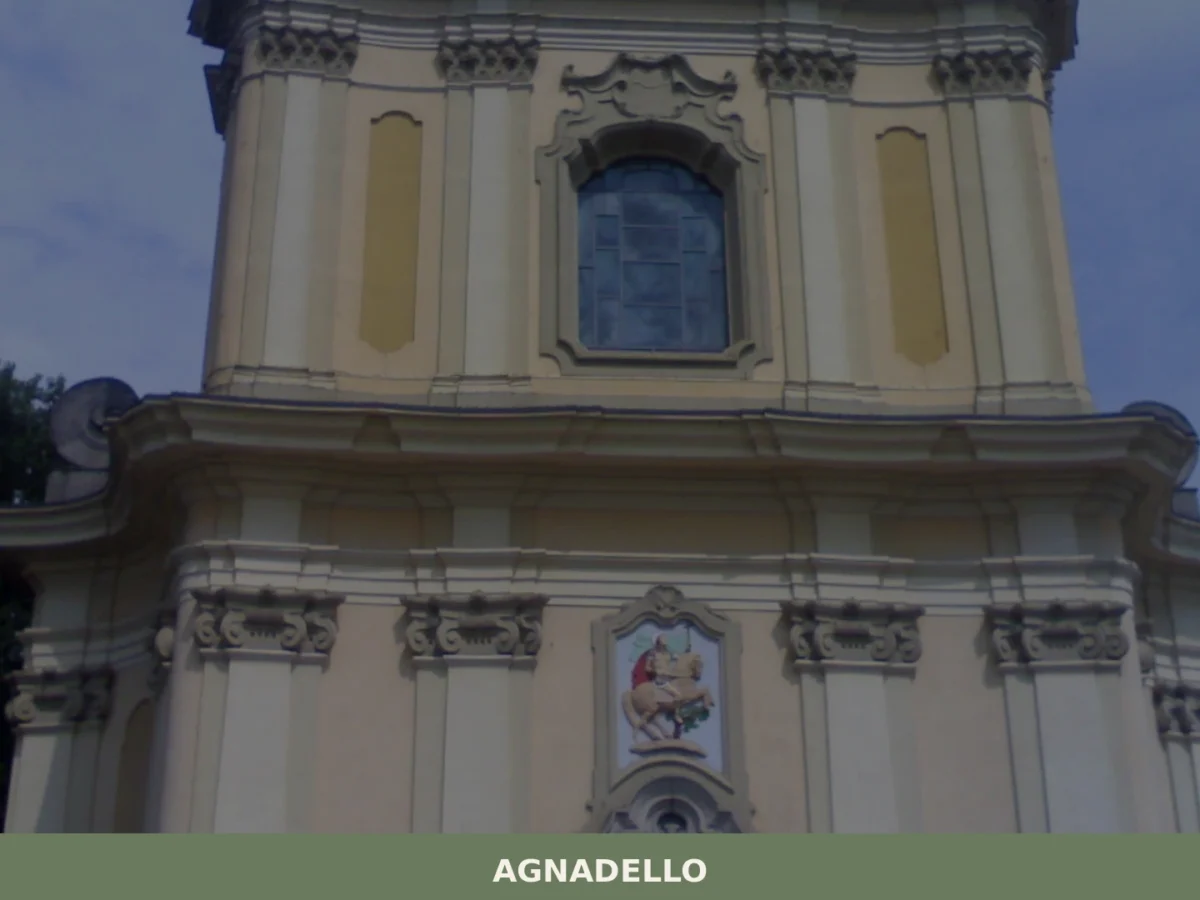
Agnadello
Plains
What to see in Agnadello, Italy: explore the 1509 battle site, local Cremasco cuisine, and top attractions. Discover this Lombardia village near Milan. Read the guide.
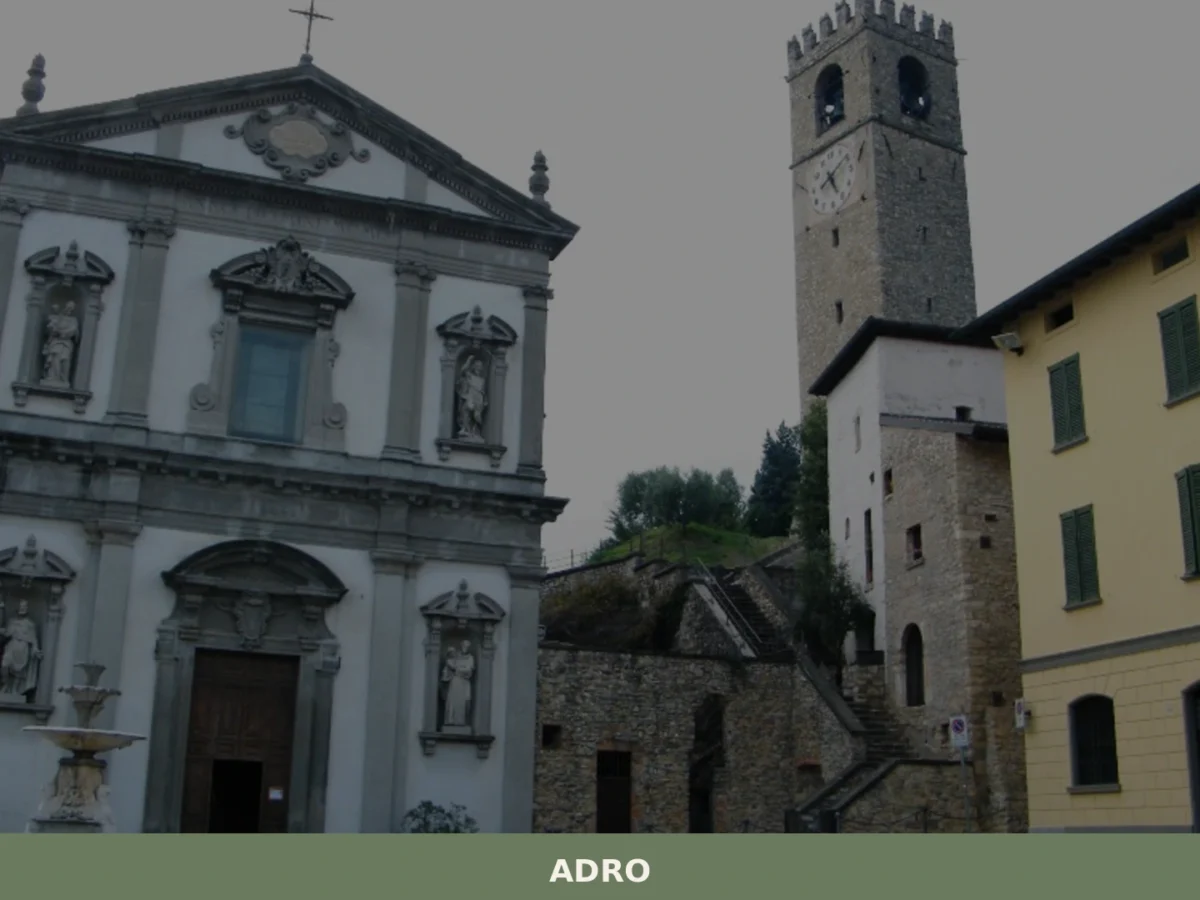
Adro
Plains
What to see in Adro, Lombardia, Italy: explore 5 verified attractions, Franciacorta wines, and a medieval tower. Discover how to get there from Milan.
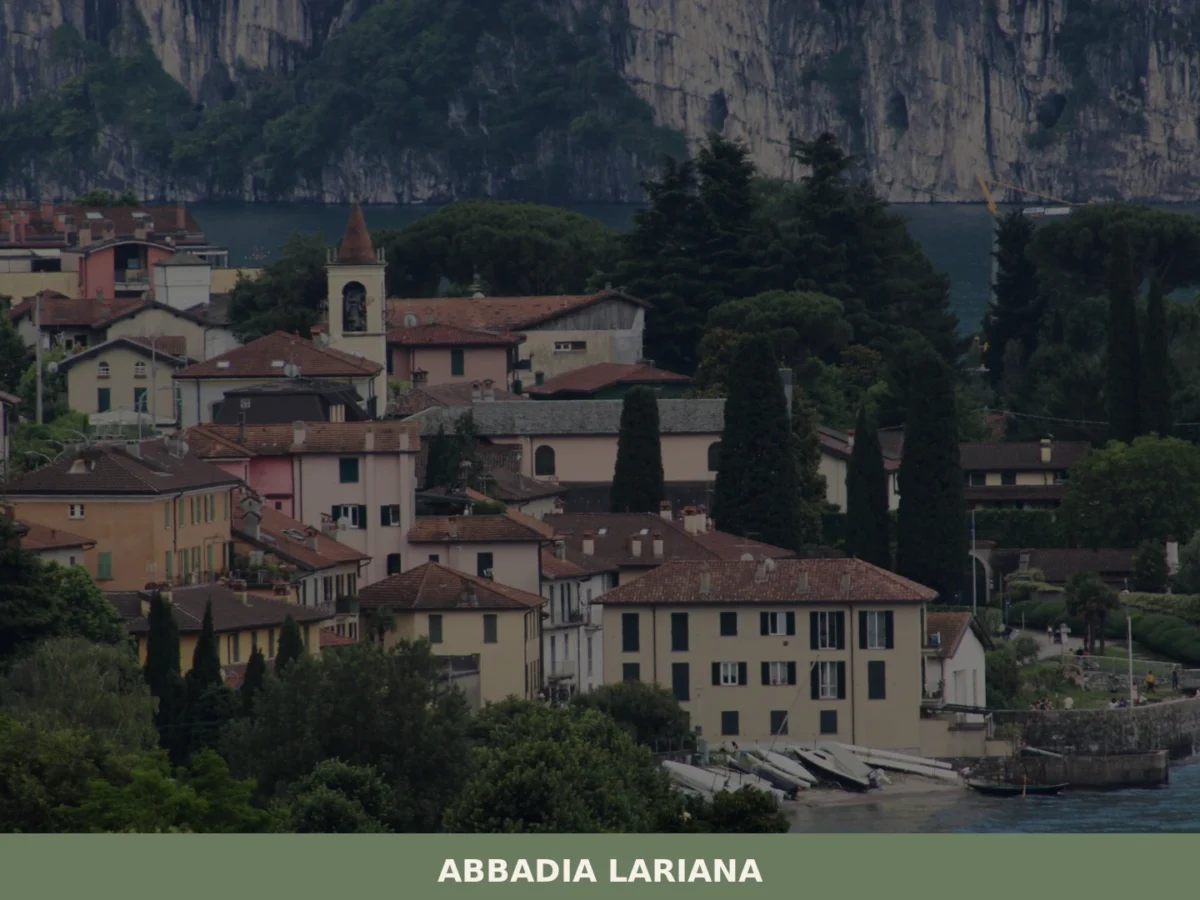
Abbadia Lariana
 Lake
Lake
Discover what to see in Abbadia Lariana, a lakeside village on Lake Como in Lecco province. History, attractions, food, travel tips and how to get there.
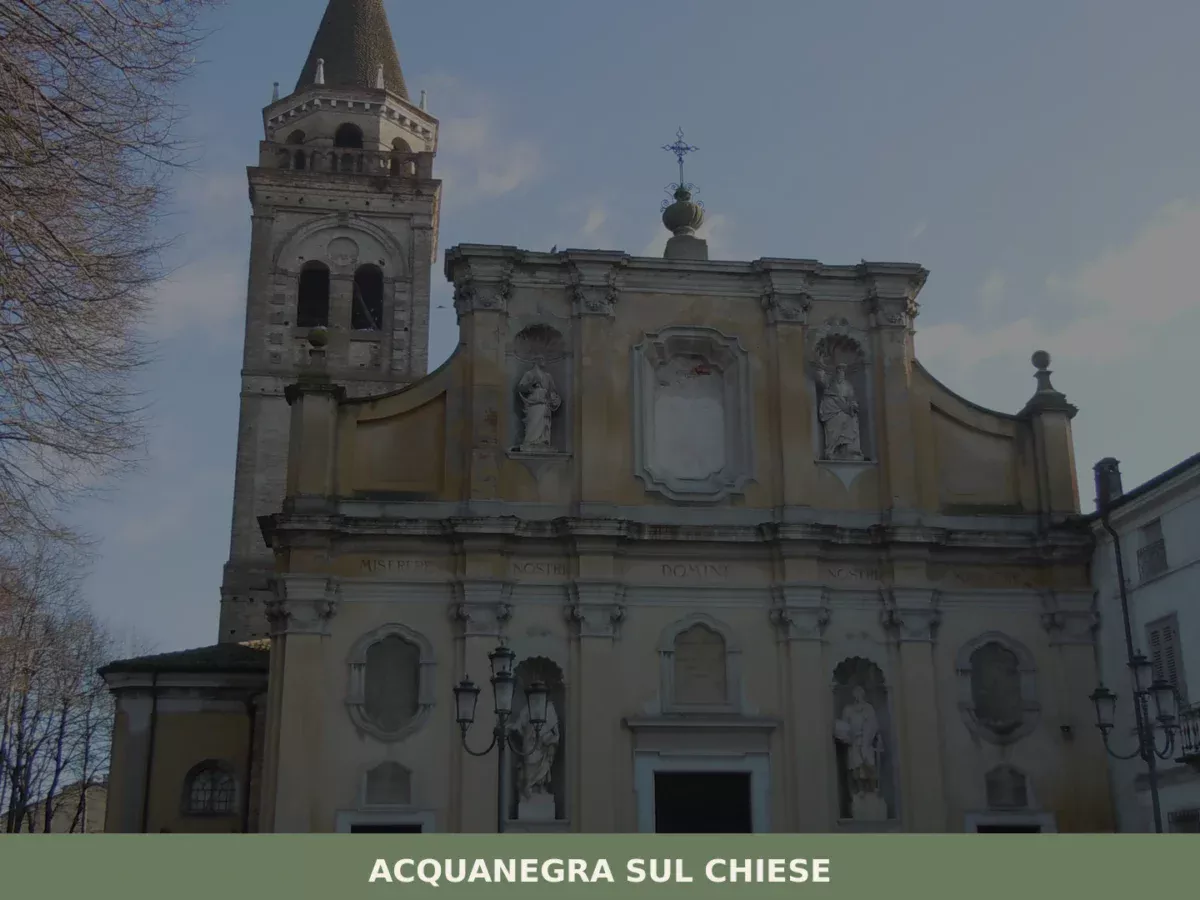
Acquanegra sul Chiese
Plains
What to see in Acquanegra sul Chiese, Lombardia, Italy — 100 km from Milan. Discover 5 top attractions, local food traditions, and how to get there. Explore now.
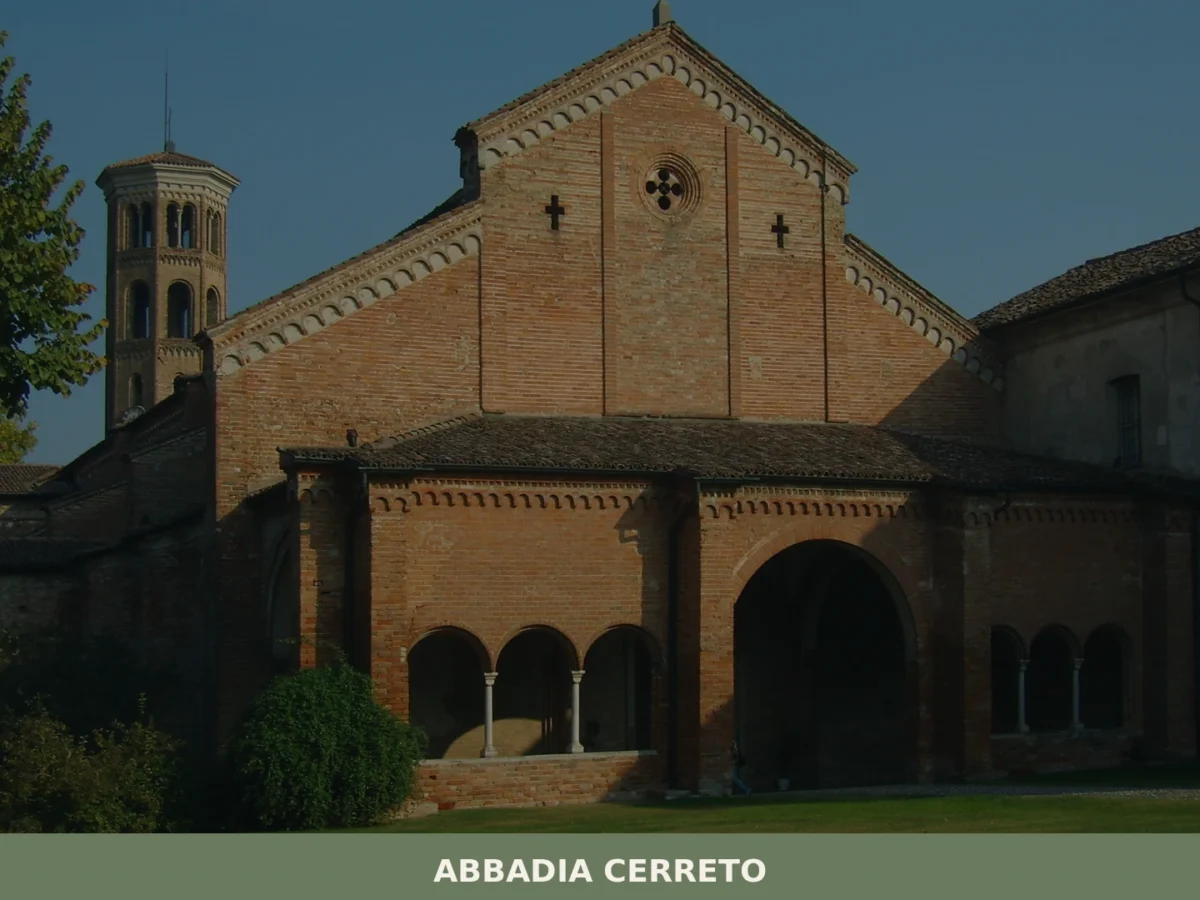
Abbadia Cerreto
Plains
Discover what to see in Abbadia Cerreto, a 280-person Lombard village in the province of Lodi with Cistercian roots and Po Valley landscapes.






🏡 Know Milano better than we do?
If you’re a local or have been there, your knowledge matters: add what’s missing or fix a detail on this page.