


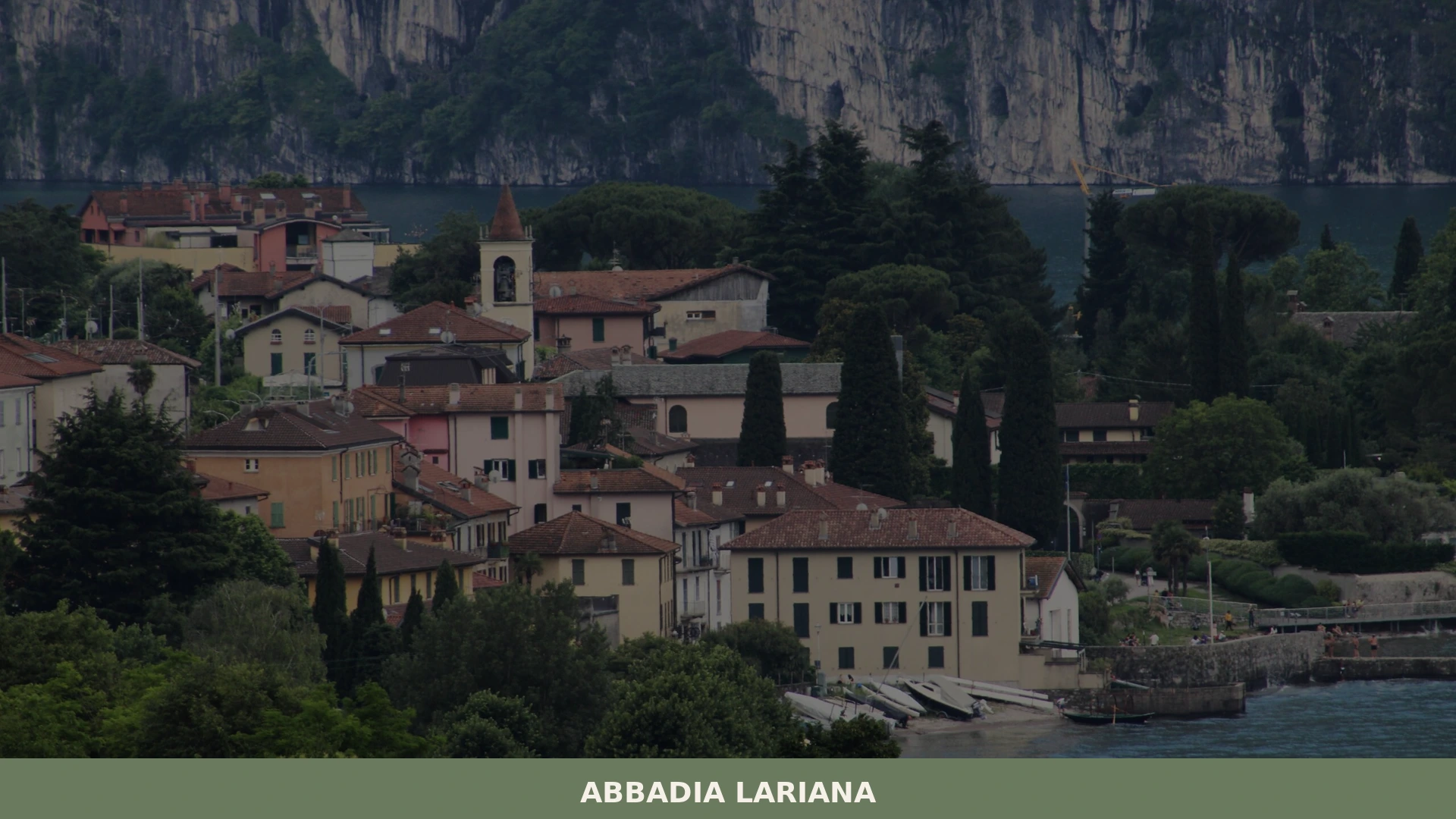
Abbadia Lariana
 Lake
Lake
Discover what to see in Abbadia Lariana, a lakeside village on Lake Como in Lecco province. History, attractions, food, travel tips and how to get there.
Discover Abbadia Lariana
Abbadia Lariana sits on the eastern shore of Lake Como in the province of Lecco, a municipality of 3,136 inhabitants that holds an unusual administrative distinction: it ranks third in Italy alphabetically among all comuni, following only Abano Terme and Abbadia Cerreto. For anyone exploring this stretch of Lombardian lakeshore, knowing what to see in Abbadia Lariana requires understanding the layered relationship between the village and the water that defines it — the lake is not backdrop here, it is infrastructure, identity, and daily reality in equal measure.
History of Abbadia Lariana
The village takes its name from a Benedictine abbey — abbadia in Italian — that once stood in this locality, giving the settlement both its founding purpose and its identity. Monastic communities frequently established themselves along the shores of Lake Como during the early medieval period, drawn by the combined advantages of fertile land, water routes for trade, and defensible positions. The abbey that gave Abbadia its name was associated with the broader ecclesiastical network that spread across Lombardia during the Carolingian and post-Carolingian centuries, a period when religious institutions served as the primary engines of agricultural organisation and local governance across the Po plain and the pre-Alpine lake districts.
Administratively, the village has passed through several formal name changes that reflect broader Italian political shifts. Until 1863 it was known simply as Abbadia. Between 1863 and 1928 it carried the longer designation Abbadia sopra Adda, a reference that positioned the settlement geographically in relation to the Adda river, which flows from Lake Como southward through Lecco toward the Po. In 1928, the current name Abbadia Lariana was adopted, the suffix Lariana derived from Lario, the Latin and literary name for Lake Como used since classical antiquity. This final renaming was part of a wider Fascist-era policy of giving municipalities more regionally distinctive names to reduce confusion between similarly named places across Italy.
The village’s location on the Lecco branch of Lake Como — the southeastern arm that geographically differs from the more celebrated western shore — placed it within the economic sphere of Lecco, a city historically linked to ironworking, silk manufacturing, and lake transport. The surrounding territory, like much of the Lecco lakeshore, saw significant transformation in the nineteenth century when industrial development along the Adda corridor brought roads, railways, and new settlement patterns to what had been a largely agricultural and fishing community. The local dialect name, Badia or La Badia, remains in everyday use among residents, preserving the original monastic reference in living speech even as official cartography has moved on.
What to see in Abbadia Lariana: 5 must-visit attractions
The Lake Como Shoreline Promenade
The lakefront of Abbadia Lariana runs directly through the village centre, with the Lecco branch of Lake Como — Lake Lario — providing a foreground of dark, clear water backed by steep pre-Alpine slopes. The promenade offers direct views across the water toward the Valsassina mountains, and the light shifts substantially between morning and afternoon as the surrounding peaks alter the angle of illumination.
The Parish Church
The village’s main parish church represents the continuity of religious presence on this site from the medieval monastic period onward. Like many lakeside Lombard churches, it incorporates elements from multiple construction phases, reflecting the gradual rebuilding and enlargement typical of prosperous lakeside communities between the sixteenth and eighteenth centuries. Its bell tower is a visible landmark from the water.
The Old Village Core
The historic residential fabric of Abbadia Lariana concentrates in a compact nucleus immediately behind the shoreline. Here, stone buildings with narrow passages between them preserve the spatial logic of a pre-industrial lakeside settlement, where proximity to the water determined the arrangement of everything from boat storage to market activity. Several façades retain traditional Lombard architectural details.
Lake Como Cycle and Walking Path
Abbadia Lariana lies along one of the most consistently used sections of the Lake Como cycling and walking route, which follows the eastern shore between Lecco and the upper lake. This route, in part built on former rail or road infrastructure, passes directly through the village and gives walkers and cyclists a ground-level experience of the lakeshore terrain that road traffic prevents elsewhere.
Views Toward the Lecco Branch
The geographic position of Abbadia Lariana, on the straight southeastern arm of Lake Como between Lecco city and the lake’s central basin, makes the village one of the better vantage points for observing the full corridor of this arm. On clear days the outline of the Resegone mountain above Lecco — the jagged ridge that Alessandro Manzoni described in I Promessi Sposi — is visible to the southeast.
Local food and typical products
The food culture of Abbadia Lariana belongs to the broader gastronomic tradition of the Lecco lakeshore, where freshwater fish from Lake Como has historically occupied the centre of the table. Agoni — the small lake shad particular to Como and Lugano — have been caught, salted, and dried in this territory for centuries, producing missoltini, a preserved fish product that is griddled and served with polenta and vinegar. Polenta itself, made from locally ground corn flour, remains the foundational starch of this pre-Alpine kitchen. The culinary heritage of Cremona to the south, with its tradition of river fish and preserved meats, offers an interesting point of comparison with the lake-centred diet of the Lecco shore.
The province of Lecco sits within Lombardia’s broader DOP and IGP food geography. Visitors will find local restaurants and trattorie along the lakeshore serving freshwater fish preparations alongside northern Lombard staples — game from the surrounding valleys, cured meats, and aged cheeses from the pre-Alpine pastures. The official Lombardia tourism portal maintains updated listings of food producers and restaurants operating along the Lecco lake branch, which is a useful practical resource when planning meals in the area.
Best time to visit Abbadia Lariana
The Lecco branch of Lake Como experiences a sub-Mediterranean microclimate moderated by the lake’s thermal mass, meaning winters are milder than the surrounding Alpine interior and summers are warm but rarely extreme. April through June offers the clearest visibility across the water toward the mountains, with temperatures suitable for walking the lakeshore path and reduced road traffic compared to the July and August peak. September and October bring lower visitor numbers, stable weather, and the particular quality of autumn light on the lake that photographers and painters have documented in this territory since the nineteenth century. The Province of Lecco’s official website publishes local event calendars that cover the summer festival season along the lake.
Avoid the central weeks of August if lake road congestion is a concern: the SS36 — the main state road running along the eastern shore — carries heavy holiday traffic during the Ferragosto period. The cycling and walking path through the village is usable year-round in dry conditions, though winter days are short and some lakeside facilities close between November and March.
How to get to Abbadia Lariana
Abbadia Lariana stands on the eastern shore of Lake Como approximately 8 kilometres north of Lecco city centre, making Lecco the natural gateway for most visitors. The village is served directly by the Lecco–Colico railway line, with a station at Abbadia Lariana on the route operated by Trenord; journey time from Lecco station is under 15 minutes. From Milan, trains run regularly to Lecco from Milano Centrale and Milano Porta Garibaldi (approximately 50–60 minutes), and the onward connection to Abbadia Lariana requires only a change at Lecco.
- By car from Milan: Take the A4 motorway east, then the SS36 (Superstrada della Valsassina) north toward Lecco and continue along the eastern lake shore. Total distance from Milan approximately 60 km.
- By car from Lecco: Follow the SS36 or the lakeshore road north; Abbadia Lariana is the first major lakeside village, roughly 8 km from Lecco’s northern outskirts.
- Nearest airport: Milan Malpensa (MXP) is approximately 85 km; Milan Linate (LIN) approximately 65 km. Bergamo Orio al Serio (BGY) is around 55 km and offers a useful alternative for budget carrier arrivals.
- By train: Abbadia Lariana railway station sits on the Lecco–Sondrio/Tirano line. Direct regional trains from Lecco run several times daily.
Where to stay in Abbadia Lariana
Accommodation in Abbadia Lariana itself is relatively limited in scale, reflecting the village’s size and its position within a lakeshore corridor where Lecco city offers a wider range of hotels and the more famous northern Como resorts capture the higher-end market. The village and immediate surroundings have B&B accommodation, holiday apartments, and small guesthouses, most of them concentrated near the lakefront or along the main lakeshore road. Staying within the village rather than in Lecco gives direct access to the promenade and cycle path from early morning, which is practically useful for those planning day trips along the lake by bicycle or on foot.
For visitors who prefer a wider choice of facilities — larger hotels, restaurant variety, transport connections — Lecco city provides an efficient base with frequent train and road access to Abbadia Lariana. Holiday apartment rentals through the main booking platforms tend to represent better value than hotels in this specific stretch of the Lecco shore. Booking several weeks in advance is advisable for stays between June and August, when demand along the entire Lake Como basin rises sharply.
More villages to discover in Lombardia
Lombardia’s lake district extends well beyond the Como shoreline, and the province of Varese to the west contains a cluster of smaller lake villages that reward slower exploration. Azzate in the Varese province sits above Lake Varese and represents a different register of Lombard village life — more hill-country than lakeside, with its own distinct relationship to the pre-Alpine terrain. Nearby, Bardello on the shore of Lake Comabbio shows how smaller, less-visited lakes in the Varese district offer a quieter counterpoint to the better-known Como and Maggiore circuits.
Further west, in the same Varese lake system, Bregano is a compact community that illustrates how densely the pre-Alpine foothills of Lombardia concentrate distinct local identities within short distances of each other. For those making a wider circuit of the region, the historic city of Cremona in the Po plain provides a useful contrast with the lake and mountain settlements of the north — a different Lombardia entirely, flat, riverine, and built on a tradition of craft and music that has defined the region’s cultural identity for five centuries.
Frequently asked questions about Abbadia Lariana
What is the best time to visit Abbadia Lariana?
The best times to visit Abbadia Lariana are from April to June and again in September and October. Spring offers clear visibility across Lake Como and ideal temperatures for walking or cycling along the lake path, with fewer crowds than summer. Autumn provides stable weather, beautiful light for photography, and a calmer atmosphere. While the cycling path is usable year-round, some lakeside facilities close between November and March. Note that the village celebrates its patron saint, Santa Apollonia, on February 9th, which offers a unique local experience outside the main tourist season. Avoid central August due to heavy road traffic.
What are the historical origins of Abbadia Lariana?
Abbadia Lariana's name originates from a Benedictine abbey established here in the early medieval period, highlighting the area's historical importance for monastic communities along Lake Como. The village was known simply as Abbadia until 1863, then Abbadia sopra Adda until 1928, when its current name, Abbadia Lariana, was adopted, referencing u0022Lariou0022 – the ancient name for Lake Como. This history is visible in the continuity of religious presence, reflected in the parish church, and in the local dialect name u0022La Badiau0022 still used by residents.
What to see in Abbadia Lariana? Main monuments and landmarks
In Abbadia Lariana, key attractions include the **Lake Como Shoreline Promenade**, ideal for leisurely strolls with direct views of the Valsassina mountains. The **Parish Church**, a historic landmark, represents centuries of religious continuity and its bell tower is a visible landmark from the water. Explore the **Old Village Core** with its narrow passages and traditional stone buildings, preserving the layout of a pre-industrial lakeside settlement. The village is also a prime access point for the **Lake Como Cycle and Walking Path**, offering direct lakefront access. Don't miss the panoramic **Views Toward the Lecco Branch**, where the iconic Resegone mountain is visible on clear days.
What are the main natural or scenic attractions of Abbadia Lariana?
Abbadia Lariana offers several natural and scenic highlights centered around Lake Como. The **Lake Como Shoreline Promenade** provides direct access to the lake and stunning views across the dark, clear waters towards the Valsassina mountains. The village is an excellent vantage point for observing the entire **Lecco Branch of Lake Como**, with the distinctive outline of Monte Resegone visible on clear days. The **Lake Como Cycle and Walking Path** allows visitors to immerse themselves in the lakeside environment, offering an intimate experience of the pre-Alpine landscape along the eastern shore.
Where to take the best photos in Abbadia Lariana?
For the best photographs in Abbadia Lariana, focus on the **Lake Como Shoreline Promenade**, especially during morning or late afternoon when the light dramatically illuminates the Valsassina mountains across the water. The **Old Village Core** provides picturesque scenes with its historic stone buildings and narrow, evocative passages. From the village's vantage points along the lakefront, capture wide-angle shots of the **Lecco Branch of Lake Como**, extending towards the iconic Resegone mountain. Photographers will particularly appreciate the unique quality of autumn light on the lake during September and October.
Are there museums, churches or historic buildings to visit in Abbadia Lariana?
Yes, Abbadia Lariana features the historic **Parish Church**, which represents the long-standing religious presence in the area and is recognizable by its prominent bell tower visible from the lake. While specific visiting hours may vary, it is generally accessible for quiet contemplation. Additionally, the **Old Village Core** itself is a significant historic area, preserving traditional Lombard architectural details and the spatial logic of a pre-industrial lakeside settlement, perfect for a leisurely walk through its narrow passages. There are no specific museums mentioned in the village.
What can you do in Abbadia Lariana? Activities and experiences
In Abbadia Lariana, visitors can enjoy a range of activities focused on the lake and its surroundings. Stroll along the **Lake Como Shoreline Promenade** or cycle the scenic **Lake Como Cycle and Walking Path** that runs through the village, offering direct access to the water. Explore the charming **Old Village Core** with its historic architecture. Culinary experiences include savoring local freshwater fish dishes like *missoltini* at lakeside restaurants, alongside traditional *polenta* and other Lombard specialties. For a unique local insight, consider visiting on **February 9th** for the annual patron saint festival of Santa Apollonia.
Who is Abbadia Lariana suitable for? Families, couples, hikers, solo travelers?
Abbadia Lariana is ideal for travelers seeking a quieter, authentic Lake Como experience away from the busiest tourist hubs. It particularly suits **couples** and **solo travelers** looking for peaceful walks along the promenade and cycle path, enjoying scenic views and local cuisine. **Active visitors and hikers** will appreciate direct access to the Lake Como Cycle and Walking Path for exploring the eastern shore. **Families** can also enjoy the lakeside environment and easy access to outdoor activities. Food enthusiasts will find the local freshwater fish specialties and Lombard cuisine appealing.
What to eat in Abbadia Lariana? Local products and specialties
The culinary tradition of Abbadia Lariana centers around the flavors of Lake Como and the surrounding pre-Alpine region. A must-try specialty is **missoltini**, a traditional preserved fish made from dried and salted *agoni* (lake shad), typically grilled and served with *polenta* and a splash of vinegar. **Polenta**, made from locally ground corn flour, is a foundational starch accompanying many dishes. Visitors will also find northern Lombard staples such as game from the nearby valleys, a variety of cured meats, and aged cheeses from the pre-Alpine pastures in local restaurants and trattorie, reflecting the broader DOP and IGP food geography of Lombardia.
📷 Photo Gallery — Abbadia Lariana
Nearby Villages near Abbadia Lariana
In Lombardy More villages to discover
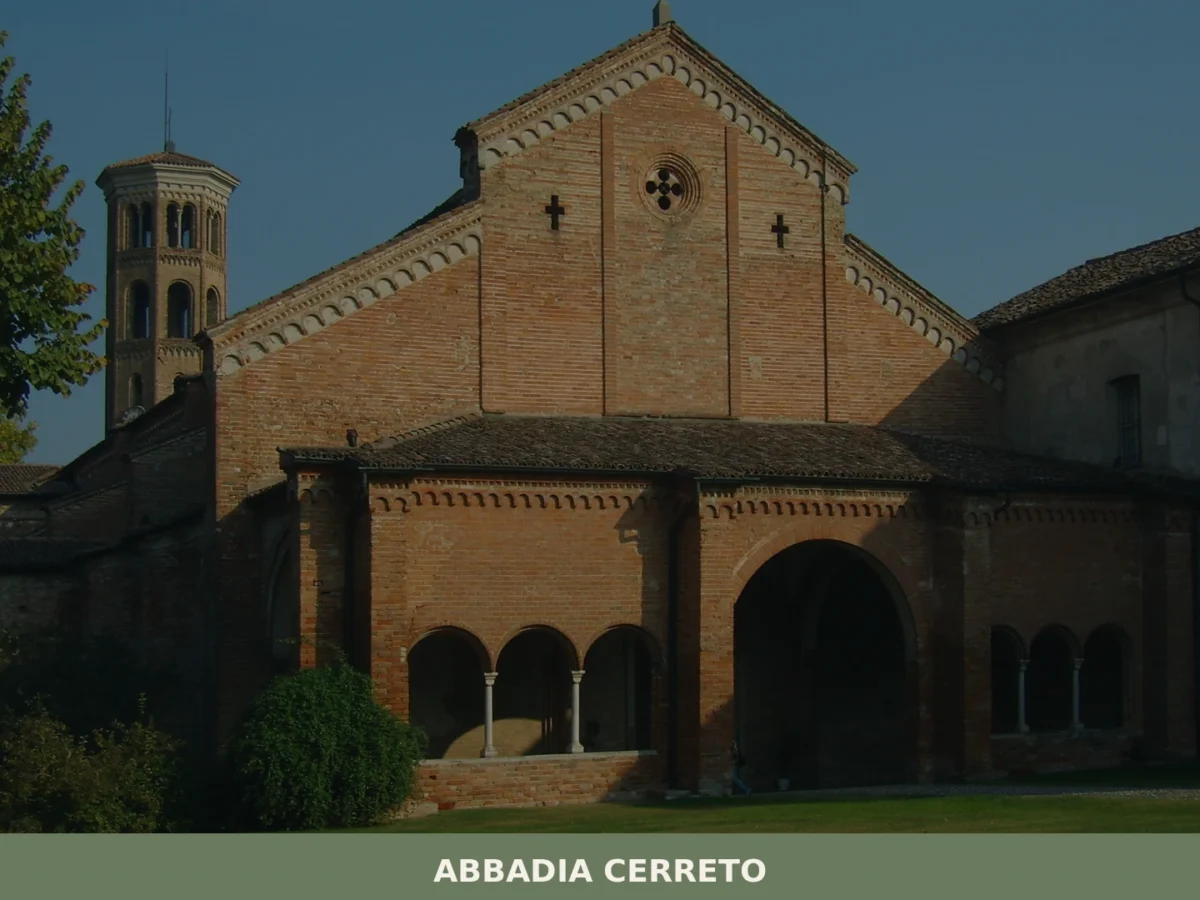
Abbadia Cerreto
 Plains
Discover what to see in Abbadia Cerreto, a 280-person Lombard village in the province of Lodi with Cistercian roots and Po Valley landscapes.
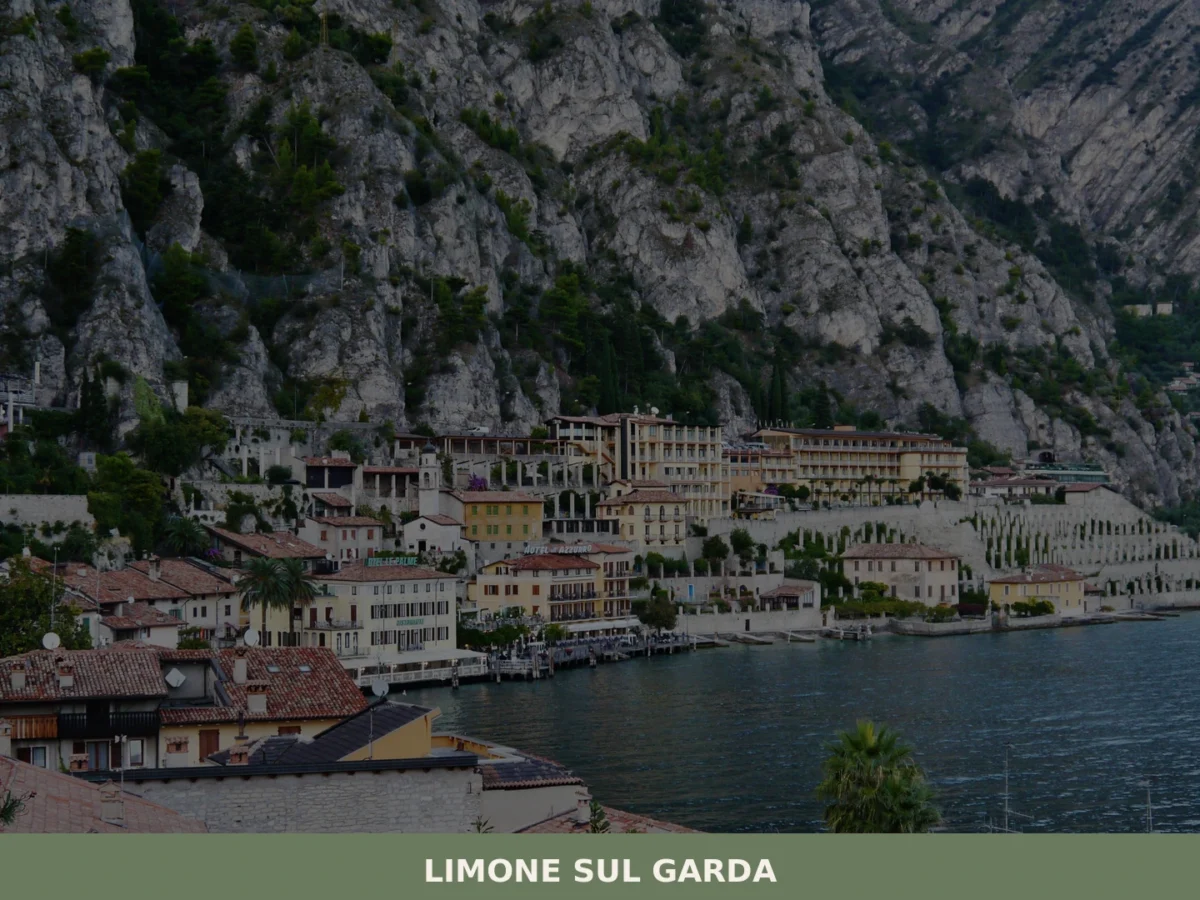
Limone sul Garda
Lake
Plains
What to see in Limone sul Garda, Italy. Discover Lake Garda's terraced lemon groves and the village where 17th-century genetics shaped longevity. Explore unique history and culture.
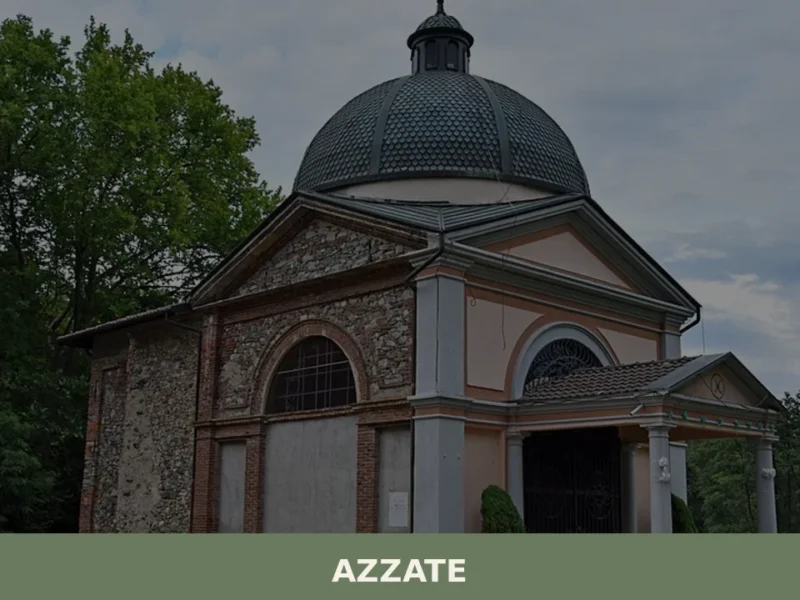
Azzate
 Hills
Lake
Hills
Lake
What to see in Azzate? Discover 5 must-see attractions. Explore the Church of Sant'Andrea and the Belvedere. Book your visit now!
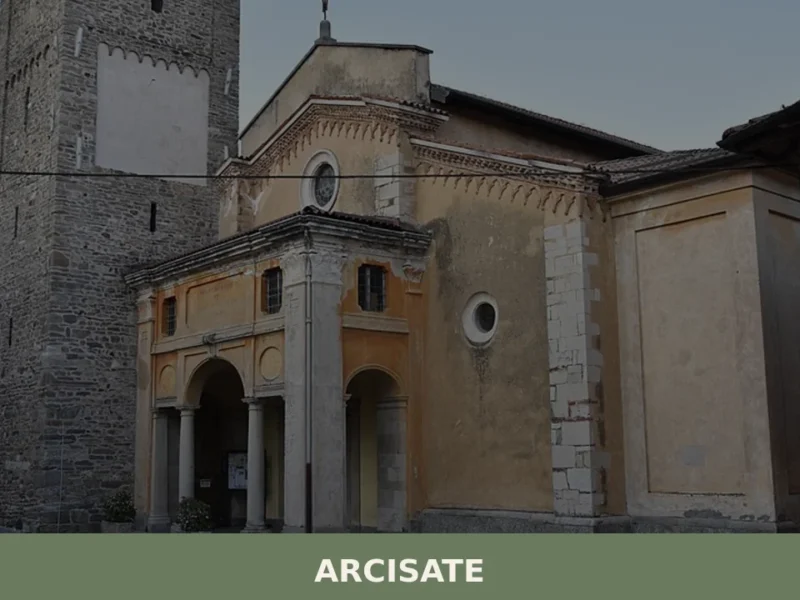
Arcisate
Hills
What to see in Arcisate, Italy: Discover Roman history and hillside views at 372 m a.s.l. Explore the village's main church and its unique past.

Cassano Magnago
Hills
Over 21,000 residents and a documented history stretching back to 1152. Cassano Magnago rewards visitors with a medieval castle, four ancient churches and a rich civic past.

Losine
 Mountain
622 residents, three medieval churches and a dialect nickname that survives centuries. Losine rewards visitors who look beyond Lake Garda for Lombard mountain identity.

Dalmine
Plains
7 historic hamlets merged into one municipality. Dalmine offers Roman foundations, a fascist-era urban plan and remarkable World War II air-raid shelters.
Acquafredda
Plains
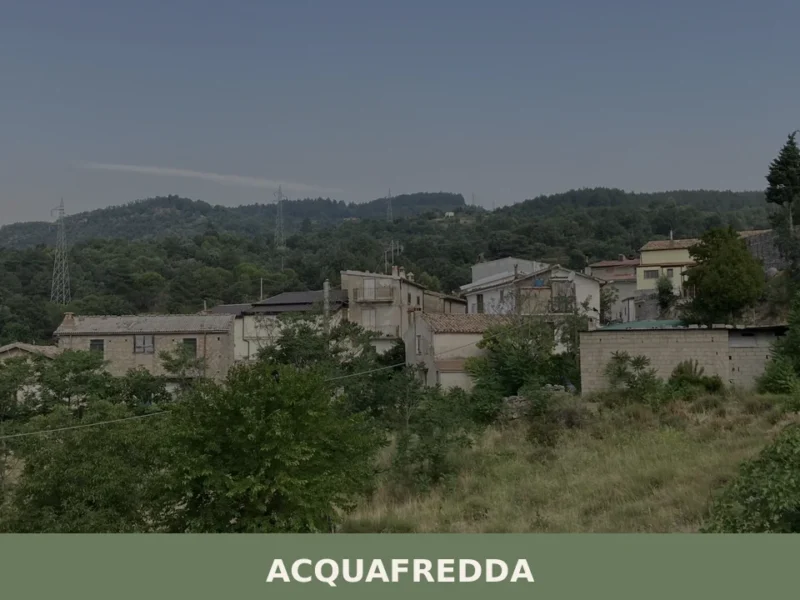
What to see in Acquafredda, a municipality in the lower Brescian area at 55 m above sea level: the Church of San Biagio, historic farmsteads, fontanili and the traditional cuisine of the Po Plain.
Besozzo
Hills
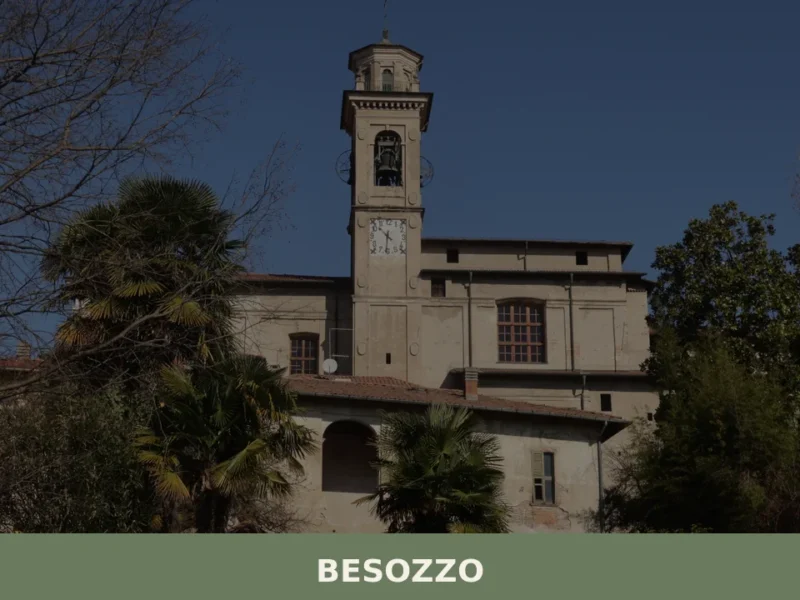
What to see in Besozzo, Italy: Explore the historic upper village (240 m a.s.l.), its noble Palazzi, and proximity to Lago Maggiore. Discover this Lombardian gem.

Dello
Plains
Population 5,675. A medieval comune built around sacred geometry and seasonal harvests, anchored by the Mella river and the October mushroom fair.






🏡 Know Abbadia Lariana better than we do?
If you’re a local or have been there, your knowledge matters: add what’s missing or fix a detail on this page.