


Agnadello
 Plains
What to see in Agnadello, Italy: explore the 1509 battle site, local Cremasco cuisine, and top attractions. Discover this Lombardia village near Milan. Read the guide.
Discover Agnadello
On 14 May 1509, the fields east of Milan became the site of one of the most consequential engagements of the Italian Wars. The army of Louis XII of France met the forces of the Republic of Venice on open ground near a small settlement in the Lombard plain, and by the end of the day the Venetian military capability in northern Italy had effectively collapsed. The name of that settlement was Agnadello, and the surrounding landscape — flat, cultivated, crossed by irrigation channels — still carries the physical memory of what happened there.
Deciding what to see in Agnadello means engaging directly with that military history while also exploring a working Lombard comune, the Italian term for a self-governing municipality, set within the province of Cremona.
Agnadello, Lombardia, Italy sits roughly 32 km (19.9 mi) east of Milan and around 40 km (24.9 mi) northwest of Cremona, the provincial capital, placing it squarely within reach of both cities for a day trip. Visitors find a village whose documented identity rests almost entirely on one date — 1509 — and on the agricultural and culinary landscape of the Cremasco territory that surrounds it.
History of Agnadello
The name Agnadello appears in historical records under variant forms: the local Cremasco dialect renders it as Agnadèl or Gnidèl, pronunciations that reflect the linguistic traditions of the broader Cremasco area, a sub-regional territory centred on Crema and distinct in vocabulary and intonation from standard Lombard. The settlement belongs to the flat agricultural zone between the rivers Adda and Oglio, a corridor that has been continuously farmed since Roman times and that served, during the medieval period, as a contested border zone between the rival powers of Milan and Venice.
The event that fixed Agnadello in European historical memory occurred on 14 May 1509, when Louis XII of France inflicted a decisive defeat on the Venetian Republic as part of the War of the League of Cambrai.
The League — which included France, the Papacy, the Holy Roman Empire, and several Italian states — had formed explicitly to dismantle Venetian territorial expansion on the Italian mainland. The battle itself was fought in the open countryside near the village. The Venetians lost a significant portion of their terraferma, the mainland territories they had accumulated over the previous century, and the engagement is documented in Venetian chronicles as one of the most damaging military reversals the Republic ever suffered. Niccolò Machiavelli referenced the battle in his political writings as an illustration of the dangers of relying on mercenary forces.
In the centuries following 1509, Agnadello returned to the rhythms of agricultural life that define much of the Lombard plain. The area around the village became part of the Duchy of Milan and subsequently passed under Spanish and then Austrian dominion along with the rest of Lombardy. The unification of Italy in 1861 incorporated Agnadello into the new Kingdom of Italy within the province of Cremona, an administrative arrangement that has remained consistent to the present day. The village today functions as a small residential comune within a densely farmed landscape where maize, wheat, and dairy farming form the economic backbone of the surrounding countryside.
What to see in Agnadello, Lombardia: top attractions
The Battle of Agnadello Historical Site
The open fields south and east of the village centre mark the approximate ground where the engagement of 14 May 1509 took place.
There are no raised earthworks or defensive structures surviving above ground, which is consistent with the nature of pitched field battles of the early sixteenth century. Standing at the edge of the cultivated plain, visitors can read the landscape itself: the low horizon, the absence of natural cover, and the proximity of irrigation channels explain the tactical conditions that shaped how the French and Venetian armies manoeuvred. Information panels or commemorative markers, where installed by the municipality, provide orientation. The site is accessible on foot from the village centre and is most legible in late spring, when the fields are low and the sightlines closest to the 1509 conditions.
Parish Church of Agnadello
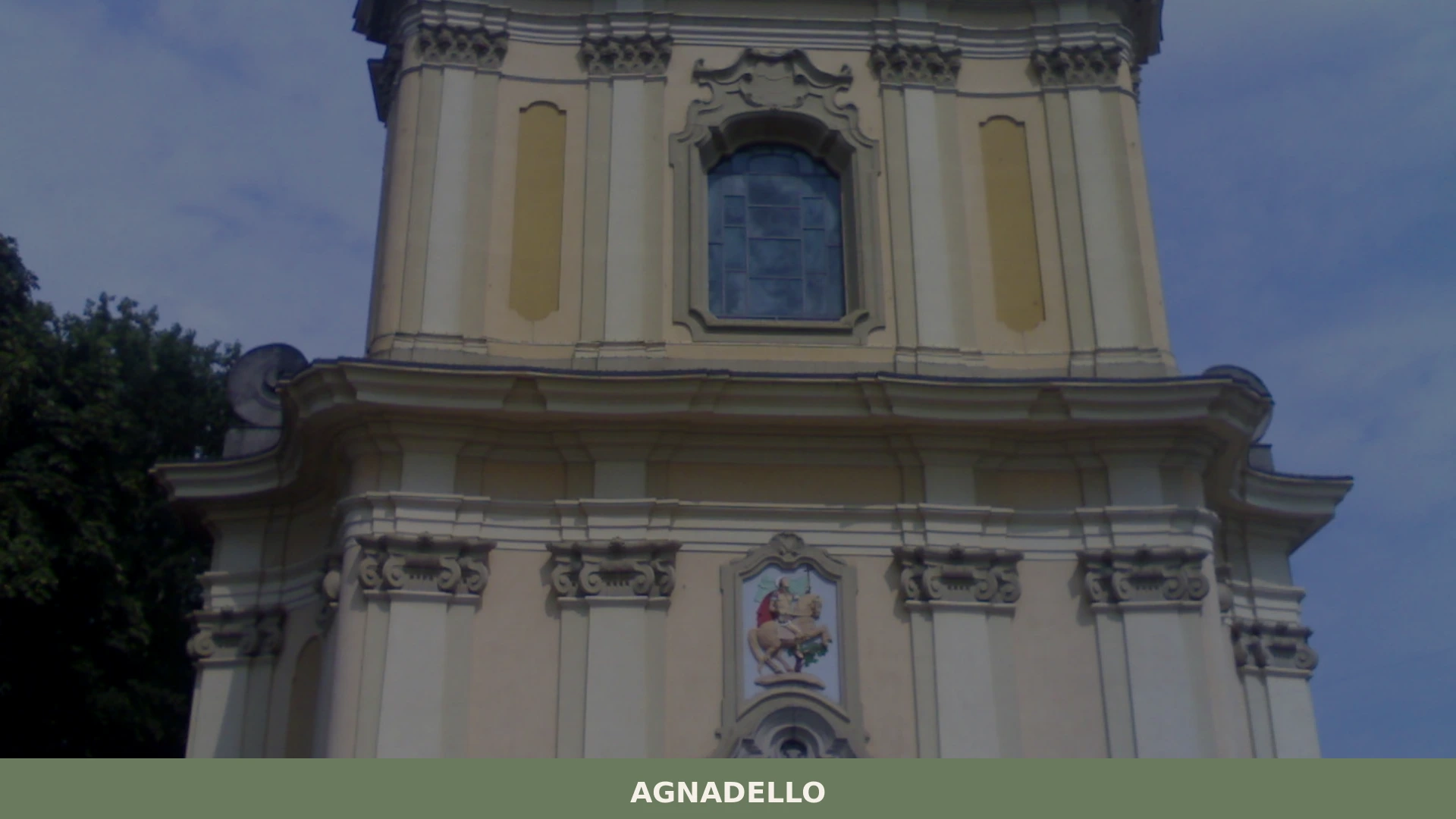
The parish church at the centre of the village is the primary built monument in Agnadello and the focal point of community life throughout the liturgical calendar. Lombard plain churches of this typology typically feature a brick façade — a material dictated by the near-total absence of local stone — with a campanile, the bell tower, rising adjacent to or integrated into the main body. The interior follows the longitudinal nave plan common to Counter-Reformation rebuilding programmes that swept through rural Lombardy in the late sixteenth and seventeenth centuries. Visiting the church in the morning gives the best light through the east-facing windows.
It is worth spending time examining any votive paintings or inscriptions that reference the village’s documented past.
The Cremasco Plain Landscape
The territory immediately surrounding Agnadello is part of the Pianura Cremasco, the flat agricultural plain that stretches between the Adda and Serio rivers. Elevation sits at approximately 77 m (253 ft) above sea level, and the terrain is dissected by a network of rogge, the irrigation channels that have shaped land use in this area since at least the medieval period. Cycling routes connecting Agnadello to neighbouring settlements pass through this working landscape, where fields of maize alternate with pasture maintained for the dairy herds that supply milk to Lombardy’s cheese industry. The plain is most visually coherent in early autumn, when harvested maize fields open long sightlines across the countryside.
Village Centre and Civic Architecture
The built fabric of Agnadello’s centre reflects the architectural conventions of the Lombard rural comune: two- and three-storey brick buildings arranged around a central piazza, with the municipio, the town hall, functioning as the administrative anchor of the settlement. Porticoed ground floors, a feature of northern Italian civic building practice intended to provide covered passage in all weather, appear on several of the older structures facing the main square.
The scale is compact — the entire historic core can be covered on foot in under thirty minutes — which makes it straightforward to orient oneself and to observe the structural differences between buildings from different periods without specialist knowledge.
Route of the 1509 Campaign: Connecting Sites Across the Cremasco
For visitors with a particular interest in Renaissance military history, Agnadello forms one point on a broader itinerary linking battle sites, fortified towns, and castellated structures across the eastern Lombard plain. The town of Crema, approximately 14 km (8.7 mi) to the northeast, holds Venetian-era fortifications and a civic museum with material from this period. The route between Agnadello and Crema passes through landscape that the French and Venetian armies crossed in May 1509. Travelling this corridor by bicycle takes roughly 45 minutes at a moderate pace and allows visitors to understand the logistical geography of the campaign in a way that no map fully conveys.
Local food and typical products of Agnadello
The food culture of Agnadello belongs to the broader Cremasco gastronomic tradition, a sub-regional cuisine that occupies a distinct position within Lombardy’s culinary landscape. The province of Cremona is one of Italy’s most productive agricultural territories, and the Cremasco area specifically has a long association with dairy farming, freshwater fish from the Adda and Serio rivers, and grain cultivation. These three elements — dairy, fish, and grain — underpin most of the traditional dishes eaten in villages like Agnadello. The cuisine is not dramatically different from that of other Lombard plain settlements, but its specific combinations of ingredients and techniques reflect the resources available in this particular stretch of the Po basin.
Among the dishes most closely associated with the Cremasco tradition, tortelli cremaschi stands out as the most documented and regionally distinctive.
These are stuffed fresh pasta parcels whose filling combines mostaccino, a spiced biscuit, with amaretti, candied citron, and aged cheese — a mixture that produces a simultaneously sweet and savoury profile that surprises visitors expecting a straightforward meat or ricotta filling. The technique of blending sweet and savoury in pasta stuffing is a legacy of medieval and Renaissance court cooking that survived in rural areas long after it fell out of fashion elsewhere. Risotto prepared with local dairy butter and finished with Grana Padano or a similar aged cheese represents the other pillar of the local table, using rice varieties cultivated in the irrigated fields of the Po valley. Bollito misto, a slow-cooked mixed boil of various cuts of beef and pork served with mostarda di Cremona — whole candied fruits preserved in a mustard-scented syrup — is the festive dish of the province, appearing at communal tables during local celebrations.
The dairy output of the Cremasco plain contributes directly to several certified products of the Lombardy region. Grana Padano PDO is produced across a wide swathe of the Po valley that includes the province of Cremona; this hard, slow-aged cheese requires a minimum maturation of nine months and uses partially skimmed raw milk from cattle fed on local forage. Provolone Valpadana PDO, a semi-hard stretched-curd cheese produced in spun or smoked variants, also falls within the production zone covering this territory.
These certifications reflect the density of dairy farming across the Cremasco plain and give visitors a concrete point of reference when selecting cheeses at local markets or specialist food shops.
The best time to purchase seasonal and local food products in the Cremasco area is autumn, when agricultural fairs and sagre — traditional food festivals dedicated to a specific local ingredient or dish — take place across the province. Markets in Crema, the nearest significant urban centre to Agnadello, operate on a weekly basis and stock local cheeses, cured meats, and seasonal produce from the surrounding farms. Carrying cash in euros is advisable for purchases at smaller market stalls and village shops, as card payment terminals are not universal in rural Lombardy.
Festivals, events and traditions of Agnadello
The primary recurring event in Agnadello, as in most Italian comuni, is the feast of the patron saint, celebrated on a fixed date in the liturgical calendar. The structure of these celebrations in rural Lombardy typically includes a solemn morning Mass in the parish church, an afternoon procession through the village streets in which a statue or image of the patron is carried by members of the local confraternity, and an evening programme of music and communal gathering in the main piazza. Fireworks, when organised, are set off after nightfall.
The specific date for Agnadello’s patron feast is tied to the dedication of the parish church; visitors intending to attend should verify the current year’s programme through the municipal website.
The commemorative significance of the date 14 May 1509 has periodically generated historical events and re-enactment initiatives in the Cremasco area, particularly at major anniversaries of the battle. Local historical associations and municipal authorities have at various points organised commemorations that draw on the documented historical record of the engagement. These events, when they occur, take place in spring, which also coincides with the most comfortable season for outdoor activity on the Lombard plain before summer heat sets in. The Cremasco area’s network of historical and cultural associations maintains interest in the battle as a regional heritage event of documented European significance.
When to visit Agnadello, Italy and how to get there
The best time to visit Lombardia and specifically the Cremasco plain falls in the periods from April to June and from September to October. Spring brings moderate temperatures — typically between 14°C (57°F) and 22°C (72°F) in May — and the fields surrounding Agnadello are at their most legible for understanding the 1509 battle landscape.
Summer months from July to August are frequently hot and humid on the Po plain, with temperatures regularly exceeding 32°C (90°F), and the agricultural landscape is less visually varied during this period. Autumn, particularly September and October, offers cooler conditions and the visual interest of harvest activity across the surrounding farms. Winter visits are possible but offer limited daylight hours and occasional fog, a characteristic weather condition of the Lombard plain that can persist for days.
Agnadello sits approximately 32 km (19.9 mi) east of Milan, making it a realistic day trip from the city. By car, the most direct route uses the A35 Brebemi motorway, which runs across the Lombard plain and places Agnadello within roughly 30 to 40 minutes of Milan’s eastern ring road depending on traffic. From Cremona, the journey north covers approximately 40 km (24.9 mi) along the SP235 provincial road and takes around 45 minutes.
For visitors arriving by rail, the nearest significant station is at Crema, served by regional trains on the Trenitalia network from Milan Centrale; from Crema, local bus services or a taxi cover the remaining 14 km (8.7 mi) to Agnadello. Milan Malpensa airport lies approximately 70 km (43.5 mi) to the northwest, and Milan Linate airport is around 28 km (17.4 mi) to the west, making either airport a feasible entry point for international visitors. Carrying euros in cash is advisable, as rural Cremasco villages have limited card acceptance in smaller businesses.
The terrain of Agnadello and its immediate surroundings is flat throughout, consistent with the Po plain topography. There are no significant gradients between the village centre and the surrounding agricultural landscape. Visitors travelling from Milan who want to extend their itinerary westward might consider stopping at Angera, on the southern shore of Lake Maggiore, which offers a contrasting landscape of lakeside hills and a documented medieval fortress.
Those arriving from the north and passing through the province of Varese before heading south toward the Cremasco plain can include Besozzo, a village in the Varese lake district, as an intermediate stop.
The geographic spread of a Milan-centred itinerary that takes in Agnadello, the Cremasco plain, and the northern lake territories covers a range of Lombard landscapes within a single multi-day trip. For those specifically interested in the western shore of Lake Maggiore, Brezzo di Bedero, overlooking the lake from elevated ground, sits within the same northern cluster and shares the same provincial transport network as Besozzo.
Frequently asked questions about Agnadello
What is the best time to visit Agnadello?
Agnadello is best visited in late spring, particularly around May 8th for the Festa Patronale of San Vittore il Moro, when the historical battlefield site is most legible and the weather pleasant. Early autumn also offers a unique perspective on the Cremasco Plain, with harvested maize fields creating expansive sightlines ideal for cycling and appreciating the agricultural landscape. The mild temperatures during these seasons make exploring the village and its surroundings more enjoyable.
What are the historical origins of Agnadello?
Agnadello's historical roots trace back to Roman times, situated in a fertile agricultural corridor between the Adda and Oglio rivers, continuously farmed for centuries. During the medieval period, it served as a contested border zone between Milan and Venice. The village gained European historical prominence on May 14, 1509, when it became the site of a decisive battle during the War of the League of Cambrai, fixing its identity in military chronicles and shaping its subsequent development within the Duchy of Milan.
What to see in Agnadello? Main monuments and landmarks
In Agnadello, visitors can explore the **Battle of Agnadello Historical Site**, located in the open fields south and east of the village, where information panels (if installed) help interpret the 1509 engagement. The **Parish Church of Agnadello**, the village's main built monument, offers a glimpse into local religious architecture, notable for its brick façade and campanile. Discover the **Cremasco Plain Landscape** through cycling routes, observing its network of irrigation channels and agricultural fields. Finally, a stroll through the compact **Village Centre** reveals typical Lombard rural civic architecture, including the municipio and porticoed buildings.
What are the main natural or scenic attractions of Agnadello?
The primary natural attraction in Agnadello is the **Cremasco Plain Landscape**. This flat agricultural territory, characterized by its extensive network of u0022roggeu0022 (irrigation channels) and fields of maize and pasture, offers a serene environment for exploration. It's an ideal setting for gentle cycling routes that connect Agnadello to neighboring villages, allowing visitors to immerse themselves in the working rural landscape of the Lombard plain, particularly scenic in early autumn.
Where to take the best photos in Agnadello?
For capturing the essence of Agnadello, the best photos can be taken from the **edge of the cultivated plain**, especially in late spring or early autumn when the low horizon and long sightlines offer dramatic landscape vistas, reflecting the historical battlefield. The **Parish Church of Agnadello** is best photographed in the morning to capture the light through its east-facing windows. Additionally, the **main piazza** provides opportunities to photograph the typical Lombard rural architecture, including the distinctive porticoed ground floors of older civic buildings.
Are there museums, churches or historic buildings to visit in Agnadello?
Yes, Agnadello offers the **Parish Church of Agnadello**, which stands as the village's primary built monument, showcasing typical Lombard brick architecture and a Counter-Reformation interior. Visitors can also explore the **historic village centre**, characterized by its two- and three-storey brick buildings, a central piazza, and the Municipio (town hall), reflecting traditional Lombard rural civic architecture. While Agnadello itself does not host a museum, the nearby town of Crema, just 14 km away, features a civic museum with materials from the same historical period.
What can you do in Agnadello? Activities and experiences
In Agnadello, visitors can immerse themselves in historical exploration by walking the **Battle of Agnadello Historical Site** and visiting the **Parish Church**. **Cycling** is a popular activity, with routes traversing the scenic Cremasco Plain and connecting to nearby towns like Crema, following the path of the 1509 campaign. Experience the local culture by sampling the distinctive **Cremasco gastronomy**, including tortelli cremaschi and bollito misto. If visiting on May 8th, you can participate in the annual **Festa Patronale** of San Vittore il Moro.
Who is Agnadello suitable for? Families, couples, hikers, solo travelers?
Agnadello is particularly suitable for **history enthusiasts** keen to explore the site of the pivotal 1509 battle and its broader campaign route. **Cyclists** will appreciate the flat Cremasco Plain and dedicated routes connecting to neighboring villages. **Food lovers** can indulge in the unique Cremasco gastronomic traditions. It's also ideal for **solo travelers** or **couples** seeking a tranquil rural experience, a glimpse into a working Lombard comune, or a cultural day trip from Milan or Cremona.
What to eat in Agnadello? Local products and specialties
Agnadello's culinary scene is rooted in the Cremasco gastronomic tradition. A must-try specialty is **Tortelli Cremaschi**, unique stuffed pasta parcels featuring a surprising sweet and savoury filling of mostaccino biscuit, amaretti, candied citron, and aged cheese. Other local delights include **Risotto** prepared with local dairy butter and finished with Grana Padano cheese. For a festive experience, sample **Bollito Misto**, a slow-cooked mixed meat dish traditionally served with Mostarda di Cremona. The region is also renowned for its high-quality dairy, contributing to products like **Grana Padano PDO** and **Provolone Valpadana**.
📷 Photo Gallery — Agnadello
Nearby Villages near Agnadello
In Lombardy More villages to discover
Bedero Valcuvia
Plains
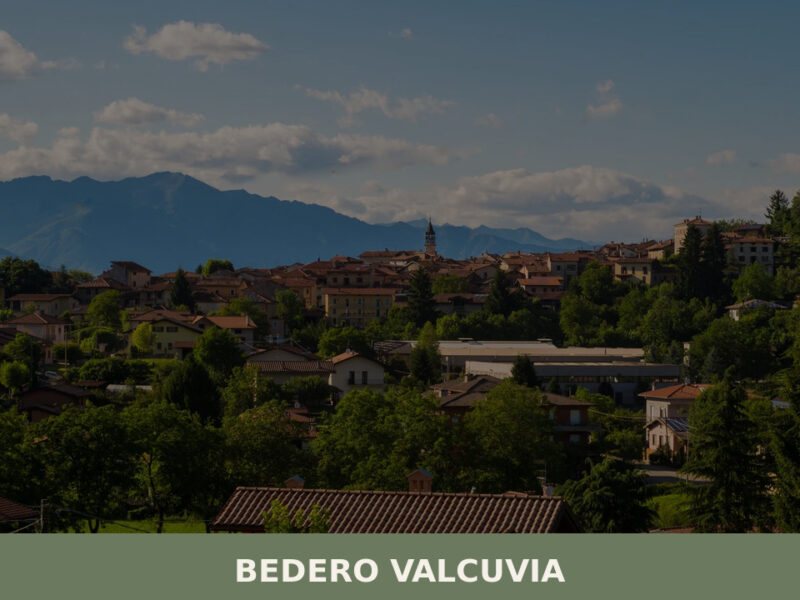
Morning light reaches Bedero Valcuvia in stages — first the bell tower of the parish church, then the stone walls along Via Roma, and finally the gardens where fig trees press against iron railings. The village holds 680 residents in the broad green trough of the Valcuvia, a valley running between Lake Maggiore and Lake […]
Cadrezzate
 Hills
Hills
 Lake
Lake
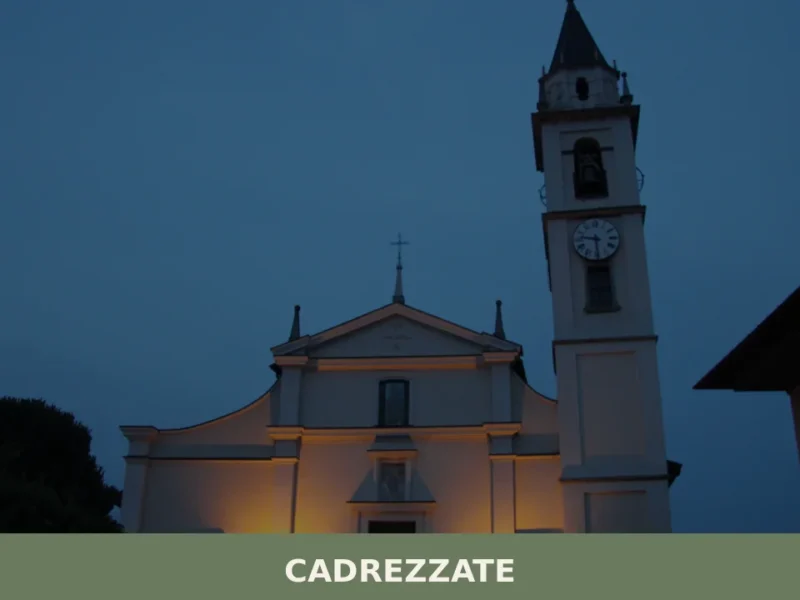
Cosa vedere a Cadrezzate: borgo a 281m sul Lago di Monate, 1.854 abitanti. Lago limpido, chiesa patronale, sentieri collinari e cucina varesina. Guida completa.
Albizzate
Hills
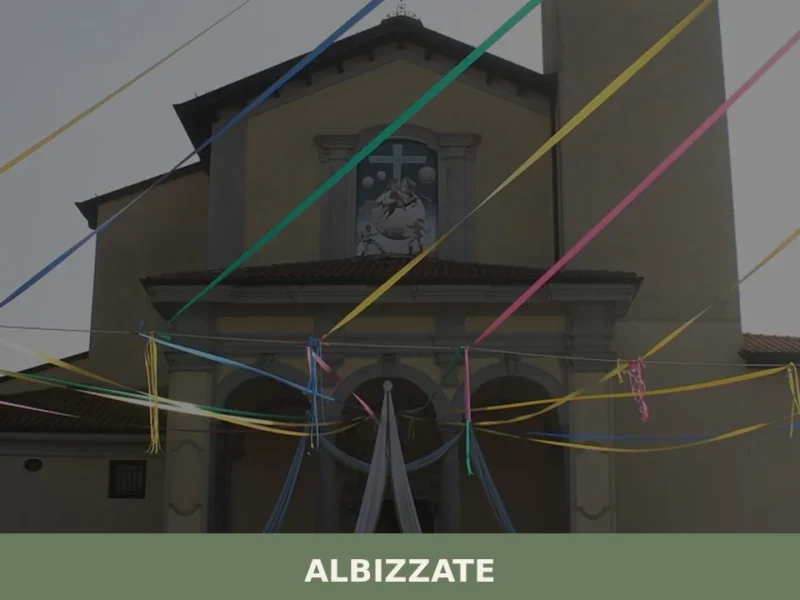
Explore the picturesque village of Albizzate, nestled in the heart of Lombardia, Italy. Learn about its unique culture, attractions, and local life.
Brescia
Plains
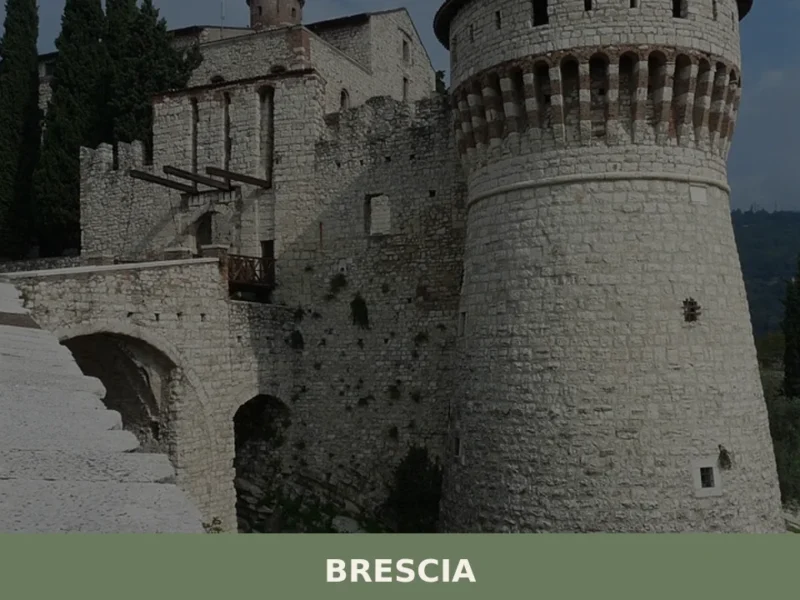
In 1826, during the excavation of a house’s foundations on Via Musei, the Winged Victory emerged from the ground — a Roman bronze from the 1st century AD, nearly two metres tall, and the symbol of a city that has layered twenty-five centuries of history upon itself. Anyone wondering what to see in Brescia today […]
Castello Cabiaglio
Hills
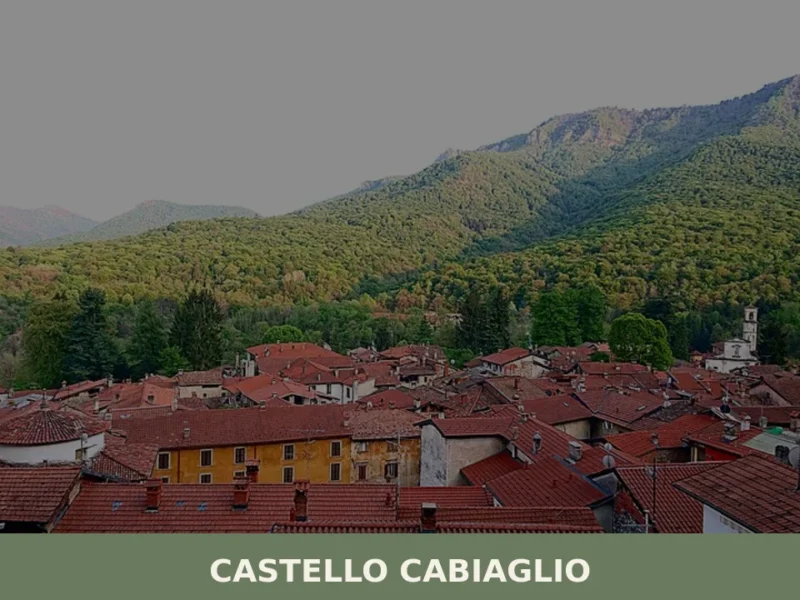
What to see in Castello Cabiaglio: a hill village at 514m with 567 residents in Varese. Explore Sant'Appiano church, Campo dei Fiori trails and local porcini risotto. Plan your visit now.
Lodi
Plains
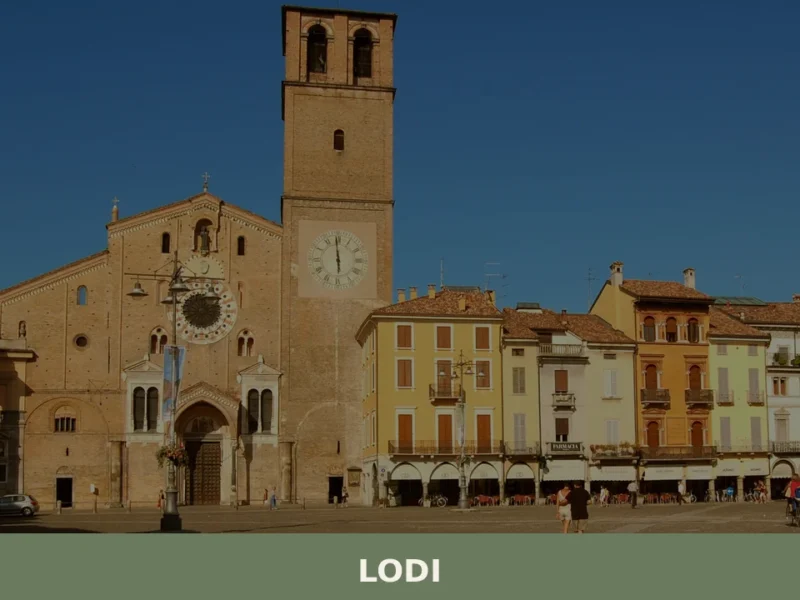
What to see in Lodi, Italy: Discover its 1454 Treaty legacy and 1796 Battle site. Explore this Lombard city, 87 m (285 ft) above sea level, for a unique historical day trip.
Bergamo
Hills
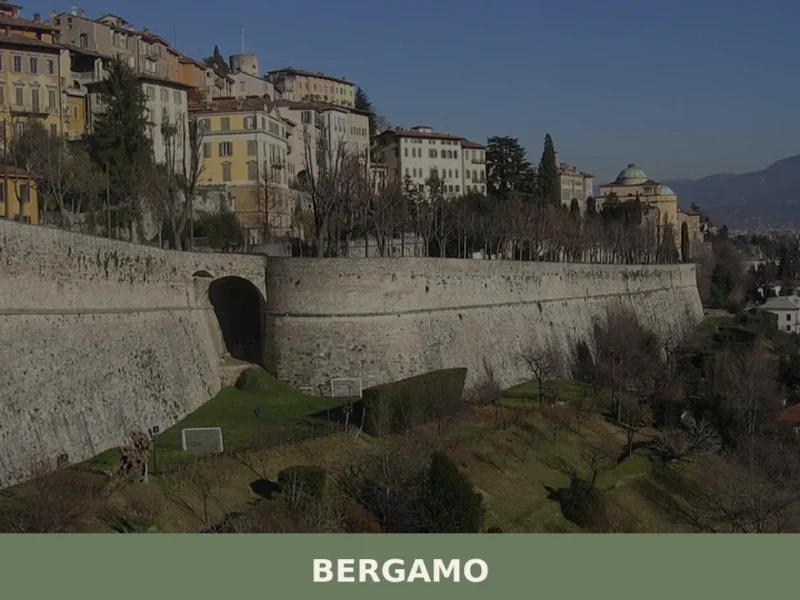
What to see in Bergamo? With 119,534 inhabitants, the city is famous for its Venetian Walls and Piazza Vecchia. Discover its rich history and typical dishes.
Arsago Seprio
Hills
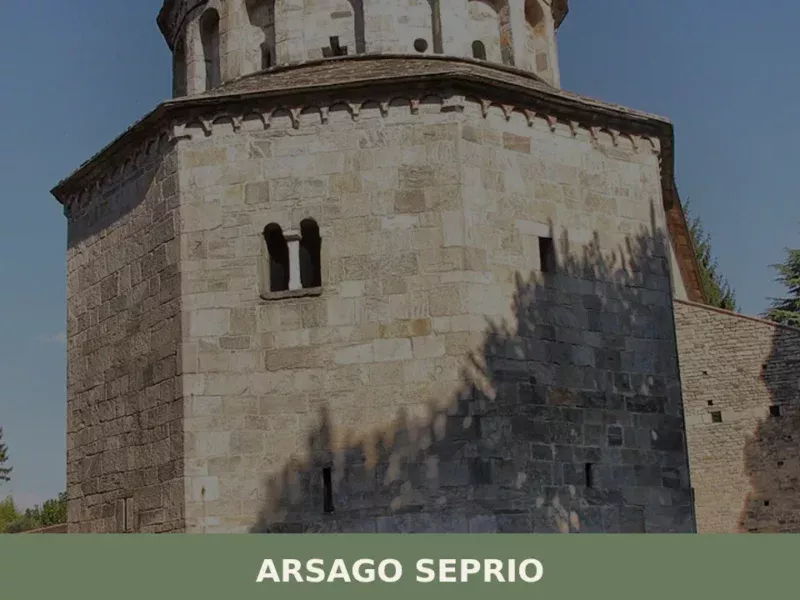
In Arsago Seprio, located in the province of Varese, the ancient Basilica of San Vittore Maggiore features structures dating back to the 9th century, indicating continuous settlement rooted in Roman times. This specific detail introduces a village of 4,869 inhabitants, located 290 meters above sea level, where historical layering is a tangible element. For those […]

Mornago
Hills
4,838 residents and three historic fractions give Mornago a layered identity, from Roman land tenure to a rare motorcycle manufactory born in 1925.
Bardello
Hills
Lake
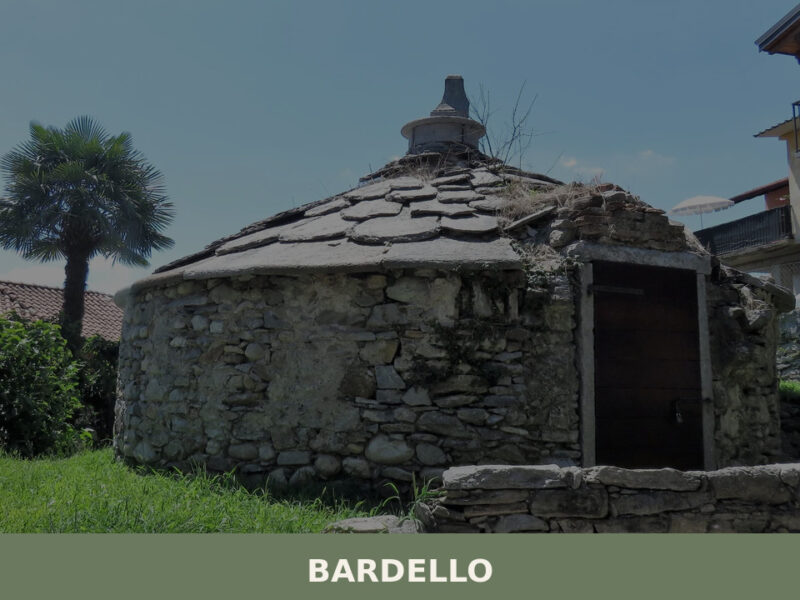
Morning mist lifts off the Bardello river in thin, slow ribbons, revealing a low-slung village of roughly 1,553 inhabitants pressed against the southern shore of Lake Varese. A church bell counts seven. A heron stands motionless in the reeds along the waterway that gives this settlement its name. If you are wondering what to see […]

🏡 Know Agnadello better than we do?
If you’re a local or have been there, your knowledge matters: add what’s missing or fix a detail on this page.