


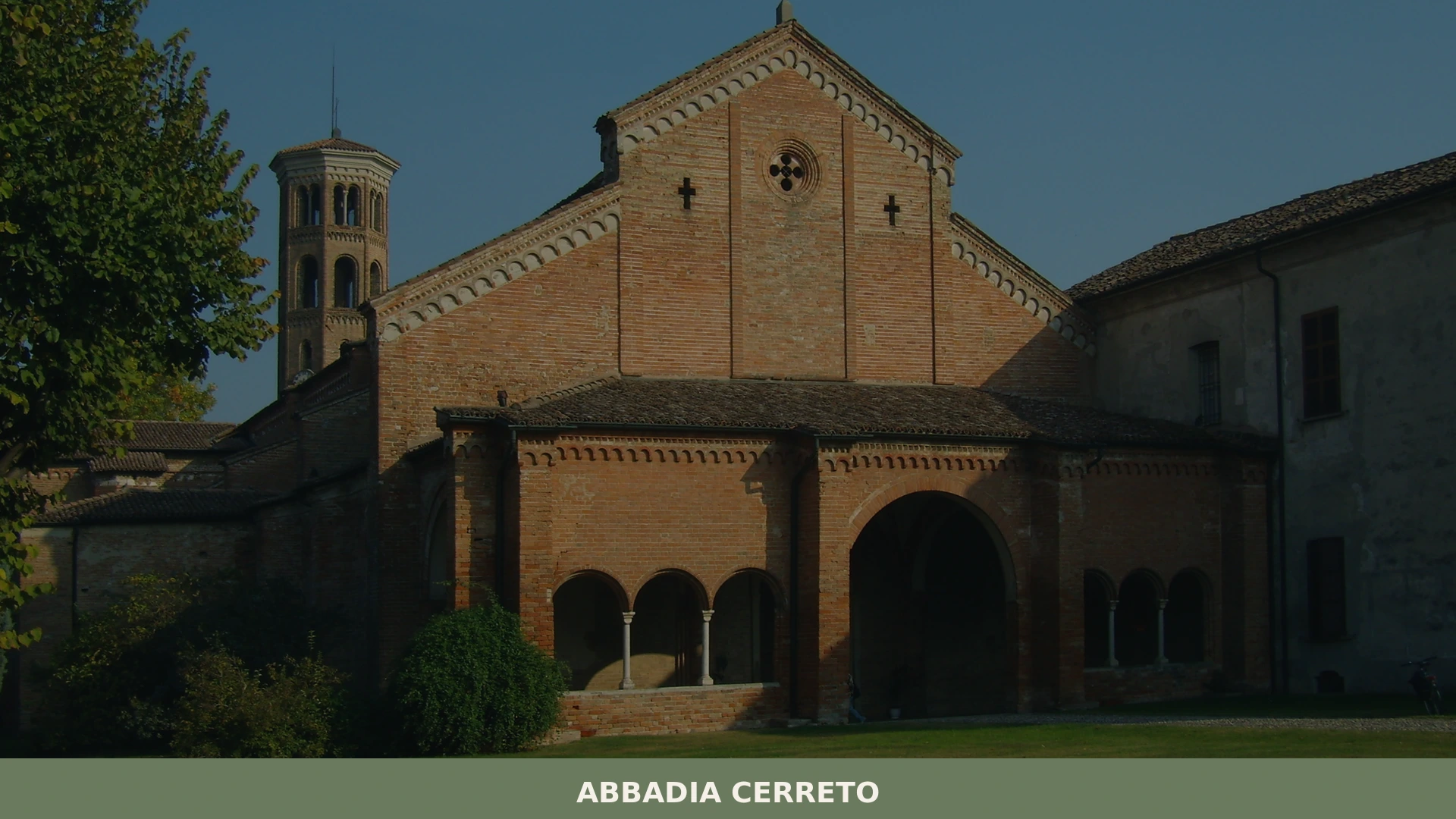
Abbadia Cerreto
 Plains
Discover what to see in Abbadia Cerreto, a 280-person Lombard village in the province of Lodi with Cistercian roots and Po Valley landscapes.
Discover Abbadia Cerreto
Abbadia Cerreto is home to approximately 280 residents and holds a small but verifiable distinction in Italian administrative geography: it is the second municipality in Italy by alphabetical order, following Abano Terme and preceding Abbadia Lariana. Located in the province of Lodi, in the flat agricultural heartland of Lombardia, this compact comune on the Lombard plain rewards careful attention. Knowing what to see in Abbadia Cerreto requires understanding the ecclesiastical history embedded in its very name — abbadia, from the Latin abbatia, meaning abbey.
History of Abbadia Cerreto
The name Abbadia Cerreto derives directly from the Benedictine abbey that once stood at the core of this settlement — a religious institution whose presence gave the village its identity and its economy across the medieval period. The suffix Cerreto refers to the cerro, or Turkey oak (Quercus cerris), a tree species historically widespread across this stretch of the Po Valley, suggesting that the surrounding woodland was a defining feature of the landscape long before the comune took its current administrative form. This combination of ecclesiastical and natural reference in a single place name is itself a document of medieval land use and monastic settlement patterns in Lombardia.
The abbey from which the village takes its name was a Cistercian foundation, established in the medieval period in the low-lying plains south of Milan. Cistercian monks were deliberate colonisers of difficult or underused agricultural land — marshes, riverine flood zones, dense woodland — and the Po Plain offered precisely those conditions. Their presence in this area was not merely spiritual but infrastructural: the monasteries of this region drained land, managed water courses, cultivated cereals and vines, and accumulated substantial landholdings. The village that grew around or near such an institution was, in material terms, a byproduct of that monastic agricultural enterprise.
In the broader context of the province of Lodi — a territory that passed through the control of the Visconti, the Sforza, and later the Spanish Crown during the early modern period — small comuni like Abbadia Cerreto existed within layered systems of feudal and ecclesiastical jurisdiction. The suppression of religious institutions during the Napoleonic reorganisation of northern Italy in the late eighteenth and early nineteenth centuries fundamentally altered the relationship between such villages and their founding abbeys. Administrative restructuring placed these communities under secular municipal governance, a transition that reshaped land ownership and local economy across the Lombard plain. Abbadia Cerreto today belongs to the Province of Lodi, itself reconstituted as an independent province in 1992 after decades as part of the province of Milan.
What to see in Abbadia Cerreto: 5 must-visit attractions
The Abbey of Abbadia Cerreto
The Cistercian abbey is the founding structure of the settlement itself. Dating to the medieval period, it represents the monastic agricultural expansion characteristic of the Cistercian order across the Po Plain. The complex — including its church and conventual buildings — retains architectural elements from successive centuries of use, modification, and partial repurposing following the suppression of religious orders.
The Parish Church
As is typical in villages whose origins are tied to a monastic institution, the local parish church occupies a central position in both the urban layout and the community’s religious calendar. Its interior likely preserves furnishings and decorative elements accumulated over several centuries, reflecting the accumulated patronage of local families and ecclesiastical administrators across the post-medieval period.
The Lombard Plain Landscape
Abbadia Cerreto sits within the characteristic flat agricultural geography of the Lodigiano, a sub-region of the Po Valley where rice paddies, irrigation canals, and hedgerow-bordered fields define the visual and ecological texture of the territory. This is a cultivated landscape with a documented history going back to medieval land reclamation, not an accidental backdrop.
The Historic Village Core
The built fabric of the comune itself — its low residential buildings, rural courtyards, and the spatial logic inherited from a settlement organised around an abbey — offers a coherent example of a Lombard agricultural village. The relationship between ecclesiastical, agricultural, and residential spaces follows patterns common to monastic-origin settlements throughout the Po Plain.
The Lodigiano Countryside Routes
The network of rural roads and footpaths connecting Abbadia Cerreto to neighbouring comuni in the province of Lodi allows visitors to move through one of Lombardia’s most intact agricultural landscapes. The regional tourism authority for Lombardia documents several cycling and walking itineraries that traverse this territory, connecting villages, abbeys, and irrigation infrastructure across the flat plain.
Local food and typical products
The Lodigiano is one of Italy’s most important dairy territories, and the food culture of Abbadia Cerreto reflects this directly. The province of Lodi is the homeland of Granone Lodigiano, a hard aged cheese with deep historical roots in the region, considered an ancestor of Grana Padano. Grana Padano itself holds DOP (Denominazione di Origine Protetta) status and is produced extensively across the broader Po Valley. Visitors to this part of Lombardia will find aged cheeses, fresh butter, and cream-based preparations at the centre of local cooking.
Beyond dairy, the Lodigiano table reflects the agricultural productivity of the plain: rice dishes including risotto prepared with local stock, braised meats, and freshwater fish from the river and canal systems are all part of the traditional repertoire. The nearest town of Lodi, approximately a short drive from Abbadia Cerreto, offers restaurants and delicatessens where these local products can be found in both their raw and prepared forms. The municipality of Lodi provides practical information on local producers and markets in the wider provincial territory.
Best time to visit Abbadia Cerreto
The Lombard plain has a continental climate with cold, frequently foggy winters and warm, humid summers. Spring — roughly late March through May — and autumn — September through November — offer the most comfortable conditions for outdoor movement. The flat landscape and the network of rural roads are well suited to cycling at these temperatures. Summer heat in the Po Valley can be oppressive, with high humidity compounding temperatures that regularly exceed 30°C in July and August. Winter fog is a defining and persistent feature of the Lodigiano from November onward, reducing visibility across the plain for days at a time.
There are no large-scale festivals or events specific to Abbadia Cerreto documented in widely available sources, which is consistent with its small population of 280. The broader province of Lodi holds agricultural fairs and food markets across the year, particularly in autumn when dairy and grain harvests provide the occasion. For visitors with a specific interest in the abbey or ecclesiastical heritage, coordinating a visit with the comune or the local parish in advance is advisable, as access to historic buildings in small Italian villages often depends on informal arrangements rather than fixed opening hours.
How to get to Abbadia Cerreto
Abbadia Cerreto sits in the province of Lodi, in the southern part of Lombardia. The following reference points give a practical orientation:
- By car from Milan: Approximately 35–40 kilometres southeast of Milan. Take the A1 motorway (Milan–Bologna) and exit at Lodi, then follow provincial roads toward Abbadia Cerreto. Journey time from Milan is roughly 40–50 minutes depending on traffic.
- By train: The nearest significant railway station is Lodi, served by regional trains from Milano Centrale and Piacenza on the Milan–Bologna main line. From Lodi, Abbadia Cerreto is best reached by car or bicycle, as local bus connections in small Lombard comuni are limited.
- By car from Piacenza: Approximately 30 kilometres northwest. Take the A1 north and exit at Lodi.
- Nearest airport: Milano Linate (LIN) is the closest airport, approximately 30–35 kilometres to the northwest. Milano Malpensa (MXP) is further, at roughly 80 kilometres.
A car is the most practical means of reaching and exploring Abbadia Cerreto and the surrounding Lodigiano countryside. Public transport within the province is functional for connections to and from Lodi but does not reliably serve the smaller comuni on a frequency useful to visitors.
Where to stay in Abbadia Cerreto
With a population of 280, Abbadia Cerreto does not have a developed accommodation infrastructure. Visitors should not expect hotels or B&Bs within the village itself. The most practical base for exploring Abbadia Cerreto and the surrounding Lodigiano is the town of Lodi, which offers a range of hotels, guesthouses, and holiday rentals at different price points, along with restaurants and services useful to travellers. Lodi is a well-preserved medieval town in its own right and functions as a natural operational hub for this part of the province.
For those who prefer a rural setting, agriturismo accommodation — farmhouse stays that are common across Lombardia’s agricultural zones — may be available in the broader Lodigiano countryside. These tend to offer simple, farm-based accommodation with meals prepared from local produce. Availability varies by season and booking well in advance is advisable, particularly for spring and autumn visits. Searching through regional agriturismo directories or the Lombardia tourism platform is the most reliable way to identify current options in this specific part of the province.
More villages to discover in Lombardia
Lombardia’s villages span an extraordinary range of geographic and historical conditions, from the Alpine foothills to the Po Plain. Those interested in the quieter, less-visited corners of the region might consider Casalzuigno, a small comune in the Varese province whose upland position and historic Villa Della Porta Bozzolo offer a sharply different experience from the flat Lodigiano landscape. Similarly, Brinzio in the Valcuvia valley north of Varese represents the wooded, hill-village typology that characterises the pre-Alpine belt — a useful counterpoint to the open agricultural plain of Abbadia Cerreto.
Further afield within the region, Bardello on the eastern shore of Lake Varese offers a lakeside perspective on Lombard village life, while the city of Brescia provides the historical and urban depth of one of Lombardia’s major centres — a useful anchor for any extended itinerary across the region’s diverse territories. Together, these places map out the geographic and cultural range of a region that is far more varied than its industrial reputation might suggest.
Frequently asked questions about Abbadia Cerreto
What is the best time to visit Abbadia Cerreto?
The most pleasant times to visit Abbadia Cerreto are spring (late March through May) and autumn (September through November). During these seasons, the continental climate of the Lombard plain offers comfortable temperatures ideal for cycling or walking the rural routes. Summers (July-August) can be hot and humid, while winters (November onwards) are often characterized by persistent fog. A notable local event is the patronal feast of Maria SS.ma Assunta, celebrated on the first Sunday of September, offering a glimpse into local traditions. For access to historic buildings like the Abbey, it's advisable to coordinate with the comune or local parish in advance, as opening hours can be informal.
What are the historical origins of Abbadia Cerreto?
Abbadia Cerreto's origins are deeply rooted in its monastic past, with its name directly signifying u0022Abbey of Cerreto.u0022 The village grew around a Cistercian abbey, established in the medieval period, which was instrumental in the agricultural development of the low-lying Po Plain. The u0022Cerretou0022 suffix refers to the Turkey oak, historically abundant here. This Cistercian presence was not only spiritual but also infrastructural, transforming land and fostering a local economy. Following the Napoleonic suppressions, the village transitioned to secular municipal governance, eventually becoming part of the Province of Lodi in 1992.
What to see in Abbadia Cerreto? Main monuments and landmarks
Abbadia Cerreto offers a glimpse into a tranquil Lombard agricultural village centered around its historical core. The primary landmark is the Cistercian Abbey of Abbadia Cerreto, the foundational structure of the settlement, showcasing medieval architecture with elements from successive centuries. Equally significant is the local Parish Church, which holds a central position and likely preserves centuries of furnishings. Beyond these, the historic village core itself, with its low residential buildings and rural courtyards, reflects the settlement's monastic origins. The surrounding Lombard Plain landscape, characterized by rice paddies and irrigation canals, also serves as a defining visual attraction.
What are the main natural or scenic attractions of Abbadia Cerreto?
The primary natural and scenic attraction of Abbadia Cerreto is the characteristic Lombard Plain Landscape itself. The village is nestled within the flat agricultural heartland of the Lodigiano, offering panoramic views of cultivated fields, rice paddies, and a network of irrigation canals. This is a meticulously managed landscape with a rich history of medieval land reclamation. Visitors can explore the Lodigiano Countryside Routes, a network of rural roads and footpaths connecting Abbadia Cerreto to neighboring comuni. These routes are ideal for cycling and walking, allowing for immersion in one of Lombardia's most intact agricultural territories.
Where to take the best photos in Abbadia Cerreto?
For photographers, Abbadia Cerreto offers evocative scenes reflecting its unique character. Excellent photo opportunities can be found at the Cistercian Abbey complex, capturing its ancient architecture and the quiet solemnity of its grounds. The Parish Church, with its central position in the village, also provides a picturesque subject. Beyond the built heritage, the surrounding Lombard Plain Landscape is particularly photogenic. Capture the expansive views of rice paddies, the geometric patterns of cultivated fields, and the serene irrigation canals, especially during sunrise or sunset when the light softens the flat horizons of the Lodigiano countryside.
Are there museums, churches or historic buildings to visit in Abbadia Cerreto?
Yes, Abbadia Cerreto features significant historic buildings. The most prominent is the Cistercian Abbey of Abbadia Cerreto, the medieval monastic complex from which the village derives its name, showcasing centuries of architectural evolution. Additionally, the local Parish Church stands as a central religious and architectural point within the village, likely containing historical furnishings and decorative elements. It's important to note that access to these historic buildings in small Italian villages often relies on informal arrangements rather than fixed public opening hours. Visitors are advised to coordinate with the comune or the local parish in advance to arrange a visit.
What can you do in Abbadia Cerreto? Activities and experiences
In Abbadia Cerreto, visitors can immerse themselves in a tranquil rural Lombard experience. Key activities include exploring the historic village core, which offers a coherent example of a monastic-origin agricultural settlement. You can visit the Abbey of Abbadia Cerreto and the Parish Church to appreciate their historical and architectural significance. The flat Lodigiano countryside is perfect for cycling and walking, with numerous rural roads and footpaths connecting to neighboring comuni. Additionally, indulging in the local food culture is a must, tasting renowned dairy products like Granone Lodigiano and Grana Padano, along with traditional rice dishes and braised meats.
Who is Abbadia Cerreto suitable for? Families, couples, hikers, solo travelers?
Abbadia Cerreto is ideal for travelers seeking a quiet, authentic rural experience away from bustling tourist hubs. It particularly appeals to history enthusiasts interested in monastic heritage and medieval land use, given the village's origins around its Cistercian abbey. Cyclists and walkers will appreciate the flat landscape and network of rural routes across the Lodigiano countryside. Food lovers will find it a rewarding destination for exploring Lombardia's rich dairy traditions and local gastronomy. It's best suited for solo travelers, couples, or small groups who prefer independent exploration and tranquility over extensive services or nightlife within the village itself.
What to eat in Abbadia Cerreto? Local products and specialties
The gastronomy of Abbadia Cerreto, nestled in the Lodigiano, is deeply rooted in its rich dairy tradition. Visitors must try local cheeses, especially Granone Lodigiano, considered an ancestor of Grana Padano, and Grana Padano DOP itself, widely produced in the area. Fresh butter and cream-based preparations are central to local cooking. Beyond dairy, the agricultural bounty of the plain yields excellent rice dishes, with risotto prepared using local stock being a staple. Traditional braised meats and freshwater fish from the regional river and canal systems also feature prominently on the Lodigiano table.
Getting there
Via dell'Abbazia, 26834 Abbadia Cerreto (LO)
Nearby Villages near Abbadia Cerreto
In Lombardy More villages to discover
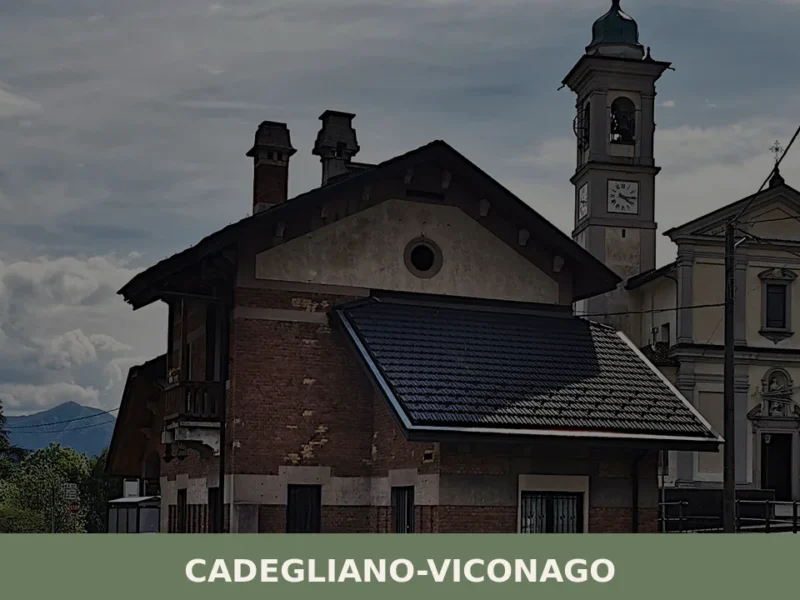
Cadegliano-Viconago
 Hills
Hills
What to see in Cadegliano-Viconago: hilltop village at 414m, 2,155 residents. Two historic centres, chestnut woodland, views over Lake Lugano. Plan your visit with this complete guide.
Limone sul Garda
 Lake
Plains
Lake
Plains
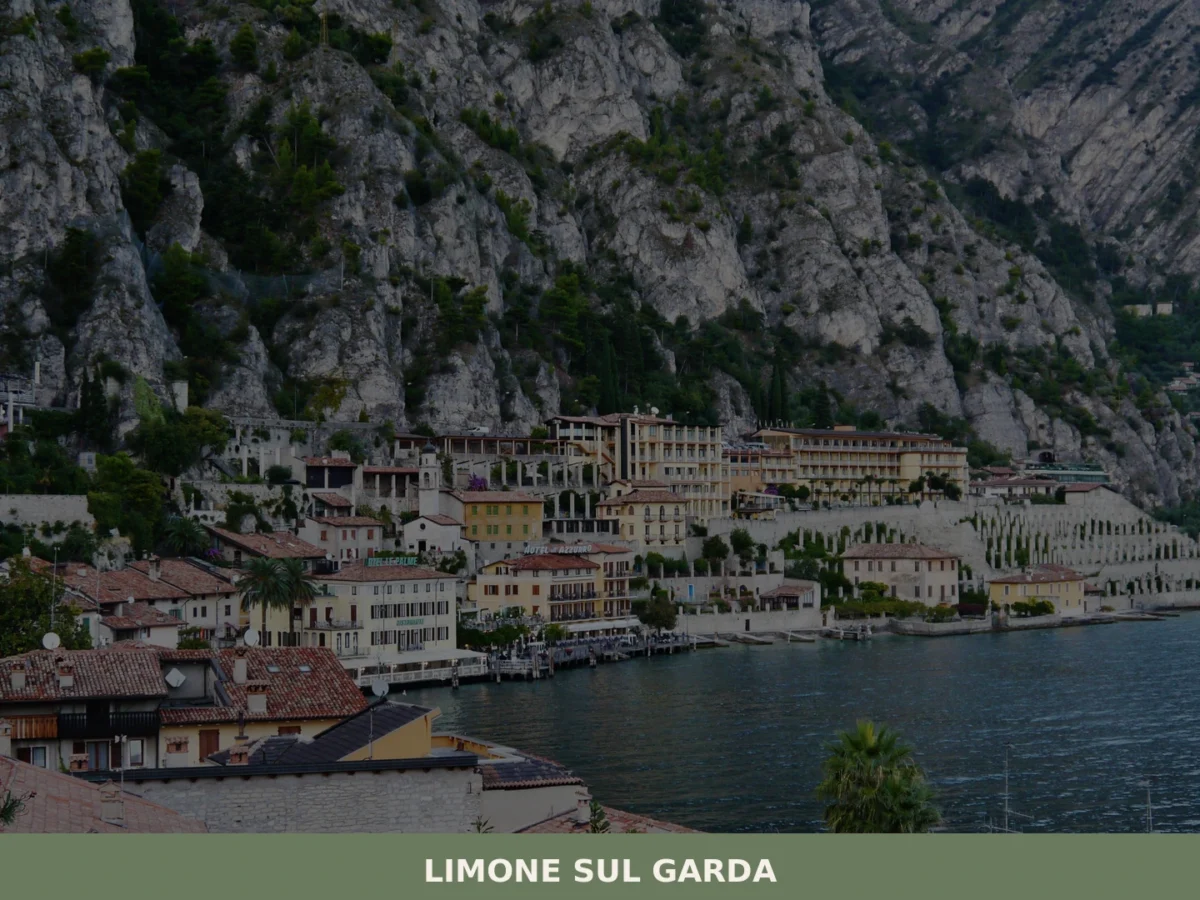
What to see in Limone sul Garda, Italy. Discover Lake Garda's terraced lemon groves and the village where 17th-century genetics shaped longevity. Explore unique history and culture.

Dalmine
Plains
7 historic hamlets merged into one municipality. Dalmine offers Roman foundations, a fascist-era urban plan and remarkable World War II air-raid shelters.

Vanzaghello
Plains
5,375 residents, one medieval parish church and a steam locomotive in the central square: Vanzaghello rewards visitors drawn to authentic Lombard daily life.
Agnadello
Plains
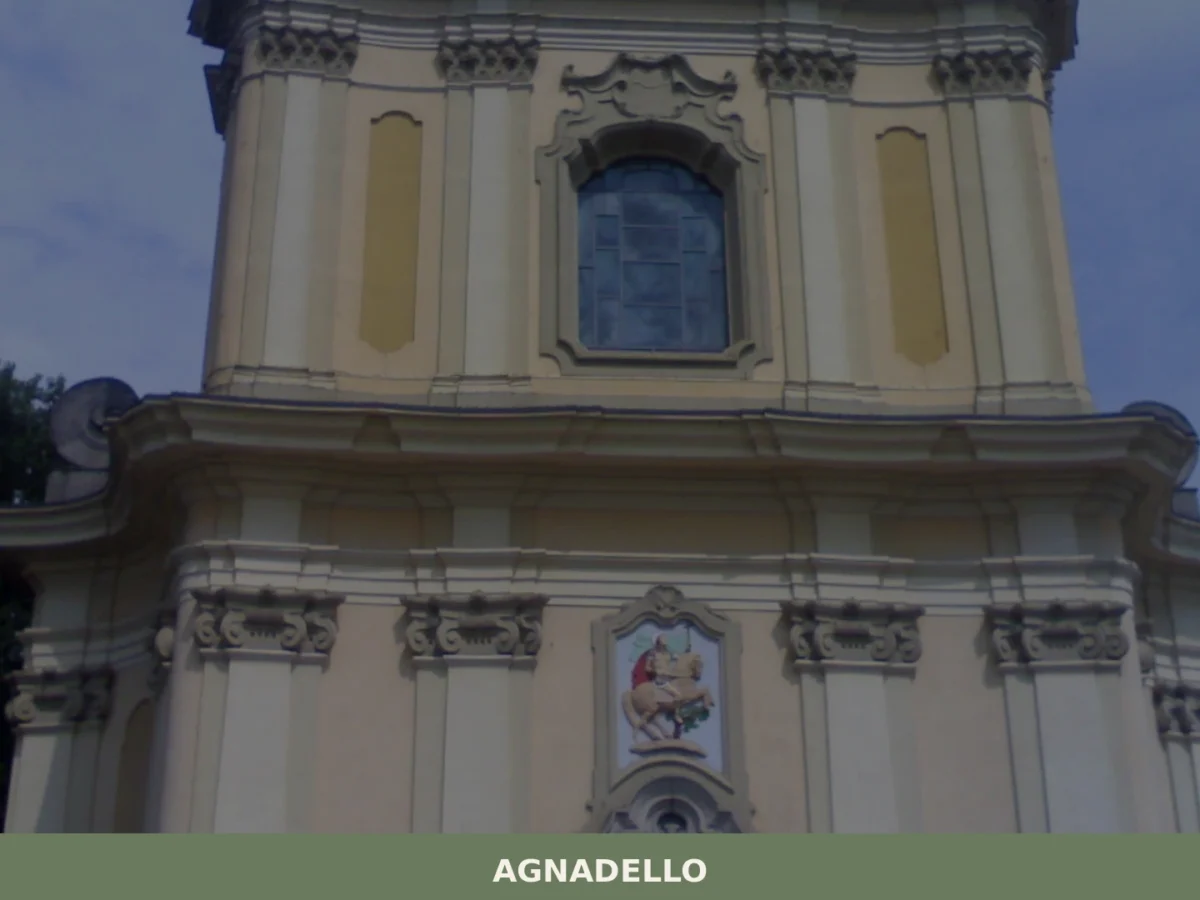
What to see in Agnadello, Italy: explore the 1509 battle site, local Cremasco cuisine, and top attractions. Discover this Lombardia village near Milan. Read the guide.
Acquafredda
Plains
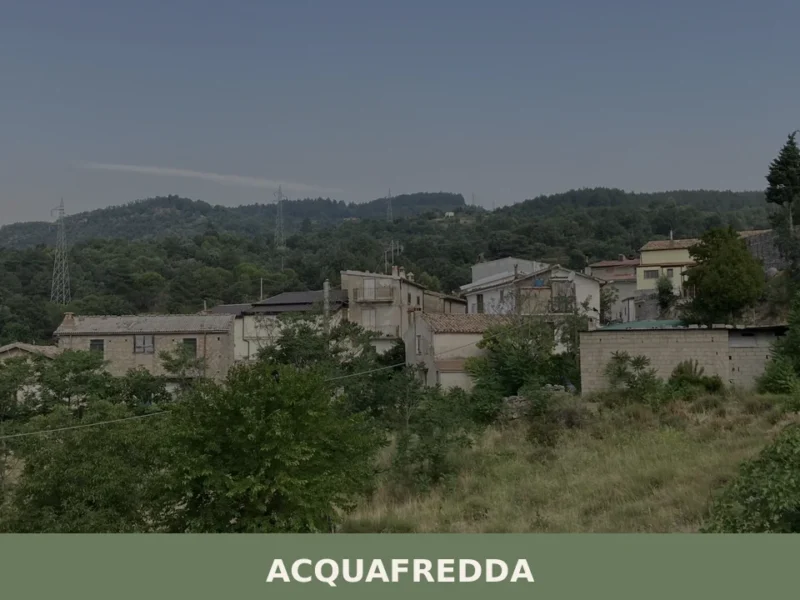
What to see in Acquafredda, a municipality in the lower Brescian area at 55 m above sea level: the Church of San Biagio, historic farmsteads, fontanili and the traditional cuisine of the Po Plain.
Pavia
Plains
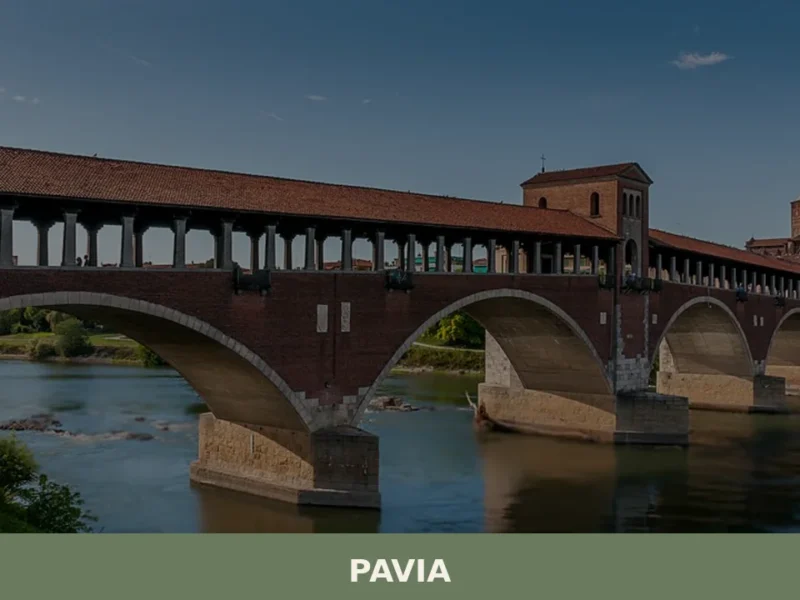
what to see in pavia, home to 70,636 residents. Discover its iconic Duomo, the historic Certosa, and the ancient University. Explore Pavia's rich heritage now.
Bregano
Hills
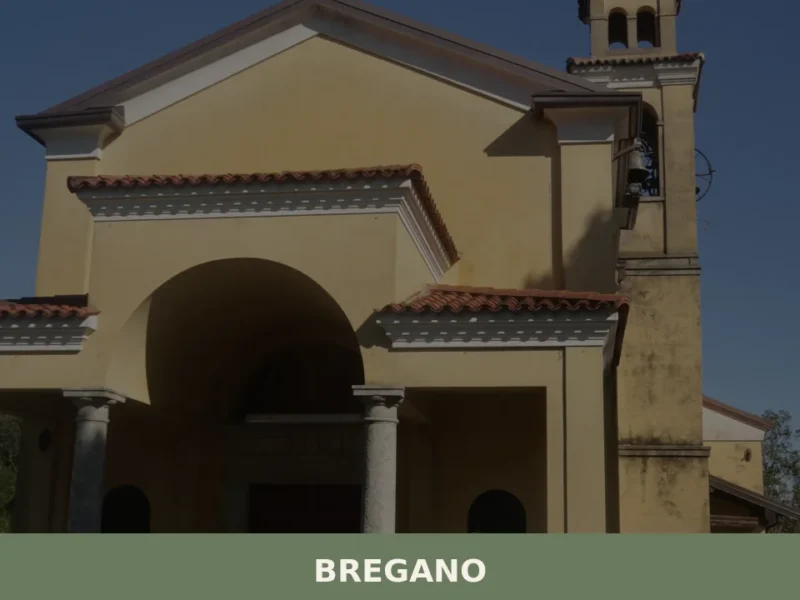
With its 824 inhabitants spread across an elevation of 303 metres on the hills between Lake Varese and Campo dei Fiori, Bregano is a municipality in the province of Varese whose documented existence dates back at least to the 13th century, when the settlement appears in the ecclesiastical registers of the Pieve di Brebbia. Asking […]
Albizzate
Hills
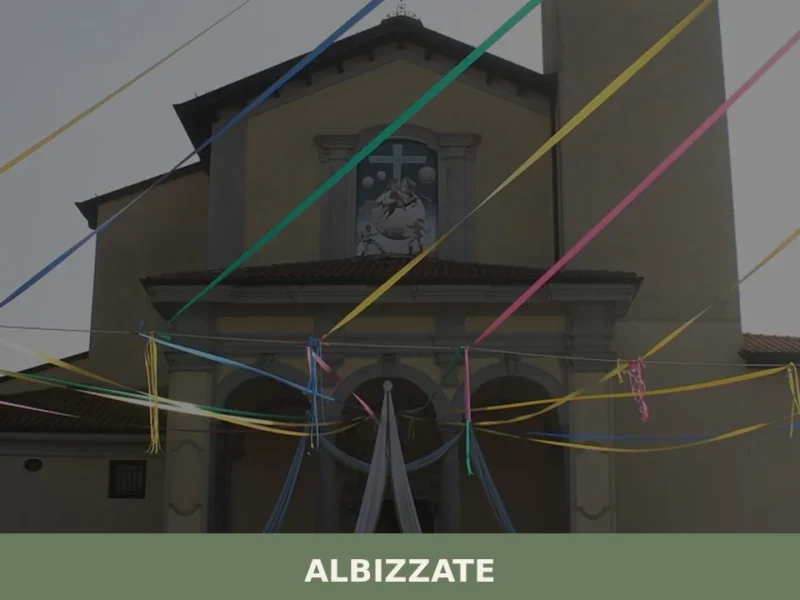
Explore the picturesque village of Albizzate, nestled in the heart of Lombardia, Italy. Learn about its unique culture, attractions, and local life.

Caravaggio
Plains
Visit Caravaggio for its 1432 sanctuary and medieval roots. Home to the birthplace of painter Michelangelo Merisi and echoes of Visconti rule.






🏡 Know Abbadia Cerreto better than we do?
If you’re a local or have been there, your knowledge matters: add what’s missing or fix a detail on this page.