


Acquanegra sul Chiese
 Plains
What to see in Acquanegra sul Chiese, Lombardia, Italy — 100 km from Milan. Discover 5 top attractions, local food traditions, and how to get there. Explore now.
Discover Acquanegra sul Chiese
The Chiese river gives this municipality both its name and its defining physical border. The flat Po plain stretches in every direction, interrupted only by farm buildings and the occasional Romanesque bell tower rising above the fields.
Where the river runs, the land darkens — acqua negra, black water, a reference embedded in the toponym itself and repeated in local speech as ‘Quanégra, the Mantovano dialect contraction still used by longtime residents.
Knowing what to see in Acquanegra sul Chiese means understanding a municipality of roughly 3,000 inhabitants positioned about 30 kilometres (19 mi) west of Mantua and 100 kilometres (62 mi) southeast of Milan.
Visitors to Acquanegra sul Chiese find a compact historic centre, documented medieval ecclesiastical architecture, a riverine landscape used for cycling and walking, and a food tradition rooted in Po Valley farming. The Acquanegra sul Chiese highlights include its parish church, the river banks, and the agricultural heritage that has shaped this corner of the Province of Mantova for over a thousand years.
Storia di Acquanegra sul Chiese
The earliest recorded presence in this area traces to the early medieval period, when Benedictine monastic influence spread across the lower Po plain and shaped both settlement patterns and land management.
The name Acquanegra references the dark appearance of the Chiese river at certain points along its course — a practical observation turned into a permanent toponym. The Mantovano dialect form ‘Quanégra preserves a linguistic layer that predates standard Italian administrative nomenclature, pointing to a community with continuous local identity across centuries of changing political control.
Through the medieval and early modern periods, Acquanegra sul Chiese fell under the broader sphere of Mantuan governance. The Gonzaga family, who ruled the Duchy of Mantua from 1328 until the Austrian succession in 1708, exercised authority over the surrounding municipalities, including the agricultural communities along the Chiese and Oglio rivers.
Land use during this period centred on grain cultivation and river fishing, activities that defined the economic structure of the village well into the nineteenth century.
The municipality borders Canneto sull’Oglio and Marcaria, both of which shared similar feudal and agricultural histories under Gonzaga jurisdiction, creating a corridor of historically interconnected communities across the plain. Travellers who pass through Acquanegra Cremonese, the similarly named village across the provincial boundary in the Cremona area, will notice the same etymology at work — a shared reference to the river landscape that shaped both settlements.
Following the Unification of Italy in 1861, Acquanegra sul Chiese was incorporated into the unified administrative system as a comune within the Province of Mantua, part of the region of Lombardy. The twentieth century brought gradual mechanisation of agriculture and modest demographic shifts, consistent with the broader pattern across the southern Lombard plain.
Today the municipality retains its administrative structure as a comune in the Province of Mantova, within the Italian region of Lombardia, maintaining the institutional continuity of a settlement that has occupied this stretch of river plain for well over a millennium.
What to see in Acquanegra sul Chiese, Lombardia: top attractions
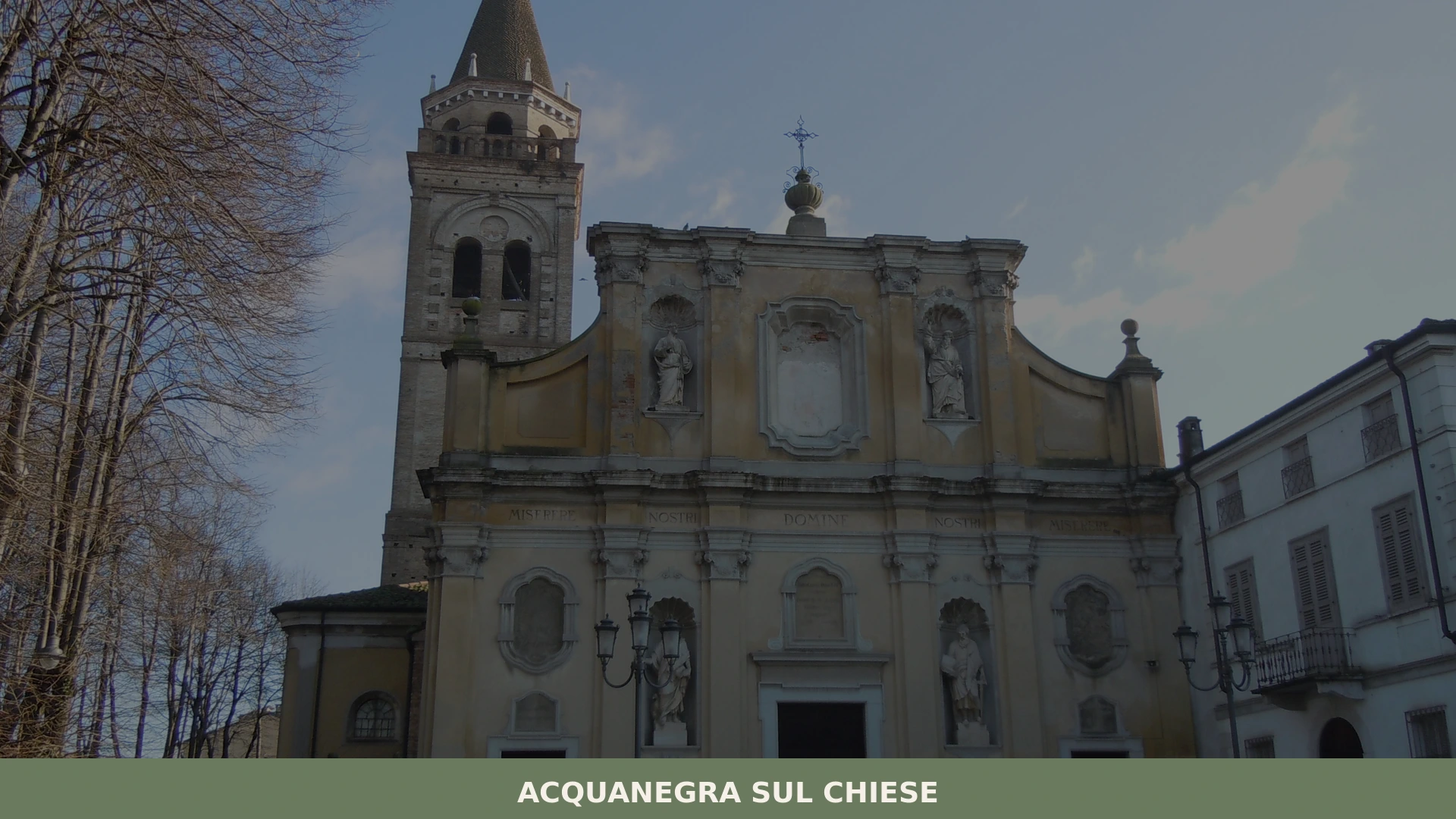
Parish Church of Sant’Egidio
The church of Sant’Egidio anchors the historic centre with a facade whose proportions follow the Romanesque-influenced Lombard rural ecclesiastical style common to the Po plain.
The building has been documented in parish records dating to the medieval period, making it one of the oldest continuously functioning religious structures in the municipality. Standing inside, the visitor can observe the nave layout and the bell tower, which rises visibly above the surrounding buildings and serves as the primary vertical landmark of the village skyline. The church is generally accessible during morning hours and on feast days, when the local community uses the space for liturgical functions as it has for generations.
The Banks of the Chiese River
The Chiese river defines the western boundary of the municipality, running along a course that separates the Province of Mantova from adjacent territories.
The riverbank path extends for several kilometres and is used by cyclists and walkers following the flat terrain of the Po plain, where elevation changes are minimal — the entire area sits at roughly 30 metres (98 ft) above sea level. In spring, the water level rises noticeably and the surrounding fields reflect the darker tones that gave the river its local name. Early morning visits in April and May offer the clearest light for observing the river’s character and the agricultural landscape that flanks it on both sides.
The Historic Centre and Via Roma
The main street of Acquanegra sul Chiese follows the linear layout typical of Po plain settlements established along ancient road corridors.
Buildings date across several centuries, with facades showing the plastered brick construction common to Lombardy’s agricultural towns — no volcanic stone, no tufa, but the red brick of the plain, often rendered and painted in ochre and pale yellow.
The street connects the parish church to the municipal square, a distance of a few hundred metres that gives a complete cross-section of the village’s built environment. Walking it on a weekday morning, between 8 and 11, allows observation of the local rhythm — the bar, the post office, the small shops — without the reduced activity of weekend afternoons.
Surrounding Agricultural Landscape and Cycling Routes
The territory of Acquanegra sul Chiese extends across flat farmland where maize, wheat, and forage crops cover the fields in a rotating pattern visible from any road. The Po plain at this latitude — approximately 45 degrees north — receives around 700 mm of annual precipitation distributed across the seasons, producing fertile soils that have supported continuous cultivation since Roman times.
Cycling routes connect the municipality to neighbouring villages including Canneto sull’Oglio to the north and Asola to the southwest, covering distances of between 8 and 20 kilometres (5 and 12.4 mi) on largely flat terrain with no significant climbs.
Cyclists using these routes in September and October will find the harvest period under way, with the mechanical activity of the fields providing a concrete sense of the agricultural calendar that still organises life in this part of Lombardia.
Municipal Area Bordering Calvatone and Bozzolo
Acquanegra sul Chiese borders seven municipalities: Asola, Bozzolo, Calvatone, Canneto sull’Oglio, Marcaria, Mariana Mantovana, and Redondesco. This network of immediately adjacent villages, each within 10 to 15 kilometres (6.2 to 9.3 mi) of the centre, constitutes a coherent area for day exploration. Bozzolo, to the northeast, contains a documented historic centre with a ducal palace.
Calvatone, to the northwest across the provincial boundary into Cremona, sits on the site of the Roman settlement of Bedriacum, where two battles were fought in 69 AD during the Year of the Four Emperors.
Visiting Acquanegra sul Chiese as a base for this cluster of municipalities allows a traveller to cover significant historical ground within a 30-kilometre (18.6 mi) radius.
Local food and typical products of Acquanegra sul Chiese
The food culture of Acquanegra sul Chiese belongs to the broader culinary tradition of the Mantuan plain, where the cooking has been shaped by centuries of river farming, rice cultivation, and proximity to both the Po and its tributaries. Mantua’s cuisine is one of the most documented in northern Italy, with written recipes traceable to Gonzaga court records of the fifteenth and sixteenth centuries.
The villages along the Chiese and Oglio rivers inherited a vernacular version of this tradition — less courtly, more oriented toward the preservation techniques and slow cooking methods that suited a farming economy.
Dishes typical of this area rely on a few core ingredients: risotto alla pilota, a dry-cooked risotto prepared with Vialone Nano rice and ground pork sausage, takes its name from the piloti, the rice-mill workers of the Mantuan plain who developed the technique of cooking rice in a measured quantity of boiling water without stirring. The result is a firm, grain-separated texture quite different from the creamy risotto of Milan.
Tortelli di zucca, pasta parcels filled with pumpkin, crushed amaretto biscuits, mustard fruits, and Parmigiano-Reggiano, represent the intersection of sweet and savoury that characterises Mantuan cooking and distinguishes it from the cuisine of neighbouring Brescia or Cremona.
Served with melted butter and sage, the filling’s balance of sugar and mustard heat requires precise proportioning — too much amaretto and the sweetness dominates; too little mustard fruit and the filling lacks its defining edge.
Cured meats from the broader Mantuan area include salame mantovano, a coarsely ground pork sausage seasoned with garlic and wine, typically aged for a minimum of 45 days. Local producers in the Chiese valley continue to make versions of this salame using recipes that have changed little since the nineteenth century.
Freshwater fish from the Chiese river — historically pike, tench, and eel — appeared regularly in the local diet before river management altered fish populations in the twentieth century; some agriturismo kitchens in the area still prepare pike in the traditional manner, braised slowly with onion, white wine, and local herbs.
The area’s markets and food events are concentrated in the autumn months, when the agricultural season concludes and villages across the Mantuan plain hold sagre — traditional food festivals — dedicated to local produce.
The nearest significant food market with regional coverage operates in Canneto sull’Oglio, accessible by bicycle from Acquanegra sul Chiese in under 30 minutes on flat terrain. Visitors looking for local products should enquire at the municipal offices or the parish notice board, where seasonal events are posted.
Festivals, events and traditions of Acquanegra sul Chiese
The liturgical calendar of Acquanegra sul Chiese follows the feast of Sant’Egidio (Saint Giles), whose day falls on 1 September. As the patron saint of the parish, Sant’Egidio is honoured with a religious function in the parish church, followed by community gathering in the municipal square.
The feast marks the transition from August’s summer recess to the September resumption of agricultural and civic activity, a timing that gives it practical as well as devotional significance in a farming community.
Across the municipalities bordering Acquanegra sul Chiese, the autumn calendar includes several documented sagre dedicated to local food products, particularly pumpkin, salame, and freshwater fish.
These events, typically held in September and October, draw visitors from across the Mantuan plain and from the city of Mantua itself, 30 kilometres (18.6 mi) to the east. The tradition of communal autumn celebration connected to the harvest is documented across all municipalities in this corridor, and Acquanegra sul Chiese participates in that regional pattern as both a host and a neighbouring presence in adjacent events.
When to visit Acquanegra sul Chiese, Italy and how to get there
The best time to visit Acquanegra sul Chiese and the surrounding Mantuan plain is between April and June, and again in September and October. Spring brings the fields into cultivation and the Chiese river to its most visually defined state, while autumn offers the harvest period and cooler temperatures better suited to cycling and walking.
July and August are hot and humid on the Po plain, with temperatures regularly exceeding 32°C (90°F) and limited relief from shade or elevation, since the terrain sits at around 30 metres (98 ft) above sea level.
Winter months, from November to February, see dense fog (nebbia) settle across the plain for days at a time — a characteristic Lombard weather condition that reduces visibility on the roads and changes the quality of light significantly.
Acquanegra sul Chiese is located about 100 kilometres (62 mi) southeast of Milan and 30 kilometres (19 mi) west of Mantua, making it accessible as a day trip from either city. From Milan, the most direct route by car follows the A21 motorway towards Brescia and Cremona, exiting at Acquanegra or Canneto sull’Oglio, then continuing south on the provincial road for approximately 15 kilometres (9.3 mi). Travel time from Milan by car is approximately 1 hour 15 minutes under normal traffic conditions.
The nearest train station with regular intercity connections is Mantua (Mantova), served by Trenitalia on the Cremona–Mantova and Milan–Mantova lines; from Mantua station, a car or taxi is necessary to cover the remaining 30 kilometres (18.6 mi) to Acquanegra sul Chiese, as no direct bus service connects the two points on a reliable schedule.
The nearest international airport is Verona Villafranca (VRN), approximately 65 kilometres (40.4 mi) to the east, with a drive time of around 55 minutes. Milan Malpensa (MXP) is approximately 130 kilometres (80.8 mi) to the northwest, roughly 1 hour 30 minutes by car.
International visitors should note that English is spoken inconsistently in smaller establishments across this part of the Mantuan plain, and carrying euro cash is practical for purchases at local markets, bars, and smaller food shops.
For those combining Acquanegra sul Chiese with a broader Lombardia itinerary, the village connects naturally to the circuit of smaller riverside municipalities that line the Chiese and Oglio corridors. A day trip from Mantua allows time to visit Acquanegra sul Chiese in the morning and reach Canneto sull’Oglio or Bozzolo by early afternoon, covering the historical and landscape features of the area without excessive driving.
Travellers who enjoy exploring less-frequented parts of northern Italy might also consider extending north toward Varese and the lake district: the villages around Varese offer a sharply different landscape — pre-Alpine foothills and lake shores — that contrasts directly with the flat river plain of the Mantuan area.
Visitors extending their stay in this part of Lombardia can reach Albizzate, a village in the Varese province that sits within the broader Lombard network of smaller municipalities worth including in a multi-day regional circuit.
For those specifically interested in the recurring toponym of this area, lies just across the provincial boundary into Cremona and shares the same river-derived name — a short detour that adds documentary interest to any visit focused on the cultural geography of what to see in Acquanegra sul Chiese and its immediate surroundings.
Frequently asked questions about Acquanegra sul Chiese
What is the best time to visit Acquanegra sul Chiese?
The ideal time to visit Acquanegra sul Chiese is during the spring and autumn months, particularly around the third Sunday of October for the feast of Saint Fortunato, the village's patron saint. During this period, you can enjoy local festivities and the pleasant weather conditions. Spring is perfect for exploring the scenic riverside and agricultural landscapes, while autumn offers the spectacle of harvest season.
What to see in Acquanegra sul Chiese? Main monuments and landmarks
Visitors to Acquanegra sul Chiese should explore the Parish Church of Sant'Egidio, an architectural highlight with its Romanesque influences. This historic church is accessible during morning hours and feast days. The scenic banks of the Chiese River offer picturesque walking and cycling paths, providing a peaceful experience in the Lombard countryside.
Who is Acquanegra sul Chiese suitable for?
Acquanegra sul Chiese is ideal for travelers interested in rural tourism and historical exploration. Families, couples, and solo travelers who enjoy cycling and walking in scenic landscapes will appreciate the area. Food enthusiasts can also relish local culinary delights, making it a great destination for those seeking a cultural and gastronomic experience.
📷 Photo Gallery — Acquanegra sul Chiese
Getting there
Piazza XXV Aprile, 46011 Acquanegra sul Chiese (MN)
Nearby Villages near Acquanegra sul Chiese
In Lombardy More villages to discover
Pavia
Plains
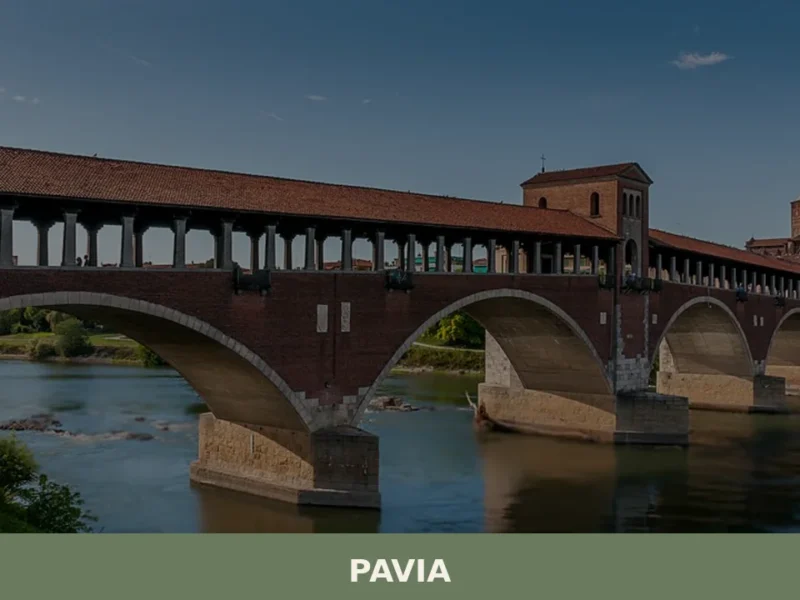
what to see in pavia, home to 70,636 residents. Discover its iconic Duomo, the historic Certosa, and the ancient University. Explore Pavia's rich heritage now.
Biandronno
 Hills
Hills
 Lake
Lake
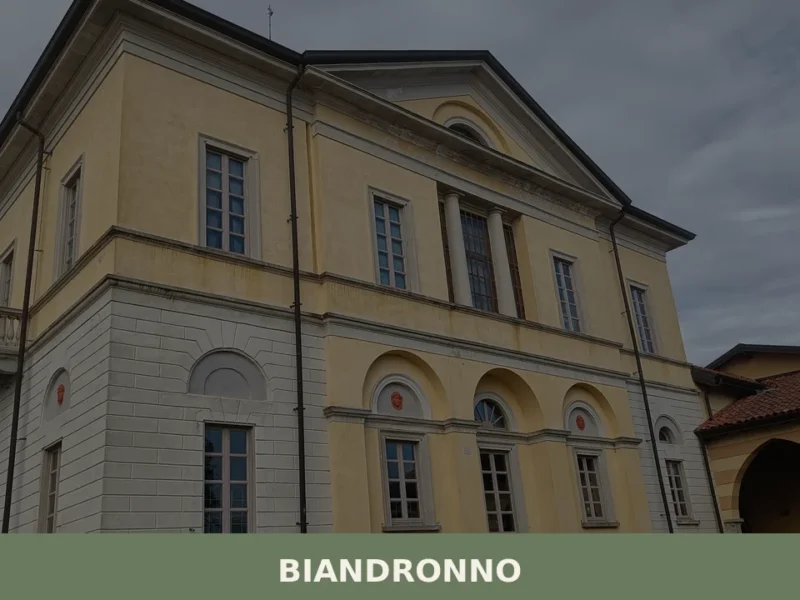
At 262 m a.s.l., Biandronno extends across the gentle hills that characterize the province of Varese, offering a panorama that opens onto the surrounding reliefs and the plain. The village, with its population of 3,162 inhabitants, maintains a discreet atmosphere, typical of smaller Lombard centers where life flows at rhythms tied to the territory. In […]
Cadegliano-Viconago
Hills
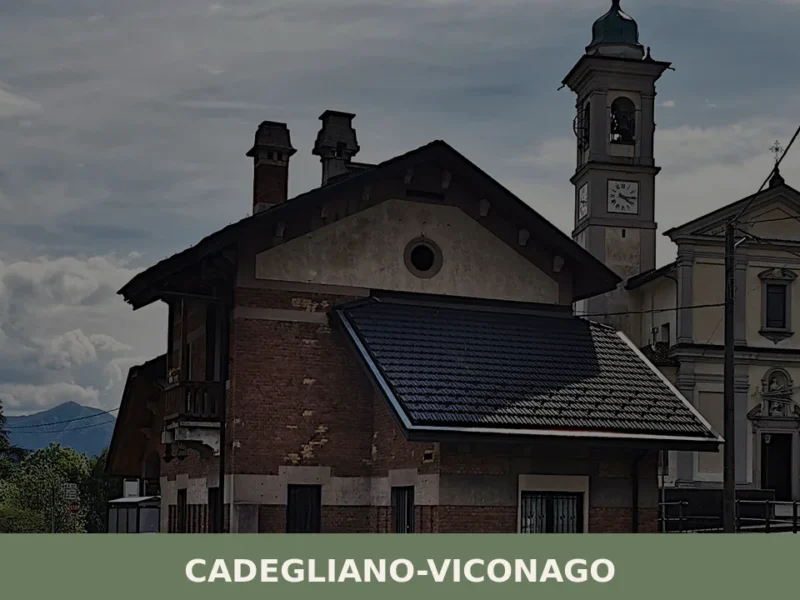
What to see in Cadegliano-Viconago: hilltop village at 414m, 2,155 residents. Two historic centres, chestnut woodland, views over Lake Lugano. Plan your visit with this complete guide.
Limone sul Garda
Lake
Plains
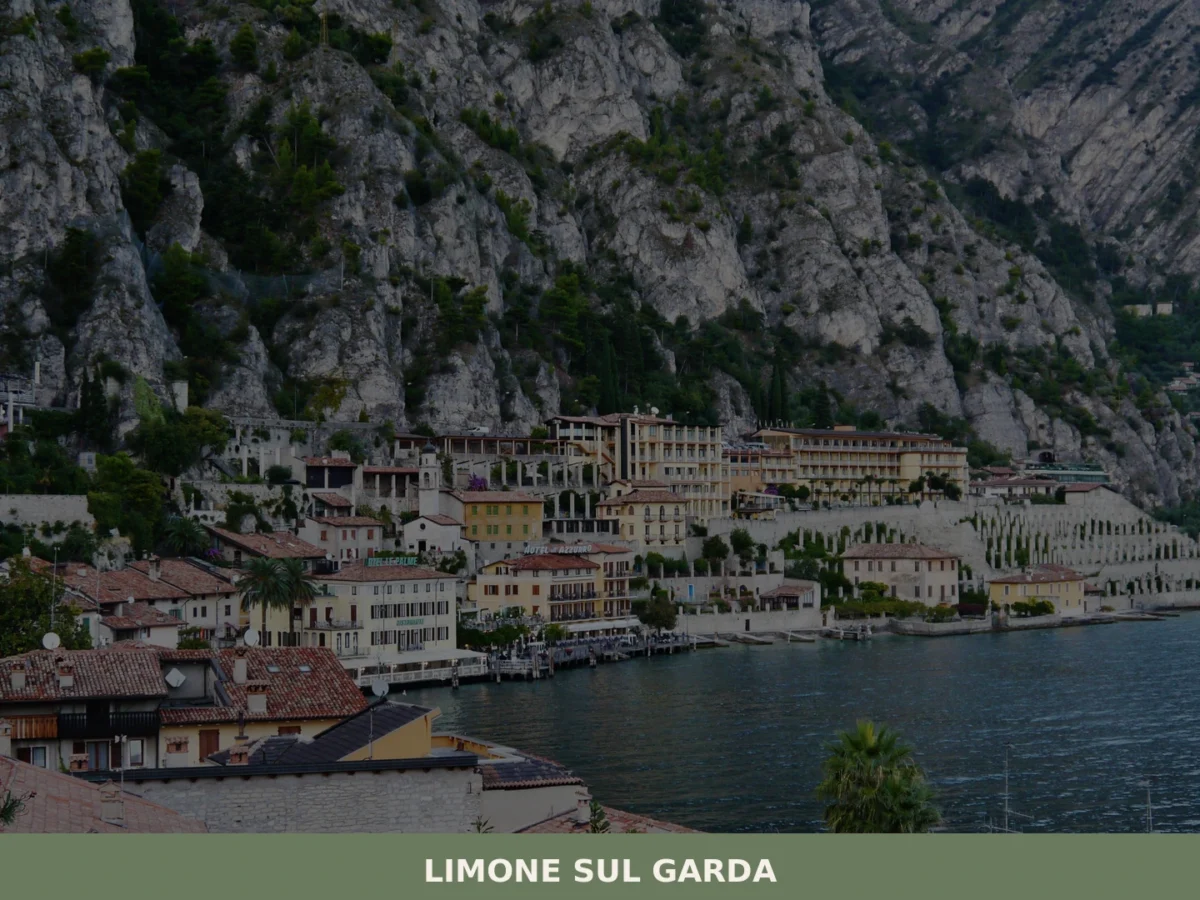
What to see in Limone sul Garda, Italy. Discover Lake Garda's terraced lemon groves and the village where 17th-century genetics shaped longevity. Explore unique history and culture.

Losine
 Mountain
622 residents, three medieval churches and a dialect nickname that survives centuries. Losine rewards visitors who look beyond Lake Garda for Lombard mountain identity.

Mornago
Hills
4,838 residents and three historic fractions give Mornago a layered identity, from Roman land tenure to a rare motorcycle manufactory born in 1925.
Besozzo
Hills
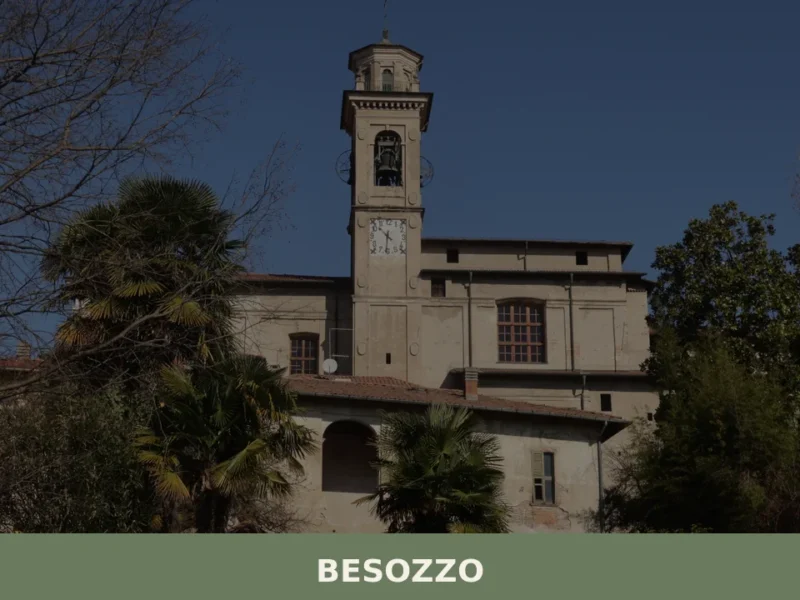
What to see in Besozzo, Italy: Explore the historic upper village (240 m a.s.l.), its noble Palazzi, and proximity to Lago Maggiore. Discover this Lombardian gem.
Agnadello
Plains
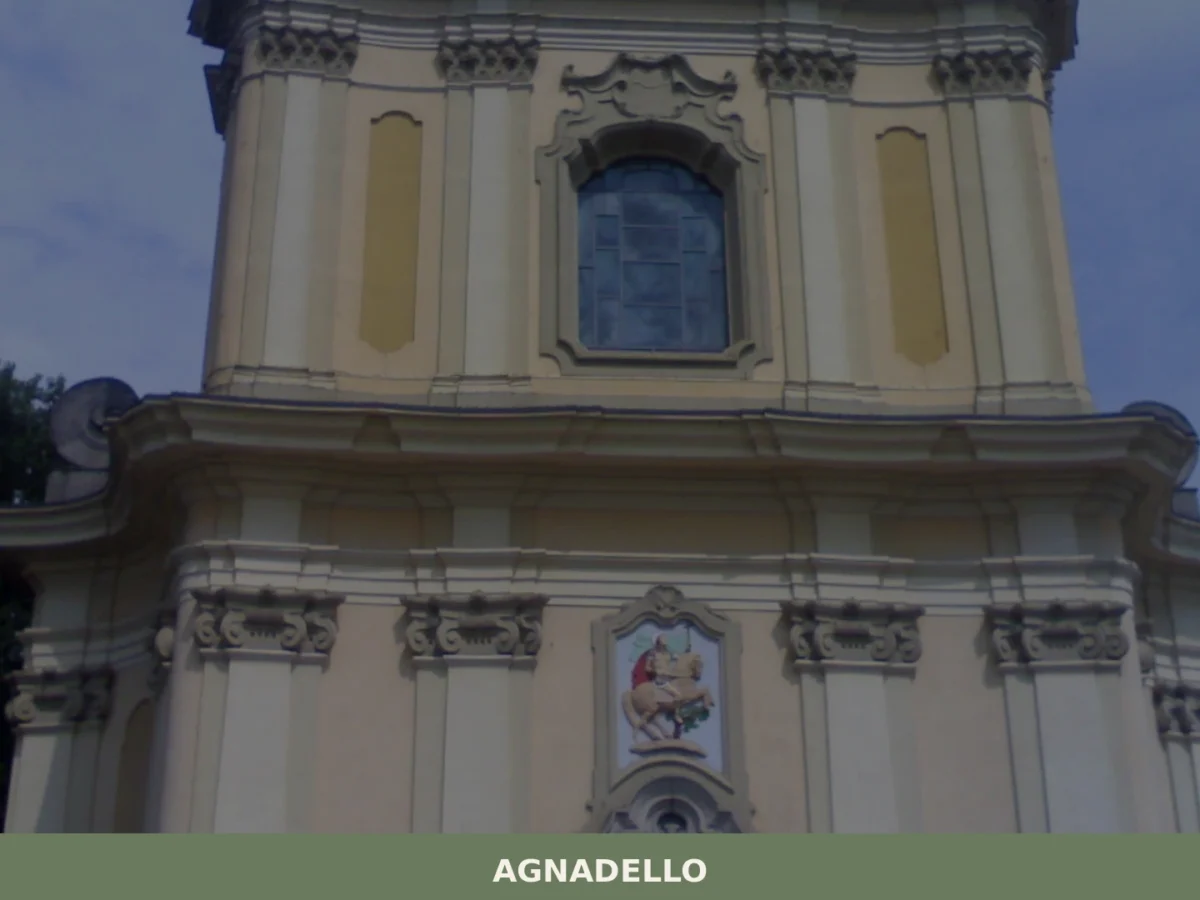
What to see in Agnadello, Italy: explore the 1509 battle site, local Cremasco cuisine, and top attractions. Discover this Lombardia village near Milan. Read the guide.
Sondrio
Hills
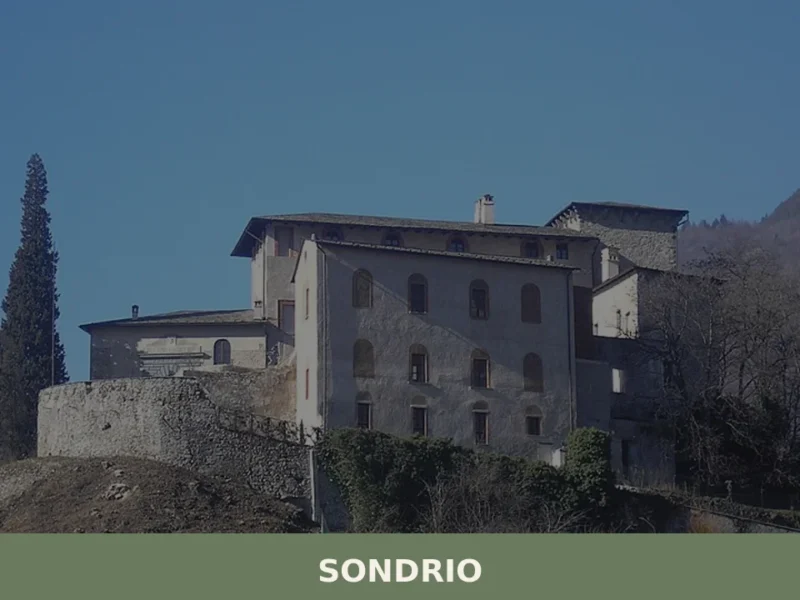
What to see in Sondrio? Located at 298m altitude, discover Castello Masegra and the Collegiata dei Santi Gervasio e Protasio. Explore this Valtellina capital.
Arcisate
Hills
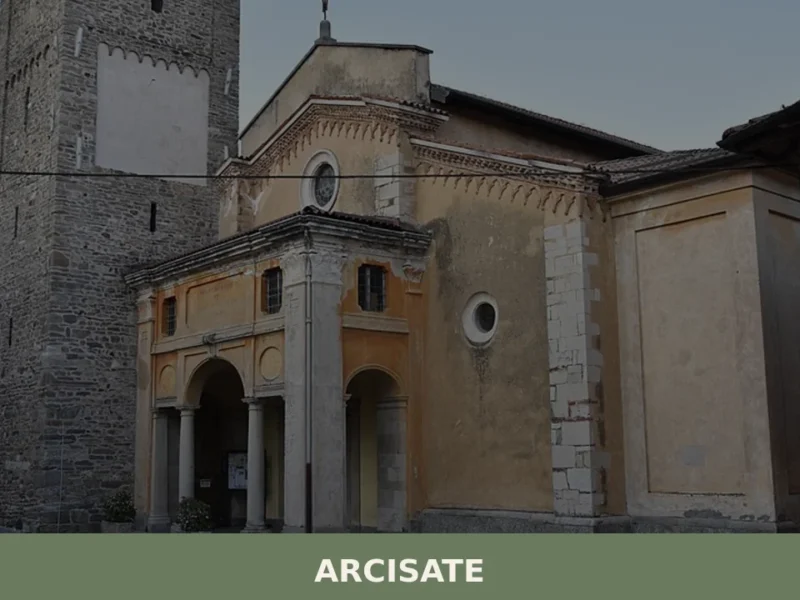
What to see in Arcisate, Italy: Discover Roman history and hillside views at 372 m a.s.l. Explore the village's main church and its unique past.

🏡 Know Acquanegra sul Chiese better than we do?
If you’re a local or have been there, your knowledge matters: add what’s missing or fix a detail on this page.