


Adro
 Plains
What to see in Adro, Lombardia, Italy: explore 5 verified attractions, Franciacorta wines, and a medieval tower. Discover how to get there from Milan.
Discover Adro
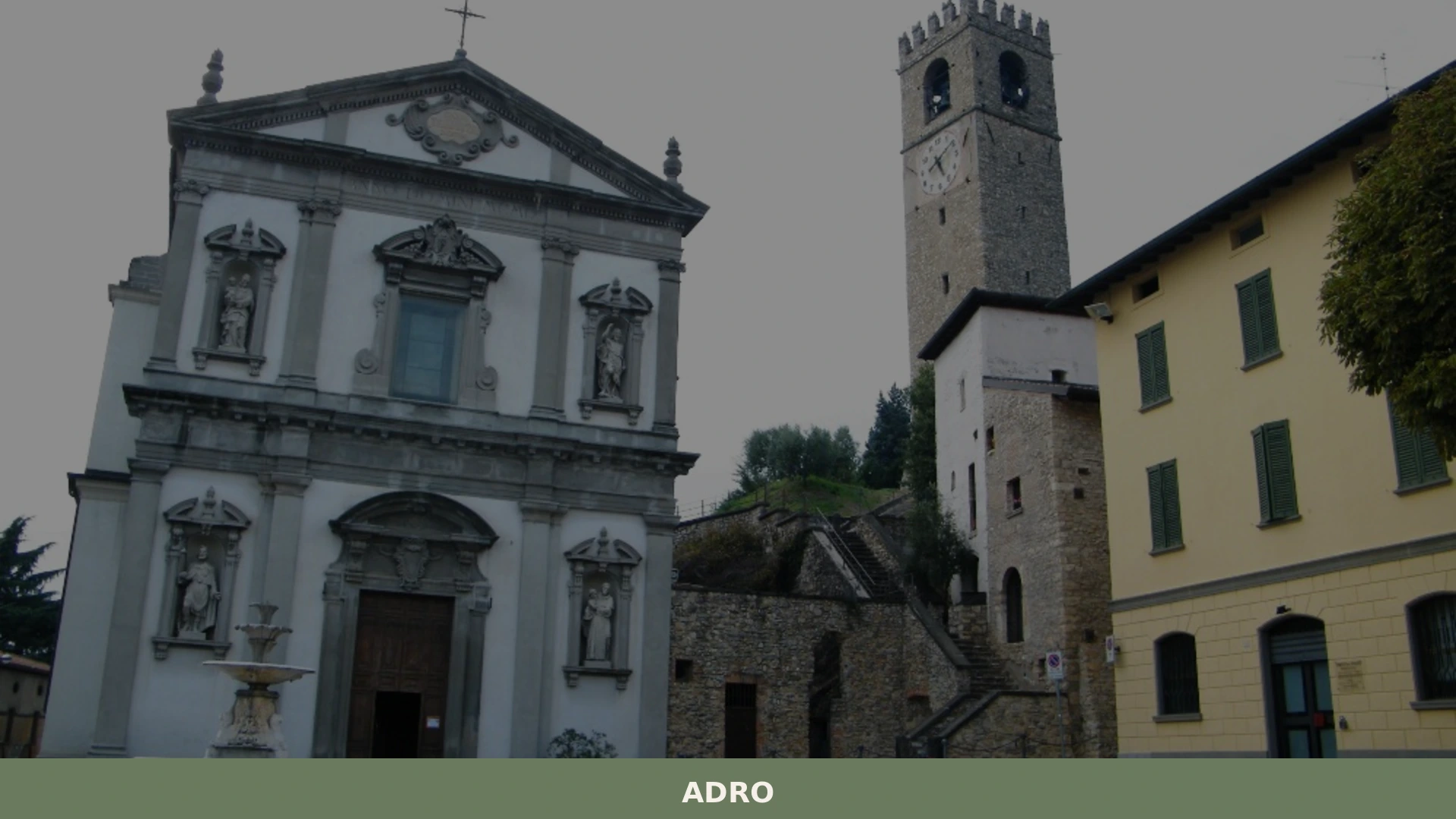
A stone tower with Ghibelline battlements rises above the hillside cemetery on the slopes of Monte Alto, its bare masonry unchanged since the thirteenth or fourteenth century.
Below it, a Baroque church with octagonal dome anchors the valley floor, and vineyards spread outward in every direction across the glacial moraines of Franciacorta.
The coat of arms of the town already showed three golden bunches of grapes in the sixteenth century, painted into the frescoes of the old parish church, and the land has kept that promise ever since.
Deciding what to see in Adro means engaging with more than a thousand years of layered occupation: a first written mention in 822 AD, a medieval castle reduced today to a single fourteenth-century drawbridge entrance, and a sequence of Baroque and Renaissance churches built by a local population that volunteered their labour even on public holidays.
Located approximately 6 km (3.7 mi) from Lago d’Iseo in the province of Brescia, Adro, Lombardia, Italy holds around 7,000 inhabitants and rewards visitors with verifiable architecture, documented craftsmanship, and a wine tradition that gives the entire surrounding territory its identity.
History of Adro
The oldest physical evidence of human settlement in the Adro area comes from Neolithic finds uncovered in the hamlet of Torbiato, the second of the two official localities that make up the municipality today. A later layer of occupation is documented by tombs with grave goods from the late imperial period, specifically the third century AD, and from the Longobard era. These archaeological layers establish a continuity of habitation on this stretch of Lombardian foothill that predates any surviving built structure by many centuries.
The first written record of the settlement appears in a document dated April 10, 822, in which the locality is named Atro.
In that document, an Abbess named Eremperga transferred a vico con corte, a settlement with its associated farmstead, to a man named Rampergo.
The etymology of the name itself remains debated: the scholar Dante Olivieri argued for a derivation from the Latin ater or atro, meaning black, dark, or obscure, while the historian Paolo Guerrini proposed the Latin acer, indicating maple, and cited evidence of ancient maple woodland in the area. Acts from 1006 and 1050 still record Adro as a vicus, an open settlement, rather than a castrum, confirming that the castle was not yet standing at that date. The defensive structure on the slopes of the hill was built between the thirteenth and fourteenth centuries.
During the period of Venetian dominion over the territory, which ran from 1426 to 1797 and was locally known as the Domini di Terraferma, Adro fell administratively within the quadra of Palazzolo. This was the same political arrangement that governed the area under the preceding Visconti lordship. Through the seventeenth and eighteenth centuries, the Bargnani family became the dominant local force, commissioning the palace that still stands at the centre of the town.
The family’s influence eventually passed to the Dandolo counts, who inherited the palace and whose name remains attached to it.
The fraction of Torbiato, which had functioned as an autonomous municipality, was formally absorbed into Adro by royal decree number 1679 in 1928. The local dialect carries a trace of this communal history in the saying Laurà per la césa de Ader, meaning to work for the church of Adro, a phrase used across the region to describe unpaid labour — a reference to the voluntary work that the town’s population gave, including on public holidays, to build their parish church.
What to see in Adro, Lombardia: top attractions
Chiesa Parrocchiale di San Giovanni Battista
The parish church of San Giovanni Battista stands at the centre of the town, facing a square that holds a fountain from the Vantini period, referring to the neoclassical architect Rodolfo Vantini who was active in Brescia in the early nineteenth century. Construction of the church was completed in 1769 after ten years of work carried out largely by the local population on a voluntary basis, a fact that passed into the regional dialect.
Inside, the decorative scheme uses eighteenth-century stucco work throughout, and the main altar was produced by Andrea Fantoni, a sculptor from the Bergamo area recognised for his woodwork and marble altars across Lombardia and Veneto.
The church also holds a triptych attributed to the school of Romanino, the Brescia-born painter active in the sixteenth century whose work appears in institutions across northern Italy. Visitors focused on what to see in Adro should allow time to examine both the Fantoni altar and the Romanino-school panel closely.
Palazzo Bargnani-Dandolo and the Municipal Portrait Collection
The Palazzo Bargnani-Dandolo occupies a central position in the town and functions today as the seat of the municipal government. The Bargnani family commissioned it in the seventeenth century, and ownership passed to the Dandolo counts, who maintained it through the eighteenth and nineteenth centuries.
In front of the building stands a bust of Countess Ermellina Maselli Dandolo, a work by the sculptor Emilio Magoni.
Inside the council chamber hangs a painted portrait of the nobleman Gaetano Bargnani, executed by the Brescia-born painter Carlo Ceresa, known as Pitocchetto, who was active in the eighteenth century. The combination of the sculptural bust and the council-room portrait makes this building one of the most document-rich sites in Adro for understanding the local patrician families who shaped the town between 1600 and 1800.
The Medieval Tower and Castle Remnants
The tower that survives on the hillside above the town is built in bare stone, carries Ghibelline battlements — the stepped form historically associated with Imperial allegiance — and has a terragonal, that is square, plan. It formed part of the medieval defensive system of Adro together with the castle, which was constructed on the slopes of Monte Alto between the thirteenth and fourteenth centuries.
As of 2013, the only remaining intact element of the castle itself is the fourteenth-century entrance to the drawbridge.
The cemetery established on the same hill contains the Bargnani-Dandolo funerary monument, a nineteenth-century work by the sculptor Vincenzo Vela, whose pieces are held in major collections across Switzerland and Italy. It is worth climbing up to the tower from the town centre to read the full topography of the Franciacorta plain from above.
Church of Santa Maria Assunta
Built in the sixteenth century on the hill occupying the site of the earlier castle, the Church of Santa Maria Assunta served as the parish church of Adro until the completion of San Giovanni Battista in 1769. The building is now used as a cemetery chapel, placing it in direct proximity to the medieval tower and the Vela funerary monument. Architecturally, the church is distinguished by large bays in the Gothic style and by its entrance openings positioned on the northern side rather than the west front, which is the conventional orientation.
A staircase with a trussed arcade protects the northern approach. The combination of Gothic bays in a sixteenth-century construction makes this building one of the more formally interesting structures in the municipality.
Sanctuary of the Madonna della Neve
The Sanctuary of the Madonna della Neve was built in the eighteenth century to a project by the abbot Gaspare Turbini.
The building adopts a central plan in an octagonal form and is covered by a dome, a spatial configuration that was fashionable in northern Italian religious architecture from the late Renaissance onward. The octagonal geometry means the interior reads differently from every position within it, concentrating attention on the altar at the centre. Turbini’s design places this sanctuary within a broader tradition of centralised Marian shrines found across Lombardia and the Veneto.
For those exploring what to see in Adro on a half-day visit, this sanctuary and the adjacent landscape of vineyards running toward Lago d’Iseo together represent the clearest illustration of how religious architecture and agricultural land have coexisted here since at least the eighteenth century.
Local food and typical products of Adro
The agricultural economy of Adro is dominated by viticulture. The municipality sits within the Franciacorta production zone, a defined wine-growing territory in the province of Brescia whose glacial moraine soils and lake-moderated climate have supported structured sparkling wine production.
Wine growing accounts for a disproportionate share of local agricultural activity relative to its employment figures: in 2001, agriculture employed only 4 percent of the working population, but the sector has expanded since, and Adro is cited as one of the communes contributing to Franciacorta’s position in Italian wine production.
The vineyards visible from the town centre are not decorative; they are working production units tied to a denomination that operates under defined disciplinary rules.
The table traditions of Adro reflect the broader cucina bresciana, the cooking of the Brescia province, which builds on freshwater fish from Lago d’Iseo, polenta, game, and cured meats. Missoltini, dried and pressed agone fish from the lake, are a documented product of the Iseo basin and appear on local tables dressed with oil and vinegar, typically alongside grilled polenta.
Casoncelli, fresh pasta parcels filled with a mixture that combines bread, egg, Parmigiano, and spiced meat — the precise filling varies by household and by town — are a standard first course across the province. These are usually finished in butter and sage or with a braised meat sauce.
Spiedo bresciano, a slow-rotisserie preparation involving alternating layers of pork, chicken, small birds, and potatoes, cooked over several hours, represents the most labour-intensive local preparation and is traditionally associated with communal celebrations.
The principal certified product associated with this territory is Franciacorta (DOCG), the sparkling wine produced by the metodo classico, secondary fermentation in bottle, from Chardonnay, Pinot Nero, and Pinot Bianco grapes grown in a defined zone that includes Adro alongside other communes such as Erbusco, Cazzago San Martino, Passirano, Provaglio d’Iseo, and Corte Franca, among others. The denomination was elevated to DOCG status in 1995 and covers non-vintage, vintage, satèn, and rosé categories, each with defined minimum ageing periods on the lees.
Local producers operate cantine, estate wineries, that offer direct sales and, in many cases, guided visits to the cellar and vineyards.
Several producers in the Franciacorta zone open their cellars to visitors in autumn, particularly around the harvest period in September and October, when the Franciacorta Festival brings organised tastings and winery tours across the denomination.
Buying directly from producers in Adro or the surrounding communes guarantees access to current releases as well as older disgorgement dates that do not circulate widely outside the region.
Festivals, events and traditions of Adro
The parish church of Adro is dedicated to San Giovanni Battista, Saint John the Baptist, whose feast day falls on June 24. This date is traditionally marked by religious observances including a solemn Mass and a procession through the town centre. The Brescian region maintains strong traditions of public religious ceremony on patronal feasts, and the June 24 calendar position places the Adro celebration in the longest days of the year, allowing evening outdoor gatherings to follow the liturgical programme.
The connection between the voluntary labour given to build the church and the popular devotion to its patron saint gives this annual celebration a documented local resonance beyond a purely liturgical occasion.
The local dialect phrase Laurà per la césa de Ader — to work for the church of Adro — has entered the wider Brescian vocabulary precisely because the collective effort to build San Giovanni Battista was so widely remembered across the region.
This linguistic legacy functions as a form of intangible cultural transmission, keeping alive the memory of the ten-year construction campaign that ended in 1769. In broader Franciacorta, the autumn harvest period generates activity across the wine communes, and Adro participates in the general festive rhythm of the zone’s wine calendar, though specific local events tied to individual calendar dates are not separately documented in the available sources.
When to visit Adro, Italy and how to get there
The best time to visit Adro falls between late April and early June, when the vineyard landscape is in active growth without the summer heat that can make hillside walking uncomfortable after midday, and again from mid-September through October, when the grape harvest is underway and the denomination’s wine events are active. July and August bring higher temperatures across the Franciacorta plain, and Lago d’Iseo attracts significant domestic tourism to the lake shores during those weeks, which increases traffic on the provincial roads.
Winter visits are feasible for those interested in architecture alone, as the churches are accessible year-round and the tower site is visible from public roads without requiring guided access.
Adro is served directly by the Trenord regional rail network via the Borgonato-Adro station on the Brescia-Iseo-Edolo line.
Regional trains connect Brescia to Borgonato-Adro, with Brescia itself reachable from Milan by fast train in approximately 25 to 30 minutes. The full journey from Milan to Adro by rail, including the change at Brescia, takes roughly 90 minutes depending on connections. By road, the A4 motorway runs between Milan and Brescia, and from the Brescia area provincial roads SP XI, SP XII, and SP 17 serve the municipality directly.
If you arrive by car from Milan, allow approximately one hour for the 90 km (56 mi) journey to Adro under normal traffic conditions. Orio al Serio Airport in Bergamo, approximately 45 km (28 mi) west of Adro, provides international connections and is reachable by bus or car. International visitors should carry euros in cash, as smaller local establishments and wine producers operating direct sales from the cellar may not accept card payments.
Adro sits close to several other Lombard lake communities, and the rail line along the Iseo shore makes it straightforward to extend a visit toward the lake itself or toward Brescia’s Roman and medieval centre.
Travellers arriving from the direction of Varese or the western lake district — where Besozzo, on Lago di Varese, offers a comparable combination of agricultural landscape and parish architecture — will find the A8 and A4 motorway connection to Franciacorta manageable as a day circuit.
For those planning what to see in Adro as part of a longer Lombardian itinerary, the combination of rail access, a documented wine denomination, and a cluster of buildings spanning four centuries of construction gives the town a day-trip density that justifies the journey from Milan without requiring an overnight stay, though the area offers agriturismo accommodation within the Franciacorta denomination for visitors who prefer to arrive the night before and leave after a winery visit the following afternoon.
Where to stay near Adro
Accommodation in and around Adro is largely structured around the agriturismo model, farmhouse stays operated by wine-producing estates within the Franciacorta denomination. These properties offer direct access to the vineyards and typically include breakfast with local products.
The broader Franciacorta zone also holds several larger hotel properties in neighbouring communes such as Erbusco and Provaglio d’Iseo, both within 10 km (6.2 mi) of Adro, making them viable bases for visitors exploring the full area.
Lago d’Iseo, approximately 6 km (3.7 mi) from the town centre, adds a further range of lake-facing accommodation options for those combining a wine-country visit with time on the water.
Visitors extending their route north through Lombardia can connect from Adro toward Lecco at the southern tip of Lago di Como, roughly 70 km (43.5 mi) to the northwest, which anchors a different Lombard landscape of alpine foothills and deep lake water. Those interested specifically in what to see in Adro and the Franciacorta wine country as a focused itinerary will find that two days — one for the town’s architecture and one for a winery circuit — covers the available documented sites without requiring a rushed programme.
Frequently asked questions about Adro
What is the best time to visit Adro?
The best time to visit Adro is during spring (April-May) and early autumn (September-October) when the Franciacorta vineyards are at their most picturesque, and the weather is ideal for exploring. These periods are perfect for wine tastings and enjoying the scenic landscape. A notable date is June 24th, when Adro celebrates its patron saint, Giovanni Battista, with local festivities. Summer months offer warm weather and proximity to Lago d'Iseo for lake activities, while also being a popular time for local events.
What are the historical origins of Adro?
Adro boasts a rich and layered history, with evidence of human settlement dating back to the Neolithic period in Torbiato. Further archaeological finds document occupation during the late imperial Roman and Longobard eras. The first written mention of Adro, then named Atro, appears in a document from 822 AD. A medieval castle was constructed between the 13th and 14th centuries, and the area later fell under Venetian dominion. The town's heritage is visible in its ancient structures and the enduring influence of noble families like the Bargnani and Dandolo.
What to see in Adro? Main monuments and landmarks
Adro offers several significant historical and architectural landmarks. Visit the Chiesa Parrocchiale di San Giovanni Battista, a grand 18th-century church with an altar by Andrea Fantoni and a triptych from the Romanino school. Explore Palazzo Bargnani-Dandolo, the town hall, which houses a municipal portrait collection. Climb to the Medieval Tower, a 13th-14th century structure with Ghibelline battlements, offering panoramic views of the Franciacorta plain. Nearby are the Church of Santa Maria Assunta, a 16th-century former parish church, and the octagonal Sanctuary of the Madonna della Neve, an 18th-century architectural gem.
What are the main natural or scenic attractions of Adro?
Adro's primary natural and scenic attraction is its setting within the renowned Franciacorta wine region. Visitors can admire the vast vineyards spreading across glacial moraines, offering picturesque landscapes in every direction. The medieval tower on the hillside provides an excellent viewpoint to appreciate the full topography of the Franciacorta plain. Additionally, Adro's proximity, approximately 6 km, to Lago d'Iseo offers opportunities to combine a visit with the natural beauty and activities of the lake basin.
Where to take the best photos in Adro?
For the most captivating photos in Adro, head to the Medieval Tower on the hillside. From this vantage point, you can capture sweeping panoramic views of the Franciacorta plain, with its undulating vineyards and distant lake. The octagonal Sanctuary of the Madonna della Neve, set amidst the vineyards, also provides a beautiful subject, illustrating the harmony between religious architecture and the agricultural landscape. Additionally, the elegant Palazzo Bargnani-Dandolo and the impressive Chiesa Parrocchiale di San Giovanni Battista offer striking architectural photo opportunities within the town center.
Are there museums, churches or historic buildings to visit in Adro?
Yes, Adro is rich in historic buildings and churches. Key sites include the Chiesa Parrocchiale di San Giovanni Battista, completed in 1769 with notable art by Fantoni and the Romanino school. The Palazzo Bargnani-Dandolo, a 17th-century palace now serving as the municipal seat, houses a collection of portraits documenting local patrician families. The Medieval Tower, part of a 13th-14th century castle, and the adjacent Church of Santa Maria Assunta (16th century) offer insights into Adro's medieval past. The 18th-century Sanctuary of the Madonna della Neve, with its distinctive octagonal plan, is another significant religious building.
What can you do in Adro? Activities and experiences
In Adro, the primary activity revolves around its identity as a Franciacorta wine commune. Visitors can engage in wine tastings and tours at local wineries, exploring the vineyards that define the landscape. Beyond viticulture, delve into history by visiting the medieval tower, the impressive parish church of San Giovanni Battista, and the Palazzo Bargnani-Dandolo. Enjoy leisurely walks through the morainic hills and take in the scenic views of the Franciacorta plain. The town's proximity to Lago d'Iseo also allows for easy excursions to enjoy lake-related activities.
Who is Adro suitable for? Families, couples, hikers, solo travelers?
Adro is particularly suitable for wine enthusiasts and couples seeking a romantic getaway focused on enogastronomy and scenic beauty. Its rich history and documented architecture appeal to history buffs and culture seekers. The picturesque Franciacorta landscape, with its vineyards and gentle moraines, makes it ideal for hikers and nature lovers looking for tranquil walks. While not specifically geared towards young children, families who appreciate cultural exploration and outdoor scenery will find Adro rewarding. Solo travelers interested in authentic Italian village life, art, and wine will also enjoy Adro's offerings.
What to eat in Adro? Local products and specialties
Adro is synonymous with Franciacorta sparkling wine, its most celebrated local product, produced from the extensive vineyards surrounding the village. Beyond wine, the local cuisine reflects the broader 'cucina bresciana.' Expect traditional dishes featuring freshwater fish from nearby Lago d'Iseo, such as 'missoltini' (dried agone fish) often served with oil and vinegar. Polenta is a staple, frequently accompanying game dishes and various cured meats. These specialties highlight the rich agricultural and culinary traditions of the Brescia province, offering a true taste of Lombardian flavors.
📷 Photo Gallery — Adro
Nearby Villages near Adro
In Lombardy More villages to discover
Sondrio
 Hills
Hills
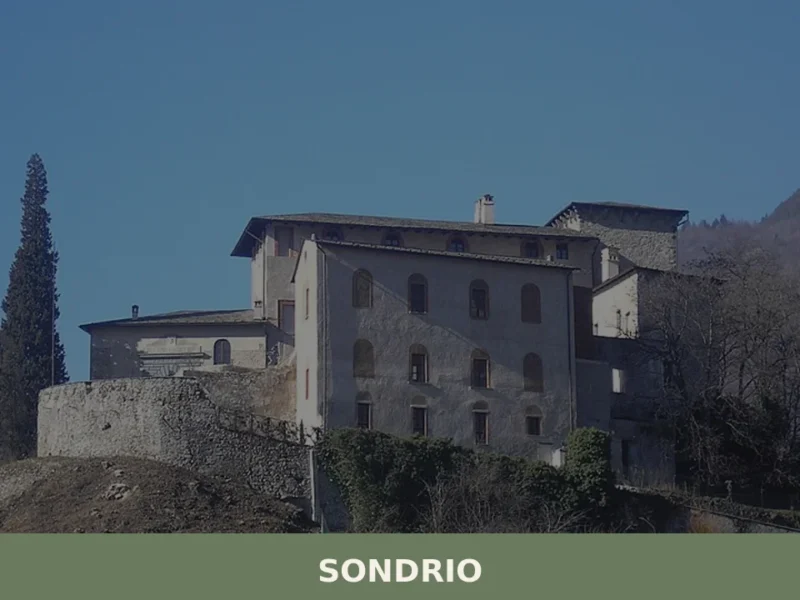
What to see in Sondrio? Located at 298m altitude, discover Castello Masegra and the Collegiata dei Santi Gervasio e Protasio. Explore this Valtellina capital.
Brenta
Hills
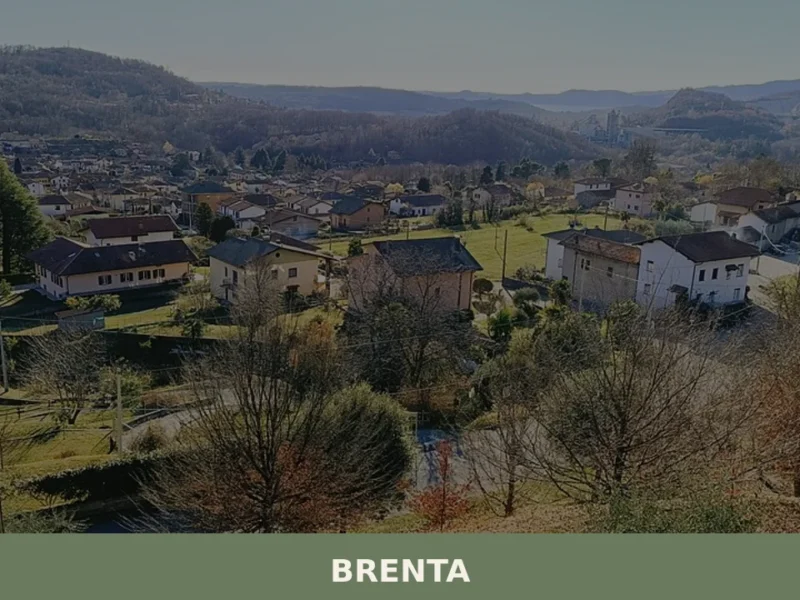
Brenta has 1,715 inhabitants and sits at 276 metres above sea level, on the hilly belt separating Lake Varese from the western Po Plain. The municipality, part of the province of Varese, comprises a central nucleus and agricultural hamlets spread across terrain that slopes gently southward. Anyone looking into what to see in Brenta will […]
Mantova
Plains
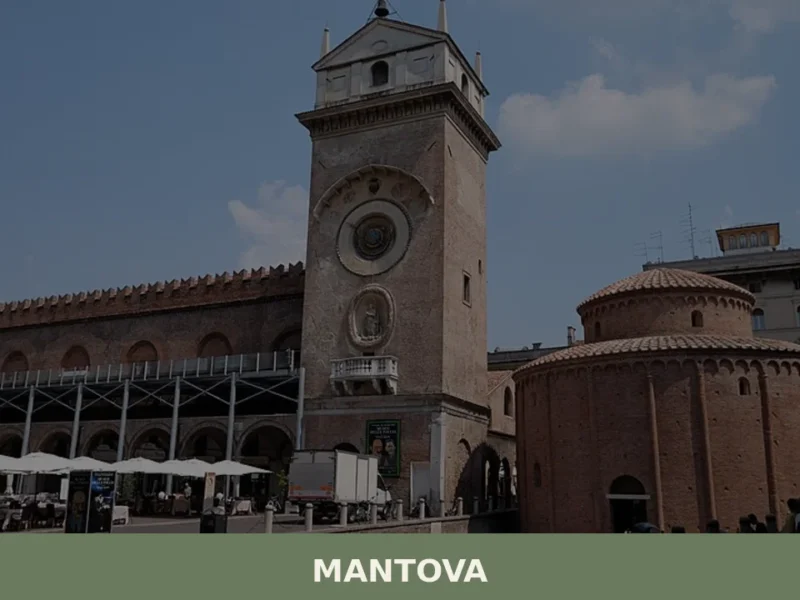
what to see in mantova. A UNESCO heritage village with 48,653 inhabitants. Explore Palazzo Ducale and taste the famous Pumpkin Tortelli.
Bardello
Hills
 Lake
Lake
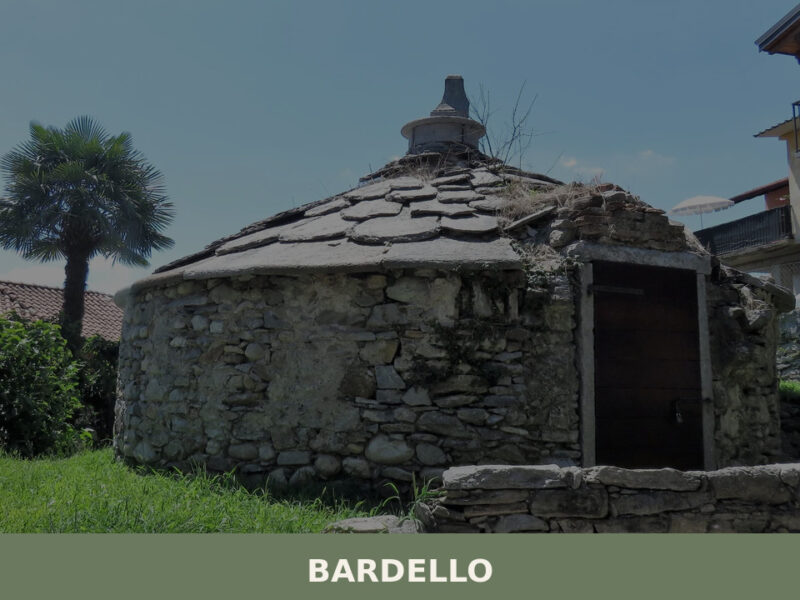
Morning mist lifts off the Bardello river in thin, slow ribbons, revealing a low-slung village of roughly 1,553 inhabitants pressed against the southern shore of Lake Varese. A church bell counts seven. A heron stands motionless in the reeds along the waterway that gives this settlement its name. If you are wondering what to see […]
Agnadello
Plains
What to see in Agnadello, Italy: explore the 1509 battle site, local Cremasco cuisine, and top attractions. Discover this Lombardia village near Milan. Read the guide.
Agra
 Mountain
A 391-inhabitant mountain village at 650 metres in Varese province, Agra sits at the Swiss border with trails to Monte Lema and centuries-old chestnut woods.

Milano
Plains
Over 1.3 million residents and 2,600 years of history make Milano Lombardia one of Europe's most compelling destinations. Art, opera, fashion and extraordinary food await every visitor.
Lodi
Plains
What to see in Lodi, Italy: Discover its 1454 Treaty legacy and 1796 Battle site. Explore this Lombard city, 87 m (285 ft) above sea level, for a unique historical day trip.
Cremona
Plains
What to see in Cremona? With a population of 70,637, this city of lutherie offers the iconic Torrazzo and Violin Museum. Explore our guide.
Arsago Seprio
Hills
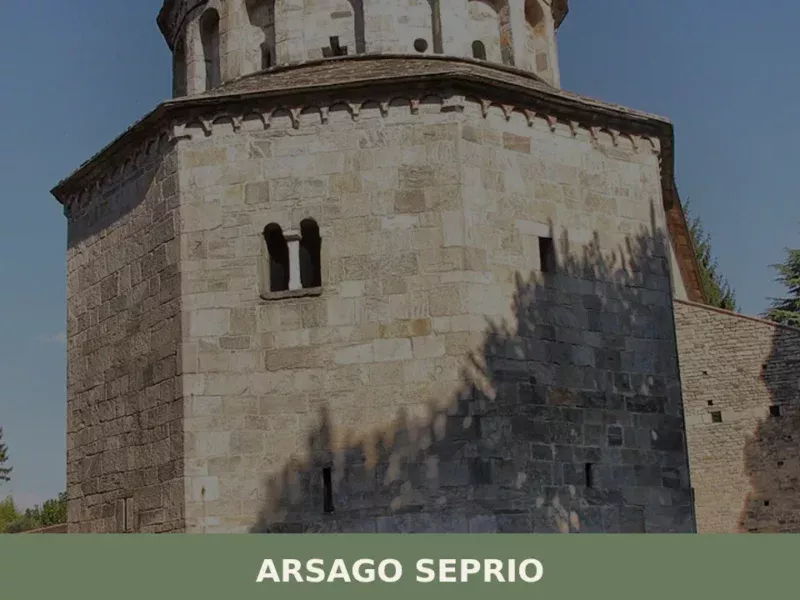
In Arsago Seprio, located in the province of Varese, the ancient Basilica of San Vittore Maggiore features structures dating back to the 9th century, indicating continuous settlement rooted in Roman times. This specific detail introduces a village of 4,869 inhabitants, located 290 meters above sea level, where historical layering is a tangible element. For those […]
🧀 Italian traditional products





🏡 Know Adro better than we do?
If you’re a local or have been there, your knowledge matters: add what’s missing or fix a detail on this page.