


Aprilia
 Plains
What to see in Aprilia? Explore 5 unique attractions in this Lazio village. Discover its historic origins and hidden gems. Plan your visit now!
Discover Aprilia
Aprilia stands 80 m (262 ft) above sea level, a city born from the ambitious land reclamation projects of the 1930s in the Agro Romano. Its urban center, originally composed of four main buildings including a church and city hall, was conceived to host new Italian settlers.
The area, once marshland, was transformed through extensive deforestation and draining efforts that commenced in 1931, attracting people from various northern Italian regions.
For those exploring what to see in Aprilia, the city presents a unique blend of modern history and agricultural heritage.
With a population of 71,150 inhabitants as of 2011, Aprilia offers visitors monuments commemorating its wartime past and the opportunity to sample its distinctive DOC wines. The Aprilia highlights include both its rebuilt city core and the surrounding agricultural landscapes, providing a comprehensive look at its resilience and development.
History of Aprilia
The territory of Aprilia, Lazio, Italy, held historical significance long before its modern foundation.
In ancient times, this area was under the dominion of Ardea and subsequently Rome, a historical trajectory shared by many settlements across the Lazio region, including places like Blera. The city of Aprilia itself was founded on April 25, 1936, as part of a significant land reclamation project initiated by the Fascist government, aiming to create new agricultural and residential areas near major cities.
The name Aprilia derives from the Latin Venus Aprilia, meaning “Fruitful Venus,” a nod to the agricultural promise of the reclaimed land.
The establishment of Aprilia was part of the 2PST project, conceived by architects Concezio Petrucci, Mario (Mosè) Tufaroli, Emanuele Filiberto Paolini, and Riccardo Silenzi. It was the fourth town founded in this reclamation effort, following Littoria (now Latina), Sabaudia, and Pontinia, and was initially part of the province of Rome.
Land reclamation works, which began in 1929, attracted a significant number of settlers from northern Italian regions such as Trentino, Veneto, Friuli, and Emilia Romagna, transforming the vast 17,774-hectare (43,920-acre) area. By the end of 1931, substantial deforestation and marsh draining had been completed, paving the way for the construction of rural houses and a new urban center.
The burgeoning city faced immense challenges during World War II, particularly in January 1944, when it became a critical site during the Battle of Rome. Aprilia, known as “la fabbrica” (the factory) by the Allied forces, was largely reduced to rubble, forcing its population to seek refuge in Campania and Calabria. Following the conflict, Aprilia embarked on a period of remarkable reconstruction and economic transformation.
The 1950s saw the arrival of Italian refugees from North African colonies, who played a pivotal role in establishing extensive vineyards, cultivating some of Italy’s finest table grapes and producing wines with Denominazione di origine controllata (DOC) status.
This agricultural revival, coupled with the establishment of the Cassa per il Mezzogiorno and the Consortium for industrial development in Lazio, propelled Aprilia into industrialization, with the first factory, Simmenthal, opening in late 1951. Today, Aprilia hosts around one hundred industrial plants, including several major corporations, and was officially awarded the title of City by presidential decree on October 29, 2012.
What to see in Aprilia, Lazio: top attractions
St. Michael’s and Maria Goretti’s Churches
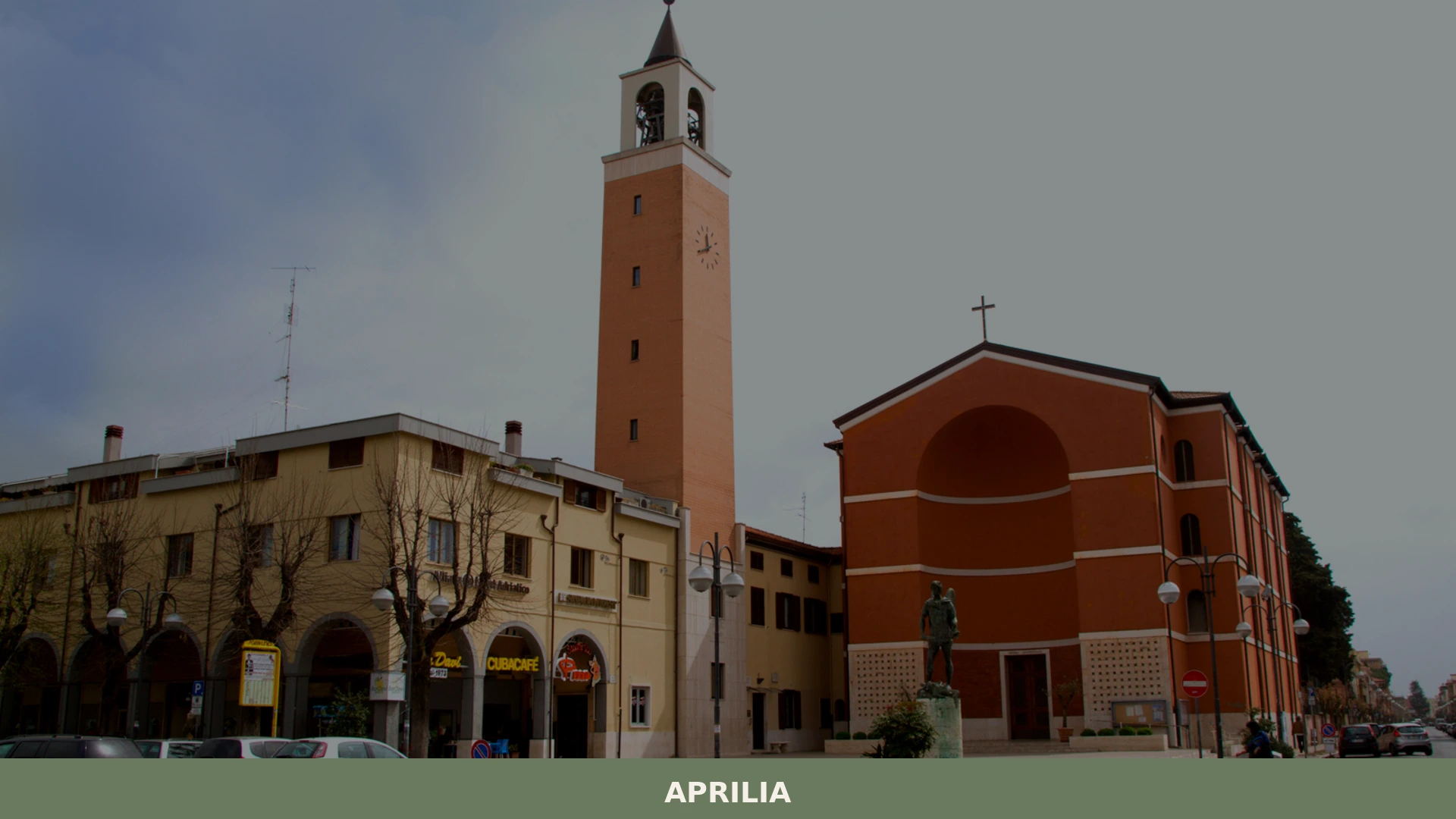
The Church of St. Michael Archangel and Maria Goretti stands as a central monument to Aprilia’s foundation and resilience. It was among the very first buildings constructed in the city’s urban core following its establishment in 1936. Tragically, the church suffered partial destruction during the fierce battles of World War II, reflecting the broader devastation endured by Aprilia. In 1952, its original dedication to St.
Michael was formally expanded to include St. Maria Goretti, honoring a local saint. The bell tower of the Church of S. Michele Arcangelo was reconstructed in 1999, restoring a key element of the city’s skyline after post-war damage.
St.
Michael Archangel Statue
In the heart of Aprilia’s city center, within the churchyard of the main church, stands the statue of San Michele Arcangelo, the city’s patron saint. This bronze figure is particularly notable for the visible historical wounds it still bears, direct evidence of the intense battles fought between Italo-German and Allied forces during World War II. Erected as part of the original urban plan, the statue serves as a poignant reminder of Aprilia’s wartime experience and its subsequent rebirth. Visitors can observe these marks, which connect directly to the city’s critical role in the 1944 conflict.
Mausoleum of the Garibaldi family
Located in the tranquil hamlet of Carano, the Mausoleum of the Garibaldi family offers a significant historical connection.
This mausoleum serves as the resting place for seventeen members of the illustrious Garibaldi family. Among those interred in the family crypt is Menotti Garibaldi, the son of the revered Italian national hero Giuseppe Garibaldi and Anita Garibaldi, who resided in the area for several years until his death in Rome in 1903. Although the tomb was profaned by vandals on March 31, 2011, the sarcophagus and wooden chest containing Menotti’s remains were ultimately left undisturbed, preserving this important historical site.
World War II – Monument to the Fallen
In Piazza della Repubblica, Aprilia hosts a powerful tribute to those lost in conflict: the World War II – Monument to the Fallen.
This striking work, created by artist Luigi Gheno based on a design by architect Marcello De Rossi, consists of a bronze and concrete stele. It was officially inaugurated on May 1, 1960, dedicated to honoring the fallen of all wars. The monument stands as a central point of remembrance, reflecting Aprilia’s deep connection to its wartime history and the sacrifices made by its inhabitants and soldiers alike.
Its location in a central public square underscores its importance to the civic memory of Aprilia.
Monument to the fallen of the Battle of Anzio
An obelisk located in via Carroceto serves as a solemn Monument to the fallen of the Battle of Anzio, inaugurated on February 18, 2014. This memorial commemorates the Allied soldiers who perished during the Battle of Anzio and whose remains were never recovered. The inauguration ceremony was notably attended by Roger Waters, the former founder, singer, and bassist of Pink Floyd, whose father, Second Lieutenant Eric Fletcher Waters, died during the landing on February 18, 1944, and whose remains were never found.
Waters visited Aprilia for the first time to see the exact location of his father’s sacrifice, placing a wreath at the obelisk’s base. The monument bears an Italian translation of lines from a song composed by Roger Waters: “Cenere e diamanti / nemico e amico / eravamo tutti uguali alla fine,” meaning “Ashes and diamonds / foe and friend / we were all equal in the end.”
Local food and typical products of Aprilia
The gastronomic identity of Aprilia is deeply intertwined with its agricultural rebirth following World War II, particularly through the establishment of extensive vineyards in the 1950s.
Italian refugees arriving from North African colonies played a crucial role in cultivating these lands, leading to the production of both high-quality table grapes and wines with Denominazione di origine controllata (DOC) status.
This historical development underscores a tradition focused on viticulture and fresh produce, reflecting the fertile lands reclaimed from the former Pontine Marshes.
While specific traditional dishes are not extensively documented, the region’s focus on viticulture suggests a culinary landscape that complements its wine production. The local cuisine would traditionally feature ingredients readily available from the surrounding agricultural areas, including fresh vegetables, cheeses from sheep grazing, and grains.
The emphasis on high-quality grapes, both for table consumption and wine, highlights a local preference for fresh, seasonal produce that forms the basis of many Lazio dishes.
The most prominent certified product from Aprilia is its wine, specifically the Aprilia DOC (CERT). This designation covers a 3,700-hectare (9,100-acre) region, with regulations ensuring the quality and authenticity of its varietal wines. Key grape varieties include Trebbiano, Merlot, Sangiovese, and Abbuoto. Approximately 75% of the DOC production is centered around Trebbiano.
For Merlot and Trebbiano grapes, regulations stipulate a maximum yield of 15 tonnes per hectare (6.07 t/acre), with the finished wine required to attain a minimum alcohol level of 11%. Sangiovese has a slightly stricter maximum yield restriction of 14 t/ha (5.67 t/acre), and its finished wine must achieve at least 11.5% alcohol by volume. This rigorous control ensures the distinct character of Aprilia’s wines.
Festivals, events and traditions of Aprilia
Aprilia’s traditions are deeply rooted in its modern history, particularly its unique foundation and the profound impact of World War II.
The city commemorates its establishment on April 25, 1936, a date that represents a significant moment in the region’s development and the collective effort of land reclamation. Furthermore, the community holds a strong tradition of civic pride and remembrance, evidenced by the honor it received on February 8, 2001, for its civil resistance during the last world war. These annual observances, though not always elaborate public festivals, underscore Aprilia’s identity as a resilient and forward-looking city.
The spiritual life of Aprilia centers around its patron saint, St.
Michael Archangel, whose statue in the city center bears visible marks from wartime battles. While specific details of a recurring patron saint festival are not widely documented, the presence of the church and statue indicates a cultural and religious observance of this figure. Additionally, the city’s commitment to remembrance is highlighted by the inauguration of the Monument to the Fallen on May 1, 1960, and the Monument to the fallen of the Battle of Anzio on February 18, 2014.
These dates serve as focal points for collective memory, reflecting on the sacrifices made and the city’s enduring spirit through difficult times.
When to visit Aprilia, Italy and how to get there
The best time to visit Aprilia, Italy, and the broader Lazio region, is generally during the spring (April to June) and autumn (September to October). These periods offer pleasant temperatures, making it ideal for exploring historical sites and enjoying the agricultural landscapes without the intense heat of summer or the cooler, wetter conditions of winter. Spring often brings blooming vineyards, while autumn is a prime time for grape harvests and enjoying the local wines. For those interested in the city’s foundation, a visit around April 25th would align with its founding anniversary, offering a chance to reflect on its unique history. Aprilia is a relatively flat city, making it accessible for most visitors.
Aprilia is conveniently located for a day trip from Rome, which is just 31 km (19 mi) away, making it an ideal destination for those asking what to see in Aprilia beyond the capital.
Visitors arriving by car can access Aprilia via the Pontina (SS148) road, a major artery connecting Rome to the Pontine region. The city is also well-connected by regional train services, with Aprilia station providing links to Rome Termini and other towns in Lazio; for train schedules and tickets, travelers can consult the Trenitalia website.
The nearest major international airports are Rome Fiumicino (FCO), approximately 50 km (31 mi) away, and Rome Ciampino (CIA), about 35 km (22 mi) distant, both offering connections to numerous European and international destinations. Travelers should note that while major tourist areas in Italy are accustomed to English speakers, in smaller towns like Aprilia, English may be less common in local shops and restaurants, so carrying some Euros cash can be useful.
For visitors exploring the wider Lazio region, consider extending a trip to Aprilia or combining it with a visit to Capranica, another town within the region, accessible via the regional rail network. The broader province of Latina and the Lazio region invite further exploration. Travelers might also consider a visit to Canepina, known for its chestnut production, offering a different perspective on the diverse landscapes of central Italy.
📷 Photo Gallery — Aprilia
Nearby Villages near Aprilia
In Lazio More villages to discover
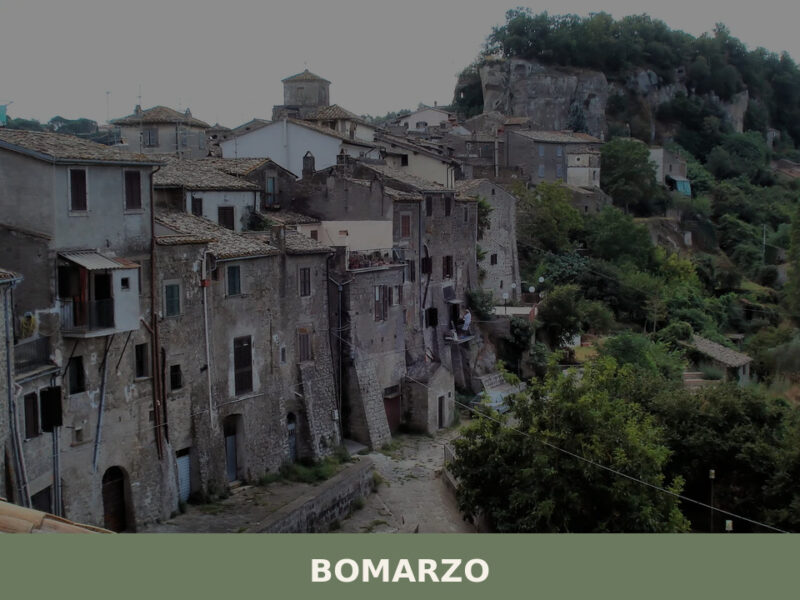
Bomarzo
 Hills
Hills
Population 1,679. Visit for the Parco dei Mostri and the village's unadorned religious and domestic architecture rooted in the Cimini landscape.

Boville Ernica
Hills
What to see in Boville Ernica, Lazio, Italy: 18 intact medieval towers, a mosaic attributed to Giotto, and pre-Roman walls. Discover the complete travel guide.
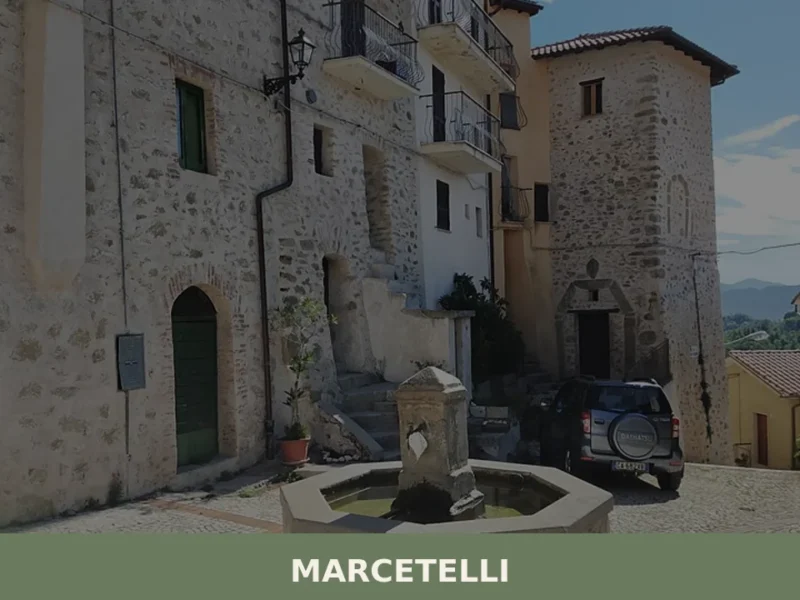
Marcetelli
 Lake
Lake
 Mountain
What to see in Marcetelli, a village at 930m in Rieti province with 82 residents. Explore Lago del Salto, the Church of San Venanzio and PAT-certified Guanciale amatriciano. Plan your visit now.
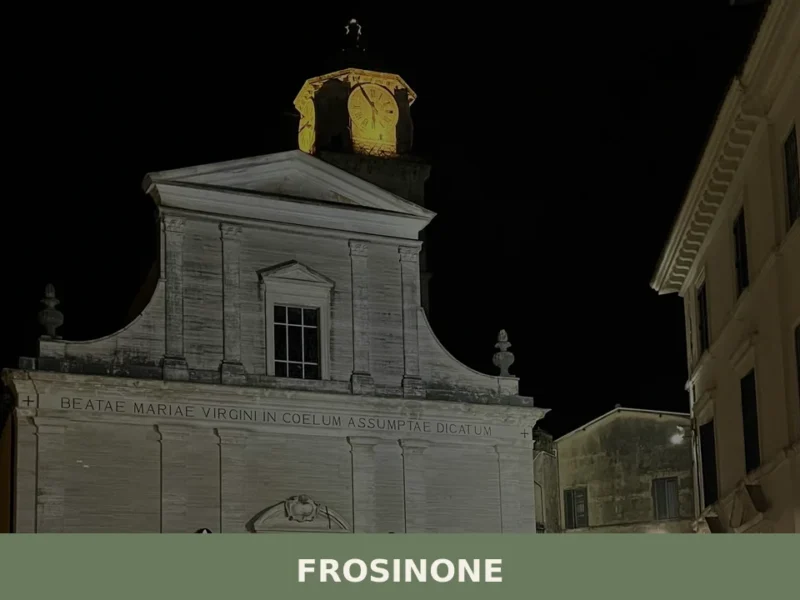
Frosinone
Hills
What to see in Frosinone: from the Cyclopean walls to the medieval old town. Discover the 5 top attractions and plan your visit.
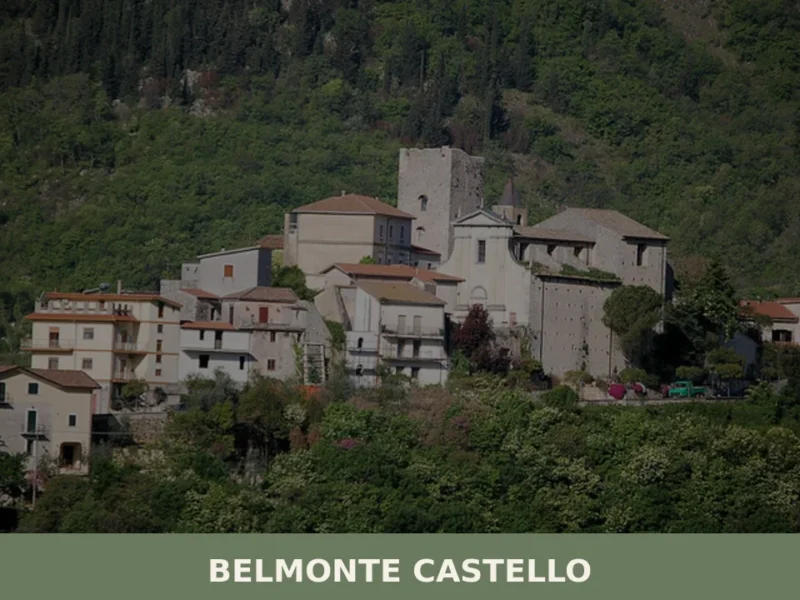
Belmonte Castello
Hills
What to see in Belmonte Castello: discover the 5 main attractions of this Lazio village, from the medieval castle to the Church of San Salvatore. Plan your visit.
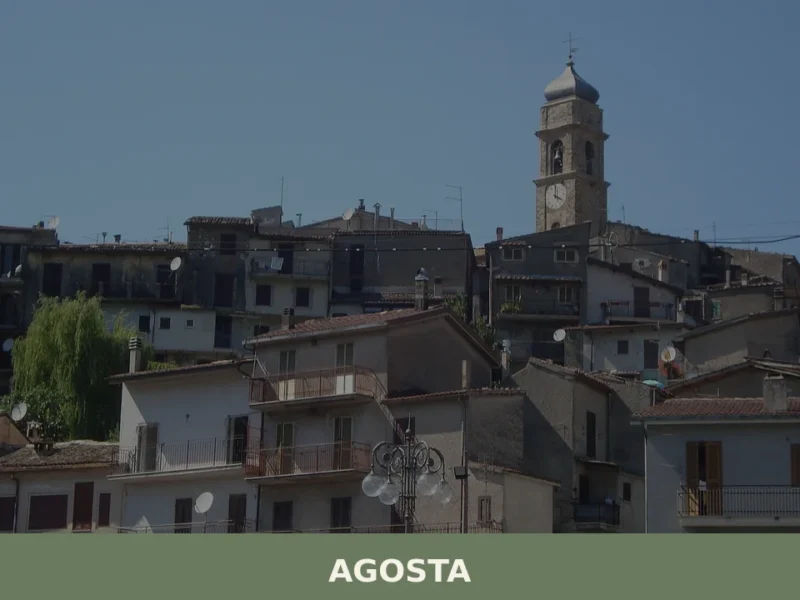
Agosta
Hills
A block of tuff rock rises above the Aniene valley in the Monti Simbruini area, and on its crown sits a tight cluster of stone buildings at 382 m (1,253 ft) above sea level. The Arch of the Cardinal still stands near the point where a bridge once crossed the Aniene river, its masonry dated […]
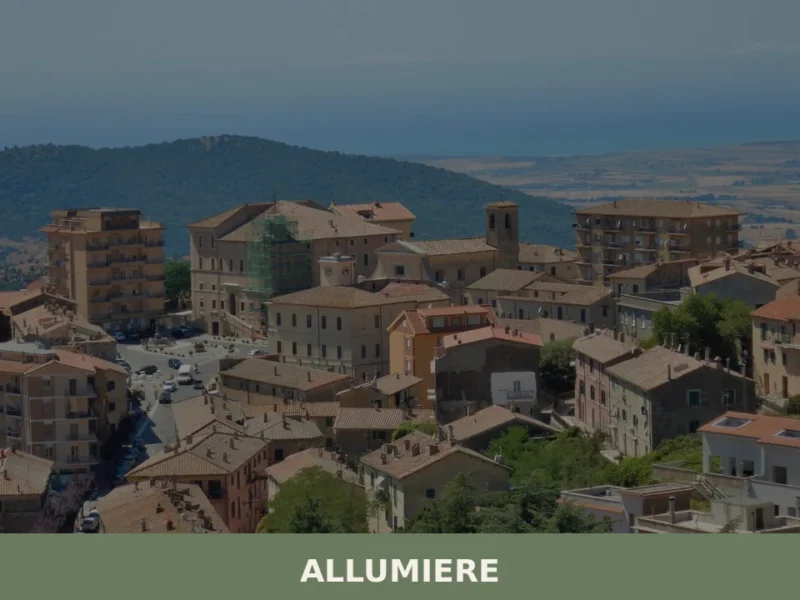
Allumiere
Hills
What to see in Allumiere, Lazio, Italy: explore the alunite mining history, Santa Maria Assunta church, and Borgo della Farnesiana. 4,146 inhabitants. Discover it now.
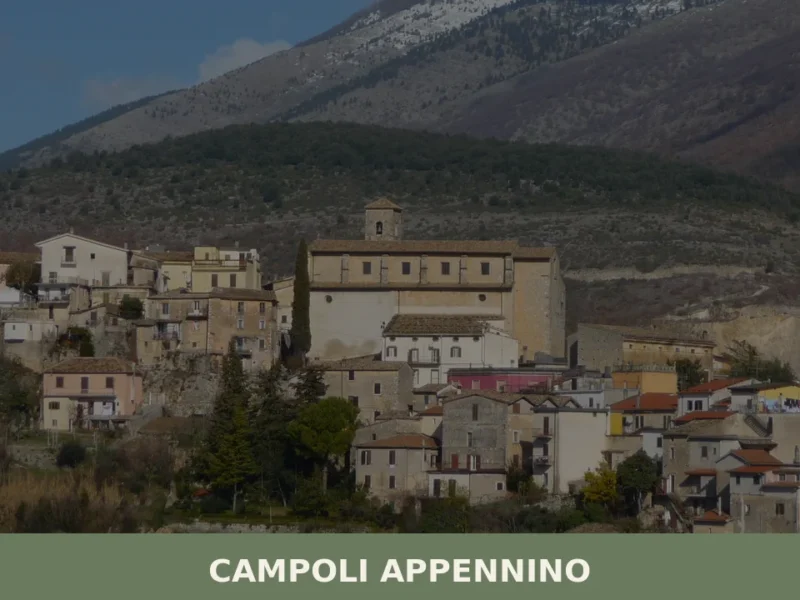
Campoli Appennino
Mountain
What to see in Campoli Appennino, Italy: a medieval tower 25 m tall, Roman aqueduct, and patron feast on 12 May. Discover this Frosinone village at 650 m altitude.
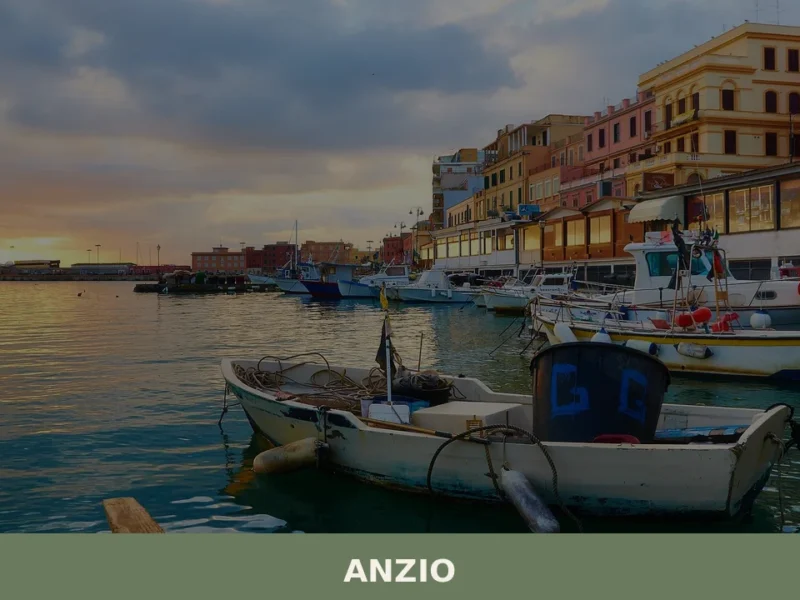
Anzio
 Sea
Sea
What to see in Anzio, Lazio, Italy: from WWII cemeteries to Roman ruins 51 km from Rome. Discover top attractions, local seafood, and how to get there.
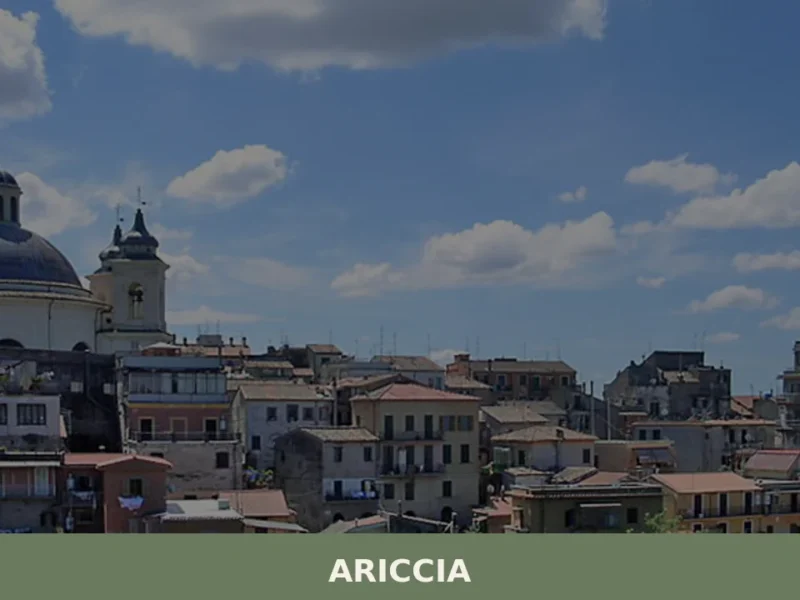
Ariccia
Hills
What to see in Ariccia: from Palazzo Chigi to the monumental bridge, discover the 5 top attractions. Plan your visit with this complete travel guide.

🏡 Know Aprilia better than we do?
If you’re a local or have been there, your knowledge matters: add what’s missing or fix a detail on this page.