


Mornago
 Hills
Hills
4,838 residents and three historic fractions give Mornago a layered identity, from Roman land tenure to a rare motorcycle manufactory born in 1925.
Mornago: A Varese Village Between Ancient Roots and Local Rhythm
At 281 metres above the Lombard plain, the air above this corner of Varese province carries a clarity that locals have long considered a defining quality of the place. The municipal coat of arms itself reflects this: its azure field, according to the heraldic description recorded in official documents, stands for the purity and clarity of the air enjoyed here. A silver inverted chevron — the capriolo abbassato d’argento of Italian heraldry, shaped like a reversed V — runs across that blue ground as a symbol of the community’s cohesion and growth, while a Moor’s head in profile, blindfolded with a silver band, anchors the whole design to the village’s very name.
Mornago, with its three fractions of Crugnola, Montonate and Vinago, draws visitors with two distinct assets: a dense web of religious heritage spread across four communities, and a festive calendar that keeps the village in motion from January bonfires to December Christmas markets. Nearly half its territory — 45 per cent — remains forested, and another quarter is given over to cultivated green land, making the landscape itself a reason to slow down.
From a Roman Landowner to the Province of Varese
The name has a direct human origin. Scholars trace it to Maurinus or Maurenus, a Roman-era landowner who held extensive plots across this territory. By the thirteenth century the name had shifted to Morenago, and the modern form settled gradually from there. The coat of arms acknowledges this etymology head-on: the Moor’s head it displays is a deliberate visual echo of Maurinus, linking the village’s everyday symbol to a figure who may have walked this land nearly two thousand years ago.
Through the medieval and early modern centuries, Mornago remained part of the Milanese sphere, belonging to the feudo e pieve of Somma. Its administrative identity shifted more than once: it entered the province of Varese in 1786 under Austrian Lombardy, then returned to Milan just five years later. Under Napoleon the commune was absorbed into nearby Casale Litta, only to regain independence in 1816 with the establishment of the Kingdom of Lombardy-Venetia. Unification in 1859 placed it in the Gallarate district of Milan province, and in 1869 the neighbouring communes of Crugnola, Montonate and Vinago were merged into it. Cimbro followed briefly but was detached two years later and joined to Vergiate. It was only in 1927 that Mornago took its current provincial home, becoming part of the newly constituted province of Varese.
In 1925 a figure of local industrial significance appeared in the fraction of Crugnola: Luigi Angelino founded the motorcycle manufacturer Angelino Super-Moto there, an episode that places this village, however briefly, on the map of early Italian motorised transport. The municipal coat of arms and banner received formal recognition on 16 August 1952 by presidential decree. In 2021 the commune marked 150 years since its foundation in its current territorial configuration, following the detachment of Cimbro in 1871.
Churches, Sanctuaries and Roadside Shrines Across Four Communities
Chiesa San Michele Arcangelo, Mornago
The parish church dedicated to the Archangel Michael stands as the principal place of worship in the village centre. San Michele is the patron saint of Mornago, and his feast day on 29 September anchors the most important religious celebration of the municipal calendar. The church forms the natural focal point of the main fraction and gives the surrounding piazza much of its civic character. Visitors arriving in late September will find the village at its most animated around this date.
Santuario Madonna del Buon Viaggio, Mornago
The sanctuary dedicated to Our Lady of the Good Journey stands in the main fraction and speaks to a long tradition of devotion linked to travellers and safe passage. Its dedication resonates with the territory’s position along routes connecting the Varese lake district to the broader Lombard plain. The sanctuary is one of several Marian sites distributed across the commune, a density of religious heritage that reflects the area’s deep local piety.
Santuario del Ciclo-turista, Montonate
Among the more unusual religious monuments in the commune, this sanctuary in the fraction of Montonate is dedicated specifically to cycle tourists. It sits within a territory that the Ecomuseo Piane Viscontee del Varesotto project has identified as part of a landscape corridor linking Lake Varese to the north with the Ticino Park to the south. Cyclists moving through the area on longer routes will find here both a moment of pause and a marker of the fraction’s relationship with slow, human-powered travel.
Churches of Crugnola, Vinago and Montonate
Each of the three fractions maintains its own parish church: the Chiesa Beata Vergine Maria in Crugnola, the Chiesa Santi Gaudenzio e Biagio in Vinago, and the Chiesa Sant’Alessandro in Montonate. Together with the smaller Chiesetta San Rocco e Clemente and the Chiesetta Madonna di Loreto in Vinago, they form a religious itinerary that can be walked or cycled across the commune in a single day. Roadside shrines — including the Madonnina di Lourdes, the Madonina di Pezz and the Edicola di San Carlo in Montonate — punctuate the routes between fractions.
Land, Forest and a Light Industrial Grain
Mornago’s territory defies easy categorisation as purely rural or purely urban. Forests cover nearly half the land, and cultivated fields and green areas account for roughly another quarter. Yet the commune also hosts a range of industrial and craft activity, with metalworking, automotive supply chain operations, chemical production, glassmaking and textile processing all represented. This combination of woodland, farmland and workshop gives the local economy a layered texture that sets it apart from more exclusively agricultural or residential communes in the Varese area.
The Ecomuseo Piane Viscontee del Varesotto project, which connects Mornago to several neighbouring communes including Azzate and Brunello, frames this landscape explicitly as a cultural asset. The project prioritises the natural, historical and traditional environment of these flatlands — territories that have largely escaped heavy urbanisation and that the participating communes want to make central to a different kind of development. The nearby villages of Albizzate, Arsago Seprio and Biandronno share the same broad provincial landscape.
According to the official heraldic description, the azure field of Mornago’s coat of arms was chosen to represent the purity and clarity of the air enjoyed in the locality — a quality the village has claimed as its own since the granting of the arms by presidential decree in 1952.
A Calendar Built on Fire, Feast and the Agricultural Year
The village marks its year with a rhythm that alternates fire-lit winter rituals with summer patron feasts and an autumn market rooted in farming. The Falò della Giöbia on the last Thursday of January, organised by the Pro Loco, opens the ceremonial year with a bonfire whose name recalls an old dialect tradition of the Varese area. Just days later, on 3 February, the fraction of Vinago holds its own Falò di San Biagio.
Summer brings the patron feasts in sequence: Vinago celebrates on 16 July, Crugnola on the first Sunday of September, Montonate on the second Sunday of September, and the main village of Mornago on 29 September for the feast of San Michele Arcangelo. The Agri Mornago fair on the first Sunday of October, run by the Pro Loco, shifts the focus toward the agricultural landscape, while the Feast of the Immaculate Conception on 8 December closes the year with Christmas markets organised by the parish. The Corpo Musicale Mornaghese and the Gruppo Alpini each contribute their own events, giving the calendar a civic as well as religious dimension.
Getting to Mornago and Organising a Visit
Mornago sits within easy reach of Varese, Gallarate and Milan, making it accessible as a day visit or as a base for exploring the wider Varese lake district. The railway station at Crugnolino, on the Gallarate–Laveno line, provides a public transport connection that avoids the need for a car entirely. Trains on this route link the village to Gallarate, where connections to Milan and the broader rail network are straightforward.
If you arrive by car, the commune’s forested lanes and the routes between its four fractions reward slow driving or cycling rather than quick transit. The Ecomuseo Piane Viscontee del Varesotto itineraries, which position Mornago within a broader landscape corridor between Lake Varese and the Ticino Park, provide a useful framework for planning a half-day or full-day route. The Santuario del Ciclo-turista in Montonate is a practical waypoint for those exploring by bicycle.
The best seasons for a visit depend on what you want to experience. The winter bonfires in January and February are vivid community events but require warm clothing. The patron feasts from July to September offer the most active village atmosphere. The Agri Mornago fair in early October coincides with clear autumn light and relatively quiet roads through the woods.
| Departure | Distance | Time |
|---|---|---|
| Varese | approx. 15 km | approx. 20 min by car |
| Gallarate | approx. 10 km | approx. 15 min by car / by train via Gallarate–Laveno line |
| Milan | approx. 45 km | approx. 50–60 min by car |
Frequently asked questions about Mornago
How do you reach Mornago by car and public transport?
By car, Mornago is accessible from the A8 Milan-Varese motorway, exits at Vergiate or Sesto Calende, then following provincial signs. The nearest railway station is Sesto Calende-Angera, on the Milan-Domodossola line; from there you need to continue by car or taxi. Some provincial bus services in the Province of Varese connect Mornago to neighboring towns. The village is approximately 15 km from Varese and about 50 km from Milan.
When is Mornago's patron saint celebrated and what does the celebration include?
Mornago's patron saint is Saint Michael the Archangel, whose liturgical feast falls on September 29th. As in many Lombard municipalities, the occasion is traditionally marked by solemn mass, procession and moments of community gathering. For updated specific programs it is advisable to consult the official website of Mornago Municipality or the local parish, as celebration details may vary from year to year.
Are there documented hiking or cycling routes around Mornago?
Mornago is located in a hilly area between Lake Varese and the Ticino river corridor, an area with cycling routes and nature trails. The Ticino Valley Natural Park offers CAI trails and bike paths in the immediate vicinity. The provincial hiking network of Varese crosses the area, with routes suitable for hikers of various levels. For detailed maps it is recommended to consult the Ticino Park website or the Varese CAI section.
How much time should you dedicate to visiting Mornago?
Mornago is a village of approximately 4,800 inhabitants spread across several hamlets, with a heritage of rural churches and votive shrines scattered throughout the territory. A complete visit that includes the center, the hamlets and the main country chapels requires approximately half a day. Combining it with a nature walk in the surrounding woods or a stop at Lake Varese, you can easily structure a full day.
What is the best time to visit Mornago?
Spring (April-May) and autumn (September-October) are the most pleasant seasons, with mild temperatures and the hilly landscape at its most colorful. Autumn also coincides with the feast of patron saint Saint Michael (September 29th) and the season of local agricultural products. Summer is warm but lively thanks to the village festival calendar. In January the traditional Giöbia is celebrated, with ritual bonfires typical of Varese folk culture.
📷 Photo Gallery — Mornago


In Lombardy More villages to discover
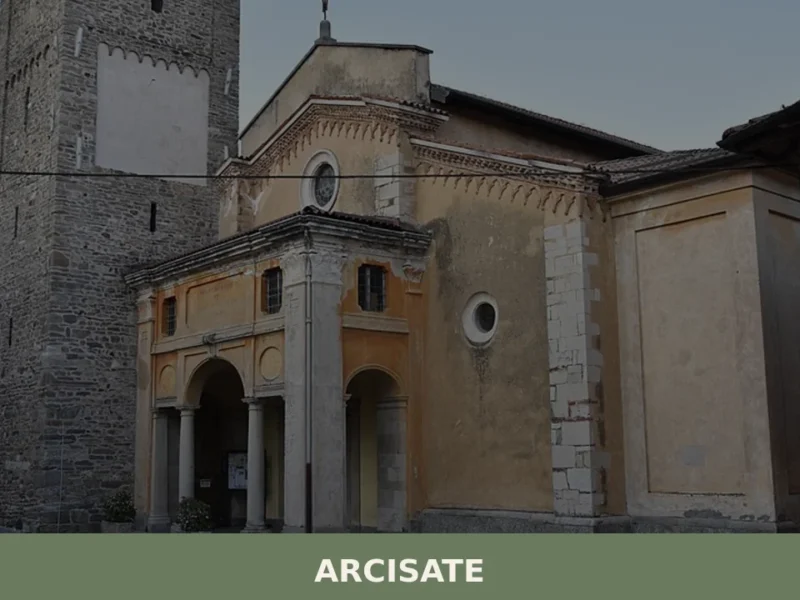
Arcisate
Hills
What to see in Arcisate, Italy: Discover Roman history and hillside views at 372 m a.s.l. Explore the village's main church and its unique past.
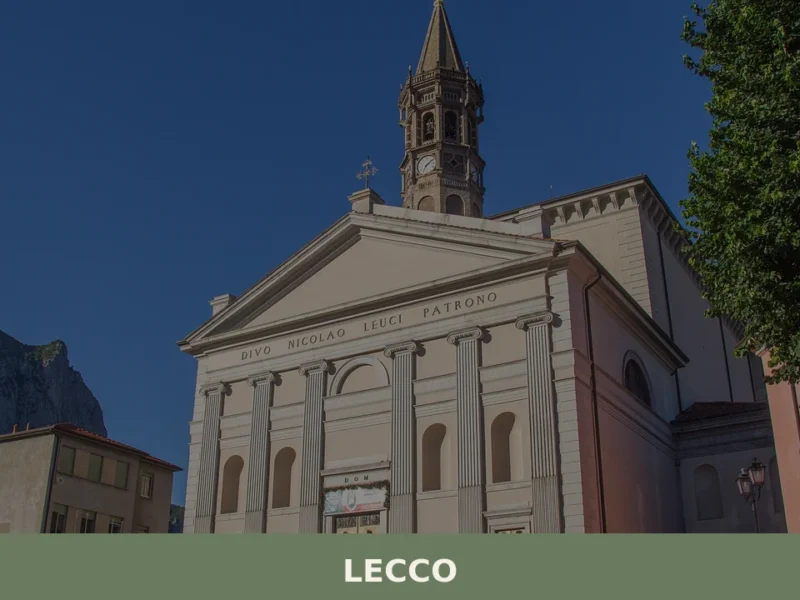
Lecco
 Lake
Lake
 Mountain
what to see in lecco, Italy: Explore the 5 essential attractions of this Lombard city, from the historic Azzone Visconti Bridge to the towering Mount Resegone. Discover its 47,240 inhabitants.
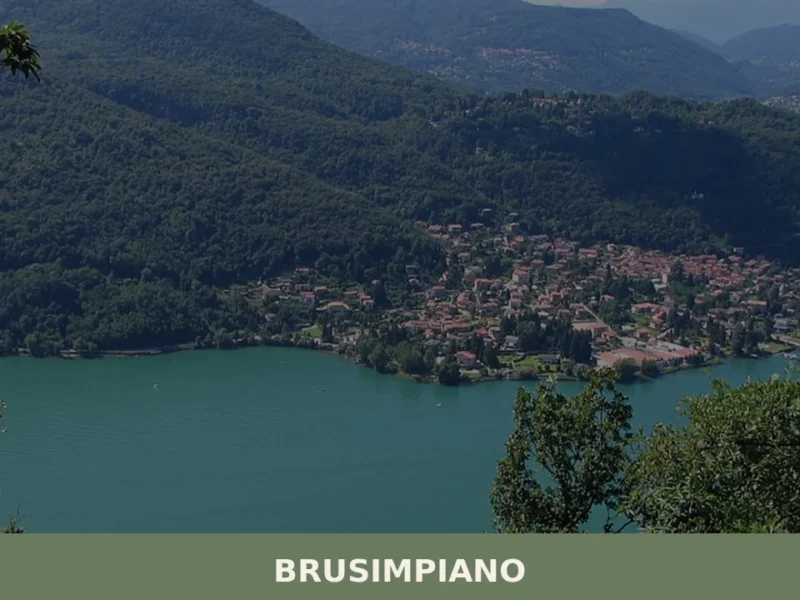
Brusimpiano
Hills
Lake
What to see in Brusimpiano: 1,229 inhabitants, 289m above Lake Lugano. Discover the Church of the Nativity, lakeside promenade and nature trails. Plan your visit now.
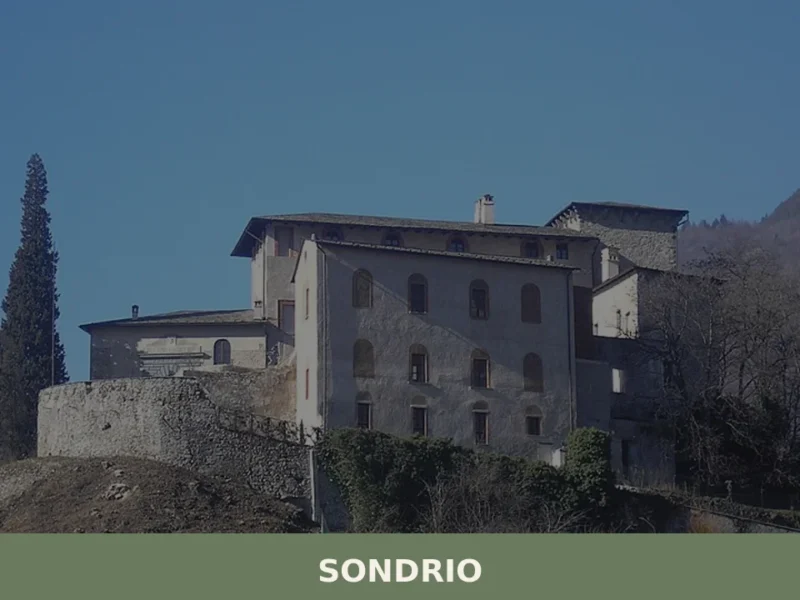
Sondrio
Hills
What to see in Sondrio? Located at 298m altitude, discover Castello Masegra and the Collegiata dei Santi Gervasio e Protasio. Explore this Valtellina capital.
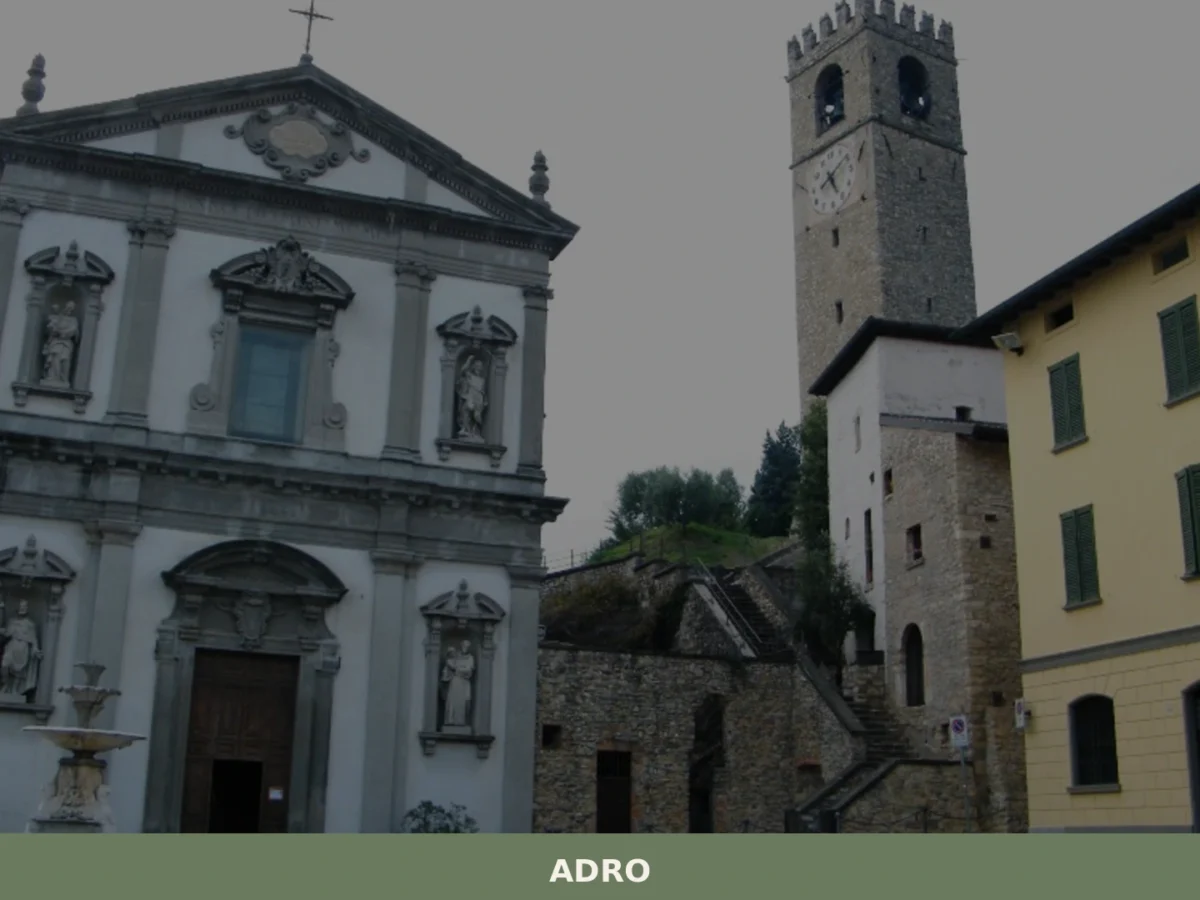
Adro
 Plains
What to see in Adro, Lombardia, Italy: explore 5 verified attractions, Franciacorta wines, and a medieval tower. Discover how to get there from Milan.
Bisuschio
Hills
In Bisuschio, in the province of Varese, economic activity linked to ceramic production developed starting from the 18th century, with local kilns contributing to the manufacture of tableware and bricks for the area. This hillside village, located 370 meters above sea level, offers a view of the Prealpine landscape and nearby lakes. For those wondering […]

Vanzaghello
Plains
5,375 residents, one medieval parish church and a steam locomotive in the central square: Vanzaghello rewards visitors drawn to authentic Lombard daily life.
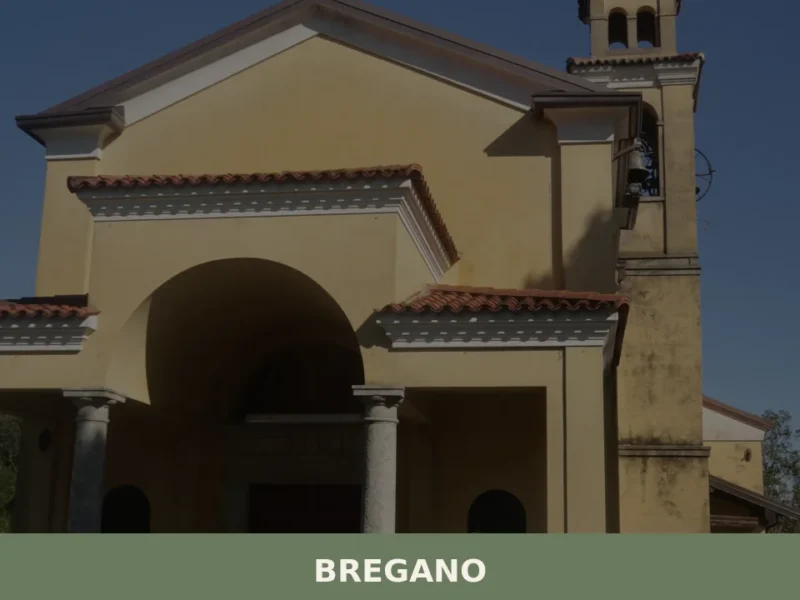
Bregano
Hills
With its 824 inhabitants spread across an elevation of 303 metres on the hills between Lake Varese and Campo dei Fiori, Bregano is a municipality in the province of Varese whose documented existence dates back at least to the 13th century, when the settlement appears in the ecclesiastical registers of the Pieve di Brebbia. Asking […]
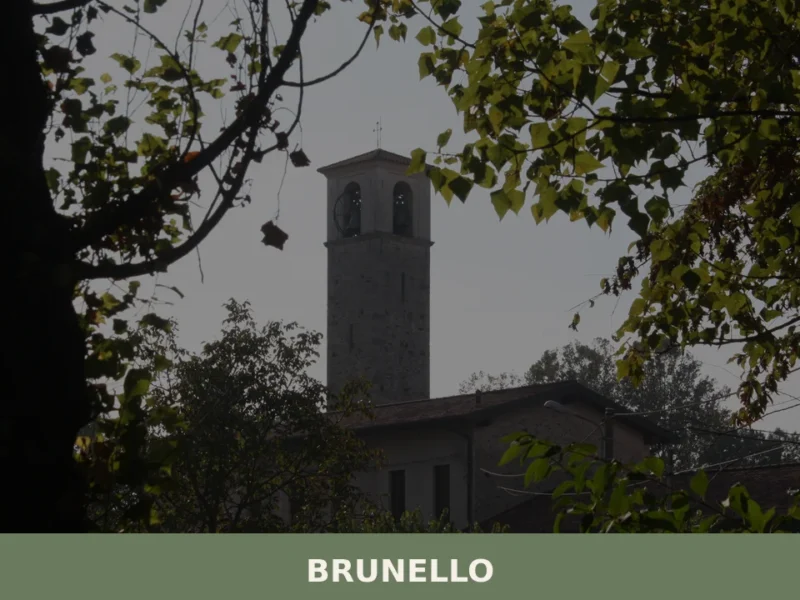
Brunello
Hills
What to see in Brunello, a village of 1,022 people in the province of Varese. Visit the Parish Church of San Giorgio, the Civic Tower and the Roggia Mulinara Trail. Plan your visit now.
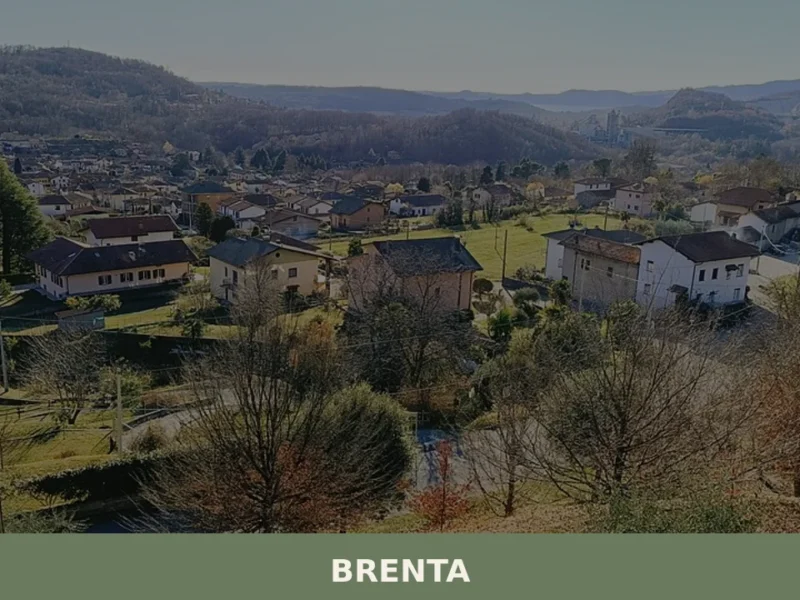
Brenta
Hills
Brenta has 1,715 inhabitants and sits at 276 metres above sea level, on the hilly belt separating Lake Varese from the western Po Plain. The municipality, part of the province of Varese, comprises a central nucleus and agricultural hamlets spread across terrain that slopes gently southward. Anyone looking into what to see in Brenta will […]

🏡 Know Mornago better than we do?
If you’re a local or have been there, your knowledge matters: add what’s missing or fix a detail on this page.