


Vanzaghello
 Plains
5,375 residents, one medieval parish church and a steam locomotive in the central square: Vanzaghello rewards visitors drawn to authentic Lombard daily life.
Vanzaghello: A Lombard Village Between the Ticino Park and Malpensa
A steam locomotive sits in the open air at the junction of three streets in the village centre, its iron frame standing still while the life of the square moves around it. Children pass it on the way to the playground, residents stop nearby at the bar, and the basketball court fills on weekend evenings. It is an ordinary scene, and precisely for that reason it stays with visitors: this is a place that carries its industrial past into the present without ceremony.
Vanzaghello village in Lombardy occupies a particular position in the metropolitan area of Milan, drawing visitors with two concrete qualities: its direct access to the Parco naturale lombardo della Valle del Ticino and a layered local history that moves from medieval parish origins through Napoleonic annexation to a twentieth-century textile economy. At 194 metres above sea level, on the north-western edge of the province, the village borders the province of Varese and sits within the Altomilanese district, a territory that connects the sprawl of greater Milan with the calmer rhythms of the pre-Alpine lowlands.
From Medieval Parish to Independent Municipality
Vanzaghello came into existence during the medieval period as a parish seat, which means the church preceded and in many ways generated the settlement around it. A parish gave a place administrative weight, a regular gathering point, and a reason for families to remain. That founding logic still reads in the village layout today, where the Church of Sant’Ambrogio anchors the older part of the built fabric. In the local Milanese dialect the village is called Vanzaghèll, a name that carries the compressed vowels and clipped endings characteristic of the linguistic tradition of the western Lombard plain.
The village became a feudal holding in 1657, and for a time it maintained its own administrative identity. That changed in November 1809, when the Napoleonic administration decided that a population of 762 people did not justify the costs of independent governance and merged the territory with the neighbouring municipality of Magnago. The Austrians reversed that decision after their return, restoring Vanzaghello’s autonomy, but the question resurfaced under the unified Italian state: in March 1869, even with the population grown to 1,220 residents, the municipality was again absorbed into Magnago. The village would remain in that condition for nearly a century.
Independence returned on 28 May 1968, when Vanzaghello separated from Magnago and re-established itself as a distinct municipality. The date carries enough local significance that a street was named after it. The first municipal administrations were led by the Christian Democracy party, with the Communist and Socialist parties in opposition. By the 1990s the political balance shifted toward centre-right coalitions, and from 2004 onward a centre-left civic list has governed the commune. That civic continuity is part of the village’s recent identity: a community that has debated its own growth, passed building regulations incorporating energy and water saving measures as early as January 2007, and navigated a residential expansion driven partly by lower property prices compared to nearby Busto Arsizio.
Between 1751 and 1853, Vanzaghello’s recorded population rose from 709 to 1,176 — a doubling that reflects the broader demographic pressure building across the Lombard plain in that century, long before the industrial transformation that would follow.
The economic story of Vanzaghello follows a trajectory common to many villages in this part of Lombardy. Before the Second World War, the local economy shifted from agriculture toward industry through the activity of the Cotonificio Valle Ticino, a textile mill connected to Count Treccani. When the textile sector entered crisis in the 1960s, the village adapted through small-scale craft production: family workshops producing knitwear and mechanical components, often working as subcontractors for larger firms. That structure has since given way to a service-based economy, though the memory of the manufacturing phase remains visible in the physical fabric of the village.
The Places That Give Vanzaghello Its Character
The village’s built environment is modest in scale but specific in what it offers. The following places are all within the municipal territory of Vanzaghello and reflect the layers of its history and daily life.
Church of Sant’Ambrogio
The parish church dedicated to Sant’Ambrogio, Milan’s patron bishop, has served the community for several centuries. It stands as the religious and symbolic centre of the village, predating many of the civic institutions that grew up around it. The choice of Sant’Ambrogio as patron saint ties Vanzaghello to the broader devotional tradition of the Milanese diocese, a connection that shaped the religious calendar and the communal rhythms of village life across generations. Visitors arriving in late November or early December may find the parish particularly active around the feast day celebrations.
Steam Locomotive 835.163 in the Central Square
At the intersection of via Roma, via Giovanni Pascoli and via Ugo Foscolo, a preserved steam locomotive designated 835.163 stands on public display. The choice to place a piece of railway equipment at the centre of village life rather than behind museum glass is deliberate: it functions as an open-air reminder of the industrial and transport history of the area. The square surrounding it includes a children’s play area, a bar, and a basketball court, making it the most consistently used public space in the village across different age groups and different times of day.
Parco Europa Unita
On via Piave, the Parco Europa Unita offers a second public green area for residents and visitors. Its name reflects the post-war European civic culture that influenced how many Italian municipalities named their public spaces in the 1950s and 1960s, a period that coincides roughly with the decade before Vanzaghello regained its own municipal identity. The park provides a less structured alternative to the central square, suitable for slower movement through the village during a morning or afternoon visit.
The Torrent Arnetta
The south-western edge of the municipal territory is touched by the Arnetta, a small torrent that marks the lower boundary of the communal landscape. Its presence is a reminder that Vanzaghello sits within the broader hydrological network of the Ticino basin. The village is one of 47 Lombard municipalities included in the protected area of the Parco naturale lombardo della Valle del Ticino, and the Arnetta represents the physical point where that relationship between settlement and natural environment becomes most visible at the local level.
The Vanzaghello-Magnago Railway Station
The station serving Vanzaghello sits on the Saronno-Novara line and operates under the shared name Vanzaghello-Magnago, reflecting the long administrative connection between the two communities. Trenord regional trains run on this line at hourly and half-hourly intervals along the Milan-Saronno-Busto Arsizio-Novara corridor. The station is not a heritage site, but it is the practical gateway through which most visitors arrive, and its position within the municipal boundary makes it a genuine part of the village’s daily infrastructure rather than an external point of access.
The Agricultural and Industrial Food Tradition
Vanzaghello’s food culture reflects the agricultural foundation of the western Lombard plain and the transition that communities across this area made toward industrial production over the twentieth century. The Ticino valley provides the broader territorial context: flat, irrigated land historically devoted to rice, maize, and dairy farming. These are the raw materials of the Lombard kitchen in its most direct form, and they remain the basis of what local restaurants and households in the Altomilanese area put on the table.
The village does not have a documented local speciality distinct from the wider Milanese and Varesine culinary tradition, but visitors exploring the area around the Ticino Park will find that agricultural produce and simple preparations based on local cereals and dairy remain central to the menus of the surrounding territory. Towns such as Abbiategrasso, further along the Ticino, offer a more developed food tourism infrastructure for those who want to extend their itinerary in that direction.
Planning a Visit to Vanzaghello
Vanzaghello works well as a half-day stop within a broader itinerary across the Altomilanese or the Ticino Park. Spring and early autumn offer the most comfortable conditions for walking through the village and reaching the edges of the protected natural area. Summer afternoons can be humid in the Lombard plain, so morning visits are more practical in July and August. The village does not have significant seasonal events documented in available sources, but the parish feast of Sant’Ambrogio in early December adds a local dimension for visitors who time their trip accordingly.
If you arrive by train, the Vanzaghello-Magnago station places you within walking distance of the village centre. The Saronno-Novara line connects directly to Milan’s northern rail network, making the journey from the city straightforward without a car. If you arrive by road, the village is accessible from the SS341 Gallaratese, which links Varese to Novara, and from the SS527 Bustese connecting Monza to Oleggio. The Malpensa motorway link also has a dedicated exit, placing Vanzaghello within ten kilometres of Malpensa international airport, which makes it a realistic first or last stop on a trip that begins or ends with a flight.
| Departure | Distance | Time |
|---|---|---|
| Milan (central station) | approx. 35 km | 40–50 min by regional train or car |
| Malpensa Airport | approx. 10 km | 15–20 min by car |
| Busto Arsizio | approx. 8 km | 10–15 min by car |
| Varese | approx. 20 km | 25–30 min by car via SS341 |
Visitors who want to extend their stay in the broader area can combine Vanzaghello with a visit to Arsago Seprio, a village with a stronger archaeological and medieval profile just north of the municipal boundary, or continue toward Albizzate and Cassano Magnago to the north-east. For those building a longer Lombard itinerary that connects the metropolitan area with its western periphery, Milan itself remains the natural anchor point, from which the Ticino corridor and the Altomilanese open outward in a direction that still rewards careful, unhurried exploration.
Frequently asked questions about Vanzaghello
How do you reach Vanzaghello by public transport?
Vanzaghello does not have its own railway station. The most convenient connection is via the S5 or S6 line of Ferrovie Nord, getting off at Turbigo or Castano Primo station, then continuing by bus or taxi. By car, the recommended exit is Castano Primo on the SP 527, just a few kilometers from the town center. From Milan, the car journey is approximately 35 km towards the northwest.
When is Vanzaghello's patron saint celebrated?
Vanzaghello's patron saint is Saint Ambrose, bishop of Milan, whose liturgical feast falls on December 7th. It is a celebration particularly cherished throughout the entire province of Milan, where Saint Ambrose is also the patron saint of the provincial capital. Local celebrations traditionally include solemn mass and moments of community gathering in the town center.
What nature trails are accessible from Vanzaghello?
Vanzaghello borders the Lombardy Ticino Valley natural park, one of Italy's most extensive regional parks. Within the park there are documented cycling and pedestrian paths along the Ticino towpaths and CAI trails that cross through flatland forests and wetland areas. The park has an official website with trail maps and access information from neighboring municipalities, including the Altomilanese area.
How much time is needed to visit Vanzaghello?
Vanzaghello is a town of approximately 5,375 inhabitants that can be easily explored in half a day. The historic center with the steam locomotive displayed outdoors, the parish church dedicated to Saint Ambrose, and the main streets can be walked in one to two hours. By combining a visit with an excursion to the nearby Ticino Park, it is possible to organize a complete full-day trip from Milan.
In Lombardy More villages to discover

Mornago
 Hills
Hills
4,838 residents and three historic fractions give Mornago a layered identity, from Roman land tenure to a rare motorcycle manufactory born in 1925.

Milano
Plains
Over 1.3 million residents and 2,600 years of history make Milano Lombardia one of Europe's most compelling destinations. Art, opera, fashion and extraordinary food await every visitor.

Campospinoso
Plains
1,335 residents, two historic nuclei and eight centuries of feudal heritage. Campospinoso rewards visitors drawn to rural Lombardy's quieter, less-travelled corners.
Adrara San Rocco
Hills
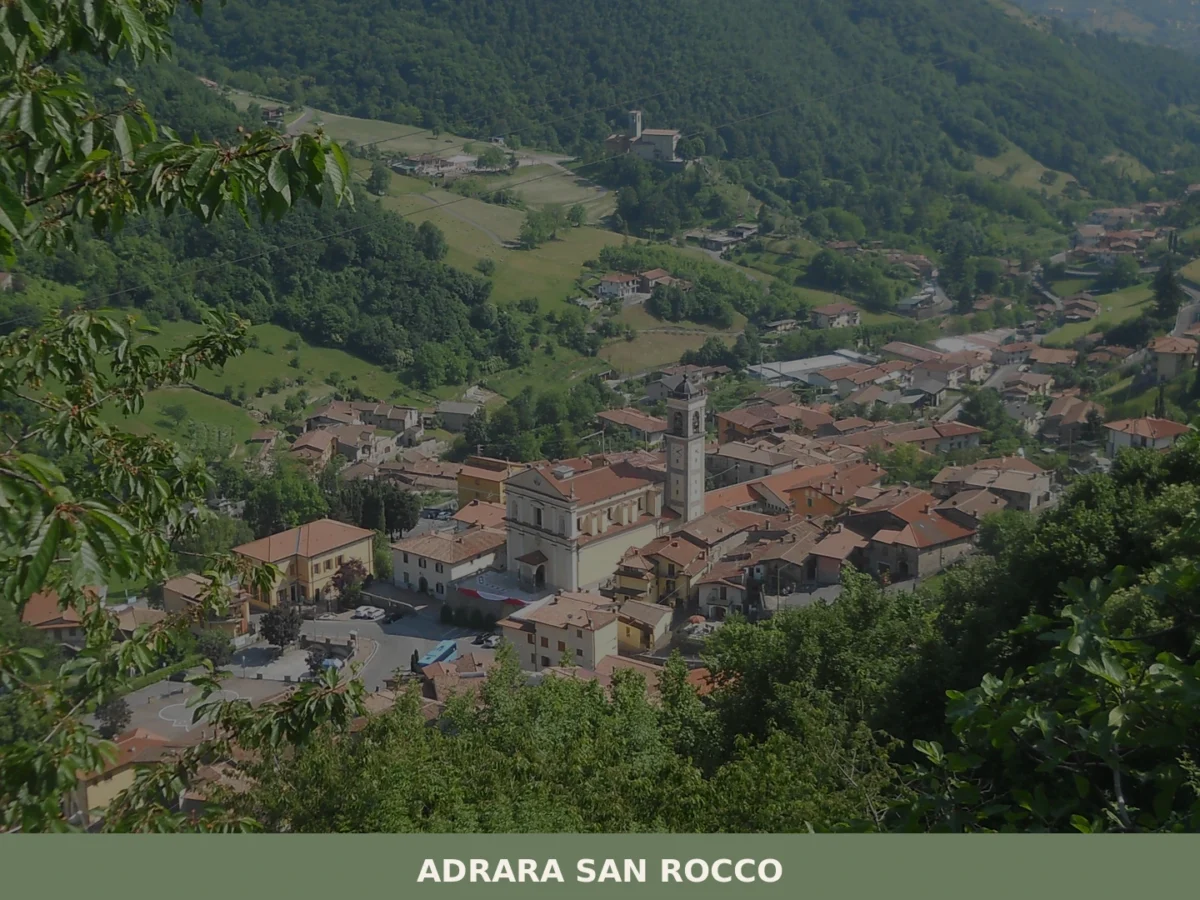
The long external staircase of the church of San Rocco rises above the Guerna river valley, its stone steps worn by five centuries of use since the building was consecrated in 1539. The valley cuts eastward from Bergamo, 25 kilometres (16 mi) away, deep into the territory of Monte Bronzone Sebino. A castle once stood […]
Bregano
Hills
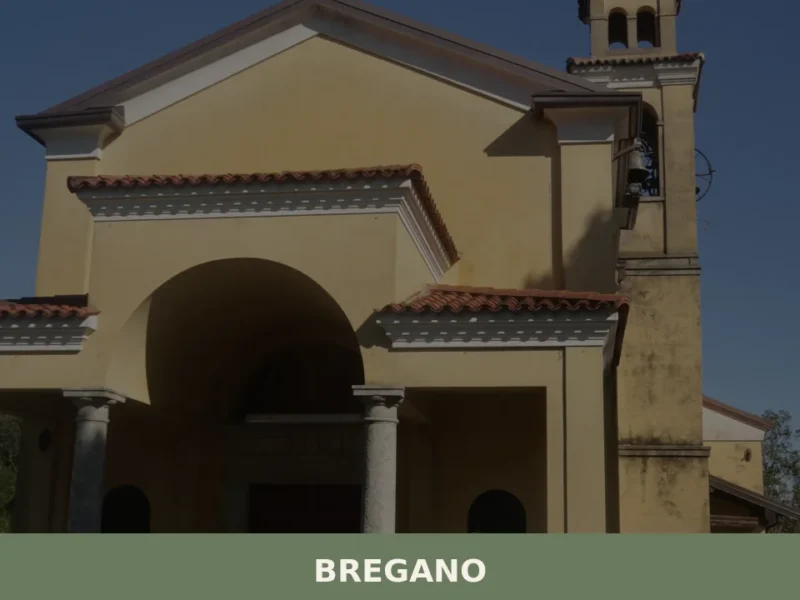
With its 824 inhabitants spread across an elevation of 303 metres on the hills between Lake Varese and Campo dei Fiori, Bregano is a municipality in the province of Varese whose documented existence dates back at least to the 13th century, when the settlement appears in the ecclesiastical registers of the Pieve di Brebbia. Asking […]
Varese
Hills
 Lake
Lake
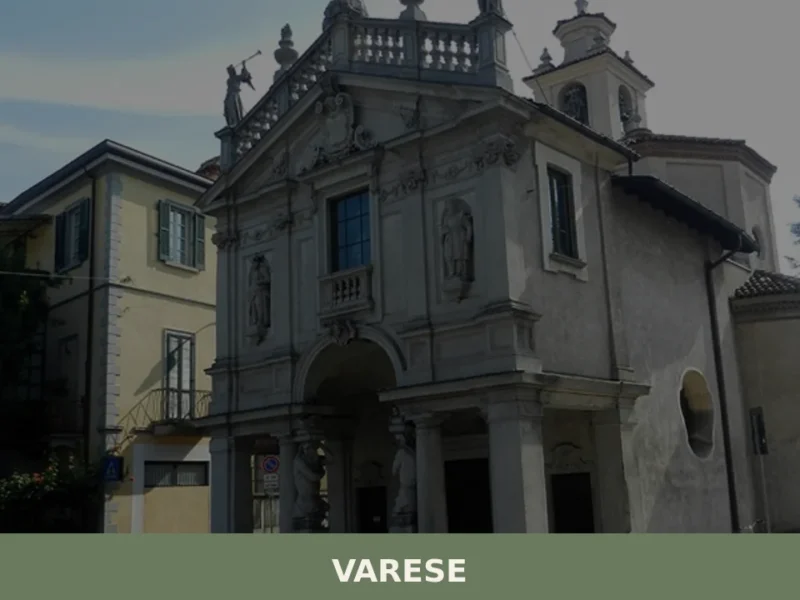
Varese, a Lombard city with a population of 78,409 inhabitants, stands at 382 m above sea level and is distinguished by its strategic position between lakes and pre-Alps. This locality, capital of the eponymous province, offers a rich historical and natural heritage that attracts numerous visitors every year. In this article History and Origins of […]
Abbadia Cerreto
Plains
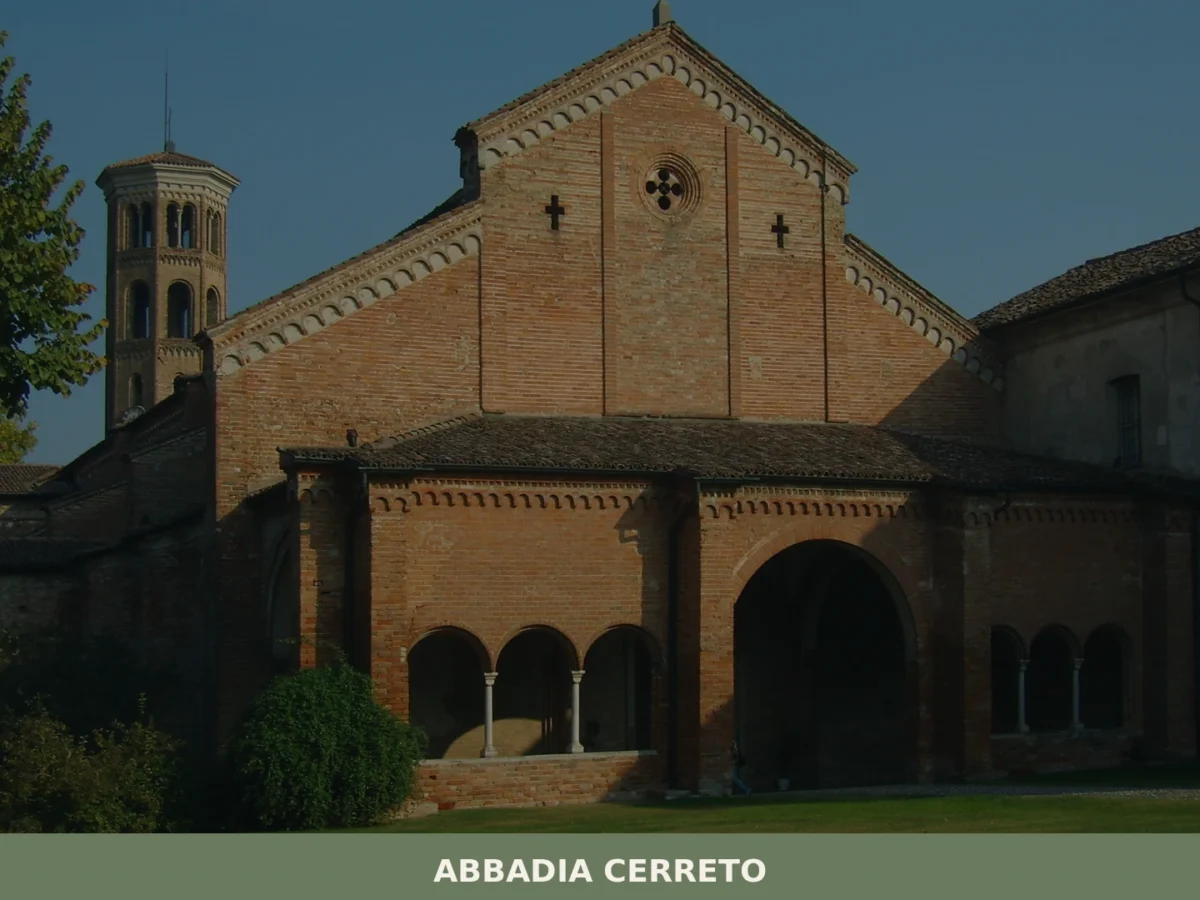
Discover what to see in Abbadia Cerreto, a 280-person Lombard village in the province of Lodi with Cistercian roots and Po Valley landscapes.
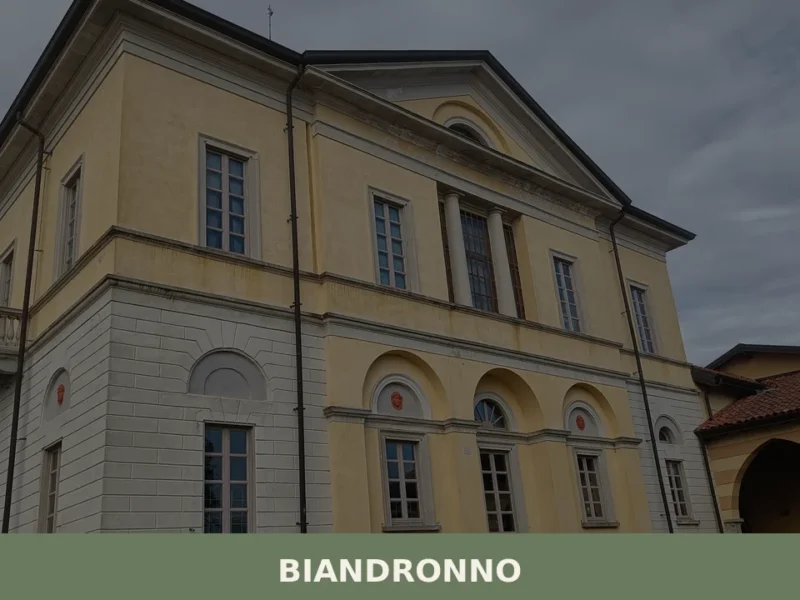
Biandronno
Hills
Lake
At 262 m a.s.l., Biandronno extends across the gentle hills that characterize the province of Varese, offering a panorama that opens onto the surrounding reliefs and the plain. The village, with its population of 3,162 inhabitants, maintains a discreet atmosphere, typical of smaller Lombard centers where life flows at rhythms tied to the territory. In […]

Rogeno
Hills
Lake
3,035 residents, one patron saint, and a village whose families shaped Italian history. Rogeno rewards slow exploration along the southern Brianza.
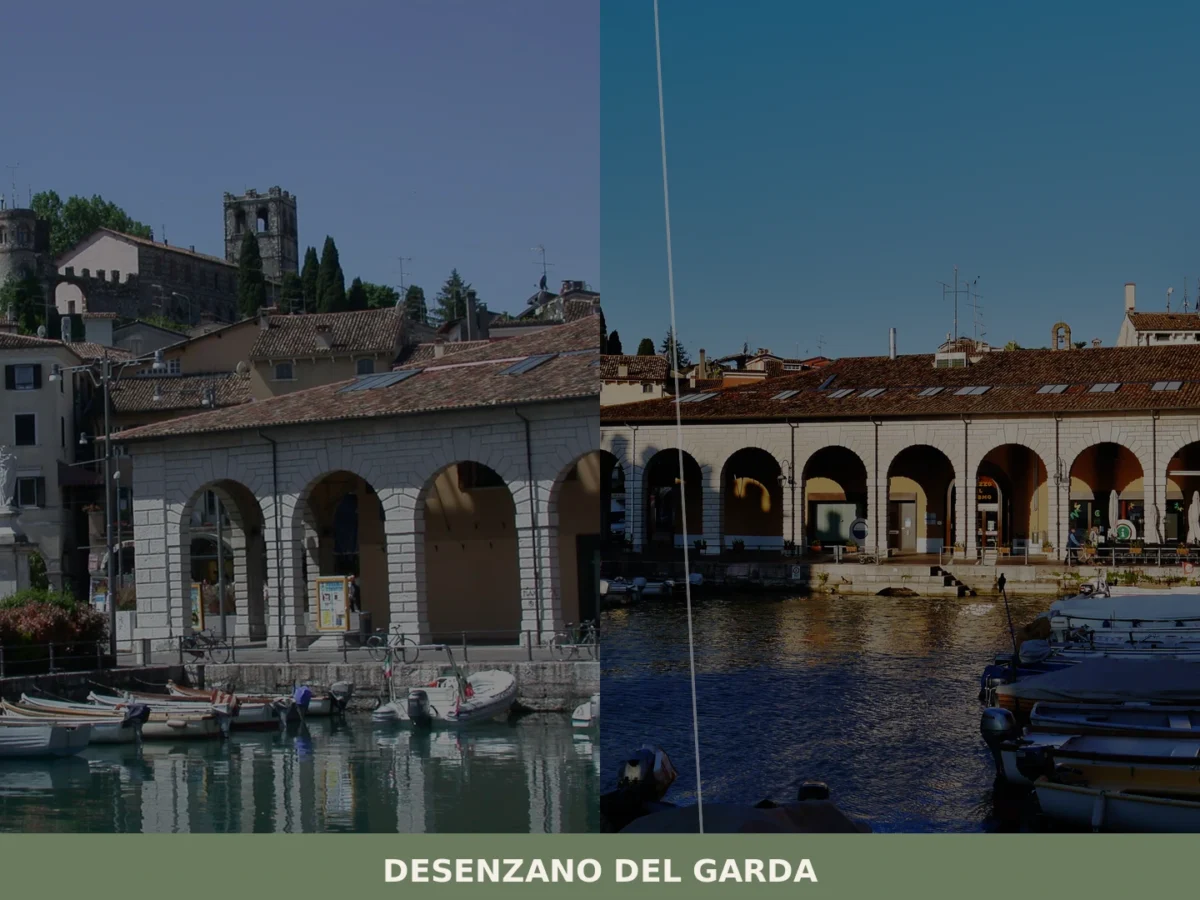
Desenzano del Garda
Lake
Plains
what to see in desenzano del garda in Italy. Explore Desenzano del Garda, Lombardia, Italy, at 67 m a.s.l., from its Roman Villa to the Old Port. Discover its history and attractions.




🏡 Know Vanzaghello better than we do?
If you’re a local or have been there, your knowledge matters: add what’s missing or fix a detail on this page.