


Campospinoso
 Plains
1,335 residents, two historic nuclei and eight centuries of feudal heritage. Campospinoso rewards visitors drawn to rural Lombardy’s quieter, less-travelled corners.
Campospinoso Albaredo: A Village Rooted in the Oltrepò Plain
Flat land, grain fields and the distant line of the Po: this is the landscape that frames Campospinoso Albaredo, a compact comune sitting at just 64 metres above sea level on the Lombardian plain. Two settlement cores — Campospinoso and Albaredo-Casenuove — stand so close together they have almost merged into a single built fabric, while a smaller cluster called Casebasse completes the municipal geography. The waters of the Scuropasso and Versa torrents mark the territorial boundaries on either side, giving the village a precise and readable place in the wider Oltrepò Pavese landscape.
Campospinoso village in Lombardy draws visitors with two distinct qualities: a medieval administrative history that reads like a map of Lombard feudalism, and a civic identity recently reaffirmed through a democratic vote that reunited two centuries-old communities under one name. For travellers curious about how small Italian places actually work — how they remember, reorganise and endure — this corner of the province of Pavia offers an unusually legible story.
From Feudal Lists to a New Municipal Name: Campospinoso Through the Centuries
The village enters the written record in 1250, when it appears in a catalogue of territories belonging to the Pavese domain. At that early stage it formed part of the district of Broni, and its fortunes remained bound to that larger unit for several centuries. The ruling families shifted over time, as they did across much of the Po plain: the Beccaria family held Broni and its dependencies, including Campospinoso, until political upheaval prompted a redistribution of local power. Following the confiscation of half of the Broni fief, the village and its neighbour Albaredo were assigned in 1531 to the Visconti Scaramuzza.
The arrangement did not last indefinitely. The territory eventually passed by sale to the Arrigoni of Milan, who served as effective feudal lords of Broni and retained control until the abolition of feudalism in 1797, when the old system of noble tenure was swept away across the Lombard lands under Napoleonic influence. What followed was a quieter administrative life, punctuated by a significant administrative experiment in the twentieth century. In 1928 the neighbouring comune of Albaredo Arnaboldi was merged into Campospinoso, and the combined municipality took the double-barrelled name Campospinoso Albaredo. The arrangement proved impermanent: in 1948 the two communities separated again, reverting to their pre-1928 configurations.
The story did not end there. In August 2000 the two communes joined forces once more, this time through a voluntary association called the Unione Comuni Campospinoso Albaredo, which became operational in September of that year and handled shared administrative functions. Then, on 20 November 2022, residents of both communities voted in a referendum on full merger, answering two questions: whether to fuse the municipalities, and whether to adopt the combined name. The results supported both proposals. Regional Law no. 5, passed on 14 November 2023 and published in the official regional bulletin on 17 November, formalised the union. On 18 November 2023 the municipality officially became Campospinoso Albaredo, and Albaredo Arnaboldi ceased to exist as a separate entity. Few Italian villages can point to a civic history that loops back on itself so deliberately, tested twice by popular vote across different generations.
The municipal coat of arms, approved in February 1998 and granted by presidential decree in June of the same year, encodes the village’s identity in two images: sheaves of wheat for the agricultural plain, and a thorny shrub bent into the shape of the letter S — a visual pun on the name Campaspinus, as the village is known in the local Oltrepò dialect.
The Village in Its Territory: Nuclei, Symbols and the Plain
The Two Main Nuclei: Campospinoso and Albaredo-Casenuove
Walking between the two central cores of the municipality, a visitor notices how little physical distance separates them. The settlements have grown toward each other across the flat agricultural land until the gap between their edges is almost invisible. This near-fusion of two historically distinct communities is not just geographical accident; it reflects centuries of shared administration, shared water resources from the Scuropasso and Versa, and the plain’s logic of close-knit rural settlement. The texture of the built environment — low farmhouses, agricultural courtyards and village streets — belongs to the broader typology of the Oltrepò Pavese lowland.
Casebasse: The Minor Cluster
A smaller settlement known as Casebasse sits within municipal territory, occupying land that once belonged to the suppressed comune of Albaredo Arnaboldi. It is less immediately visible to passing travellers than the two main nuclei, but it completes the spatial identity of the municipality and serves as a reminder that the current administrative borders are the product of a long sequence of mergers, separations and reunifications rather than an ancient, stable line.
The Municipal Coat of Arms and Banner
The heraldic symbols of Campospinoso Albaredo repay a closer look. The coat of arms carries sheaves of wheat representing the dominant agricultural product of the plain, alongside a spiny shrub curved into the letter S, a direct allusion to the dialect name Campaspinus. The banner is a yellow cloth edged in red. Both symbols were formally approved by the municipal council on 18 February 1998 and granted by decree of the President of the Republic on 25 June 1998, giving them official civic status within living memory.
Grain, Soil and the Flavours of the Oltrepò Pavese Plain
The wheat sheaves on the municipal coat of arms say something direct about the agricultural vocation of this territory. Campospinoso Albaredo sits in a part of the Oltrepò Pavese where arable farming has shaped the landscape for centuries, and the grain fields that surround the village remain the most visible expression of that continuity. The broader Oltrepò Pavese zone is well known in Lombardy for agricultural and food production traditions rooted in the Po plain, and the village’s position between the Scuropasso and Versa torrents places it within a productive rural corridor that extends toward the province of Pavia. Visitors interested in agricultural landscapes and rural food culture will find the territory around the village a useful starting point for exploring what the Oltrepò plain actually grows and produces.
Planning a Visit: Season, Access and the Surrounding Region
Campospinoso Albaredo sits on the flat terrain of the Oltrepò Pavese, which makes it straightforward to reach by car from several directions. The plain offers no dramatic gradients or mountain passes: roads run directly and the village is accessible year-round. Spring and early autumn are particularly rewarding seasons for driving through the agricultural landscape, when the fields are either in active growth or recently harvested and the light across the plain is long and even.
The village itself is a municipality of around 1,335 residents, which means it functions at a quiet, local pace. Visitors looking for context should consider combining a stop here with time in Pavia, the provincial capital, which offers museums, a historic university and a wider range of services. Those exploring the broader Lombardy plain might also consider the territories around Lodi or the rural comune of Abbadia Cerreto as part of a wider itinerary through the Po lowlands. For travellers arriving from the regional capital, Milan provides the most convenient long-distance transport hub before continuing south toward the Pavese.
| Departure | Distance | Time |
|---|---|---|
| Pavia | approx. 25 km | approx. 30 min by car |
| Milan | approx. 60 km | approx. 55 min by car |
| Lodi | approx. 55 km | approx. 50 min by car |
| Abbiategrasso | approx. 45 km | approx. 40 min by car |
The patron saint of the village is San Lorenzo, whose feast day falls in August and marks the most significant point in the local religious and community calendar. If you arrive around that period, you are likely to find the village at its most animated. The official municipal website at comune.campospinoso.pv.it carries current information on local events, council decisions and practical contacts for visitors who need specific details before travelling. The Abbiategrasso area to the north offers additional context for those tracing the agricultural and civic history of the Lombard plain as a longer journey.
Frequently asked questions about Campospinoso
How do you reach Campospinoso Albaredo by car or public transport?
By car, Campospinoso Albaredo is reached from the A21 Turin–Piacenza motorway, Broni–Stradella exit, continuing southwest on SP206. The nearest railway station is Stradella, on the Milan–Piacenza line, approximately 8 km away. From Pavia the route is about 30 km via SP35 and SP206. There are no frequent direct bus connections; private car is recommended for visiting this area of the Pavia plain.
When is San Lorenzo, the patron saint, celebrated in Campospinoso?
The patron saint San Lorenzo is celebrated on August 10, the date of his martyrdom according to the Catholic calendar. As in many municipalities of the Po Valley, the patron saint festival typically coincides with processions, solemn Mass and moments of community gathering. August is therefore the period in which the town most vividly expresses its civic and religious identity, and is a privileged time for those wishing to learn about local traditions of the Oltrepò Pavese.
What are the food and wine attractions in the surroundings of Campospinoso?
Campospinoso is located in the heart of the Oltrepò Pavese, a renowned DOC wine-producing region: Bonarda, Barbera, Pinot Nero and Buttafuoco are the most representative wines. The surrounding plain produces cereals and rice. A few kilometres away are Broni and Stradella, towns with wine bars and typical restaurants. Summer festivals in neighbouring municipalities offer the opportunity to taste local cured meats such as Salame di Varzi DOP, produced in the nearby Apennine Oltrepò.
How much time is needed to visit Campospinoso and what to see in the surroundings?
The town, with its 1,335 inhabitants, can be visited in half a day. It is advisable to combine it with a wider itinerary in the Oltrepò Pavese: Stradella (known for the manufacture of accordions), Broni, Casteggio with its archaeological museum, and Cigognola Castle are all less than 15 km away. A full day allows you to combine a visit to the flat countryside with an excursion to the first vine-clad hills of the Oltrepò.
📷 Photo Gallery — Campospinoso


In Lombardy More villages to discover
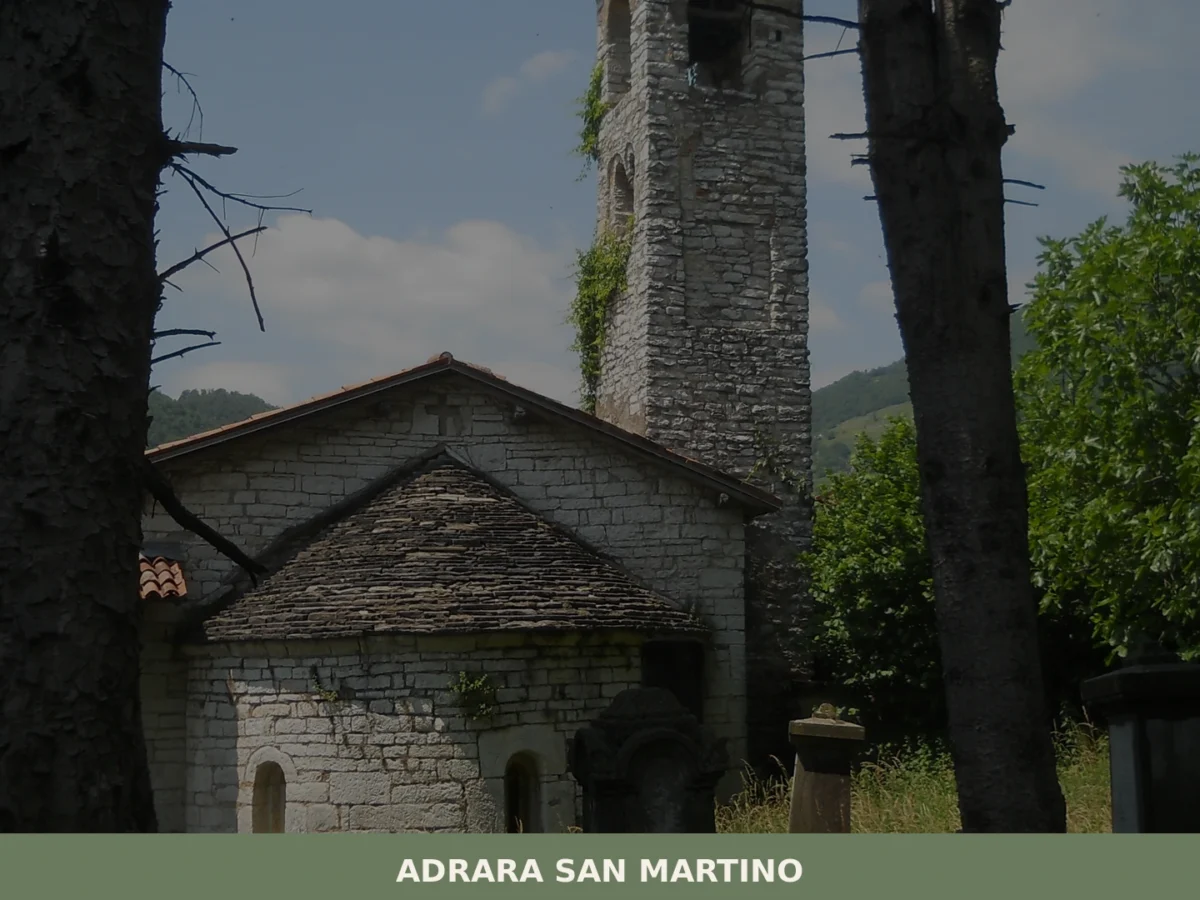
Adrara San Martino
 Hills
Hills
What to see in Adrara San Martino? Discover the 5 must-see attractions of this Lombard village. The complete guide for your visit. Plan your trip!
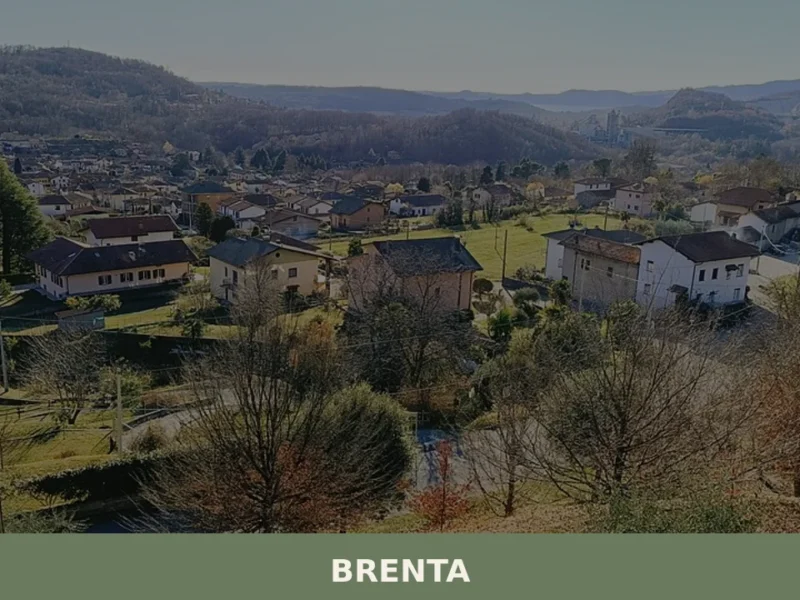
Brenta
Hills
Brenta has 1,715 inhabitants and sits at 276 metres above sea level, on the hilly belt separating Lake Varese from the western Po Plain. The municipality, part of the province of Varese, comprises a central nucleus and agricultural hamlets spread across terrain that slopes gently southward. Anyone looking into what to see in Brenta will […]
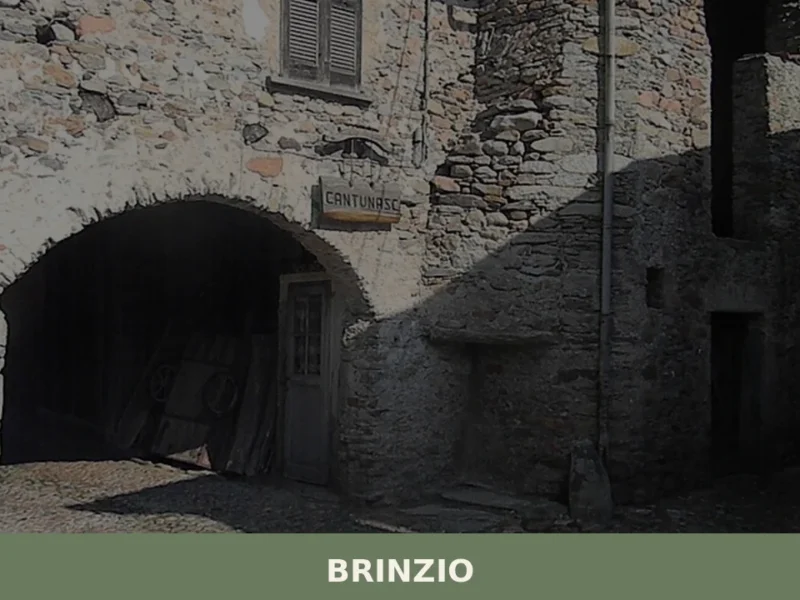
Brinzio
Hills
What to see in Brinzio: a village at 510m in the Campo dei Fiori Park, Varese province. Explore 5 attractions, local cuisine, hiking trails and the 29 June Saint Peter feast.

Milano
Plains
Over 1.3 million residents and 2,600 years of history make Milano Lombardia one of Europe's most compelling destinations. Art, opera, fashion and extraordinary food await every visitor.
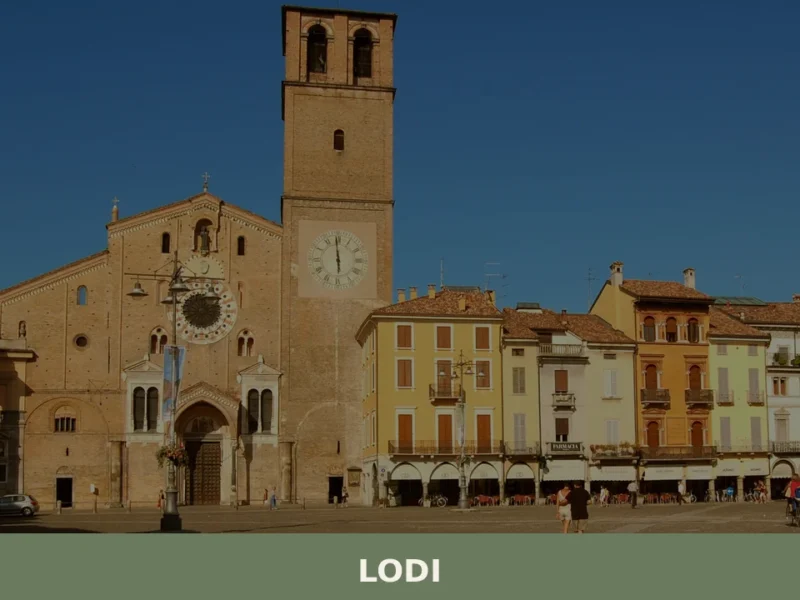
Lodi
Plains
What to see in Lodi, Italy: Discover its 1454 Treaty legacy and 1796 Battle site. Explore this Lombard city, 87 m (285 ft) above sea level, for a unique historical day trip.

Dalmine
Plains
7 historic hamlets merged into one municipality. Dalmine offers Roman foundations, a fascist-era urban plan and remarkable World War II air-raid shelters.
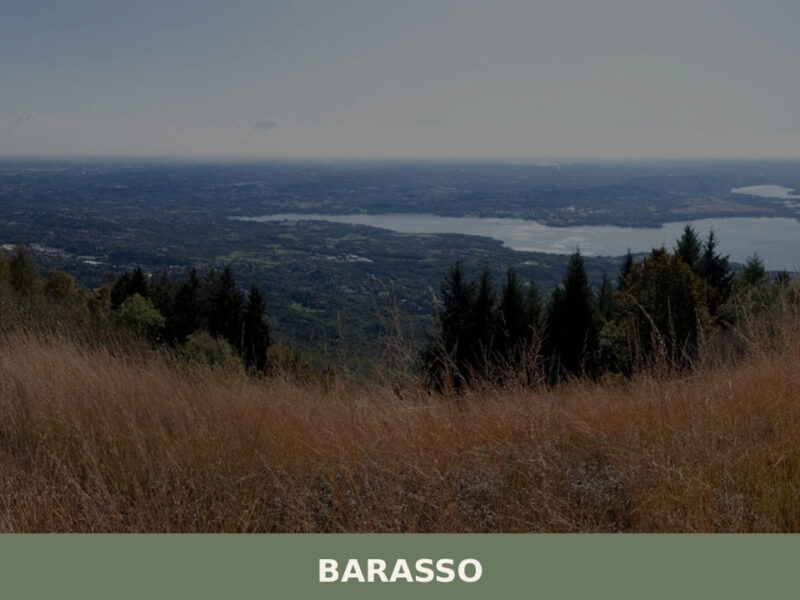
Barasso
Hills
Morning light filters through chestnut canopies along Via Roma, casting long shadows across stone walls that have absorbed centuries of Lombard weather. A church bell marks the hour — unhurried, familiar, absorbed by the surrounding green hills above Varese. Barasso, home to roughly 1,710 inhabitants, occupies a quiet slope in the Varesotto prealpine belt, a […]
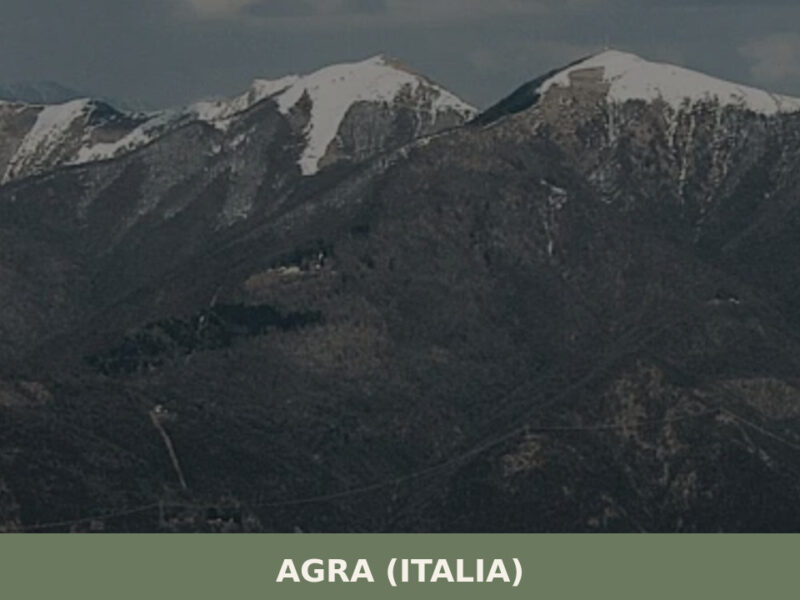
Agra
 Mountain
A 391-inhabitant mountain village at 650 metres in Varese province, Agra sits at the Swiss border with trails to Monte Lema and centuries-old chestnut woods.

Rogeno
Hills
 Lake
Lake
3,035 residents, one patron saint, and a village whose families shaped Italian history. Rogeno rewards slow exploration along the southern Brianza.
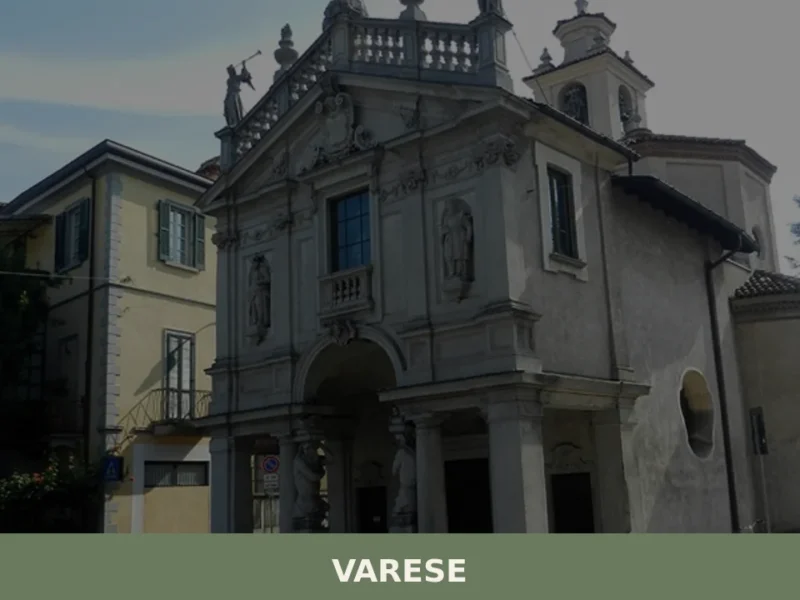
Varese
Hills
Lake
Varese, a Lombard city with a population of 78,409 inhabitants, stands at 382 m above sea level and is distinguished by its strategic position between lakes and pre-Alps. This locality, capital of the eponymous province, offers a rich historical and natural heritage that attracts numerous visitors every year. In this article History and Origins of […]




🏡 Know Campospinoso better than we do?
If you’re a local or have been there, your knowledge matters: add what’s missing or fix a detail on this page.