


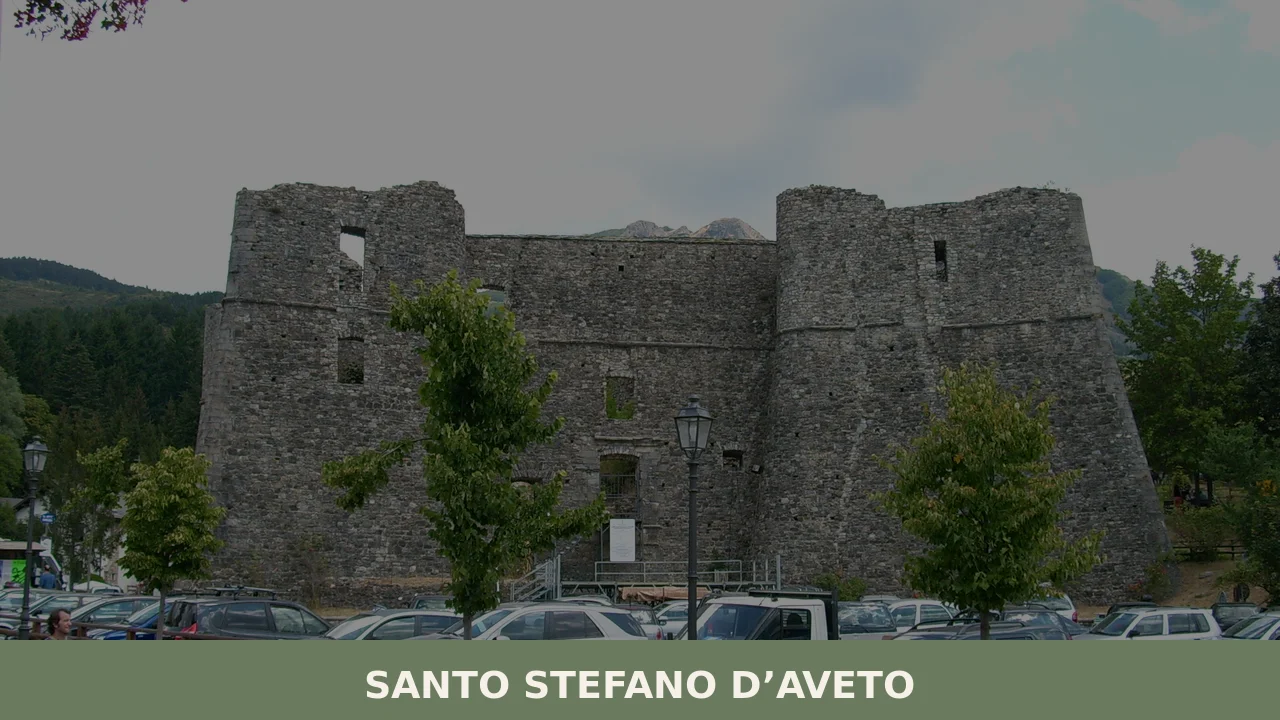
Santo Stefano d’Aveto
 Mountain
What to see in Santo Stefano d’Aveto? Discover the castle, hikes, and nearby villages with our complete guide to the Ligurian hinterland. Plan your trip now!
Discover Santo Stefano d’Aveto
The placid atmosphere of the Aveto Valley envelops Santo Stefano, a municipality whose name in Ligurian, San Stêva d’Àveto, resonates with the echo of mountain traditions.
This village, located in the Ligurian hinterland, stands out for its elevated position and a rhythm of life dictated by the surrounding nature.
Here, the architectures, despite their simplicity, tell of a past linked to the dynamics of a predominantly agricultural and pastoral territory.
For those wondering about what to see in Santo Stefano d’Aveto, the village offers an authentic experience of the Ligurian Apennines, with its 962 inhabitants who preserve the peculiarities of the territory.
Visitors can immerse themselves in the surrounding mountain landscape, characterized by woods and trails, or explore the historical traces of its administrative evolution.
The most relevant concrete attractions include the daily life of the town and the natural environment that surrounds it, elements that define the identity of this locality in the province of Genoa.
History and origins of Santo Stefano d’Aveto
The history of Santo Stefano d’Aveto is outlined through its geographical location, in the heart of the Aveto Valley, an area that has historically represented a natural crossroads between Liguria and Emilia Romagna. Although sources do not provide precise founding dates or specific events related to its most remote origins, it is plausible that the settlement followed the typical dynamics of mountain villages in the Ligurian Apennines.
These centers often derived their importance from secondary trade routes or the need to exploit local resources, such as timber and pastures, in a context of relative autonomy.
Over the centuries, the village has developed its own identity within the jurisdictions that have dominated the region.
Its belonging to the metropolitan city of Genoa, confirmed by the current administrative structure, testifies to a consolidated link with the Ligurian capital, while maintaining the characteristics of a mountain center.
The name itself, San Stêva d’Àveto in Ligurian, reflects the local idiom and cultural roots that differentiate it, similar to other inland villages like Fascia, which share common geographical and historical contexts in the same province.
The evolution of Santo Stefano d’Aveto has seen the village adapt to socio-economic changes, maintaining a population that today stands at 962 inhabitants, as reported by the most recent data.
This number, though modest, identifies a resilient community that has managed to preserve its peculiarities in an area that has often experienced depopulation.
Its strategic position between valleys and mountains has made it a reference point for activities related to the surrounding natural environment, from pastoralism to forest resource management, influencing the urban and social development of the municipality up to the contemporary age.
What to see in Santo Stefano d’Aveto: main attractions
The sources available to us do not detail specific monumental attractions or concrete historical sites within Santo Stefano d’Aveto.
Therefore, it is not possible to provide a list of five specific attractions with detailed descriptions, as required by the structure. Without verifiable data on churches, castles, museums, or other documented points of interest, any description would be an invention, contravening the editorial rules.
Those wondering what to see in Santo Stefano d’Aveto will therefore have to orient themselves towards the overall experience of the village and its environment.
The true value lies in exploring the territory, discovering local life, and contemplating the Ligurian Apennine landscape, which offers views and trails for nature lovers. The essence of the village manifests itself in its streets, its homes, and the naturalistic context that surrounds it, elements that constitute the main opportunities for observation and discovery for the visitor.
Typical Cuisine and Products of Santo Stefano d’Aveto
The gastronomic tradition of Santo Stefano d’Aveto is part of the broader context of Ligurian hinterland cuisine, strongly influenced by its proximity to mountainous regions and the availability of local products. This cuisine is characterized by its simplicity and the use of genuine ingredients, often linked to pastoralism, the gathering of mushrooms and wild berries, and the cultivation of mountain vegetables.
The influence of peasant and mountain traditions is evident in the preparation of hearty dishes, designed to sustain work in the fields and forests.
Preparation techniques reflect a past where food preservation was fundamental, with the use of salting and drying.
Despite the potential richness of the territory, current sources do not mention specific typical dishes of Santo Stefano d’Aveto nor certifications for local products such as DOP, IGP, or PAT.
Therefore, it is not possible to name concrete dishes or certified products. However, it is reasonable to assume that the local table may feature elements common to Apennine gastronomy, such as fresh pasta seasoned with robust sauces, cheeses produced from local farms, and preparations based on lamb or beef. Wild herbs and undergrowth products, such as mushrooms and chestnuts, probably also play a significant role in the traditional diet, enriching flavors with the natural resources of the Aveto Valley.
The database of certified products does not list any specialties for the Santo Stefano d’Aveto area, preventing the description of specific quality-marked products.
This does not exclude the existence of excellent artisanal or agricultural productions, but it means they are not officially documented for this guide. Those visiting Santo Stefano d’Aveto and wishing to explore gastronomic excellences will have to rely on local markets or small shops, where it is possible to find products resulting from traditional local processing.
This completes the experience of what to see in Santo Stefano d’Aveto, also through its flavors.
Festivals, Events, and Traditions of Santo Stefano d’Aveto
Information regarding specific festivals, events, and traditions of Santo Stefano d’Aveto is not detailed in the available sources.
A patron saint festival with a precise date is not documented, nor are gastronomic festivals or other particular local traditions described.
This does not imply an absence of community life or celebrations by the inhabitants, but simply that such events have not been documented in the sources consulted for the preparation of this guide. It is common for small villages to keep their customs alive through religious celebrations, seasonal markets, or social gatherings that reflect the connection to the territory and its history.
In the absence of specific data, it can be assumed that the traditional life of Santo Stefano d’Aveto is marked by the rhythms of nature and the festivities of the liturgical calendar, as happens in many other small centers. Mountain communities often value folk music, oral traditions, and artisanal practices, contributing to preserving an intangible heritage passed down from generation to generation.
For updated information on any events or manifestations, visitors should consult the official website of the Municipality of Santo Stefano d’Aveto before their visit, to discover the initiatives that enliven the village throughout the year.
Planning your trip: what to see in Santo Stefano d’Aveto and how to get there
The best time to visit Santo Stefano d’Aveto depends on personal preferences and the type of activities desired.
During the summer months, from June to September, the climate is mild and pleasant, ideal for hikes and walks along the mountain trails of Val d’Aveto, offering a refuge from the heat of coastal cities. The cooler temperatures make the environment suitable for those seeking tranquility and contact with nature, away from the crowds.
Autumn offers landscapes with vibrant colors and can be a good time for mushroom picking, while winter, with its snowfalls, transforms the village into a destination for winter sports enthusiasts, even if specific infrastructures are not documented.
Reaching Santo Stefano d’Aveto generally requires the use of a car, as it is located in the Ligurian hinterland and not directly served by major communication routes.
From Genoa, you can take the A12 motorway southbound, exiting at the Lavagna toll booth, then continue on provincial roads that lead into the valley. Alternatively, from Piacenza or other locations in Emilia, the village can be reached via mountain passes that offer scenic routes but can be more challenging in winter.
The nearest train station is in Chiavari or Lavagna, from which you can continue with local bus services; it is advisable to check their timetables on the Trenitalia website or regional transport websites.
The most convenient airport is Genoa Cristoforo Colombo.
Those planning a trip to the Ligurian hinterland can consider combining a visit to Santo Stefano d’Aveto with other nearby locations that offer similar or complementary experiences. Continuing the itinerary inland, you can discover villages like Garlenda, known for its agricultural traditions and hilly landscape, or Vessalico, famous for its historical cultivations.
These routes allow you to appreciate the diversity of the Ligurian territory, from the coasts to the mountain valleys.
It is always advisable to check road conditions, especially in winter months, and consult weather forecasts before embarking on the trip for what to see in Santo Stefano d’Aveto and the surrounding areas.
| Starting Point | Distance | Estimated Time |
|---|---|---|
| Genoa (City Center) | 70 km | 1h 30 min |
| Chiavari (Train Station) | 45 km | 1h |
| Piacenza (City Center) | 85 km | 1h 45 min |
An additional stop for those exploring the Ligurian hinterland could be Pornassio, a municipality which, despite being in a different area of Liguria, offers a mountain village experience with strong ties to local agricultural production and regional traditions.
These itineraries allow for a more complete picture of the richness and variety of the Ligurian landscape and culture, discovering the different facets that characterize its valleys and mountains.
Frequently asked questions about Santo Stefano d’Aveto
What is the best time to visit Santo Stefano d’Aveto?
The ideal time to visit Santo Stefano d’Aveto largely depends on your interests. Summer, from June to September, offers a mild and pleasant climate perfect for hiking and exploring the mountain trails of Val d'Aveto, providing a tranquil escape from coastal heat. Autumn transforms the landscape with vibrant colors, inviting visitors for scenic walks and potentially mushroom picking. While winter brings snow, making it suitable for winter sports enthusiasts (though specific infrastructures are not detailed), it's advisable to check road conditions. A highlight is the patron saint's feast, Nostra Signora di Guadalupe, celebrated on the Sunday following August 16th, offering a glimpse into local traditions.
What to see in Santo Stefano d’Aveto? Main monuments and landmarks
Santo Stefano d’Aveto offers an authentic experience focused on its natural environment and local life, rather than specific monumental attractions. The true value for visitors lies in exploring the village's quaint streets and traditional homes, immersing themselves in the daily rhythms of a Ligurian Apennine community. The surrounding mountain landscape, characterized by woods and trails, serves as the primary 'attraction,' inviting contemplation and discovery for nature lovers. It’s an opportunity to appreciate the simplicity and genuine character of an inland Ligurian village, where the environment itself shapes the identity and appeal of the locality.
What are the main natural or scenic attractions of Santo Stefano d’Aveto?
The primary natural attraction of Santo Stefano d’Aveto is its stunning Ligurian Apennine landscape, nestled within the Aveto Valley. Visitors can explore vast woods and a network of mountain trails, ideal for hiking and walking, offering breathtaking views and a deep connection with nature. The environment provides a peaceful refuge, especially during summer, and transforms into a vibrant panorama of colors in autumn. Although specific named parks or reserves are not detailed, the entire surrounding territory constitutes a significant scenic appeal for those seeking tranquility and outdoor exploration.
What can you do in Santo Stefano d’Aveto? Activities and experiences
In Santo Stefano d’Aveto, activities primarily revolve around its natural surroundings and the tranquil mountain lifestyle. Popular options include hiking and walking along the numerous mountain trails of the Val d'Aveto, perfect for exploring the woods and enjoying scenic views. During autumn, mushroom picking can be a rewarding experience amidst the vibrant foliage. Winter offers opportunities for snow-related activities, though specific infrastructures are not extensively documented. Beyond outdoor pursuits, visitors can immerse themselves in the local life, discovering the authentic rhythms and traditions of this Ligurian Apennine village.
Who is Santo Stefano d’Aveto suitable for? Families, couples, hikers, solo travelers?
Santo Stefano d’Aveto is ideally suited for nature lovers, hikers, and those seeking tranquility away from crowded areas. Its placid atmosphere and mountain environment make it perfect for individuals or couples desiring a peaceful retreat and contact with nature. Families will appreciate the calm rhythm of life and opportunities for outdoor activities in a safe setting. It's an excellent destination for anyone looking to experience the authentic Ligurian Apennines, explore scenic trails, and immerse themselves in a community where life is dictated by the surrounding natural beauty.
Getting there
Piazza del Popolo, 16049 Santo Stefano d'Aveto (GE)
Nearby Villages near Santo Stefano d’Aveto
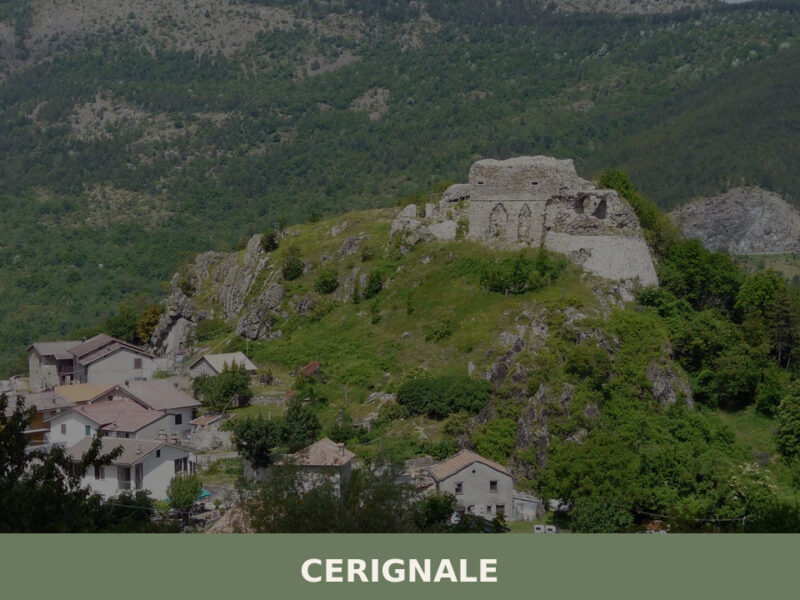
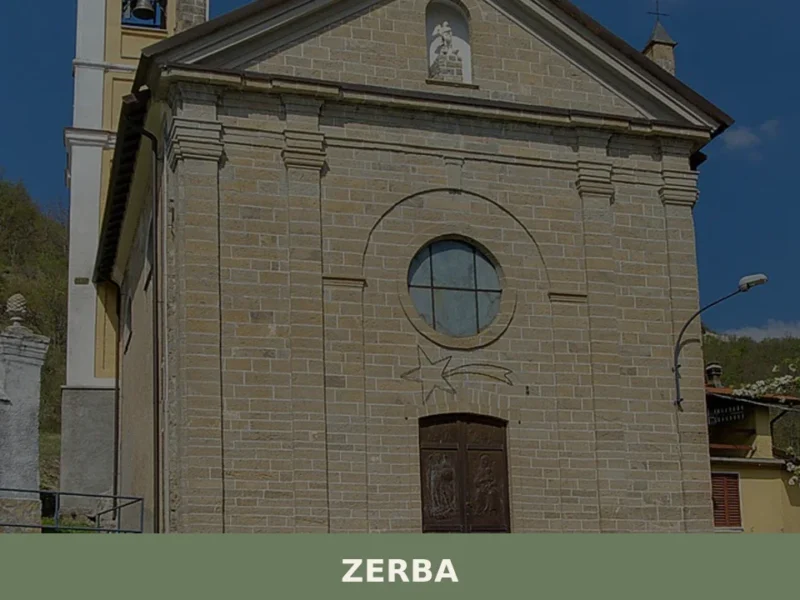
Nearby villages we are mapping:
- Ferriere Emilia-Romagna 📍 11.5 km Coming soon
In Liguria More villages to discover
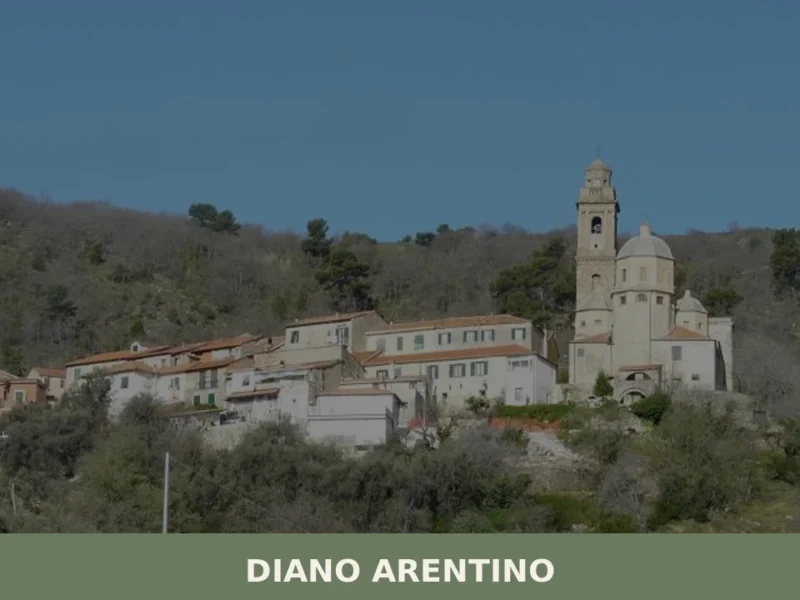
Diano Arentino
 Hills
Hills
Diano Arentino sits at 331 metres above sea level in the province of Imperia, one of several small settlements that make up the historical Comunitas Diani — a confederation of villages documented in medieval records across the olive-rich hills behind the Gulf of Diano. With a population of roughly 700, the village maintains an economy […]
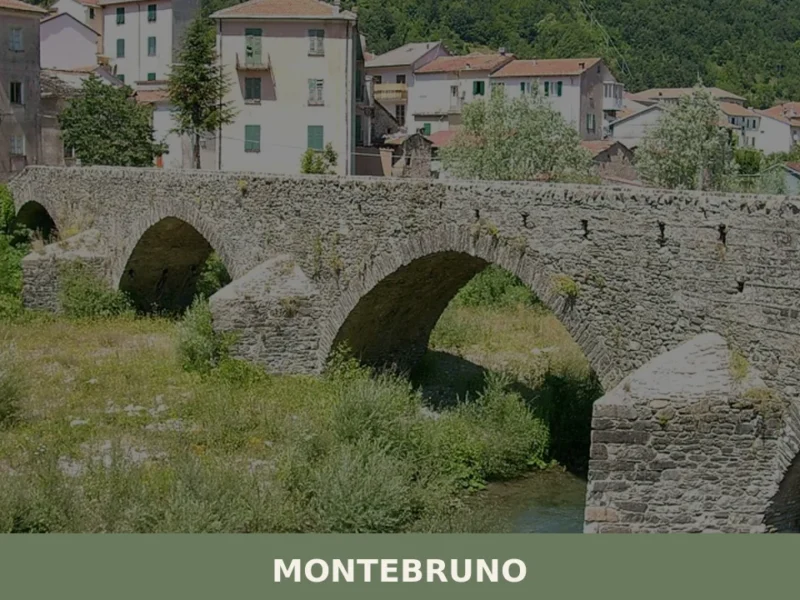
Montebruno
Mountain
What to see in Montebruno, Italy: a mountain village at 655 m (2,149 ft) near Genoa. Discover the Marian sanctuary, Antola park trails and the 8 September feast.
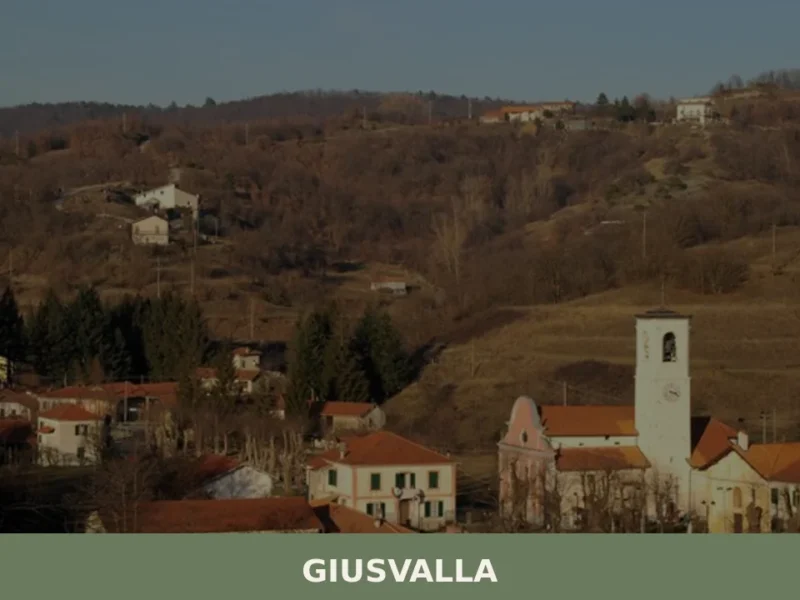
Giusvalla
Mountain
What to see in Giusvalla, Italy: 465 inhabitants, 45 km from Genoa. Discover the Festa Patronale di S. Matteo, Bricco della Croce, and local Ligurian food traditions.
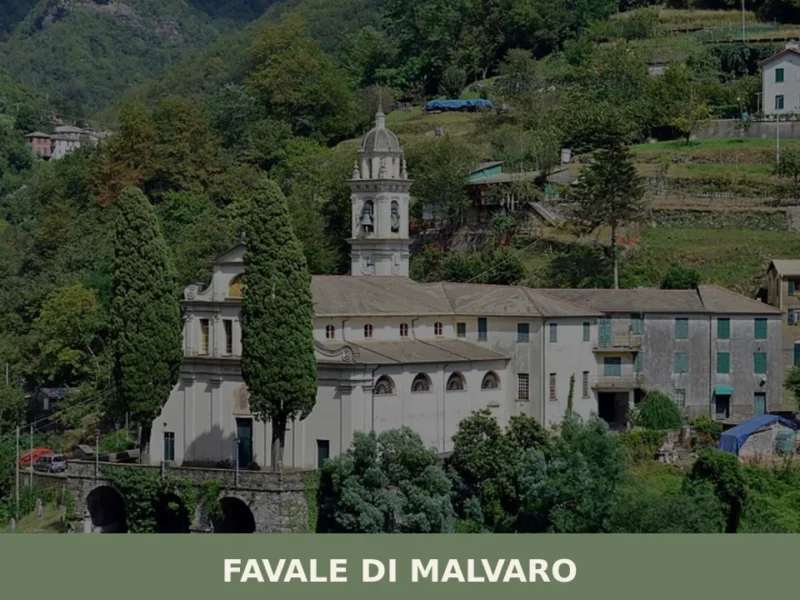
Favale di Malvaro
Hills
In 1892, Amadeo Pietro Giannini left Favale di Malvaro for America. The son of Ligurian emigrants, he went on to found the Bank of Italy in San Francisco in 1904, which later became Bank of America — for decades the largest banking institution in the world. This small village in the Fontanabuona valley, home to […]
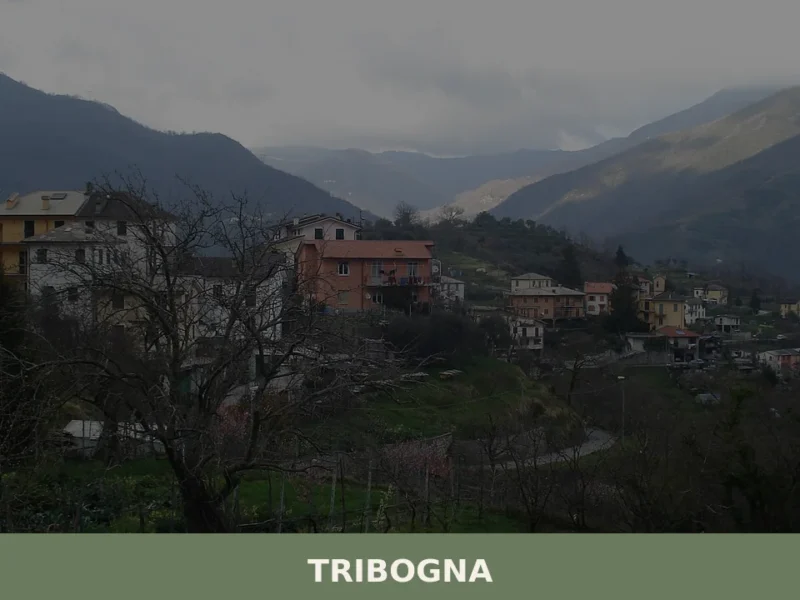
Tribogna
Hills
what to see in tribogna, Italy: Explore this Ligurian comune of 628 inhabitants, 33 km east of Genoa. Read about its administrative role and surrounding valleys.
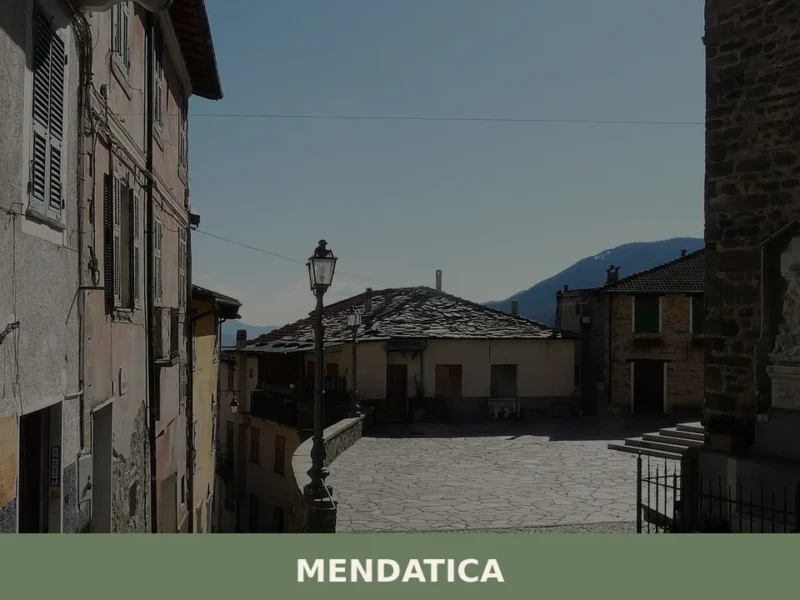
Mendatica
Mountain
What to see in Mendatica, Liguria, Italy: 190 inhabitants, mountain village 100 km from Genoa. Discover Colle San Bernardo, Alpi Liguri Park and local cuisine.
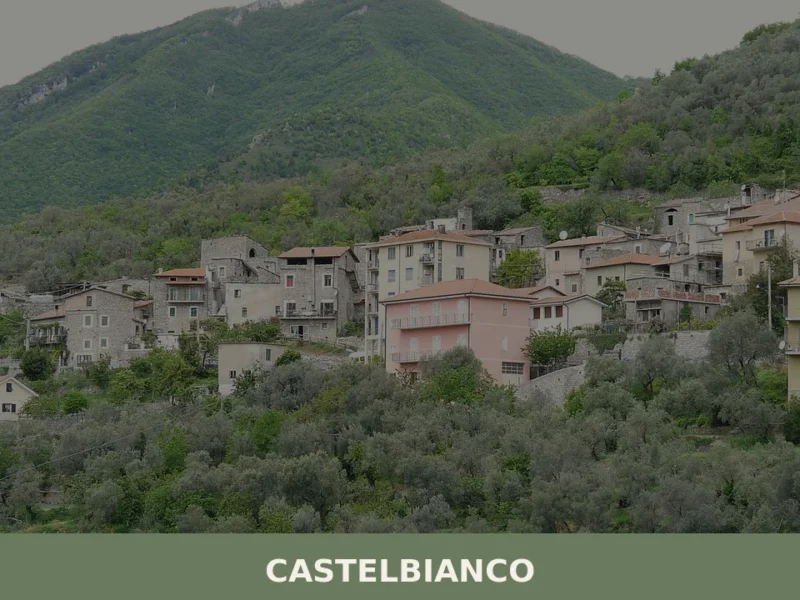
Castelbianco
Hills
What to see in Castelbianco, Italy: a village of 326 people, 80 km from Genoa. Discover top attractions, local food, and how to get there. Explore now.
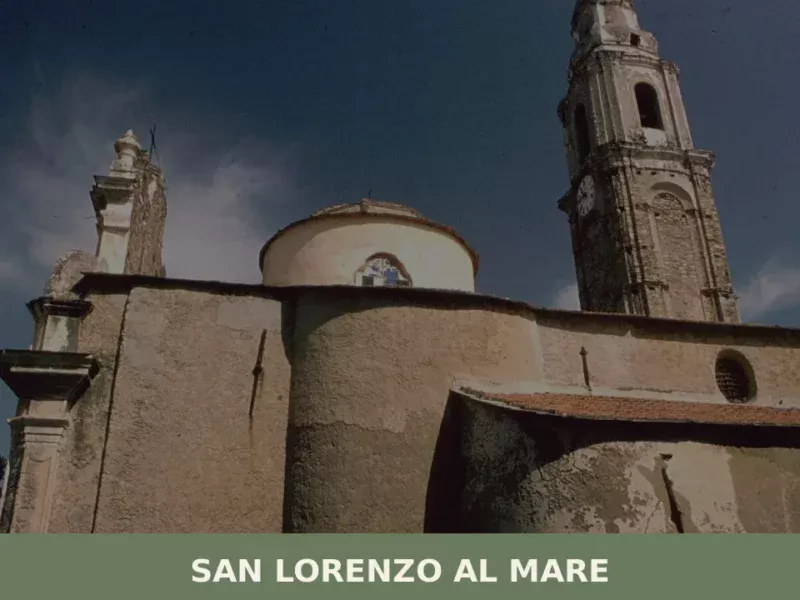
San Lorenzo al Mare
 Sea
Sea
What to see in San Lorenzo al Mare, Italy: Discover its 1,380 inhabitants and coastal charm. Explore historic sites and the scenic Riviera dei Fiori. Plan your Ligurian trip.
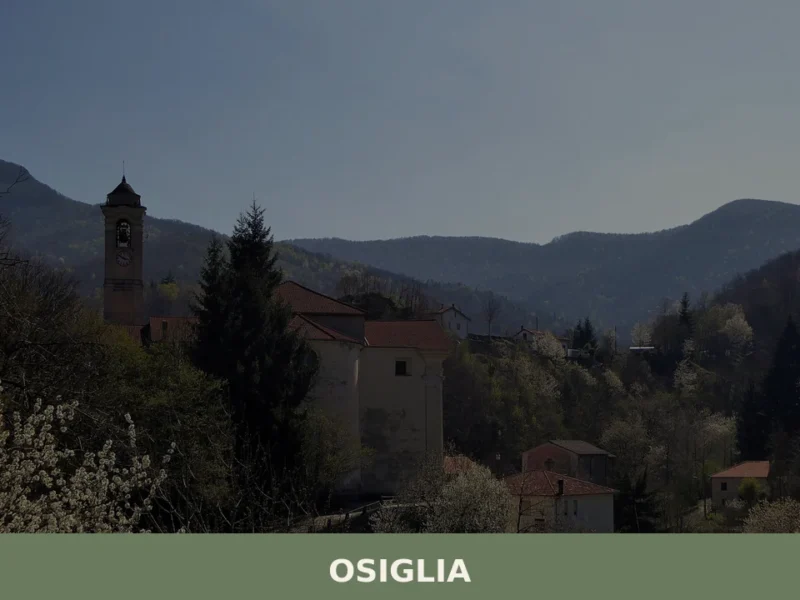
Osiglia
Mountain
What to see in Osiglia, Italy? Explore this Ligurian comune of 458 inhabitants, 25 km (16 mi) from Savona. Discover its mountainous surroundings and tranquil environment.
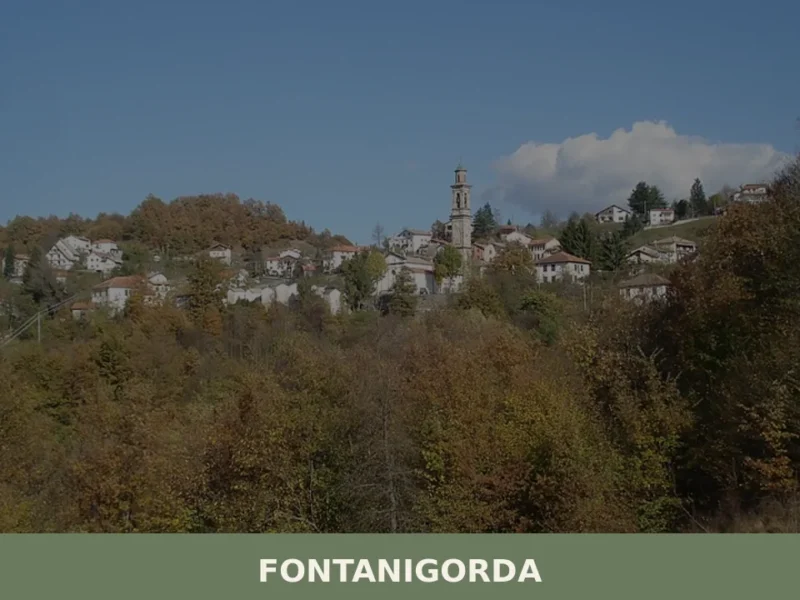
Fontanigorda
Mountain
At 819 meters above sea level, in the heart of the upper Trebbia Valley, Fontanigorda appears as an alpine settlement in the province of Genoa. Its documented origin dates back to 1153, when it appears in annals as “Fontana Gordana,” a reference to the abundance of water in its territory. This village, with a population […]






🏡 Know Santo Stefano d’Aveto better than we do?
If you’re a local or have been there, your knowledge matters: add what’s missing or fix a detail on this page.