


Terzorio
 Sea
Sea
What to see in Terzorio, Italy: Explore a Ligurian village with 231 inhabitants, known for panoramic views and olive oil. Discover its quiet charm.
Discover Terzorio
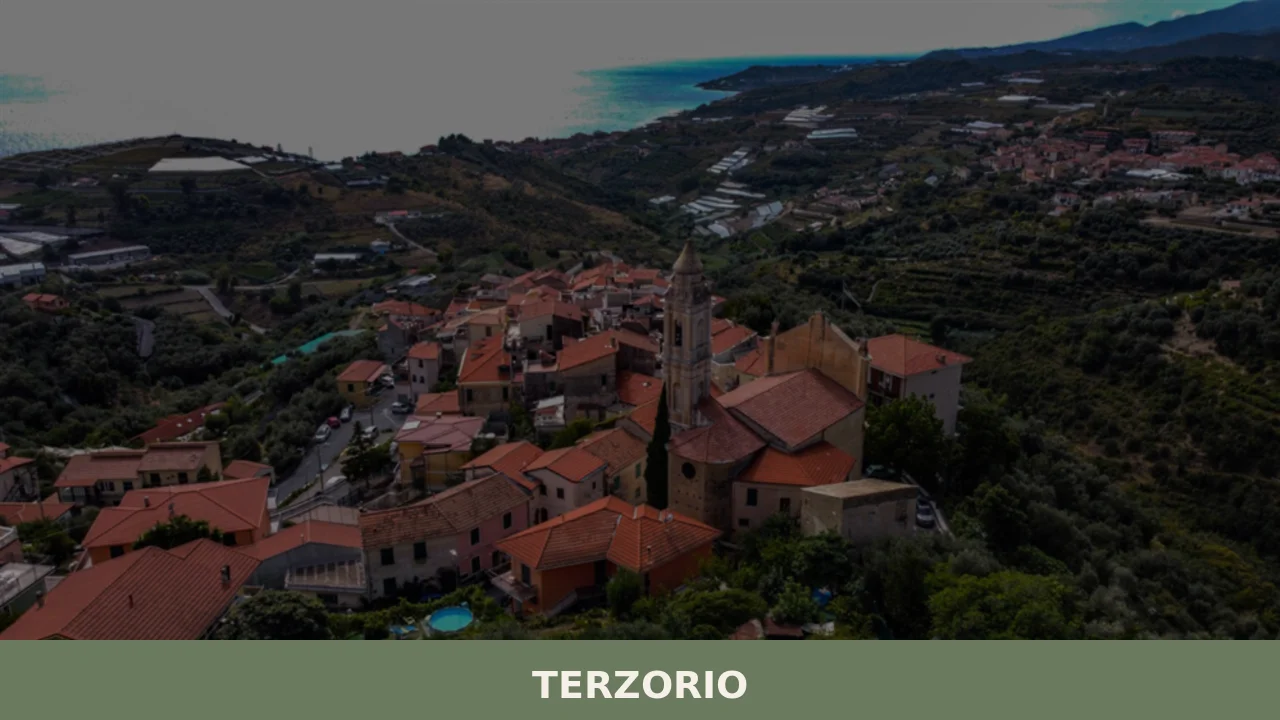
The village of Terzorio, in Italy’s Liguria region, rises approximately 11 kilometres (7 mi) southwest of Imperia, situated on a slope that provides extensive views of the surrounding landscape.
Its compact residential core, home to 231 inhabitants, extends across an area of 1.9 square kilometres (0.73 mi²), characteristic of many small Ligurian hillside settlements.
This elevation and distance from the immediate coast define its particular microclimate and historical development within the Province of Imperia.
For those wondering what to see in Terzorio, this Ligurian comune offers a quiet escape with a population of 231 residents. Visitors to Terzorio find a tranquil environment, allowing for exploration of its narrow alleys and appreciation of the terraced olive groves that shape the local economy.
The Terzorio highlights include opportunities to experience traditional village life and enjoy the expansive vistas across the valley towards the sea.
History of Terzorio
The historical narrative of Terzorio, like many smaller Ligurian comuni, is intrinsically linked to the broader regional developments of the Province of Imperia.
While specific founding dates or ancient settlements for Terzorio are not explicitly documented, the Ligurian coast has been inhabited since prehistoric times, with Roman influence shaping the administrative and agricultural landscape from the 2nd century BCE.
The strategic position of villages like Terzorio, set back from the immediate coastline but still within sight of the sea, often indicates a historical necessity for defense against maritime incursions.
This geographical placement allowed communities to monitor coastal routes while remaining protected from direct attacks.
During the medieval period, the Ligurian territory, including the area where Terzorio stands, was often under the control of powerful maritime republics, most notably Genoa. These republics exerted significant influence over the economy and governance of smaller inland settlements, primarily through the cultivation of olives and other agricultural products.
The administrative structure of a comune, or municipality, evolved over centuries, granting local autonomy in various matters while remaining subject to larger regional powers. The name “Terzorio” itself, though its etymology is not provided in available sources, might hint at land divisions or historical associations, a common pattern for place names in the region.
In more recent history, Terzorio has maintained its identity as a small agricultural community within the Province of Imperia.
The census data, such as the population figure of 208 recorded in 2004, and the current 231 inhabitants, illustrate its consistent, albeit modest, demographic profile. This stability reflects a lifestyle deeply connected to the land, particularly olive cultivation, which remains a defining feature of the Ligurian landscape.
Terzorio’s proximity to larger centers like Imperia, approximately 11 kilometres (7 mi) away, has allowed it to retain its residential character while benefiting from regional services and infrastructure.
Visitors interested in what to see in Terzorio today will observe a village that has adapted to modern life while preserving its historical layout and strong community ties, much like its neighbors such as Prelà or Plodio.
What to see in Terzorio, Liguria: top attractions
The Historic Village Core
The core of Terzorio comprises a network of narrow, winding alleys known as carrugi, characteristic of Ligurian villages, which ascend and descend between tightly packed stone houses.
These passages often open into small squares, revealing glimpses of traditional architecture that has developed over centuries. Exploring these pedestrian-friendly lanes offers a direct experience of the village’s historical layout and its residential rhythm.
Visitors can observe the traditional building materials, such as local stone and terracotta roofs, that define the visual character of this community, which has maintained a population of around 231 residents.
Panoramic Views of the Ligurian Coast
From its elevated position, Terzorio offers expansive panoramic views that stretch across the surrounding valleys and reach the distant Ligurian Sea.
The village is situated approximately 100 kilometres (62 mi) southwest of Genoa and about 11 kilometres (7 mi) southwest of Imperia, providing several vantage points where visitors can appreciate the cultivated landscape of olive groves and vineyards.
These vistas are particularly striking during clear weather, allowing observers to see the coastline curving towards towns like Santo Stefano al Mare, one of Terzorio’s bordering municipalities. The elevation provides a natural advantage for photography and quiet contemplation.
The Terraced Olive Groves
The hillsides immediately surrounding Terzorio are extensively covered with terraced olive groves, which are a defining feature of the Ligurian agricultural landscape and have shaped the region’s economy for centuries.
These meticulously maintained terraces, often supported by dry-stone walls, are a testament to traditional farming practices adapted to the steep terrain. Walking among these groves, visitors can observe the ancient olive trees that produce the renowned Ligurian olive oil.
The area’s agricultural heritage is palpable here, contributing significantly to the local visual and economic identity, with an area covering 1.9 square kilometres (0.73 mi²) largely dedicated to such cultivation.
The Parish Church of San Giovanni Battista
Every Italian comune, regardless of its size, typically features a central parish church, serving as a focal point for community life and religious observance.
While specific historical details for Terzorio’s church are not provided in available sources, it is reasonable to expect a structure that reflects local architectural styles and traditions. These churches often date back several centuries, with modifications and additions made over time, and typically house artworks or devotional items of local significance.
The church serves as a gathering place for the community of 231 inhabitants, especially during religious festivals, and its presence underscores the enduring cultural fabric of the village.
Local Hiking and Nature Paths
Given its location amidst the Ligurian hills and its proximity to bordering municipalities like Cipressa and Pompeiana, Terzorio is naturally surrounded by opportunities for walking and exploring the local natural environment.
While formal trails are not explicitly detailed in the sources, the existence of terraced landscapes and agricultural roads implies a network of paths suitable for light hiking. These routes offer a chance to experience the Mediterranean flora and fauna, breathe the clean air, and gain different perspectives on the village and the coastline.
Such paths are often used by residents for accessing their fields and provide an intimate connection with the rural setting, allowing visitors to further explore what to see in Terzorio beyond its immediate center.
Local food and typical products of Terzorio
The culinary traditions of Terzorio are deeply rooted in the wider gastronomic heritage of Liguria, a region celebrated for its reliance on fresh, local ingredients and simple, yet flavorful, preparations.
The proximity to both the sea and the olive-rich hills dictates a diet centered around fish, vegetables, herbs like basil, and, most notably, olive oil.
This historical-geographical context means that Terzorio’s cuisine shares many characteristics with that of neighboring villages in the Province of Imperia. The local diet has always prioritized sustainability and seasonality, reflecting centuries of agricultural practices in a challenging yet fertile landscape.
Typical dishes in this part of Liguria often feature the region’s excellent olive oil, which is fundamental to almost every preparation.
Common offerings would include variations of Pesto alla Genovese, a vibrant green sauce made from fresh basil, pine nuts, garlic, Parmesan, Pecorino Sardo, and olive oil, often served with trofie or trenette pasta.
Another staple is Focaccia, a flatbread drizzled with olive oil and often sprinkled with coarse salt, served plain or with toppings like olives or onions.
Vegetable-based dishes are also prominent, such as Torta Pasqualina, a savory pie with layers of pastry, Swiss chard, ricotta, and whole eggs, showcasing the bounty of the local gardens.
While specific certified products originating exclusively from Terzorio are not detailed in the available sources, the broader Ligurian region is renowned for several protected designations. The most prominent of these is Olio Extra Vergine di Oliva Riviera Ligure (DOP), an extra virgin olive oil produced across the entire Ligurian territory, including the Province of Imperia, Genoa, and Savona.
This certification ensures the oil’s quality and adherence to traditional production methods, using specific olive varieties like Taggiasca.
The olive groves surrounding Terzorio contribute to this regional production, making the local olive oil a key part of the area’s identity and economy.
In keeping with Italian village traditions, local markets and food fairs, known as sagre, often take place in the surrounding areas during the warmer months, celebrating regional produce and dishes. Although specific dates for Terzorio are not available, it is common for nearby towns in the Province of Imperia to host events dedicated to olive oil, local vegetables, or seasonal specialties. These gatherings provide opportunities to sample regional delicacies and purchase local products directly from producers, fostering a sense of community and preserving culinary heritage.
Such events reflect the agricultural rhythms that have sustained communities like Terzorio for generations.
Festivals, events and traditions of Terzorio
The social calendar of Terzorio, like many Italian comuni, traditionally revolves around religious observances and community celebrations, with the patron saint festival being a highlight.
Although the exact date and specific details for Terzorio’s patron saint are not provided in the available documentation, these festivals typically involve a procession through the village streets, carrying a statue of the saint, followed by a communal feast and often musical entertainment.
Such events serve as important occasions for residents to gather, reinforce community bonds, and express their shared cultural and religious identity.
Beyond religious festivals, the traditions of Terzorio are closely tied to the agricultural cycles that define life in the Ligurian countryside.
The olive harvest, for instance, represents a significant annual event, bringing together families and often extending into communal activities.
While specific folklore or unique rituals of Terzorio are not documented, the wider Ligurian region maintains customs related to craftsmanship, local storytelling, and seasonal gastronomy.
These traditions, though perhaps subtle in a small village, are integral to the local way of life, offering visitors a glimpse into the enduring cultural practices that shape communities like Terzorio and Olivetta San Michele.
When to Visit and What to See in Terzorio: Practical Information
The best time to visit Liguria, and specifically Terzorio, largely depends on personal preference, though the shoulder seasons of spring (April-May) and early autumn (September-October) are often recommended. During these months, the weather is pleasantly mild, ideal for exploring the village and its surroundings without the intense heat or larger crowds of peak summer.
Spring brings blooming wildflowers and fresh produce, while autumn offers the olive harvest and comfortable temperatures for walking.
The terrain within Terzorio, characterized by narrow, sometimes steep carrugi, requires comfortable walking shoes, and while generally accessible, may present challenges for those with mobility issues or strollers.
Terzorio is situated in the Province of Imperia, Liguria, making it accessible by car via the A10 motorway, known as the “Autostrada dei Fiori.” Visitors should take the Imperia Ovest exit, which is approximately 11 kilometres (7 mi) from Terzorio.
From the exit, local roads lead directly to the village. The drive offers scenic views of the Ligurian landscape, passing through olive groves and smaller settlements. For those planning a day trip from nearest major city hubs, Genoa is about 100 kilometres (62 mi) to the northeast, and Nice, France, is also within a reasonable driving distance, making Terzorio a viable destination for a short excursion.
For those preferring public transport, the nearest major train station is Imperia, which is well-connected to regional and national rail networks.
From Imperia, local bus services or taxis can complete the journey to Terzorio, though schedules for smaller villages can be infrequent, making prior planning essential.
The nearest international airports are Genoa Cristoforo Colombo Airport (GOA), approximately 115 km (71.5 mi) away, and Nice Côte d’Azur Airport (NCE) in France, which is roughly 80 km (50 mi) distant.
Both offer connections to major European cities. International visitors should note that English may be limited in smaller local shops, and carrying some Euros cash is often useful for purchases in village establishments.
Visitors seeking to extend their exploration of Liguria beyond what to see in Terzorio might consider a journey to Borghetto di Vara, another Ligurian village that shares the region’s characteristic blend of historical charm and natural beauty, offering a different perspective on the diverse landscapes of Italy.
Frequently asked questions about Terzorio
What is the best time to visit Terzorio?
The best time to visit Terzorio is late spring (May–June) and early autumn (September–October), when temperatures are mild and the Ligurian hillside landscape is at its most scenic. Summer offers clear days with outstanding views toward the coast, and the village celebrates its patron saint Giovanni Battista on 29 August, making late August a particularly lively period. Autumn coincides with the olive harvest season, when the terraced groves surrounding the village are most active and the air carries the scent of freshly pressed Taggiasca oil.
What to see in Terzorio? Main monuments and landmarks
The main points of interest in Terzorio include the Parish Church of San Giovanni Battista, the village's religious and community focal point, and the historic core of narrow caruggi — the characteristic stone-paved alleys of Ligurian villages — that wind between traditional stone houses with terracotta roofs. Small open squares punctuate the lanes and offer glimpses of everyday village life. The terraced olive groves on the surrounding hillsides, supported by centuries-old dry-stone walls, are themselves a landscape monument worthy of exploration on foot.
What are the main natural or scenic attractions of Terzorio?
Terzorio sits at 185 metres above sea level, providing sweeping panoramic views across the Ligurian valleys toward the sea and the coastline near Santo Stefano al Mare. The hillsides are extensively terraced with ancient olive groves, creating a distinctive agricultural landscape shaped over centuries. The rural network of agricultural paths connecting Terzorio to neighbouring municipalities such as Cipressa and Pompeiana is suitable for leisurely walks through Mediterranean scrubland and olive groves, offering an intimate experience of the inland Ligurian countryside.
Where to take the best photos in Terzorio?
The elevated position of Terzorio at 185 metres makes the village itself one of the best vantage points in this corner of the Province of Imperia. Views from the upper parts of the village capture the terraced olive groves in the foreground, the surrounding valleys in the mid-ground, and the Ligurian Sea on the horizon. The narrow caruggi, with their stone facades and terracotta details, also provide excellent material for architectural and street photography, especially in the soft morning or late-afternoon light.
Who is Terzorio suitable for? Families, couples, hikers, solo travelers?
Terzorio is best suited to visitors seeking authentic, unhurried Ligurian village life away from the busy coastal resorts. Couples will appreciate the quiet atmosphere, scenic views and romantic stone lanes. Solo travellers and slow-travel enthusiasts will find it an ideal base for exploring the inland Province of Imperia. Light hikers can enjoy the agricultural paths through the olive groves connecting to nearby villages. With a population of just 231, Terzorio is not oriented toward mass tourism, making it a genuine discovery for those prioritising tranquillity and local culture over amenities.
What to eat in Terzorio? Local products and specialties
Terzorio's culinary identity is anchored in the broader Ligurian tradition of the Province of Imperia. The olive oil produced from the surrounding Taggiasca olive groves contributes to the Olio Extra Vergine di Oliva Riviera Ligure DOP, one of Italy's most prestigious protected olive oil designations. Regional staples to seek out include trofie al pesto, freshly made focaccia drizzled with local olive oil, and torta pasqualina. Visiting nearby sagre and local markets during the warmer months offers the best opportunity to purchase extra virgin olive oil and seasonal products directly from local producers.
📷 Photo Gallery — Terzorio
Getting there
Piazza San Giovanni Battista, 18010 Terzorio (IM)
Nearby Villages near Terzorio
In Liguria More villages to discover
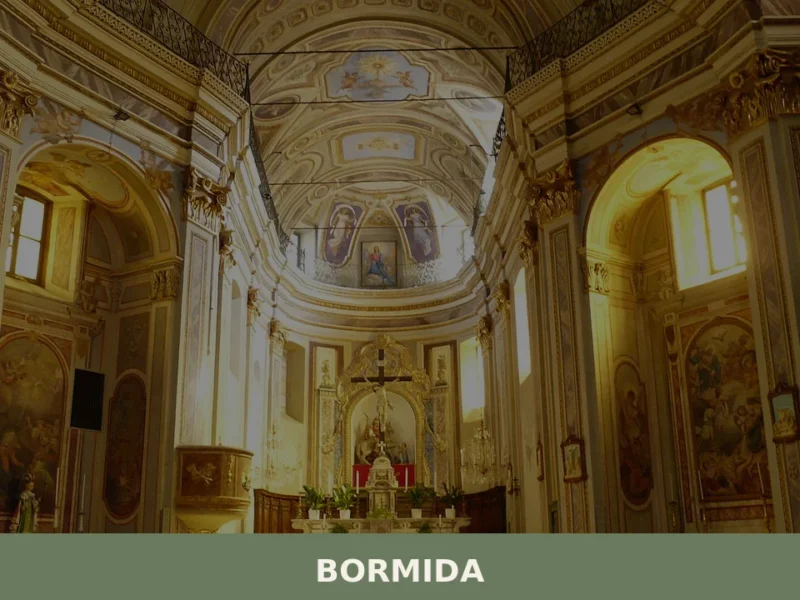
Bormida
 Hills
Hills
The Bormida di Pallare runs cold through the upper valley, cutting between the flanks of Monte Settepani at 1,386 m (4,547 ft) and Ronco di Maglio at 1,108 m (3,635 ft). Iron was worked here for centuries, and the name of at least one surviving building still carries that industrial memory. The village covers 22.4 […]
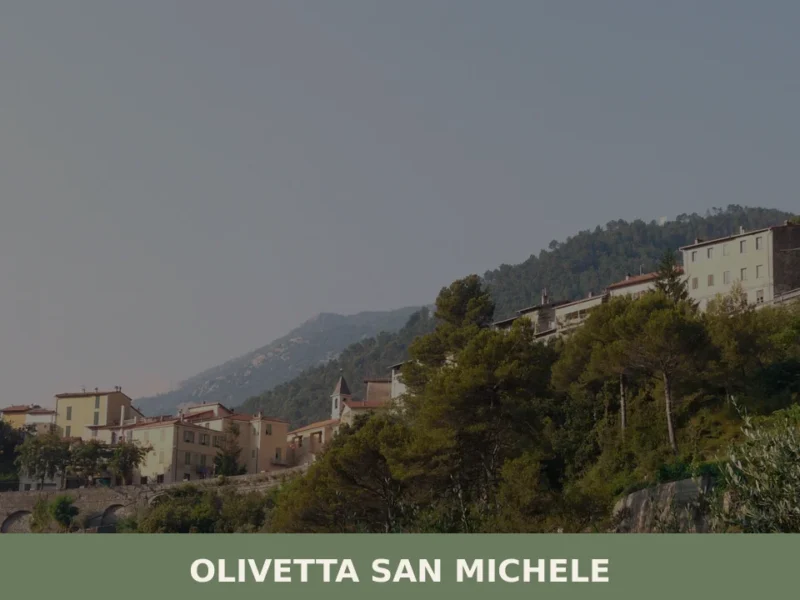
Olivetta San Michele
 Mountain
What to see in Olivetta San Michele? Discover 5 unique aspects of this Ligurian village, between history and nature. Read the full guide and plan your visit!
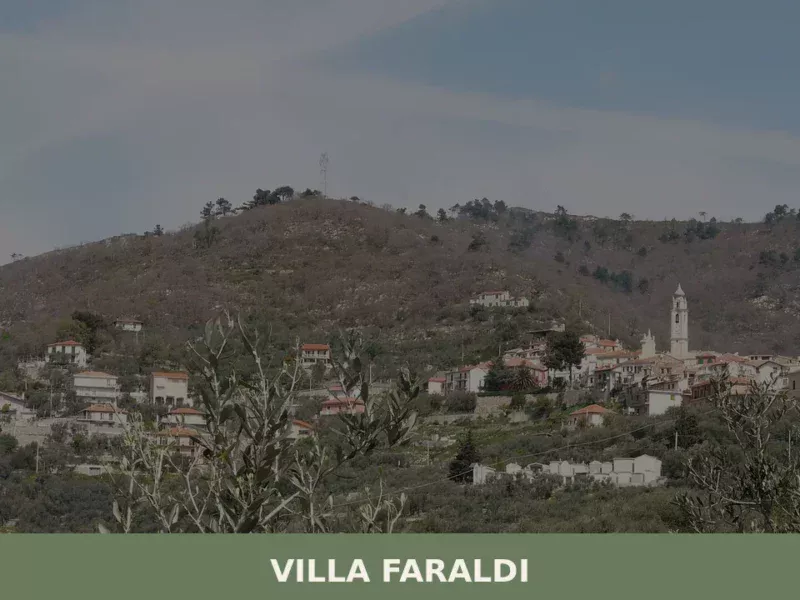
Villa Faraldi
Hills
what to see in villa faraldi: Discover this Italian village of 452 inhabitants in Liguria. Explore historic alleys and scenic views. Read our guide to Villa Faraldi, Italy.
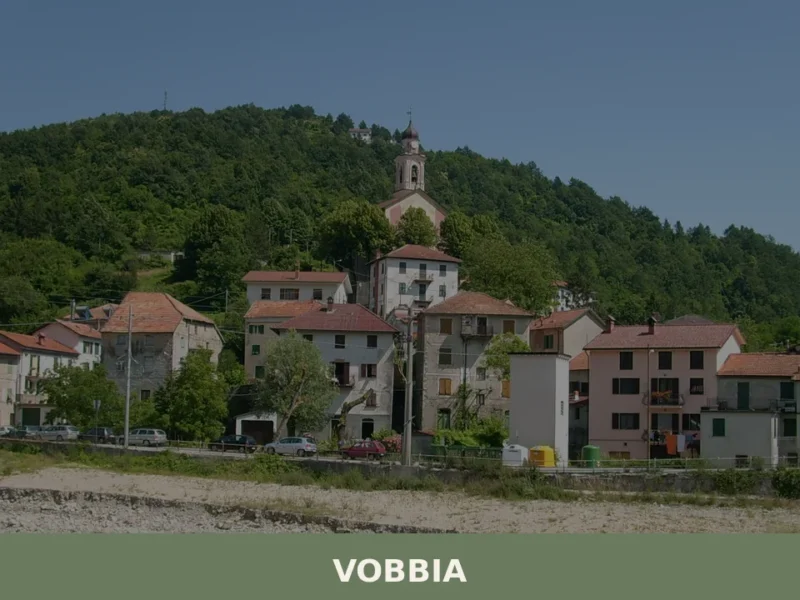
Vobbia
Mountain
What to see in Vobbia, Italy? Explore this Ligurian village of 453 inhabitants, a gateway to Antola Regional Natural Park and its scenic trails. Discover local architecture and panoramic views.
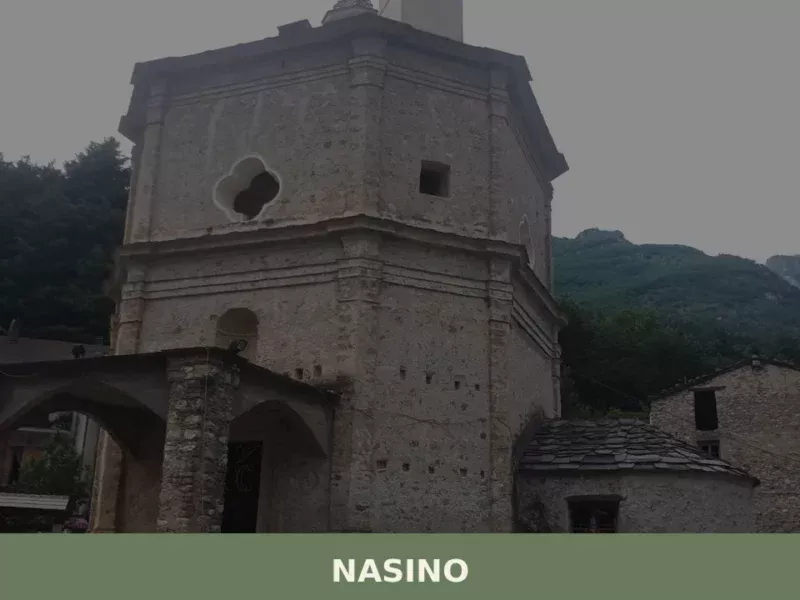
Nasino
Mountain
What to see in Nasino, Italy: a village of 212 inhabitants southwest of Savona. Explore its Ligurian character and scenic surroundings. Discover its unique charm.
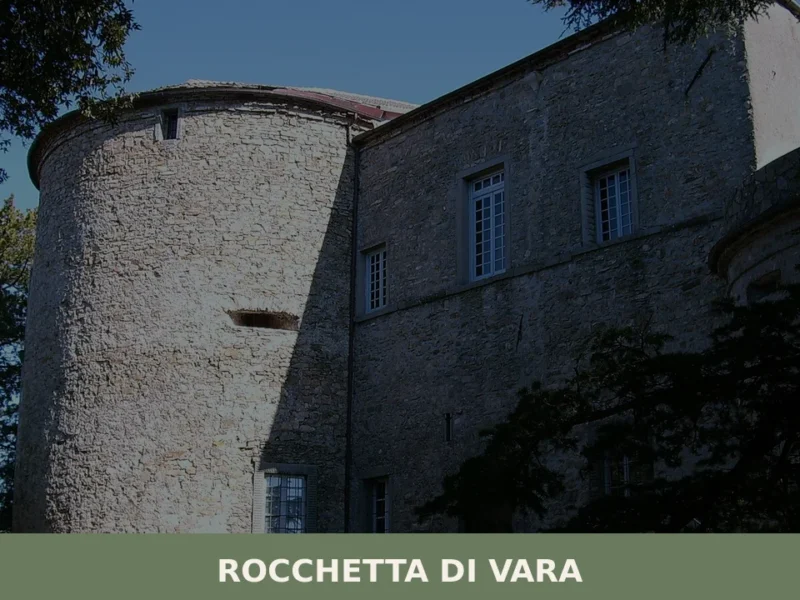
Rocchetta di Vara
Mountain
What to see in Rocchetta di Vara, Italy: 752 inhabitants, 70 km from Genoa. Discover top attractions, local food and how to get there. Complete guide.
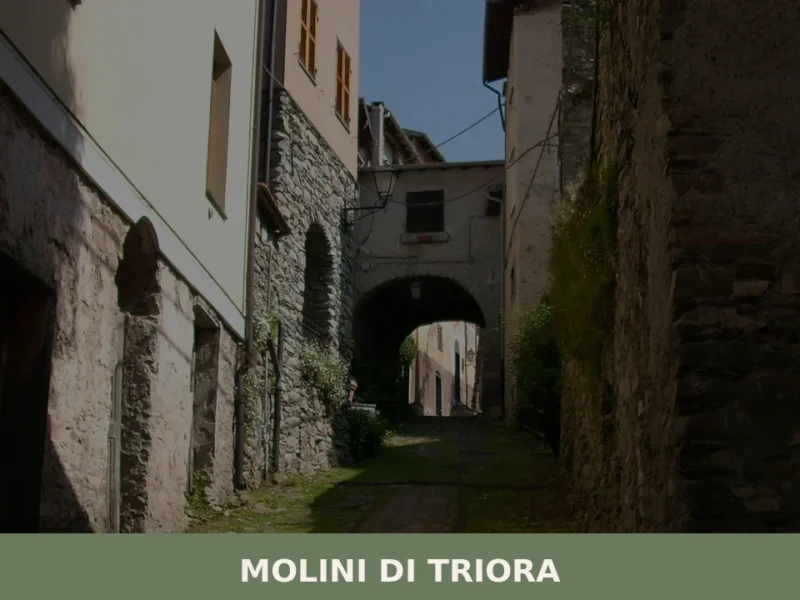
Molini di Triora
Hills
What to see in Molini di Triora, Italy: a village at 460 m in Liguria. Discover top attractions, local food, festivals and how to get there. Read the guide.
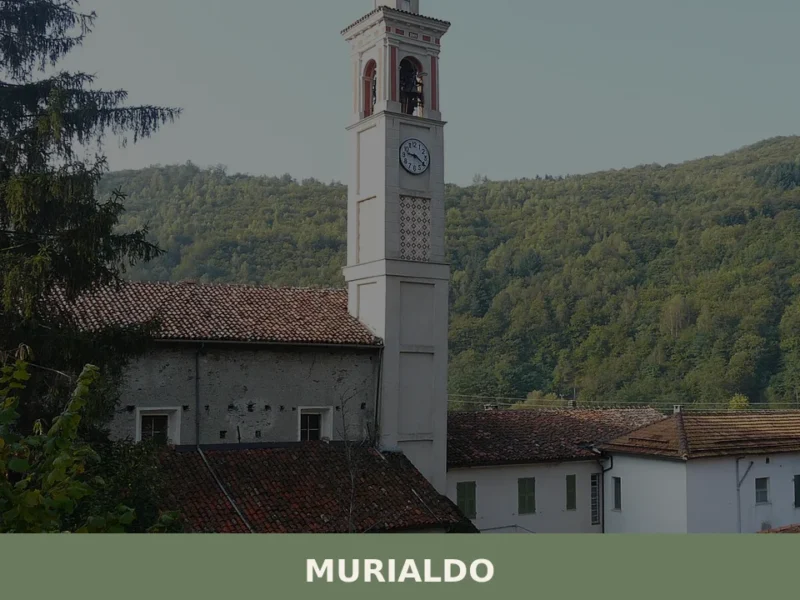
Murialdo
Mountain
What to see in Murialdo, Liguria, Italy: 8 borgate, Monte Camulera, and local cuisine across 37.5 sq km. Discover top attractions, events, and how to get there.
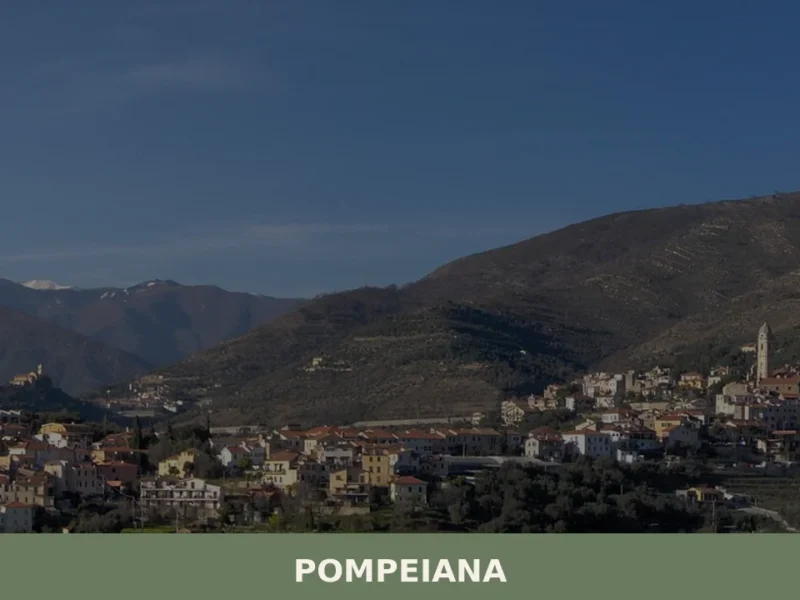
Pompeiana
Sea
what to see in pompeiana, Italy. Discover this Imperia village of 837 residents, explore its historic center and surrounding olive terraces. Read our guide to Liguria.
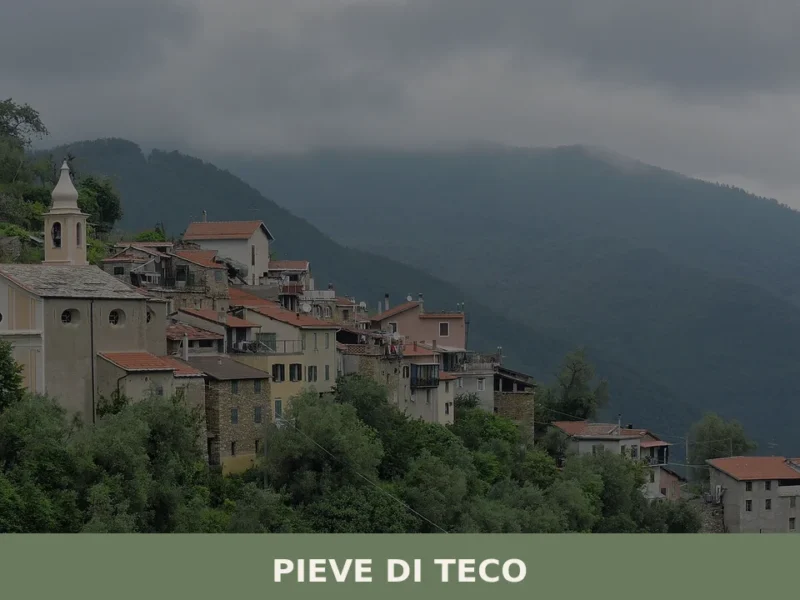
Pieve di Teco
Mountain
What to see in Pieve di Teco, Liguria, Italy: explore 5 top attractions, local food, and how to get there. Population 1,411. Discover this Ligurian village.
🧀 Italian traditional products



🏡 Know Terzorio better than we do?
If you’re a local or have been there, your knowledge matters: add what’s missing or fix a detail on this page.