


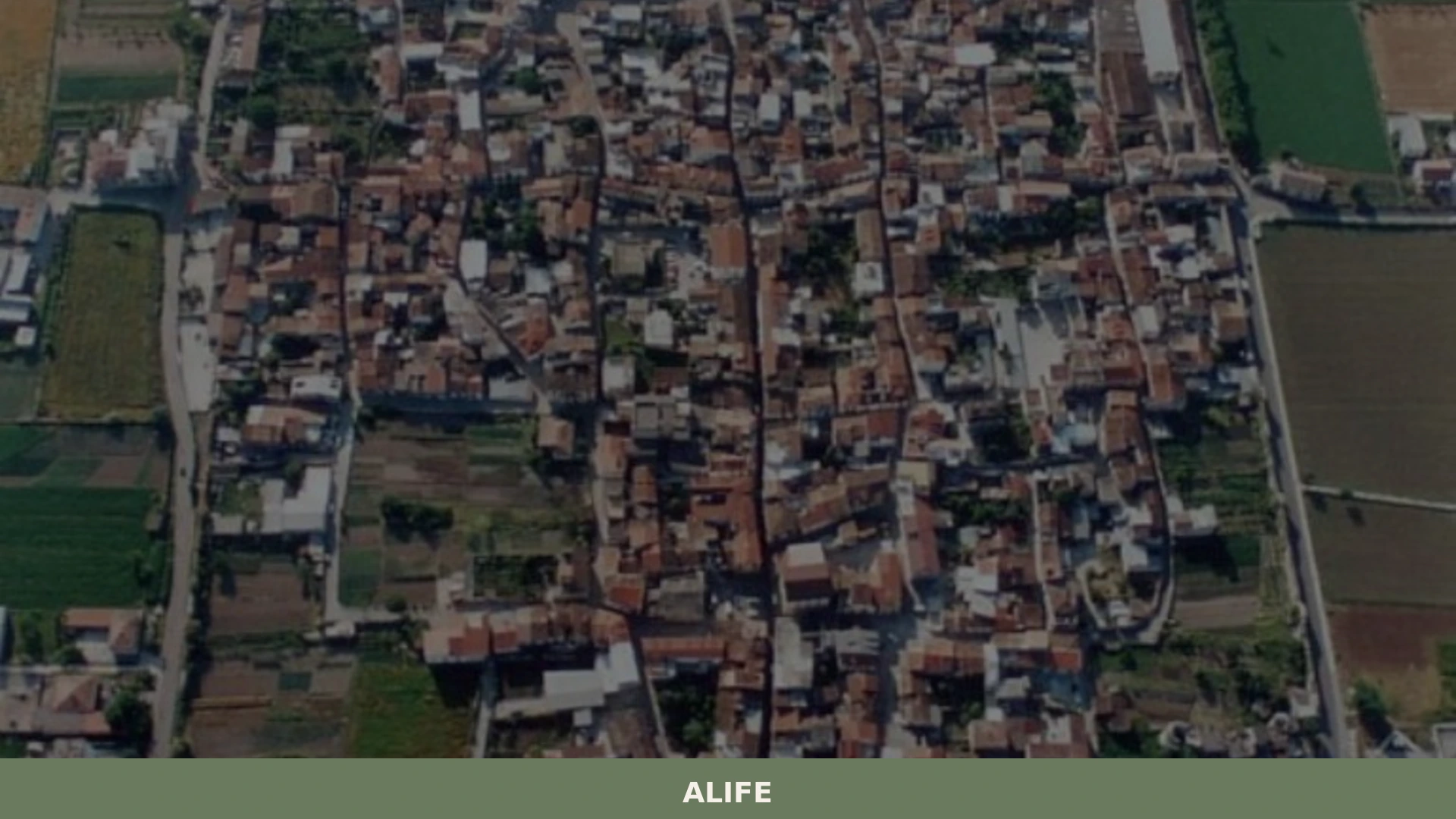
Alife
 Plains
What to see in Alife, Italy: Discover at 110 m altitude the Roman Amphitheatre and the Cathedral of Alife. Explore Campania’s rich history!
Discover Alife
The sandstone walls bask in the golden hue of the early morning sun, casting long shadows across the fertile Volturno valley. This scene is a usual sight in Alife, a town known for its ancient history and agricultural vibrancy. Here, the landscape tells stories of the past, where every stone is a witness to bygone eras and rich cultural tapestries.
It is a place where history breathes, filled with tales etched in stone and enduring traditions.
When considering what to see in Alife, one must not miss its Roman amphitheatre or the striking Alife Cathedral.
With its elevation at 110 m above sea level and a population of 7,376, this Campanian village is a tapestry of ancient ruins and cultural landmarks. Visitors to Alife find a harmonious blend of historical sites and local flavor, making it a fascinating destination for those exploring the heart of Campania.
History of Alife
Alife’s origins stretch back to the Samnite period, with archaeological evidence suggesting a settlement from the Iron Age. After the First Punic War, it evolved into a Roman municipium known as Allifae. The remnants of this era, including city ruins, bear testament to Alife’s Roman legacy.
This transformation marked a significant era, embedding itself in the rich historical fabric of the region.
Throughout the 5th century, Alife was notable for its bishopric.
However, as the Lombards took control and integrated it into the Duchy of Benevento, this feature disappeared, reemerging later in 969. The city’s strategic importance was emphasized by its brief autonomous rule and the military exploits of Peter Aliphas during the First Crusade. The shifts in power between the Normans and counts painted a tapestry of conflict and rebirth.
By the time of the medieval Norman reign, Alife became a fortified center under the governance of various baronial families. The 14th century saw its decline as the surrounding regions became marshier, leading to its near abandonment.
In 1561, a resurgence began post-abandonment after Philip II’s punitive actions, and the city rejoined modern Italy in 1861.
Alife’s tumultuous yet vibrant history continues to captivate those who visit its storied land.
What to see in Alife, Campania: top attractions
Roman Amphitheatre of Alife
Partially enveloped by earth, the Roman amphitheatre in Alife is a remarkable structure, measuring 48 by 38 meters (157 by 125 feet), making it the fourth-largest in Italy. Built during Roman times, it stands as a testament to the architectural prowess of the era. Visitors can walk through the remnants of this vast arena, imagining the spectacles that once entertained Roman citizens.
Alife Cathedral
Featuring intricate Lombard-Norman arcades adorned with sculpted animals and saints, the Alife Cathedral was originally constructed in 1132. Rebuilt in Baroque style after earthquakes in the 15th and 17th centuries, the cathedral’s Romanesque crypt houses relics of Pope Sixtus I. As one explores, the rich carvings and historical elements speak of a storied ecclesiastical past.
The Castle of Alife
Positioned on elevated ground, the castle predates Lombard times, with records dating back to 1127.
It offers sweeping views of the countryside, revealing its strategic importance.
The castle’s enduring structure and position provide insights into the fortifications used by ancient inhabitants to oversee the expansive lands below.
Roman Cryptoporticum
An impressive 100-meter-long (330-foot) subterranean passage, the Roman Cryptoporticum remains well-preserved beneath the soil. This gallery offers a glimpse into Roman engineering, allowing visitors to marvel at the intricate underground corridors that once served the city. Its cool, shadowy passage is a refreshing contrast to the bright Italian sun.
Mausoleum of Acilii Glabriones
Located beyond the city walls, the Mausoleum of Acilii Glabriones is a Roman tomb that stands as a solemn reminder of the past. Its stone façade and somber design reflect the funerary practices of ancient Rome. Easily accessible, it offers a poignant stop to contemplate the continuity of history.
Local food and typical products of Alife
The agricultural heart of the Volturno valley, Alife offers a gastronomic landscape deeply rooted in its agricultural heritage.
Influences from Arbëreshë and Jewish communities, who once called this place home, have melded into a unique culinary tradition.
This blend offers rich flavors and traditional practices that have endured through the centuries.
Ravioli di Ricotta, made with creamy ricotta cheese, showcases the use of fresh dairy combined with Alife’s fertile produce. Another specialty, the Caponata Campana, involves a medley of local vegetables like eggplants and bell peppers, simmered to achieve a balanced savory profile. Both dishes typify the reliance on fresh, locally sourced ingredients.
Culinary traditions here extend beyond recipes, with the town being part of the production area for Pecorino Romano (PDO) — municipalities: Caserta, Maddaloni, Marcianise. This aged cheese, renowned for its sharp flavor, represents the region’s dedication to quality production. Its pairing with local wines and meals accentuates its robust taste.
Seasonal markets, vibrant with locally sourced produce, fruits, and cheeses, take place throughout the year.
Such markets offer visitors an opportunity to engage directly with producers and taste the region’s specialties.
Visiting in late summer when markets are bustling can be an enriching experience.
Festivals, events and traditions of Alife
The feast of Papa Sisto I, patron saint of Alife, celebrated on August 11, is a notable event on the local calendar. This traditional festival features solemn religious processions and celebratory activities that imbue the town with a lively, communal spirit. Residents and visitors alike are drawn into the vibrant cultural tapestry that defines this annual celebration.
Alife also hosts food festivals primarily during the harvest season, emphasizing local produce and culinary expertise. These festivals provide a platform for local artisans to showcase their skills, fostering a deeper understanding and appreciation of Alife’s unique food culture.
They reflect the community’s commitment to preserving age-old traditions while embracing seasons of abundance.
When to visit Alife, Italy and how to get there
Alife enjoys a temperate climate, making spring and early autumn the best times to visit. These seasons feature mild weather, ideal for exploring historical sites and participating in local festivals.
The summer months might attract larger crowds due to the festive atmosphere, while winter offers serene landscapes and fewer visitors.
Accessibility is straightforward, with Alife situated along the Alifana Railway line. The major railway stations in Caserta and Napoli Centrale provide convenient connections. Driving via A1 motorway with the exit towards Caianello is recommended, with Alife lying approximately 30 km (18.6 mi) away. For international travelers, Naples Capodichino Airport, located about 70 km (43.5 mi) from Alife, serves as the nearest hub.
Visitors can complete a day trip from Naples, which is about a 1-hour drive.
Practical advice includes having some Euros on hand, as smaller shops may not accept international bank cards. Additionally, Alife’s official municipality website offers updated information for travelers.
Visitors to Alife can extend their journey to Caserta, known for its royal heritage. This nearby city offers another layer of historical exploration, making it a perfect complement to your trip.
Frequently asked questions about Alife
What is the best time to visit Alife?
The best time to visit Alife is during the spring and early autumn months when the weather is mild, making it ideal for exploring historical sites and attending local events. A notable event is the feast of Papa Sisto I on August 11, which is a vibrant celebration featuring religious processions and communal activities.
What to see in Alife? Main monuments and landmarks
In Alife, don't miss the Roman Amphitheatre, a remarkable structure partly unearthed, showcasing ancient Roman architecture. The Alife Cathedral is another must-see, with its rich Lombard-Norman arcades and significant historical relics. Both sites offer a deep dive into the architectural and religious history of the region.
Who is Alife suitable for?
Alife is ideal for history enthusiasts, families, and cultural explorers. Its rich tapestry of Roman and medieval history, coupled with vibrant local traditions, offers an engaging experience for those interested in uncovering the historical layers of the Campania region.
Getting there
Piazza della Liberazione, 81011 Alife (CE)
Nearby Villages near Alife
In Campania More villages to discover
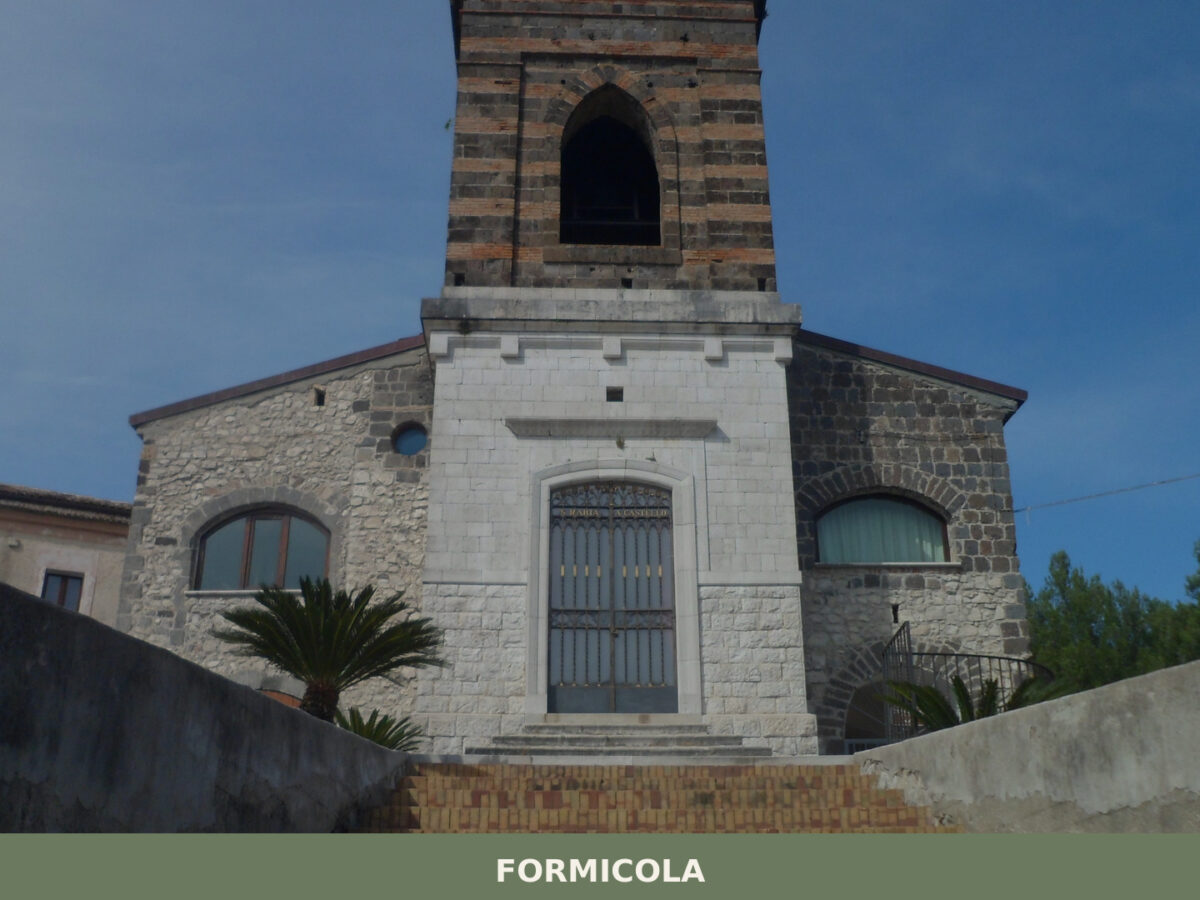
Formicola
Plains
Discover Formicola, a picturesque village in Campania, Italy. Explore its rich history, stunning landscapes, and authentic Italian culture and traditions.
Caianello
 Hills
Hills
A crossroads village of 1,752 inhabitants in Caserta province, Caianello hides medieval lanes and olive groves above its famous motorway junction.
San Gregorio Matese
 Mountain
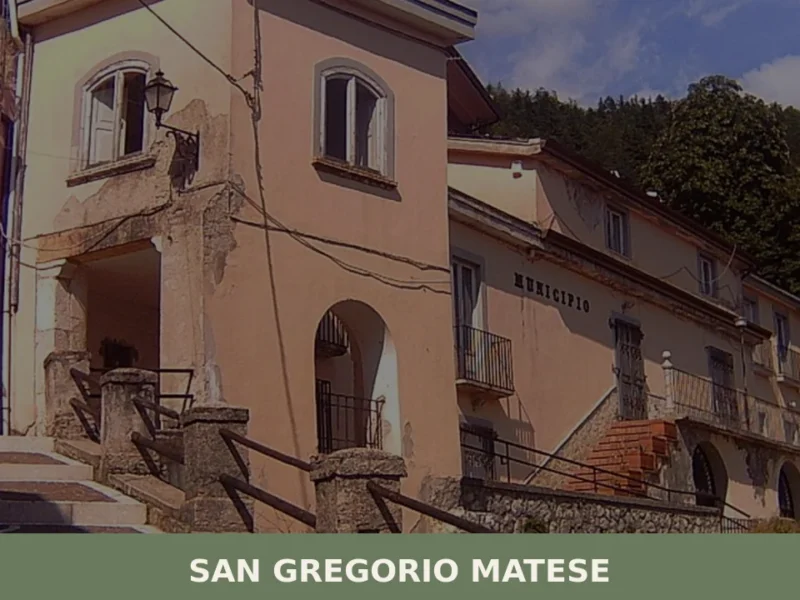
What to see in San Gregorio Matese, Italy: Explore this mountain village at 765 m altitude. Discover its historic core and annual patron saint feast. Read our guide.
Giano Vetusto
Hills
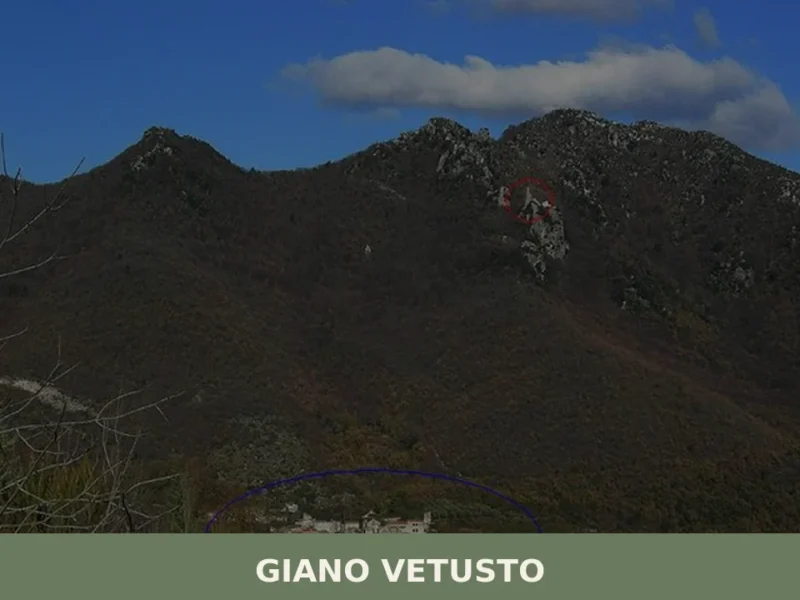
What to see in Giano Vetusto: Church of Sant'Antonio, historic centre, agricultural landscape, local cuisine and how to reach this hillside village near Caserta.
Aiello del Sabato
Hills
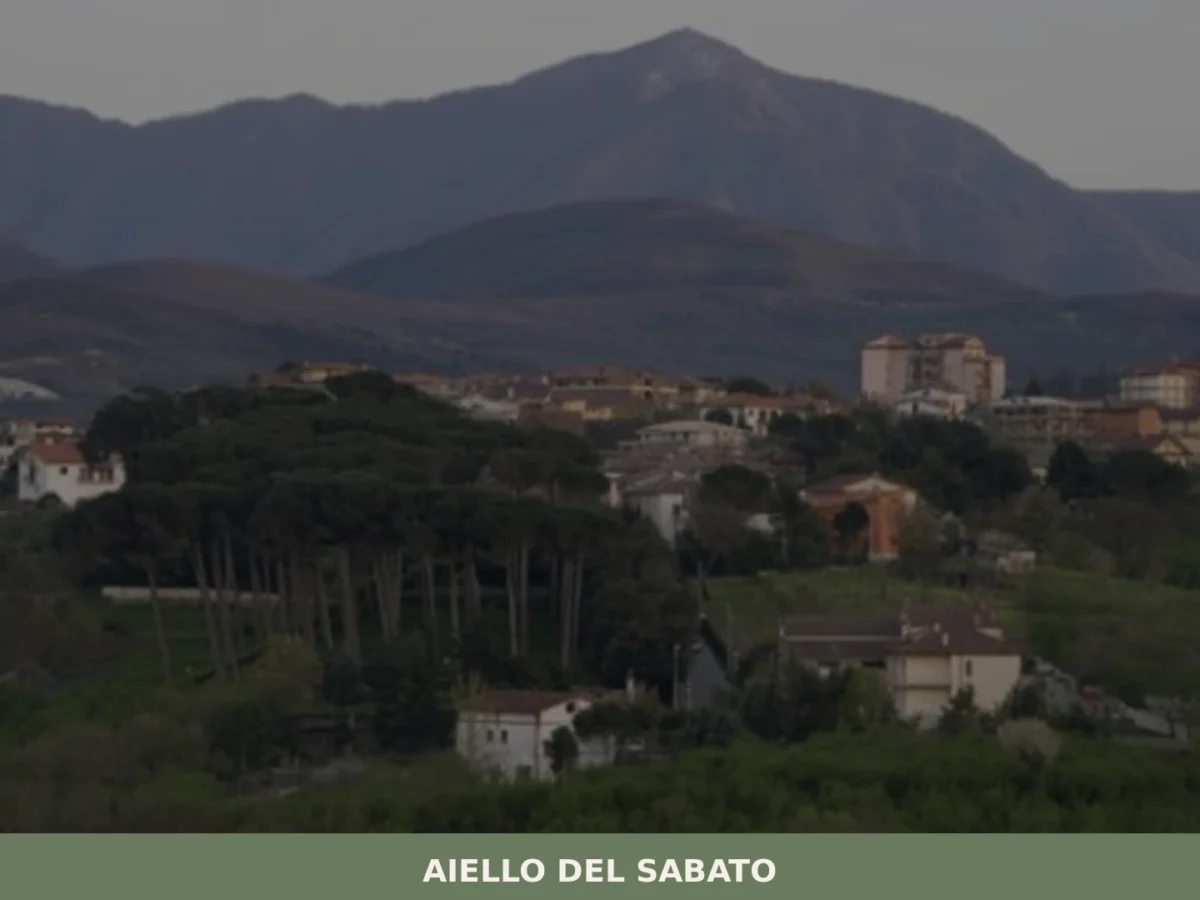
What to see in Aiello del Sabato, Italy? Discover this village at 425 m (1,394 ft) altitude. Explore its historic core and learn about its Roman past. Read our guide.

Altavilla Irpina
Mountain
Discover Altavilla Irpina, a hilltop village in Avellino province with medieval churches, ancient stone architecture, and authentic Irpinian food traditions.
Capriati a Volturno
Hills
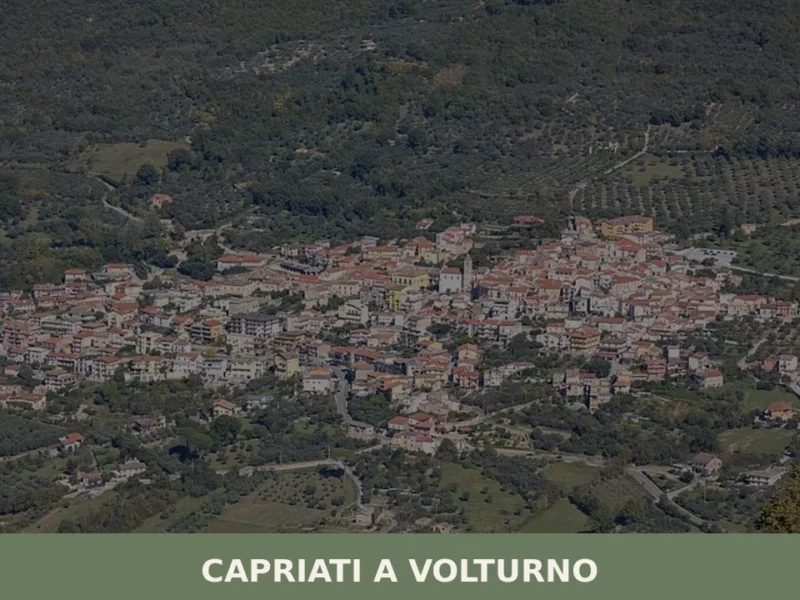
At 290 metres above sea level, along the right bank of the Volturno, Capriati has a current population of 1,440 residents spread between the historic centre and the hamlets scattered across the valley. The river, which here sweeps through a wide bend before continuing towards the Campanian plain, has shaped the town’s economy and layout […]
Valle Agricola
Mountain
Valle Agricola, a municipality of 960 inhabitants in the province of Caserta, rises to 691 meters above sea level, representing a mountain settlement within the Matese Massif. Its geographical position, between peaks and valleys, has for centuries determined the social and economic dynamics of the place, oriented towards livestock farming and subsistence agriculture. For those […]
Camigliano
Plains
Morning light flattens across the plain north of Caserta, and Camigliano emerges low and unhurried — a grid of stone and plaster houses, church bells marking the quarter-hour to no one in particular. With fewer than two thousand residents, this is a settlement shaped more by agriculture than spectacle. Yet for those asking what to […]
Airola
Plains
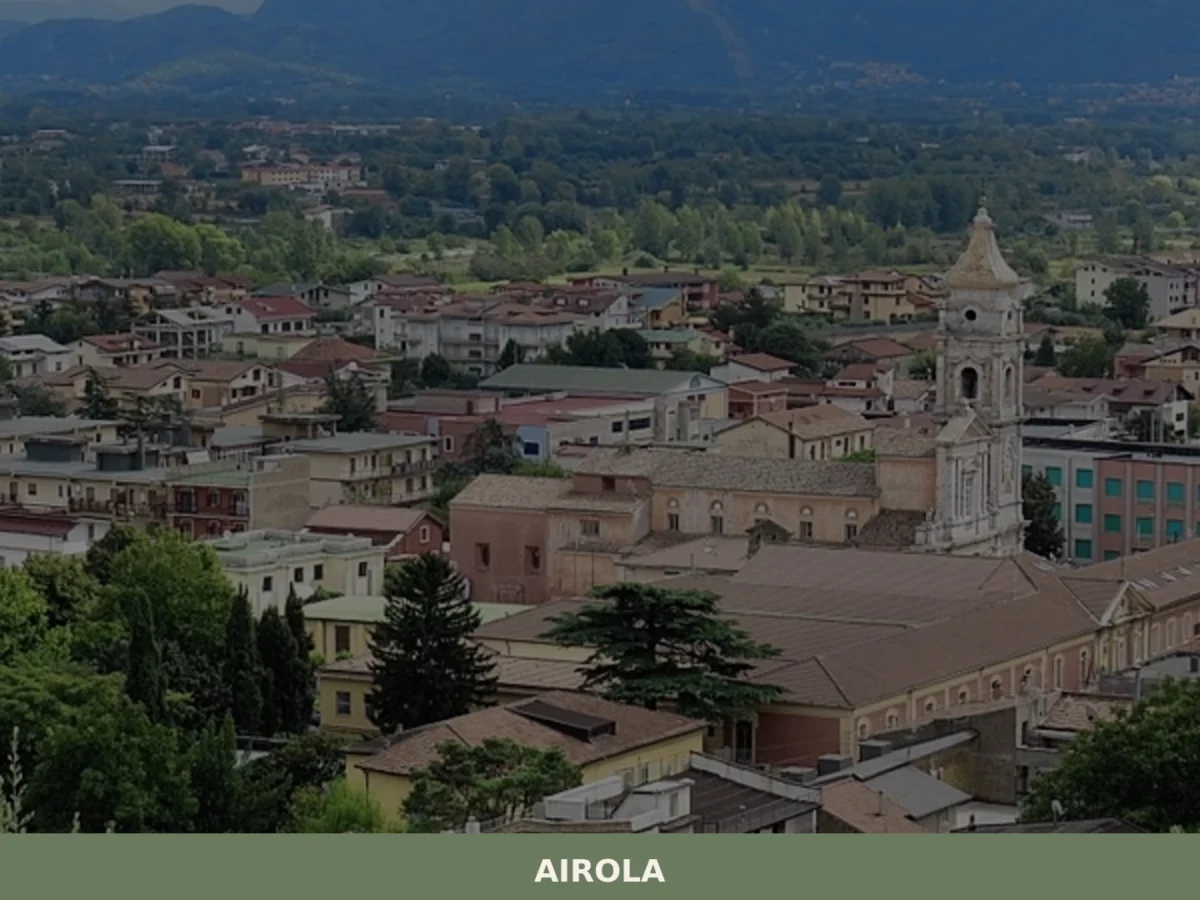
The stone bell tower of the Church of the Annunziata, reaching skyward since 1735, casts its shadow over the cobbled streets of Airola. Nestled within the expansive Valle Caudina and framed against the backdrop of Monte Taburno, this village offers a tangible connection to its past through its architecture. In this article History of Airola […]






🏡 Know Alife better than we do?
If you’re a local or have been there, your knowledge matters: add what’s missing or fix a detail on this page.