


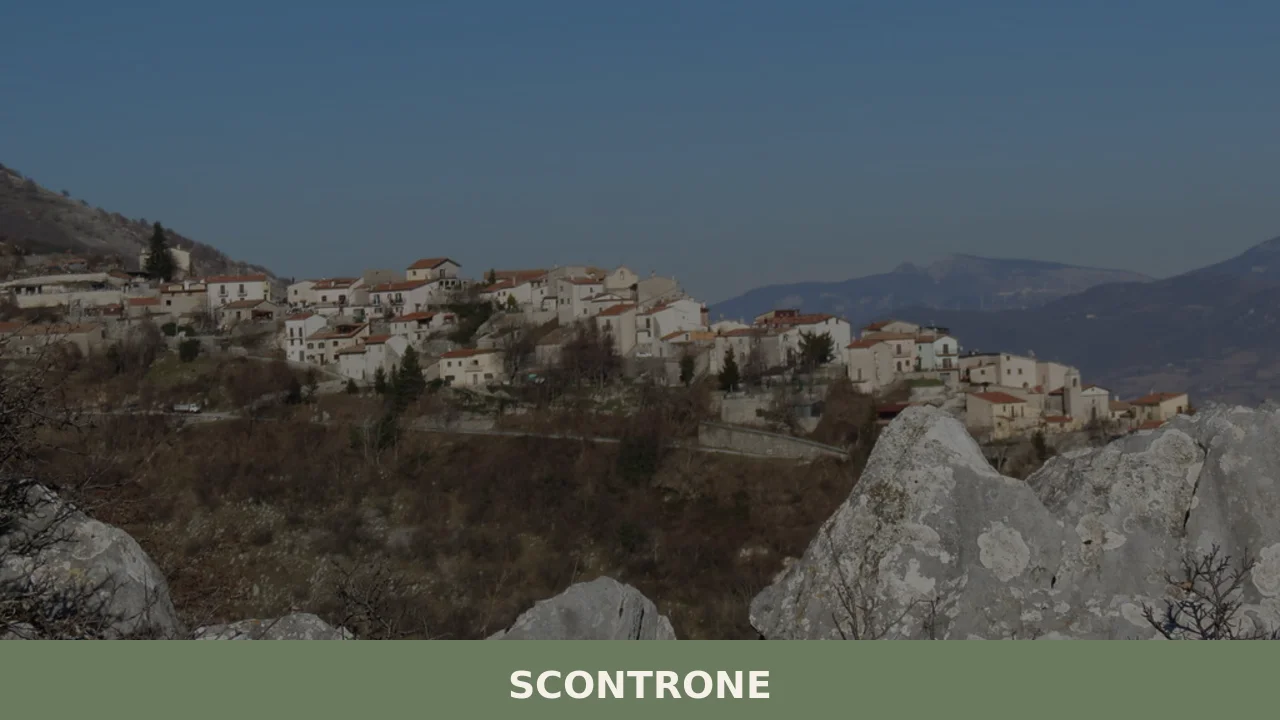
Scontrone
 Mountain
What to See in Scontrone: explore the 5 top attractions in this Abruzzo village, featuring history and nature. Read the guide and plan your visit!
Discover Scontrone
Dry-stone walls marking pastures still in use, narrow streets where cobblestones surface beneath the gravel, a village that looks out over the upper Sangro valley with the solidity of those who built every wall to last.
Scontrone is a municipality in the province of L’Aquila, in Abruzzo, with just over 500 inhabitants spread across a territory that holds together altitude, forest and rural memory without any one of the three elements prevailing over the others.
Those who want to know what to see in Scontrone will find a historic centre that can be explored on foot, churches of medieval layout, the landscape setting of the central Apennines and proximity to the Abruzzo, Lazio and Molise National Park, one of the largest protected natural areas in Italy.
The resident population stands at around 590 inhabitants, a figure that reflects the scale of a village where public spaces are still designed on a human scale and where every corner of the town can be reached on foot within minutes. The main attractions include the historic core, religious buildings, mountain trails and the gastronomic tradition of the inland L’Aquila area.
History and origins of Scontrone
The territory of Scontrone has been inhabited since pre-Roman times, as evidenced by findings and traces of an agricultural landscape that date back to periods preceding the Roman municipal organisation. The geographic position of the village, in the heart of the central Apennines at a short distance from the Sangro basin, determined its historical function: a point of control and passage between the inland areas of Abruzzo and the Molise slopes, along routes travelled by shepherds, merchants and military garrisons over many centuries.
The layout of the village still bears the marks of this original function today, with a compact and defensive building arrangement that reflects the security needs of medieval Apennine communities.
During the medieval period, Scontrone fell within the orbit of the feudal powers that competed for control of the upper Sangro.
Like many centres in the province of L’Aquila, the village was subject to the dynamics of local lordships that succeeded one another between the 12th and 15th centuries, a period during which the network of castles and watchtowers in the area ensured territorial control. Belonging to the Kingdom of Naples, consolidated in the late Middle Ages, shaped the administrative and social structure of the village for several centuries, leaving traces in the organisation of public spaces and in the distribution of ecclesiastical properties.
The parish church, which still represents the focal point of the historic centre, dates in its original structure to that period of intense religious building activity.
With Italian unification, Scontrone became part of the administrative system of the new State and was included in the province of L’Aquila, an arrangement that has remained unchanged to this day. The 20th century brought with it the same dynamics that affected all the centres of the central Apennines: the progressive depopulation linked to emigration towards the industrial cities of northern Italy and to the Americas, the reduction of agro-pastoral activities on a commercial scale, and the progressive ageing of the resident population.
The demographic contraction, evident in the current figure of around 590 inhabitants, is the result of these structural transformations, which have nevertheless not erased the architectural coherence of the historic centre nor the continuity of local community practices.
Those who pass through Bisegna, a nearby municipality also in the inland L’Aquila area, will recognise overlapping historical dynamics: the same mountain position, the same relationship with medieval feudalism, the same demographic trajectory in the twentieth century.
What to See in Scontrone: Main Attractions
The historic centre and the medieval core
The oldest part of Scontrone develops on a rise that dominates the surrounding land, with a succession of local stone buildings arranged along road axes that follow the natural contour lines of the terrain. The façades display stone materials extracted from the immediately surrounding territory, with workmanship ranging from rough to semi-finished depending on the period of construction and the intended use of the building.
Walking among the houses means reading building layers that span a timeframe from the Middle Ages to the early twentieth century, with subsequent interventions that have rarely altered the overall profile. The visitor who walks through the historic centre in the morning hours, when the raking light enhances the relief of the stones and the profiles of the cornices, can clearly distinguish the signs of the different construction phases. Entry to the historic core is free and accessible at any time of year; the most favourable season for exploration on foot runs from spring to late autumn.
The parish church
The main religious building in Scontrone constitutes the visual and spatial point of reference for the entire settlement.
The church, whose original structure dates back to the medieval period, underwent extensions and restoration works over the following centuries, with modifications that progressively adapted its layout to the liturgical needs of different eras. The entrance portal retains decorative stone elements that document the skill of local craftsmen active between the fifteenth and sixteenth centuries, a period of intense religious architectural production in the Sangro area.
The interior houses elements of sacred furnishings and pictorial works spanning a chronological range of several centuries, making the building a material document of the community’s devotional history. Before planning a visit to the interior, it is advisable to check opening hours directly with the parish or the municipality, as these may vary depending on seasonal liturgical celebrations.
The natural landscape and the trails towards the National Park
The municipal territory of Scontrone borders the area of the Abruzzo, Lazio and Molise National Park, one of Italy’s oldest protected areas, established in 1922 and today extending over approximately 50,000 hectares across three regions.
This geographical proximity transforms Scontrone into a concrete access point to the park’s trail network, with routes that pass through beech and Turkey oak forests, climbing to the altitudes where wildlife — Apennine chamois, Marsican brown bear, wolf — is still structurally present.
The trails that set off from the immediate vicinity of the village cover varying elevation gains, suitable both for experienced walkers and first-time hikers willing to keep their ambitions in check. Spring, between April and June, and autumn, between September and October, are the periods when wildlife sightings are most likely and the colours of the woodland are at their most vivid; in summer, hiking activity is at its peak and it is advisable to set out in the early morning hours.
Civil architecture and historic buildings
In addition to its religious buildings, the centre of Scontrone preserves a number of civic constructions that document the economic and social history of the village between the seventeenth and nineteenth centuries.
The palazzi of the village’s wealthier families feature articulated façades with rusticated portals, windows with carved stone frames and internal courtyards that reproduce, on a reduced scale, the architectural models widespread in the regional capitals of Abruzzo Aquilano.
These buildings served as the seat of the commercial and administrative activities that revolved around the area’s agropastoral economy, with storerooms, stables and depots integrated into the domestic structure. Walking through the village streets with attention to the details of the façades — corbels, coats of arms, inscriptions, dates carved into lintels — allows one to reconstruct the social hierarchy of the village during the centuries of Bourbon rule.
Many of these dwellings remain privately owned; observing the exteriors is nevertheless an integral part of what to see in Scontrone’s historic centre.
The belvedere and the view over the upper Sangro valley
From the highest part of the village, a panoramic viewpoint opens up from which the upper Sangro valley reveals itself in its full extent, with the river flowing at an altitude significantly lower than the settlement and the Apennine ridges closing the horizon on all sides. The altitude of the village centre, situated in the mountain belt of the province of L’Aquila, guarantees visibility conditions that on clear days in autumn or late winter allow one to make out the main crests of the Meta massif and the northern foothills of the Matese. This observation point is not equipped
with tourist infrastructure, which makes it a place of genuine rest rather than a managed attraction. Climbing to the top of the village in the afternoon hours, when the light strikes sideways across the rocky faces of the opposite slopes, gives a sense of the Apennine landscape’s scale that is difficult to achieve any other way. Those exploring what to see in Scontrone and who linger here quickly understand why these villages were built at altitude: visual control of the surrounding territory was a concrete necessity, not an aesthetic choice.
Traditional cuisine and products of Scontrone
The cuisine of the inland area around L’Aquila, to which Scontrone belongs both geographically and by tradition, is built on raw ingredients of mountain origin: cereals, legumes, sheep and pork meats, and wild herbs gathered in the woods and on the pastures.
The location of the upper Sangro valley, among the most inland areas of the central Apennines, has historically limited outside influences and concentrated local gastronomy on preserved, high-energy-density products, designed to sustain intensive agricultural and pastoral work. This functional origin is still reflected today in the dishes that local families continue to prepare using the same techniques passed down orally from generation to generation.
Among the most representative dishes of the local tradition are legume soups — particularly lentil and bean soups — prepared with the addition of guanciale or pork rind and flavoured with garlic, rosemary, and dried chilli pepper, a ubiquitous ingredient in Abruzzese cuisine.
Pasta alla chitarra, made with durum wheat flour and eggs and cut using the characteristic instrument with parallel steel wires, is one of the most deep-rooted pasta formats in the L’Aquila area, and is served with lamb ragù or with a tomato and aged sausage sauce.
Pecora alla cottora, a slow cooking of mutton in water with aromatic herbs, represents another preparation that directly evokes the transhumance economy that characterised these territories for centuries. Cured meats made from pork — lonza, dried sausage, guanciale — complete the picture of a cuisine in which preservation is as much a technique as cooking itself.
On the front of certified products, the database of designations of origin for this specific area does not record any PDO, PGI, or PAT certifications directly attributed to the municipality of Scontrone.
Local cuisine nonetheless fits into the broader gastronomic context of the province of L’Aquila, where products such as Zafferano dell’Aquila PDO — cultivated mainly in the Navelli area — and the lentils of Santo Stefano di Sessanio PAT represent nationally recognised excellences.
The Sangro area shares culinary traditions with neighbouring villages: those continuing towards Montenerodomo, in the province of Chieti, will find a similar cuisine in terms of ingredients and techniques, with the addition of Frentani influences.
Local products can be found mainly in the small grocery shops in the village and at the markets of nearby municipalities. Based on currently available sources, there are no structured gastronomic festivals with a stable annual date that can be reliably reported for Scontrone; for up-to-date information on any seasonal food and wine events, the most reliable reference remains the municipality’s official website or local cultural associations.
Festivals, events and traditions of Scontrone
As in all villages in the inland areas of Abruzzo, the calendar of celebrations in Scontrone is marked primarily by religious festivities tied to the local patron saint and to the Catholic liturgical cycle.
The processions accompanying the patron saint’s feast days represent moments of community cohesion in which the participation of residents — including those who live elsewhere during the year and return for the occasion — has historically been high.
These events concentrate the majority of the village’s public gatherings in the summer season, between July and August, a period when the presence of emigrants and tourists noticeably increases the life of the village compared to the winter months.
Traditions linked to the agro-pastoral cycle, though reduced compared to the past due to depopulation and the modernisation of agriculture, retain a presence in the local collective memory.
Practices related to pork processing in winter, the gathering of wild herbs in spring, and the preparation of summer preserves constitute a body of knowledge still alive among the village’s older families.
For precise dates and updated programmes of local events, it is recommended to consult the municipality of Scontrone directly or the cultural associations active in the area, as programmes may vary from one year to the next. Those wishing to explore what to see in Scontrone beyond its culinary traditions will find that these living customs offer an equally meaningful insight into the identity of the village.
When to Visit Scontrone and How to Get There
The best time to visit Scontrone depends on the traveller’s primary interests. Those focused on hiking and the national park trails will find optimal conditions in the weeks between late April and late June: cool temperatures, vegetation at its peak, active wildlife.
September and October offer a quality alternative, with the beech forests changing colour and tourist footfall dropping compared to summer.
The winter months, between December and March, may bring snowfall and roads that require winter tyres, but they guarantee an experience of the village in its authentic daily life, without the summer flow of visitors. Summer, between July and August, is the time of local festivals and the highest number of visitors, with the advantage of finding more activities open, though advance booking is necessary if you are looking for accommodation nearby.
If you arrive by car, the most direct route runs along the A25 Torano-Pescara motorway, exiting at Pescina, followed by the state road heading towards the upper Sangro valley and Castel di Sangro, from which Scontrone is just a few kilometres away. Alternatively, the Castel di Sangro exit on state road 17 connects the area for those arriving from Naples through southern Abruzzo.
The nearest railway station is Castel di Sangro, served by the Sulmona-Isernia line with connections to L’Aquila and Pescara; from there, Scontrone can be reached in approximately 10–15 minutes by car.
The nearest international airport is Pescara, around 130 km away, with an estimated travel time of about one hour and forty minutes by motorway. Travellers coming from Rome can take the A24 motorway as far as L’Aquila and then continue on the A25 and the state road.
| Departure point | Distance | Estimated time |
|---|---|---|
| Rome (A24-A25) | approximately 180 km | approximately 2 hours 15 minutes |
| Pescara (A25) | approximately 130 km | approximately 1 hour 40 minutes |
| Naples (SS17 via Castel di Sangro) | approximately 200 km | approximately 2 hours 30 minutes |
| L’Aquila (A25) | approximately 100 km | approximately 1 hour 20 minutes |
Those wishing to extend their itinerary to other villages in inland Abruzzo may consider a stop at Castellafiume, in the Fucino area, which shares with Scontrone its mountain setting in the province of L’Aquila and an architectural heritage of medieval character.
In a different direction, towards western Abruzzo, Bolognano represents another example of an inland Abruzzo that rarely appears on standard tourist itineraries, yet offers a landscape and historical quality of the same order — very much in the spirit of what to see in Scontrone and the surrounding region.
Frequently asked questions about Scontrone
What is the best time to visit Scontrone?
The most favorable seasons to visit Scontrone are spring (April-June) and autumn (September-October). During these periods, the natural landscape offers vivid colors, and opportunities for wildlife sightings in the nearby Abruzzo, Lazio and Molise National Park are higher. Summer is ideal for hiking, though it's advisable to start early in the morning. The historic center is accessible year-round, offering a tranquil experience at any time. Scontrone's patron saints, Giovanni and Paolo, are celebrated, though specific festival dates are not provided.
What to see in Scontrone? Main monuments and landmarks
Scontrone offers a captivating historic center, best explored on foot, showcasing local stone buildings from the Middle Ages to the early 20th century. The Parish Church, with its medieval origins and 15th-16th century portal, is a central landmark (check opening hours with the parish). Don't miss the panoramic belvedere at the highest point of the village, offering expansive views of the upper Sangro valley and surrounding Apennine peaks. Additionally, observe the exteriors of 17th-19th century civil architecture, featuring rusticated portals and carved stone frames, which tell the story of the village's past.
What are the main natural or scenic attractions of Scontrone?
Scontrone's prime natural attraction is its immediate proximity to the Abruzzo, Lazio and Molise National Park, providing direct access to a network of trails through beech and Turkey oak forests. These routes offer chances to spot wildlife like the Apennine chamois, Marsican brown bear, and wolf, especially in spring and autumn. The village also boasts a stunning panoramic viewpoint, the belvedere, situated at its highest part, which offers breathtaking, unobstructed views over the upper Sangro valley and the distant Meta and Matese massifs, ideal for appreciating the scale of the Apennine landscape.
Where to take the best photos in Scontrone?
For the most picturesque shots in Scontrone, head to the belvedere at the highest part of the village, especially in the afternoon, when the light illuminates the rocky faces of the opposite slopes and the expansive Sangro valley. The historic center itself is highly photogenic, particularly in the morning hours when the raking light enhances the textures of the stone façades and architectural details. Capturing the narrow streets, dry-stone walls, and medieval-era buildings offers a glimpse into the village's timeless charm.
Are there museums, churches or historic buildings to visit in Scontrone?
Yes, Scontrone features notable religious and historic buildings. The Parish Church, with its original medieval structure and later additions, is a key site, housing sacred furnishings and artworks; visitors should verify opening hours with the parish. The village also preserves numerous civil architectural examples from the 17th to 19th centuries, including palazzi with rusticated portals and carved stone frames. While many of these are privately owned, observing their exteriors provides a rich insight into the village's social and economic history.
What can you do in Scontrone? Activities and experiences
Scontrone offers a range of activities focused on nature and authentic village life. Explore the historic center on foot, discovering its ancient stone architecture and charming alleys. Venture onto the mountain trails that lead directly into the Abruzzo, Lazio and Molise National Park, suitable for various hiking levels and offering opportunities for wildlife observation. Enjoy the panoramic views from the belvedere, a perfect spot for quiet contemplation. Additionally, immerse yourself in the local gastronomic tradition, savoring dishes based on mountain ingredients like cereals, legumes, and local meats.
Who is Scontrone suitable for? Families, couples, hikers, solo travelers?
Scontrone is ideal for nature lovers, hikers, and those seeking an authentic, tranquil village experience away from mass tourism. Its proximity to the Abruzzo, Lazio and Molise National Park makes it perfect for hikers of all levels, from experienced trekkers to families looking for gentle walks. Couples and solo travelers will appreciate the peaceful atmosphere, human-scale public spaces, and the opportunity to explore a historic center on foot. It's also suitable for anyone interested in mountain gastronomy and genuine Apennine culture.
What to eat in Scontrone? Local products and specialties
The cuisine of Scontrone, deeply rooted in the inland L'Aquila area tradition, emphasizes mountain-sourced ingredients. Expect dishes rich in local cereals and legumes, hearty sheep and pork meats, and flavorful wild herbs gathered from the surrounding woods and pastures. While specific dish names are not detailed, the focus is on robust, traditional flavors reflecting the agro-pastoral economy of the region. Visitors can anticipate authentic, wholesome meals showcasing the genuine tastes of the central Apennines.
📷 Photo Gallery — Scontrone
Nearby Villages near Scontrone
In Abruzzo More villages to discover
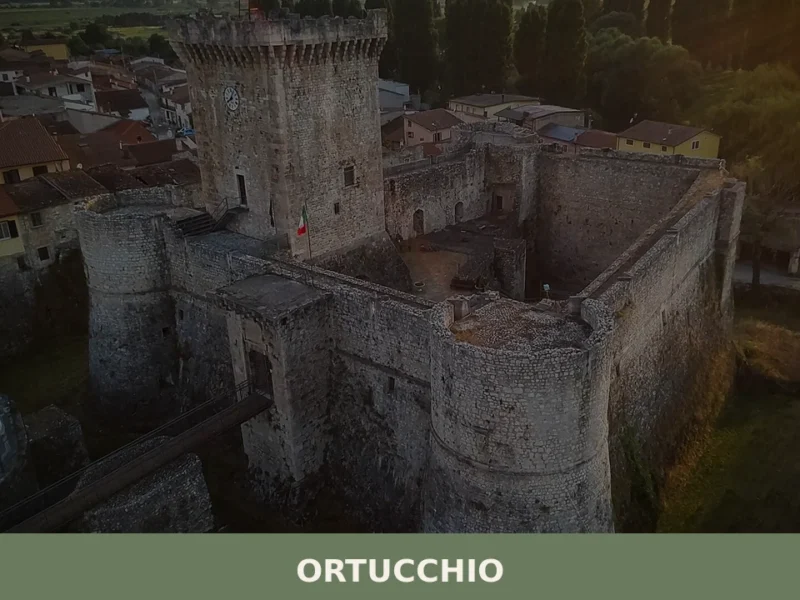
Ortucchio
Mountain
What to see in Ortucchio? Explore Piccolomini Castle and the historic center. Discover the natural beauty of this Marsican village in Abruzzo. Plan your visit!
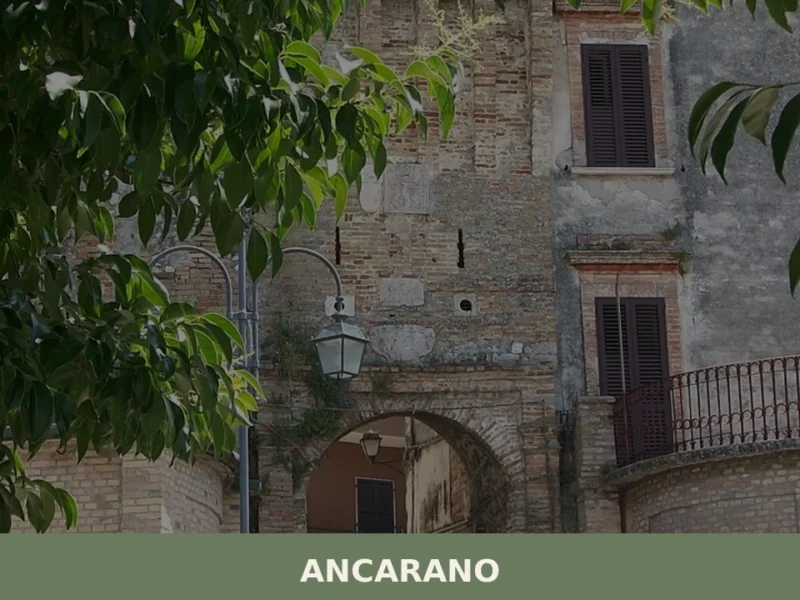
Ancarano
 Hills
Hills
At 295 metres above sea level, where the province of Teramo brushes against the border with the Marche, Ancarano occupies a strip of hilly territory that slopes down towards the Val Vibrata, with a population of 1,824 inhabitants spread between the historic centre and the surrounding hamlets. Anyone wondering what to see in Ancarano will […]
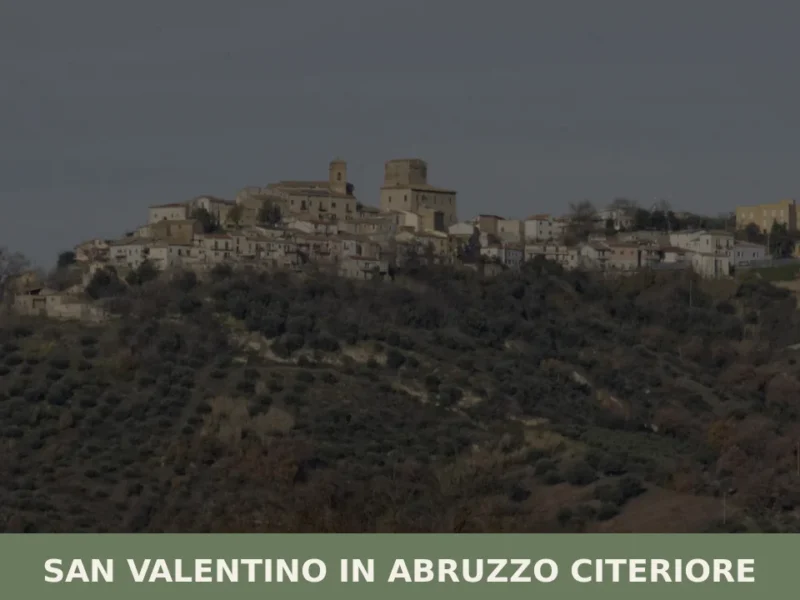
San Valentino in Abruzzo Citeriore
Hills
The Apennine peaks rise around San Valentino in Abruzzo Citeriore, a mountain hill town that has maintained its historical character over centuries. Situated on the northern edge of the Majella National Park, this location offers commanding views and a sense of enduring heritage. In this article History of San Valentino in Abruzzo Citeriore What to […]
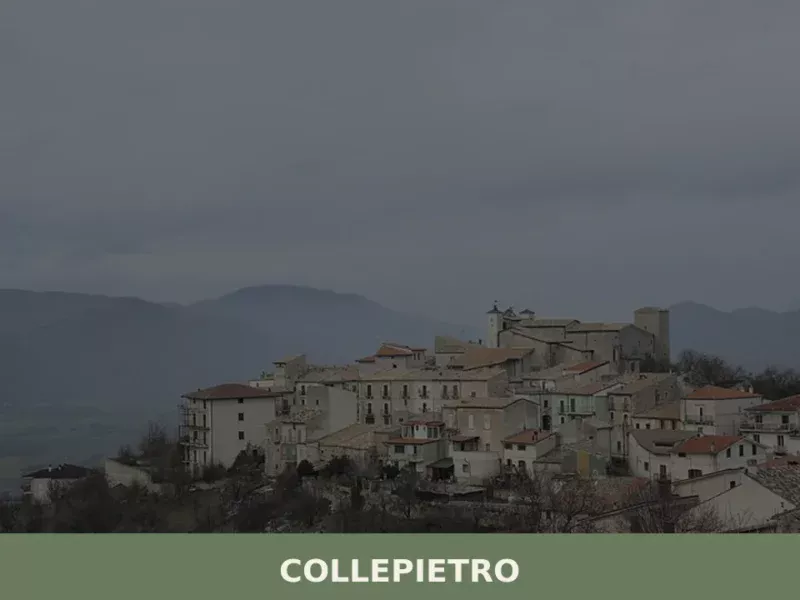
Collepietro
Mountain
Collepietro has 226 inhabitants and sits at 849 metres above sea level on the eastern slope of the Gran Sasso, in the province of L’Aquila. The municipal territory extends along a ridge overlooking the Piana di Navelli, an area known for saffron cultivation. Those wondering what to see in Collepietro will find a compact settlement […]
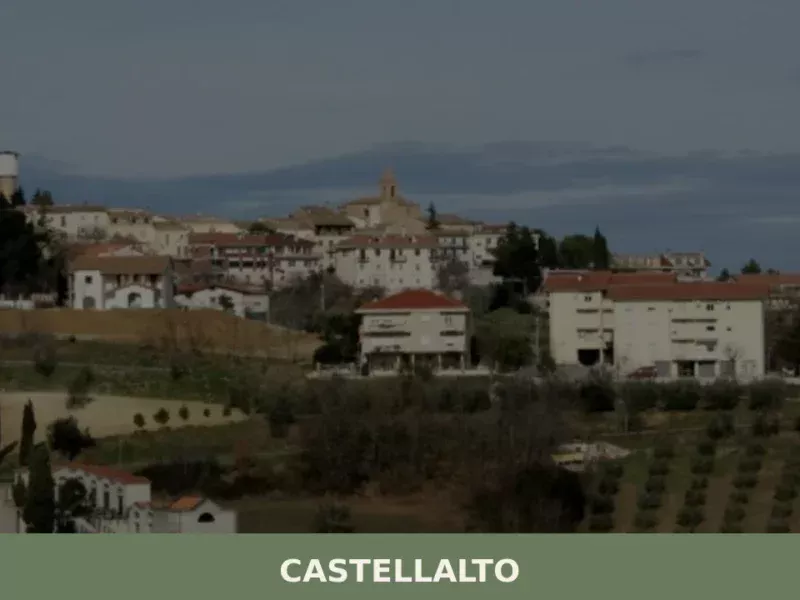
Castellalto
 Sea
Sea
Scopri cosa vedere a Castellalto: borghi medievali, panorami mozzafiato e tesori nascosti dell'Abruzzo. La guida completa alle 5 tappe imperdibili!
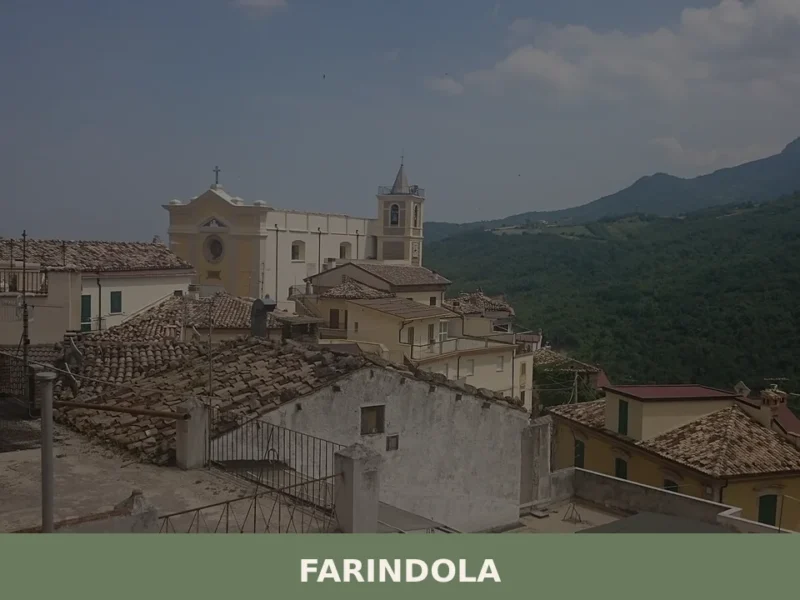
Farindola
Mountain
What to see in Farindola, Abruzzo, Italy: explore the 28 m Vitello d'Oro falls, Gran Sasso National Park and Pecorino di Farindola. Discover 1,569 inhabitants strong.
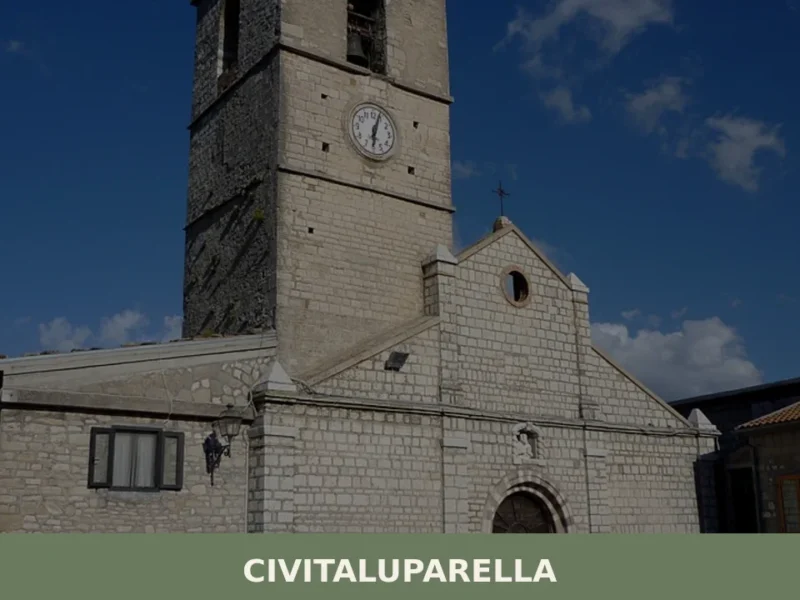
Civitaluparella
Mountain
At 903 metres above sea level, on the eastern slope of the Majella descending towards the Aventino river, Civitaluparella has 281 inhabitants spread across a compact urban core of medieval origin. The place name most likely derives from “Civitas Luparella”, a direct reference to the historical presence of wolves in the dense surrounding woodlands. Anyone […]
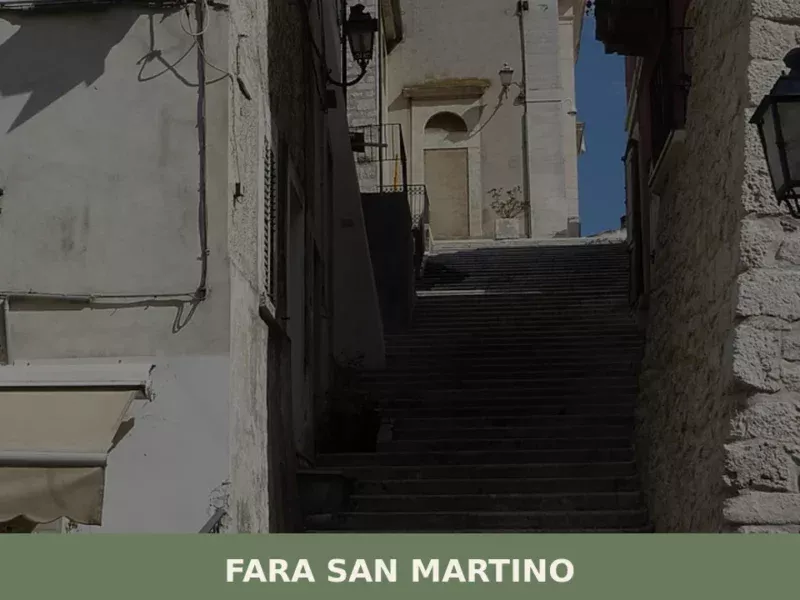
Fara San Martino
Hills
what to see in fara san martino, Italy. Explore its 440m altitude, the Abbey of San Martino in Valle, and its renowned pasta heritage. Discover Abruzzo now!
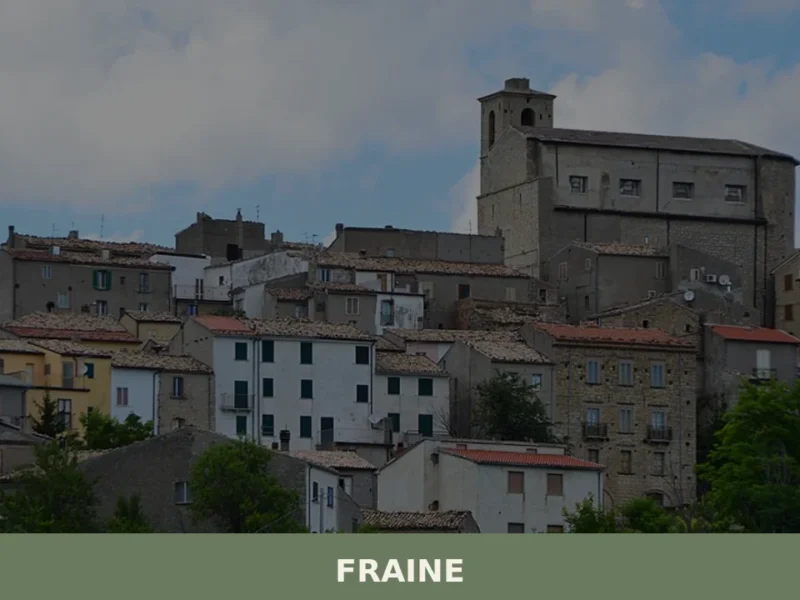
Fraine
Mountain
At 751 meters above sea level, in the Chieti area, lies Fraine, a municipality with a population of 261 inhabitants. This village, whose history dates back to the 10th-11th century, serves as an observation point over the Alto Vastese territory. For those wondering what to see in fraine, the town offers a journey through the […]
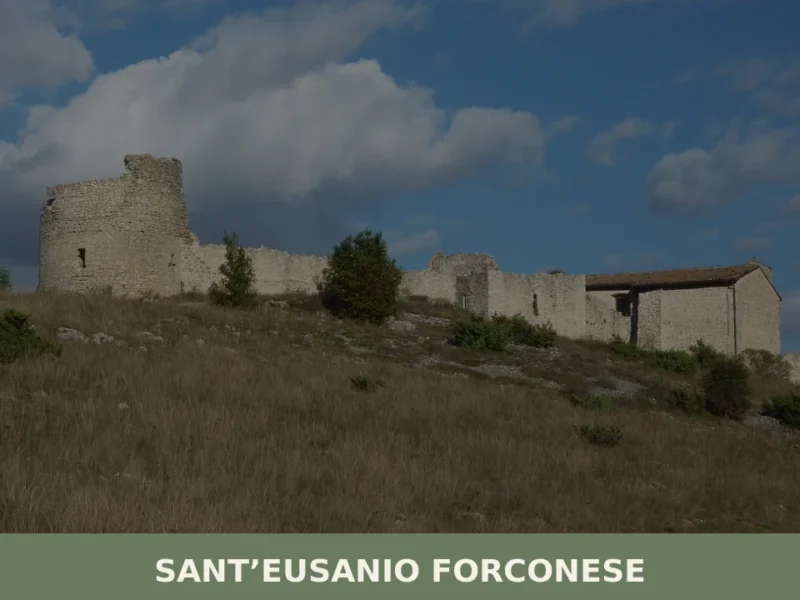
Sant’Eusanio Forconese
Mountain
What to see in Sant’Eusanio Forconese? Explore 5 main attractions of this Abruzzo village, from the Castle to panoramic views. Plan your visit with our guide!



🏡 Know Scontrone better than we do?
If you’re a local or have been there, your knowledge matters: add what’s missing or fix a detail on this page.