


Torano Nuovo
 Sea
Sea
What to see in Torano Nuovo: 5 attractions including historic village, churches and Abruzzo vineyards. Discover the complete guide to visit in one day.
Discover Torano Nuovo
The Val Vibrata descends toward the sea with a precise geometry: rows of vines arranged in terraces across the clay hills, white unpaved roads cutting through wheat fields, compact villages recognisable from afar by the bell tower rising above the roofline.
Torano Nuovo occupies one of these ridges in the province of Teramo, with just over 1,600 inhabitants and a position that looks east toward the Adriatic coast and west toward the first Apennine foothills.
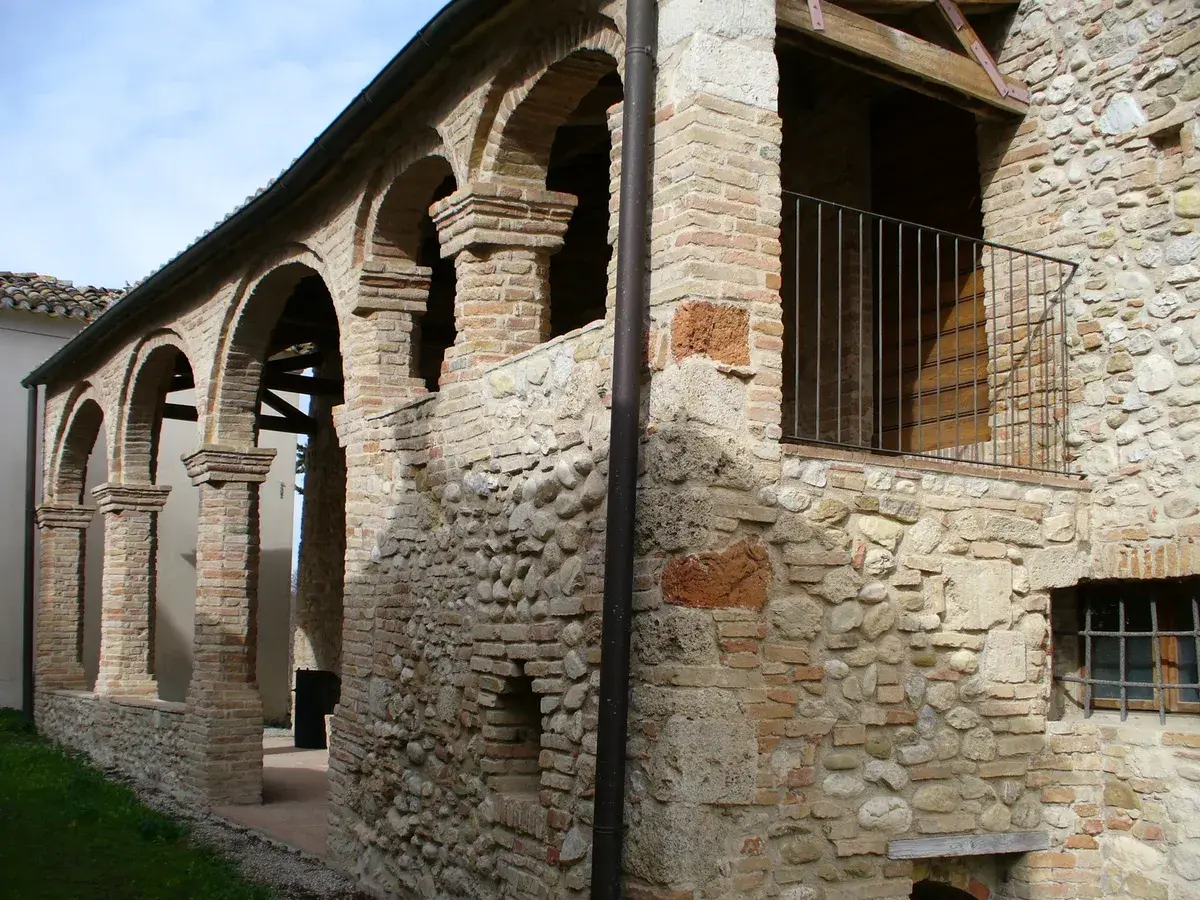
Limestone and brick alternate on the facades of the historic centre, built on a hilltop that still preserves the compact urban structure of a medieval village.
Anyone looking for guidance on what to see in Torano Nuovo will find a village that belongs to the Unione dei Comuni Città Territorio-Val Vibrata, an administrative body grouping together several municipalities in the Teramo area.
The old town centre, the main church, the vine-covered hill territory and the Abruzzese gastronomic tradition are the four pillars on which a visit is built.
Torano Nuovo is easily reached from the A14 motorway and can be explored in half a day, but the landscape setting of the Val Vibrata invites a longer stay, combining the visit with the nearby villages of the same valley.
History and origins of Torano Nuovo
The name Torano points to a Latin origin attested in the local place-name heritage of the Teramo area of Abruzzo. The root Taurus, found in several place names across central and southern Italy, traditionally denotes a height or elevated point of the territory, a characteristic that corresponds to the physical position of the village.
The adjective “Nuovo” distinguishes this settlement from other similarly named centres in the region, most likely signalling a founding or re-founding in the medieval period in relation to an earlier inhabited nucleus.
Historical documentation concerning the municipalities of the Val Vibrata places the settlement structure of these villages between the early Middle Ages and the Norman-Swabian period, when the reorganisation of the Abruzzese territory led to the formation of hilltop centres serving as control points over the roads and cultivated lands in the valley below.
During the thirteenth and fourteenth centuries, Torano Nuovo followed the political fortunes of Teramo Abruzzo, a territory contested among the great lordships of the Kingdom of Naples and subject to the changes of dominion that characterised the entire region between the Angevin and Aragonese periods.
The Val Vibrata, a natural corridor between the Apennine hinterland and the Adriatic coast, always played a role of transit and commercial exchange, and the villages dotting it — including Torano Nuovo — developed around this connecting function.
The walls of the historic centre, the layout of the main streets and the positioning of the parish church in relation to the central square all reflect the urban planning model of medieval rural municipalities in the Teramo area, in which public and religious space was organised in a functional manner around the highest and most defensible point of the hill.
In the modern era, Torano Nuovo underwent the economic and demographic transformations that affected all of inland Abruzzo between the nineteenth and twentieth centuries.
Viticulture remained the mainstay of the local economy, with vineyards still covering much of the hillside surrounding the village today. The phenomenon of emigration, which between the late nineteenth century and the mid-twentieth century depopulated many rural centres of Abruzzo, affected the demographics of Torano Nuovo just as it did those of the neighbouring municipalities.
Today the village has around 1,660 inhabitants and is part of the Unione dei Comuni Città Territorio-Val Vibrata, a shared services management body uniting several municipalities in the province of Teramo.
A similar historical trajectory, marked by the same balance between hill farming and community identity, also characterises Farindola, another Teramo municipality that preserves significant traces of Abruzzese medieval settlement.
What to See in Torano Nuovo: Main Attractions
Historic Centre and Medieval Urban Layout
The historic centre of Torano Nuovo develops along the summit of the hill with a narrow, elongated layout, characteristic of the hilltop villages of the Teramo area.
The façades of the oldest houses display local limestone worked into regular ashlar blocks, often plastered in later periods with lime mortar that today flakes away to reveal the original wall surfaces.
The main streets follow the contour lines of the hill, with transverse alleys descending steeply towards the outlying areas of the village.
Reading the urban layout makes it possible to recognise the medieval settlement logic: a main axis, the square with the church, and a series of private courtyards distributed on either side.
Those who walk through the historic centre on foot will appreciate the compactness of a village that has retained its original scale, with buildings rarely exceeding two storeys above ground.
Parish Church of Torano Nuovo
The parish church represents the architectural focal point of the village and the most recognisable visual landmark in the historic centre. The bell tower, built in brick with biforate openings on the upper floors, rises above the roofline of the houses and can be seen from the roads leading into the village from several kilometres away.
The façade of the church, facing the main square, features a carved stone portal that bears witness to the skills of the stonemasons active in the area between the sixteenth and seventeenth centuries.
The single-nave interior preserves decorative elements attributable to multiple construction phases, with lateral altars in stucco and canvases of religious subjects datable between the seventeenth and eighteenth centuries.
The square in front of the church serves as the village’s main public space and is the gathering place for patron saint festivities and civic celebrations.
Wine-Growing Landscape of the Val Vibrata
The municipal territory of Torano Nuovo is traversed by vineyards that occupy the hillside slopes facing east and south-east, with a favourable exposure that has allowed the development of viticulture documented since the medieval period. The Guyot-trained and low bush-trained rows alternate with olive groves and arable land, creating an agricultural mosaic that is an integral part of the Val Vibrata landscape.
From the summit of the village, the gaze takes in a territory that slopes down towards the valley floor of the Vibrata river and opens out again towards the Teramo coastal plain, with the strip of the Adriatic Sea visible on clear days.
Walking or cycling along the country lanes surrounding the village allows visitors to pass directly through the vineyards and understand the close relationship between the village and its agriculture.
The harvest period, between the end of September and the beginning of October, is the time when this relationship is most clearly evident.
Panorama Towards the Gran Sasso and the Adriatic Coast
Torano Nuovo occupies a privileged geographical position that allows, from the highest points of the village and from the roads surrounding it, two distinct landscapes to be taken in simultaneously. To the west, the buttresses of the Gran Sasso d’Italia stand out with their massive profile, with the summit of Corno Grande exceeding 2,900 m above sea level and remaining snow-covered for months during the cold seasons.
To the east, the Teramo coastal plain descends gradually towards the Adriatic, in a sequence of alluvial terraces rendered with great clarity in aerial photographs.
This dual vista — mountain and sea at comparable distances — is one of the most distinctive geographical characteristics of Torano Nuovo’s position within the province of Teramo.
The most effective viewpoints are found along the outer perimeter of the historic centre, where private gardens and public areas look out over the countryside below.
Routes in the Val Vibrata
The territory surrounding Torano Nuovo forms part of the hill system of the Val Vibrata, a river valley approximately 40 kilometres long that flows from the Apennine ridge down to its Adriatic mouth near Alba Adriatica. The network of municipal and country roads connecting the villages of the valley allows itineraries by car or bicycle that pass through agricultural landscapes interspersed with small historic settlements.
The Vibrata river, in its hilly stretch, flows through a relatively narrow valley floor with riparian vegetation of poplars and willows.
The villages overlooking the valley — including Torano Nuovo — follow one another just a few kilometres apart, making it possible to plan itineraries combining several stops in a single day.
Those wishing to explore the Teramo hinterland more thoroughly can combine their visit with a trip to Civitaquana, an Abruzzo municipality that shares with Torano Nuovo both its hilltop settlement structure and its ties to local viticulture.
Traditional cuisine and products of Torano Nuovo
The cuisine of the Torano Nuovo area belongs to the gastronomic tradition of the Teramano, one of the regions of Abruzzo with the most distinctive regional culinary identity. Over the centuries, the province of Teramo has developed a repertoire of dishes based on local agricultural and pastoral ingredients: durum wheat grown in the river plains, legumes from hillside vegetable gardens, sheep and pork meat from inland farms, seasonal vegetables and extra virgin olive oil produced by the olive groves of the foothill belt.
Torano Nuovo’s position at the heart of this territory makes it a point of direct access to this tradition, which can be found in private homes, in the trattorias of neighbouring villages and at the weekly markets of the valley.
Among the documented dishes of the Teramano tradition also found in the Val Vibrata area, sagne ‘ncannulate represent a hand-made fresh egg pasta format with a characteristic twist that allows the pasta to hold the sauce.
The traditional sauce is made with lamb or pork, slow-cooked with tomato and herbs.
Chickpea soup with short pasta and rosemary is another dish deeply rooted in local peasant cooking, prepared with dried legumes grown in the area’s vegetable gardens. Pallotte cace e ove, meatballs made from aged pecorino cheese and eggs, fried or cooked in tomato sauce, are considered one of the most representative preparations of Teramano cucina povera, born out of the need to make the most of basic ingredients available in any rural household.
The aged pecorino produced in the area, though without specific certifications for the municipality of Torano Nuovo, is an integral part of the local table and is consumed both as a cooking ingredient and as a table cheese in its more advanced stages of ageing.
The official certifications database shows no DOP, IGP, PAT or DOC products specifically attributed to the municipal territory of Torano Nuovo.
Local viticulture does, however, contribute to wine production in the Teramano area, and the village’s winemaking tradition forms part of the broader picture of hillside viticulture in the province.
Those visiting the area in autumn, between September and November, will find markets and agricultural fairs in the towns of the Val Vibrata where local products — new wine, olive oil, legumes, aged cheeses — are sold directly by producers.
For up-to-date information on gastronomic events and local markets, it is useful to consult the Torano Nuovo Municipal website or the portals of the Unione dei Comuni della Val Vibrata.
The gastronomy of the area also lends itself to comparisons with the neighbouring villages of the Teramano province.
In Catignano, an Abruzzo municipality also set within the hilly landscape of the province of Pescara, the tradition of fresh egg pasta and field-grown legumes follows canons very similar to those documented in the Teramano hinterland, a sign of a gastronomic continuity that crosses provincial boundaries along the entire Abruzzo foothill belt.
Festivals, events and traditions of Torano Nuovo
Religious celebrations mark the community calendar of Torano Nuovo, as in all rural centres of the Teramano area of Abruzzo.
The patron saint’s feast, linked to the titular saint of the parish church, is celebrated with a solemn mass, a procession through the streets of the historic centre and moments of collective gathering which, in small villages, still represent today an opportunity for residents and emigrated families who return for the occasion to come together.
The month of August traditionally concentrates the greatest number of summer events in the municipalities of the Val Vibrata, with local food festivals, open-air concerts and folkloristic events organised by local pro loco associations.
The grape harvest, while not a codified festival with a formal name, represents a moment of great social and working vitality for the territory of Torano Nuovo, where viticulture occupies a significant share of the municipal agricultural land.
On September and October weekends, local wineries open to the public and the paths through the vineyards come alive with activities related to the grape harvest.
For precise dates of patron saints’ feasts and food festivals scheduled for the current year, it is necessary to check the calendar on the Municipal website or to contact the Torano Nuovo pro loco, as dates may vary from year to year.
When to Visit Torano Nuovo and How to Get There
The most favourable time to visit Torano Nuovo falls between May and June, when the surrounding countryside is in full growing season with the vineyards in bloom and temperatures still mild, and between September and October, during the grape harvest. High summer, between July and August, brings an increase in tourist traffic along the Teramo Adriatic coast, but the hilltop village remains quieter and the temperatures, though high, are tempered by the altitude and valley breezes.
Winter offers crisp landscapes with the snow-capped Gran Sasso clearly visible on the horizon, though some local services may have reduced hours. Those who prefer itineraries away from peak season will find spring and autumn the most balanced combination of climate, agricultural scenery and availability of local produce.
To reach Torano Nuovo by car, the main connection is via the A14 Adriatica motorway, exiting at the Val Vibrata toll gate, approximately 10 kilometres from the village.
From there, you continue inland following State Road 259, which runs up through the valley.
From Teramo, the provincial capital, the distance is approximately 30 kilometres, covered in under 40 minutes.
The nearest railway station is at Alba Adriatica-Tortoreto, on the Adriatic Bologna–Lecce line operated by Trenitalia; from the station you will need to continue by private transport or local public transport to reach the village. The nearest airport is Pescara, located approximately 60 kilometres away, with a motorway connection via the A14. For up-to-date timetables and fares for local public transport, it is advisable to check the Abruzzo Region website or the Municipality’s official website directly.
| Departure point | Distance | Estimated time |
|---|---|---|
| A14 Val Vibrata toll gate | approx. 10 km | approx. 15 minutes |
| Teramo (provincial capital) | approx. 30 km | approx.
35–40 minutes |
| Pescara Airport | approx. 60 km | approx. 50–60 minutes |
| Alba Adriatica-Tortoreto Station | approx. 12 km | approx. 20 minutes by car |
Those planning a broader itinerary through inland Abruzzo can combine what to see in Torano Nuovo with a stop at Lecce nei Marsi, an Abruzzo municipality that offers a different landscape setting — that of the Abruzzo, Lazio and Molise National Park — while sharing with the villages of the Val Vibrata the community structure typical of small rural centres. The distance between the two areas is approximately 100 kilometres, covered in around an hour and a half via Abruzzo’s inland road network, making a two-day itinerary possible that crosses the region’s diverse geographical identities.
Frequently asked questions about Torano Nuovo
What is the best time to visit Torano Nuovo?
The ideal time to visit Torano Nuovo is during spring (April-May) and autumn (September-October). These periods offer pleasant weather perfect for exploring the historic centre and enjoying walks or bike rides through the scenic vineyards of Val Vibrata. Autumn, specifically late September to early October, is particularly evocative as it coincides with the grape harvest, showcasing the village's deep connection to viticulture. For a cultural experience, consider visiting on November 24th, the feast day of San Flaviano, the patron saint, when local traditions are celebrated.
What to see in Torano Nuovo? Main monuments and landmarks
In Torano Nuovo, begin your visit by exploring the compact Historic Centre, a well-preserved medieval urban layout with limestone and brick facades. The Parish Church of Torano Nuovo is the architectural focal point, identifiable by its brick bell tower and an impressive carved stone portal from the 16th-17th centuries. Don't miss the panoramic views from the village's highest points, offering a dual vista of the majestic Gran Sasso d'Italia to the west and the Adriatic Sea to the east. The surrounding Wine-Growing Landscape of the Val Vibrata, with its terraced vineyards, is also a key attraction.
What are the main natural or scenic attractions of Torano Nuovo?
Torano Nuovo's primary natural and scenic attractions revolve around its unique geographical position. The Wine-Growing Landscape of the Val Vibrata, with its terraced vineyards, olive groves, and arable land, offers picturesque routes for walking or cycling. From the village, you can enjoy a breathtaking Panorama Towards the Gran Sasso and the Adriatic Coast, a rare dual vista of towering mountains and the distant sea. The Vibrata river valley itself, with its riparian vegetation, provides a tranquil setting for those exploring the area by car or bicycle.
Where to take the best photos in Torano Nuovo?
For the most captivating photos in Torano Nuovo, head to the outer perimeter of the historic centre. Public areas and private gardens here offer privileged viewpoints overlooking the Val Vibrata, capturing the sweeping landscape of vineyards, olive groves, and the distant Adriatic Sea. On clear days, you can frame the dramatic profile of the Gran Sasso d'Italia to the west, alongside the coastal plain to the east. The bell tower of the Parish Church, visible from various approaches to the village, also makes for an iconic shot against the backdrop of the Abruzzese hills.
Are there museums, churches or historic buildings to visit in Torano Nuovo?
Yes, Torano Nuovo offers notable historic structures. The Parish Church of Torano Nuovo is the main religious edifice, featuring an elegant 16th-17th century carved stone portal and a distinctive brick bell tower. Its single-nave interior houses altars and canvases from the 17th-18th centuries. The entire Historic Centre functions as an open-air museum, showcasing a remarkably preserved medieval urban layout with characteristic limestone and brick facades, narrow alleys, and a compact architectural style that reflects centuries of history. No specific museums are mentioned in the provided data.
What can you do in Torano Nuovo? Activities and experiences
In Torano Nuovo, you can immerse yourself in the local culture and landscape. Explore the historic centre on foot, admiring its medieval architecture and the Parish Church. Engage in active tourism by walking or cycling along the country lanes that traverse the Wine-Growing Landscape of the Val Vibrata, particularly scenic during the grape harvest in late September/early October. Enjoy the unique panoramic views of both the Gran Sasso mountains and the Adriatic Sea. You can also plan car or bicycle itineraries to explore other nearby villages within the Val Vibrata, experiencing the rich Abruzzese gastronomic tradition along the way.
Who is Torano Nuovo suitable for? Families, couples, hikers, solo travelers?
Torano Nuovo is ideal for travelers seeking an authentic Italian village experience, away from mass tourism. It appeals to couples and solo travelers interested in history, local culture, and genuine Abruzzese gastronomy. Hikers and cyclists will appreciate the gentle routes through the vine-covered Val Vibrata landscape. Families looking for a quiet, educational trip can explore the medieval historic centre and enjoy the scenic panoramas. It's a perfect destination for those who wish to combine a leisurely visit with exploring the surrounding Teramo hinterland and its renowned food and wine heritage.
What to eat in Torano Nuovo? Local products and specialties
The cuisine of Torano Nuovo is deeply rooted in the rich gastronomic tradition of the Teramano area. Visitors can savor dishes prepared with local agricultural and pastoral ingredients. Expect specialties featuring durum wheat from river plains, legumes from hillside gardens, and high-quality sheep and pork meats from inland farms. Seasonal vegetables and robust extra virgin olive oil, produced by local olive groves, are foundational to the regional diet. Given the extensive vineyards, local wines, particularly those from the Val Vibrata, are a must-try, perfectly complementing the traditional Abruzzese flavors.
📷 Photo Gallery — Torano Nuovo
Nearby Villages near Torano Nuovo
In Abruzzo More villages to discover

Arsita
 Hills
Hills
Until 1905, this village was called Bacucco, a name likely derived from the Latin bacuca, which referred to olives that had fallen to the ground — a direct reference to the agricultural character of the area. Situated at 470 metres above sea level on the hills of the Teramo province, Arsita and its 733 inhabitants […]
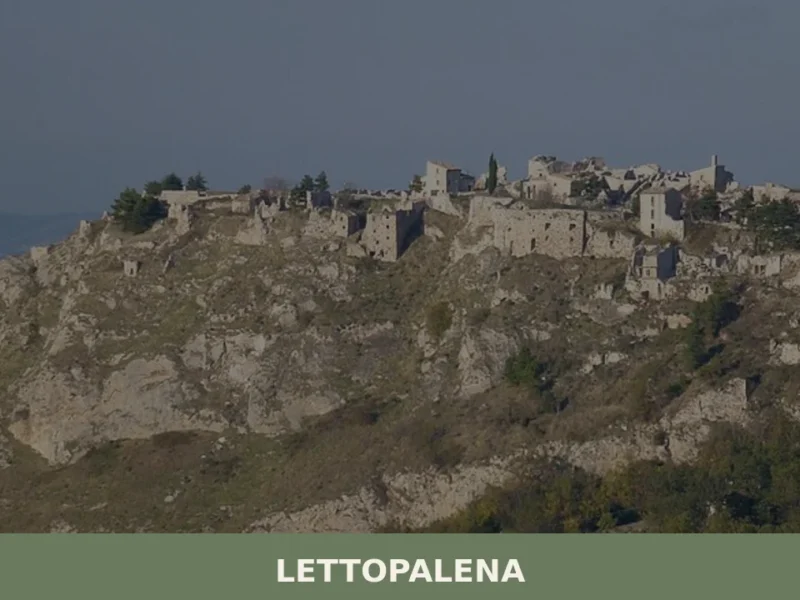
Lettopalena
 Mountain
Discover the charm of Lettopalena Village in Abruzzo, Italy. Explore its rich history, culture, and scenic beauty. Plan your visit to this hidden Italian gem today!
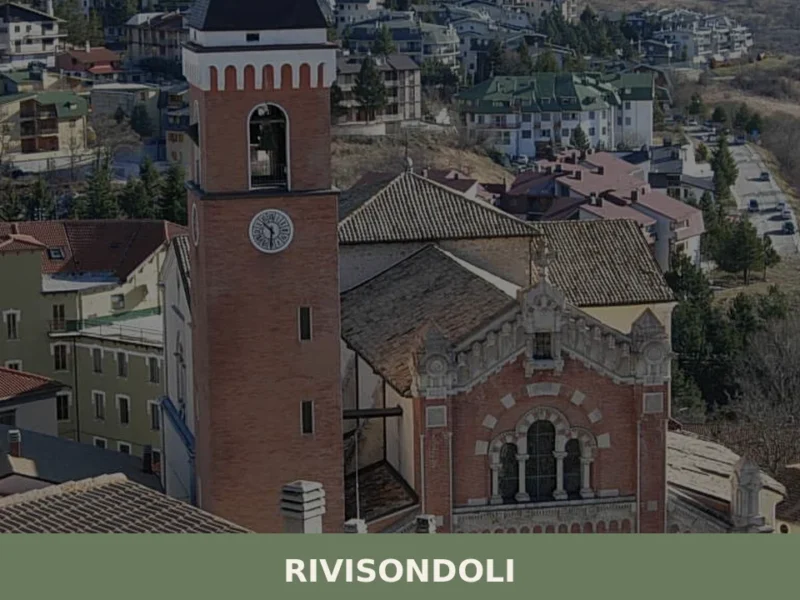
Rivisondoli
Mountain
What to see in Rivisondoli, Italy: ski slopes, medieval history since 724 AD, and mountain cuisine. Explore this 684-resident Abruzzo village. Discover it now.

Casalincontrada
Hills
What to see in Casalincontrada, Abruzzo, Italy: 3 historic monuments, a 14th-century city gate and Baroque church. Discover the best of this Chieti village.
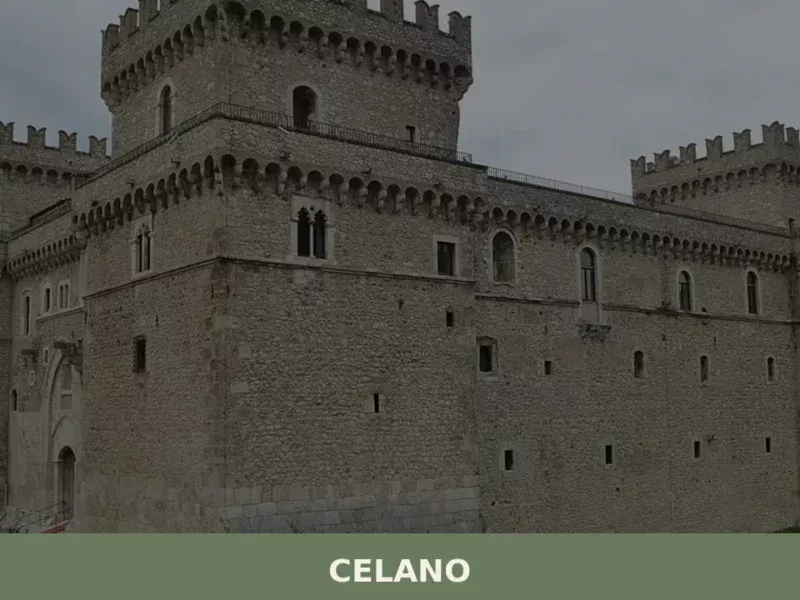
Celano
Mountain
The Castello Piccolomini in Celano, with its four corner towers and curtain wall enclosing a perimeter of over one hundred metres, commands the Fucino plain from an altitude of 840 metres. Anyone wondering what to see in Celano will find an unequivocal starting point here: a fortress that has endured six centuries of history, earthquakes […]
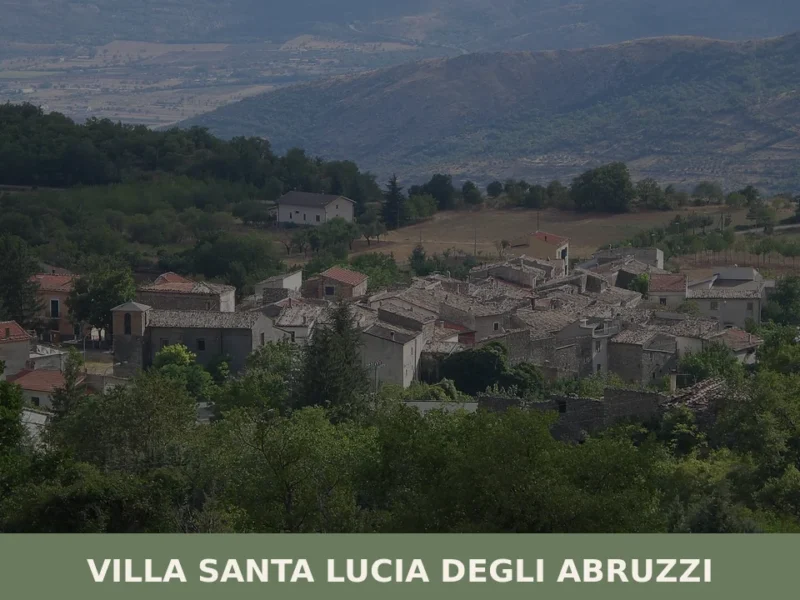
Villa Santa Lucia degli Abruzzi
Mountain
what to see in villa santa lucia degli abruzzi, Italy. With 76 residents, explore its Gran Sasso park setting and unique demographic profile. Discover this Abruzzo village.
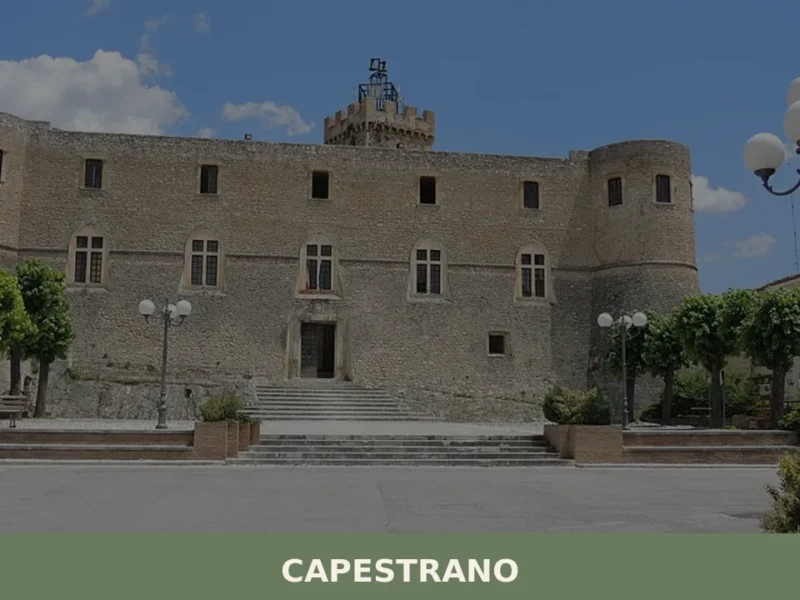
Capestrano
Hills
What to see in Capestrano? Discover the 5 top attractions, from Piccolomini Castle to the Warrior statue. Plan your visit to this Abruzzo village.
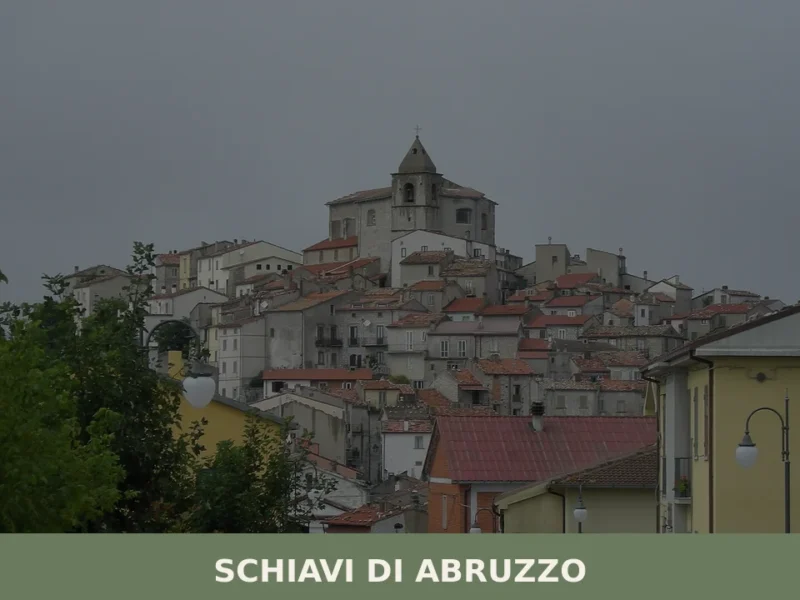
Schiavi di Abruzzo
Mountain
What to see in Schiavi di Abruzzo, Italy: Italic temples from 3 BC, a hilltop at 1,170 m, and a local dialect. Discover the complete travel guide for Abruzzo.

Castel Frentano
Hills
What to see in Castel Frentano, Italy: 5 top attractions, bocconotto dessert, 14th-century walls & WWII history. Discover this Chieti province village in Abruzzo.
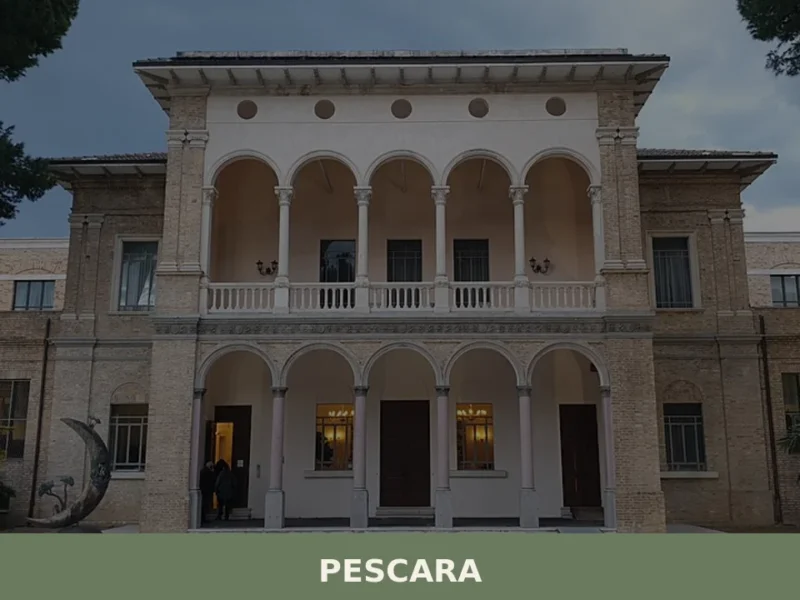
Pescara
Sea
In Pescara, where the Aterno river meets the Adriatic, the city stretches across a coastal plain just 4 metres above sea level. Its forked layout, divided by the watercourse that once served as its natural boundary, has shaped the identity of this centre of nearly 119,000 inhabitants in the province of the same name. On […]





🏡 Know Torano Nuovo better than we do?
If you’re a local or have been there, your knowledge matters: add what’s missing or fix a detail on this page.