


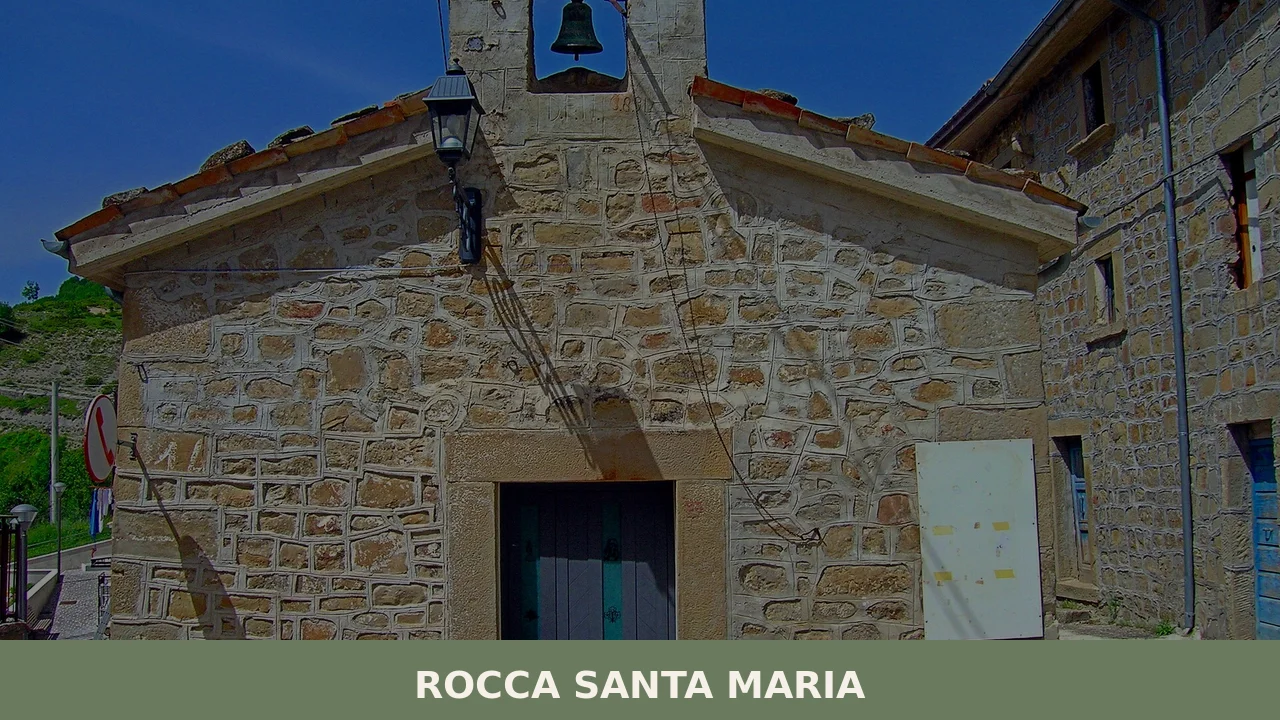
Rocca Santa Maria
 Mountain
what to see in rocca santa maria, Italy. Explore a village of 560 inhabitants within Gran Sasso e Monti della Laga National Park. Discover its mountain frazioni and natural beauty.
Discover Rocca Santa Maria
The Gran Sasso e Monti della Laga National Park, a vast expanse of rugged peaks and high-altitude pastures, surrounds the scattered settlements of Rocca Santa Maria. This comune, located in the province of Teramo in eastern Abruzzo, Italy, presents a landscape where human presence is intimately woven into the natural environment.
Its municipal seat, the frazione of Imposte, serves as a central point for the community residing across this diverse mountain territory.
Cosa vedere a Rocca Santa Maria
For those wondering what to see in Rocca Santa Maria, this Italian comune of 560 inhabitants offers an immersive experience within the Gran Sasso e Monti della Laga National Park.
Visitors can explore the administrative heart in the frazione of Imposte, discover other smaller hamlets like Martese and Serra, and engage with the rich natural environment surrounding them. The Rocca Santa Maria highlights include opportunities for outdoor activities and a glimpse into traditional mountain life, which is central to understanding what to see in Rocca Santa Maria.
Storia di Rocca Santa Maria
Le origini di Rocca Santa Maria sono profondamente legate al suo ambiente montano, caratterizzato da insediamenti sparsi che riflettono l’adattamento delle comunità al territorio. La sua storia si è sviluppata all’interno del contesto della provincia di Teramo, con un’economia tradizionale basata sull’agricoltura e la pastorizia, prima dell’istituzione del Parco Nazionale.
History of Rocca Santa Maria
Rocca Santa Maria, situated within the mountainous terrain of Abruzzo, has evolved as a comune in the province of Teramo, eastern Italy.
Like many settlements in this region, its historical development is intrinsically linked to its challenging yet resource-rich environment. The formation of scattered hamlets, or frazioni, became a characteristic pattern for human habitation in these elevated areas, reflecting the need for communities to adapt to the landscape while leveraging agricultural and pastoral opportunities. This decentralised structure allowed for a resilient presence across a broader, often difficult, territory, offering visitors an authentic glimpse of what to see in Rocca Santa Maria today.
The administrative structure of Rocca Santa Maria, with its municipal seat established in the frazione of Imposte, underscores a typical Italian model of local governance where smaller communities are grouped under a central authority.
This arrangement has facilitated the coordination of services and the preservation of shared heritage across its various settlements.
A significant modern development in the comune‘s history was its inclusion within the Gran Sasso e Monti della Laga National Park, officially established in 1991, which has profoundly influenced its economic and environmental trajectory. This designation brought both protections and opportunities, shaping the village’s identity as a gateway to a vast protected wilderness.
Come arrivare a Rocca Santa Maria
Rocca Santa Maria è raggiungibile principalmente in auto. Si consiglia di percorrere l’autostrada A24 (Roma-Teramo) o A14 (Bologna-Taranto) uscendo a Teramo e proseguendo poi su strade provinciali in direzione del Parco Nazionale del Gran Sasso e Monti della Laga. La sede comunale, la frazione di Imposte, è un buon punto di riferimento per l’orientamento. Si raccomanda di verificare le condizioni delle strade in inverno a causa delle nevicate.
Cucina tipica e prodotti locali di Rocca Santa Maria
La cucina di Rocca Santa Maria rispecchia la tradizione montana abruzzese, con piatti robusti e genuini. Tra le specialità si possono trovare formaggi di pecora e capra, salumi artigianali e l’uso di erbe spontanee del Gran Sasso e Monti della Laga. Non mancano piatti a base di legumi e carni locali, spesso accompagnati da polenta o pane casereccio, testimoni di un’antica cultura agro-pastorale.
Today, Rocca Santa Maria maintains its identity as a small mountain comune with a population of 560 inhabitants, continuing traditions of life in the Abruzzese Apennines. Its existence within the national park positions it as a site of ecological importance and a destination for those seeking natural landscapes.
The village’s history, though not marked by grand battles or famous figures in the provided sources, is a testament to the enduring presence of communities adapting to and thriving within Italy’s rugged interior, much like nearby Castiglione Messer Marino, another inland village in Abruzzo.
What to see in Rocca Santa Maria, Abruzzo: top attractions
Gran Sasso e Monti della Laga National Park
The Gran Sasso e Monti della Laga National Park, where Rocca Santa Maria is located, is one of Italy’s largest protected areas, spanning approximately 1,500 km² (580 sq mi).
Established in 1991, this park encompasses diverse ecosystems ranging from alpine meadows to ancient beech forests and deep canyons. Its imposing peaks, including Corno Grande, which reaches 2,912 m (9,554 ft) as the highest point in the Apennines, offer dramatic vistas and challenging trails. Visitors arriving in Rocca Santa Maria gain direct access to this expansive natural environment, ideal for hiking and wildlife observation throughout the warmer months.
Rocca Santa Maria (The Comune)
Exploring Rocca Santa Maria as a whole means understanding its identity as a collection of frazioni, rather than a single urban core, which is central to understanding what to see in Rocca Santa Maria.
This comune, home to 560 inhabitants, spreads across a varied mountainous terrain, offering views of the surrounding Gran Sasso e Monti della Laga National Park. Each hamlet contributes to the overall character, preserving elements of traditional Abruzzese architecture and a way of life that has adapted to the mountain environment over centuries.
Visitors can drive between these small settlements, observing the distinctive local stone constructions and the expansive natural panoramas that define the area.
Imposte (Municipal Seat)
The frazione of Imposte serves as the administrative heart of Rocca Santa Maria, functioning as the municipal seat for the entire comune.
As such, it typically houses the central civic offices and may feature a modest main square, which historically served as a gathering point for residents from across the scattered hamlets. While specific architectural landmarks are not detailed in the sources, Imposte embodies the functional core of the comune, managing local affairs for its 560 inhabitants. A visit here offers insight into the practical governance and community life of a small mountain village in Abruzzo.
Martese (Frazione)
Martese is identified as one of the constituent frazioni that collectively form the comune of Rocca Santa Maria, contributing to its total population of 560 residents. Situated within the expansive Gran Sasso e Monti della Laga National Park, this hamlet shares the characteristic mountain setting of the wider municipality. While specific historical or architectural details for Martese are not provided in the primary sources, its presence underscores the dispersed settlement pattern typical of this rugged Abruzzese region.
Visitors can experience the quiet solitude of these smaller communities and their deep connection to the surrounding natural landscape.
Serra (Rocca Santa Maria)
Serra, another frazione listed as part of Rocca Santa Maria, also lies within the geographical boundaries of the Gran Sasso e Monti della Laga National Park.
Like Martese, it represents one of the smaller, often historic, nuclei that comprise the greater comune with its 560 inhabitants. The hamlets of Rocca Santa Maria, including Serra, are characterised by their integration into the natural environment, often featuring stone buildings that blend with the local geology. Exploring these individual settlements provides a broader understanding of the traditional rural fabric of the Abruzzo region.
Local food and typical products of Rocca Santa Maria
The provided authoritative sources do not detail specific local food or typical products directly attributable to Rocca Santa Maria. However, Rocca Santa Maria, as a mountain comune in Abruzzo, exists within a region celebrated for its robust and traditional gastronomy. Abruzzese cuisine is often characterised by hearty dishes that reflect its pastoral and agricultural heritage, focusing on ingredients sourced directly from the mountains and valleys.
This regional culinary identity provides a general context for understanding the potential gastronomic offerings in the area, even if specific local specialities for Rocca Santa Maria are not documented.
For those exploring what to see in Rocca Santa Maria, understanding this broader context can enhance the visit.
Across Abruzzo, common culinary staples include various preparations of lamb and mutton, often slow-cooked with mountain herbs or roasted. Sheep’s milk cheeses, such as Pecorino, a hard, salty cheese aged for several months, are also prevalent and form a significant part of the regional diet. Pasta dishes, handmade and often seasoned with rich meat sauces or seasonal vegetables, are a cornerstone of meals. While these are not specific to Rocca Santa Maria, they represent the broader culinary landscape that visitors might expect to encounter in the surrounding areas of the province of Teramo.
The available sources do not list any certified products (such as DOP or IGP) specifically associated with Rocca Santa Maria.
The focus here remains on the wider regional traditions rather than unique, documented specialities from this particular comune. Visitors seeking specific gastronomic experiences may find broader Abruzzese products in larger towns within the Teramo province, which are known for their agricultural output. The absence of specific mentions in the provided data underscores the village’s primary identity as a gateway to natural landscapes rather than a culinary hub.
Festivals, events and traditions of Rocca Santa Maria
Specific festivals, events, or traditions for Rocca Santa Maria are not detailed within the provided authoritative sources.
However, communities throughout Abruzzo, particularly in mountain areas, typically observe a calendar of religious celebrations and agricultural festivals. These events often include processions honoring patron saints, local markets, and traditional gatherings that reflect the rhythms of rural life. While Rocca Santa Maria’s unique observances are not documented, the general cultural framework of the region suggests a connection to heritage.
These traditions often serve to reinforce community bonds and celebrate local identity.
Many Abruzzese villages host summer sagre, traditional local food festivals, which celebrate seasonal produce or specific regional dishes. Patron saint feast days, often occurring between May and September, are also widely observed with local fanfare, music, and sometimes fireworks. These regional customs offer a glimpse into the broader cultural fabric of Abruzzo. For visitors to Rocca Santa Maria, exploring nearby towns might offer opportunities to experience these vibrant local traditions, providing a deeper understanding of the area’s social customs.
When to visit Rocca Santa Maria, Italy and how to get there
The best time to visit Abruzzo, and specifically Rocca Santa Maria, largely depends on the desired activities.
For exploring the Gran Sasso e Monti della Laga National Park, late spring through early autumn (May to October) offers ideal conditions for hiking, nature walks, and enjoying the mountain scenery, a different experience compared to the coastal areas such as Alba Adriatica.
Temperatures are generally mild, and the trails are accessible. Winter brings snow, transforming the landscape into a destination for winter sports enthusiasts, though specific facilities in Rocca Santa Maria are not detailed. The terrain in and around the comune is mountainous, with varying elevations, which implies paths may be steep and uneven, requiring appropriate footwear.
Reaching Rocca Santa Maria, Abruzzo, Italy, typically requires travel by car, given the limited public transport to smaller mountain villages. From Rome, the journey covers approximately 170 km (106 mi) and takes around 2 hours and 30 minutes via the A24 motorway, with exits at Teramo or Colledara leading to local roads. The nearest major train station is in Teramo, located about 30 km (18.6 mi) away, necessitating a local bus or taxi for onward travel.
For international visitors, Abruzzo Airport (PSR) in Pescara is the closest at approximately 90 km (56 mi), while Rome Fiumicino (FCO), roughly 190 km (118 mi) away, offers broader international connections.
Visitors should note that English may be limited in smaller shops and eateries, so carrying some basic Italian phrases or a translation app can be helpful.
It is also advisable to carry some Euros cash, as card payments may not be universally accepted in very small establishments. After exploring what to see in Rocca Santa Maria, travellers might consider extending their visit to other unique Abruzzese destinations such as Villavallelonga, which is also situated within a national park and offers similar opportunities for nature engagement and mountain exploration.
📷 Photo Gallery — Rocca Santa Maria
Getting there
Contrada Imposte, 64010 Rocca Santa Maria (TE)
Nearby Villages near Rocca Santa Maria
In Abruzzo More villages to discover
San Buono
 Hills
Hills
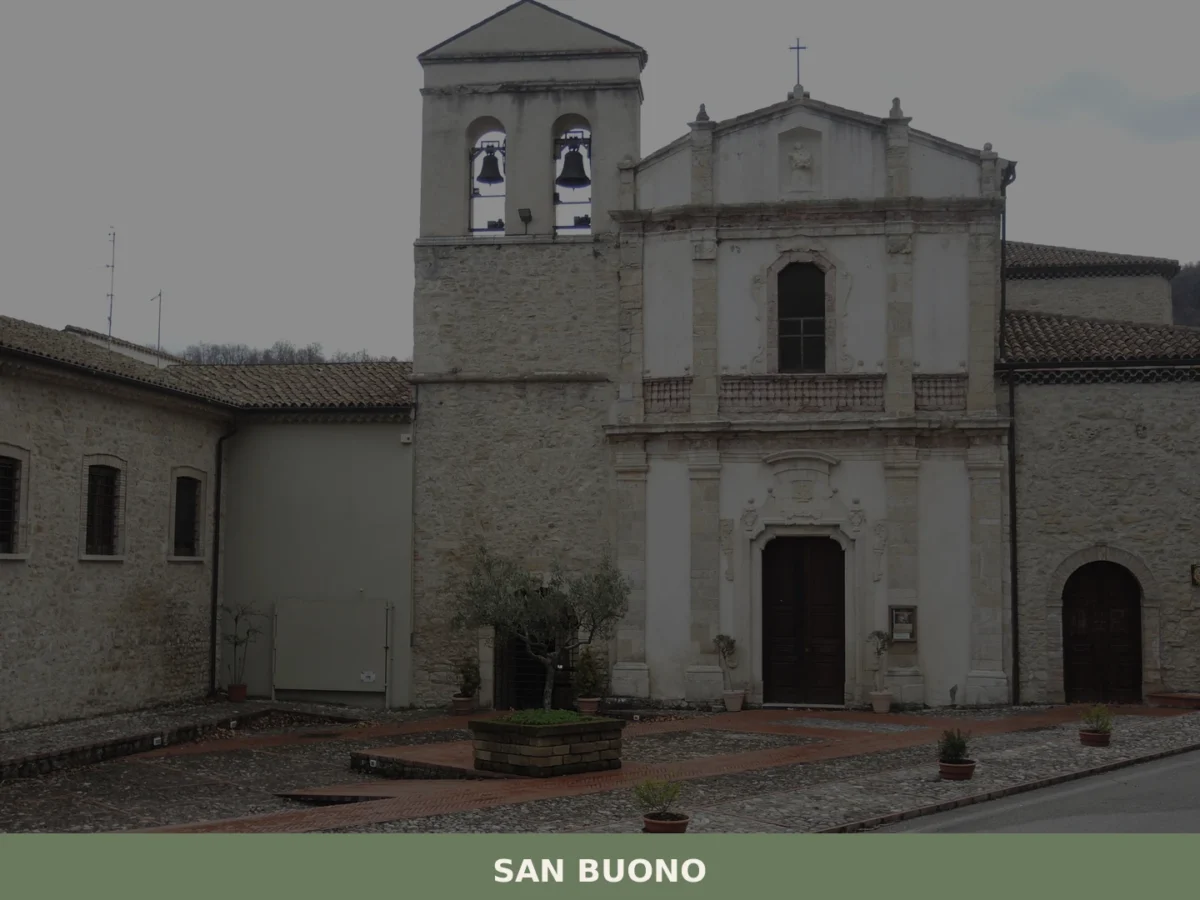
What to see in San Buono? Explore our complete guide to this Abruzzo village (1,010 residents), rich in history and nature. Plan your visit now!
Poggiofiorito
 Sea
Sea
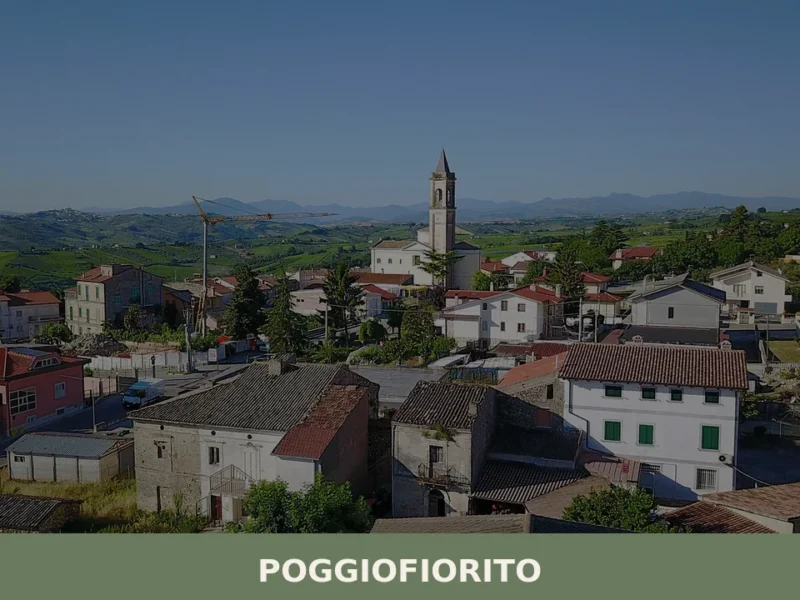
What to see in Poggiofiorito: 5 attractions in this Abruzzo village, from the main church to the historic centre. Discover the complete visitor's guide.
Villa Santa Maria
Mountain
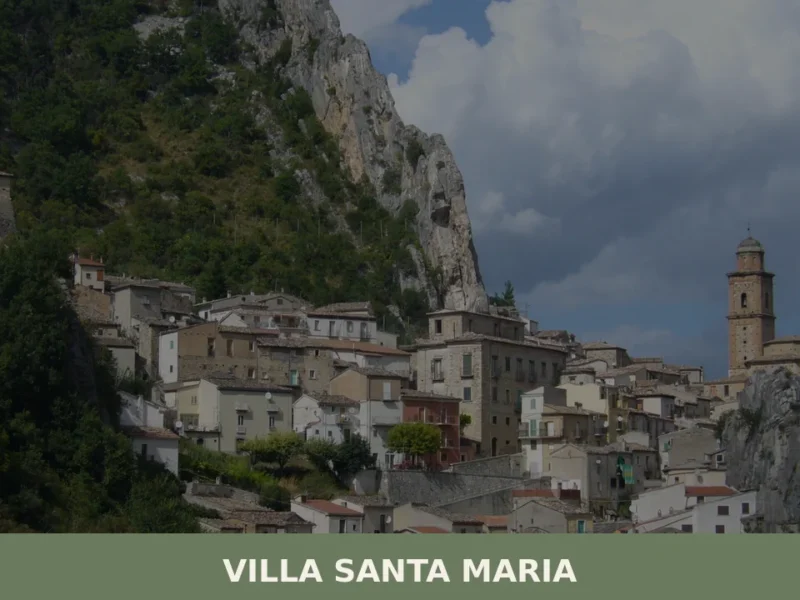
What to see in Villa Santa Maria, Abruzzo, Italy: explore 5 top attractions, local cuisine, and the legacy of Saint Francis Caracciolo. Discover this village of 1,431 inhabitants.
Campli
Hills
What to see in Campli, Abruzzo, Italy: explore the Scala Santa, the Farnese archaeological museum, and the August porchetta festival in this village of 7,167 inhabitants. Discover it all.
Introdacqua
Mountain
At 642 metres above sea level, at the exact point where three watercourses — the Gizio, the Nera and the San Callisto — converge in the Peligna valley, stands Introdacqua, whose Latin name Intro Acquas records this confluence of waters. The village has a current population of 2,117 and retains an urban layout reflecting at […]
Filetto
Hills
Filetto, a settlement of 854 inhabitants, is located at 403 meters above sea level in the heart of the province of Chieti. This settlement, documented in historical sources dating its presence back to the medieval era, extends across a hill overlooking the Foro Valley. Its urban layout reflects the layering of different periods, with buildings […]
Casalanguida
Hills
With its 818 registered inhabitants and an elevation of 470 metres above sea level, Casalanguida occupies a hilltop ridge in the middle Sinello valley, in the province of Chieti. The municipal territory extends across vineyards and olive groves that mark the landscape with regular geometric patterns, visible from the provincial road that climbs up from […]
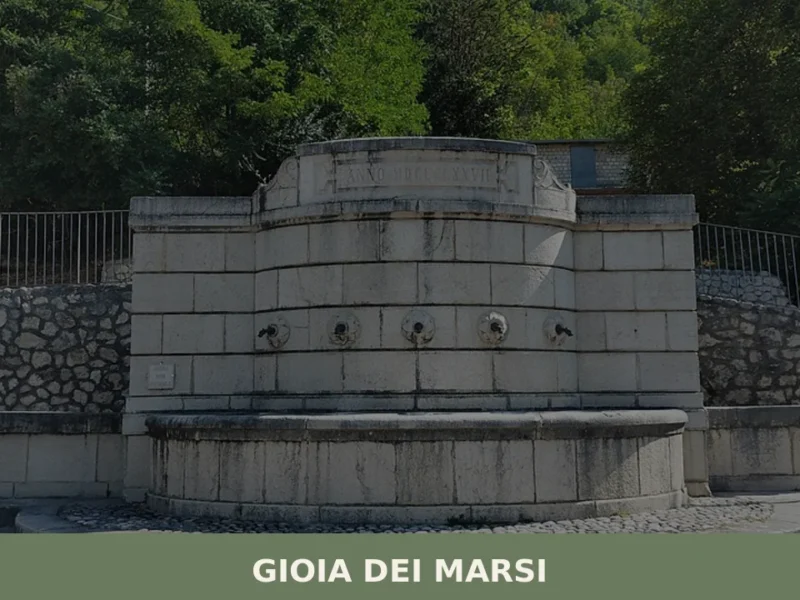
Gioia dei Marsi
Mountain
Gioia dei Marsi has a population of 2,091 and sits at 725 metres above sea level on the eastern edge of the Fucino, the plain that until 1875 was the largest lake in peninsular Italy. The draining of the lake radically transformed the economy and landscape of this Marsican settlement, shifting its centre of gravity […]
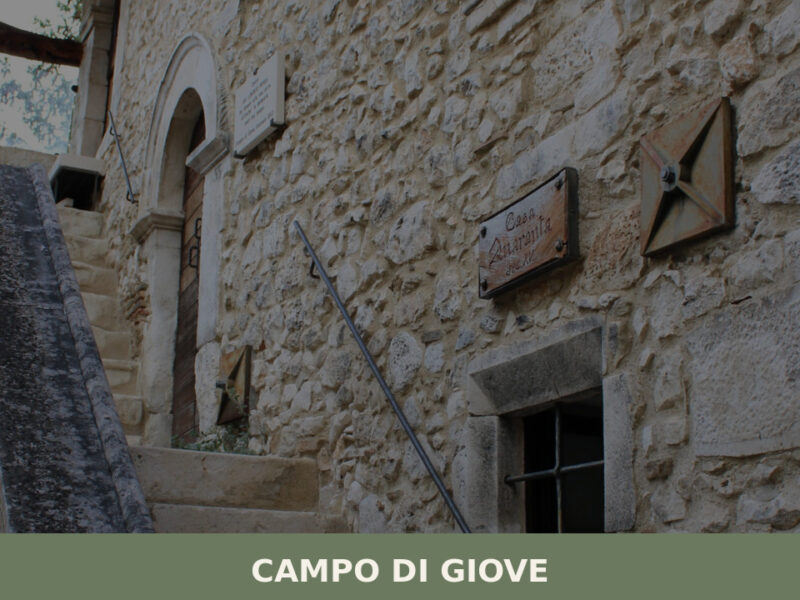
Campo di Giove
Mountain
A mountain village at 1,064 metres beneath the Majella massif. Discover what to see in Campo di Giove — medieval stone houses, highland pastures, and quiet trails.
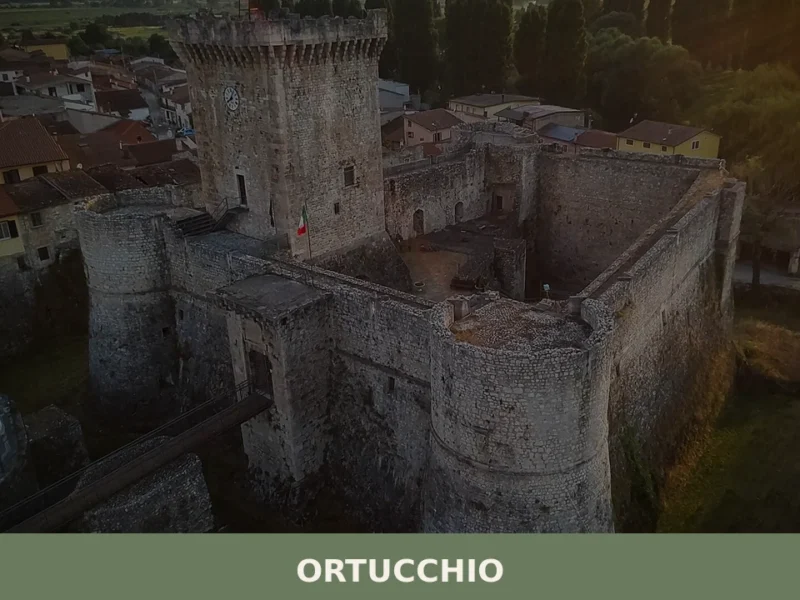
Ortucchio
Mountain
What to see in Ortucchio? Explore Piccolomini Castle and the historic center. Discover the natural beauty of this Marsican village in Abruzzo. Plan your visit!
🏡 Know Rocca Santa Maria better than we do?
If you’re a local or have been there, your knowledge matters: add what’s missing or fix a detail on this page.