


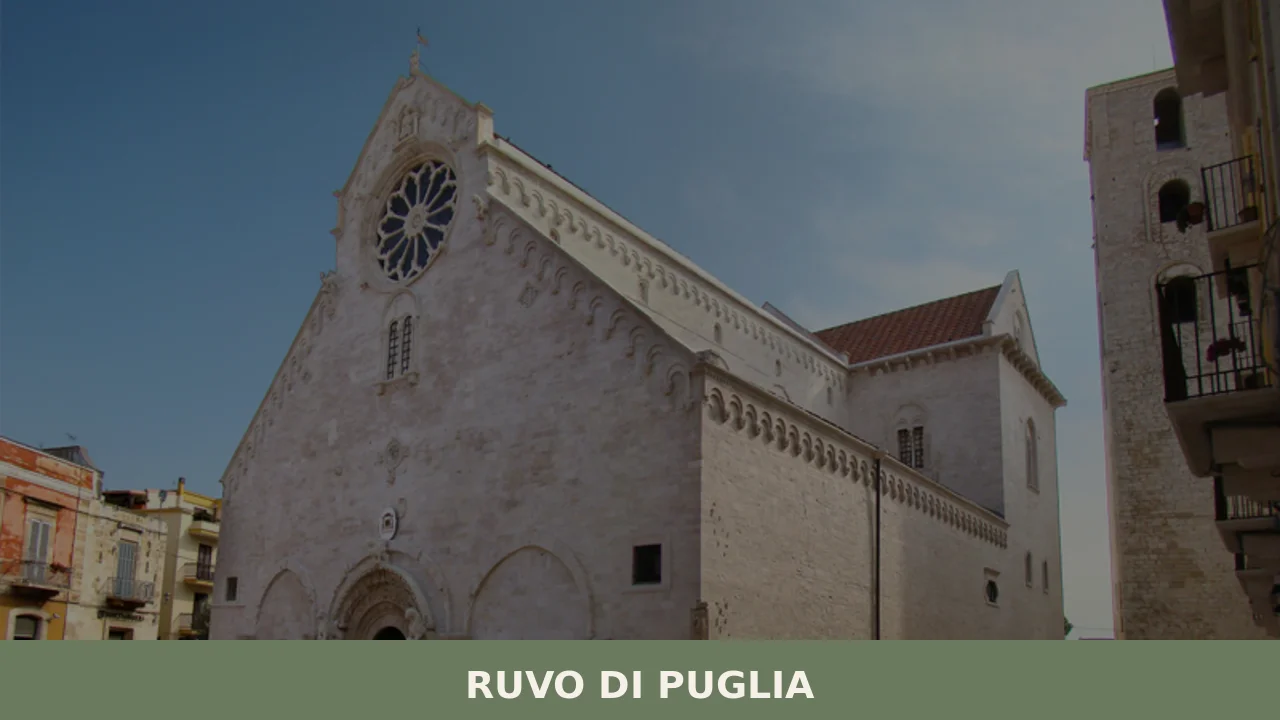

Discover 5 unique attractions in Ruvo di Puglia. Explore the Cathedral and Jatta Museum. Plan your visit now!
Discover Ruvo di Puglia
The white stone walls, smoothed by wind and time, lead to Ruvo di Puglia, a village rich in history and traditions rooted in local culture.
Here, the aroma of L’Agnello alla gravinese (PAT) — common in: Gravina in Puglia, Ruvo di Puglia — blends with the spices from the surrounding countryside, offering a unique sensory experience.
The narrow and charming streets narrate centuries of stories that seamlessly unite past and present.
Discovering what to see in Ruvo di Puglia means diving into a journey between historical monuments and centuries-old traditions.
With a population of 25,594 inhabitants and an altitude of 266 meters above sea level, its main attractions include the Cathedral, an example of Romanesque-Apulian architecture, and the Jatta Museum, which preserves valuable archaeological collections.
The 5 must-see things in Ruvo di Puglia include a stroll through the historic center and a visit to the ancient hypogea, offering a fascinating glimpse into the past.
Visitors to Ruvo di Puglia can also savor the local gastronomy, enriched by traditional dishes and certified typical products.
History and origins of Ruvo di Puglia
The origins of Ruvo di Puglia date back to the pre-Roman era, with settlements that developed thanks to its strategic position along trade routes.
The name “Ruvo” might derive from the ancient term “Rubus,” referring to a plant widespread in the area, although historical sources are scarce.
Over the centuries, the village has been dominated by various populations, including the Normans and Swabians, who left traces in the urban fabric and traditions.
In the Middle Ages, the village developed significantly under Norman influence, leading to the construction of military and religious buildings.
Under the Swabians, Ruvo experienced a period of economic and cultural prosperity.
The arrival of the Angevins then brought new changes, including the strengthening of central authority and the spread of commerce.
Of particular note is the Cathedral, built in the 12th century, which stands as a testament to the artistic wealth and religious devotion of the community.
In the following centuries, the center continued to grow, eventually becoming one of the region’s reference points.
Today, Ruvo di Puglia retains the charm of a village that has successfully harmonized past and modernity.
What to see in Ruvo di Puglia: main attractions
Cathedral of Santa Maria Assunta
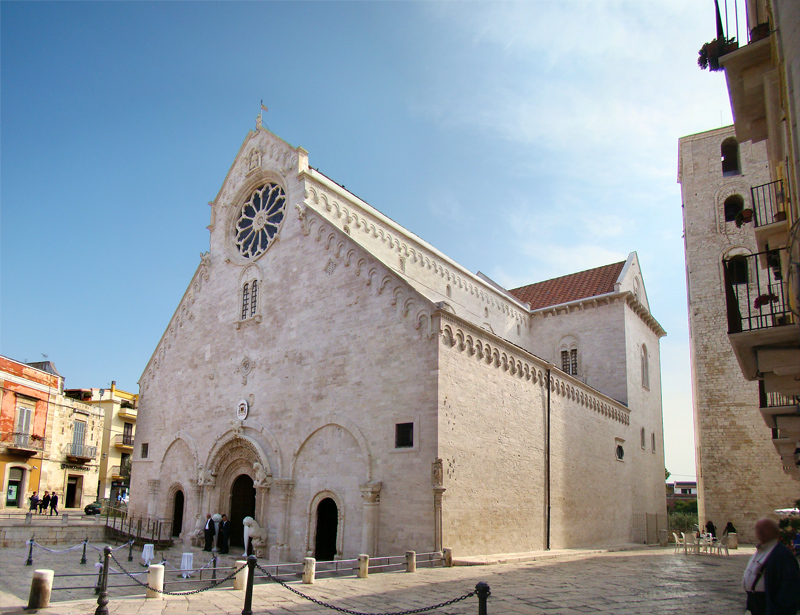
The Cathedral of Santa Maria Assunta stands out with its limestone facade that reflects the sunlight, revealing architectural details in Romanesque style.
Built in the 12th century, it represents one of the finest examples of religious architecture in Puglia. Inside, precious 15th-century frescoes are preserved, testifying to the ancient splendor of Ruvo di Puglia.
The Cathedral is open to visitors throughout the year, but it is recommended to check the official website for religious service times before visiting.
Jatta Museum
The Jatta Museum, located in an elegant 19th-century palace, houses one of the most important collections of Greek ceramics in the region.
Each room offers a journey through time with artifacts dating back to the 6th century BC, including the famous Vase of Talos.
The museum is a must-visit for history enthusiasts, with continuous opening throughout the week.
For details on admissions and special events, it is advisable to consult the information available through the official municipal website.
Hypogea of Ruaudino
The hypogea of Ruaudino, with their labyrinthine galleries, offer an interesting exploration of the underground of Ruvo di Puglia.
These cavities, used for burial purposes since ancient times, are enchantingly mysterious, with carved walls that tell stories of distant times. Visiting them on a summer day offers a natural refuge from the heat, but even in other seasons, the hypogea are an engaging stop.
For visits, it is suggested to contact the village’s pro loco in advance to make arrangements.
Palazzo Caputi
The 16th-century Palazzo Caputi, an example of civil architecture, stands in the heart of the village with its robust walls and Renaissance details carved in local stone.
Once a noble residence, it preserves frescoes and period furniture in its rooms, now used for cultural events.
Visiting Palazzo Caputi requires a reservation, especially during the event periods, to fully appreciate the atmosphere of this historic building.
Clock Tower
The Clock Tower, with its towering profile, dominates the entire urban panorama of Ruvo di Puglia.
Dating back to the 19th century, it served as a reference point for the community, marking the time of the day with its characteristic mechanical clock.
Today, climbing the tower offers a breathtaking view of the valley and the entire surrounding landscape, accessible during guided tours organized by the local pro loco.
The visiting hours may vary according to the season.
Typical cuisine and products of Ruvo di Puglia
The cuisine of Ruvo di Puglia is an authentic expression of the region’s agricultural and pastoral traditions. Dishes are often characterized by intense flavors, thanks to the use of aromatic herbs and spices that combine in unique ways.
The geographical position of the village favors an abundance of fresh products, which are skillfully transformed into local typical dishes following recipes passed down from generation to generation.
Among the typical dishes, delicious homemade pasta dishes stand out, seasoned with rich and tasty sauces.
The Pane di Altamura, another recognized specialty, often accompanies dishes such as Baked Lamb with Leccese-style Potatoes (PAT) — common in: Lecce, Ruvo di Puglia, enriching even the simplest meals.
The pastry tradition is well represented by the Africani (PAT) — common in: Lecce, Ruvo di Puglia, sweets based on almonds and citrus fruits.
Among the certified products, in addition to Gravina Lamb (PAT), we find the renowned Acquasale (PAT) — common in: Lecce, Ruvo di Puglia.
This simple but tasty dish is prepared with stale bread, tomatoes, onion, and extra virgin olive oil, ingredients that define the Pugliese culinary identity.
Each season brings different variations of this dish, enriched with seasonal ingredients such as asparagus and wild vegetables.
Throughout the year, Ruvo hosts various festivals dedicated to typical products, such as the Lamb Festival in May and the enogastronomic week event in August, which attracts visitors from all over the province.
These celebrations are great opportunities to learn about and taste local excellences, immersed in an atmosphere of festivity and conviviality.
Festivals, Events and Traditions in Ruvo di Puglia
The cultural life of Ruvo di Puglia is enriched by a series of events and festivals held throughout the year, keeping local traditions alive.
The celebrations dedicated to the patron saint, San Biagio Bishop and Martyr, constitute one of the most significant events in the village.
Every year, on February 3rd, April 26th, August 16th, and eight days after Corpus Domini, the streets of Ruvo are filled with flowers, music, and processions that attract numerous visitors.
Each religious celebration is accompanied by ancient rituals, which take place in the narrow streets of the village, enhanced by theatrical performances and folk music concerts.
During the patronal festivals, culinary traditions blend with religious ones, offering participants typical dishes in a festive atmosphere.
When to Visit Ruvo di Puglia and How to Get There
The best time to visit Ruvo di Puglia is spring, when the mild temperatures and sunny days highlight the beauty of the surrounding landscape.
The cultural events and festivals organized during this period further increase the charm of the visit.
Summer is ideal for those who want to experience the patronal festivals, while autumn offers pleasant weather and fewer crowds.
To reach Ruvo di Puglia, you can take the A14 motorway and exit at the Molfetta tollbooth, about 20 km away.
The nearest railway station is Bari, from which regional trains depart towards Ruvo.
Bari-Palese Airport is about 30 km away, with an estimated arrival time of 40 minutes by car.
For detailed schedules, it is advisable to consult Trenitalia and the local transport portal.
| Starting Point | Distance | Estimated Time |
|---|---|---|
| Bari | 30 km | 40 min |
| Lecce | 150 km | 1 h 40 min |
| Molfetta | 20 km | 20 min |
Those visiting Ruvo di Puglia can extend their itinerary to Locorotondo, where they will find the celebrations and traditions of the Apulian communities, blending well with the historical authenticity of Ruvo.
Frequently asked questions about Ruvo di Puglia
What is the best time to visit Ruvo di Puglia?
The ideal time to visit Ruvo di Puglia is spring, from April to June, when mild temperatures and sunny days enhance the beauty of the landscape and various cultural events take place. Summer, especially July and August, is perfect for experiencing the vibrant patronal festivals dedicated to San Biagio Vescovo e Martire, with celebrations on August 16th and eight days after Corpus Domini. Autumn, from September to October, offers pleasant weather and fewer crowds, ideal for exploring the village. While February 3rd and April 26th also mark patronal feasts, spring and summer provide the most comprehensive experience.
What to see in Ruvo di Puglia? Main monuments and landmarks
Ruvo di Puglia offers a rich array of historical and cultural sights. The magnificent Cathedral of Santa Maria Assunta, a 12th-century Romanesque-Apulian masterpiece with 15th-century frescoes, is open year-round; visitors should check its official website for service schedules. Explore the Jatta Museum, housed in a 19th-century palace, boasting significant Greek ceramic collections from the 6th century BC, including the Vase of Talos, open continuously throughout the week (check municipal website for details). Delve into the ancient Hypogea of Ruaudino by contacting the local pro loco for guided tours. Don't miss Palazzo Caputi, a 16th-century noble residence (reservations required for visits), and the panoramic views from the 19th-century Clock Tower, accessible via pro loco guided tours.
Where to take the best photos in Ruvo di Puglia?
For memorable photos, the historic center of Ruvo di Puglia, with its charming narrow streets and characteristic white stone walls, provides picturesque backdrops. The impressive limestone facade of the Cathedral of Santa Maria Assunta, especially when illuminated by sunlight, is a prime subject for architectural photography. For breathtaking panoramic shots of the valley and the surrounding landscape, ascend the Clock Tower, which offers an unparalleled vantage point over the entire urban panorama. These locations beautifully capture the essence and historical charm of the village.
What can you do in Ruvo di Puglia? Activities and experiences
In Ruvo di Puglia, visitors can immerse themselves in a variety of engaging activities. Stroll through the enchanting historic center, exploring its narrow streets and ancient hypogea, offering a fascinating glimpse into the past (contact the pro loco for guided visits). Indulge in the rich local gastronomy by savoring traditional dishes like Acquasale and certified products, especially during the Lamb Festival in May or the enogastronomic week in August. Experience the vibrant patronal festivals of San Biagio, featuring processions and folk music. Climb the Clock Tower for panoramic views, or attend cultural events hosted at the historic Palazzo Caputi.
Who is Ruvo di Puglia suitable for? Families, couples, hikers, solo travelers?
Ruvo di Puglia is ideal for history enthusiasts and culture seekers eager to delve into Puglia's ancient roots, with its pre-Roman origins and significant Norman and Swabian influences. Foodies will delight in the authentic local gastronomy, rich in traditional dishes and certified products like Acquasale and Gravina Lamb. Couples will appreciate the charming historic center and romantic ambiance of its narrow streets. Families can enjoy the vibrant patronal festivals and engaging museum visits. Solo travelers will find a welcoming atmosphere for exploration, discovering centuries of stories embedded in the village's architecture and traditions. It’s also suitable for those looking for an authentic Puglian experience off the main tourist routes.
What to eat in Ruvo di Puglia? Local products and specialties
In Ruvo di Puglia, the culinary scene is a true reflection of Puglian traditions. Savor the renowned L'Agnello alla gravinese (PAT), a delicious lamb dish, and the Baked Lamb with Leccese-style Potatoes (PAT). Don't miss Acquasale (PAT), a simple yet flavorful dish made with stale bread, tomatoes, onion, and extra virgin olive oil, often enriched with seasonal vegetables. The village also offers delectable homemade pasta dishes and is known for its certified Gravina Lamb (PAT). For a sweet treat, try the Africani (PAT), almond and citrus-based sweets. These specialties capture the intense, authentic flavors of the region.
📷 Photo Gallery — Ruvo di Puglia
Nearby Villages near Ruvo di Puglia

In Apulia More villages to discover
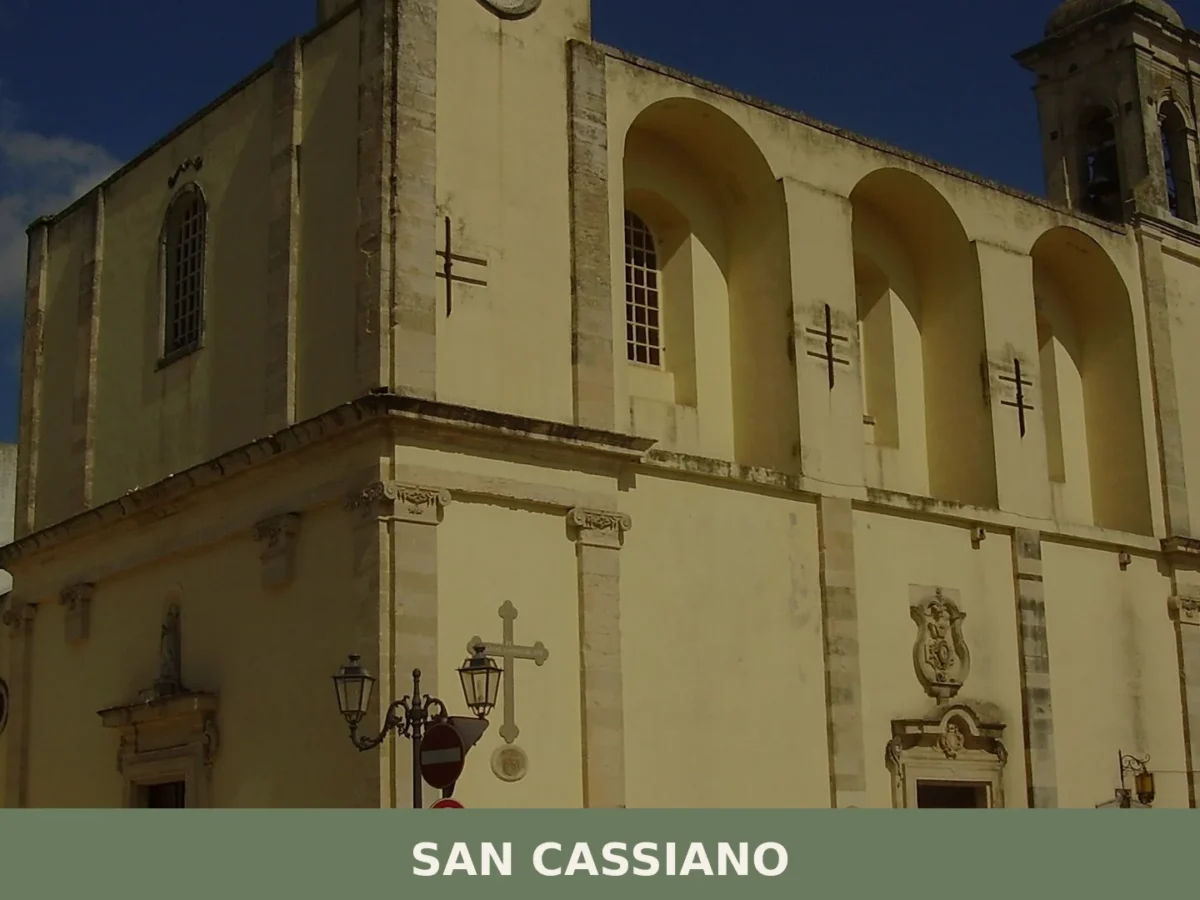
San Cassiano
 Plains
A village of 1,940 inhabitants on the plains of Lecce province, rooted in a 11th-century refuge after Saracen raids. Stone crypts and feudal memory define its identity.
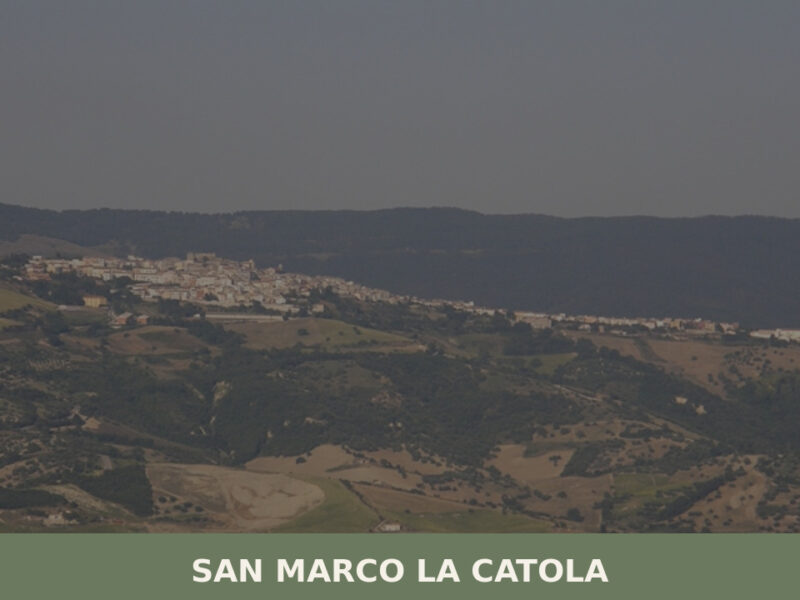
San Marco la Catola
 Mountain
A quiet hill village at 683 metres in the Daunia mountains of Puglia. Discover what to see in San Marco la Catola, from its medieval core to the Fortore valley.
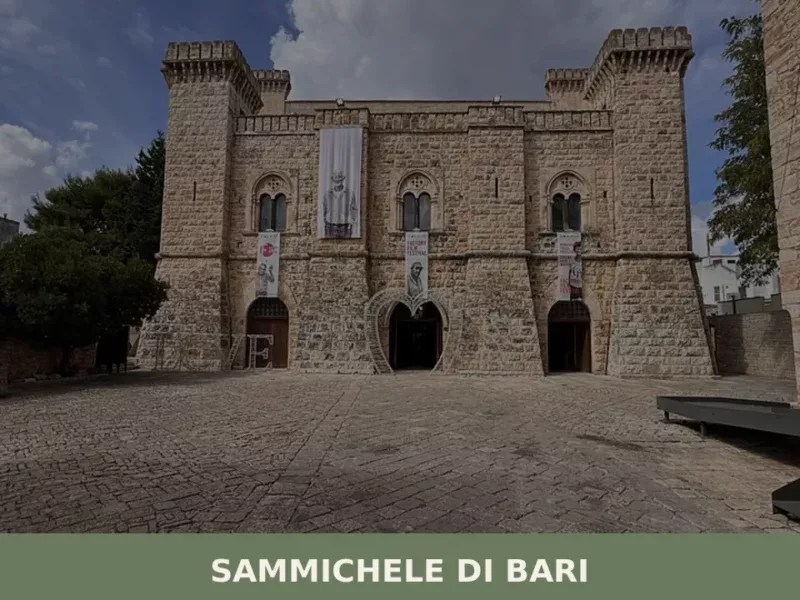
Sammichele di Bari
 Hills
Hills
Sammichele di Bari, a settlement of 6,656 inhabitants, is located 280 meters above sea level, in the heart of the Murgia dei Trulli and the Canale di Pirro. Its geographical position, on a rise overlooking the surrounding plain, has defined its role throughout the centuries. Officially founded in the 17th century by the will of […]
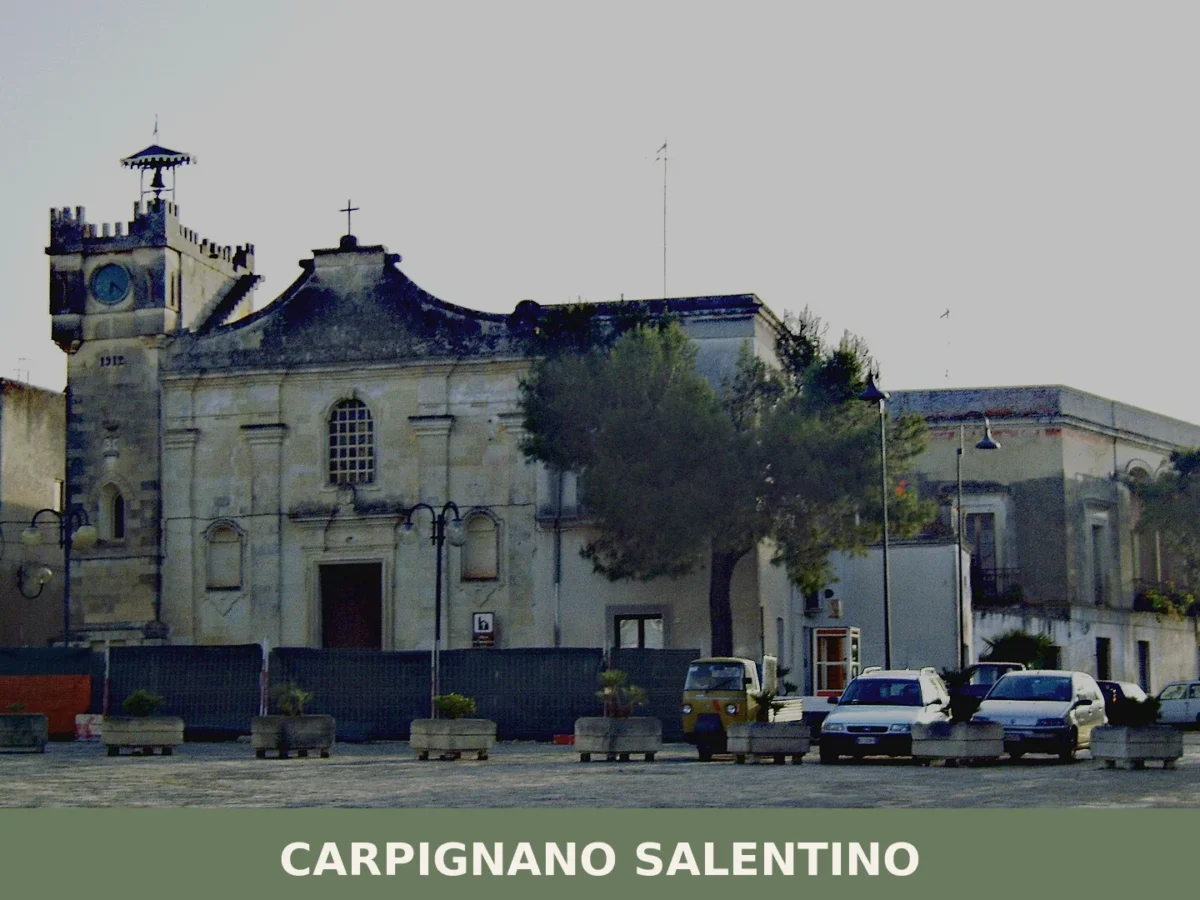
Carpignano Salentino
Plains
A 3,600-resident comune in eastern Salento. Medieval feudal architecture, tenth-century frescoes and menhir-marked prehistory form its identity.
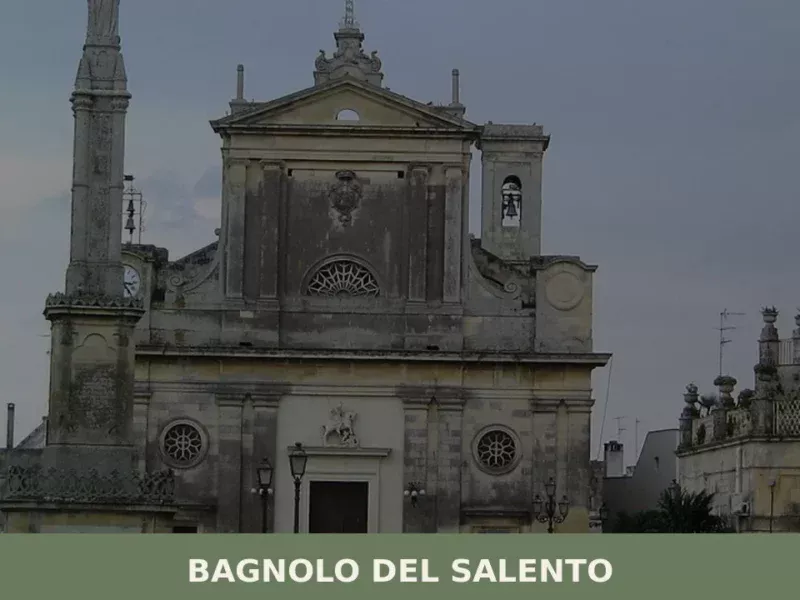
Bagnolo del Salento
Plains
Bagnolo del Salento: discover the village, visit historic churches, and taste traditional cuisine. Plan your trip now!
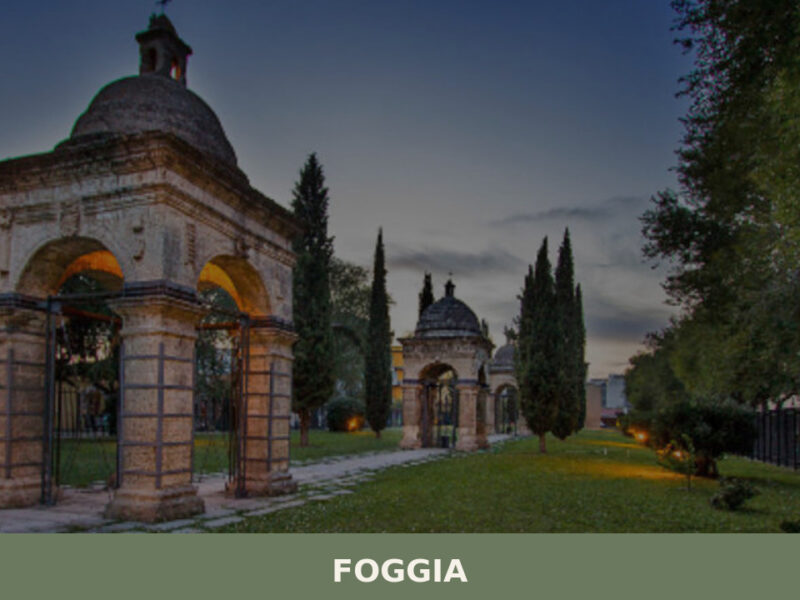
Foggia
Plains
Foggia, capital of the Capitanata, holds medieval traces, Daunian artefacts, and the culinary traditions of Italy's largest wheat plain. A guide to its overlooked layers.
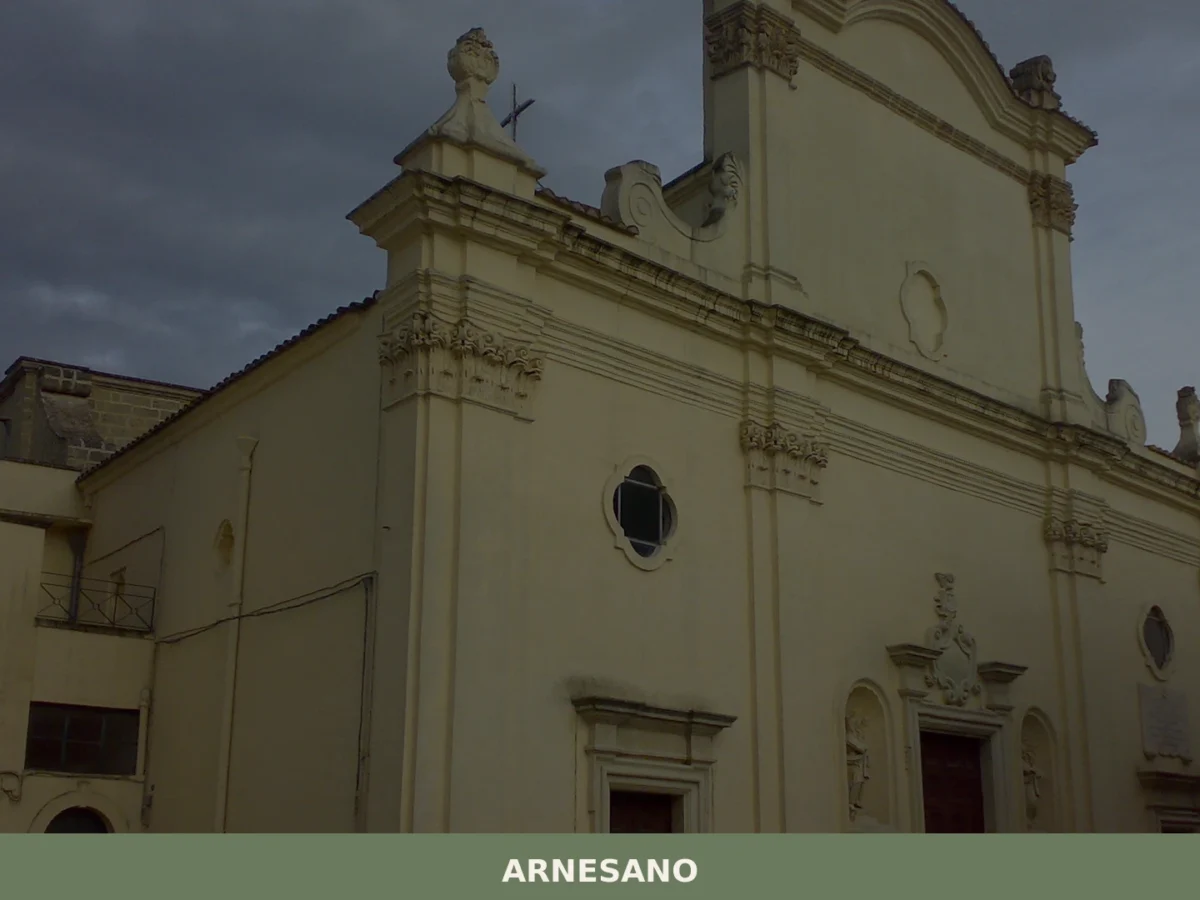
Arnesano
Plains
Discover what to see in Arnesano, a Lecce hinterland comune in the Valle della Cupa. History, food, travel tips and the best of the Salento interior.

Mattinata
 Sea
Sea
Nearly 6,000 residents live where the Gargano plateau meets the Adriatic. Mattinata offers a raw coastline, a centuries-old religious tradition and a genuinely local pace.
Volturara Appula
Hills
A hill village of 378 residents at 489 metres in the Daunian Subapennines. Volturara Appula offers medieval lanes, panoramic views over the Tavoliere, and the quiet of a place most travellers never find.
Bitritto
Plains
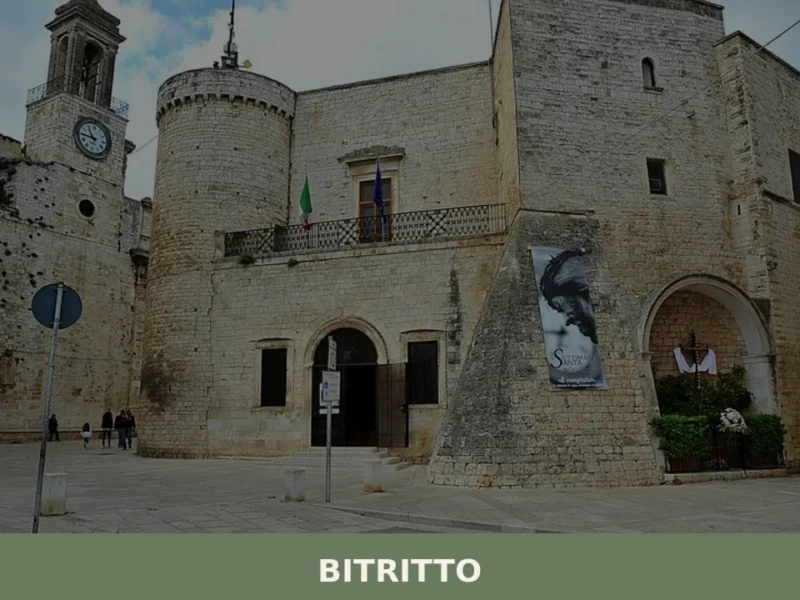
Approximately 11 kilometers southwest of Bari, in the basin opening towards the hinterland, lies Bitritto, a municipality with 11,046 inhabitants, situated 102 meters above sea level. Its territory, marked by olive groves and almond orchards, is an integral part of the Apulian agricultural landscape and reflects the region’s farming heritage. For those wondering what to […]


🏡 Know Ruvo di Puglia better than we do?
If you’re a local or have been there, your knowledge matters: add what’s missing or fix a detail on this page.