


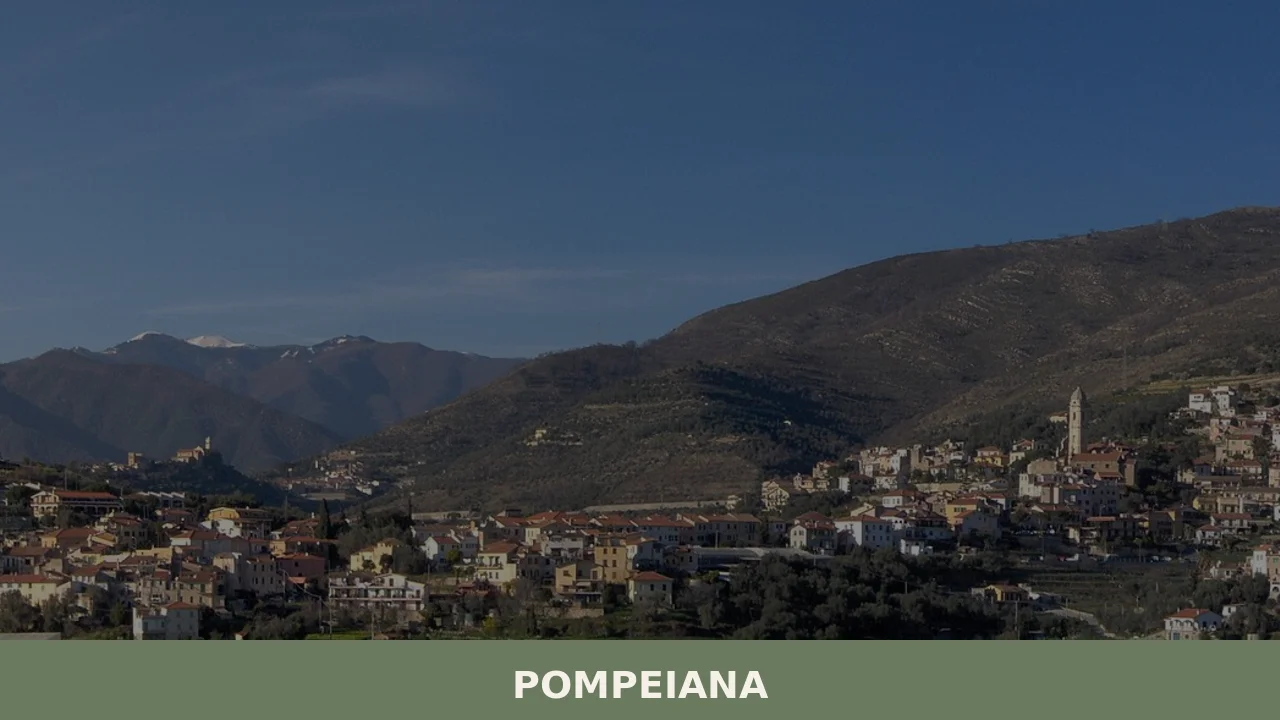
Pompeiana
 Sea
Sea
what to see in pompeiana, Italy. Discover this Imperia village of 837 residents, explore its historic center and surrounding olive terraces. Read our guide to Liguria.
Discover Pompeiana
From its position among the terraced hills of the Ligurian hinterland, the small village of Pompeiana overlooks a landscape shaped by olive groves and coastal breezes. With an area spanning 5.4 square kilometers (2.1 mi²), this comune in the Province of Imperia maintains a quiet rhythm, far removed from the larger urban centers.
Its location offers a unique perspective on the region’s agricultural heritage and natural beauty.
For those wondering what to see in pompeiana, this community of 837 inhabitants provides a glimpse into traditional Ligurian life.
Visitors can explore its compact historic center, characterized by narrow alleys and stone houses, and discover the panoramic viewpoints that offer sweeping vistas towards the sea.
The Pompeiana highlights include opportunities for quiet walks amidst nature and appreciation of local architecture, offering much for those considering what to see in Pompeiana.
History of Pompeiana
The name Pompeiana itself suggests a connection to Roman antiquity, likely deriving from a Roman family name or a settlement established during that era. While specific founding dates are not documented, many villages in Liguria developed from ancient agricultural or defensive outposts.
The strategic position in the Province of Imperia, about 13 kilometers (8 mi) southwest of Imperia, between the coast and the inland valleys, would have made it a logical place for early human habitation and resource management.
Throughout the medieval period, Pompeiana, like its neighboring communities such as Castelvecchio di Rocca Barbena, would have fallen under the influence of various local lords and powerful maritime republics.
The village structure, with its closely packed houses and defensive layout, reflects the need for protection during times of conflict. Life would have centered around agriculture, particularly olive cultivation, which remains a cornerstone of the regional economy today.
Moving into more recent centuries, Pompeiana continued its existence as a rural Ligurian community, adapting to administrative changes under different Italian states. The official population recorded on December 31, 2004, was 859 residents, residing within an area of 5.4 square kilometers (2.1 mi²).
This period saw the village integrated into the broader administrative and economic networks of the Ligurian coast, maintaining its local character while connecting to larger centers such as Genoa, approximately 110 kilometers (68 mi) southwest.
Currently, the comune has a population of 837 inhabitants, indicating a slight demographic shift while retaining its identity as a small, cohesive village within the broader Ligurian context, bordering municipalities such as Castellaro and Cipressa.
What to see in Pompeiana, Liguria: top attractions
Visitors exploring what to see in Pompeiana will find a collection of sites reflecting the village’s heritage and natural setting. These attractions offer insights into the traditional Ligurian way of life, from its religious architecture to the agricultural landscapes that define the region.
Parish Church of San Nicolò
The main church of Pompeiana features a simple stone façade typical of Ligurian religious architecture, with a prominent bell tower rising above the village rooftops.
While its exact construction date is not explicitly documented, many such parish churches in the region were rebuilt or significantly modified during the 17th and 18th centuries.
Inside, visitors can observe a modest nave and perhaps a few preserved altarpieces reflecting local artistic traditions. It stands as a central point in the village, often serving as a gathering place for community events and marking the passage of time with its bells.
Belvedere Point
Situated at one of the highest accessible points within the village, the Belvedere Point offers expansive panoramic views across the terraced landscape and towards the Ligurian Sea. This viewpoint, likely a natural outcrop adapted for public access, provides a clear perspective of the surrounding area, including the neighboring comuni of Riva Ligure and Santo Stefano al Mare. On clear days, the vista can extend for many kilometers (miles) along the coastline, revealing the intricate patterns of olive groves that define the local agricultural economy.
It is a suitable spot for photography and quiet contemplation.
Old Village Lanes
Winding through the core of Pompeiana, the network of narrow, cobbled lanes, known as carrugi in Ligurian dialect, forms the historic fabric of the village.
These pathways are characterized by stone walls, archways, and occasional small squares, reflecting centuries of organic development. The compact design of the village, with houses built closely together, historically offered protection and shade during warm months, creating a distinct microclimate within the settlement. Exploring these lanes allows visitors to observe traditional Ligurian architecture and the quiet daily life of the community. Many of these passages are less than 2 meters (6.5 ft) wide.
Olive Grove Terraces
Beyond the immediate confines of the village, the hillsides surrounding Pompeiana are meticulously sculpted into ancient agricultural terraces, primarily dedicated to the cultivation of olive trees. These terraces, supported by dry-stone walls, are a testament to centuries of human labor and adaptation to the steep Ligurian terrain. Many of these walls have been maintained for hundreds of years, some dating back over 500 years, preventing erosion and maximizing arable land. Walking paths crisscross these groves, offering a serene environment for exploration and a deeper understanding of the region’s agricultural heritage.
The elevation changes across these terraces can be significant, often dropping several tens of meters (feet).
Municipal Fountain
At the heart of Pompeiana’s small central square stands the Municipal Fountain, a functional and aesthetic element common in Italian villages.
While not an ancient structure, this public water source has likely served the community for many decades, providing fresh water and acting as a local meeting point. Its design typically features local stone and a simple basin, reflecting the practical yet enduring nature of Ligurian craftsmanship. The fountain offers a refreshing stop for visitors exploring the village on foot, and it is often surrounded by benches, inviting a brief rest. The water flow is consistent throughout the year, fed by local springs.
Local food and typical products of Pompeiana
The culinary traditions of Pompeiana, like much of the Ligurian hinterland, are deeply rooted in the region’s geography and history. The proximity to the sea combined with the abundance of olive groves and wild herbs from the hills defines the local diet. This gastronomic heritage emphasizes fresh, seasonal ingredients, with olive oil as the fundamental element in almost every dish.
The influences are distinctly Mediterranean, characterized by simplicity and the enhancement of natural flavors, a tradition that has evolved over centuries to create a distinct Ligurian palate, complementing what to see in Pompeiana from a cultural perspective.
Among the typical dishes found in this part of Liguria, Pesto Genovese stands out, a vibrant green sauce made from basil, pine nuts, garlic, Parmesan, Pecorino Sardo, and extra virgin olive oil, traditionally ground with a mortar and pestle.
Another staple is Focaccia, a flatbread often topped with olive oil and salt, enjoyed at any time of day. Savory pies like Torta Pasqualina, filled with spinach, ricotta, and whole eggs, are also common, particularly during spring celebrations. These dishes reflect the resourcefulness and quality of local agricultural produce.
Liguria is renowned for several certified products that are central to its cuisine. The Olio Extra Vergine di Oliva Riviera Ligure (DOP) is a protected designation of origin olive oil, primarily made from Taggiasca olives, produced across the entire Province of Imperia, including areas surrounding Pompeiana. Another significant product is the Basilico Genovese (DOP), the specific basil variety essential for authentic pesto, cultivated in the coastal areas of Liguria.
While not a DOP itself, the small, intensely flavorful Taggiasca Olives are a cornerstone of local agriculture and are often found cured or pressed into oil throughout the region.
Festivals, events and traditions of Pompeiana
Community life in Pompeiana, as in many Italian villages, often revolves around religious holidays and traditional celebrations.
The most significant event is typically the feast day of the village’s patron saint, which for the Parish Church of San Nicolò, would be Saint Nicholas. While an exact date isn’t provided, these celebrations commonly occur in early December, or in some cases, a summer feast day is adopted for wider participation. These events usually involve a religious procession through the village streets, local music, and communal gatherings, fostering a strong sense of local identity and shared heritage.
Beyond the main patron saint festival, other traditions in Pompeiana likely include smaller seasonal observances tied to the agricultural calendar, particularly those related to the olive harvest. Though no specific food festivals (sagre) are documented for Pompeiana itself, neighboring towns often host such events throughout the year, celebrating local produce like olive oil, chestnuts, or local wines.
These traditions offer a glimpse into the enduring cultural fabric of the Ligurian inland, connecting residents to their past and to the rhythms of the land, and adding another layer to what to see in Pompeiana.
When to visit Pompeiana, Italy and how to get there
The best time to visit Liguria, and specifically Pompeiana, is typically during the spring (April to June) or early autumn (September to October).
During these periods, the weather is mild and pleasant, making it ideal for exploring the village and its surrounding trails without the intense heat of summer. Crowds are also generally smaller than in the peak summer months. The terrain in Pompeiana involves inclines and narrow, sometimes uneven, cobbled lanes, which are characteristic of Ligurian hill villages, so comfortable walking shoes are advisable for all visitors.
The village is well-suited for those seeking a quiet retreat and a taste of authentic Ligurian life.
To reach Pompeiana, Italy, visitors can arrive by car via the A10 motorway (Autostrada dei Fiori), taking the Imperia Ovest exit. From there, Pompeiana is approximately 15 kilometers (9.3 mi) inland, a drive that typically takes about 25-30 minutes through winding local roads. For those traveling by train, the nearest major station is Imperia, which is well-connected to regional and national lines via Trenitalia.
From Imperia station, local bus services or taxis are available for the final leg of the journey to the village. The closest international airport is Nice Côte d’Azur Airport (NCE) in France, about 80 kilometers (50 mi) to the west, or Genoa Cristoforo Colombo Airport (GOA), approximately 120 kilometers (75 mi) to the northeast.
Both offer car rental options.
For international visitors, it is advisable to carry some Euros cash, as smaller shops and establishments in Pompeiana may not always accept credit cards, and English proficiency might be limited. Pompeiana makes for an excellent day trip from nearest major cities like Imperia or Sanremo, offering a contrasting experience to the coastal resorts and plenty for those seeking what to see in Pompeiana away from the crowds.
Its proximity to other villages in the Imperia province, such as Cipressa and Castellaro, allows for exploration of multiple Ligurian inland communities in a single visit, providing a broader understanding of the region’s diverse offerings. Visitors interested in the wider Ligurian landscape might also consider a trip to Apricale, known for its medieval architecture.
Where to stay near Pompeiana
While Pompeiana itself is a small residential village, visitors seeking accommodation will find various options in the immediate vicinity and surrounding comuni, enhancing the overall experience of what to see in Pompeiana.
The area offers a selection of agriturismi, which are farm stays providing rooms or apartments, often with local produce and meals. There are also bed & breakfasts operating in renovated traditional houses, offering a more intimate experience.
For those preferring self-catering, holiday rentals and apartments are available in nearby coastal towns like Riva Ligure or Santo Stefano al Mare, which are just a short drive of about 10-15 minutes down to the coast. These options cater to different preferences, from rural tranquility to seaside convenience.
For those extending their exploration of Liguria, other nearby villages such as Diano San Pietro offer similar insights into traditional life and rural landscapes. Each village holds its own distinct character, contributing to the rich fabric of the Italian Riviera di Ponente.
Frequently asked questions about Pompeiana
What is the best time to visit Pompeiana?
The best time to visit Pompeiana is spring (April–June) or early autumn (September–October), when temperatures are mild and ideal for walking the olive terraces and village lanes. Summer brings the most lively atmosphere: the feast of patron saint Maria Maddalena is celebrated on 22 July and again on 15 August, with religious processions through the historic carrugi and communal gatherings in the village square. Autumn is particularly evocative during the olive harvest season, when the surrounding groves are at their most active.
What are the historical origins of Pompeiana?
The name Pompeiana is believed to derive from a Roman family name, suggesting a settlement established during the Roman era. Like many villages in the Province of Imperia, it developed through the medieval period under the influence of local lords and Ligurian maritime powers. Its tightly packed stone houses and defensive layout reflect the need for protection during centuries of conflict. The village has been continuously inhabited as an agricultural community, with olive cultivation remaining central to its economy from ancient times to the present day.
What to see in Pompeiana? Main monuments and landmarks
Pompeiana's main landmark is the Parish Church of San Nicolò, featuring a stone façade and prominent bell tower characteristic of Ligurian religious architecture. The historic center is woven with narrow cobbled lanes (carrugi), some less than 2 meters wide, framed by stone archways and small squares. The Belvedere viewpoint offers panoramic vistas toward the Ligurian Sea and neighboring comuni including Riva Ligure and Santo Stefano al Mare. The central Municipal Fountain, set in the village square, is a traditional gathering point. No admission fees are required to explore the village.
What are the main natural or scenic attractions of Pompeiana?
The hillsides surrounding Pompeiana are sculpted into ancient dry-stone terraces dedicated to olive cultivation, some maintained for over 500 years. Walking paths wind through these groves, offering a serene environment at an altitude of 200 meters, with significant elevation changes across the terraced landscape. The Belvedere viewpoint provides sweeping coastal panoramas extending along the Ligurian Riviera. The combination of olive groves, coastal breezes, and Mediterranean vegetation makes the area well suited for quiet nature walks in the Ligurian hinterland.
Where to take the best photos in Pompeiana?
The Belvedere viewpoint is the prime photography spot in Pompeiana, offering unobstructed panoramic views across olive-terraced hillsides toward the Ligurian Sea and the coastline stretching past Riva Ligure and Santo Stefano al Mare. On clear days the vista extends for many kilometers along the Riviera. Within the village, the narrow carrugi with their stone archways and aged facades offer compelling architectural shots. The ancient dry-stone terrace walls of the surrounding olive groves, particularly during the golden light of early morning or late afternoon, also provide memorable landscape compositions.
Are there museums, churches or historic buildings to visit in Pompeiana?
The main religious building in Pompeiana is the Parish Church of San Nicolò, the village's central place of worship with a traditional Ligurian stone façade, prominent bell tower, and interior featuring a modest nave with local altarpieces. The church plays an active role in community life, particularly during the patronal feasts of 22 July and 15 August dedicated to Maria Maddalena. No museums are documented for Pompeiana. The village's historic fabric — its carrugi, stone houses, and central fountain — collectively forms an open-air architectural heritage accessible freely on foot.
What can you do in Pompeiana? Activities and experiences
Pompeiana offers peaceful walking along the ancient olive grove terraces and through the historic cobbled carrugi of the village center. The Belvedere viewpoint is a natural destination for leisurely strolls with panoramic coastal views. The patronal celebrations on 22 July and 15 August provide an authentic experience of Ligurian village tradition, with processions and communal gatherings. The surrounding hills are well suited for gentle countryside walks. The village's proximity to the Ligurian coast also makes it an ideal base for combining inland exploration with visits to nearby seaside towns such as Riva Ligure.
Who is Pompeiana suitable for? Families, couples, hikers, solo travelers?
Pompeiana is best suited to couples and solo travelers seeking a quiet, authentic Ligurian experience away from coastal crowds. Its compact historic center, panoramic viewpoints, and terraced olive groves appeal to gentle hikers and photography enthusiasts. Cultural travelers interested in traditional village life and religious festivals will appreciate the patronal celebrations in July and August. Families looking for a relaxed base combining inland tranquility with easy access to the nearby Ligurian Riviera will also find it appealing. It is not oriented toward nightlife or large tourist infrastructure.
What to eat in Pompeiana? Local products and specialties
Pompeiana sits within the production zone of Olio Extra Vergine di Oliva Riviera Ligure DOP, made predominantly from Taggiasca olives — the small, intensely flavored variety that defines the local agricultural identity. This olive oil is the cornerstone of the local kitchen. Regional staples include Pesto Genovese (made with Basilico Genovese DOP), focaccia drizzled with local olive oil, and savory pies such as Torta Pasqualina. Cured Taggiasca olives are widely available throughout the area. These products reflect the broader Ligurian hinterland culinary tradition centered on fresh, seasonal Mediterranean ingredients.
📷 Photo Gallery — Pompeiana
Nearby Villages near Pompeiana
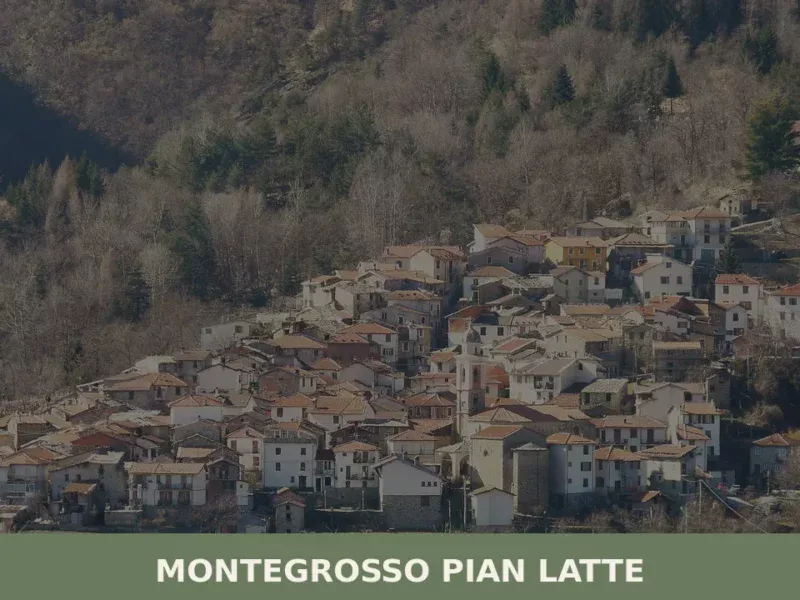
In Liguria More villages to discover
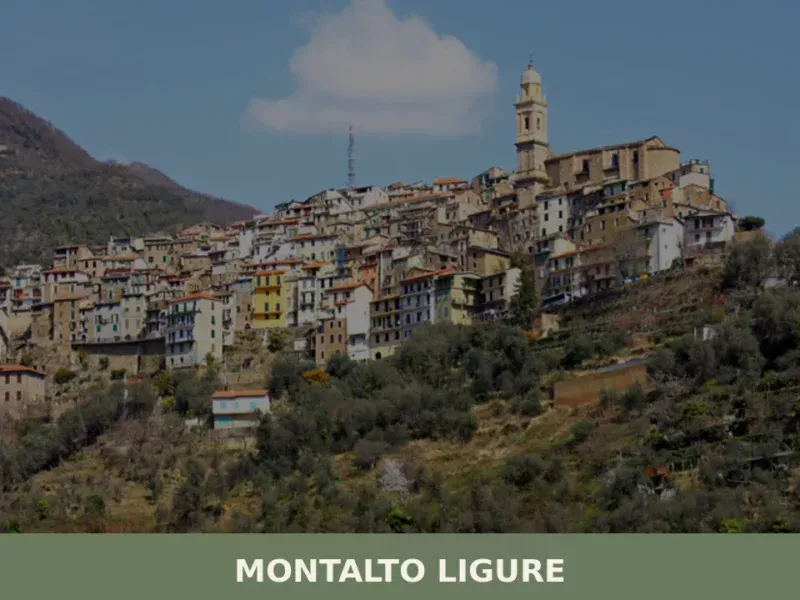
Montalto Ligure
 Hills
Hills
What to see in Montalto Ligure, Italy: Explore its 13.9 km² former territory and administrative history. Discover its unification in 2018.
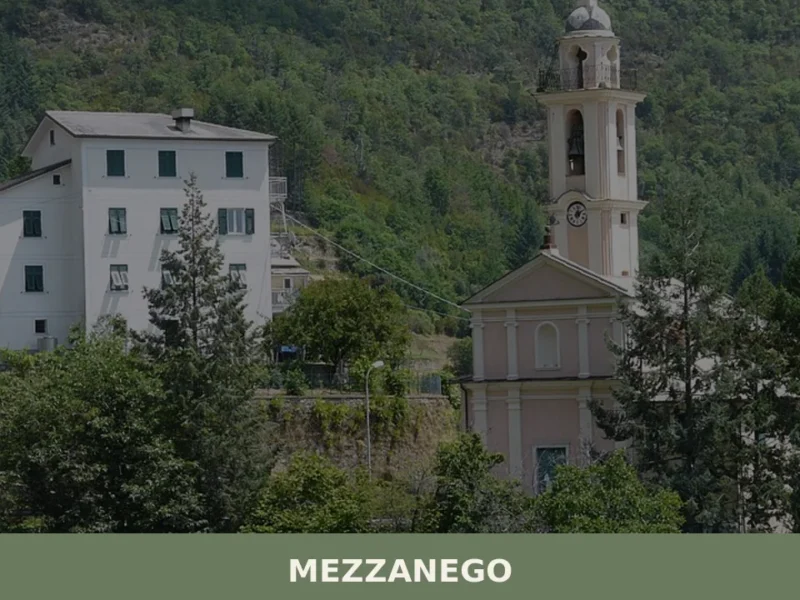
Mezzanego
 Plains
What to see in Mezzanego? Discover the 5 main attractions, from historic churches to the Slate Museum. Plan your trip and visit this Ligurian village.
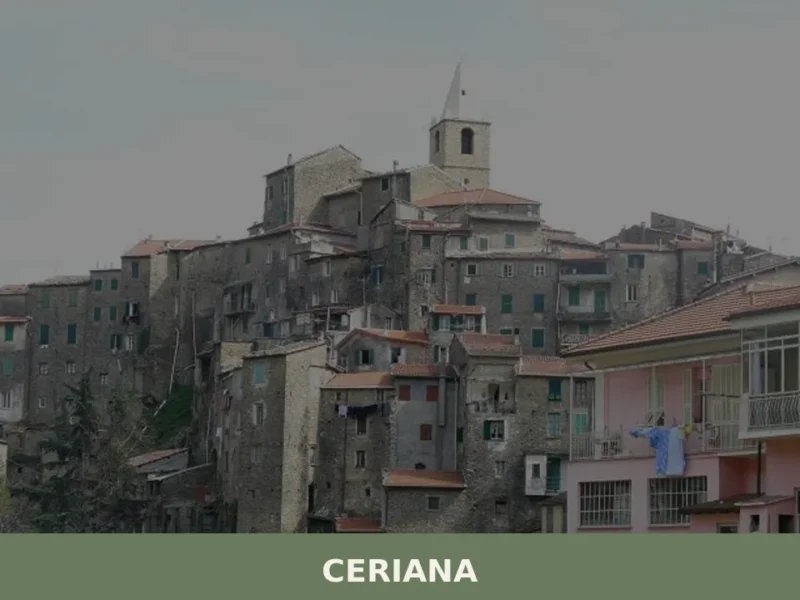
Ceriana: A Ligurian Hill Village Guide
Hills
What to see in Ceriana, Italy: Explore this Ligurian village at 369 m (1,211 ft) altitude. Discover historical sites and lively festivals. Read our guide.
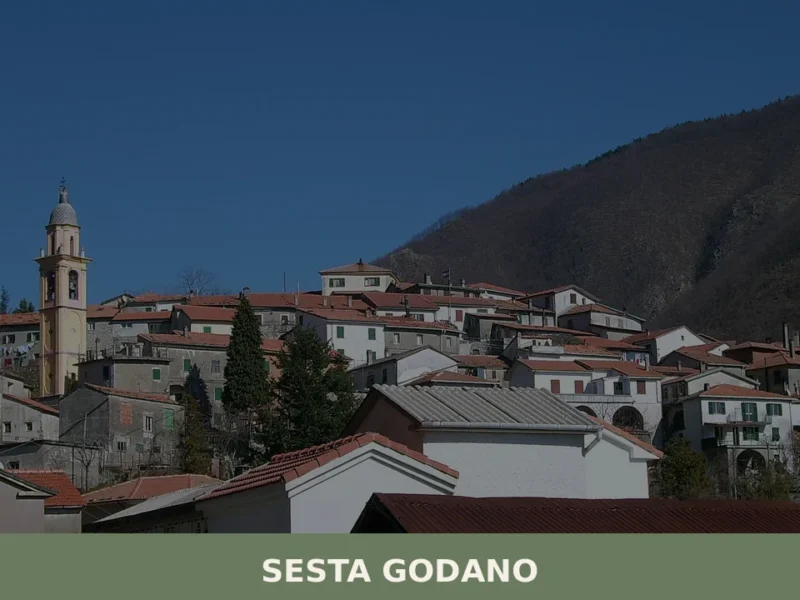
Sesta Godano
 Mountain
What to see in Sesta Godano, Italy? Explore this Ligurian village at 242 m (794 ft) altitude. Discover its mountain setting and local festivals. Read our guide.
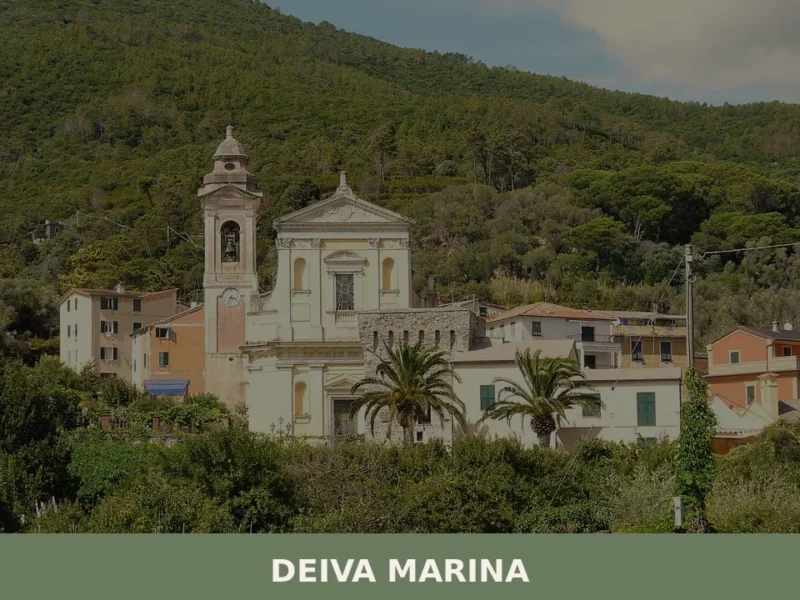
Deiva Marina
Sea
What to see in Deiva Marina, Italy: 5 top attractions, hiking trails, Cinque Terre day trips, and travel tips for this Ligurian village of 1,409 inhabitants. Discover now.
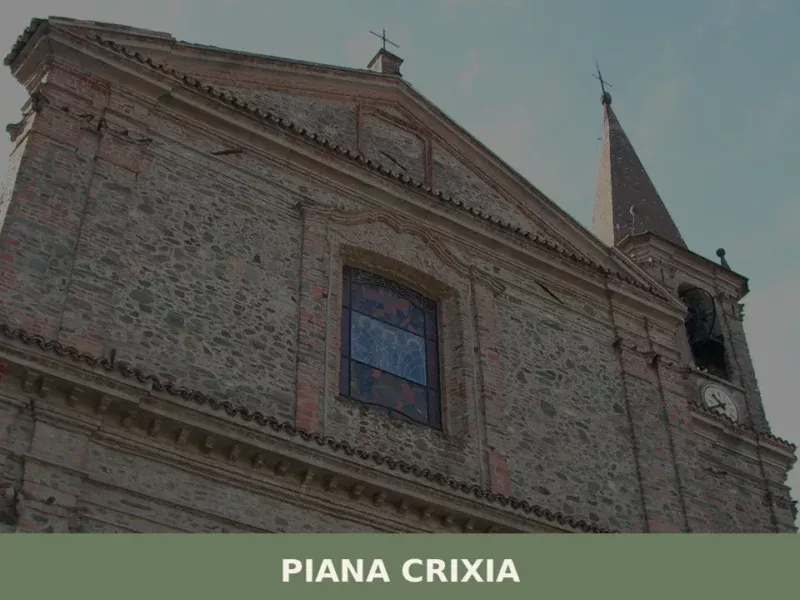
Piana Crixia
Mountain
what to see in piana crixia, Italy: Explore this Savona comune (843 inhabitants) and its international ties. Discover Ligurian character and natural surroundings.
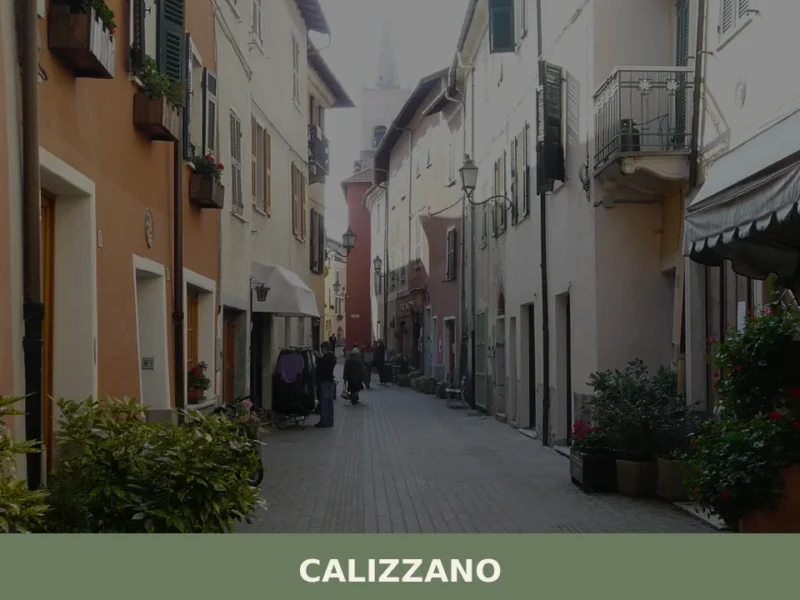
Calizzano
Mountain
What to see in Calizzano, Liguria, Italy: explore the upper Bormida Valley at 70 km from Genoa. Discover Monte Spinarda, local food and festivals. Read the guide.

Arenzano
Sea
What to see in Arenzano, Liguria, Italy: explore a 16th-century patrician villa, a Saracens' Tower, and a coastal sanctuary. Population 11,445. Discover it all.
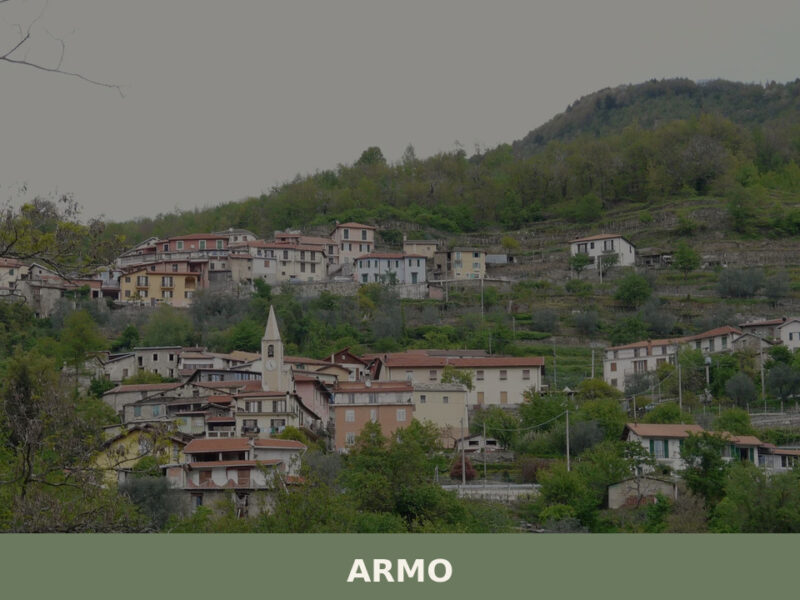
Armo
Hills
Armo, a village of 120 inhabitants above the Petrace valley in Calabria, rewards visitors with stone lanes, ancient olive terraces, and Aspromonte trails.
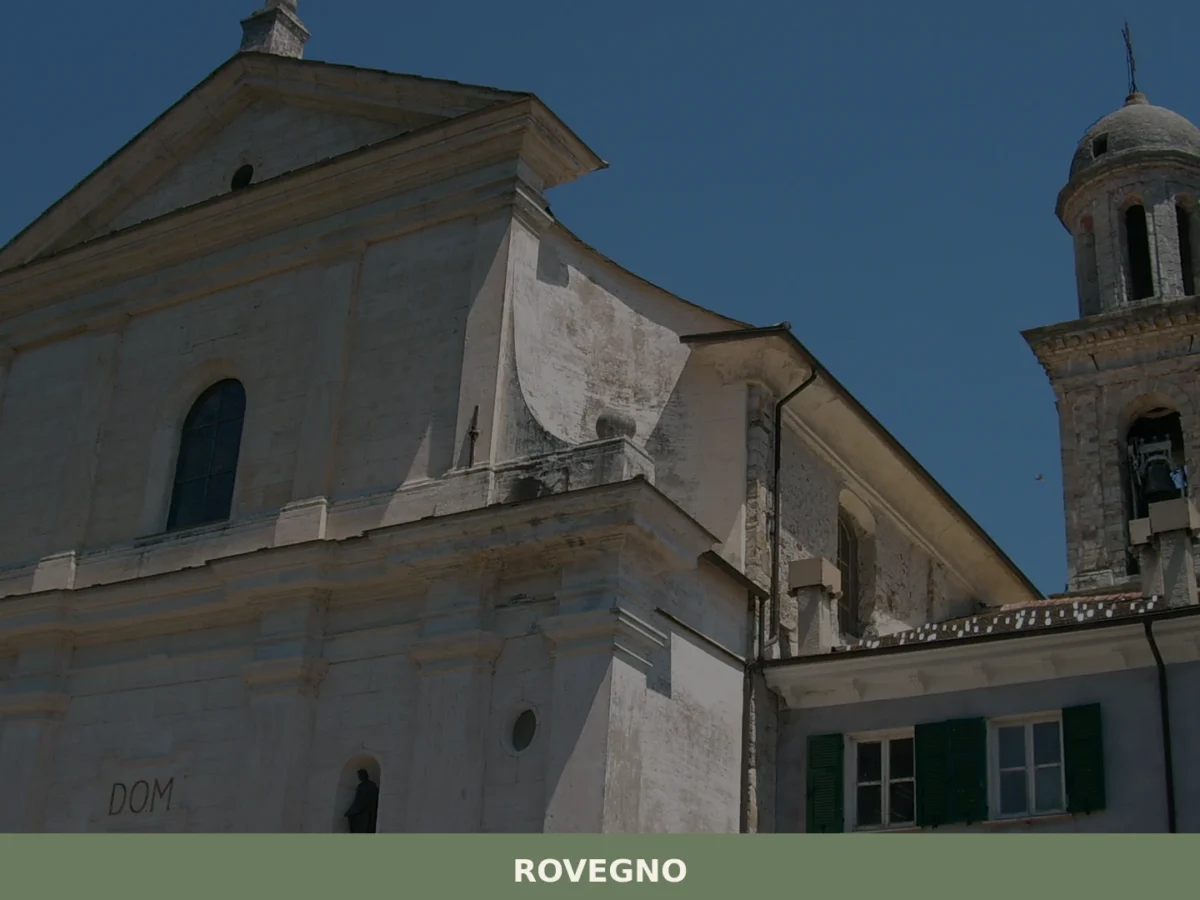
Rovegno
Mountain
What to see in Rovegno, Italy: Explore the Val Trebbia, 35 km (22 mi) from Genoa. Discover its valley landscape and the surrounding municipalities. Read our guide.




🏡 Know Pompeiana better than we do?
If you’re a local or have been there, your knowledge matters: add what’s missing or fix a detail on this page.