


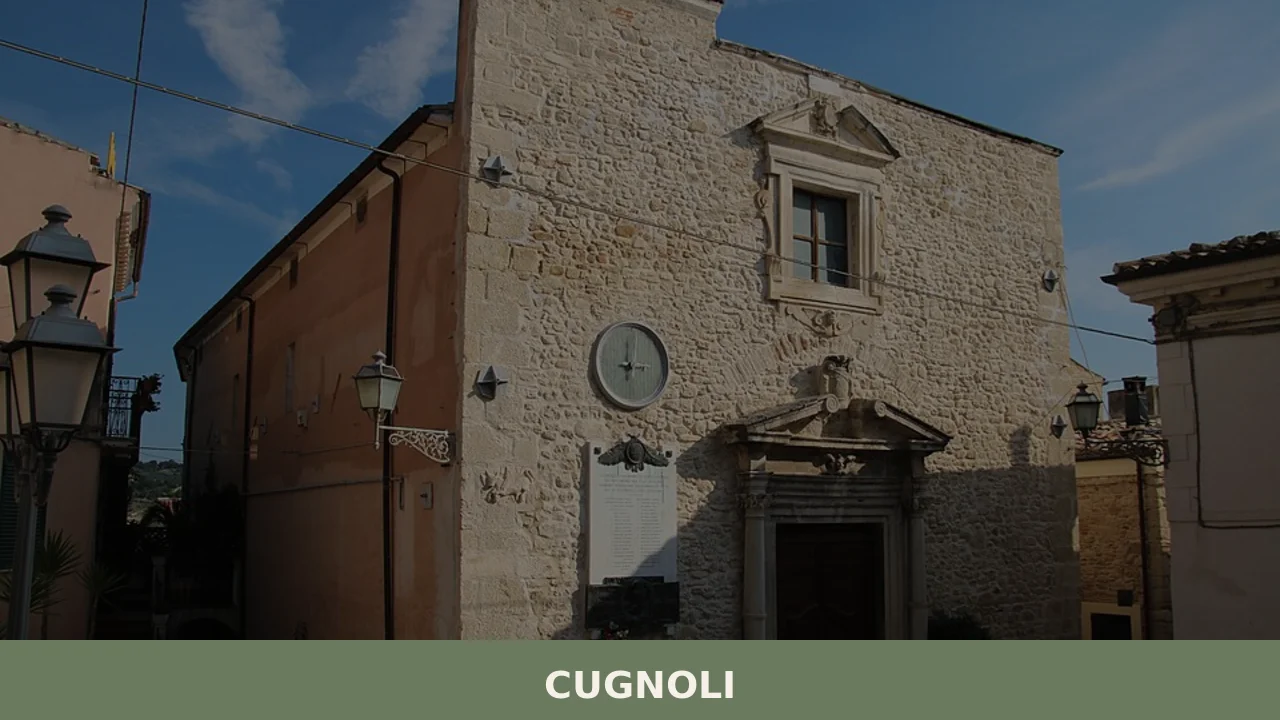
Cugnoli
 Hills
Hills
At 331 meters above sea level, in the heart of the province of Pescara, lies Cugnoli, a settlement of 1,336 residents known for its hilly location. The village, whose history dates back to Roman times, as suggested by the etymology of its name (probably from Cunula, meaning small cradle or basin), offers a direct experience […]
Discover Cugnoli
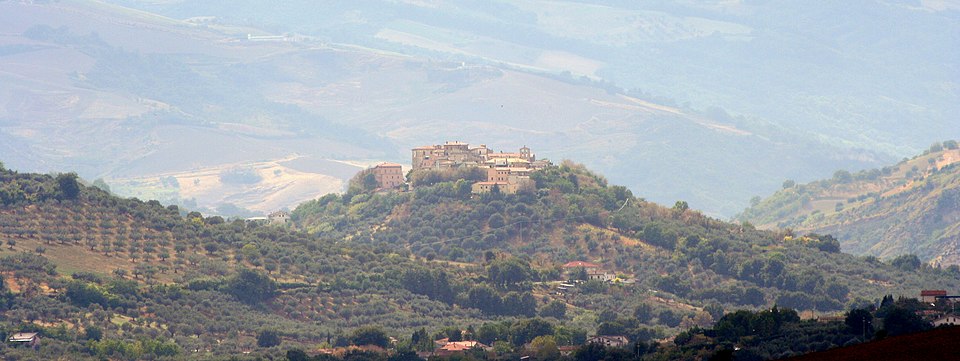
At 331 meters above sea level, in the heart of the province of Pescara, lies Cugnoli, a settlement of 1,336 residents known for its hilly location. The village, whose history dates back to Roman times, as suggested by the etymology of its name (probably from Cunula, meaning small cradle or basin), offers a direct experience of Abruzzese life, blending agriculture and traditions. For those wondering what to see in cugnoli, a walk through its streets reveals an urban fabric that has preserved elements of its past, despite transformations over centuries, including seismic events that reshaped part of its profile, such as the 1706 earthquake which caused significant damage. The locality serves as an observation point over the surrounding agricultural landscape, characterized by olive groves and vineyards that define the slopes.
History and Origins of Cugnoli
The earliest records related to the Cugnoli area date back to the Roman era, a period when the territory was likely dedicated to agriculture and the establishment of small settlements. The origin of the name itself, Cunula, suggests a connection to the morphology of the land, a basin or a small valley that offered shelter and fertility. With the decline of the Roman Empire and the advent of the Middle Ages, the village adopted a more defensive configuration, with the construction of fortifications necessary for protection against incursions and for territorial control.
Over the centuries, Cugnoli was part of various feudal jurisdictions, passing under the dominion of noble families who influenced its social and economic development. Evidence of this period is the presence of civil and religious structures that, despite undergoing modifications, retain traces of past eras. The 17th century, in particular, was a period of significant challenges for the village, culminating in the 1706 earthquake that caused extensive destruction and required reconstruction efforts which shaped the current appearance of many buildings.
What to see in Cugnoli: 5 essential attractions
An itinerary in Cugnoli allows for a close look at the architectural heritage and views that define the character of the village. Here are five places of interest:
1. Church of Santo Stefano Protomartire
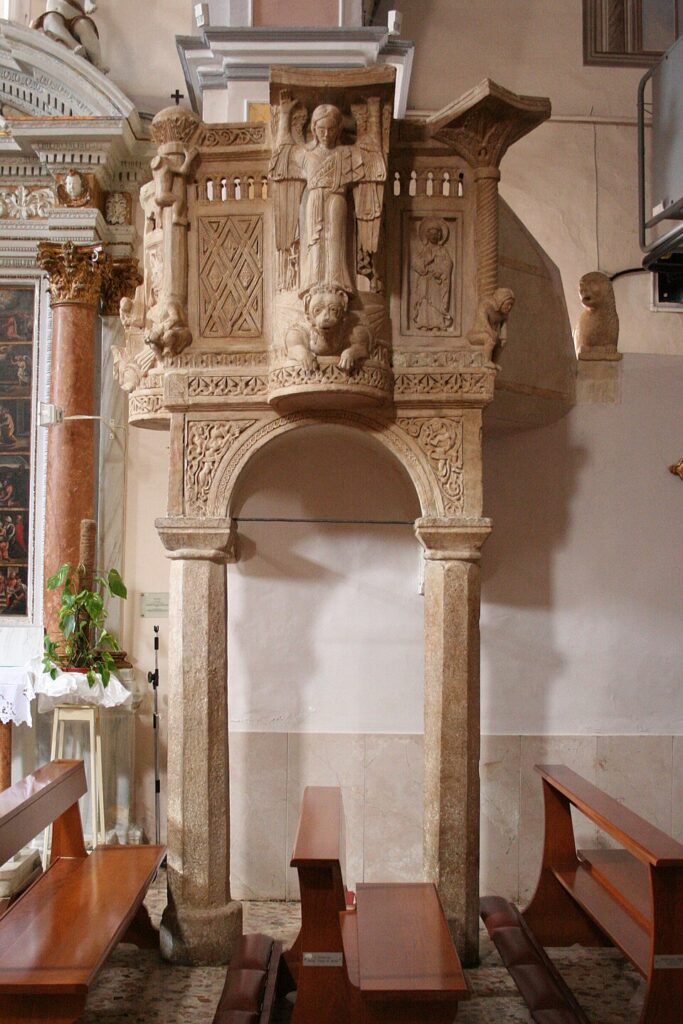
Dedicated to the patron saint of the village, the Church of Santo Stefano Protomartire is the main place of worship. Its current structure is the result of several construction phases and restorations, particularly after the 1706 earthquake. The interior houses sacred artworks and furnishings that convey the local community’s devotion. The facade, with simple decorative elements, integrates into the urban setting.
2. Caracciolo Palace
Caracciolo Palace represents an example of the noble civil architecture that characterized Cugnoli. While not as imposing as other historical Abruzzese residences, its presence testifies to the feudal period and the influence of dominant families on the village. Today, the palace features sober lines but maintains a certain decorum that distinguishes it from surrounding dwellings.
3. Umberto I Square
The main square of the village, Umberto I Square, is the center of social life and a gathering point for residents. Some of the most significant buildings face this square, and local events and celebrations often take place here. The square offers an open space to observe the daily rhythm of the town and enjoy a perspective on the surrounding architecture.
4. Monumental Fountain
Located at a strategic point in the village, the Monumental Fountain is an element of urban design that has played both a practical and symbolic role. Built in the past for water supply, today it is a visual landmark; its forms and materials reflect the construction style of the period in which it was made, often using local stone.
5. View of the Pescara Valley
From the highest part of the village, or from specific easily accessible panoramic points, a view of the Pescara Valley unfolds. This perspective allows visitors to appreciate the formation of the Abruzzese territory, with its cultivated hills, fields, and small settlements distributed along the river’s course. It is a suitable place to observe the landscape in varying light conditions.
Typical Cuisine and Local Products
The gastronomy of Cugnoli, like that of the province of Pescara and hilly Abruzzo, is deeply connected to local produce and farming traditions. Among the most representative dishes, pasta alla chitarra, often served with rich and flavorful meat sauces, stands as a cornerstone of local cuisine. There are also legume soups, such as those based on lentils or beans, often enriched with wild herbs gathered from the surrounding fields. “Maccheroni alla molinara,” a long and thick pasta typical of the area, is another dish to seek out, often served with wild boar or lamb ragù.
Regarding local products, the olive groves surrounding Cugnoli produce quality extra virgin olive oil, a fundamental ingredient in every dish. The vineyards, in turn, yield robust wines such as Montepulciano d’Abruzzo DOC and Trebbiano d’Abruzzo DOC, which suitably accompany meals. Among baked goods, wood-fired homemade bread is a constant, while typical holiday sweets, like “cellipieni” or “ferratelle,” offer a taste of the confectionery tradition. The patron saint festival of San Stefano, on September 19th, can be an opportunity to savor some of these specialties in a festive setting.
When to Visit Cugnoli: The Best Time
Cugnoli’s hilly climate makes the village pleasant to visit in various seasons. Spring, with its blooming fields and mild temperatures, offers a lively landscape and ideal conditions for walks. Autumn, with the warm colors of the vegetation and the olive and grape harvest season, also represents an inviting period. Cooler days are suitable for exploring the historic center and savoring local cuisine.
Summer can be warm, but the location at 331 meters above sea level ensures some ventilation. The most significant event in the local calendar is the Feast of Santo Stefano, celebrated on September 19th. This occasion can offer the opportunity to experience a moment of local tradition, with religious ceremonies and, at times, related events.
How to Get to Cugnoli
Cugnoli is primarily accessible via the road network. Those coming from the A25 motorway (Rome-Pescara) can exit at Alanno-Scafa and continue for a few kilometers following signs for the village. From Pescara, the distance is approximately 30 kilometers, which takes about 30-40 minutes by car. The nearest airport is Abruzzo Airport (PSR) in Pescara, offering national and international connections.
For those who prefer the train, the nearest railway stations are along the Pescara-Rome line, such as Manoppello Scalo or Alanno. From these stations, it is necessary to arrange a local bus service or a taxi to reach Cugnoli. The village’s location, slightly set back from major thoroughfares, requires the use of a private vehicle for greater flexibility in travel.
Other Villages to Discover in Abruzzo
Abruzzo is a territory rich in villages, each with its own historical and landscape particularities. After visiting Cugnoli, exploration can continue to other centers that keep the memory of the past and local traditions alive. Among these, Brittoli, also in the province of Pescara, offers an example of a hilly village with a history linked to agriculture and the surrounding environment. Here one can observe rural architecture and enjoy views of the valley below, in a setting that suggests a less hurried pace of life.
Moving inland in the region, south of L’Aquila, is Alfedena. This village, with a history dating back to Samnite and Roman settlements, stands out for its mountain location, surrounded by a different natural environment, near the Abruzzo, Lazio e Molise National Park. A visit to Alfedena allows for a comparison of the different facets of the Abruzzese landscape and the traditions that have developed in distinct geographical settings. For further information, you can consult the Cugnoli on Wikipedia page, the official Municipality website, and the Abruzzo section on Italia.it.
Frequently asked questions about Cugnoli
What is the best time to visit Cugnoli?
The best times to visit Cugnoli are spring and autumn. Spring offers vibrant blooming fields and mild temperatures, perfect for leisurely walks and enjoying the lively landscape. Autumn presents warm colors, ideal for appreciating the olive and grape harvest season. While summer can be warm, Cugnoli's altitude of 331 meters provides some ventilation. A particularly special time is September 19th, when the village celebrates the Feast of Santo Stefano, offering a unique opportunity to experience local traditions and festive atmosphere.
What are the historical origins of Cugnoli?
Cugnoli's history traces back to Roman times, with its name likely derived from 'Cunula,' suggesting a small basin or cradle, indicative of its fertile land. During the Middle Ages, it evolved into a more fortified settlement. The village subsequently fell under various feudal jurisdictions, influencing its development and architecture. A significant event was the devastating 1706 earthquake, which necessitated extensive reconstruction efforts that largely shaped the appearance of many buildings seen today, preserving elements of its rich past.
What to see in Cugnoli? Main monuments and landmarks
In Cugnoli, visitors can explore several key landmarks. The Church of Santo Stefano Protomartire, dedicated to the patron saint, is the main place of worship, housing sacred artworks. Caracciolo Palace stands as an example of noble civil architecture from the feudal period. Umberto I Square is the vibrant heart of the village, hosting local events. The Monumental Fountain, crafted from local stone, serves as both a historical water source and an urban design element. Finally, panoramic points offer breathtaking views of the cultivated Pescara Valley.
What are the main natural or scenic attractions of Cugnoli?
Cugnoli's primary natural and scenic attraction is the expansive view of the Pescara Valley, visible from elevated points within the village. This perspective showcases a quintessential Abruzzese landscape characterized by gently rolling hills, vast cultivated fields, and scattered small settlements along the river's course. The surrounding area is distinguished by its extensive olive groves and vineyards, which paint the slopes in various shades throughout the seasons, offering particularly vibrant displays during spring blooms and autumn harvests.
Where to take the best photos in Cugnoli?
For the most captivating photos in Cugnoli, head to the highest parts of the village or designated panoramic points to capture the sweeping views of the Pescara Valley. These spots offer stunning backdrops of cultivated hills, olive groves, and vineyards, especially beautiful under varying light conditions. Within the village, Umberto I Square provides excellent opportunities to photograph daily life and significant historic buildings. Don't miss the chance to frame the Church of Santo Stefano Protomartire, Caracciolo Palace, and the Monumental Fountain for architectural shots that reflect Cugnoli's character.
Are there museums, churches or historic buildings to visit in Cugnoli?
Yes, Cugnoli features notable religious and historic civil buildings. The main place of worship is the Church of Santo Stefano Protomartire, which houses sacred artworks and reflects various construction phases, including restorations after the 1706 earthquake. Caracciolo Palace is another significant historic structure, exemplifying noble civil architecture from the village's feudal past. While there are no museums mentioned, these sites, along with the preserved urban fabric, offer a rich journey into Cugnoli's historical and cultural heritage.
What can you do in Cugnoli? Activities and experiences
In Cugnoli, you can immerse yourself in authentic Abruzzese life. Enjoy leisurely walks through the historic streets to appreciate the preserved urban fabric and observe the daily rhythm. Explore the surrounding hilly landscape, characterized by olive groves and vineyards, perfect for scenic strolls. Indulge in the local gastronomy by savoring traditional dishes like pasta alla chitarra and maccheroni alla molinara, paired with local Montepulciano d'Abruzzo or Trebbiano d'Abruzzo wines. If visiting on September 19th, experience the vibrant Feast of Santo Stefano, a true highlight of local tradition.
Who is Cugnoli suitable for? Families, couples, hikers, solo travelers?
Cugnoli is ideally suited for travelers seeking an authentic Abruzzese experience, valuing tradition, agriculture, and a slower pace of life. It’s perfect for couples looking for a romantic retreat amidst scenic hills and culinary delights, and for solo travelers desiring peaceful exploration. Families will appreciate the village's rich history and the opportunity to engage with local culture. Hikers will find the hilly terrain surrounding the village, with its olive groves and vineyards, ideal for walks and enjoying panoramic views of the Pescara Valley.
What to eat in Cugnoli? Local products and specialties
Cugnoli's gastronomy is deeply rooted in Abruzzese traditions. Must-try dishes include pasta alla chitarra, often served with flavorful meat sauces, and maccheroni alla molinara, a thick pasta typically accompanied by wild boar or lamb ragù. Hearty legume soups, sometimes enriched with wild herbs, are also popular. Local products feature high-quality extra virgin olive oil from the surrounding groves, and robust wines like Montepulciano d'Abruzzo DOC and Trebbiano d'Abruzzo DOC. Don't miss the wood-fired homemade bread and traditional sweets such as 'cellipieni' or 'ferratelle'.
📷 Photo Gallery — Cugnoli
Nearby Villages near Cugnoli
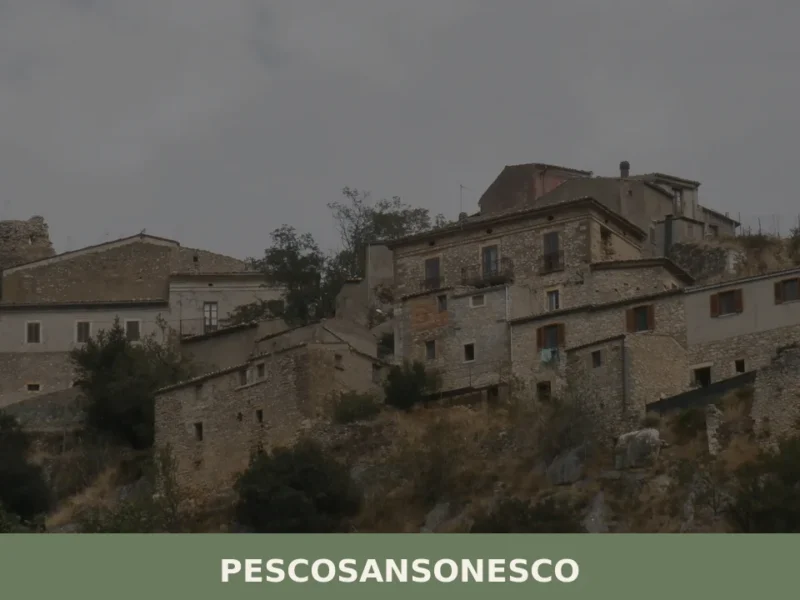
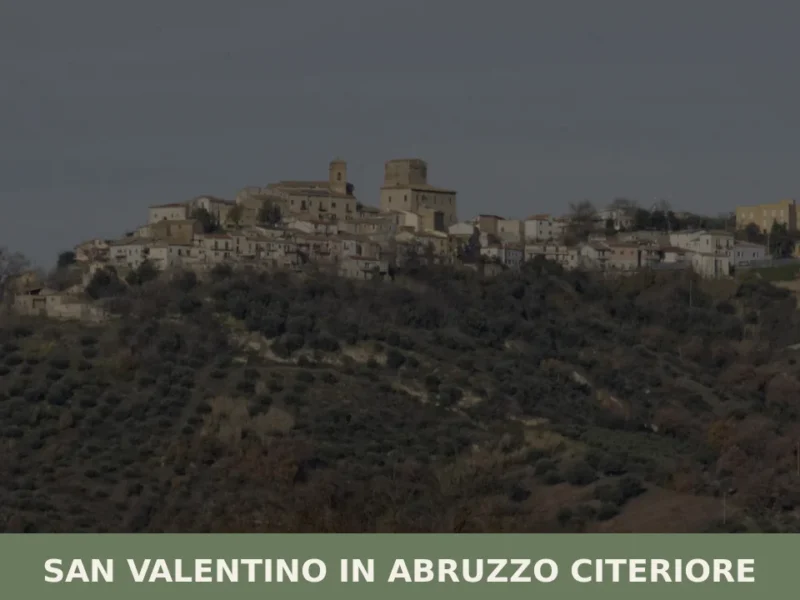
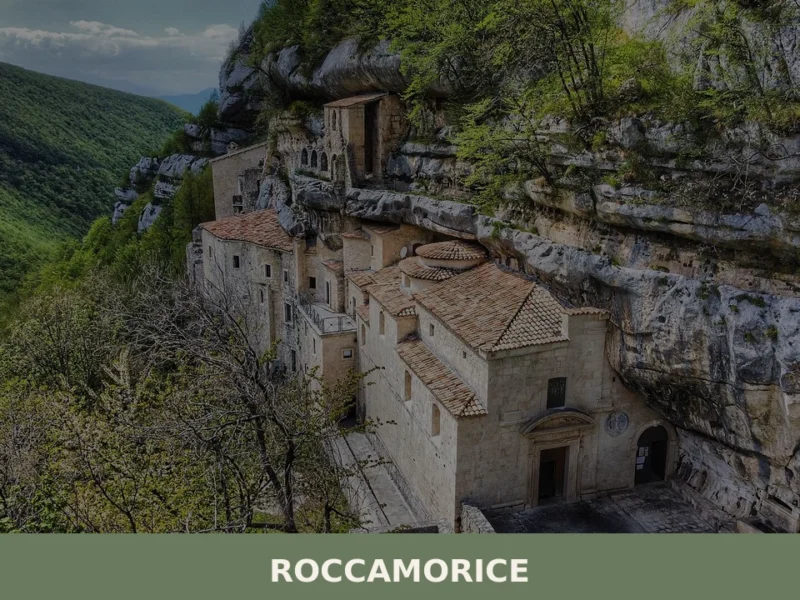
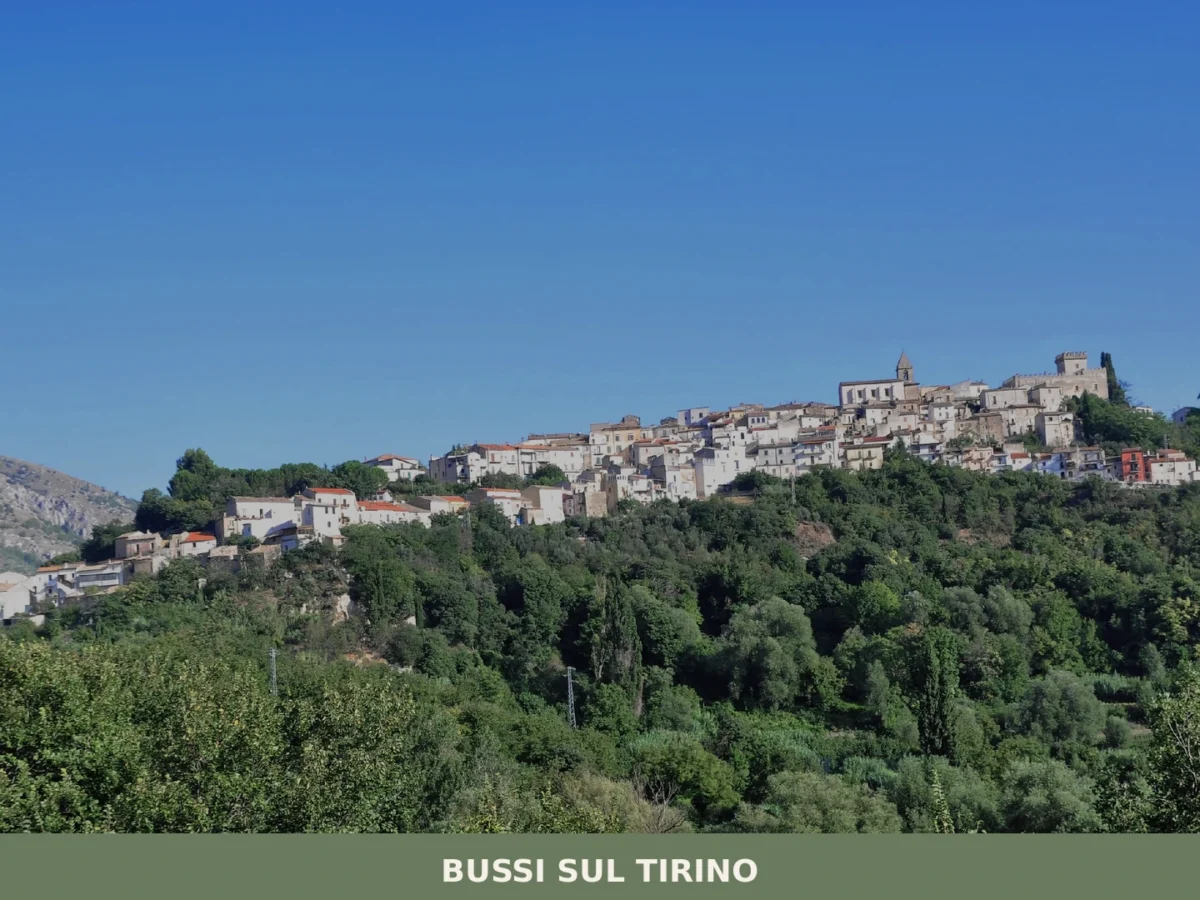
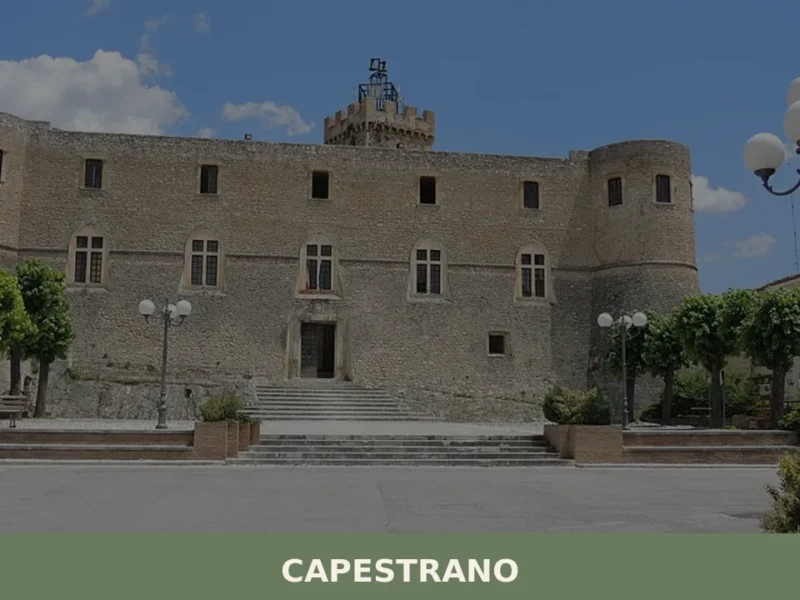
In Abruzzo More villages to discover
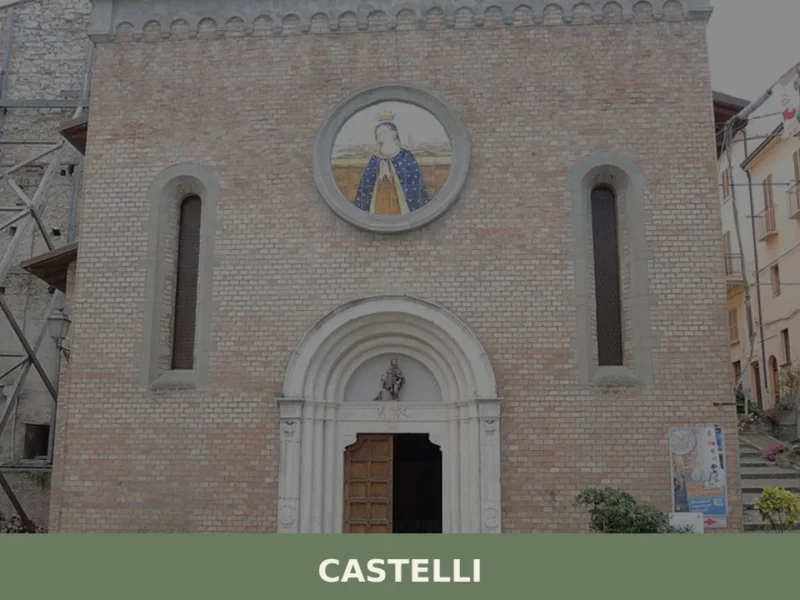
Castelli
Hills
Since the 14th century, Castelli has been recognized as one of Abruzzo’s most significant ceramic production centers, an art that has shaped the village’s identity and continues to define its image today. This small settlement, with its 976 inhabitants and an altitude of 497 meters above sea level in the province of Teramo, offers an […]
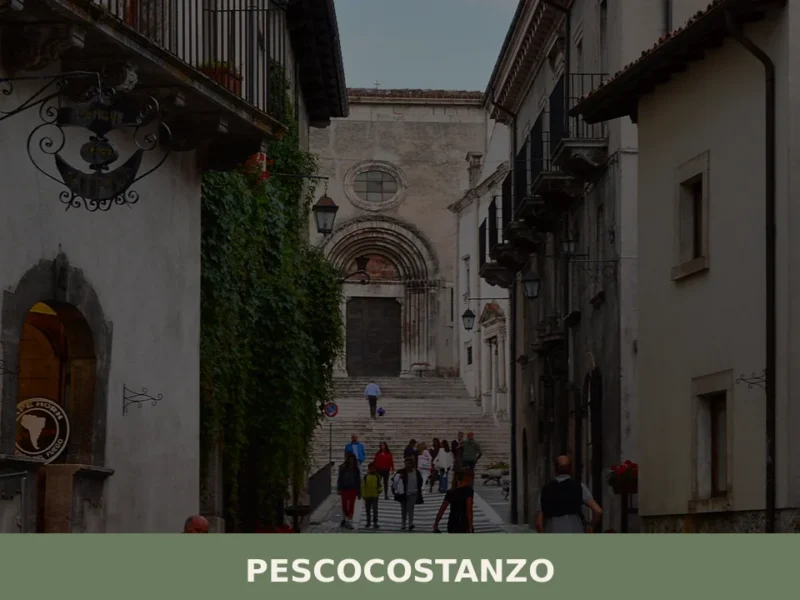
Pescocostanzo
 Mountain
what to see in pescocostanzo offers a blend of mountain beauty and historical charm in Italy. Discover its 1,138 inhabitants, the Maiella National Park, and the Basilica di Santa Maria del Colle. Explore Abruzzo's heart.
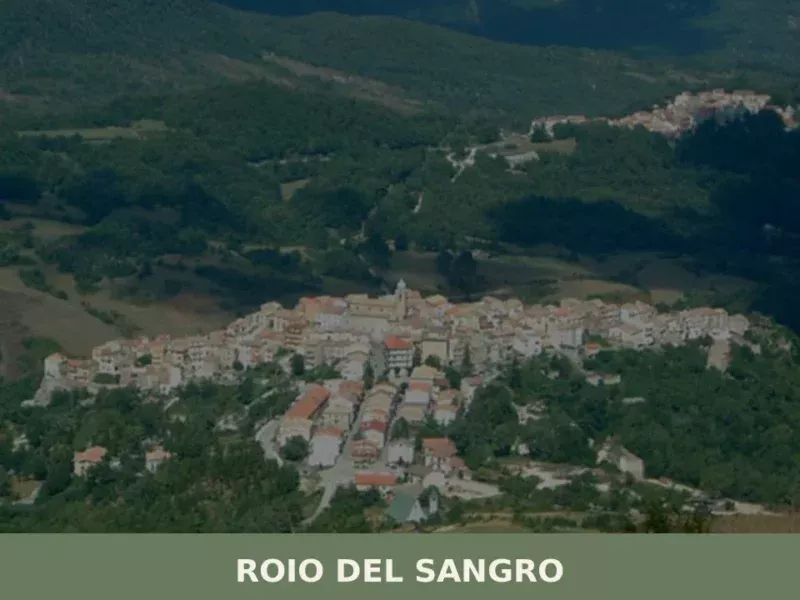
Roio del Sangro
Mountain
What to see in Roio del Sangro? Explore the 5 main attractions of this village in Abruzzo, amidst history and nature. Discover the ultimate guide for your visit!
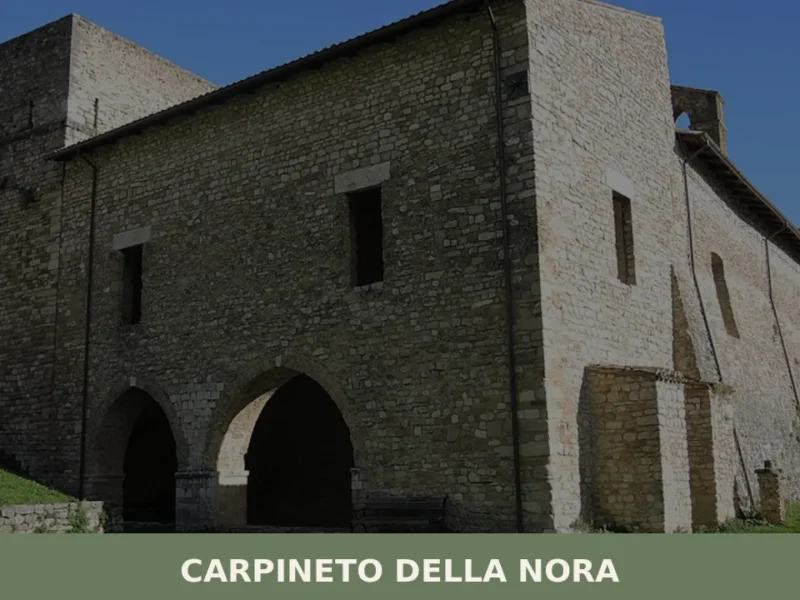
Carpineto della Nora
Hills
At 535 metres above sea level, on the ridge separating the Nora valley from the Pescara plain, Carpineto della Nora has a current population of 536 — a number that has halved since post-war censuses. Anyone looking into what to see in Carpineto della Nora will find a settlement built entirely from local stone, spread […]
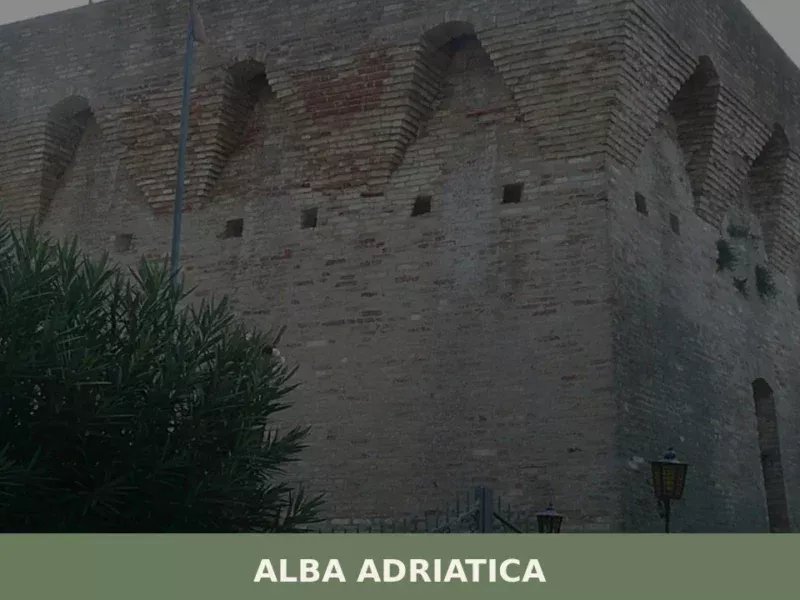
Alba Adriatica
 Sea
Sea
Until 1956, this locality did not exist as an independent municipality: it was a hamlet of Tortoreto, known as Tortoreto Stazione because of the railway stop on the Adriatic line. The administrative separation created a coastal town that today has 12,760 inhabitants spread across a territory sitting just 5 metres above sea level. Understanding what […]
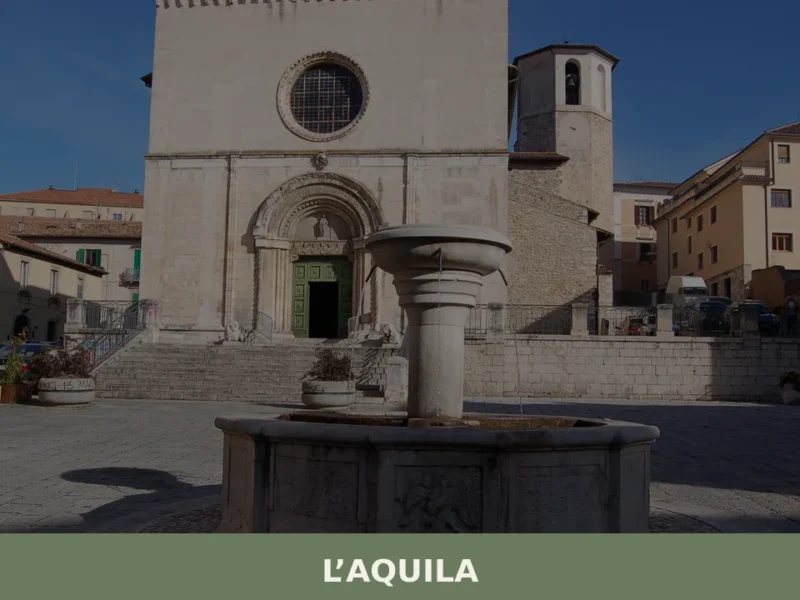
L’Aquila
 Lake
Mountain
Lake
Mountain
what to see all'Aquila: 5 attractions storiche, prodotti PAT e consigli pratici per visitare la città abruzzese a 714 m s.l.m. Pianifica il tuo itinerario.
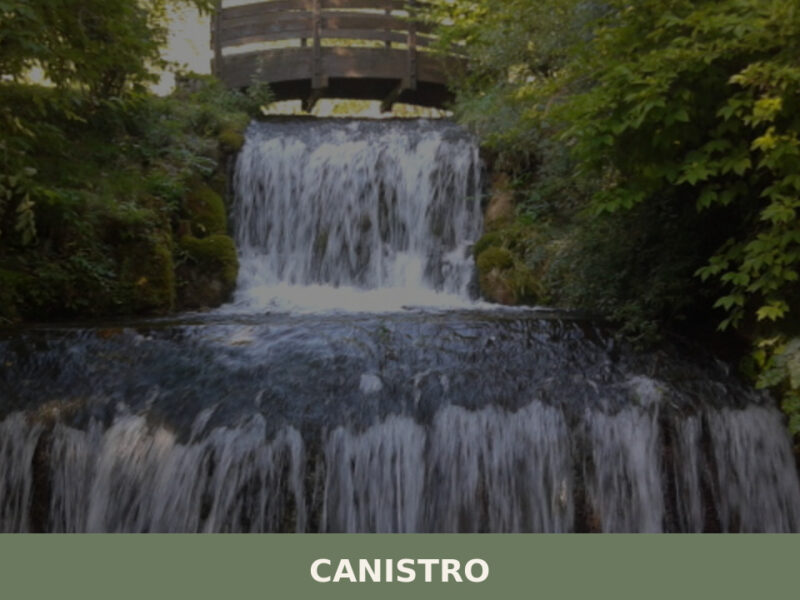
Canistro
Mountain
A village of mineral springs and stone alleys split between two elevations in the Valle Roveto. Here is what to see in Canistro, Abruzzo.
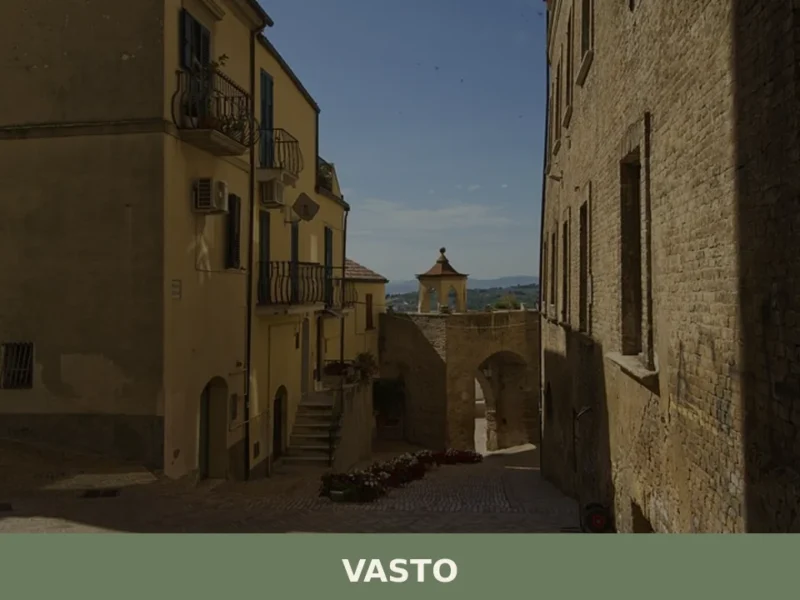
Vasto
Sea
With 40,692 inhabitants, Vasto stands on the Abruzzo Adriatic coast, a town that from its promontory at 144 meters above sea level observes a stretch of sea that was a crossroads of cultures and trades. For those wondering what to see in vasto, the answer unfolds among Roman vestiges, Renaissance architecture, and views of the […]
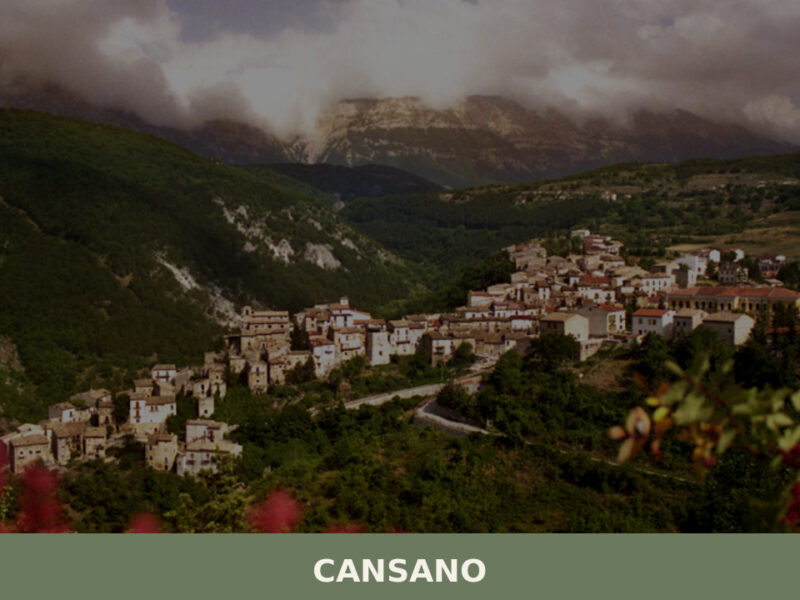
Cansano
Mountain
A guide to Cansano in Abruzzo — its Roman archaeological site of Ocriticum, medieval stone centre, Majella trails, and pastoral food traditions at 835 metres.
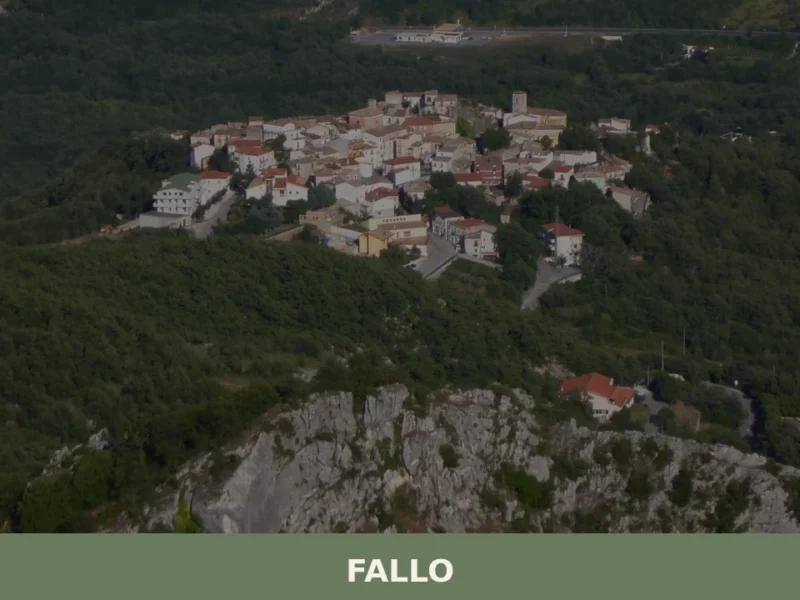
Fallo
Hills
With its 134 registered inhabitants, Fallo, in the province of Chieti, is confirmed as one of Abruzzo’s least populous settlements, a fact that immediately defines its intimate scale and unique relationship with the surrounding territory. This small urban cluster, situated on a rocky spur overlooking the Sangro valley, offers a genuine glimpse into Abruzzese mountain […]




🏡 Know Cugnoli better than we do?
If you’re a local or have been there, your knowledge matters: add what’s missing or fix a detail on this page.