


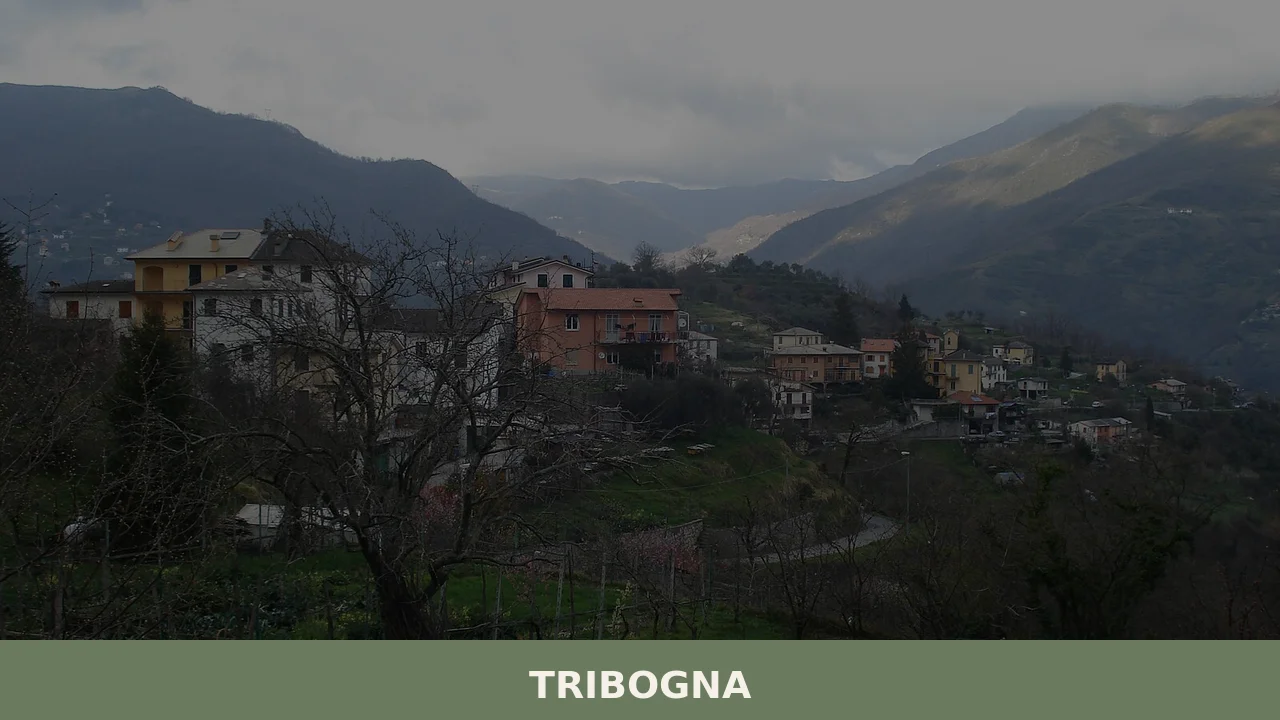
Tribogna
 Hills
Hills
what to see in tribogna, Italy: Explore this Ligurian comune of 628 inhabitants, 33 km east of Genoa. Read about its administrative role and surrounding valleys.
Discover Tribogna
The comune of Tribogna, with its population of 628 inhabitants, stands as an administrative point within the Metropolitan City of Genoa.
Cucina tipica e prodotti locali di Tribogna
La cucina di Tribogna riflette i sapori semplici e genuini dell’entroterra ligure, con un’enfasi su erbe aromatiche, olio d’oliva e prodotti stagionali.
Come arrivare a Tribogna
Tribogna è raggiungibile principalmente in auto. Dalla città metropolitana di Genova, si può seguire la SS1 Aurelia e poi deviare verso l’interno, seguendo le indicazioni stradali per il comune.
Cosa vedere a Tribogna, Liguria
Located approximately 33 kilometres (21 mi) east of Genoa, this Ligurian settlement offers a perspective on local governance and community life in a region defined by its rugged landscape and proximity to the Ligurian Sea.
Its position provides a reference point for understanding the network of smaller municipalities in this part of Italy.
For visitors wondering what to see in Tribogna, this Ligurian comune, home to 628 residents, provides insights into local Italian life and its geographical setting. The Tribogna highlights include understanding its role as a municipal seat and appreciating the surrounding natural environment.
Visitors to Tribogna find a quiet administrative center that serves as a base for exploring the broader Ligurian hinterland.
Storia di Tribogna
The history of Tribogna is intrinsically linked to its identity as a comune within the larger framework of the Metropolitan City of Genoa in Liguria, Italy. While specific founding dates or detailed historical events for Tribogna are not extensively documented in available sources, its existence as an established administrative unit suggests a long-standing settlement pattern characteristic of the region.
Many Ligurian villages evolved from ancient agricultural or defensive outposts, gradually developing into centers of local governance over centuries. For those seeking to understand what to see in Tribogna through its past, the administrative structure of a comune, which Tribogna embodies, has deep roots in Italian history, often tracing back to medieval self-governing communities.
Tribogna’s geographical position, situated about 33 kilometres (21 mi) east of the major port city of Genoa, has played a defining role in its development.
This distance indicates a location within the Ligurian hinterland, a region historically characterized by small, self-sufficient communities connected by mountain paths and river valleys. The evolution of such settlements often involved periods of autonomy followed by integration into larger political entities, such as the Republic of Genoa, which historically dominated this coastal and inland area. Understanding Tribogna’s present status as part of the Metropolitan City of Genoa helps to contextualize its historical trajectory within a broader Ligurian landscape.
In contemporary times, Tribogna continues its function as a vital administrative center for its local population.
The continuity of its role as a comune highlights the enduring importance of local government in Italy, providing essential services and representation for its 628 inhabitants. Its borders connect it to neighboring municipalities such as Avegno, Cicagna, Mocònesi, Neirone, Rapallo, and Uscio, forming a network of communities that share geographical and, likely, historical ties within the Metropolitan City of Genoa.
This network underscores the interconnectedness of these smaller Ligurian settlements, even as each maintains its distinct identity and administrative autonomy.
What to see in Tribogna, Liguria: top attractions
The Administrative Center of Tribogna
At the heart of Tribogna lies its administrative center, typically comprising the municipal building, or Palazzo Comunale, and a central square. This area serves as the focal point for the village’s 628 inhabitants, representing the hub of local governance and community interaction. While specific architectural details are not provided, visitors can observe the functional structures that define a modern Italian comune, often characterized by practical design reflecting its civic purpose. This central zone provides a tangible sense of the village’s identity and its role within the Metropolitan City of Genoa.
Views of the Ligurian Hinterland
Given Tribogna’s location about 33 kilometres (21 mi) east of Genoa and its position within the Ligurian region, the surrounding landscape offers expansive views of the hinterland.
This environment is characterized by rolling hills, dense Mediterranean vegetation, and deep valleys that define the Ligurian Apennines. Visitors can appreciate the natural contours of the land, which has shaped local life and historical development over centuries. The elevation, though not specifically stated for Tribogna itself, contributes to varied perspectives across the neighboring municipalities of Avegno and Cicagna, offering glimpses of a terrain that remains largely untouched by major urban development.
The Local Village Fabric
A walk through Tribogna’s local village fabric reveals the practical architecture and layout typical of a small Ligurian settlement.
The houses, built to adapt to the terrain, often feature stone elements and traditional construction methods that reflect the region’s resources and climate. Observing the arrangement of buildings, narrow pathways, and small public spaces provides insight into the daily lives of its residents. This tangible evidence of community life helps visitors understand the rhythm of a small Italian comune, where history and everyday existence are closely intertwined in the physical environment. The overall impression is one of a functional and integrated local community.
Proximity to the Val Fontanabuona
Tribogna’s geographical context places it in close proximity to the Val Fontanabuona, a significant valley in the Ligurian Apennines known for its slate quarries and agricultural traditions.
While not explicitly within Tribogna’s borders, this nearby valley influences the regional character and economy.
The landscape transitions from the immediate village environment to the broader valley system, offering opportunities to observe the interplay between human activity and the natural world. This proximity highlights Tribogna’s position within a wider regional ecosystem, connecting it to a distinctive Ligurian identity that extends beyond its municipal boundaries towards areas like Prelà, another Ligurian village with its own regional character.
Connection to the Metropolitan City of Genoa
Tribogna serves as a tangible link to the broader Metropolitan City of Genoa, of which it is an integral part. The administrative connection means that resources and infrastructure are tied to the larger urban center, approximately 33 kilometres (21 mi) to the west. This relationship allows visitors to appreciate how smaller communities maintain their distinct identities while benefiting from the services and cultural influence of a major city like Genova.
Exploring Tribogna offers a perspective on the administrative geography of Liguria, demonstrating how a comune with 628 inhabitants contributes to the diverse fabric of one of Italy’s significant metropolitan areas.
Local food and typical products of Tribogna
The specific culinary traditions and typical products directly attributable to Tribogna are not detailed in the provided sources.
However, as a comune in Liguria, Italy, its gastronomy would naturally fall within the broader regional culinary heritage. Ligurian cuisine is renowned for its emphasis on fresh, local ingredients, particularly those from the sea and the region’s fertile hills. Historical influences from Genoa’s maritime trade routes and the agricultural practices of the hinterland have shaped a distinct gastronomic identity, characterized by simple yet flavorful dishes. Understanding what to see in Tribogna also involves appreciating the regional culinary landscape, where olive oil, herbs, and garden vegetables form the backbone of many traditional recipes, reflecting a deep connection to the land and sea.
Visitors exploring the wider area around Tribogna can anticipate encountering classic Ligurian dishes.
These often include pasta preparations like trofie al pesto, a short, twisted pasta served with basil pesto, a sauce made from fresh basil, pine nuts, garlic, Parmesan, Pecorino, and olive oil. Another staple is focaccia, a flatbread that varies slightly in texture and toppings across the region, often enjoyed plain, with onions, or with olives. Seafood also features prominently, with dishes utilizing locally caught fish and shellfish.
The emphasis remains on fresh, seasonal components, prepared with techniques passed down through generations, showcasing the region’s rich agricultural and maritime bounty.
Information regarding specific certified products (such as DOP or IGP designations) directly associated with Tribogna is not available in the provided sources. However, the broader Ligurian region boasts several protected designations of origin, particularly for its olive oil, such as Riviera Ligure DOP.
While Tribogna itself may not be a designated production area, the quality of olive oil and other agricultural products from the surrounding hills would generally align with the high standards found across Liguria. The absence of specific local certifications for Tribogna highlights its focus as a small administrative center rather than a primary production hub for widely recognized goods.
Festivals, events and traditions of Tribogna
Specific details regarding festivals, annual events, or unique traditions held within Tribogna are not provided in the available sources. As a small comune with 628 inhabitants, it is reasonable to infer that local community life would historically include celebrations tied to religious holidays, agricultural cycles, or the patron saint of a local church, which are common across Italian villages. These events typically involve communal gatherings, local food, and cultural expressions that reinforce community bonds.
While there are no specific details on what to see in Tribogna regarding unique festivals, without specific documentation, the exact nature or dates of such events in Tribogna remain unconfirmed.
Visitors interested in experiencing traditional Ligurian events might explore larger towns or neighboring municipalities within the Metropolitan City of Genoa, where festivals are more frequently documented.
These regional celebrations often feature local produce, traditional music, and historical reenactments. The general absence of specific event information for Tribogna underscores its quiet, residential character, suggesting that any local gatherings are likely intimate community affairs rather than large-scale public spectacles. For those seeking vibrant public festivals, exploring the wider Ligurian calendar would be more fruitful than focusing solely on this small administrative center.
When to visit Tribogna, Italy and how to get there
For those considering what to see in Tribogna and the broader Ligurian region, the best time to visit Liguria generally extends from spring (April to June) through early autumn (September to October). During these periods, the weather is typically mild and pleasant, ideal for exploring the natural landscape and the quiet streets of small villages. Summers can be warm, particularly in July and August, attracting more visitors to the coastal areas, while winters are generally temperate but may bring more rain.
Visiting outside peak summer months allows for a more tranquil experience, especially in an inland comune like Tribogna, where the focus is on local life and scenic appreciation rather than beach activities.
Tribogna is located approximately 33 kilometres (21 mi) east of Genoa, making it accessible for a day trip from the regional capital.
The most practical way to reach Tribogna is by car, navigating the provincial roads that wind through the Ligurian hinterland. While no specific motorway exits are provided, travelers typically approach from the A12 motorway, taking an exit that leads towards the Val Fontanabuona area and then following local signage. For those relying on public transport, the nearest major train station would be in Genoa, such as Genova Brignole or Genova Piazza Principe, from where local bus services or a taxi would be required for the onward journey to Tribogna.
The nearest airport is Genoa Cristoforo Colombo Airport (GOA).
International visitors planning a trip to Tribogna, Liguria, Italy, should note that English may be limited in smaller local establishments, so carrying a phrasebook or translation app can be helpful. It is also advisable to have some Euros cash on hand, as not all smaller shops or services may accept credit cards. The terrain in Ligurian villages can sometimes be uneven or feature inclines, so comfortable walking shoes are recommended, though specific details on Tribogna’s terrain are not provided.
Planning ahead for transport, especially if not traveling by car, is essential to ensure a smooth visit to this quiet Ligurian administrative center.
Beyond exploring Tribogna, visitors can extend their discovery of Liguria by venturing to other distinctive villages.
The historical character of Balestrino offers a unique perspective on abandoned settlements, while Garlenda presents a different aspect of Ligurian charm, known for its golf course and olive groves. These destinations provide further opportunities to experience the varied landscapes and communities of the region.
Frequently asked questions about Tribogna
What is the best time to visit Tribogna?
Spring (April-May) and early autumn (September-October) are ideal for visiting Tribogna. During these months, the hillside village, located at 329 meters, offers mild temperatures perfect for exploring the Ligurian hinterland and enjoying panoramic views without the peak summer heat. While summers can be warm, the altitude provides some relief. A notable local event is the feast day of San Martino di Tours, the village's patron saint, celebrated on November 11th. Visiting around this date offers a unique opportunity to experience local traditions and community spirit, providing an authentic glimpse into village life.
What to see in Tribogna? Main monuments and landmarks
In Tribogna, visitors can explore the village's administrative heart, centered around the Palazzo Comunale and its main square. These functional structures serve as the hub of local governance and community life, offering insight into a typical Italian comune. A walk through the local village fabric reveals traditional Ligurian architecture, with stone elements and narrow pathways that reflect the region's history and daily existence. The Parish Church, dedicated to San Martino di Tours, the village's patron saint, is also a significant landmark, embodying the spiritual and historical essence of this quiet hillside settlement.
What are the main natural or scenic attractions of Tribogna?
Tribogna's primary natural attractions stem from its elevated position at 329 meters within the Ligurian hinterland. Visitors can enjoy expansive views of rolling hills, dense Mediterranean vegetation, and the deep valleys characteristic of the Ligurian Apennines. The village's close proximity to the Val Fontanabuona, a notable valley renowned for its slate quarries and agricultural traditions, further enhances its scenic appeal. This connection allows for appreciation of a broader regional ecosystem, highlighting the interplay between human activity and the natural world beyond Tribogna's municipal borders.
Where to take the best photos in Tribogna?
For stunning photographs in Tribogna, focus on capturing the panoramic views of the Ligurian Hinterland. The village's altitude of 329 meters offers breathtaking perspectives of the surrounding rolling hills, lush Mediterranean vegetation, and the picturesque valleys of the Ligurian Apennines. Seek out elevated points within or just outside the village for sweeping landscape shots. Additionally, the quiet local village fabric, with its traditional stone houses, charming narrow pathways, and the central square around the Palazzo Comunale, provides excellent opportunities for capturing authentic scenes of Ligurian village life.
Are there museums, churches or historic buildings to visit in Tribogna?
While Tribogna does not feature specific museums, visitors can explore the Palazzo Comunale, the municipal building located in the central square, which represents the administrative heart of the village. As the patron saint is San Martino di Tours, the village undoubtedly has a Parish Church (Chiesa Parrocchiale) dedicated to him. This church would be a significant historic and religious building, offering insights into local faith and traditional Ligurian architecture. These sites provide a tangible connection to the village's identity and its long-standing role as a comune.
What can you do in Tribogna? Activities and experiences
In Tribogna, visitors can enjoy a tranquil escape focused on appreciating the Ligurian hinterland. Activities include leisurely walks through the village's traditional fabric, observing its practical architecture and narrow pathways that reveal local life. The surrounding hills, at an altitude of 329 meters, are ideal for gentle hikes or scenic drives, offering expansive views of the Ligurian Apennines. Its close proximity to the Val Fontanabuona also provides opportunities to explore a wider regional landscape, known for its natural beauty and traditional industries, making it a perfect base for nature lovers.
Who is Tribogna suitable for? Families, couples, hikers, solo travelers?
Tribogna is perfectly suited for travelers seeking a peaceful and authentic Ligurian experience away from bustling tourist hubs. It particularly appeals to hikers, nature enthusiasts, and those who appreciate scenic views of the Ligurian hinterland and Apennines. Solo travelers and couples looking for a quiet retreat will enjoy its residential character and opportunities for relaxation and gentle exploration. It's also an excellent choice for visitors interested in understanding local Italian life and the administrative geography of smaller communities within the Metropolitan City of Genoa.
📷 Photo Gallery — Tribogna
Nearby Villages near Tribogna
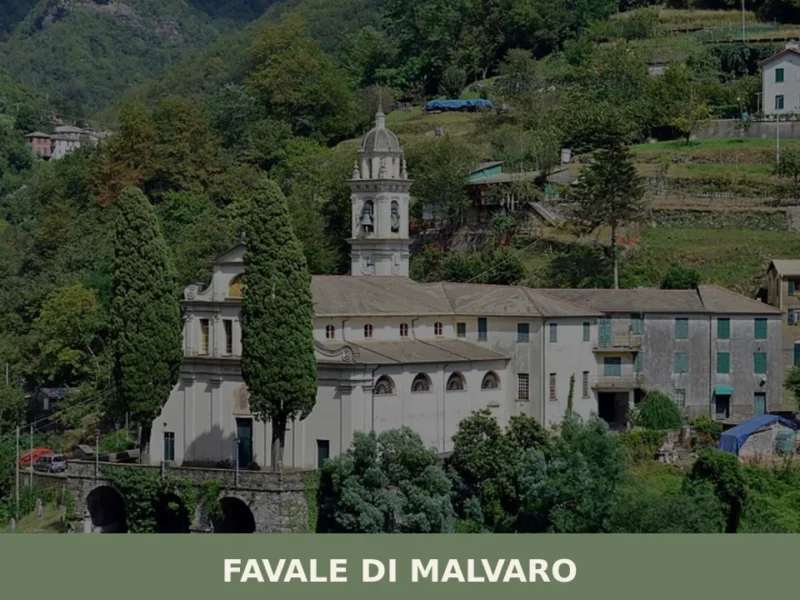
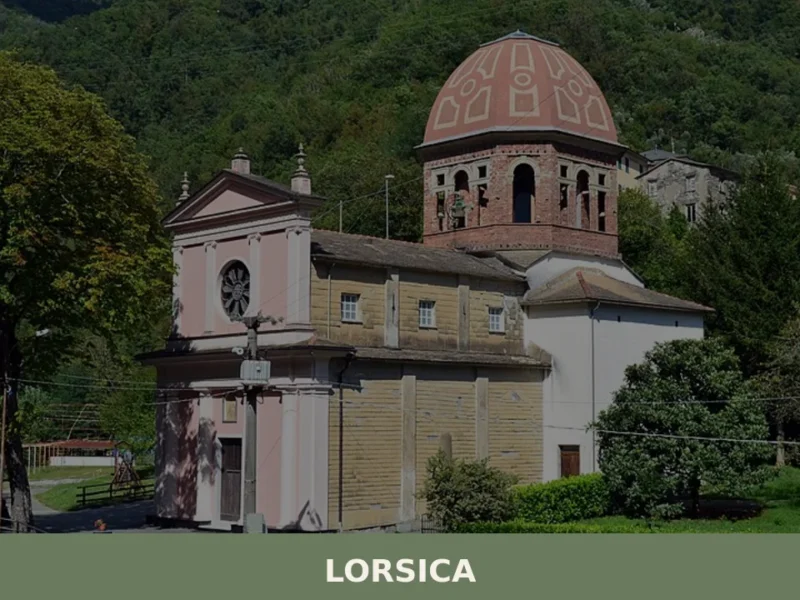
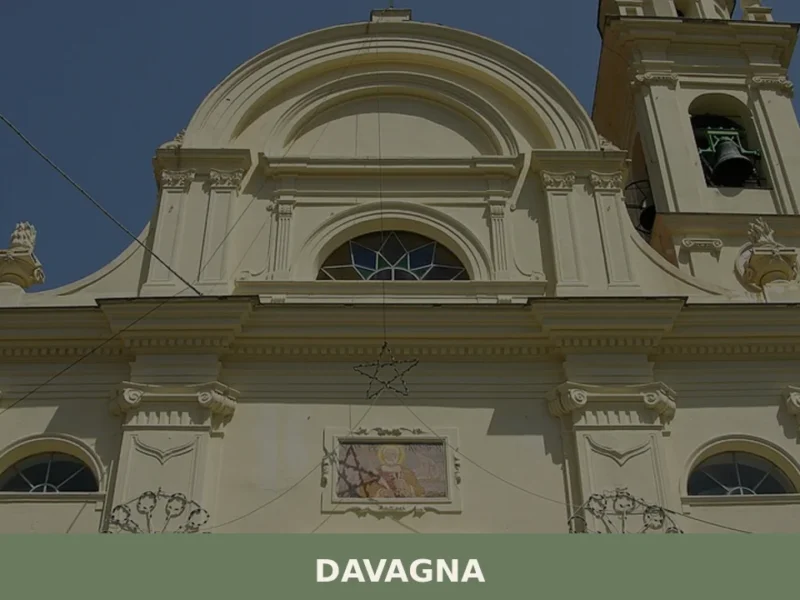
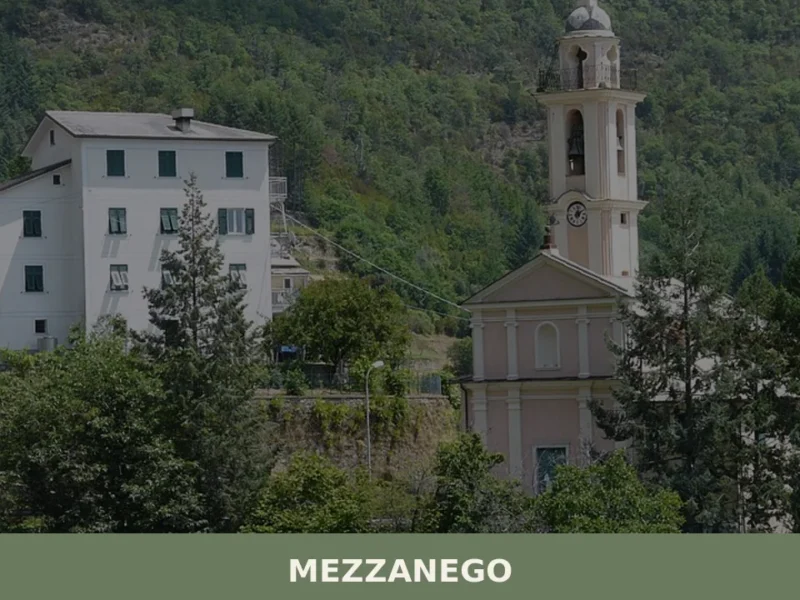
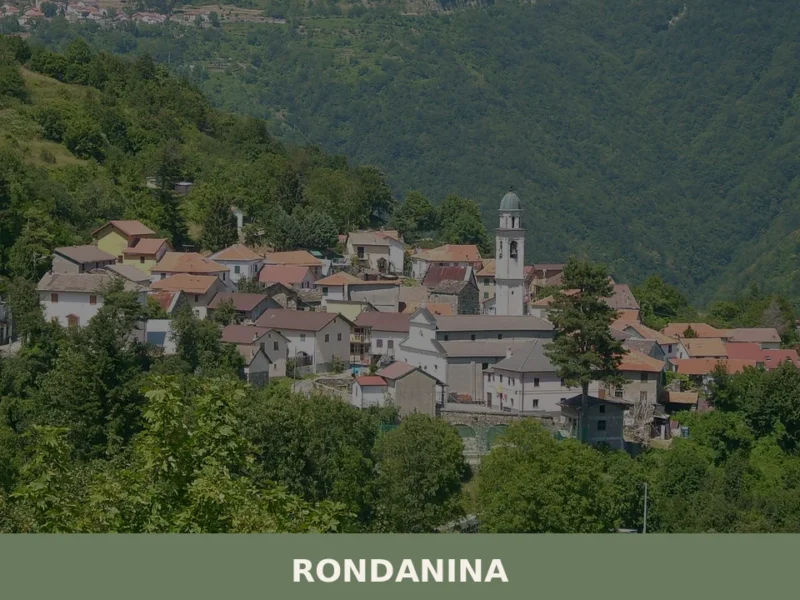
In Liguria More villages to discover
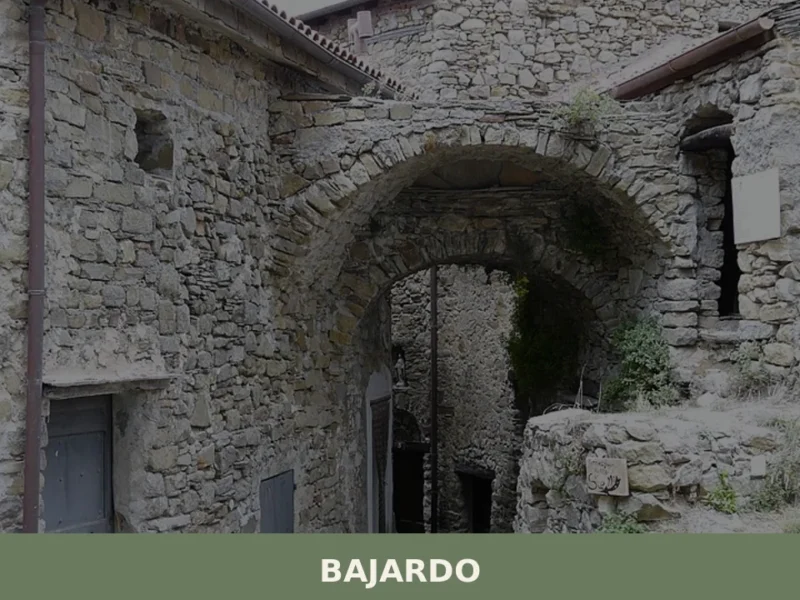
Bajardo
 Mountain
What to see in Bajardo? Discover top 5 attractions at 910m, with historic ruins, stunning views, and trails. Plan your visit!
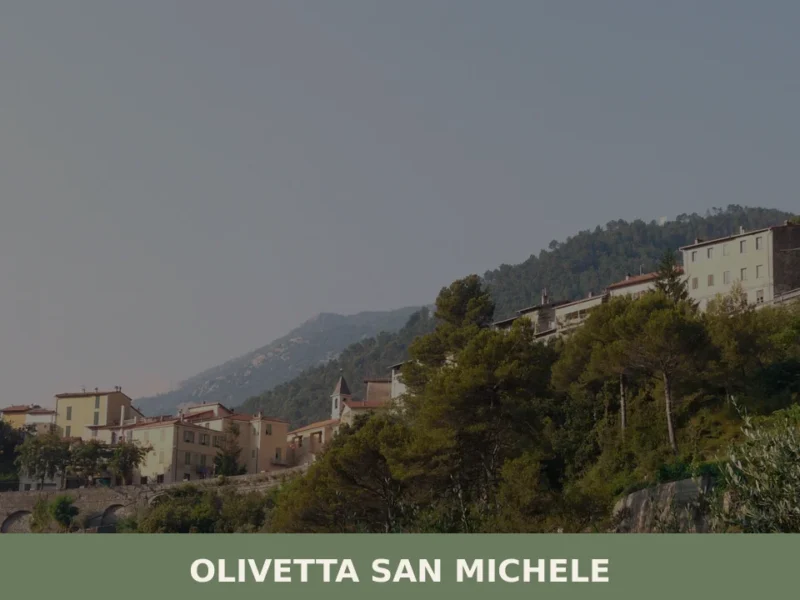
Olivetta San Michele
Mountain
What to see in Olivetta San Michele? Discover 5 unique aspects of this Ligurian village, between history and nature. Read the full guide and plan your visit!
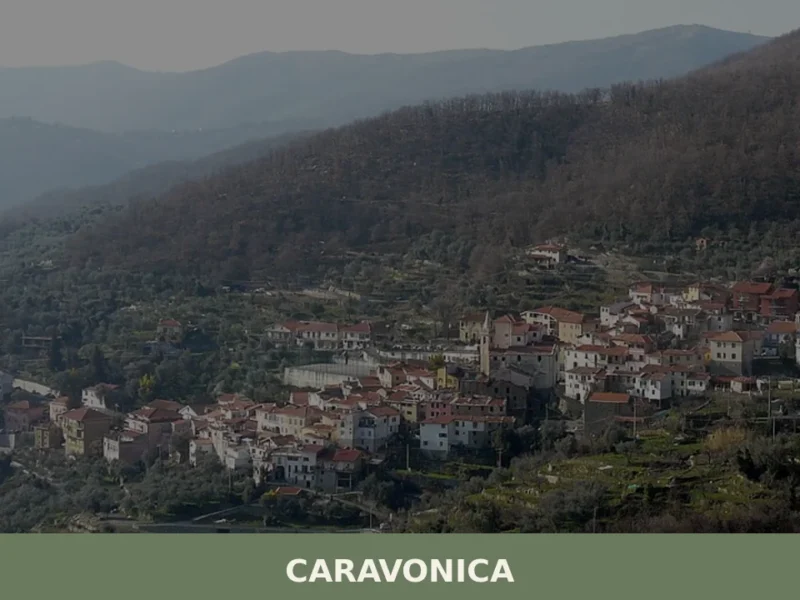
Caravonica
Hills
The scent of wild rosemary drifts on the morning air, carried by a breeze that has travelled from the Ligurian Sea and across the terraced olive groves. Morning light, still soft, begins to illuminate the ochre and terracotta facades of Caravonica “”, a village clinging to a hillside in the Imperia province. At 360 meters […]
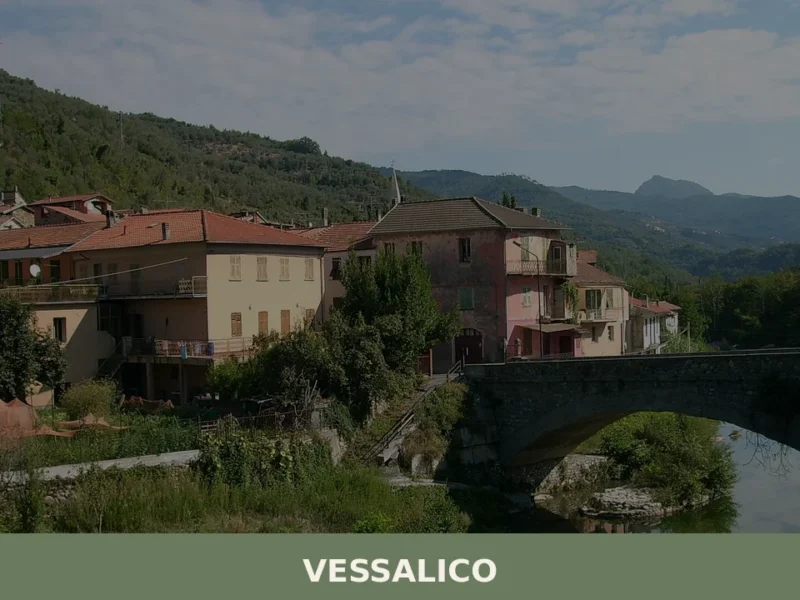
Vessalico
 Plains
what to see in vessalico, Italy: Explore this Ligurian village at 197m. Discover its history and the patron saint festival on July 22. Read more.
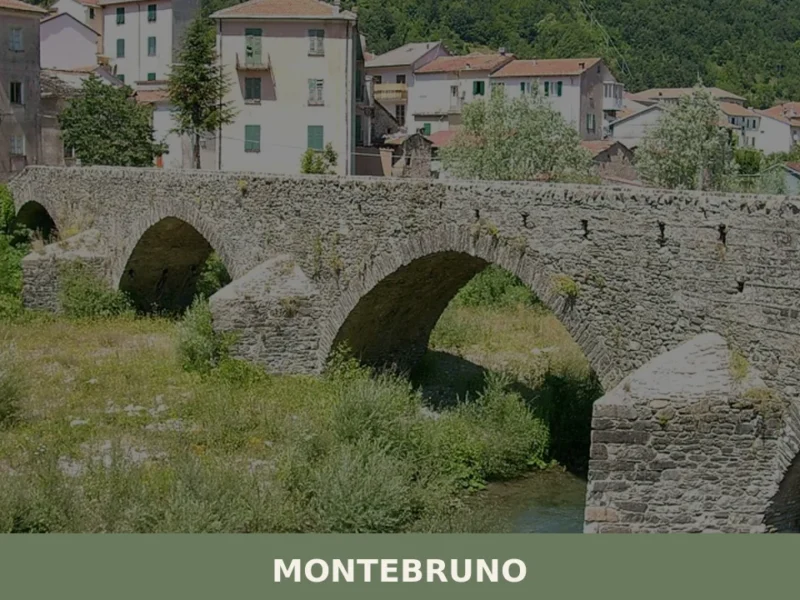
Montebruno
Mountain
What to see in Montebruno, Italy: a mountain village at 655 m (2,149 ft) near Genoa. Discover the Marian sanctuary, Antola park trails and the 8 September feast.
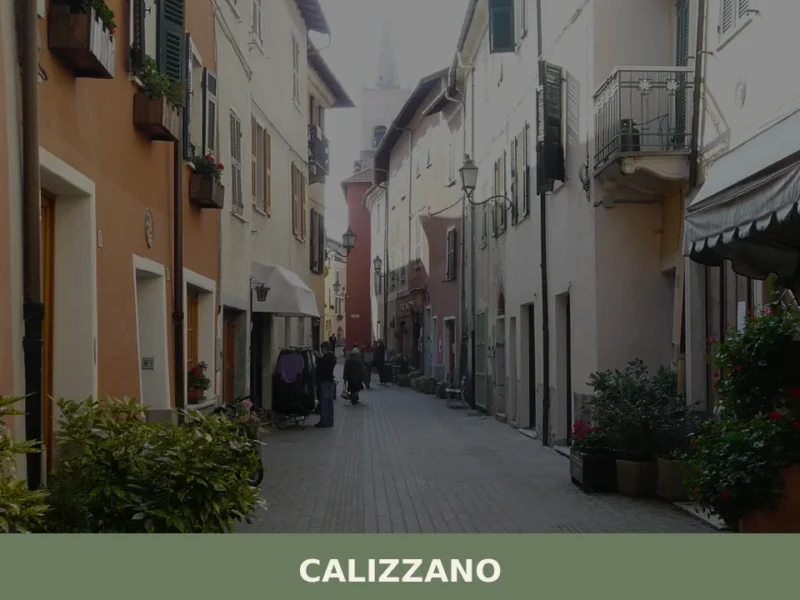
Calizzano
Mountain
What to see in Calizzano, Liguria, Italy: explore the upper Bormida Valley at 70 km from Genoa. Discover Monte Spinarda, local food and festivals. Read the guide.
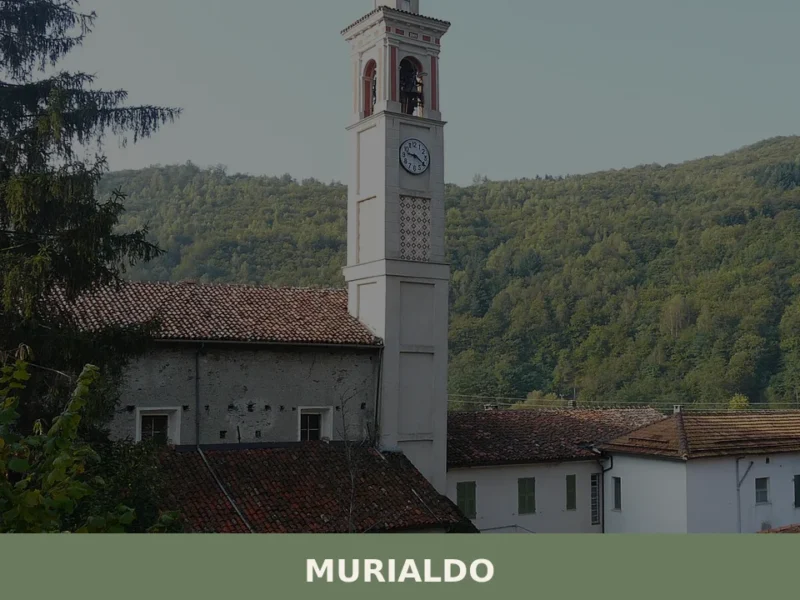
Murialdo
Mountain
What to see in Murialdo, Liguria, Italy: 8 borgate, Monte Camulera, and local cuisine across 37.5 sq km. Discover top attractions, events, and how to get there.
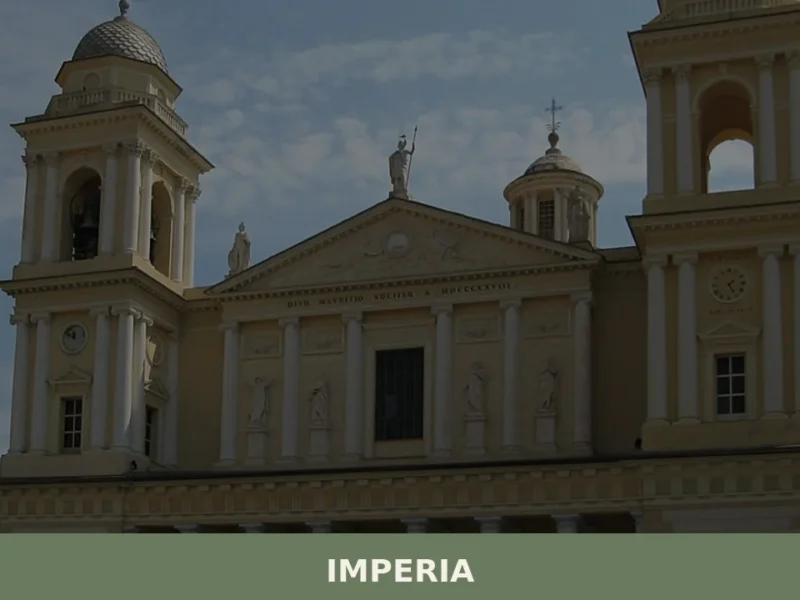
Imperia
 Sea
Sea
What to see in Imperia: dual city rising to 534 m in Liguria. Explore the Parasio, the free Olive Museum and sardenaira. Plan your visit now.
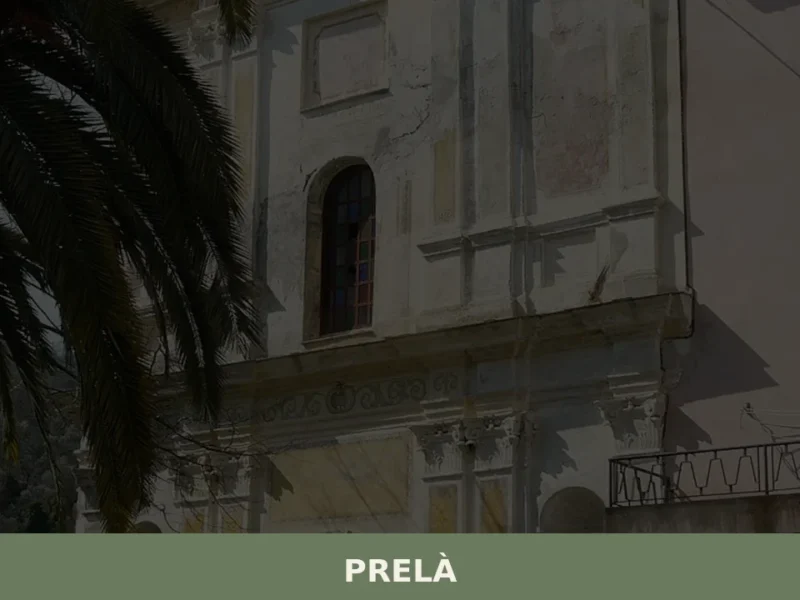
Prelà
Hills
What to see in Prelu00e0, Liguria, Italy: explore 5 top attractions, local olive oil traditions, and practical travel tips. Population 485. Discover it now.
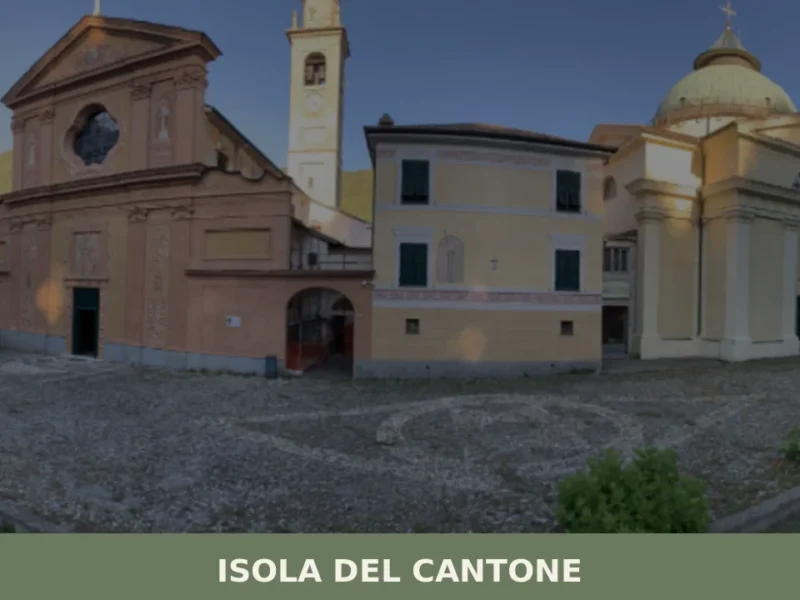
Isola del Cantone
Hills
what to see in isola del cantone (Genoa). Discover the Church of Saints Stephen and Innocent and the Old Bridge. Explore this village of 1385 inhabitants.




🏡 Know Tribogna better than we do?
If you’re a local or have been there, your knowledge matters: add what’s missing or fix a detail on this page.