


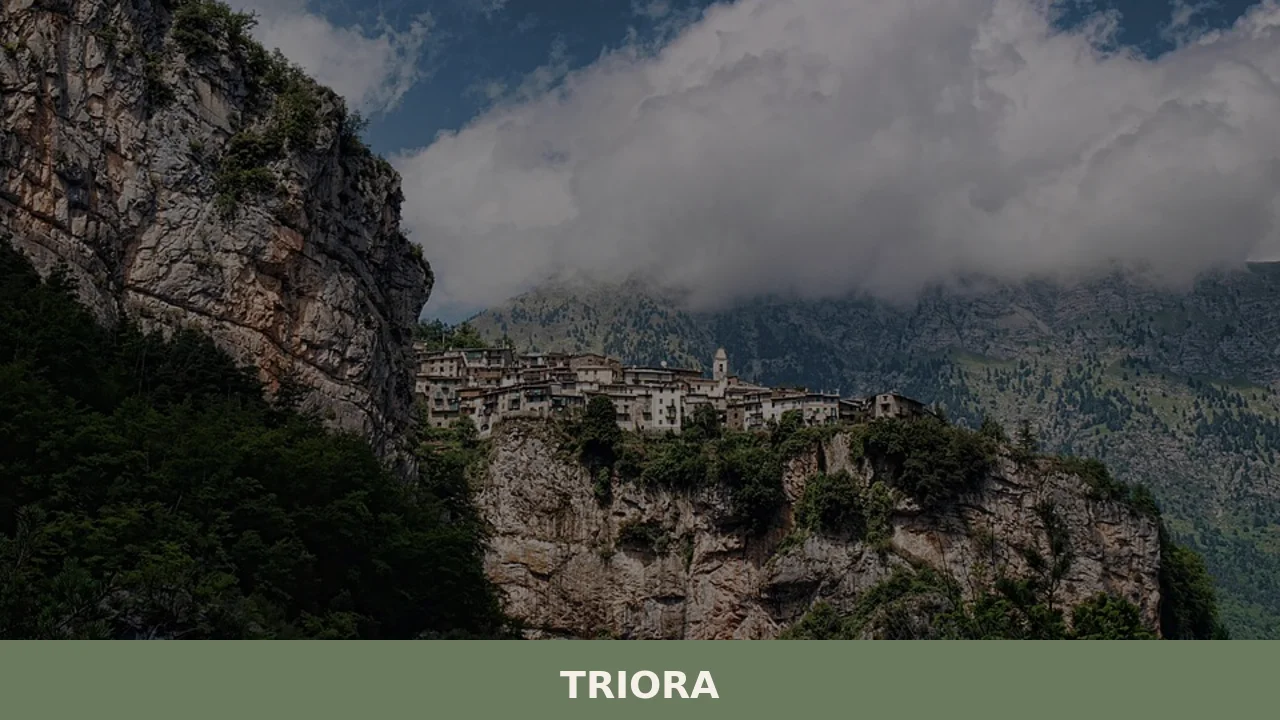
Triora
 Mountain
what to see in triora, Italy: Explore this historic village, home to 416 residents, and discover its ancient witch trials history and vibrant August festival. Plan your visit today.
Discover Triora
Recognized as one of I Borghi più belli d’Italia, Triora stands as a testament to medieval Italian heritage, having also earned the prestigious Touring Club Italiano Bandiera arancione for its visitor appeal.
This designation highlights the village’s commitment to preserving its historical integrity and offering a high-quality tourist experience.
Situated in the province of Imperia, it presents a distinctive blend of history and tradition.
For those wondering what to see in Triora, this Ligurian village, home to 416 residents as of 2004, offers a compelling journey into a past unlike any other. Visitors to Triora find themselves immersed in the history of its infamous Renaissance witch trials, a significant local event, and can explore the charming streets that lead to various historical sites.
The Triora highlights include its well-preserved medieval architecture and the array of folklore-themed festivals that celebrate its unique cultural identity.
History of Triora
Triora, a municipality in the province of Imperia, Liguria, holds a significant place in Italian history, particularly through its well-preserved medieval structure. Though specific founding dates are not provided in historical records, the village’s architecture clearly reflects centuries of development, evolving into a fortified settlement, offering visitors a clear sense of what to see in Triora’s earliest layers.
Its strategic location, approximately 100 km (62 mi) southwest of Genoa and 25 km (16 mi) northwest of Imperia, positioned it at a historical crossroads, influencing its cultural and defensive character over time. This historical context is shared with other Ligurian strongholds, such as Castelvecchio di Rocca Barbena, which also boasts a rich medieval past within the region.
The most notorious period in Triora’s past unfolded during the Renaissance, when the village became the site of Italy’s last witch trials.
These events, steeped in local folklore and historical records, left an indelible mark on the community and continue to shape its identity today. The trials involved numerous accusations and investigations, reflecting the societal anxieties and beliefs prevalent in Liguria during that era, attracting scholarly and historical interest.
Beyond its medieval and Renaissance chapters, Triora has also been home to notable figures who contributed to broader historical narratives.
John of Triora, a Franciscan missionary who became a martyr in China, was born near the village in 1760, extending the village’s reach far beyond Liguria’s borders. More recently, Francesco Moraldo, born in Creppo on 30 December 1906, hid and protected two German Jewish orphans during the German occupation and Italian Social Republic, an act of profound courage that earned him the title of Righteous Among the Nations from the Yad Vashem Institute of Jerusalem on 11 February 1999.
The village also formally twinned with La Brigue, France, in 2006, fostering cross-border cultural connections.
What to see in Triora, Liguria: top attractions
The Medieval Citadel of Triora
The stone walls and narrow, winding alleyways define the historic core of Triora, revealing its origins as a fortified medieval settlement. As an elite member of I Borghi più belli d’Italia, the village’s ancient structures have been carefully preserved, offering visitors a clear sense of its historical continuity. Exploring the citadel involves navigating cobbled paths that ascend and descend, often revealing unexpected vistas of the surrounding Ligurian Alps, an experience that transports one through centuries of architectural evolution.
Look for the remnants of defensive fortifications and ancient doorways that hint at the village’s strategic past.
Sites Related to the Witch Trials
The legacy of the Renaissance witch trials permeates various locations within Triora, providing a profound insight into this dark chapter of Italian history and contributing significantly to what to see in Triora’s unique cultural landscape.
Though specific buildings from the trials may not be explicitly marked, the village itself serves as a tangible reminder of the events that occurred here, culminating in Italy’s last such trials. Visitors can explore areas where historical accounts suggest proceedings took place, often accompanied by local narratives that keep the memory alive. The August witchcraft festival further commemorates this period, drawing interest to the historical context of the accusations and local beliefs.
Religious Heritage and the Feast of St. John
Triora’s religious heritage is deeply woven into its community life, centered around its local patron, St. John of the Meadows. While no specific church name is provided in the sources, the celebration of his feast day on 23 June indicates a significant place of worship or historical site dedicated to him within the village. These religious traditions highlight the enduring faith and communal bonds that have sustained Triora’s inhabitants for generations.
Visitors can observe the architectural styles of various religious buildings, which often incorporate elements dating back several centuries, reflecting the village’s long spiritual history.
The Frazione of Creppo and Moraldo’s Legacy
A short distance from the main village lies the frazione of Creppo, a small hamlet that holds a powerful story of human compassion during World War II.
It was here that Francesco Moraldo, born in Creppo in 1906, bravely sheltered two German Jewish orphans, aged nine and eleven, from deportation between 1943 and 1945. The entire population of Creppo actively assisted in their protection, despite the inherent dangers from frequent German roundups in the area. This site serves as a poignant reminder of solidarity and sacrifice, honored by the Yad Vashem Institute in 1999 for Moraldo’s courageous actions.
Parco naturale regionale delle Alpi Liguri
The natural environment surrounding Triora offers expansive opportunities for outdoor exploration within the Parco naturale regionale delle Alpi Liguri. This regional park, directly bordering Triora, encompasses a diverse landscape of mountains, forests, and valleys, providing a dramatic backdrop to the historic village. The park’s varied ecosystems support a rich biodiversity, making it an ideal destination for nature enthusiasts and hikers seeking scenic trails and panoramic views.
Visitors can access numerous paths that lead through elevations reaching up to the nearby Saccarello area, offering a different perspective on the Ligurian territory.
Local food and typical products of Triora
The culinary traditions of Triora reflect its Ligurian mountain setting, characterized by the availability of local ingredients from both the immediate surroundings and historical trade routes.
Understanding these traditions is key to appreciating what to see in Triora’s everyday life and cultural depth. The village’s gastronomic identity is shaped by simple, hearty preparations that make the most of seasonal produce, wild herbs, and locally raised livestock. This approach to cooking has been passed down through generations, emphasizing flavors that are deeply rooted in the Ligurian hinterland, distinct from coastal fare. The region’s history of self-sufficiency ensures a cuisine that is both authentic and resourceful.
While specific traditional dish names for Triora are not detailed in the available sources, the broader Ligurian mountain cuisine often features robust, earthy flavors. Staples typically include dishes based on potatoes, chestnuts, and various wild mushrooms, reflecting the bounty of the surrounding forests.
Local preparations often incorporate aromatic herbs such as rosemary and thyme, common in the Ligurian landscape, and utilize simple cooking methods that highlight the natural quality of ingredients.
These culinary practices are indicative of a region where sustenance was traditionally drawn directly from the land, a characteristic found in many inland Ligurian communities like Calice al Cornoviglio.
The sources do not specify any certified products unique to Triora, such as DOP or IGP designations. However, the region’s agricultural output, particularly in the surrounding valleys, contributes to a general appreciation for authentic, locally sourced ingredients. This emphasis on natural produce ensures that visitors can find fresh, seasonal items that embody the local terroir, even without formal certification.
The focus remains on quality and provenance, reflecting the deep connection between the inhabitants and their immediate environment.
Triora’s calendar includes several events dedicated to local produce, celebrating the harvest and seasonal specialties.
A prominent event is the mushroom festival held in September, which draws visitors interested in the diverse fungi found in the Ligurian Alps. Following this, a chestnut fair takes place in October, highlighting the importance of chestnuts as a traditional food source in the mountainous areas. Additionally, an All Souls Day fair is organized at the beginning of November, offering another opportunity to experience local traditions and perhaps taste seasonal fare, connecting communal life with the agricultural cycle.
Festivals, events and traditions of Triora
Triora is renowned for its vibrant calendar of festivals and events, many of which draw inspiration from its unique history and local folklore, offering a dynamic perspective on what to see in Triora beyond its static attractions. Annually in August, the village hosts a summer witchcraft festival, a thematic celebration directly linked to its past as the site of Italy’s last witch trials, attracting visitors interested in historical reenactments and local legends.
Another significant event is the mushroom festival in September, which celebrates the natural bounty of the surrounding forests and brings together enthusiasts of foraging and local cuisine.
The end of October sees the village embracing Halloween, with festivities that align with its mystical reputation.
Beyond these major events, Triora maintains several smaller fairs and cherished traditions throughout the year, reinforcing its strong community spirit. The local patron saint, St. John of the Meadows, is honored with a dedicated day on 23 June, a time for local observances and communal gatherings. As winter approaches, a Christmas bonfire lights up the village on 24 December, a traditional way to celebrate the festive season. Spring is marked by a series of Easter parades, held before, during, and after Holy Week, adding a solemn yet colorful dimension to the village’s annual cycle of events, reflecting centuries-old customs.
When to visit Triora, Italy and how to get there
The best time to visit Triora, Liguria, Italy, largely depends on the desired experience, though the warmer months from late spring to early autumn (May to October) generally offer the most pleasant weather for exploring.
During this period, temperatures are mild, and the village’s numerous festivals, including the summer witchcraft festival in August and the mushroom festival in September, are in full swing. For those who prefer cooler temperatures and fewer crowds, the shoulder seasons of May-June and September-October are ideal, allowing for comfortable walks along the village’s sometimes steep and uneven medieval paths. The village’s historical layout means some areas may require good mobility.
Reaching Triora requires navigating the scenic, winding roads characteristic of the Ligurian hinterland. If you arrive by car, the nearest major city is Imperia, located approximately 25 km (16 mi) to the southeast.
From Imperia, follow local roads inland. For those seeking train travel, the nearest major station is in Imperia, with connections available via Trenitalia, making Triora a feasible day trip from major Ligurian hubs like Genoa, which is about 100 km (62 mi) southwest.
While Triora offers an inland mountain experience, visitors might also consider exploring coastal destinations like Deiva Marina for a contrasting Ligurian perspective. The nearest international airport is Nice Côte d’Azur Airport (France), about 75 km (47 mi) away, or Genoa Cristoforo Colombo Airport, approximately 115 km (71 mi) distant. International visitors should note that English may not be widely spoken in smaller establishments, and carrying some Euros cash can be useful for local purchases.
Visitors looking to extend their exploration of Liguria beyond Triora can also consider a trip to Savona, a significant port city that offers a different facet of the region’s diverse landscape and cultural offerings, complementing the historical journey of what to see in Triora. Such a visit provides a broader understanding of Liguria’s historical importance and varied geography, from its rugged mountains to its bustling coastlines.
Frequently asked questions about Triora
What is the best time to visit Triora?
The ideal time to visit Triora depends on your interests. Summer (June–August) is perfect for exploring the medieval citadel and enjoying the outdoors at a pleasant mountain altitude of 780 m. The highlight of August is the Feast of the Assumption on 15 August, Triora's patron saint celebration. Late summer also brings the popular witchcraft festival. September is excellent for the mushroom festival, while October offers the chestnut fair. Spring offers mild temperatures and blooming landscapes, making it ideal for hiking in the Parco naturale regionale delle Alpi Liguri.
What are the historical origins of Triora?
Triora's exact founding date is not recorded, but its architecture clearly reflects centuries of medieval development as a fortified settlement. Strategically located roughly 100 km southwest of Genoa and 25 km northwest of Imperia, it became a significant Ligurian stronghold. The village is most notorious for hosting Italy's last Renaissance witch trials, a defining chapter in its history. It was also the birthplace of John of Triora, a Franciscan martyr born in 1760, and the home of Francesco Moraldo, honored as Righteous Among the Nations for sheltering Jewish orphans during World War II.
What to see in Triora? Main monuments and landmarks
Triora's must-see attractions include the medieval citadel, with its stone walls, ancient doorways, and cobbled alleyways offering panoramic views of the Ligurian Alps. Sites connected to the Renaissance witch trials are scattered throughout the village, kept alive by local narratives and the annual August witchcraft festival. The nearby hamlet of Creppo honors Francesco Moraldo's wartime heroism. Religious heritage is visible in the village's historic churches, centered on local traditions such as the feast of St. John of the Meadows on 23 June. The surrounding Parco naturale regionale delle Alpi Liguri rounds out a visit with dramatic mountain scenery.
What are the main natural or scenic attractions of Triora?
Triora borders the Parco naturale regionale delle Alpi Liguri, a regional park offering mountains, forests, and valleys with rich biodiversity. Hikers can access scenic trails reaching towards the Saccarello area, the highest peak in Liguria. At 780 m altitude, the village itself provides striking views over the surrounding Ligurian Alps. The park's diverse ecosystems make it a rewarding destination for nature lovers, birdwatchers, and foragers, particularly in autumn when wild mushrooms and chestnuts are abundant in the forests around the village.
Where to take the best photos in Triora?
The cobbled alleyways and stone archways of Triora's medieval citadel offer compelling architectural shots, especially in the golden light of early morning or late afternoon. Elevated vantage points within the village reveal panoramic vistas of the Ligurian Alps, providing dramatic landscape backdrops. The narrow, winding streets ascending through the historic core create natural framing for evocative medieval imagery. During the August witchcraft festival and the 15 August patron saint feast, the village comes alive with atmosphere that offers rich opportunities for documentary and cultural photography.
Are there museums, churches or historic buildings to visit in Triora?
Triora is home to the Museo Etnografico e della Stregoneria (Ethnographic and Witchcraft Museum), dedicated to the village's infamous Renaissance witch trials and local folk traditions — one of the most distinctive museum experiences in Liguria. The historic village core preserves religious buildings with architectural elements dating back several centuries, tied to traditions such as the feast of St. John of the Meadows on 23 June and the Assumption of the Virgin Mary on 15 August. The medieval citadel itself, with its fortifications and ancient structures, functions as an open-air historical monument.
What can you do in Triora? Activities and experiences
Triora offers a rich mix of cultural and outdoor activities. History enthusiasts can explore the medieval citadel and sites linked to the Renaissance witch trials, enhanced by the annual August witchcraft festival. Hikers have direct access to the Parco naturale regionale delle Alpi Liguri, with trails leading toward Monte Saccarello. Foodies can attend the September mushroom festival and the October chestnut fair to taste and purchase local mountain produce. The 15 August patron saint feast and the Halloween festivities in late October add further cultural and festive experiences to a visit.
Who is Triora suitable for? Families, couples, hikers, solo travelers?
Triora suits a wide range of visitors. History lovers and culture seekers will be fascinated by the witch trial heritage, the medieval citadel, and the Ethnographic and Witchcraft Museum. Hikers and nature enthusiasts will appreciate direct access to the Parco naturale regionale delle Alpi Liguri and mountain trails. Couples seeking a romantic, off-the-beaten-path medieval village will find Triora's atmospheric alleyways and mountain setting deeply evocative. Families can enjoy the seasonal festivals such as the mushroom fair and Halloween events. Solo travelers drawn to unusual, historically layered destinations will find it particularly rewarding.
What to eat in Triora? Local products and specialties
Triora's mountain cuisine reflects its Ligurian hinterland setting, built on seasonal, locally sourced ingredients. Expect hearty dishes based on potatoes, chestnuts, and wild mushrooms — all abundantly harvested from the surrounding forests and celebrated at the September mushroom festival and October chestnut fair. Aromatic mountain herbs such as rosemary and thyme feature prominently in local preparations. While no DOP or IGP certifications are specific to Triora, the emphasis on fresh, locally produced ingredients from the Ligurian Alps ensures an authentic and flavorful culinary experience distinct from the region's better-known coastal cuisine.
📷 Photo Gallery — Triora
Nearby Villages near Triora
In Liguria More villages to discover
La Spezia
 Sea
Sea
What to see in La Spezia, Italy: explore the Castle of San Giorgio, 10 museums, the Palio del Golfo and Cinque Terre links. Discover La Spezia's top highlights.
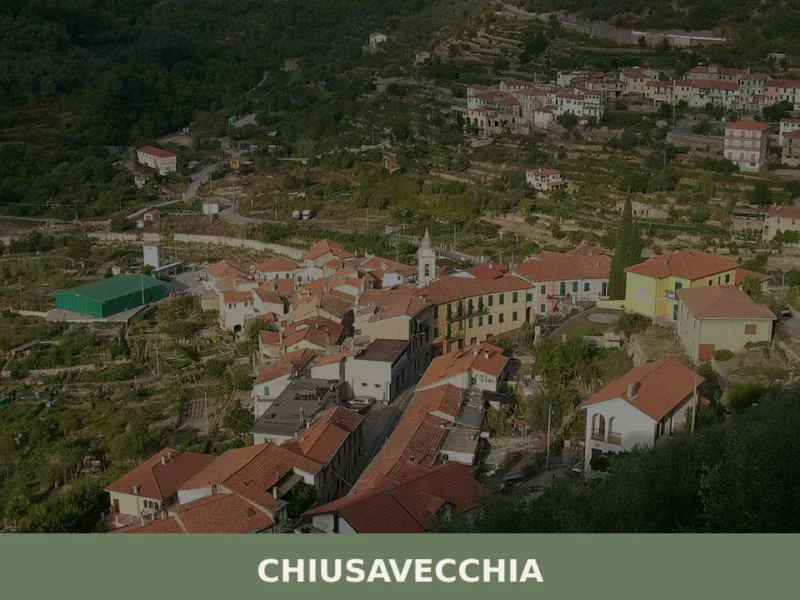
Chiusavecchia, Liguria: An Ancient Italian Village Guide
 Plains
What to see in Chiusavecchia, Italy: Explore this Ligurian village at 140m altitude. Discover its historic core and the feast of San Biagio.
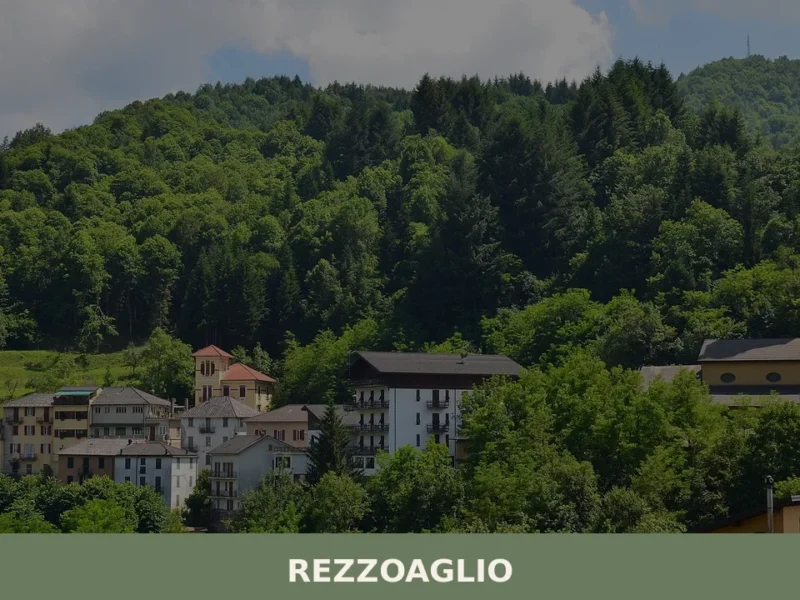
Rezzoaglio
Mountain
What to see in Rezzoaglio, Italy: explore the Aveto Natural Regional Park, local food traditions and 1,048 inhabitants village life. Discover everything here.
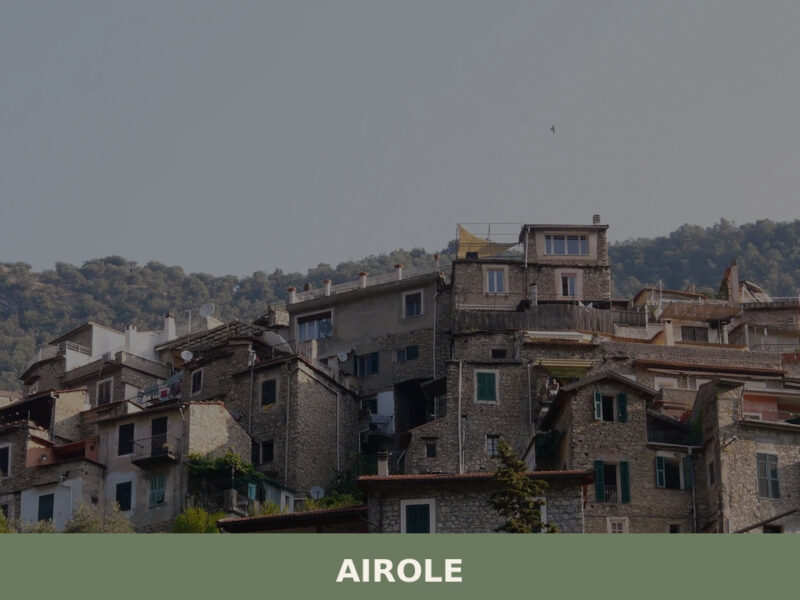
Airole
Plains
A compact Ligurian hill village of 365 inhabitants in the Roia valley. Discover what to see in Airole, from medieval stone alleys to terraced olive groves.
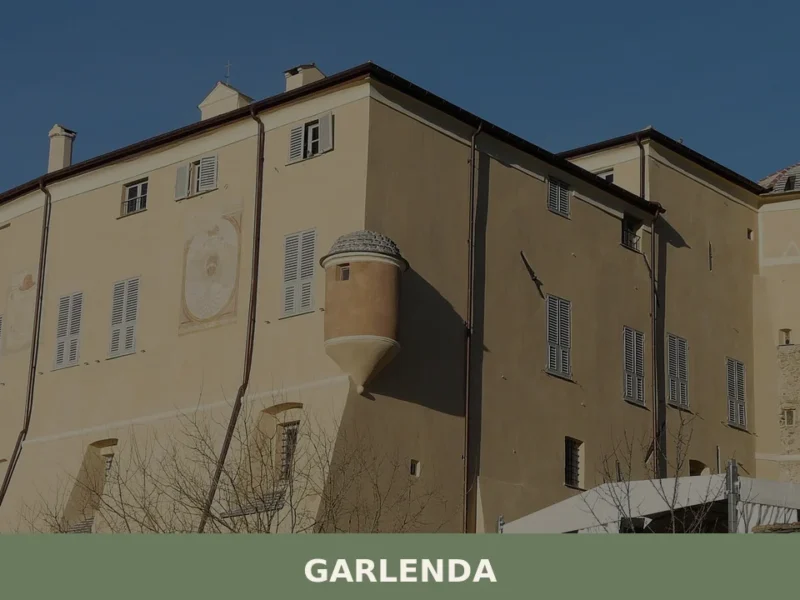
Garlenda
 Hills
Hills
What to see in Garlenda, Liguria, Italy: explore a village of 1,200 inhabitants 80 km from Genoa. Discover top attractions, local food, and how to get there.
Fascia
Mountain
At 1118 meters above sea level, Fascia, in the province of Genoa, stands out as one of Liguria’s highest municipalities, with a population of just 70 inhabitants. This demographic data, recorded in the last census, defines a setting of rare tranquility and a distinct mountain identity. For those wondering what to see in Fascia, it […]
Magliolo
Mountain
What to see in Magliolo, Italy: 947 inhabitants, Ligurian valleys, local food traditions and how to get there. Discover the best of this Savona Province village.
Pietrabruna
Sea
What to see in Pietrabruna, Italy: 546 inhabitants, 100 km from Genoa. Discover medieval architecture, Ligurian olive oil and local festivals. Full travel guide.
Vessalico
Plains
what to see in vessalico, Italy: Explore this Ligurian village at 197m. Discover its history and the patron saint festival on July 22. Read more.
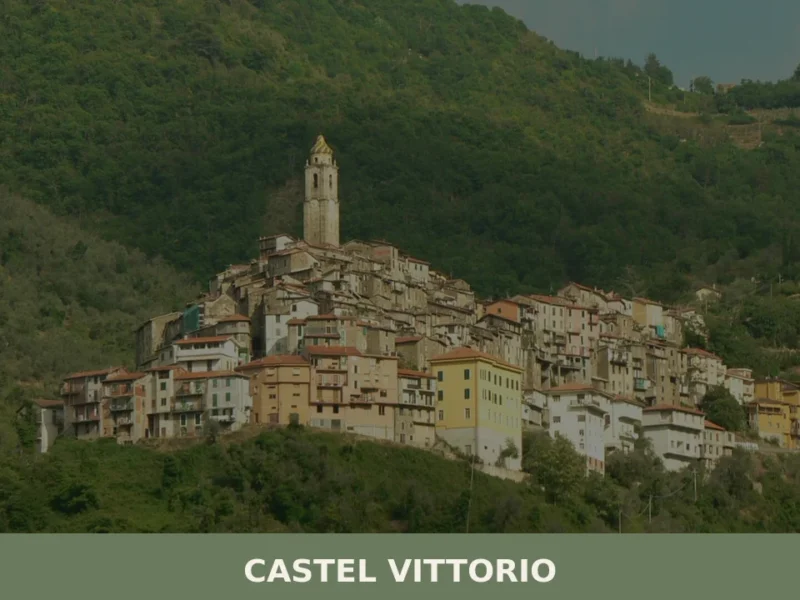
Castel Vittorio: Liguria’s Enduring Stone Village
Hills
What to see in Castel Vittorio, Liguria, Italy: at 420 m altitude, 261 inhabitants, parish art by Venusti & Maragliano. Discover top attractions & travel tips.
🏡 Know Triora better than we do?
If you’re a local or have been there, your knowledge matters: add what’s missing or fix a detail on this page.