


Vieste
 Sea
Sea
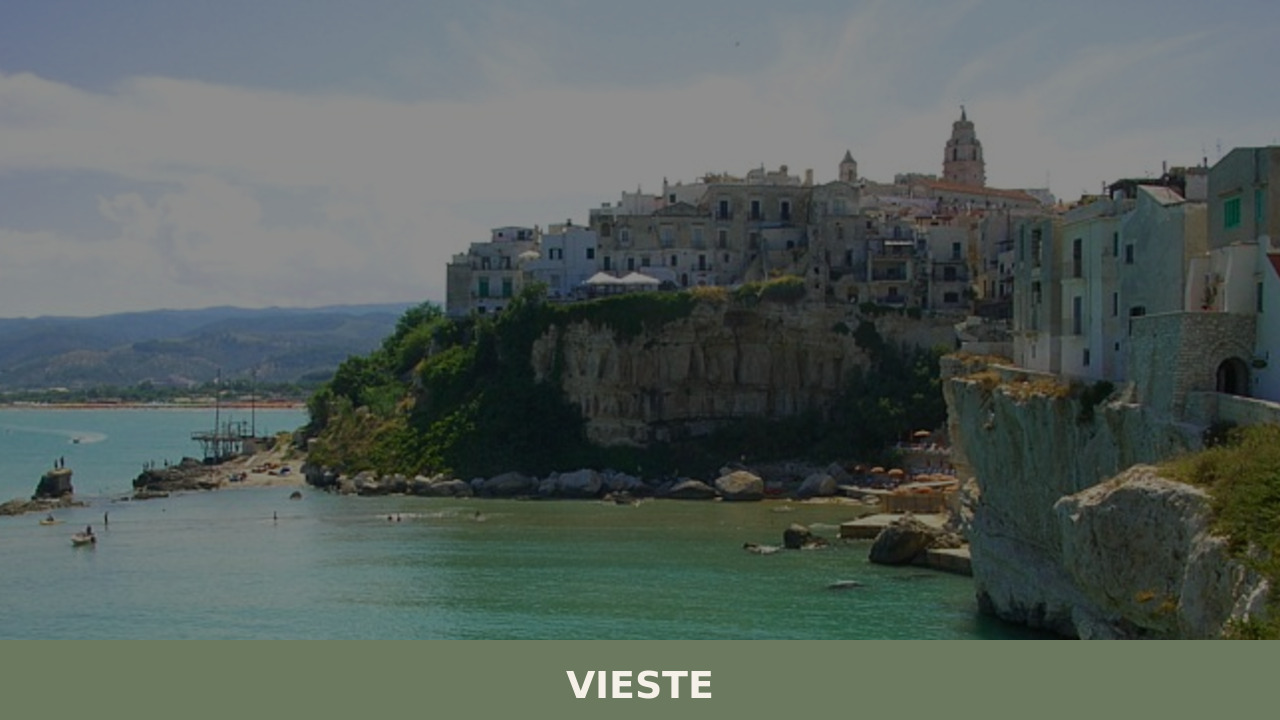
Vieste occupies a position in Puglia that matters more than many tourist labels. It is not only a seaside resort, and not only a famous summer destination. It is an Adriatic village built on a Gargano promontory, with a white historic centre above the cliffs, a clearly legible maritime memory and a constant relationship between […]
Discover Vieste
Vieste occupies a position in Puglia that matters more than many tourist labels. It is not only a seaside resort, and not only a famous summer destination. It is an Adriatic village built on a Gargano promontory, with a white historic centre above the cliffs, a clearly legible maritime memory and a constant relationship between settlement, coastline and natural landscape. Anyone arriving in Vieste encounters a place shaped by light, wind, stone and water, but one that needs to be understood before it is simply consumed as a beach destination.
Why Vieste is not only about the sea
Vieste is one of the most recognisable images of the Gargano, but that fame can also oversimplify it. Beaches, Pizzomunno, sea caves and summer tourism are all part of its identity, yet they do not define the whole place. The village preserves a compact urban form, a very strong relationship with the Adriatic and a history still visible in its defensive logic, churches and memories of the coast as a frontier.
For that reason, the Vieste page should work as the pillar page of the village, not as the final checklist of everything to do. Its job is to explain what kind of place it is, why it matters within Puglia and which narrative nuclei really define it. The strongest attractions and themes can then live in dedicated articles: Pizzomunno, the sea caves, the castle, the cathedral, the beaches and the wider relationship with the Gargano National Park.
History and identity of the village
Vieste belongs to a stretch of coast that for centuries was a place of arrival, exchange and defence. Its origins sink into the long history of the Gargano promontory, but it is especially in the medieval and early modern periods that the village took on the form that still reads clearly today. Its position on the sea made it valuable and vulnerable at the same time: an exposed threshold open to Adriatic routes, trade and raids.
One of the most traumatic episodes in Vieste’s history was the 1554 sack by Dragut Rais, an event still deeply present in local memory and evoked through the Chianca Amara. Yet Vieste is not defined by trauma alone. It is also a village that turned its peripheral position into a strength, preserving a highly recognisable architectural and landscape identity.
During the 20th century, the rise of tourism changed Vieste’s role within the Gargano. Even so, beneath the surface of the beach destination, the older structure of the maritime village remains legible: whitewashed houses, changes in elevation, sudden openings toward the sea and a strong continuity between the life of the harbour and the life of the town itself.
What to know about Vieste
A village hub page does not need to say everything. It needs to orient well. In Vieste, the key points are the historic centre, the cathedral, the castle, the coastal system of beaches and cliffs, Pizzomunno as a visual symbol and the line of sea caves that extends the village out into the open Adriatic.
The historic centre
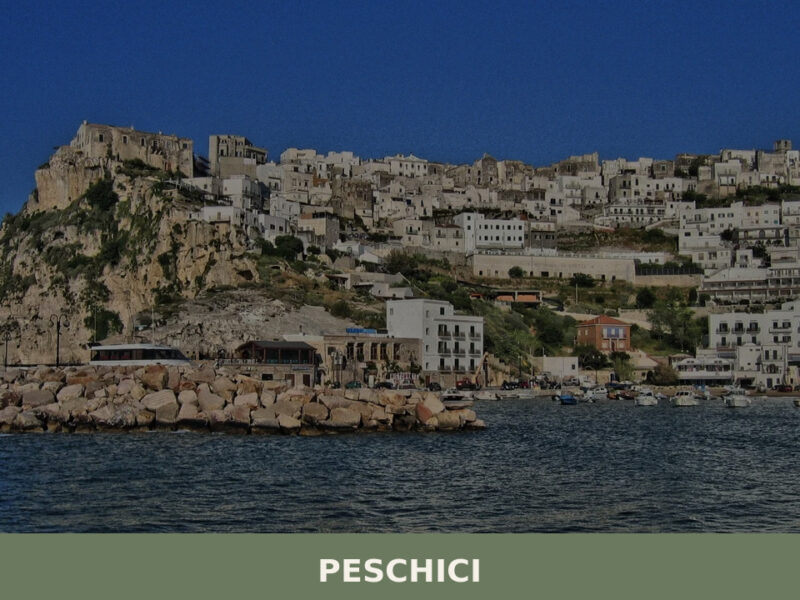
The heart of Vieste is the historic centre built on the rocky peninsula. Here the village can be read as an old coastal settlement: narrow lanes, clustered houses, small connecting squares, balconies facing the water and sea views that arrive suddenly and without mediation. It is the place that best restores Vieste as a village before it becomes a destination. In that sense, comparing it with other Gargano settlements such as Peschici helps show how differently each coastal village interprets the relationship between sea and settlement.
Cathedral and castle
The cathedral and the castle tell two complementary levels of Vieste’s identity: the religious one and the defensive one. The cathedral anchors the village in the long ecclesiastical history of the Gargano; the castle links it to the need to control the Adriatic coast. In a strong editorial structure, both deserve to be introduced here and explored more deeply in dedicated articles whenever a fuller historical or artistic treatment is useful.
Pizzomunno, beaches and coastline
Pizzomunno is Vieste’s most immediate symbol, but it makes most sense when read as part of a wider landscape. Beaches, sandy stretches, white cliffs and openings toward the sea define the character of the village as much as the monuments of the old centre do. In Vieste, the sea is not background. It is one of the main keys to understanding the place.
The sea caves
The sea caves of the Gargano belong to the strongest imaginative layer of Vieste and represent one of the clearest ways in which the village opens into the surrounding territory. They are ideal for dedicated articles because they combine geography, landscape, boat experiences and coastal storytelling. On the village page, their role is above all to clarify that Vieste cannot be read from land alone.
Vieste and the Gargano
Vieste only makes full sense when linked to the Gargano. It is not an isolated village but one of its strongest gateways, perhaps the most recognisable on the tourist level. The relationship with the promontory is continuous: forests, karst uplands, citrus groves, bays, coasts and neighbouring settlements all form a system much larger than the historic centre alone.
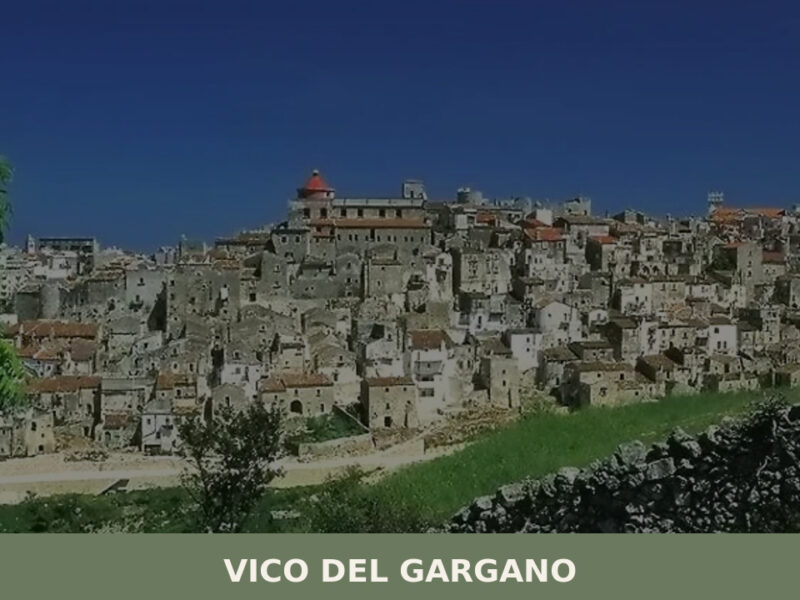
That is why, editorially too, Vieste should hold together two levels. The first is the village itself: its urban fabric, its coastal memory, its white form over the sea. The second is the territory it belongs to: the Gargano National Park, the coastline, the Adriatic landscape and the links to other settlements on the promontory such as Peschici, Vico del Gargano or Mattinata. A good pillar page does not tell everything, but it makes clear how these layers belong together.
Food, seasons and local life
Vieste’s cuisine grows out of the meeting between the Adriatic and inland Gargano. Fish and the sea are fundamental, but they are not enough on their own to explain the local table: olive oil, citrus fruits, bread, vegetables and products from the hinterland all matter as well. Here too the right key is context, not endless listing. Vieste is a village where seasonality shapes daily life in obvious ways: the relationship with the sea changes, tourism pressure changes and the food culture visible to travellers changes too.
In summer the village shows its most exposed and luminous face, with the seafront, beaches and coastal restaurants. In the shoulder seasons its double nature emerges more clearly: maritime village and Gargano node at the same time. From an editorial point of view, the village page should orient the reader and then leave local products, food culture or detailed where-to-eat guides to dedicated content.
When to go and how to reach Vieste
Vieste changes a great deal with the seasons. In summer it shows the face most people know: full beaches, evening activity, heavier traffic and a tourism intensity that reshapes the rhythm of the village. For many visitors that is exactly the point. But anyone wanting to understand the place more clearly often finds a better balance in late spring, early summer or September, when the light remains beautiful, the sea still matters and the village becomes easier to read.
Reaching Vieste means entering the Gargano and accepting its geography. The panoramic roads, land connections and position at the edge of the promontory are all part of the village’s identity. This is not a destination of rapid transit. Even logistically, its setting helps make it feel like a real landing place rather than a neutral point on a map.
For updated practical information on access, roads, local services and seasonal conditions, it is always worth checking the relevant institutional channels, especially during the busiest periods of the year, starting with the Municipality of Vieste and the official references for the Gargano area.
Vieste at a glance
Vieste works best when read together as village, coast and Gargano landscape. Its most famous images explain its fame, but the real value of the place lies in the continuity between historic centre, sea, memory and territory. As a pillar page, its role is not to exhaust everything someone can do or see, but to provide an authoritative base from which the right deeper articles can open out.
Frequently asked questions about Vieste
What is the best time to visit Vieste?
May, June, and September offer the ideal balance: warm weather perfect for swimming, fewer crowds than peak summer, and better accommodation availability. July and August deliver the liveliest atmosphere with open-air concerts and the Festival del Folklore, but also maximum crowds and higher prices. Spring (April–May) is excellent for hiking the Gargano National Park and the ancient Foresta Umbra, which blooms with wildflowers. The feast of Santa Maria di Merino in May adds a cultural highlight. Winter is mild and tranquil, ideal for exploring the atmospheric old town in near-total solitude.
What are the historical origins of Vieste?
Human settlement in the Vieste area dates to the Neolithic and Bronze Ages. Known to ancient Greeks and Romans, the town served as a strategic Adriatic maritime outpost. Its name may derive from the ancient toponym Apeneste or the Latin Vesta. Medieval rule passed through Byzantine, Lombard, and Norman hands before Frederick II of Swabia strengthened its defences in the 13th century. A defining trauma occurred in 1554, when Ottoman corsair Dragut sacked the town; the Chianca Amara stone in the historic centre still commemorates the thousands reportedly massacred during that raid.
What to see in Vieste? Main monuments and landmarks
Vieste's top sights include: the whitewashed historic old town with its labyrinthine alleys and the solemn Chianca Amara memorial stone; the 11th-century Romanesque Cathedral of Santa Maria Assunta at the highest point of the promontory; the triangular 13th-century Swabian Castle (Castello Svevo) commanding the clifftop — exterior viewing only, as it serves as a military zone; and the iconic Pizzomunno, a 25-metre white limestone monolith rising from the shore. The surrounding Gargano coastline features dozens of sea caves — including Grotta Smeralda and Grotta dei Contrabbandieri — reachable by daily boat excursions from the harbour.
What are the main natural or scenic attractions near Vieste?
Vieste is the gateway to the Gargano National Park, one of Italy's most biodiverse protected areas. The ancient Foresta Umbra beech forest in the park's interior is spectacular year-round, especially in spring. The coastline offers kilometres of golden beaches — Spiaggia di Pizzomunno, Baia di Campi, and Baia delle Zagare among the finest — as well as towering white limestone sea stacks and hidden coves accessible only by boat. The sea caves carved into the Gargano cliffs, including Grotta dei Due Occhi, rank among the most impressive natural formations along the entire Adriatic coast.
Where to take the best photos in Vieste?
The esplanade surrounding the Swabian Castle offers some of the most celebrated sunset panoramas in all of Puglia, with the old town and sea below bathed in golden light. The Pizzomunno monolith photographed from Spiaggia del Castello — especially at sunrise — is Vieste's most iconic image. The narrow whitewashed alleys of the historic centre provide endless photogenic compositions at any hour. For dramatic seascapes, boat excursions along the Gargano cliffs reveal towering sea stacks, sea caves, and inaccessible coves that are impossible to capture from land.
Are there museums, churches or historic buildings to visit in Vieste?
The Cathedral of Santa Maria Assunta, dating to the 11th century in its earliest form, is Vieste's principal historic building. Its Romanesque-Apulian façade leads to an interior featuring a notable 17th-century wooden crucifix; it served as the seat of the Diocese of Vieste through the medieval period. The Swabian Castle, built under Frederick II in the 13th century, can be viewed from outside along the clifftop esplanade. The Chianca Amara — the memorial stone in the old town — is a historically significant landmark marking the site of the 1554 Ottoman massacre.
What can you do in Vieste? Activities and experiences
Vieste offers a rich range of activities: swimming and sunbathing on award-winning Bandiera Blu beaches; daily boat excursions from the harbour to sea caves and hidden coves along the Gargano cliffs; hiking and wildlife watching within the Gargano National Park, including the Foresta Umbra beech forest; summer day trips by ferry or hydrofoil to the Tremiti Islands; and exploring the old town's artisan workshops and family-run trattorias. Summer evenings bring open-air concerts and the Festival del Folklore. Spring visits coincide with wildflower season and the feast of the patron Santa Maria di Merino.
Who is Vieste suitable for? Families, couples, hikers, solo travellers?
Vieste is exceptionally versatile. Families will love the long, safe sandy beaches, calm Adriatic waters, and child-friendly boat excursions to sea caves. Couples find it deeply romantic — dramatic clifftop sunsets, candlelit old-town trattorias, and secluded coves accessible only by boat. Hikers and nature lovers benefit from direct access to the Gargano National Park and the ancient Foresta Umbra. Food enthusiasts can explore authentic Puglian seafood and local IGP products. Solo travellers appreciate the animated summer passeggiata and the ease of joining organised boat tours. Off-season visitors enjoy the atmospheric old town in unusual quiet.
What to eat in Vieste? Local products and specialties
Vieste's cuisine spans sea and hinterland. Essential dishes include tiella di riso, patate e cozze (baked rice, potatoes, and mussels), grilled cuttlefish, and spaghetti with sea urchin when in season. From the land come orecchiette with turnip tops and broad bean purée with chicory. The Gargano is celebrated for two IGP-certified citrus products: Arancia del Gargano IGP and Limone Femminello del Gargano IGP, both prized for intense fragrance. Local extra-virgin olive oil, made from the Ogliarola garganica olive variety, and aged caciocavallo cheese round out the pantry. Seek family-run trattorias in the old town backstreets for the most authentic experience.
How to get to Vieste? Distances, motorway exit, nearest train station
By car: take the A14 motorway and exit at Foggia or Poggio Imperiale/Lesina, then follow the SS89 coastal road eastward — approximately 100 km from Foggia (around 90 minutes) and 220 km from Bari (around 2.5 hours). By train: the nearest main station is Foggia, served by Trenitalia high-speed and regional services from Rome, Naples, and Bari; local buses connect Foggia to Vieste, with more frequent summer schedules. San Severo station is a closer regional alternative. The nearest airport is Bari Karol Wojtyła (approx. 220 km); Foggia's Gino Lisa Airport is closer but has limited commercial routes. In summer, ferries and hydrofoils link Vieste with the Tremiti Islands.
Nearby Villages near Vieste

In Puglia More villages to discover
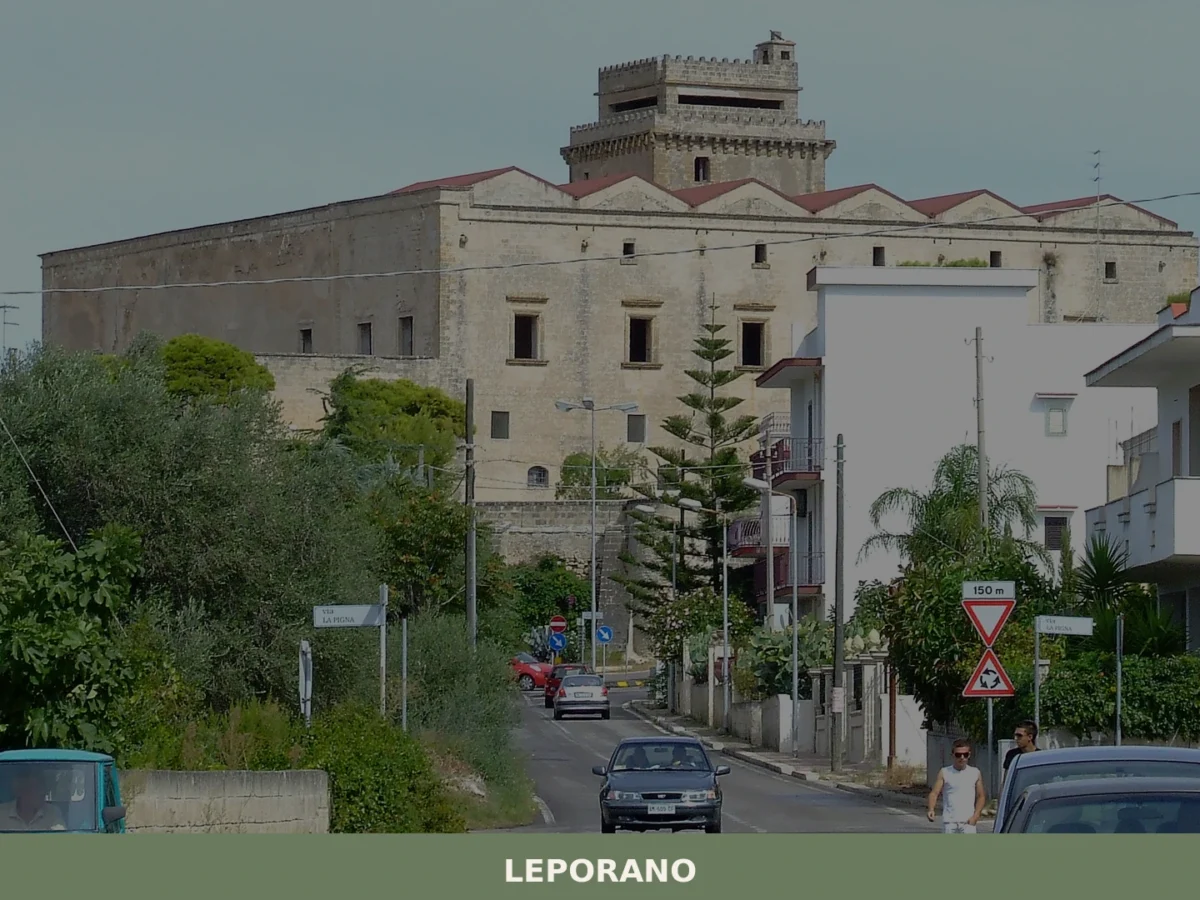
Leporano
Sea
Discover what to see in Leporano, Puglia: Aragonese tower, Ionian coastline, local food and practical tips for visiting this Taranto province municipality.
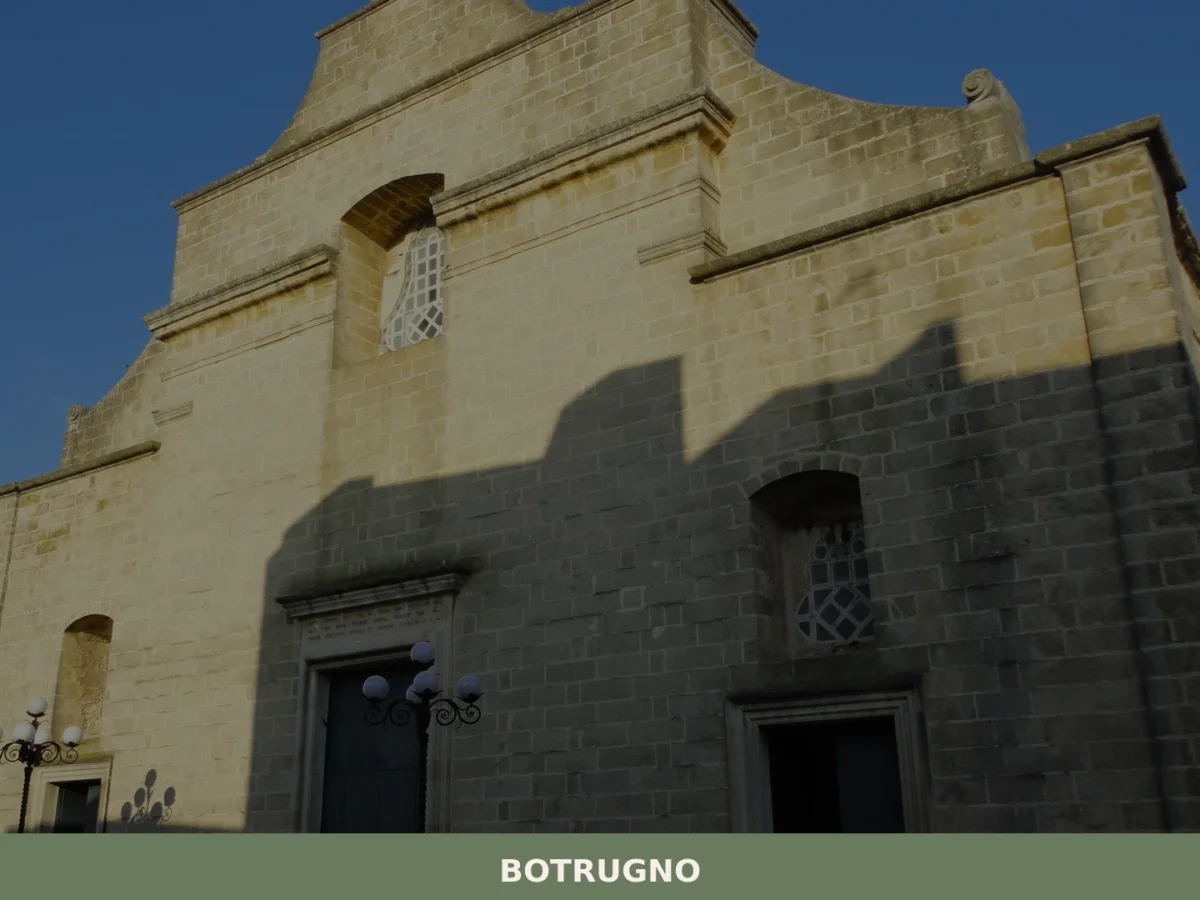
Botrugno
 Plains
Discover what to see in Botrugno, a Salentine village of 2,556 inhabitants in the Lecce province: churches, olive groves, local food and practical travel tips.
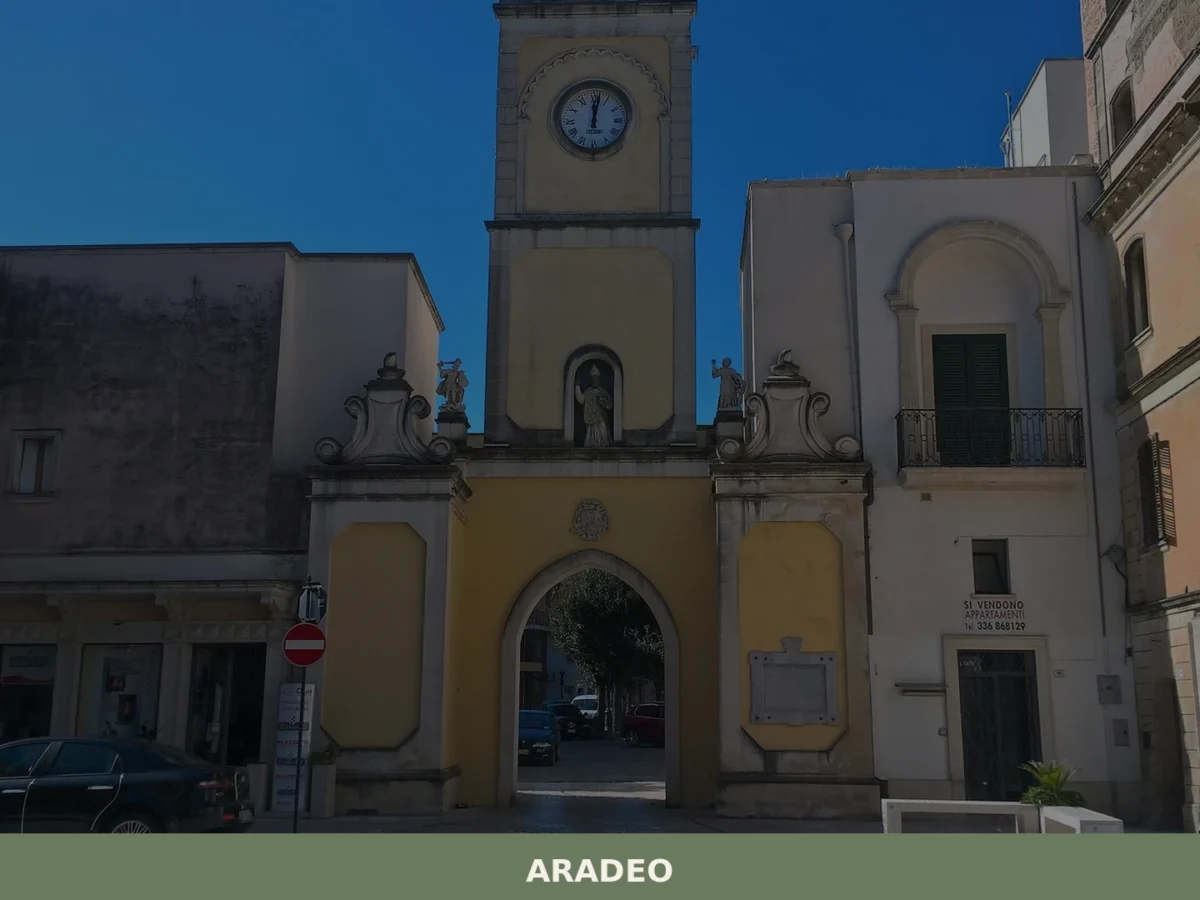
Aradeo
Plains
Discover what to see in Aradeo, a Borghi Autentici village in central Salento, Puglia. Historic centre, olive groves, local food and practical travel tips.
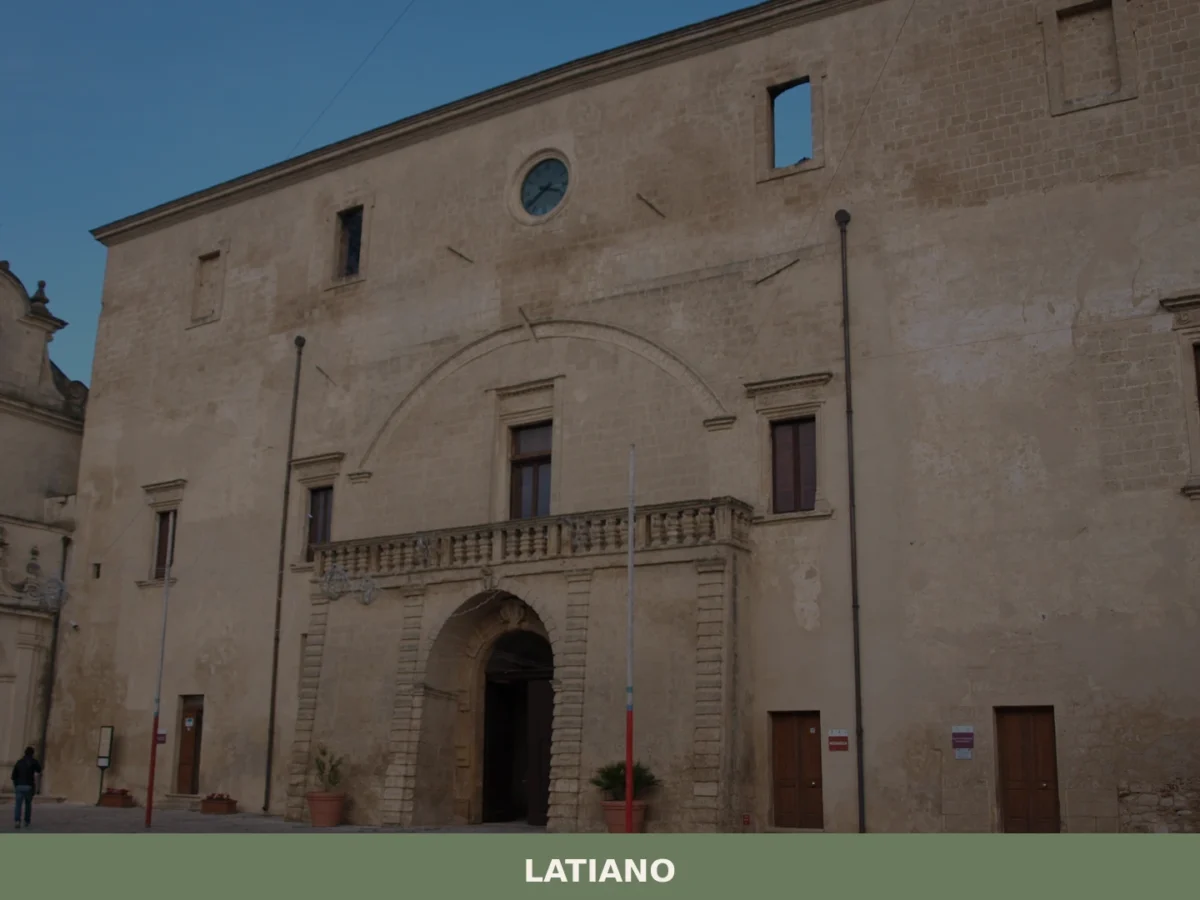
Latiano
Plains
Discover what to see in Latiano, Puglia: Baroque churches, historic masserie, olive groves and local food in this Brindisi province town of 13,000 inhabitants.
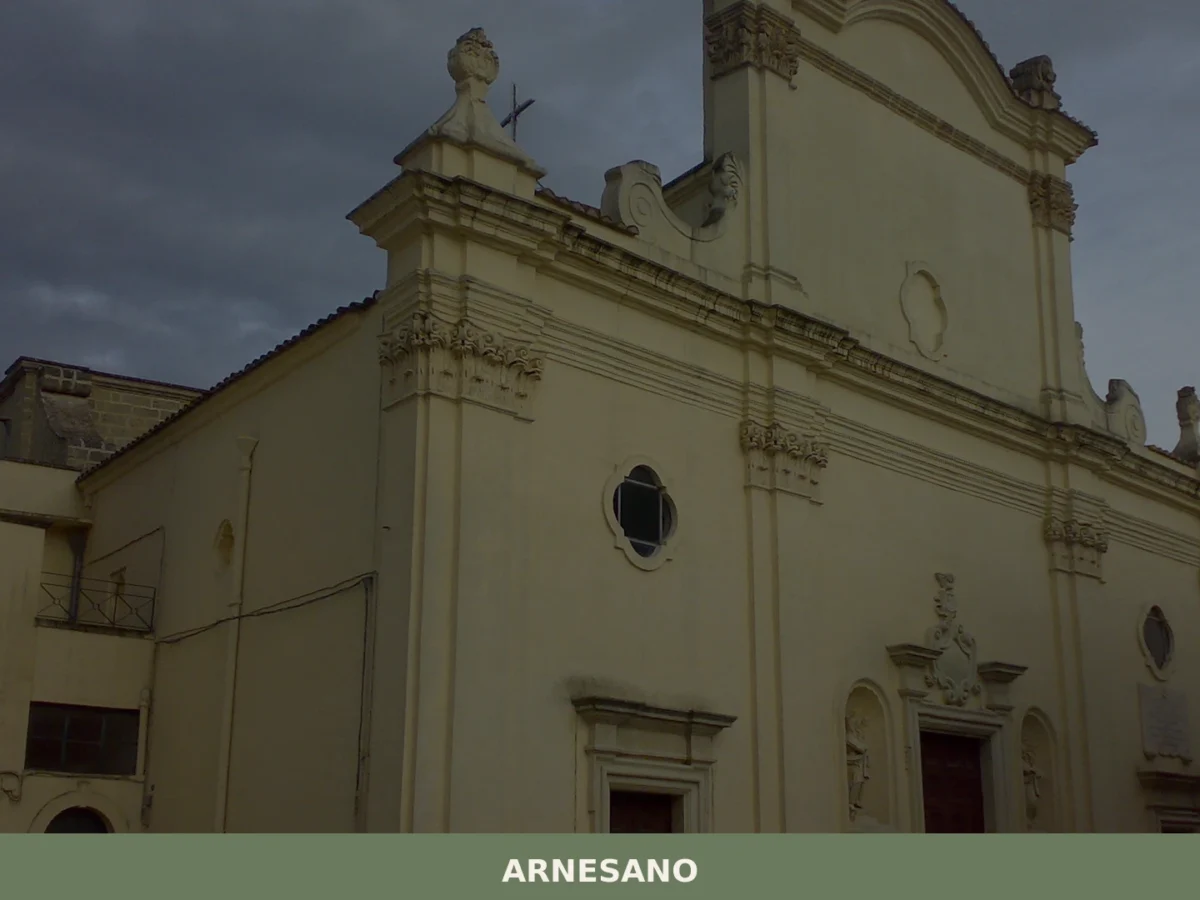
Arnesano
Plains
Discover what to see in Arnesano, a Lecce hinterland comune in the Valle della Cupa. History, food, travel tips and the best of the Salento interior.
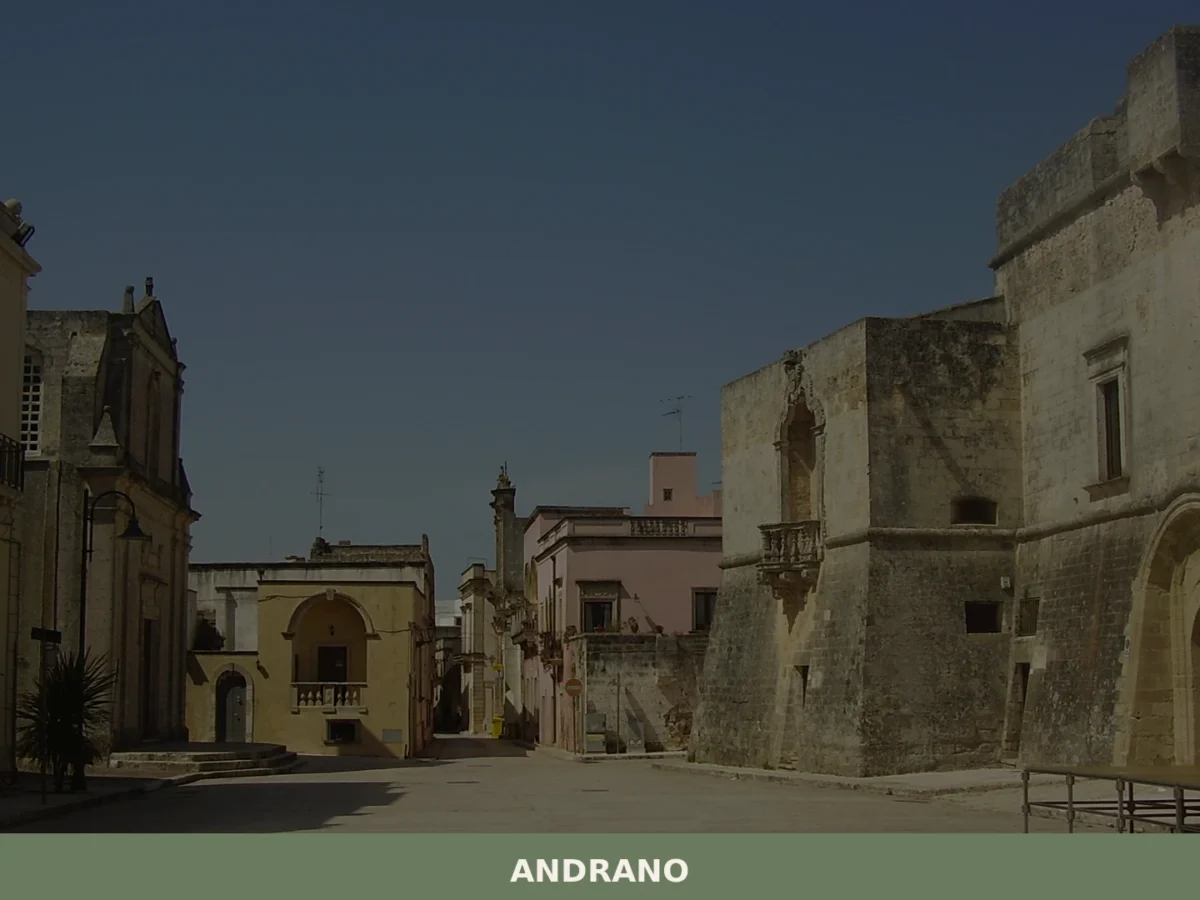
Andrano
Sea
Discover what to see in Andrano, a Lecce province comune with a medieval castello, Adriatic coastline and the hamlet of Castiglione d'Otranto. Complete travel guide.

Campi Salentina
Plains
Discover what to see in Campi Salentina, Puglia: history, attractions, local food, best time to visit and how to get there. A full editorial guide.


🏡 Know Vieste better than we do?
If you’re a local or have been there, your knowledge matters: add what’s missing or fix a detail on this page.