


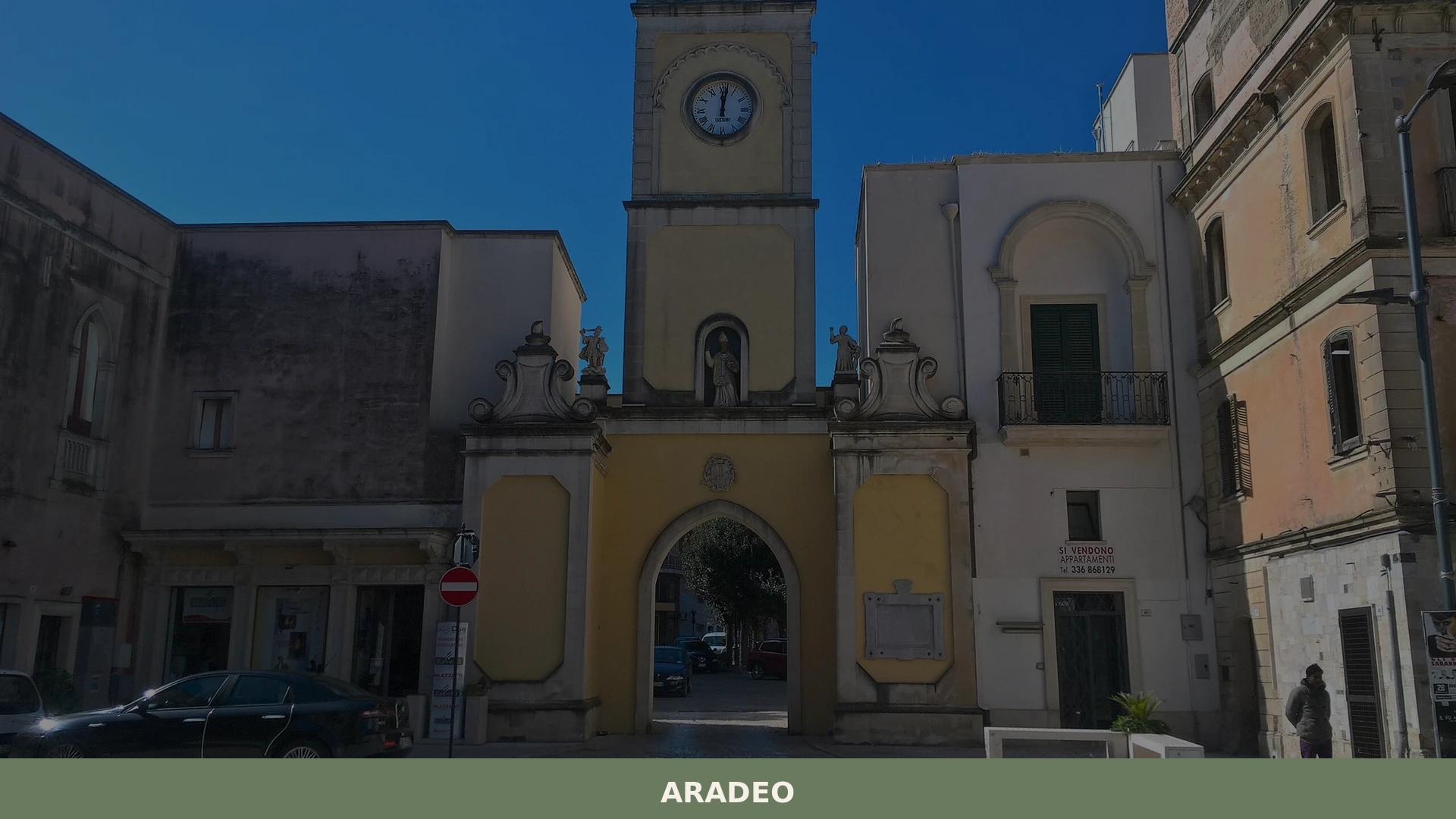

Discover what to see in Aradeo, a Borghi Autentici village in central Salento, Puglia. Historic centre, olive groves, local food and practical travel tips.
Discover Aradeo
Aradeo is a comune of 8,811 inhabitants in the province of Lecce, positioned in the central Salento peninsula of Puglia. It holds membership in the national circuit of Borghi Autentici d’Italia — a recognition awarded to communities that have preserved a strong local identity and cultural continuity. For those planning a visit to this part of the Salentine interior, knowing what to see in Aradeo means looking beyond the coastal resort strip and engaging with a town that functions as a working agricultural and artisanal community rather than a curated tourist destination.
History of Aradeo
The place name Aradeo is believed to derive from the Latin ara dei, meaning “altar of God”, a reference that points toward early Christian settlement and the ritual importance of the site in the late antique or early medieval period. This etymological reading is consistent with the broader pattern of Salentine settlements, many of which were consolidated around religious focal points following the contraction of the Roman road network in the post-imperial centuries. The central Salento territory in which Aradeo sits was subject to repeated waves of Byzantine influence, and traces of Greek-rite religious practice survived in this zone well into the Norman era.
During the feudal period, Aradeo passed through the control of successive noble families, a pattern common to Salentine comuni that remained relatively small in population but strategically positioned between the more powerful urban centres of Lecce and Gallipoli. The town’s layout — organised around a central piazza with radiating residential streets — reflects the planned reorganisation characteristic of post-medieval southern Italian settlements, where feudal lords imposed a degree of urban order on organically grown communities. The local parish church, dedicated to Sant’Andrea Apostolo, served as the anchor of civic life and remains the most prominent historical structure in the town centre.
In the nineteenth and twentieth centuries, Aradeo developed an economic identity rooted in tobacco cultivation and small-scale manufacturing, industries that defined the labour patterns of central Salento more broadly. The post-war decades brought demographic stabilisation rather than the dramatic rural exodus seen in more isolated Apulian communities, partly because Aradeo’s position in the provincial road network gave residents workable access to Lecce and the coast. This economic pragmatism is still visible in the town’s built fabric, where modest but solid mid-century construction sits alongside older stone buildings without the sharp contrasts found in more touristically polarised villages.
What to see in Aradeo: 5 must-visit attractions
Church of Sant’Andrea Apostolo
The parish church dedicated to Sant’Andrea Apostolo is the architectural centrepiece of Aradeo’s historic core. Built in local golden limestone, it occupies an elevated position on the main piazza and features a baroque-inflected facade with carved stone detailing typical of the Lecce school of ecclesiastical architecture. The interior retains a devotional altar arrangement that has served the community across several centuries.
The Historic Town Centre
Aradeo’s centro storico is laid out in a compact grid of narrow calcarenite-paved lanes flanked by single and two-storey vernacular stone houses. The building material throughout is the warm-toned local limestone quarried across central Salento. Several doorways carry carved lintel decorations, modest in scale but precise in execution, dating to the seventeenth and eighteenth centuries.
The Main Piazza
The central piazza functions as the social axis of daily life in Aradeo, surrounded by the parish church, civic buildings, and a cluster of bars and small shops. Its paving and spatial proportions reflect the town’s administrative reorganisation in the post-unification period. In the evening hours it serves as the stage for the traditional passeggiata, an unscripted ritual that remains genuinely embedded in local habit.
Rural Landscape and Olive Groves
The agricultural hinterland immediately surrounding Aradeo is planted predominantly with centuries-old olive trees, their trunks gnarled and multi-stemmed in the manner specific to the Salentine variety known as Ogliarola Salentina. Walking or cycling the unpaved tracks between groves gives a direct reading of the land-use patterns that sustained the community economically for generations before the tobacco era.
The Borghi Autentici Heritage Circuit
Aradeo’s membership in the Borghi Autentici d’Italia network connects the town to a national programme focused on sustainable local development and the preservation of community identity. Visitors can use the circuit’s documentation to contextualise Aradeo within a wider map of Salentine villages that share similar demographic profiles, urban structures, and cultural priorities.
Local food and typical products
Central Salento’s culinary landscape is built on a small number of ingredients used with disciplined consistency. In Aradeo and its surrounding comuni, the table centres on extra-virgin olive oil produced from Ogliarola Salentina and Cellina di Nardò olives, pulses — particularly chickpeas, broad beans, and black-eyed peas — and durum wheat preparations. The dish ciceri e tria, a combination of braised chickpeas with both boiled and fried pasta strips, is the most structurally distinctive preparation of the zone, with the fried element providing a textural contrast that separates it from similar legume soups elsewhere in Italy. Pittule, small fried dough pieces often prepared during the winter festive calendar, and friselle — twice-baked barley or wheat rings softened in water before eating — are everyday staples rather than ceremonial foods.
The official Puglia tourism authority documents the broader Salento food economy, including the territory’s DOP-certified olive oils and IGP agricultural products. In Aradeo itself, the most reliable way to engage with local food production is through the town’s periodic markets and the masserie and small farms operating in the surrounding countryside, some of which sell oil and preserved vegetables directly. The restaurant offer in a town of this size is limited in number but tends toward home-cooking registers rather than tourism-facing menus, which makes for an accurate rather than theatrical food experience.
Best time to visit Aradeo
The central Salento climate delivers hot, dry summers and mild winters, with the most practically comfortable visiting window falling between late April and mid-June, and again in September and October. In the summer months — July and August — temperatures regularly exceed 35°C in the interior, and while the coast absorbs much of the regional tourist traffic, the town itself is quiet during midday hours. Spring brings the olive groves into their best visual state, with new growth against old wood, and the local agricultural calendar is most active in this period. The harvest season in October is the moment when the connection between Aradeo’s landscape and its food economy is most directly legible.
Local religious and civic festivals follow the pattern of the southern Italian liturgical calendar. The feast of Sant’Andrea Apostolo is the principal community event, drawing residents back to the town regardless of seasonal migration to the coast. Visitors who time a stay around this occasion will find the piazza operating at its fullest social register. For practical purposes, accommodation in the immediate area is limited, making early planning advisable during the high summer and festival periods.
How to get to Aradeo
Aradeo sits in the central Salento interior, approximately 30 kilometres south of Lecce and roughly 25 kilometres from the Ionian coast at Gallipoli. The town is accessible primarily by road, as the Salentine rail network does not serve it directly.
- By car from Lecce: Take the SS101 in the direction of Gallipoli and exit toward Galatina, then follow provincial roads southwest to Aradeo. Journey time approximately 35–40 minutes.
- By car from Brindisi airport: The Brindisi Papola Casale Airport is the closest international airport, approximately 60 kilometres north. Travel time by car is around 50–60 minutes via the SS613 and SS16 toward Lecce, then south.
- By train to Lecce: Lecce is the nearest main-line rail station, served by Trenitalia from Bari (approximately 1 hour 20 minutes) and from Brindisi (approximately 30 minutes). From Lecce station, onward travel to Aradeo requires a local bus or hire car.
- By local bus: STP Lecce operates provincial bus services connecting Lecce with the Galatina area and surrounding comuni. Journey times vary but generally fall between 40 and 60 minutes.
Where to stay in Aradeo
Aradeo is a town of under nine thousand residents with a functioning civic life rather than a developed tourist accommodation sector. The available lodging options tend toward B&B rooms in private homes and small guesthouses within the historic centre, supplemented by a limited number of holiday apartment rentals. These suit visitors who want to use the town as a base for exploring the broader central Salento area rather than those seeking resort-style facilities.
For a wider choice of accommodation types — including agriturismi, country houses, and hotels — the towns of Galatina and Nardò, both within fifteen kilometres, offer more developed hospitality infrastructure while remaining within easy driving distance of Aradeo. The practical booking advice is straightforward: in July and August, the entire Salento accommodation market tightens considerably, and even modest rural options fill weeks in advance. Booking two to three months ahead for a summer visit is realistic rather than overcautious.
More villages to discover in Puglia
Puglia’s interior offers a range of villages that share structural similarities with Aradeo — working communities with agricultural roots, historic stone centres, and local identities that predate the region’s emergence as a major tourism destination. In the northern part of the region, the village of Lesina, positioned along a coastal lagoon in the Gargano area, presents a completely different geographical register — wetland landscape, fishing traditions, and a natural environment shaped by the interaction of freshwater and sea. Equally distinct is Motta Montecorvino, a small hilltop settlement in the Daunia sub-Apennine zone of northern Puglia, where the terrain, vernacular architecture, and agricultural economy diverge sharply from the flat limestone plains of the Salento.
For those interested in following Puglia’s interior village network in a more systematic way, the communities of Volturara Appula and Sammichele di Bari offer useful contrasts to the Salentine experience. Volturara Appula sits in the Apennine foothills of the Foggia province at significant altitude, with a mountain-facing character entirely foreign to the coastal plain. Sammichele di Bari, in the metropolitan province south of the regional capital, occupies the transitional zone between the Murge plateau and the Adriatic-facing slopes — a different Puglia again, and one that repays the detour from the better-known itineraries.
Frequently asked questions about Aradeo
What is the best time to visit Aradeo?
The optimal times to visit Aradeo are late April to mid-June, and again in September and October, when the central Salento climate is most pleasant. Spring showcases the olive groves in their full splendor, while October offers the harvest season, highlighting the deep connection between the land and its culinary traditions. Avoid July and August if you prefer milder temperatures, as they often exceed 35°C. For a truly local experience, plan your visit around the patronal feast of San Nicola di Mira, celebrated on the second Sunday of May. Additionally, the Feast of Sant'Andrea Apostolo is a significant community event, drawing residents back to the town's vibrant main piazza.
What are the historical origins of Aradeo?
Aradeo's name is thought to originate from the Latin u0022ara dei,u0022 meaning u0022altar of God,u0022 suggesting an early Christian settlement of significant ritual importance. Its history reflects the broader Salentine pattern, marked by periods of Byzantine influence and control by various noble families during the feudal era. In more recent centuries, Aradeo evolved with an economy centered on tobacco cultivation and small-scale manufacturing, shaping its community and urban fabric into the working agricultural town seen today.
What to see in Aradeo? Main monuments and landmarks
Aradeo offers a glimpse into authentic Salentine life beyond the coast. Begin with the Church of Sant'Andrea Apostolo, the architectural heart of the town, featuring a beautiful baroque-inflected facade. Explore the Historic Town Centre, a charming grid of narrow, calcarenite-paved lanes flanked by traditional stone houses. The Main Piazza serves as the vibrant social axis, perfect for experiencing the local u0022passeggiata.u0022 Don't miss the tranquil Rural Landscape and Olive Groves surrounding the town, ideal for walks or cycling amidst ancient trees. These sites are generally accessible as public spaces or places of worship.
What are the main natural or scenic attractions of Aradeo?
Aradeo's primary natural attraction is its rich Rural Landscape of Olive Groves. The town is enveloped by centuries-old olive trees, particularly the native Ogliarola Salentina variety, their gnarled trunks testament to generations of agricultural life. These groves offer serene opportunities for walking or cycling along unpaved tracks, providing a direct and immersive experience of the Salentine countryside and its enduring connection to the land.
Where to take the best photos in Aradeo?
For picturesque photographs in Aradeo, capture the Church of Sant'Andrea Apostolo from the elevated vantage point of the Main Piazza, showcasing its impressive baroque facade. The Historic Town Centre with its narrow, calcarenite-paved lanes and traditional stone houses offers charming street photography opportunities. In the evening, the Main Piazza comes alive during the u0022passeggiata,u0022 providing authentic shots of local life. Finally, the ancient, gnarled trunks of the centuries-old olive trees in the surrounding rural landscape make for evocative natural portraits.
Are there museums, churches or historic buildings to visit in Aradeo?
Yes, Aradeo offers key historic buildings for visitors. The Church of Sant'Andrea Apostolo is the main ecclesiastical monument, an architectural centerpiece with a baroque-inflected facade typical of the Lecce school, and its interior preserves centuries of devotional history. The entire Historic Town Centre can be explored as an open-air architectural experience, with its compact grid of narrow lanes and traditional stone houses featuring modest but precise 17th and 18th-century carved lintel decorations. Access to the church is generally during mass times or specific visiting hours; the historic centre is always accessible.
What can you do in Aradeo? Activities and experiences
In Aradeo, you can immerse yourself in authentic Salentine life. Explore the historic core by visiting the Church of Sant'Andrea Apostolo, strolling through the narrow lanes of the centro storico, and experiencing the vibrant daily life in the Main Piazza, especially during the evening u0022passeggiata.u0022 Walk or cycle through the surrounding ancient olive groves to connect with the agricultural landscape. Engage with local food culture by seeking out periodic markets or small farms for direct purchases of olive oil and preserved vegetables. Consider timing your visit with the patronal feast of San Nicola di Mira in May for a truly local celebration. Aradeo also serves as an ideal base for exploring the wider central Salento region.
Who is Aradeo suitable for? Families, couples, hikers, solo travelers?
Aradeo is ideal for travelers seeking an authentic, non-touristy experience of Salento. It appeals to cultural tourists, slow travel enthusiasts, and independent explorers interested in a working agricultural and artisanal community. Couples and solo travelers will appreciate its quiet charm, historic center, and genuine local life, using it as a peaceful base to discover the broader central Salento area. Foodies will enjoy the home-cooking style restaurants and direct farm produce. While not a resort destination, families looking for cultural immersion and a glimpse into traditional Puglian life will find it rewarding.
What to eat in Aradeo? Local products and specialties
Aradeo's culinary traditions are rooted in simple, high-quality ingredients. A must-try specialty is Ciceri e Tria, a distinctive dish combining braised chickpeas with both boiled and crispy fried pasta strips, offering a unique textural contrast. Other local staples include Pittule, small fried dough pieces often enjoyed during festive periods, and Friselle, twice-baked barley or wheat rings softened with water and topped with local ingredients. The region is also renowned for its extra-virgin olive oil, produced from indigenous Ogliarola Salentina and Cellina di Nardò olives, along with various pulses like chickpeas and broad beans, forming the backbone of Salentine cuisine.
📷 Photo Gallery — Aradeo
Nearby Villages near Aradeo
In Apulia More villages to discover
Bitetto
 Plains
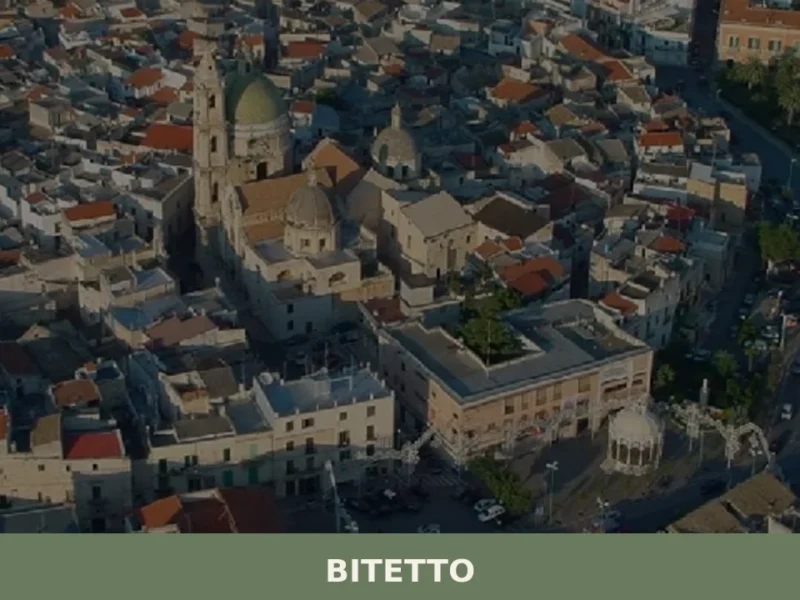
What to see in Bitetto, Italy: Discover its 14th-century cathedral and the legacy of Blessed James. Explore this Puglian village, 139 m above sea level, for a rich historical journey.
Vieste
 Sea
Sea
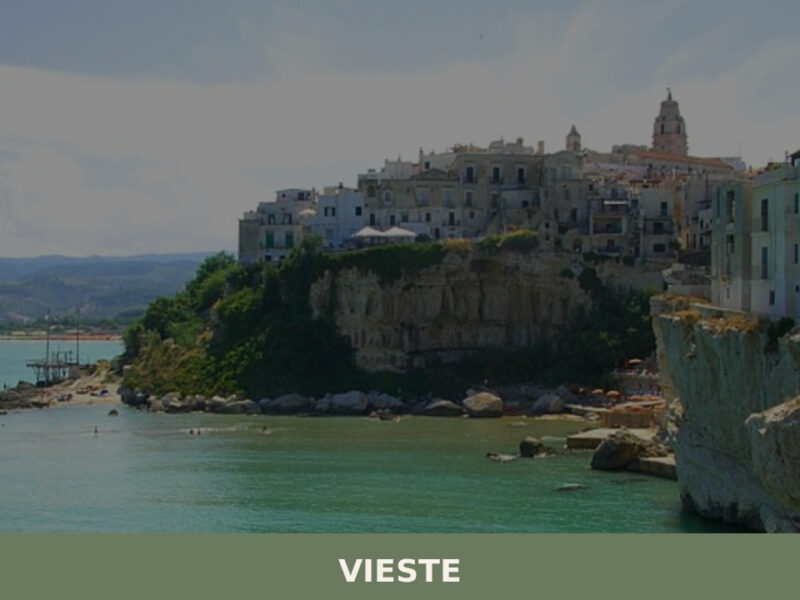
Vieste, on the eastern tip of the Gargano promontory, offers a blend of historical depth and natural beauty within the Parco Nazionale del Gargano.
Acquarica del Capo
Plains
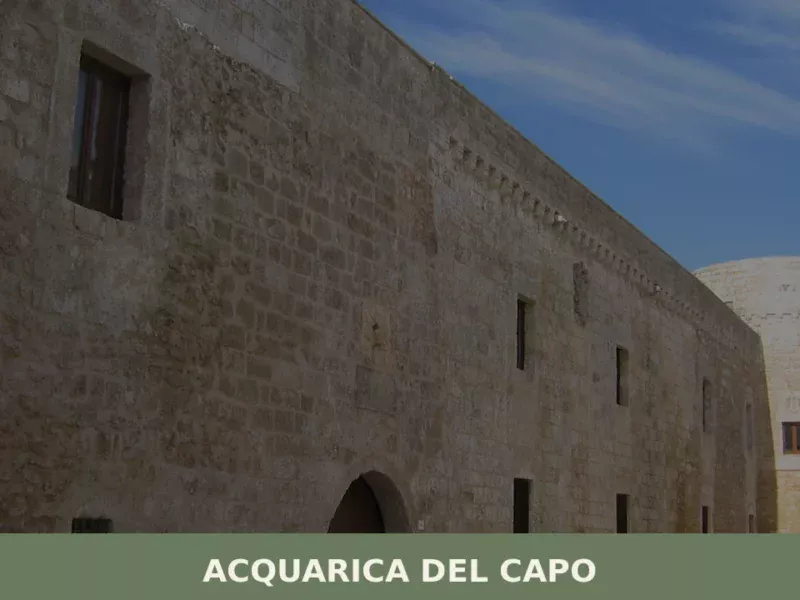
Acquarica del Capo existed as an independent municipality in the province of Lecce for decades before a formal merger on 15 May 2019 united it with neighbouring Presicce to form the new comune of Presicce-Acquarica. That administrative change did nothing to alter the physical village, which sits in the Capo di Leuca territory at the […]
Poggio Imperiale
Plains
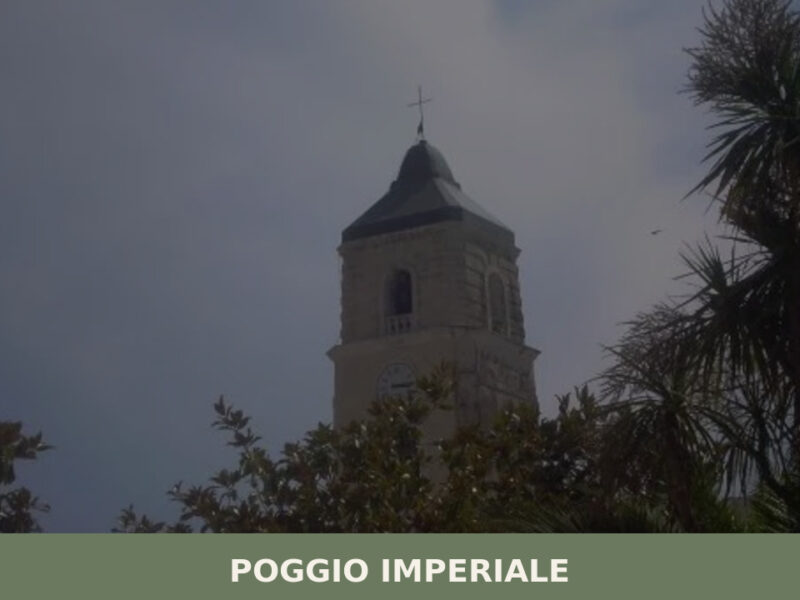
A planned eighteenth-century village on the Tavoliere plain, Poggio Imperiale offers grid-pattern streets, agricultural landscapes, and the unhurried rhythms of northern Puglia.
Castri di Lecce
Plains
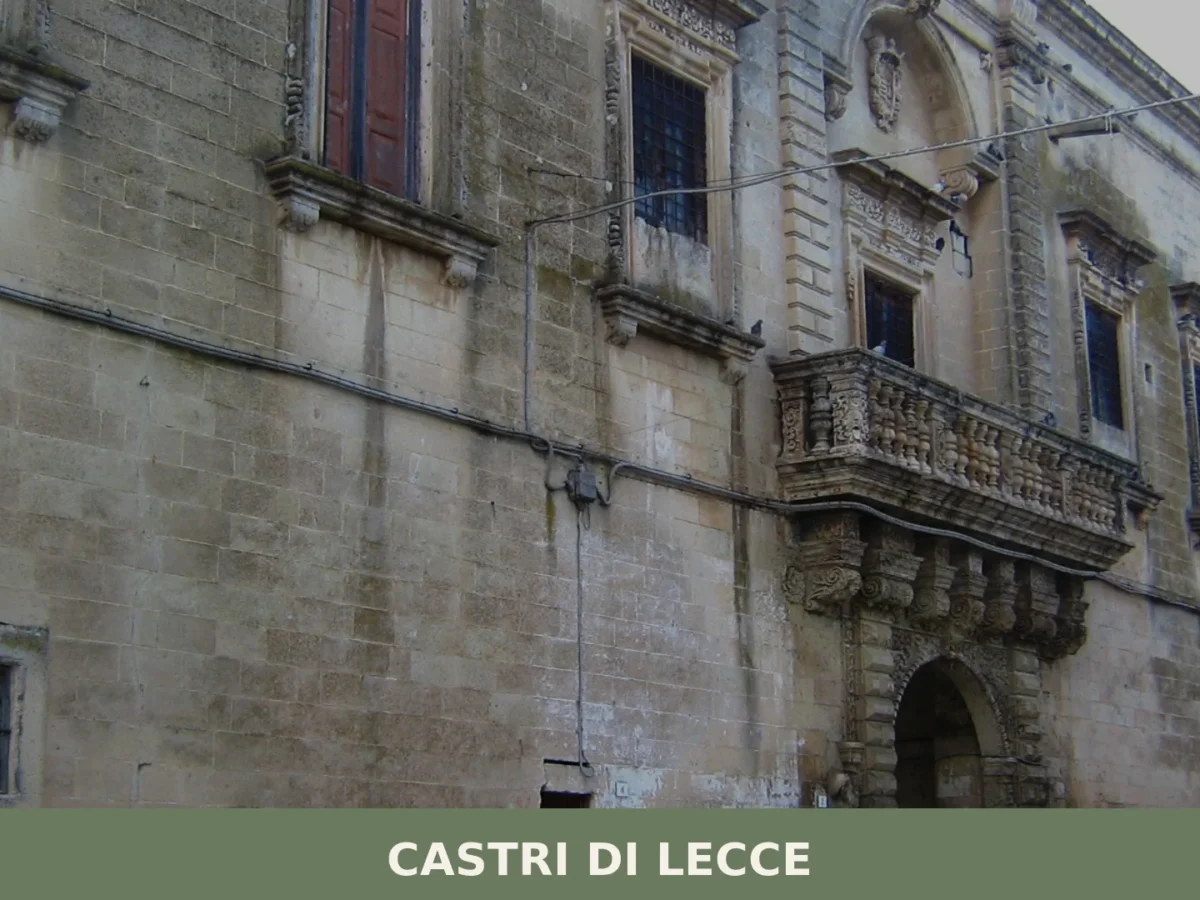
Population 2,721. A limestone plateau village born from the union of two distinct feudal estates, held together by baroque chapels and standing menhirs from the Bronze Age.
Noci
 Hills
Hills
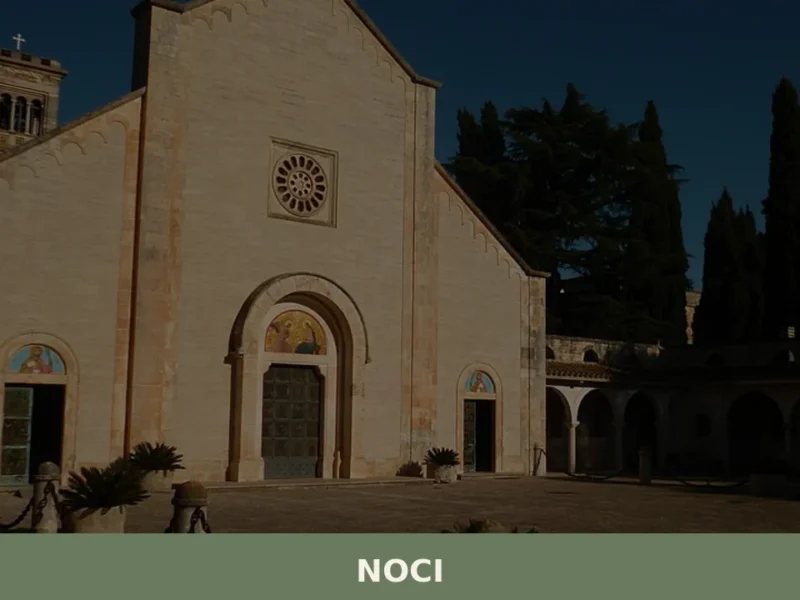
What to see in Noci, a village at 420 m on the Murge plateau. 5 attractions, medieval gnostre, Acquasale PAT, sagre and patron feasts. Plan your visit now.
Casamassima
Hills
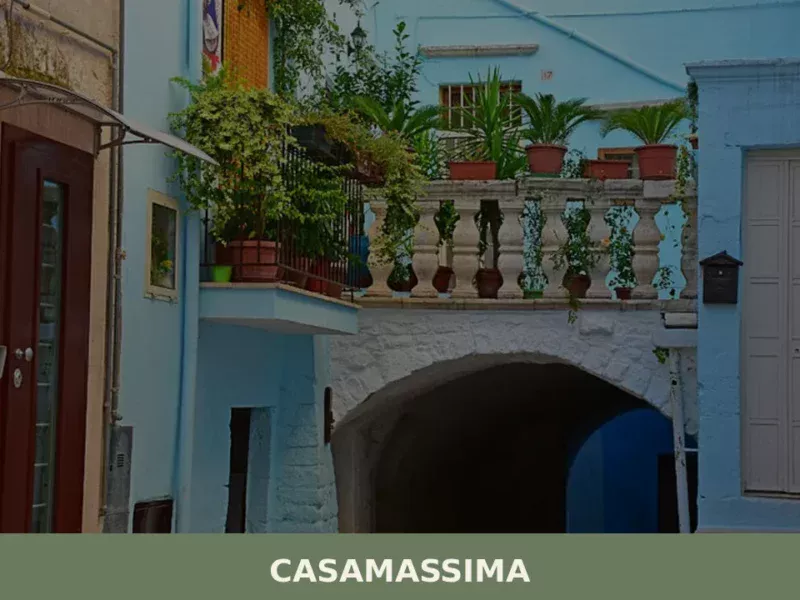
The façades painted with blue limewash in the historic centre earned Casamassima the nickname “Blue Village” — a unique case among Apulian villages and one of very few in Europe. This tradition, documented from the 19th century onward and linked according to local belief to a vow made to the Virgin Mary during a plague […]
Monopoli
Sea
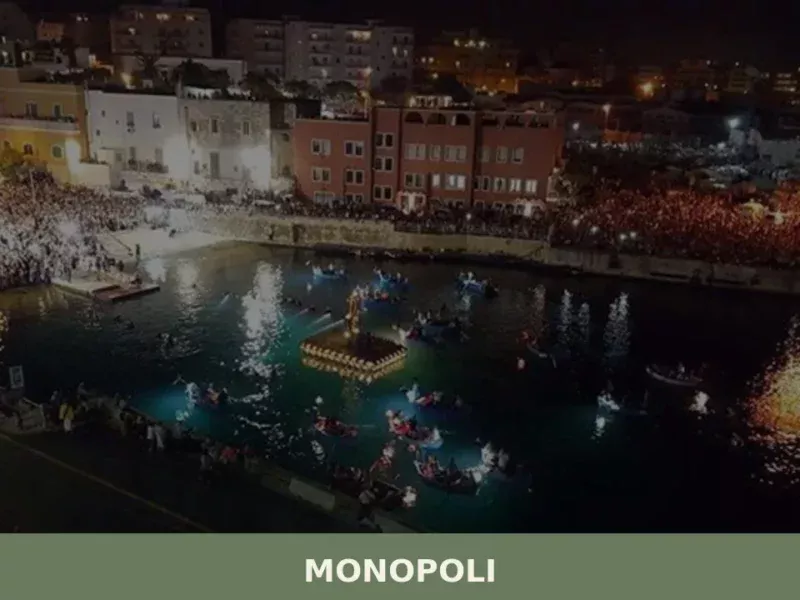
From the promontory where the Castle of Charles V stands, the view sweeps across the Adriatic, a horizon of waters that have shaped Monopoli’s identity for centuries. This port city, whose name evokes the idea of a “unique city,” reveals itself through its architecture, which tells of historical layers, from Messapian walls to Spanish fortifications. […]
Castelnuovo della Daunia
Hills
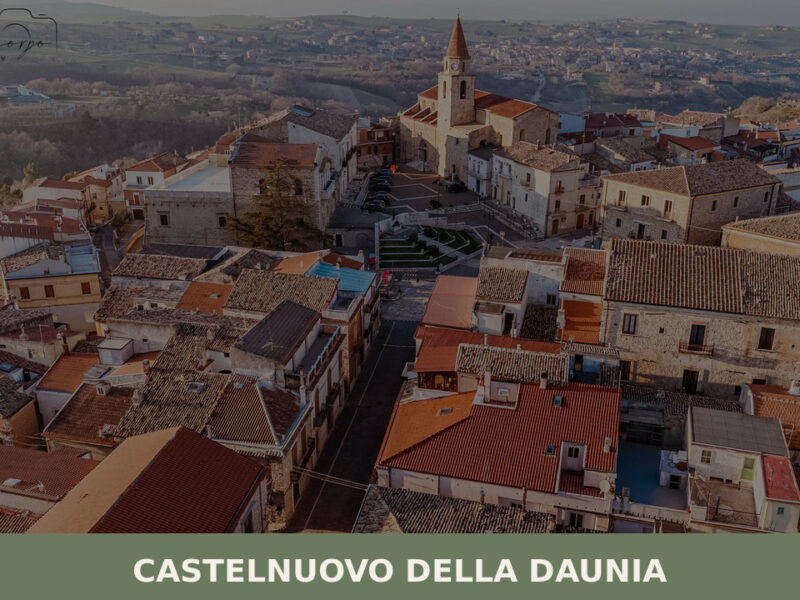
A compact hill village at 543 metres in Puglia's Subappennino Dauno, Castelnuovo della Daunia offers medieval lanes, panoramic views over the Tavoliere, and the quiet rhythms of inland southern Italy.

Mattinata
Sea
Nearly 6,000 residents live where the Gargano plateau meets the Adriatic. Mattinata offers a raw coastline, a centuries-old religious tradition and a genuinely local pace.

🏡 Know Aradeo better than we do?
If you’re a local or have been there, your knowledge matters: add what’s missing or fix a detail on this page.