


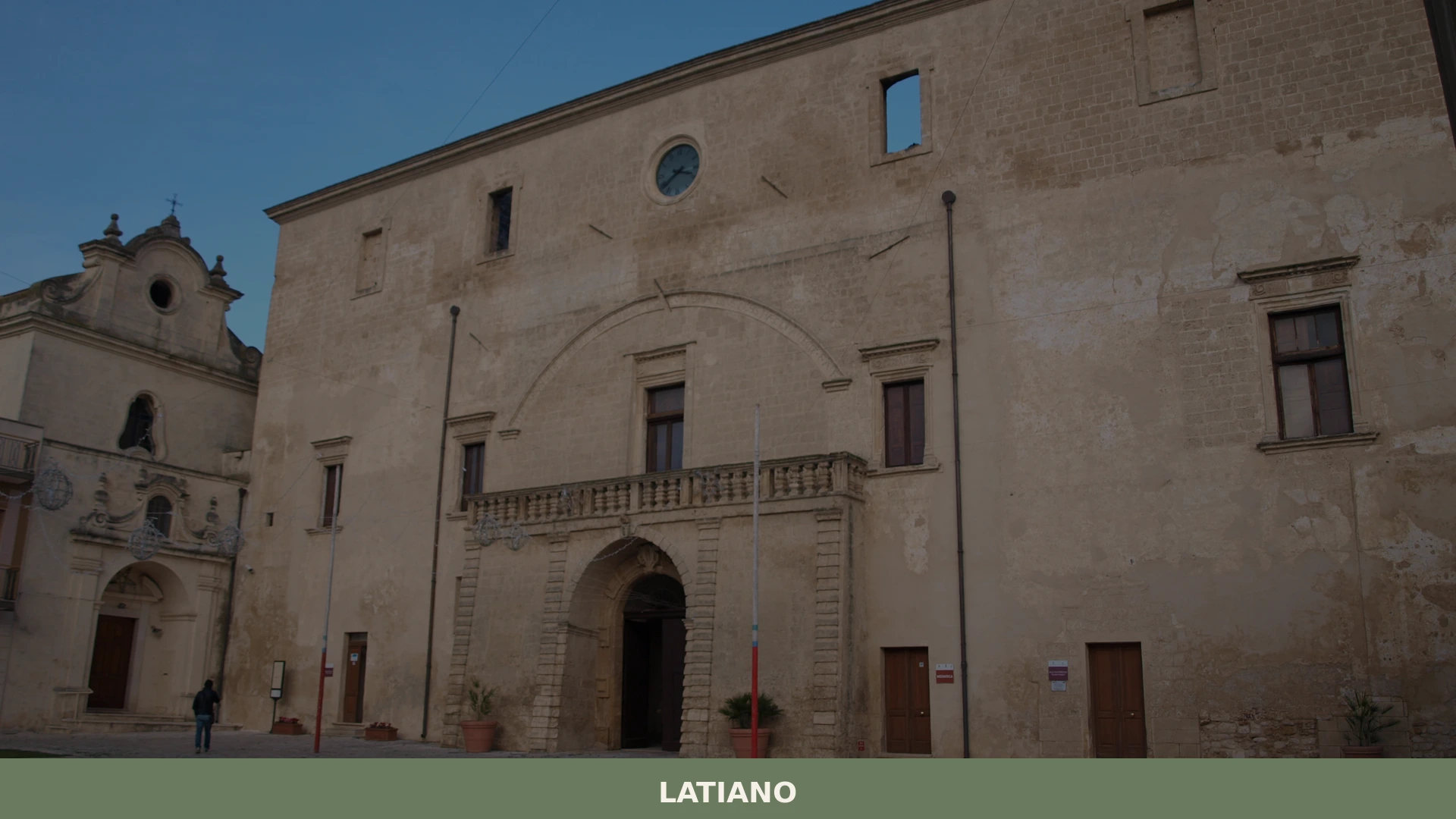

Discover what to see in Latiano, Puglia: Baroque churches, historic masserie, olive groves and local food in this Brindisi province town of 13,000 inhabitants.
Discover Latiano
Latiano is a town of around 13,000 inhabitants in the province of Brindisi, set in the flat, olive-covered terrain of northern Salento in Puglia. Known in the local Salentine dialect as Latianu, it sits at the southern edge of the Brindisi plain, where the landscape shifts from wheat fields to the dense olive groves that define this stretch of the Murge Tarantine. Visitors asking what to see in Latiano will find a town shaped by feudal history, Baroque religious architecture, and a deeply rooted agricultural economy that still runs on olive oil and local viticulture.
History of Latiano
The etymology of the name Latiano is debated among scholars, but one credible hypothesis traces it to the Latin fundus Latianus — a Roman agricultural estate, suggesting continuous settlement of this territory since at least the Imperial Roman period. The town’s position within the fertile plain between Brindisi and Taranto made it a logical site for agricultural exploitation, and traces of pre-existing settlements in the surrounding countryside point to occupation well before the medieval period. The area’s flat topography and proximity to both Adriatic coastal trade routes and inland road networks gave it consistent strategic value across successive administrations.
During the medieval period, Latiano passed through the hands of several feudal dynasties, a pattern typical of the Brindisi hinterland under Norman, Swabian, and Angevin rule. The town appears in feudal records of the Kingdom of Naples, at times under the control of noble families who held sway over much of the Terra d’Otranto. One of the most significant periods in its institutional history came with the Acquaviva d’Atri family, one of the dominant feudal powers across this zone of Puglia, whose influence over nearby towns left architectural and civic marks that are still visible today. The establishment of religious institutions — including the main parish church — reflects the consolidation of urban fabric during the 16th and 17th centuries.
In the post-Unification period, Latiano’s economy remained anchored to agriculture, particularly olive cultivation and wine production. The late 19th and early 20th centuries brought administrative reorganisation under the new Italian state, and the town was formally incorporated into the province of Brindisi. The local masserie — large fortified farmsteads — that dot the surrounding countryside are physical evidence of the agricultural system that sustained the community across centuries. The 20th century brought demographic shifts, including emigration waves common across the Mezzogiorno, but Latiano retained a coherent town centre whose structure reflects its Baroque and early-modern origins.
What to see in Latiano: 5 must-visit attractions
Church of the Assumption of the Virgin Mary (Chiesa dell’Assunta)
The parish church dedicated to the Assumption of the Virgin is the principal religious building in the town centre. Its Baroque façade, typical of 17th- and 18th-century ecclesiastical architecture in the Brindisi province, frames a stone portal flanked by pilasters. The interior preserves devotional paintings and wooden furnishings consistent with Salentine religious craftsmanship of the period.
Palazzo Imperiali
Among the civil buildings in the historic centre, Palazzo Imperiali represents the aristocratic residential architecture that characterised feudal Puglia. The structure’s courtyard and stone staircase reflect the building conventions of the landed nobility who administered these territories. The palazzo has seen various institutional uses over the decades and remains one of the most identifiable historic buildings in Latiano’s urban core.
The Historic Town Centre
The centro storico of Latiano follows a relatively compact grid of stone-paved streets flanked by low limestone buildings typical of northern Salento. Unlike the whitewashed villages of the Itria Valley, the stone here carries a warmer ochre tone. Several minor chapels and oratories punctuate the residential fabric, each associated with local confraternities active since the Counter-Reformation period.
Surrounding Masserie
The countryside immediately outside Latiano contains a number of historic masserie — fortified agricultural estates with towers, storage vaults, and chapel rooms — that date from the 16th to 18th centuries. These structures were the economic engine of the feudal system, combining olive presses, grain stores, and worker quarters within a single fortified perimeter. Several have been converted to agriturismo use and can be visited or booked for accommodation.
The Olive Groves and Agricultural Landscape
The olive groves surrounding Latiano include centuries-old specimens with gnarled, multi-trunk forms that can reach two metres in circumference. This is working agricultural land, not decorative scenery: the harvest takes place in autumn, typically between October and December, using both traditional hand methods and mechanical rakes. The Municipality of Latiano oversees land management policies that affect this landscape directly.
Local food and typical products
The food culture of Latiano belongs firmly to the cucina povera tradition of the Brindisi hinterland. Orecchiette with turnip tops (orecchiette con le cime di rapa) is a staple across this province, prepared with locally grown rapini and dressed with extra-virgin olive oil pressed from the surrounding groves. Fave e cicorie — a thick purée of dried broad beans paired with wild chicory — is another dish with deep roots in the agricultural economy of the area. Locally produced olive oil, made predominantly from the Ogliarola and Cellina di Nardò varieties, is the cornerstone of the local table, and the province of Brindisi holds DOP recognition for its extra-virgin production. For an overview of regional food products and producers, Puglia Promozione, the official regional tourism body, maintains updated resources on local agri-food itineraries.
Wine production also plays a role in the local agricultural identity. The broader Brindisi DOC zone covers this territory, producing Negroamaro-based reds and rosés. Local trattorias and family-run osterie in the town centre serve these wines alongside cured meats, fresh pasta, and seasonal vegetable preparations. The rhythm of eating in Latiano, as across Salento, follows agricultural seasons: fresh broad beans in spring, aubergine preparations in summer, game and legumes in autumn and winter.
Best time to visit Latiano
The most practical window for visiting Latiano runs from late April through June and from September through October. Spring brings mild temperatures in the 18–24°C range, the countryside is green with new growth, and the town’s outdoor spaces are in active use. July and August bring intense heat to the Brindisi plain, with temperatures regularly exceeding 35°C; this is manageable but demands early-morning movement and afternoon rest. The autumn olive harvest, running from October into December, is one of the more compelling reasons to visit: the groves are busy, local mills operate, and freshly pressed olive oil — deep green and peppery — appears on every table.
The feast of the patron saint, which follows the liturgical calendar typical of Salentine towns, brings processions, temporary markets, and live music to the centre. Confirming exact dates through the official municipal website before travel is advisable, as the programme varies year to year. Winter in Latiano is quiet and cool, with temperatures rarely dropping below 5°C; it is a functional time to visit for those interested in the town itself without summer crowds.
How to get to Latiano
Latiano sits approximately 15 kilometres west of the city of Brindisi, making it straightforward to reach by road from the provincial capital. The most direct approach by car uses the SP46 provincial road connecting Brindisi to the Mesagne–Latiano corridor. From the A14 motorway (Bologna–Taranto), the most practical exit is Taranto or Brindisi Nord, with onward travel via the SS7 Appia or connecting provincial roads. Journey time from Brindisi city centre is approximately 20–25 minutes by car.
- By air: Brindisi “Papola Casale” Airport (BDS) is the nearest airport, around 20 km from Latiano. Car hire is available at the terminal. Bari Karol Wojtyła Airport is around 120 km to the north, offering a wider range of international connections.
- By train: Latiano has its own railway station on the FSE (Ferrovie del Sud Est) network, which connects Taranto and Brindisi via Mesagne. Service frequency is limited; checking current FSE timetables before travel is essential. Journey time from Brindisi on the FSE line is approximately 30 minutes.
- By car from Taranto: Approximately 35 km via the SS7, around 35–40 minutes depending on traffic.
- By car from Lecce: Approximately 60 km via the SS7 and connecting roads, around 50–60 minutes.
Where to stay in Latiano
Accommodation in Latiano itself is limited in volume compared to larger Salentine towns, but the options that exist cover the main categories: small B&Bs in the historic centre, agriturismo properties in the surrounding countryside, and holiday apartments available through short-term rental platforms. The centro storico is the most practical base for exploring the town on foot, while the rural masserie converted to agriturismo offer a quieter experience set within the working olive-grove landscape. These rural properties typically include breakfast made from on-farm products and may offer half-board options during the harvest season.
For travellers who prefer a wider choice of hotels and services, Brindisi city, 15 kilometres to the east, provides a full range of accommodation categories from three-star hotels to independent guesthouses, with easy day-trip access to Latiano. Booking rural accommodation in the Brindisi hinterland at least three to four weeks in advance is advisable during the spring and autumn high seasons, when agriturismo properties fill quickly with both domestic and international travellers.
More villages to discover in Puglia
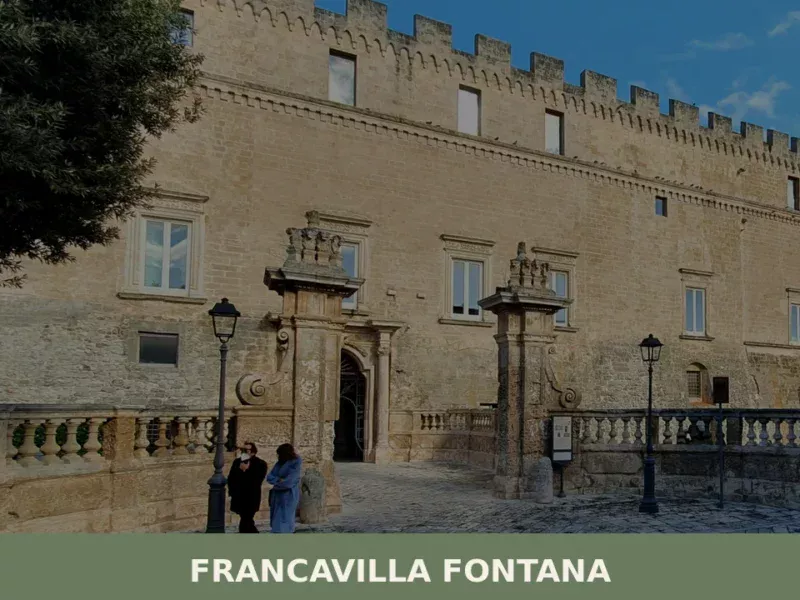
The province of Brindisi offers a coherent circuit of towns and villages worth combining with a visit to Latiano. Francavilla Fontana, around 20 kilometres to the north-west, is one of the more architecturally significant towns in the region, with a Baroque centre built around the Basilica of San Cosma e Damiano and the Palazzo Imperiali — a different structure from Latiano’s, and on a larger civic scale. The contrast between the two towns illustrates how Baroque architecture was deployed across the Salentine territory at different levels of ambition and resources.
Further afield, Puglia’s village landscape rewards exploration beyond the immediate Brindisi zone. Alberona, in the Daunia uplands of northern Puglia, offers a completely different topographic and architectural experience — elevated, stone-built, oriented toward the Apennines rather than the Adriatic. Closer to the Bari metropolitan area, Bitetto is a compact medieval centre with a Romanesque cathedral that merits a stop on any cultural itinerary through the region. Together, these villages suggest the range of what to see in Latiano’s broader Pugliese context — a region where every few kilometres brings a different expression of the same deep Mediterranean building tradition.
Frequently asked questions about Latiano
What is the best time to visit Latiano?
The best times to visit Latiano are late April to June and September to October, when temperatures are mild (18-24°C) and the countryside is vibrant. July and August bring intense heat, often exceeding 35°C, requiring early morning activities. A unique period is the autumn olive harvest, from October to December, offering a chance to see mills in action and taste freshly pressed olive oil. Don't miss the feast of the patron saint, Margherita di Antiochia, on July 20th, featuring processions, markets, and live music. Always confirm exact dates with the municipal website, as the program varies annually.
What are the historical origins of Latiano?
Latiano's origins trace back to the Roman period, likely from a u0022fundus Latianus,u0022 an agricultural estate, indicating continuous settlement in this fertile plain between Brindisi and Taranto. Its strategic location gave it consistent value through Norman, Swabian, and Angevin rules, passing through various feudal dynasties like the Acquaviva d'Atri family. The 16th and 17th centuries saw the consolidation of its urban fabric, including the establishment of its main parish church. The town's economy remained anchored in agriculture, particularly olive and wine production, with historic masserie reflecting its enduring rural character.
What to see in Latiano? Main monuments and landmarks
In Latiano, begin your visit at the Church of the Assumption of the Virgin Mary (Chiesa dell'Assunta), the principal religious building with its characteristic 17th-18th century Baroque façade. Nearby, explore Palazzo Imperiali, a significant example of aristocratic residential architecture from the feudal era, featuring a notable courtyard and stone staircase. Wander through the Historic Town Centre, a compact grid of stone-paved streets flanked by warm ochre limestone buildings. Don't miss the surrounding Masserie, ancient fortified farmsteads, some now offering agriturismo experiences, and the extensive, centuries-old olive groves that define Latiano's agricultural landscape.
What are the main natural or scenic attractions of Latiano?
The primary natural and scenic attractions in Latiano are its extensive, ancient olive groves and the surrounding agricultural landscape. These groves feature centuries-old olive trees with gnarled, multi-trunk forms, defining the flat terrain of northern Salento. Visitors can appreciate this working agricultural land, especially during the autumn harvest (October-December) when the groves are active. While not a dramatic landscape of hills or coasts, the serene, cultivated plains offer a unique insight into Puglia's rural heart and its deep connection to olive oil production.
Where to take the best photos in Latiano?
For memorable photos in Latiano, focus on the charming Historic Town Centre, capturing its compact grid of stone-paved streets and ochre-toned limestone buildings, often punctuated by quaint chapels. The Baroque façade of the Church of the Assumption of the Virgin Mary and the grand courtyard of Palazzo Imperiali offer excellent architectural subjects. Venture into the surrounding countryside to photograph the iconic, centuries-old olive groves with their gnarled trunks, especially beautiful during sunrise or sunset. The fortified masserie dotting the landscape also provide striking backdrops, blending history with rural beauty.
Are there museums, churches or historic buildings to visit in Latiano?
Yes, Latiano offers several significant historic buildings and churches to visit. The main attraction is the Church of the Assumption of the Virgin Mary (Chiesa dell'Assunta), a prominent Baroque edifice from the 17th-18th century, featuring devotional paintings and wooden furnishings. Palazzo Imperiali, an aristocratic residence, showcases feudal architecture with its impressive courtyard and stone staircase. While specific opening hours for interiors might vary, these are central to the historic town. Additionally, the surrounding countryside features several historic masserie, fortified agricultural estates, some of which are now accessible as agriturismo properties.
What can you do in Latiano? Activities and experiences
In Latiano, you can immerse yourself in its rich history by exploring the Historic Town Centre, visiting the Baroque Church of the Assumption and the imposing Palazzo Imperiali. A key experience is exploring the surrounding countryside, dotted with ancient masserie, some of which offer agriturismo stays. During autumn (October-December), you can witness the olive harvest and taste freshly pressed local olive oil. Engage with the local food and wine culture by sampling traditional u0022cucina poverau0022 dishes like orecchiette con le cime di rapa and enjoying Negroamaro wines. If visiting on July 20th, partake in the vibrant patron saint festival.
Who is Latiano suitable for? Families, couples, hikers, solo travelers?
Latiano is ideal for travelers seeking an authentic Puglian experience away from mass tourism. It appeals to **cultural enthusiasts** interested in feudal history, Baroque architecture, and traditional Salentine town life. **Food and wine lovers** will appreciate its u0022cucina poverau0022 tradition, DOP olive oil, and local wines. **Couples** can enjoy romantic strolls through the historic centre and serene agriturismo stays. **Families** will find a safe, quiet environment, while **solo travelers** can easily explore its heritage and enjoy its relaxed pace. Those interested in **agricultural tourism**, particularly the olive harvest, will find it especially rewarding.
What to eat in Latiano? Local products and specialties
In Latiano, you'll savor the authentic u0022cucina poverau0022 of the Brindisi hinterland. Must-try dishes include u0022orecchiette con le cime di rapa,u0022 handmade pasta with locally grown turnip tops, and u0022fave e cicorie,u0022 a hearty purée of dried broad beans served with wild chicory. The cornerstone of the local table is extra-virgin olive oil, predominantly from Ogliarola and Cellina di Nardò varieties, which holds Brindisi DOP recognition. Complement your meal with local wines from the Brindisi DOC zone, featuring Negroamaro-based reds and rosés, reflecting the village's deep agricultural identity.
📷 Photo Gallery — Latiano
Nearby Villages near Latiano
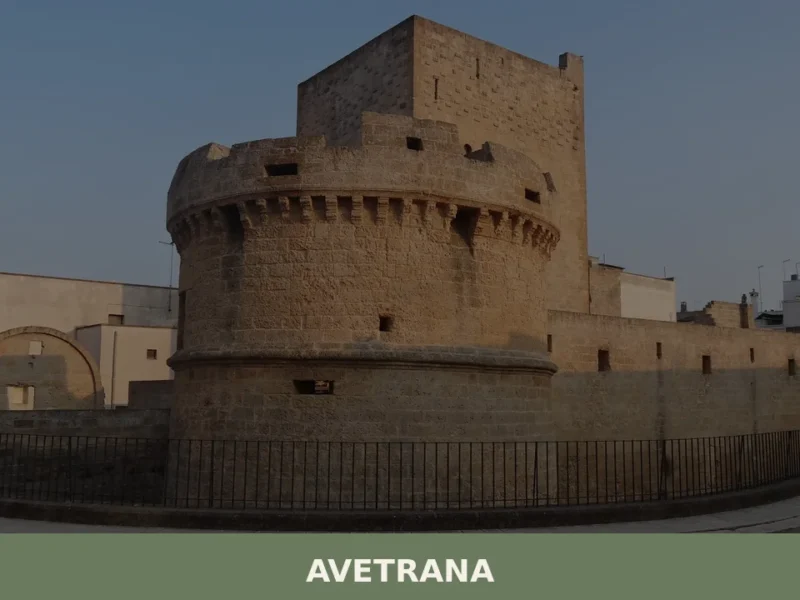
In Apulia More villages to discover
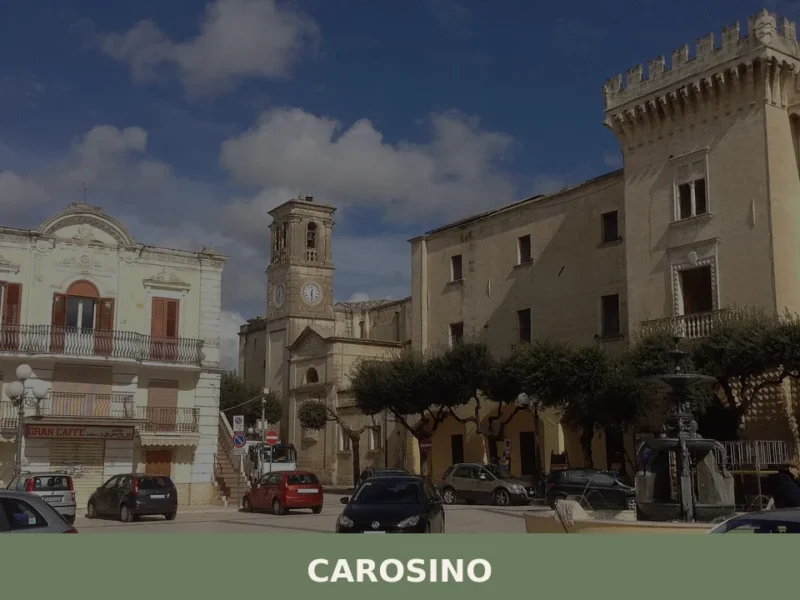
Carosino
 Plains
Carosino is a comune of 6,371 inhabitants in the province of Taranto, positioned in the Ionian arc of Puglia where the landscape flattens into olive groves and vineyards before reaching the coast. Known locally by its Salentine dialect name Carusinu, the town sits within a territorial context defined by centuries of agricultural production and the […]
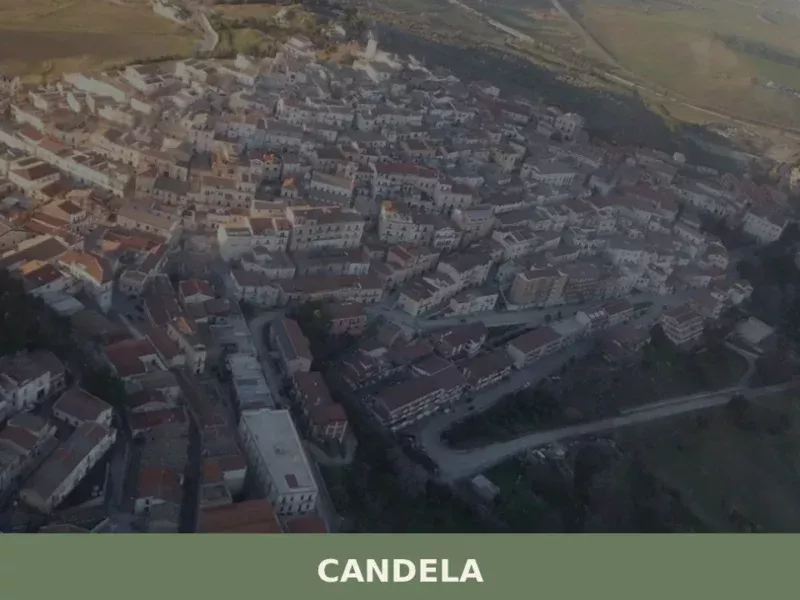
Candela
 Hills
Hills
Candela is a hill town of 2,574 residents in the province of Foggia, Puglia, known for its feudal heritage, ancient drove road connections and the feast of San Rocco on 16 August.
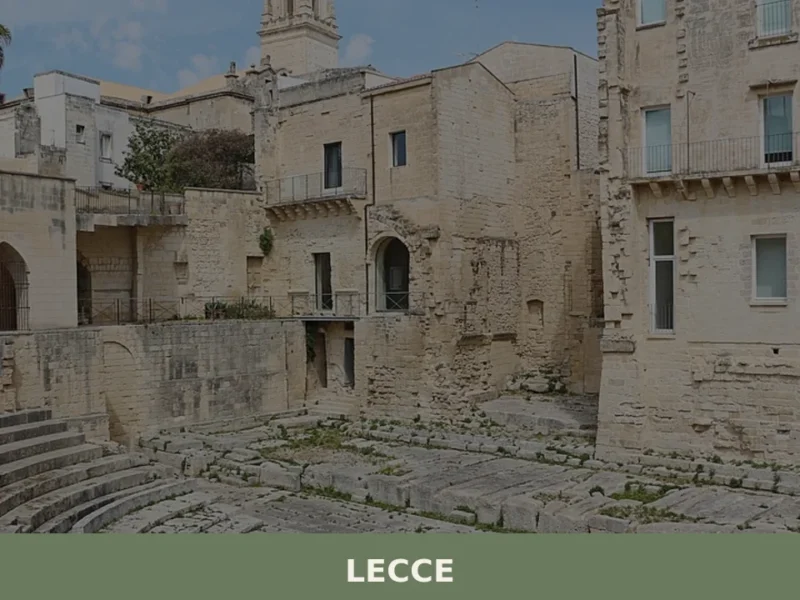
Lecce
 Sea
Sea
In the centre of Salento, on 26 August, the city of Lecce celebrates its patron saint, Sant’Oronzo, with a solemnity that unfolds among the scrolls and friezes of pale limestone. It is on days like these that the Lecce Baroque, the dominant stylistic hallmark, reveals itself in all its expressiveness, narrating centuries of history and […]
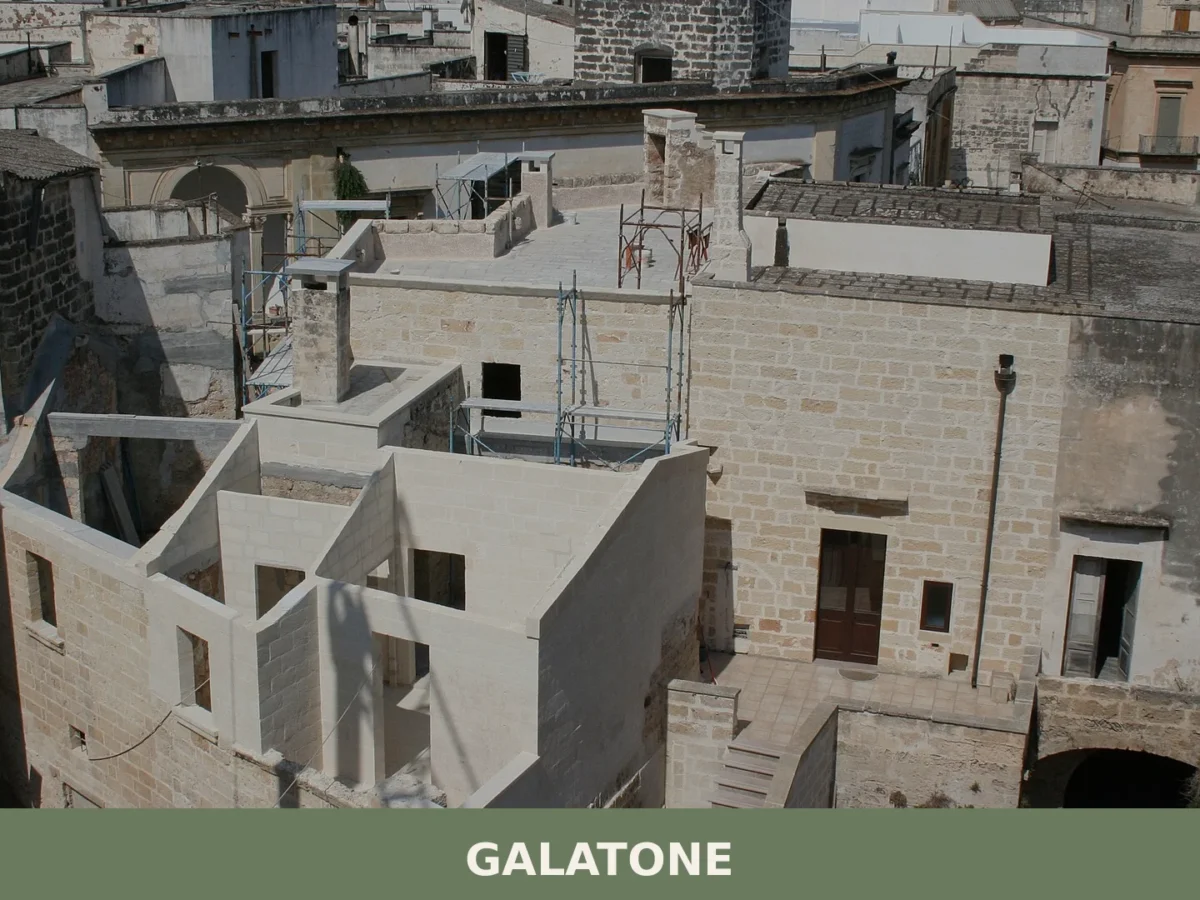
Galatone
Sea
A medieval settlement of 14,800 inhabitants on the Ionian shore. Known for three baroque sanctuaries and the birthplace of Antonio De Ferrariis, a leading Renaissance humanist.
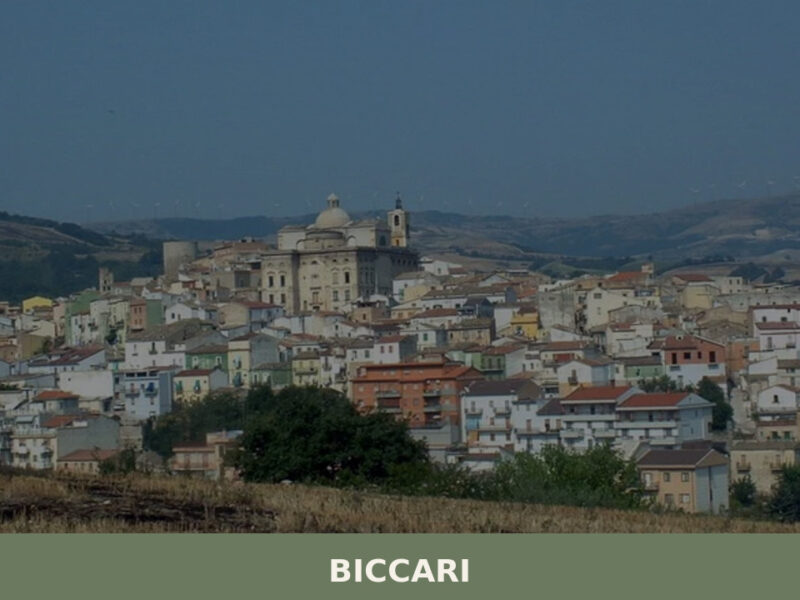
Biccari
Hills
Biccari is a centuries-old hill village in the Monti Dauni of Apulia, where a medieval street plan, a diocesan ecclesiastical museum and a vivid ethnographic collection preserve the layered story of t
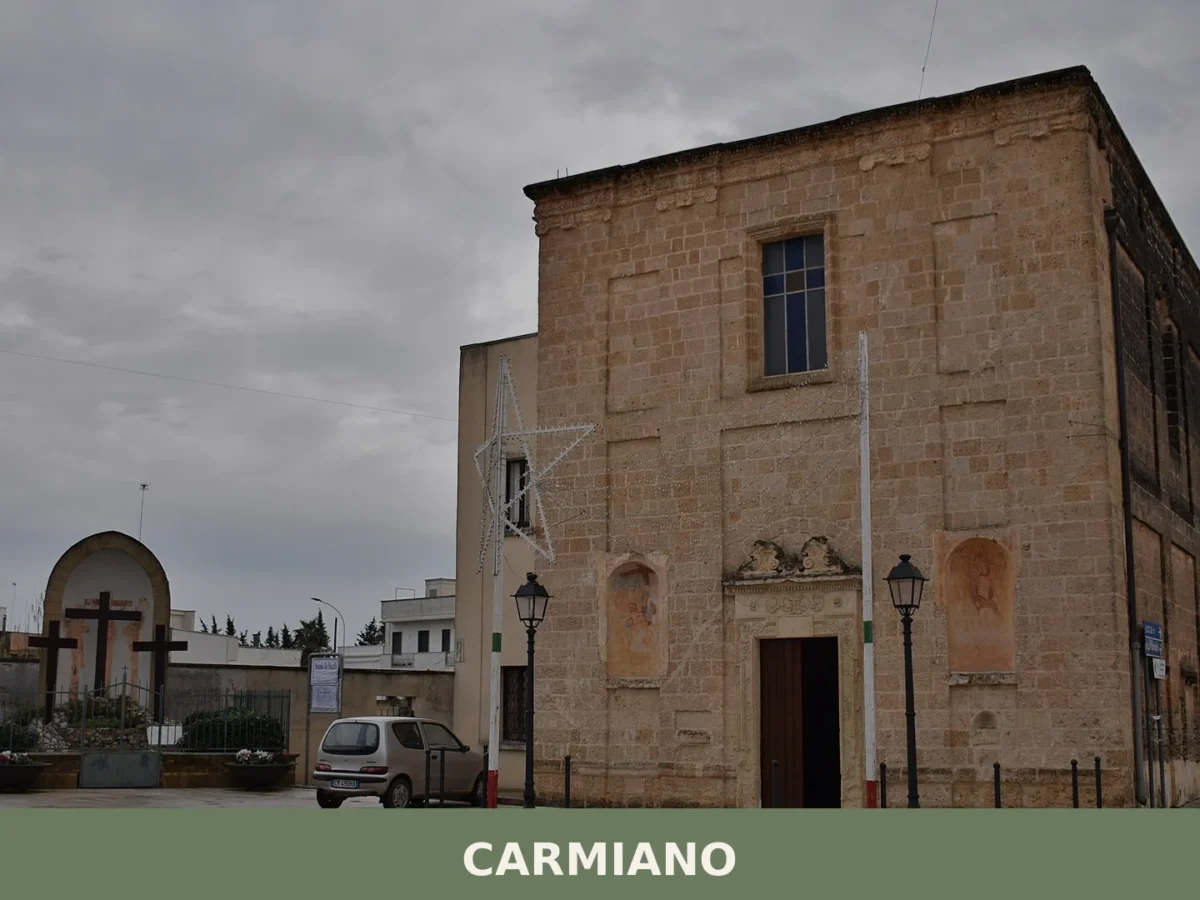
Carmiano
Plains
A comune of 11,660 souls in the northern Lecce province, Carmiano anchors its identity in medieval palaces, baroque altars, and the veneration of Maria Immacolata.
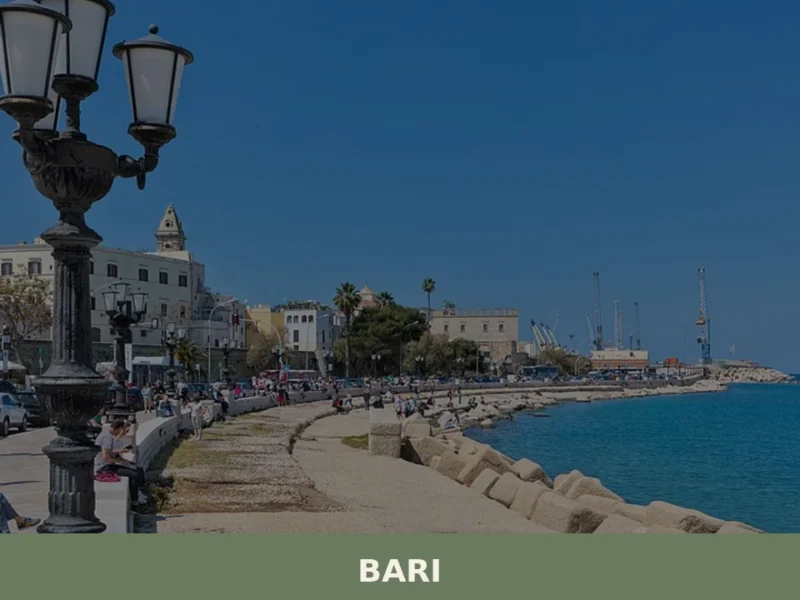
Bari
Sea
In Bari, the dawn over the Adriatic Sea paints the ancient walls of the old town in shades of pink, while the first rays of sunlight illuminate the imposing façade of the Basilica di San Nicola, the focal point of a city that has welcomed pilgrims and merchants for centuries. Here, history is etched into […]
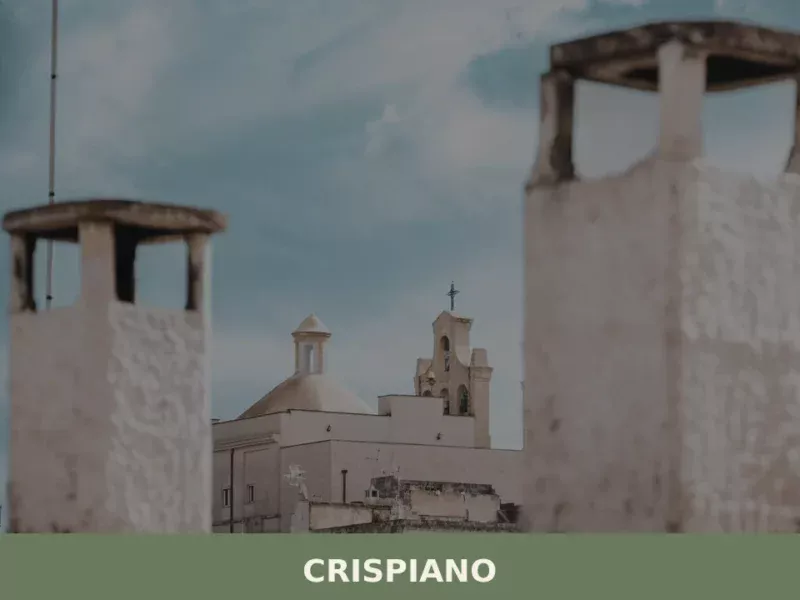
Crispiano
Plains
Discover what to see in Crispiano, a 12,800-person comune near Taranto built around a prehistoric karst ravine, a medieval abbey, and a living farming economy.
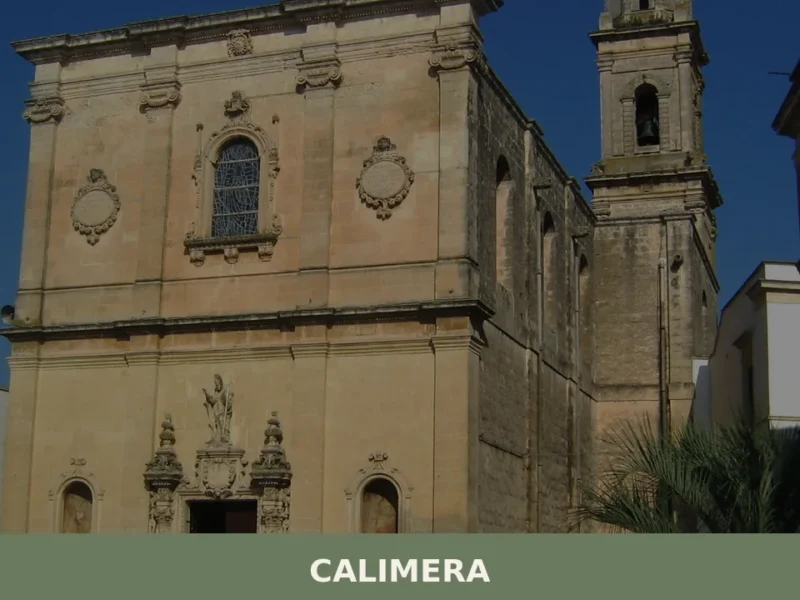
Calimera
Plains
Discover what to see in Calimera, the Puglia village at the heart of the Grecu00eca Salentina u2014 Griko culture, historic architecture, olive oil and local festivals.
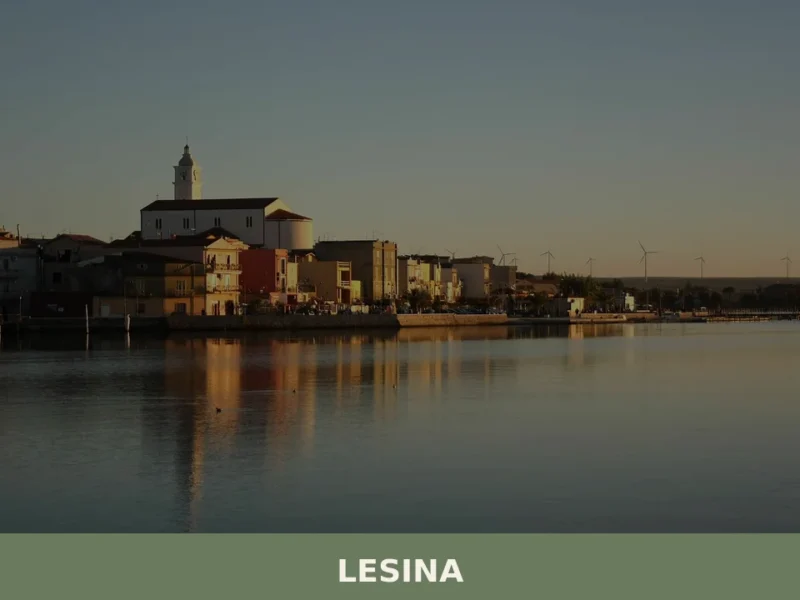
Lesina
 Lake
Sea
Lake
Sea
Lesina is a small Apulian town of 6,217 residents in the province of Foggia, shaped by the brackish lake at its edge and framed by the Parco Nazionale del Gargano.


🏡 Know Latiano better than we do?
If you’re a local or have been there, your knowledge matters: add what’s missing or fix a detail on this page.