


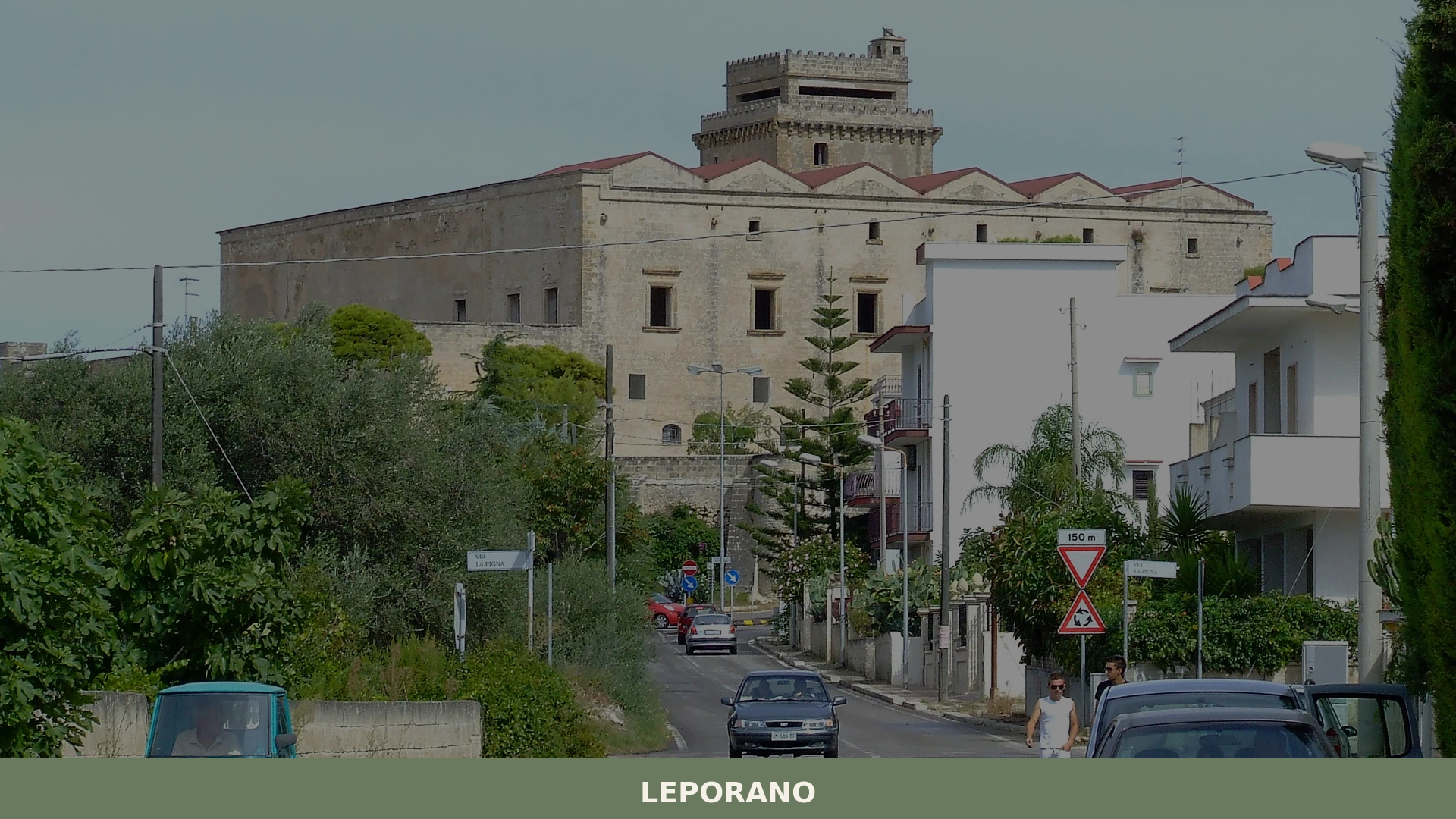

Discover what to see in Leporano, Puglia: Aragonese tower, Ionian coastline, local food and practical tips for visiting this Taranto province municipality.
Discover Leporano
Leporano is a municipality of 8,224 inhabitants in the province of Taranto, occupying a stretch of the Ionian coastline that also places it, geographically, within the broader Salento region. Visitors who come looking for what to see in Leporano find a place shaped by layers of coastal defence, agricultural tradition and the particular light of the Gulf of Taranto — a town where a 16th-century Aragonese tower still dominates the harbour at its frazione of Leporano Marina.
The municipality sits at the eastern fringe of the Tarantine province, where the Ionian Sea sets the rhythm of daily life.
History of Leporano
The name Leporano derives, according to the most widely accepted interpretation, from the Latin leporarium — an enclosure for hares — which points to an early medieval or even late Roman agricultural use of the land before any settled nucleus formed. The local dialect preserves this origin in the form Lupràne, a phonetic evolution that still distinguishes the speech of long-established residents from standard Italian. The territory shows signs of much older occupation: the coastal area around what is now Leporano Marina sits within a stretch of coastline that was heavily used by Greek colonists operating out of Taras — the city that would become Taranto — from around the 8th century BC onward.
The most visible historical monument in the municipality is the Torre di Leporano, a coastal watchtower constructed in the Aragonese period, most probably during the second half of the 16th century, as part of the broader defensive network that the Kingdom of Naples maintained along the Ionian coast to counter Ottoman and Saracen raiding fleets. This system of signal towers — each within sight of the next — allowed warnings to be relayed rapidly along the coastline. The tower at Leporano was not an isolated fortification but an integral node in that chain. Its squat cylindrical form, built in local limestone, is characteristic of Aragonese military architecture in southern Puglia.
In terms of administrative history, Leporano was for a long period a feudal dependency rather than an autonomous commune.
Its elevation to the status of an independent municipality is part of the broader reorganisation of southern Italian local government that followed the Unification of Italy in the 1860s. The economy of the area through the 19th and early 20th centuries was centred on subsistence farming, olive cultivation and fishing — the same activities visible in the rural and coastal fabric of the territory today. Growth in population and built-up area accelerated markedly in the second half of the 20th century, driven in part by the industrial expansion of Taranto, roughly 12 kilometres to the north-west.
What to see in Leporano: 5 must-visit attractions
Torre di Leporano
The Aragonese watchtower that gives the coastal hamlet its name is the single most important monument in the municipality. Built in local limestone during the 16th century as part of the Kingdom of Naples’ coastal defence network, the cylindrical tower stands directly above the sea at Leporano Marina.
It has been partially restored and is the architectural anchor of the entire seafront.
Leporano Marina and the Ionian Coastline
The waterfront at Leporano Marina is defined by a succession of low rocky inlets and small sandy coves facing the Gulf of Taranto. The water clarity in this section of the Ionian is notably high due to the absence of major river outflows nearby. The coastline here is classified within the protected marine zone related to the wider Tarantine gulf environment.
The Parish Church of the Historic Centre
The older urban nucleus of Leporano retains its parish church as the primary civic monument. Built in the vernacular Puglian Baroque style common to small towns in the Tarantine hinterland, the church features a stone façade worked in the local calcarenite.
Its interior preserves 18th-century devotional elements consistent with the religious traditions of the eastern Tarantine province.
The Agricultural Countryside and Olive Groves
Inland from the coast, the territory of Leporano is patterned by centuries-old olive groves, dry-stone walls and trulli-adjacent rural structures. Many of the olive trees are of considerable age, some pre-dating the 19th century. This agricultural landscape, common to the Salento borderlands, constitutes the working countryside that historically sustained the community.
The Natural Coastline at Punta Cannone
At the southern edge of the municipal territory, the promontory known as Punta Cannone offers direct access to the open Ionian. The point is characterised by flat rock shelving into clear water, with low Mediterranean scrub — macchia mediterranea — covering the land immediately behind the shore. It remains one of the least built-up sections of the immediate Tarantine coastal fringe.
Local food and typical products
The food culture of Leporano belongs to the wider culinary tradition of the Tarantine Ionian coast, where the sea and the land contribute equally to the table.
Mussels from the Mar Piccolo of Taranto — cultivated in the brackish inland lagoon just north-west of the municipality — appear in local dishes in multiple forms: raw with lemon, baked with breadcrumbs and pecorino, or stirred into riso, patate e cozze, the tiella barese that in this part of Puglia is made with Tarantine mussels specifically. Octopus, sea urchin when in season, and various preparations of orecchiette with local vegetable sauces are staples across the territory. The olive oil produced from the groves inland belongs to the broader Terre Tarentine DOP designation, one of Puglia’s recognised protected origin categories.
For eating out, the most practical concentration of restaurants and seafood trattorias is at Leporano Marina rather than the inland comune. The waterfront there supports a small cluster of establishments that source locally caught fish and shellfish directly. Visitors planning to eat well are advised to book ahead in July and August when the coast fills with Italian holidaymakers. The inland centre itself is quieter on the food-and-drink front, with a few bars and local alimentari that stock regional produce including local wine, taralli and cheeses from the Tarantine province.
Best time to visit Leporano
The climate at Leporano is Mediterranean, with hot, dry summers and mild winters — average July temperatures along this section of the Ionian coast regularly reach 30°C, while January averages stay around 9–10°C.
The most comfortable periods for exploring what to see in Leporano beyond the beach are May–June and September–October, when temperatures are warm but not extreme, the sea is swimmable from late May onward, and the roads and waterfront are not congested. The official Puglia tourism board confirms that the Ionian coastal strip sees its peak footfall in July and August, when accommodation and restaurants operate at full capacity.
There are no large-scale festivals specific to Leporano that have an international profile, but the municipality participates in the Feast of its patron saint — as do virtually all Puglian comuni — typically in the summer months. The local religious and civic calendar is worth checking directly through the Municipality of Leporano’s official website before travel.
For those with a specific interest in Puglia’s broader cultural calendar, the Taranto province hosts numerous archaeological, musical and food events between June and September that can anchor a visit to the area.
How to get to Leporano
Leporano sits approximately 12 kilometres south-east of Taranto city centre, making it directly accessible from the regional road network without requiring motorway travel. By car from Taranto, the SP17 provincial road connects the two in around 15–20 minutes depending on traffic. From the A14 motorway (Autostrada Adriatica), the closest exit is Taranto, after which travellers follow signs toward the Ionian coast and the comuni south-east of the city.
- Nearest airport: Brindisi Airport (Aeroporto del Salento), approximately 70 km north-east — around 55–65 minutes by car via the SS7 and then the ring road around Taranto
- Nearest railway station: Taranto Centrale, served by Trenitalia regional and intercity services; from the station, Leporano is reachable by local bus or taxi in around 20–25 minutes
- From Bari: approximately 95 km via the A14 to Taranto exit, then local roads — around 1 hour 10 minutes by car
- From Lecce: approximately 80 km via the SS7 through Manduria or via the SS101 — around 1 hour by car
- Local buses: STP Taranto operates scheduled services connecting Leporano to Taranto; frequency is moderate and reduces outside school-term periods
Where to stay in Leporano
The most practical base for overnight stays is Leporano Marina, the coastal frazione rather than the inland centre. Holiday apartments and rental homes predominate here, with a seasonal supply that expands considerably in summer to meet demand from Italian families and visitors from across Puglia and Basilicata. Agriturismi in the surrounding olive-grove countryside offer an alternative for those who prefer a rural setting with more structured hospitality, typically including breakfast and sometimes dinner using local produce.
Small B&Bs and rooms-for-rent also operate in the marina area, though formal hotels of any scale are limited in the municipality itself.
For a wider selection of hotel accommodation — including mid-range and business-class options — Taranto city is the more reliable base, from which Leporano is a short drive. Visitors planning to stay in the marina area in July or August should book accommodation several weeks in advance: the coastline here is popular with domestic Italian tourists and availability tightens quickly. Booking through established platforms while cross-referencing with local rental agencies listed on the municipality’s official site is the most straightforward approach.
More villages to discover in Puglia
Puglia is a region of considerable internal variety, and the villages within its borders range from high-plateau agricultural centres to Adriatic fishing ports. Travellers who have explored the Ionian coast around Leporano and want to understand a different face of the region might consider Monteleone di Puglia, a small hilltop comune in the Subappennino Dauno in the far north of the region — a landscape of wheat fields and ridgelines that could hardly differ more sharply from the flat Ionian coastline.
Equally contrasting is Barletta, on the Adriatic coast of northern Puglia, a city with a medieval castle, a famous Colossus bronze and a documented history of Norman and Swabian rule that makes it one of the most historically layered stops in the region.
Closer in character to the inland agricultural traditions visible around Leporano’s olive-grove hinterland is Sammichele di Bari, a village in the Murgia plateau south-east of Bari where traditional folk dance and rural customs remain part of active community life.
And for those drawn to the idea of reaching the geographical extreme of Puglia’s Adriatic coastline, the Isole Tremiti — an archipelago of limestone islands off the Gargano coast — offer one of the few island experiences within the region, with water visibility and marine life that attract divers and naturalists from across Italy.
Frequently asked questions about Leporano
What is the best time to visit Leporano?
The ideal time to visit Leporano is during the shoulder seasons: May-June and September-October. Temperatures are warm and pleasant (averaging 20-25°C), the Ionian Sea is perfect for swimming from late May, and the area is less crowded than peak summer. July and August see average temperatures around 30°C and are the busiest months, with accommodation and restaurants operating at full capacity due to Italian holidaymakers. The Feast of the patron saint, Sant'Emidio, is celebrated locally on August 3rd, 4th, and 5th, offering a taste of local traditions.
What are the historical origins of Leporano?
Leporano's name likely originates from the Latin 'leporarium,' meaning an enclosure for hares, suggesting early agricultural use. The territory boasts a much older history, with evidence of Greek colonists from Taras (ancient Taranto) using the coastal area around the 8th century BC. The most prominent historical landmark is the Torre di Leporano, a 16th-century Aragonese watchtower built as part of the Kingdom of Naples' coastal defence network against Ottoman raids, reflecting centuries of strategic importance.
What to see in Leporano? Main monuments and landmarks
In Leporano, the must-see attractions include the **Torre di Leporano**, a distinctive 16th-century Aragonese watchtower dominating the harbour at Leporano Marina. The **Parish Church of the Historic Centre** showcases vernacular Puglian Baroque architecture with 18th-century devotional elements. Visitors can also explore **Leporano Marina and the Ionian Coastline**, known for its clear waters and rocky inlets, the expansive **Agricultural Countryside** with ancient olive groves, and the wilder **Natural Coastline at Punta Cannone** for unspoiled sea views.
What are the main natural or scenic attractions of Leporano?
Leporano's main natural attractions are primarily coastal. **Leporano Marina** offers beautiful low rocky inlets and small sandy coves with exceptionally clear waters, part of a protected marine zone within the Gulf of Taranto. To the south, **Punta Cannone** provides direct access to the open Ionian Sea, characterized by flat rock shelving and untouched Mediterranean scrub. Inland, the **Agricultural Countryside** with its centuries-old olive groves and dry-stone walls presents a serene, characteristic Salento landscape.
Where to take the best photos in Leporano?
For stunning photographs in Leporano, head to **Leporano Marina**, where the cylindrical 16th-century **Torre di Leporano** provides an iconic backdrop against the Ionian Sea, especially at sunset. The scenic **Ionian Coastline** itself, with its clear waters, rocky inlets, and small sandy coves, offers numerous picturesque spots. Don't miss the promontory of **Punta Cannone** for sweeping views of the open sea and natural Mediterranean landscape. The ancient **olive groves** inland also capture the timeless beauty of rural Puglia.
Are there museums, churches or historic buildings to visit in Leporano?
Yes, Leporano features notable historic buildings and a church. The most prominent is the **Torre di Leporano**, a well-preserved 16th-century Aragonese watchtower located directly on the seafront at Leporano Marina, an integral part of Puglia's coastal defence history. In the historic centre, visitors can explore the **Parish Church**, an example of vernacular Puglian Baroque architecture, housing 18th-century devotional elements. There are no museums specifically mentioned within the municipality of Leporano.
What can you do in Leporano? Activities and experiences
In Leporano, activities revolve around its beautiful coastline and culinary heritage. You can spend your days relaxing on the sandy coves or rocky inlets of **Leporano Marina**, swimming in the notably clear Ionian waters, or exploring the unspoiled nature at **Punta Cannone**. Indulge in local gastronomy by dining at the seafood trattorias in Leporano Marina, sampling fresh mussels, octopus, and the region's renowned olive oil. Strolling through the ancient **olive groves** inland offers a peaceful experience of the agricultural landscape.
Who is Leporano suitable for? Families, couples, hikers, solo travelers?
Leporano is ideally suited for **families** and **couples** seeking a relaxing beach holiday with an authentic Puglian flavour. Its clear Ionian waters and small coves are perfect for children, and the prevalence of holiday apartments in Leporano Marina caters well to family stays. **Foodies** will appreciate the fresh seafood and local produce. While not a hiking destination, those who enjoy gentle walks and exploring rural landscapes will enjoy the olive groves. It's also suitable for **solo travelers** looking for tranquility and a genuine coastal experience away from larger, more commercial resorts, especially outside peak season.
What to eat in Leporano? Local products and specialties
Leporano's cuisine perfectly blends sea and land flavours. Signature dishes often feature **mussels from Taranto's Mar Piccolo**, served raw with lemon, baked with breadcrumbs, or in the local 'riso, patate e cozze'. Other seafood staples include **octopus** and seasonal **sea urchin**. From the land, expect **orecchiette** pasta with various local vegetable sauces. The area is renowned for its **olive oil**, falling under the prestigious Terre Tarentine DOP designation. Local **wine, taralli**, and cheeses from the Tarantine province are also widely available.
Nearby Villages near Leporano
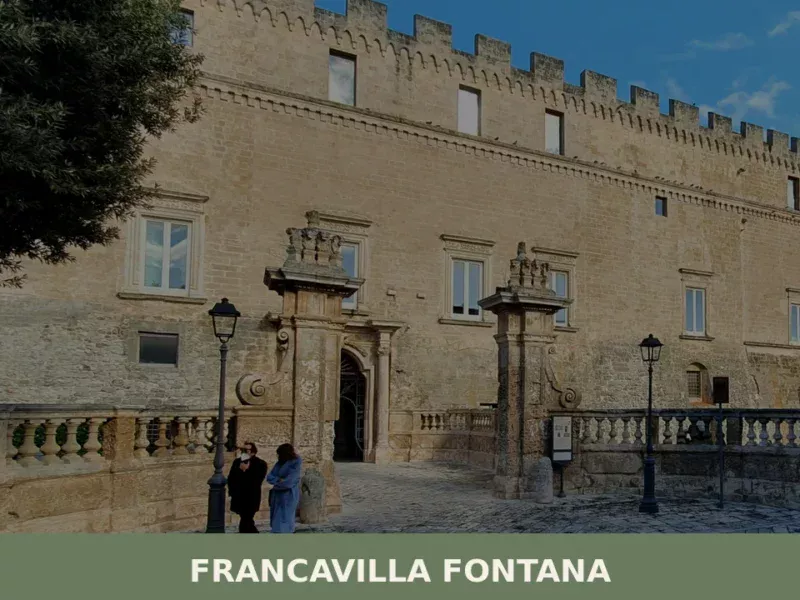
In Apulia More villages to discover
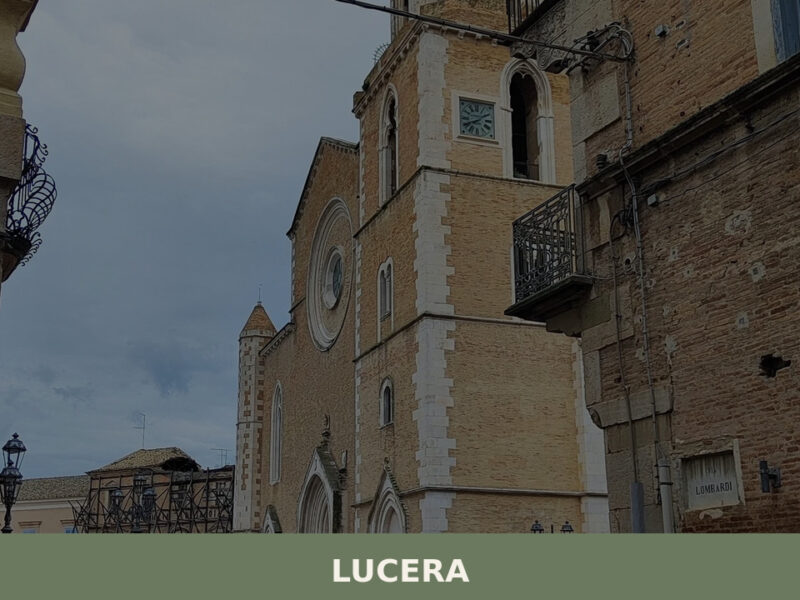
Lucera
 Hills
Hills
Lucera si presenta come un borgo pugliese ricco di storia e fascino, custode di un patrimonio che spazia dalle vestigia romane alle imponenti fortificazioni medievali, situata nel cuore del Tavoliere
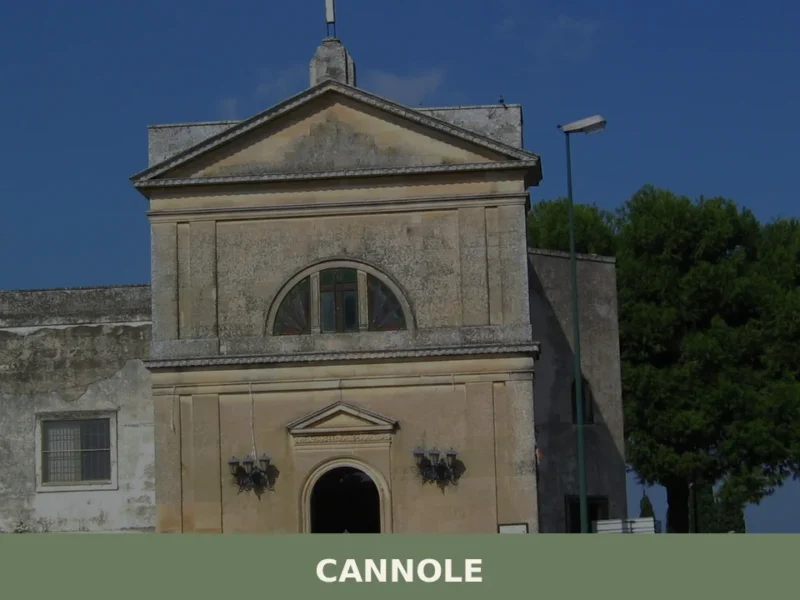
Cannole
 Plains
With its 1,631 inhabitants spread across a plateau at 100 metres above sea level in the interior of the Salento, Cannole is one of the smallest municipalities in the province of Lecce. The settlement is organised around a compact core of Lecce stone houses, with a central square that still serves as a daily point […]
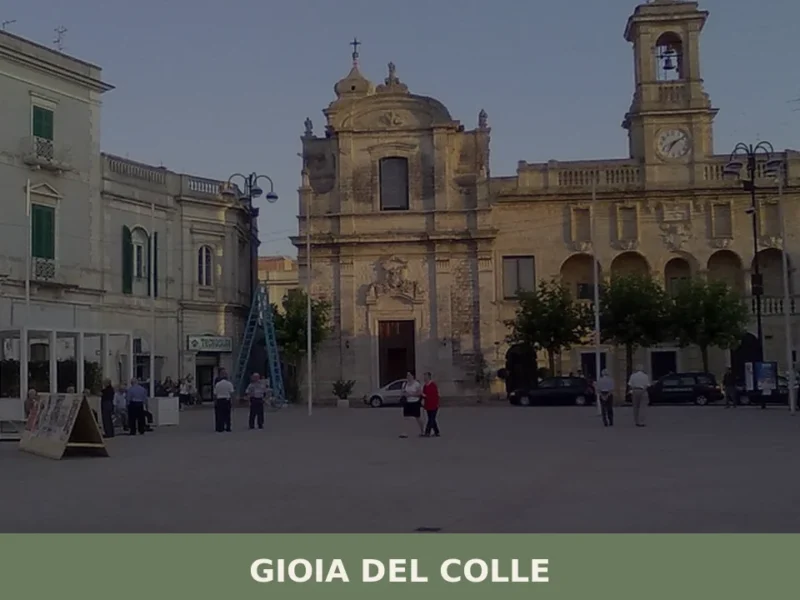
Gioia del Colle
Hills
What to see in Gioia del Colle: hilltop town at 362m on the Murgia. Explore the Swabian castle, Monte Sannace park, Primitivo DOC wines and local PAT dishes.
Andrano
 Sea
Sea
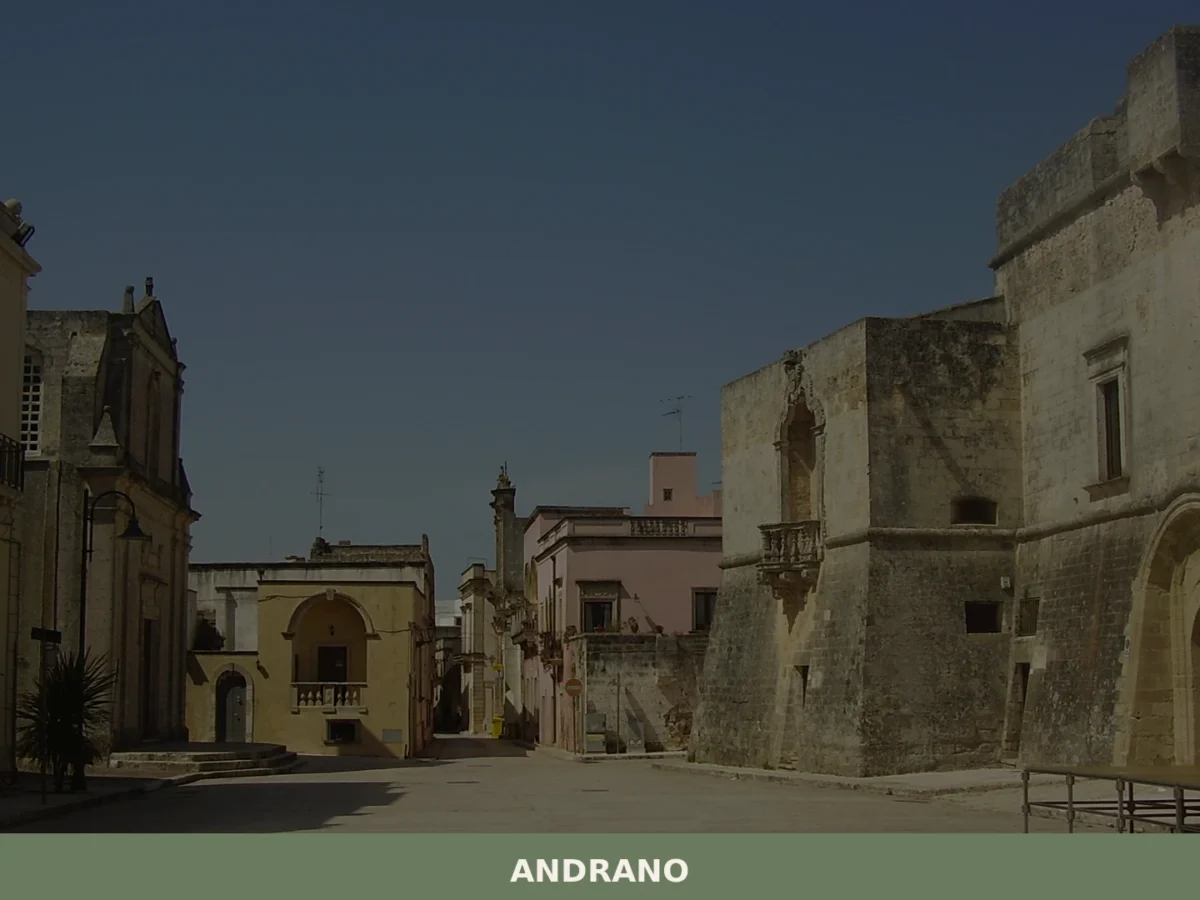
Discover what to see in Andrano, a Lecce province comune with a medieval castello, Adriatic coastline and the hamlet of Castiglione d'Otranto. Complete travel guide.

Campi Salentina
Plains
Discover what to see in Campi Salentina, Puglia: history, attractions, local food, best time to visit and how to get there. A full editorial guide.
Presicce
Plains
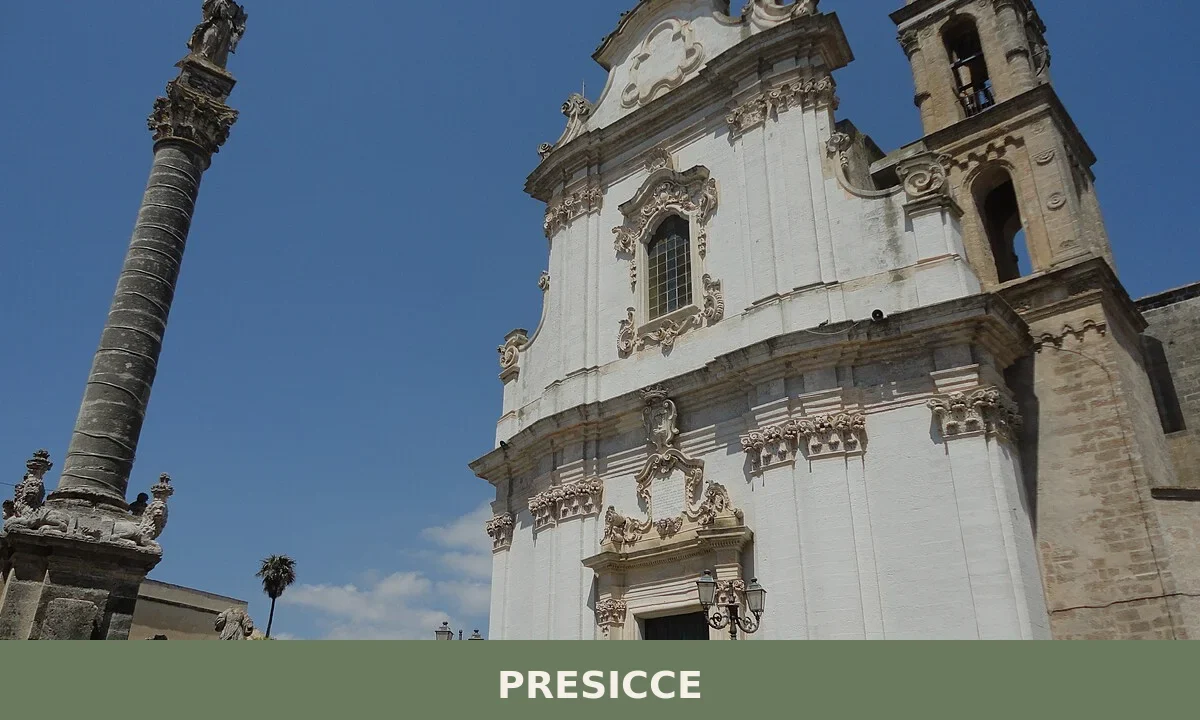
Population 5,552. A low-altitude village built around an abundant water source, with medieval ruins, baroque religious architecture and a peasant culture museum in the ducal palazzo.
Torremaggiore
Plains
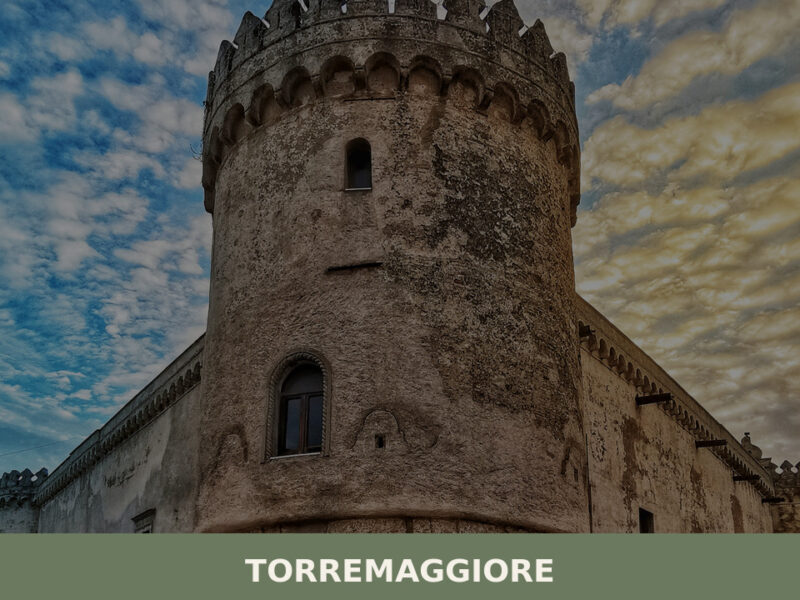
A complete guide to Torremaggiore in northern Puglia — its medieval castle, the ruins of Fiorentino, local food traditions, and practical travel information.
Manfredonia
Sea
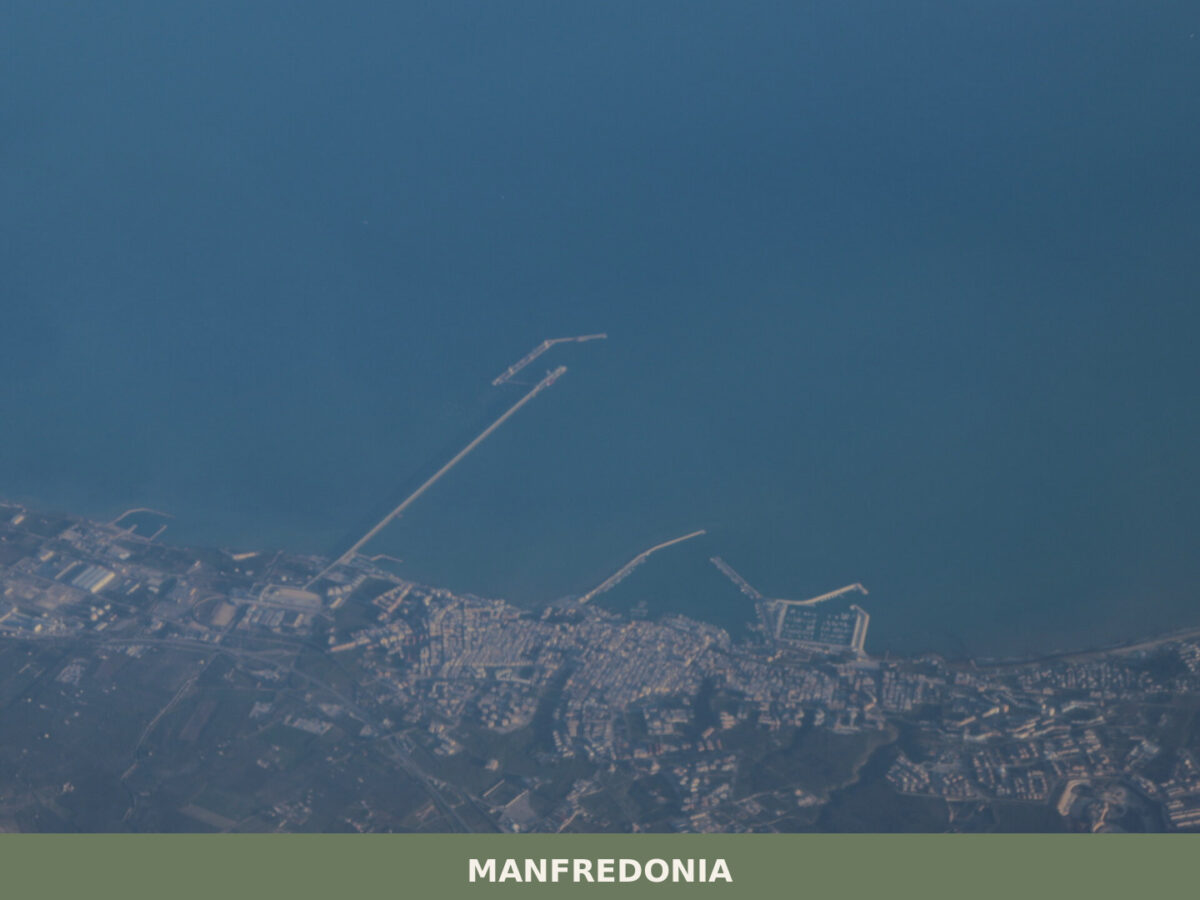
A port city founded by King Manfred on the Gargano coast, Manfredonia holds a medieval castle, pre-Roman carved stele, and one of Puglia's oldest carnivals.
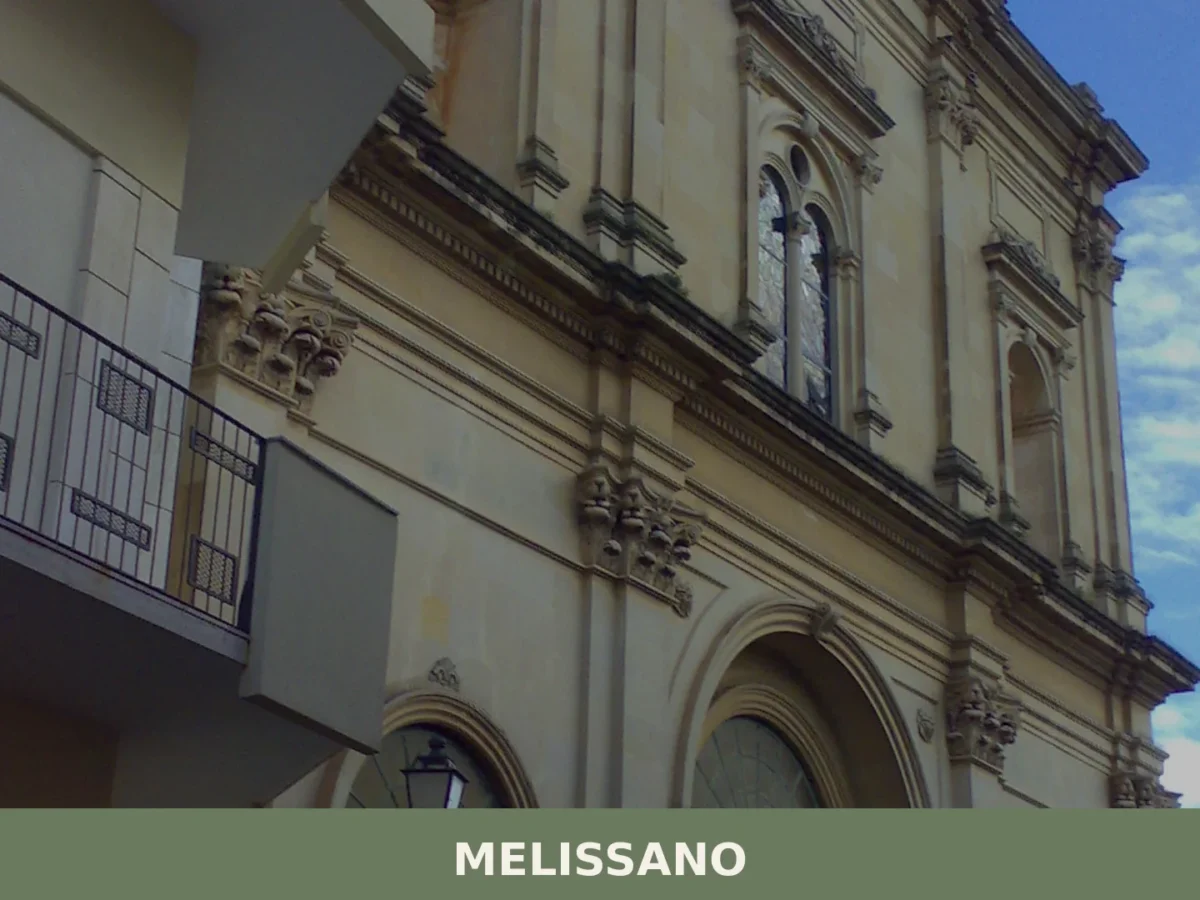
Melissano
Plains
Population 6,575. A low-lying comune where ancient abbeys, neorenaissance churches and karst waters tell the story of Norman feuds, Greek monks and an oil-and-wine hinterland.
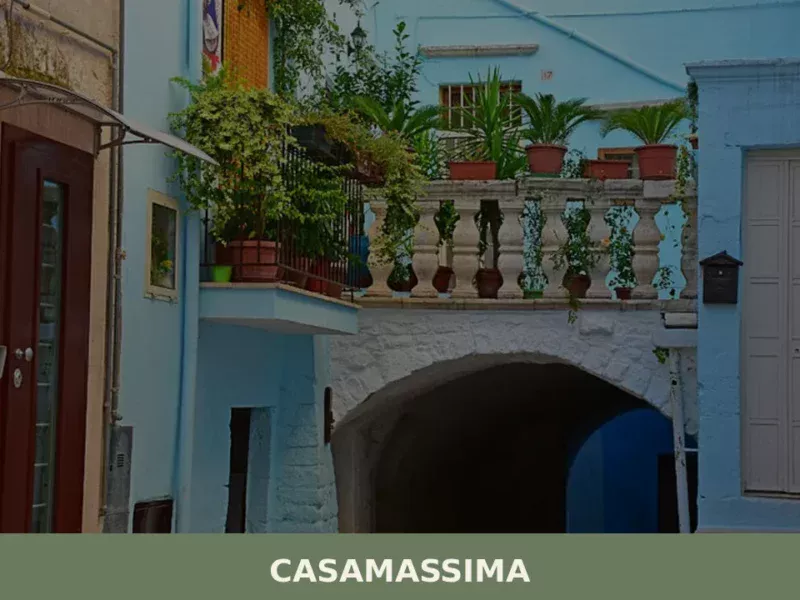
Casamassima
Hills
The façades painted with blue limewash in the historic centre earned Casamassima the nickname “Blue Village” — a unique case among Apulian villages and one of very few in Europe. This tradition, documented from the 19th century onward and linked according to local belief to a vow made to the Virgin Mary during a plague […]




🏡 Know Leporano better than we do?
If you’re a local or have been there, your knowledge matters: add what’s missing or fix a detail on this page.