


Campi Salentina
 Plains
Discover what to see in Campi Salentina, Puglia: history, attractions, local food, best time to visit and how to get there. A full editorial guide.
Discover Campi Salentina
Since 1998, Campi Salentina has held the official title of città — a designation that distinguishes it from the smaller comuni of the surrounding Salento plain. With just over 9,600 inhabitants and its territory given over largely to vineyards, this Lecce-province centre sits in one of Apulia’s most productive agricultural corridors. For visitors asking what to see in Campi Salentina, the answer begins not with monuments but with landscape: flat, vine-striped fields that stretch to the horizon under a sky that rarely concedes to cloud.
History of Campi Salentina
The settlement’s name has a straightforward etymology rooted in Latin: campus, meaning open field or plain, accurately describes the flat agricultural land on which the town was established.
The Salentino suffix was added formally in 1864, when the Italian state required municipalities to distinguish themselves from identically named places elsewhere in the newly unified kingdom — before that date, the town appeared in official records simply as Campi. In the local Salentino dialect it is still called Càmpie, a form that preserves the older vernacular pronunciation and reflects the linguistic continuity between place and people.
The broader territory of the Salento peninsula, within which Campi Salentina sits, passed through a succession of feudal overlords common to southern Italy — Norman, Swabian, Angevin and Aragonese control each left administrative and ecclesiastical imprints on the region’s towns. The fertile agricultural land made the area economically significant: the cultivation of vines, olives and cereals provided the material basis for local communities across the medieval and early modern periods.
Campi’s position on the Lecce plain, rather than on a defensible hill, points to a settlement that prioritised agricultural productivity over military protection — a characteristic of the more stable, economically organised zones of the Terra d’Otranto.
By the nineteenth century, the area’s wine production had become sufficiently developed to be integrated into wider regional trade networks. The expansion of road and rail connections across the Lecce province during the post-Unification decades helped connect Campi Salentina more directly to the provincial capital and to export routes. The town’s administrative growth over the twentieth century — culminating in the formal recognition as a città in 1998 — reflects a steady demographic and civic consolidation that set it apart from the rural hamlets of the deeper Salento interior.
What to see in Campi Salentina: 5 must-visit attractions
Church of Sant’Elena Imperatrice
The parish church dedicated to Saint Helena, the Roman empress and mother of Constantine the Great, stands as the primary religious reference point in the town centre. Its façade reflects the late Baroque ecclesiastical style widespread across the Lecce province, with the warm local limestone — pietra leccese — used throughout its construction and decorative elements.
The Historic Town Centre
Campi Salentina’s centre follows the compact urban pattern typical of Salento agricultural towns: low stone buildings arranged along a grid of streets that open occasionally into small piazze.
The use of pietra leccese in doorways, cornices and balcony brackets gives the older fabric a visual consistency that industrial-era construction has only partially interrupted.
The Surrounding Vineyard Landscape
The countryside immediately outside the town is among the most legible agricultural landscapes in the province. The flat terrain allows for expansive vine cultivation, and the organisation of the fields — with low-trained vines extending across red-earthed plots — is directly observable from the roads leaving the town in any direction.
Wine production here feeds into the broader local economy documented by the municipality.
Local Masserie
The masseria — the fortified farmstead that served as both agricultural enterprise and occasional refuge — appears throughout the Campi Salentina territory. Several examples survive in varying states of preservation outside the town perimeter, their thick stone walls and internal courtyards representing a building type that was functional architecture first and landscape element second.
Market Day and Civic Life
Campi Salentina’s weekly market, like those of most Salento comuni, draws residents from the surrounding countryside and provides a direct view of local agricultural commerce. Seasonal produce from the surrounding vine and olive country appears alongside everyday goods, and the market’s rhythm has remained a structuring element of town life for generations.
Local food and typical products
The agricultural character of the Campi Salentina territory translates directly into its food culture.
Vine cultivation dominates the surrounding fields, and the wines produced in this zone of the Lecce province fall within the broader Salento wine tradition — robust reds made principally from Negroamaro and Primitivo grapes, varieties that have adapted over centuries to the flat, sun-intense terrain. Olive oil production, while less dominant here than in other parts of Puglia, remains part of the local agricultural economy and appears in the cooking that defines the area. Puglia’s official regional tourism platform provides useful orientation to the food geography of the province.
The kitchen of the Salento interior draws on a cucina povera tradition that turns simple ingredients into defined dishes: ciceri e tria (chickpeas with fried and boiled pasta), fave e cicoria (broad bean purée with wild chicory), and fresh pasta forms such as sagne ‘ncannulate — long, hand-rolled ribbons that appear across the province. Bread baked in wood-fired ovens, local cheeses and cured meats fill out a food culture that is directly legible from what grows in the surrounding fields. Restaurants and agriturismi in and around Campi Salentina tend to reflect this agricultural base rather than reinterpreting it.
Best time to visit Campi Salentina
The climate of the Salento plain is Mediterranean in character: long, dry summers with temperatures regularly exceeding 30°C between June and August, and mild winters that rarely produce frost.
Spring — particularly April and May — offers the most comfortable conditions for exploring the town and its agricultural surroundings, when the vine shoots are emerging and the light is strong without the heat becoming oppressive. September and October bring the grape harvest, the most economically significant period in the local agricultural calendar, and a time when the activity in the countryside is directly visible to any visitor who moves outside the town. The publishes information on local civic and religious events through its official channels.
The feast of Sant’Elena, the town’s patron saint, is the most significant date in the local religious calendar. Summer festivals — the feste patronali common across Salento — bring outdoor music, processions and communal gatherings that are worth timing a visit around if the opportunity presents itself. Winter visits are quieter and offer a more direct encounter with the working rhythms of the town, though the shorter days and occasional rain require more flexible planning.
How to get to Campi Salentina
Campi Salentina sits in the province of Lecce, and the provincial capital is the most practical point of reference for reaching it.
The town lies roughly 20 kilometres northwest of Lecce city centre, and the two are connected by a direct road — the SP2 — making the journey by car straightforward in around 25 minutes under normal conditions. By regional train, the Ferrovie del Sud Est network, which serves much of the Salento interior, provides connections from Lecce station to the area, though travellers should verify current timetables as services on secondary lines operate on reduced schedules. The nearest major airport is Brindisi’s Papola Casale Airport, approximately 40 kilometres to the north, which handles both domestic and European routes and provides car hire options for onward travel.
- By car from Lecce: approximately 20 km, 25 minutes via SP2
- By car from Brindisi: approximately 35 km, 35–40 minutes
- By car from Taranto: approximately 70 km, under 1 hour via SS7
- Nearest airport: Brindisi Papola Casale (BDS), approx. 40 km
- Train: Ferrovie del Sud Est from Lecce — verify current schedules locally
Where to stay in Campi Salentina
Accommodation options in Campi Salentina itself are limited in number but include B&Bs and guesthouses within the town centre, where staying allows easy access to the main piazza and parish church on foot. The surrounding countryside offers agriturismo options — farm-based accommodation that reflects the agricultural character of the territory and frequently provides meals made from produce grown on site.
These rural properties tend to book out earlier in the summer peak season, particularly in July and August when the entire Salento coast draws visitors from across Italy and northern Europe.
For travellers who plan to use Campi Salentina as a base for day trips across the Lecce province, the town’s central position on the flat Salento plain gives reasonable road access in most directions. Lecce city itself, 20 kilometres to the southeast, offers a wider range of hotels across all price categories and is worth considering as an alternative base if the local inventory is full. Booking accommodation several weeks in advance is advisable for any visit between late June and late August.
More villages to discover in Puglia
The province of Lecce and the wider Puglia region contain a range of smaller comuni that reward exploration beyond the established coastal and urban circuits. Travellers who have spent time in the Salento interior around Campi Salentina might consider extending their journey north into the Murge plateau, where the agricultural town of Adelfia offers a different landscape register — elevated, cooler and marked by a distinct urban form. Further into the Apennine foothills, Bitritto provides another perspective on how Puglian communities have organised themselves around the land.
For those drawn to the more rugged, inland face of the region, the upland villages of the Daunia sub-Apennines represent a sharper contrast to the flat vine country of the Salento.
Panni, a small comune in Foggia province with a dramatically elevated position, sits at the opposite geographical extreme from the level fields of Campi Salentina. Similarly, Motta Montecorvino illustrates how differently Puglia’s settlement geography reads across its varied internal territories — from the vine-covered plains of the south to the forested ridges of the northwest.
Frequently asked questions about Campi Salentina
What is the best time to visit Campi Salentina?
Spring — particularly April and May — offers the most comfortable conditions, with warm light and emerging vineyard growth without oppressive heat. September is doubly rewarding: the grape harvest brings visible activity across the surrounding fields, and 1 September marks the feast of Sant'Oronzo, the town's patron saint, with processions and communal celebrations in the town centre. July and August are hot (regularly above 30°C) and busy across the Salento region. Winter is quiet and mild, suited to travellers who prefer the working rhythm of a Salento agricultural town without the summer crowds.
What are the historical origins of Campi Salentina?
The name derives from the Latin campus — open field or plain — accurately reflecting the flat agricultural terrain on which the settlement was founded. The town appeared in official records simply as Campi until 1864, when post-Unification Italy required municipalities to adopt distinguishing suffixes; the Salentino addition dates from that administrative reform. In the local dialect it is still called Càmpie. The territory passed through Norman, Swabian, Angevin and Aragonese feudal control in sequence, and its position on the open Lecce plain — rather than a defensible hill — signals a community built around agricultural productivity rather than military defence.
What to see in Campi Salentina? Main monuments and landmarks
The Church of Sant'Elena Imperatrice is the primary monument in the town centre, built in the late Baroque style widespread across the Lecce province and faced with warm pietra leccese limestone. The historic centre itself repays a short walk: low stone buildings, carved doorways and balcony brackets in pietra leccese give the older streets a visual coherence typical of Salento agricultural towns. Outside the town perimeter, several masserie — traditional fortified farmsteads with thick stone walls and internal courtyards — survive in varying states of preservation and are visible from the surrounding country roads.
What to eat in Campi Salentina? Local products and specialties
The surrounding fields are dominated by vines, and the wines of this Lecce-province zone belong to the Salento tradition: robust reds based on Negroamaro and Primitivo grapes. The local kitchen follows the cucina povera of the Salento interior: ciceri e tria (chickpeas with fried and boiled pasta), fave e cicoria (broad bean purée with wild chicory), and sagne 'ncannulate — long hand-rolled pasta ribbons common across the province. Olive oil, local cheeses, wood-oven bread and cured meats complete the table. Agriturismi in the surrounding countryside frequently serve meals prepared from their own produce.
Who is Campi Salentina suitable for? Families, couples, hikers, solo travellers?
Campi Salentina suits travellers interested in authentic agricultural Salento rather than coastal or monumental tourism. Food and wine enthusiasts will find the vineyard landscape and local cucina povera tradition directly accessible. Couples and slow-travel visitors who want a quiet, working Salento town as a base — 20 kilometres from Lecce and within reach of the wider province — will appreciate its unhurried pace. The flat terrain and compact centre make it easily walkable for families. It is less suited to hikers seeking trails or to visitors whose priority is beach access, for which the Lecce coast requires a separate journey.
What can you do in Campi Salentina? Activities and experiences
The most rewarding activities in Campi Salentina are tied to its agricultural calendar. Visiting during the September grape harvest allows travellers to observe vine cultivation directly across the surrounding flat fields. The weekly market offers seasonal produce from the local vine and olive country alongside everyday goods and provides an unmediated view of local commercial life. The feast of Sant'Oronzo on 1 September brings outdoor music, processions and communal gatherings to the town centre. Dining at local agriturismi and exploring the countryside roads past surviving masserie and vineyard plots are practical ways to engage with the territory.
Getting there
Piazza della Libertà, 73012 Campi Salentina (LE)
Nearby Villages near Campi Salentina
In Puglia More villages to discover
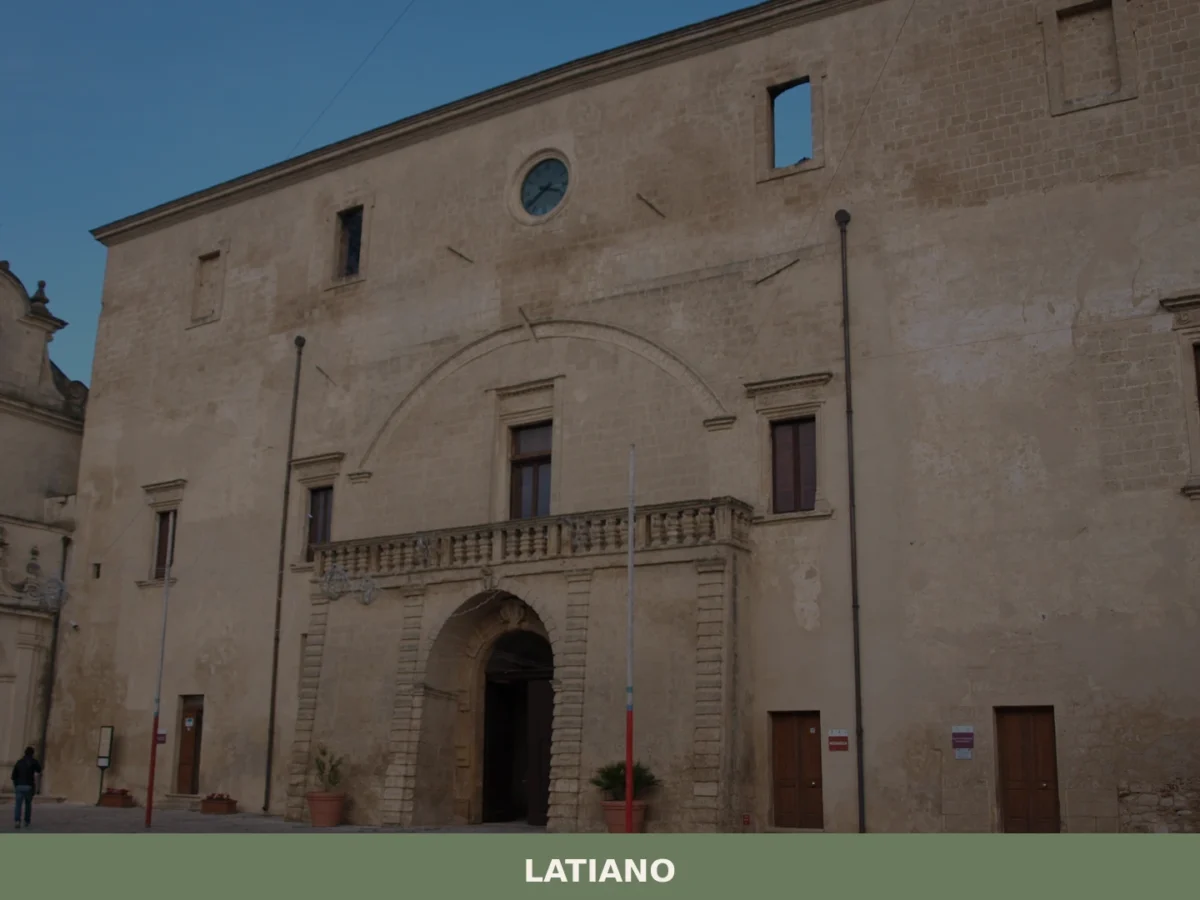
Latiano
Plains
Discover what to see in Latiano, Puglia: Baroque churches, historic masserie, olive groves and local food in this Brindisi province town of 13,000 inhabitants.
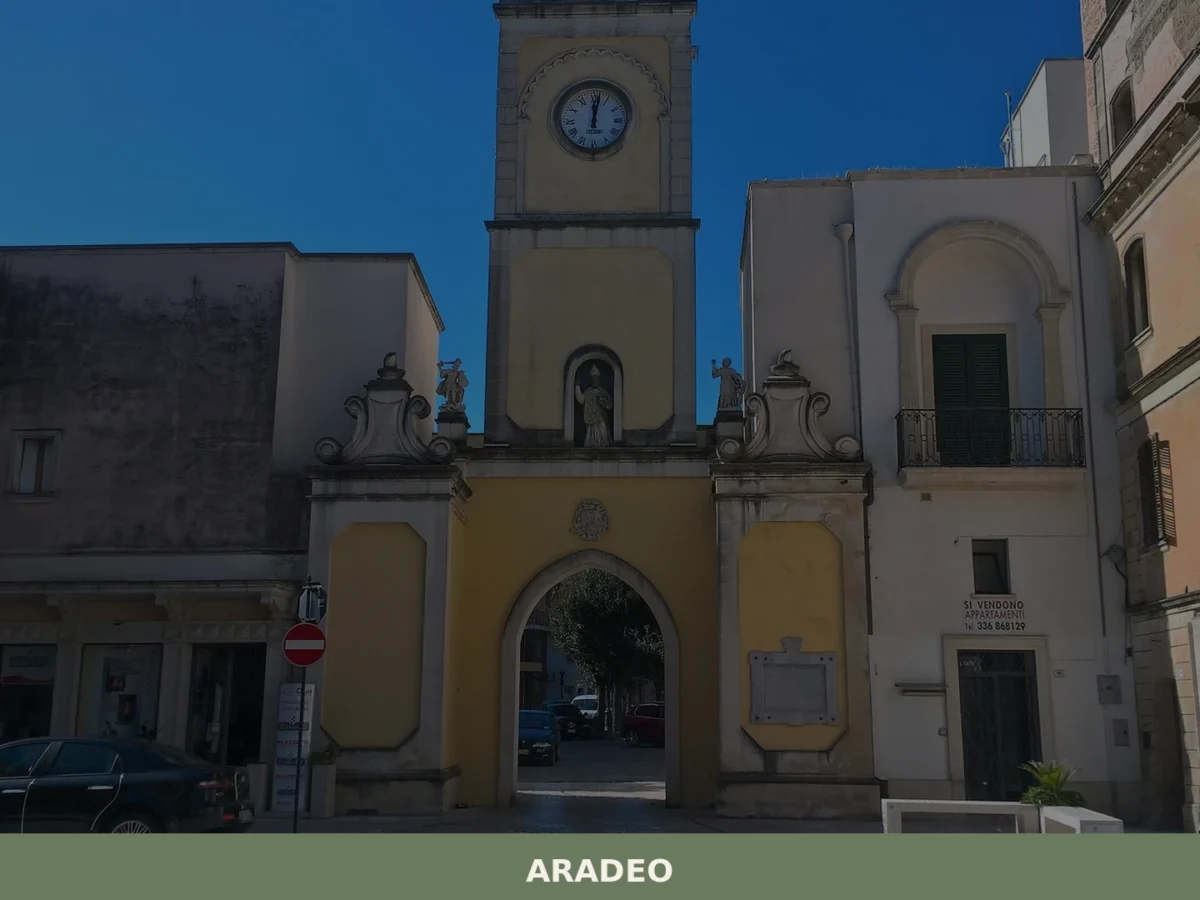
Aradeo
Plains
Discover what to see in Aradeo, a Borghi Autentici village in central Salento, Puglia. Historic centre, olive groves, local food and practical travel tips.
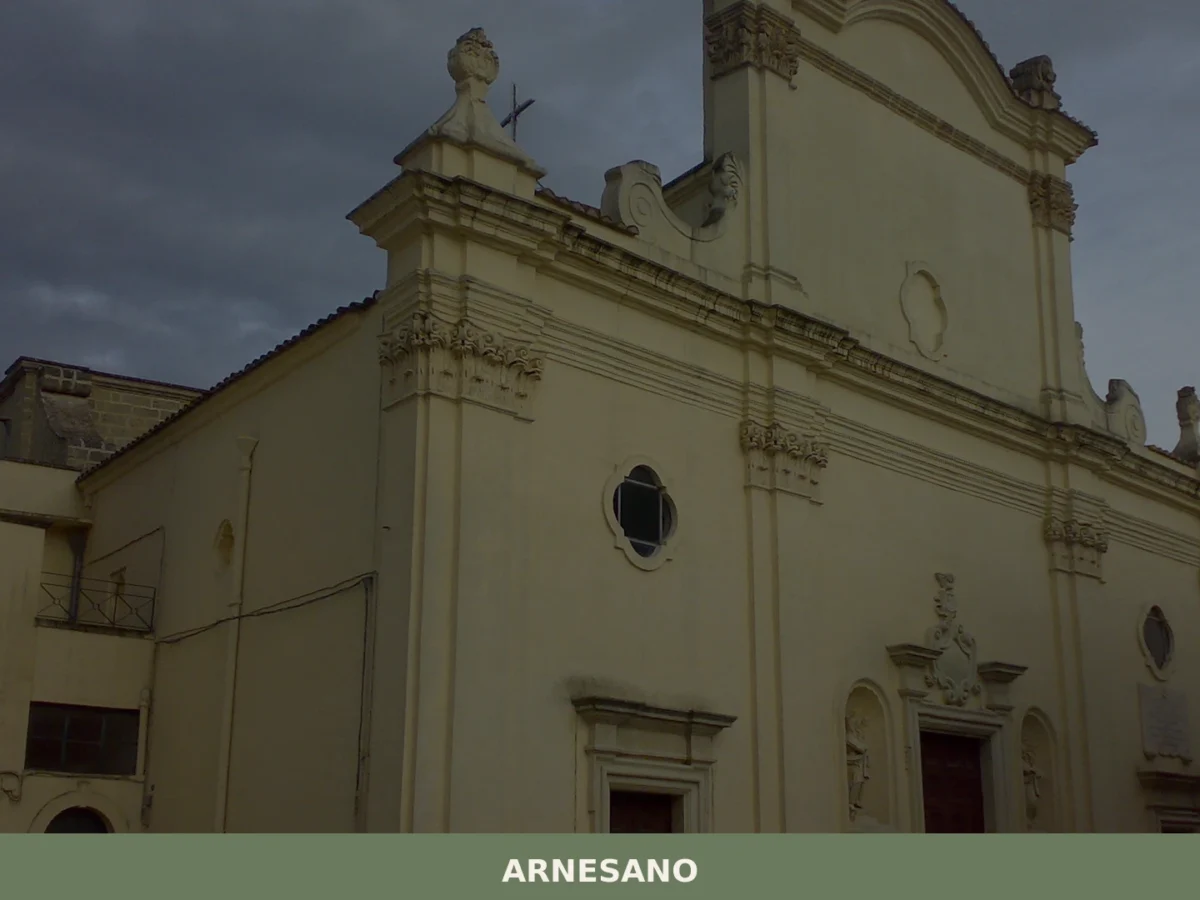
Arnesano
Plains
Discover what to see in Arnesano, a Lecce hinterland comune in the Valle della Cupa. History, food, travel tips and the best of the Salento interior.
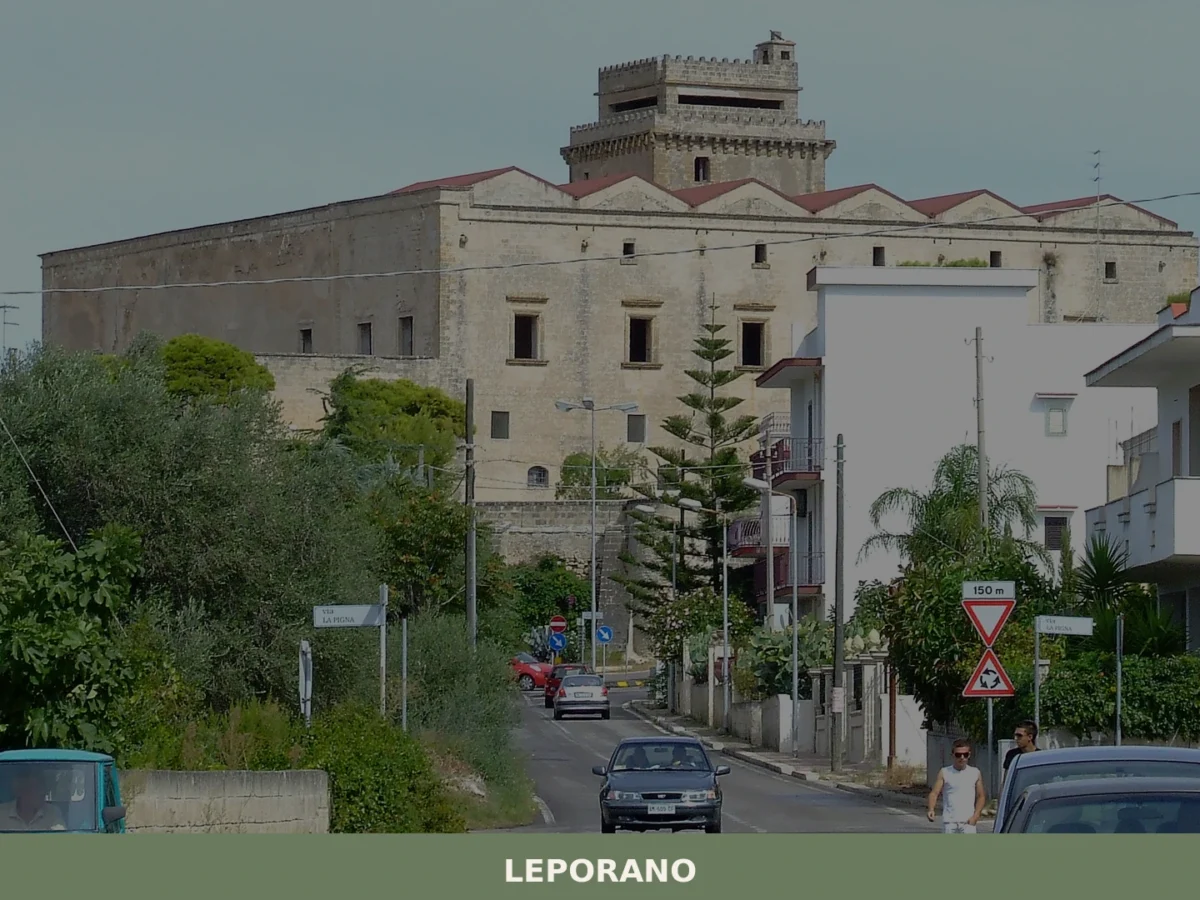
Leporano
 Sea
Sea
Discover what to see in Leporano, Puglia: Aragonese tower, Ionian coastline, local food and practical tips for visiting this Taranto province municipality.
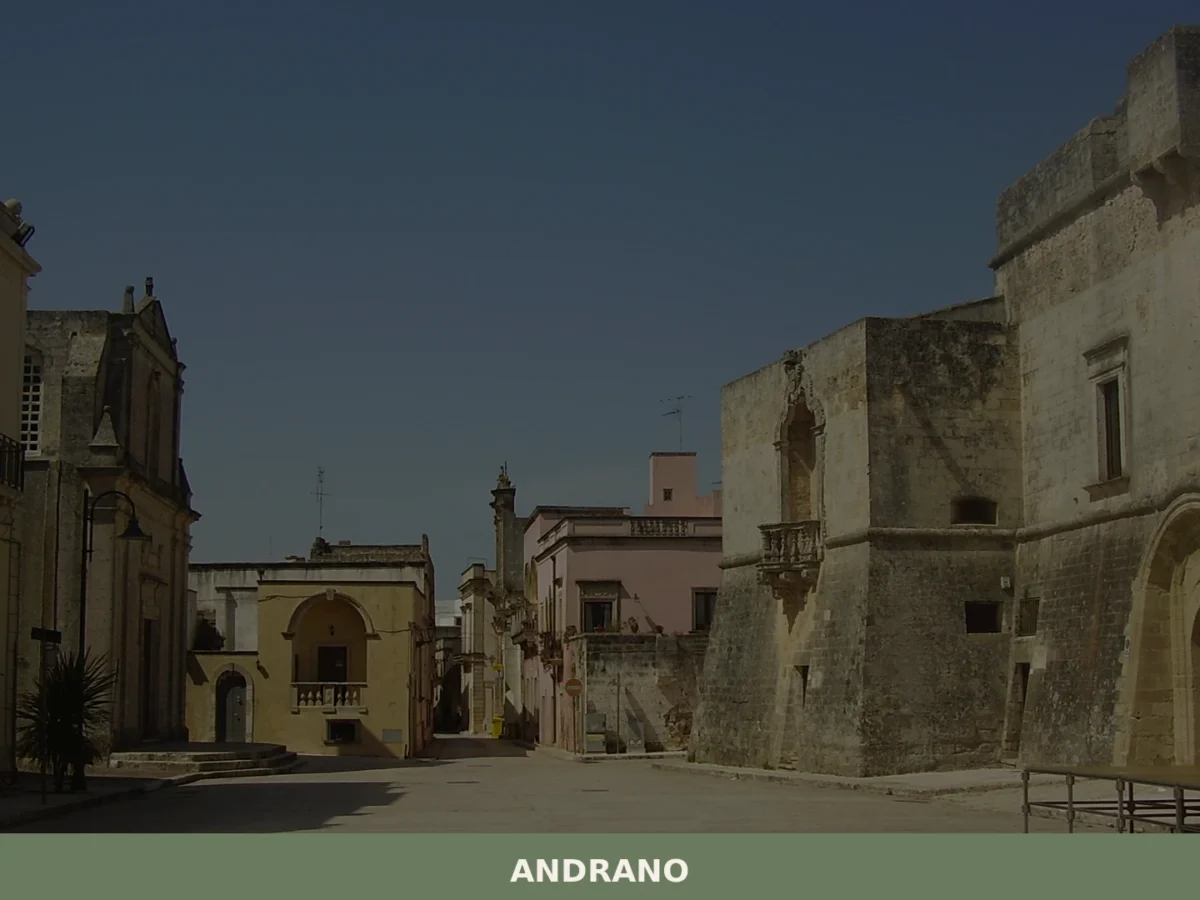
Andrano
Sea
Discover what to see in Andrano, a Lecce province comune with a medieval castello, Adriatic coastline and the hamlet of Castiglione d'Otranto. Complete travel guide.
Botrugno
Plains
Discover what to see in Botrugno, a Salentine village of 2,556 inhabitants in the Lecce province: churches, olive groves, local food and practical travel tips.


🏡 Know Campi Salentina better than we do?
If you’re a local or have been there, your knowledge matters: add what’s missing or fix a detail on this page.