


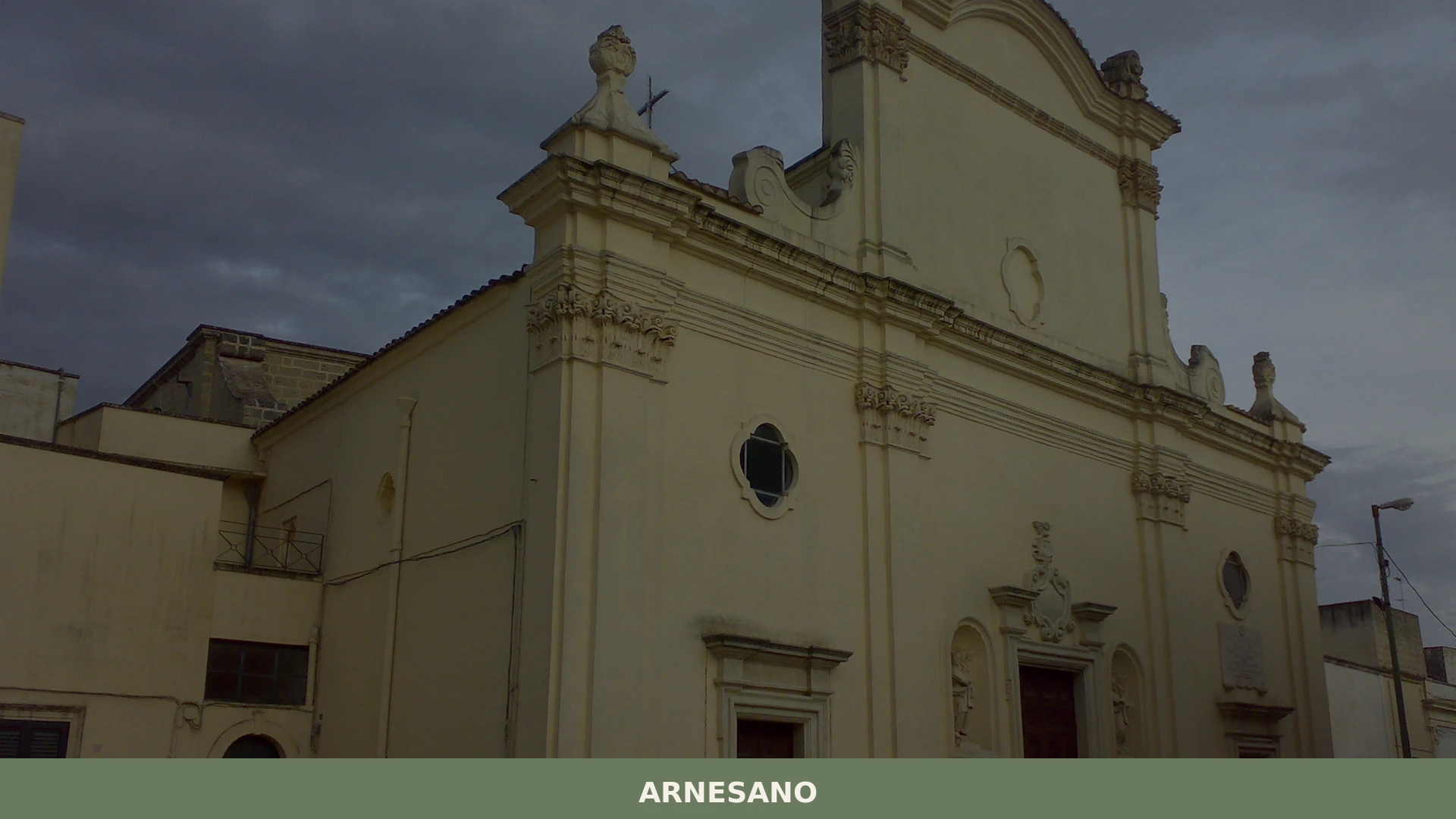

Discover what to see in Arnesano, a Lecce hinterland comune in the Valle della Cupa. History, food, travel tips and the best of the Salento interior.
Discover Arnesano
Arnesano is a comune of roughly 3,890 inhabitants in the province of Lecce, sitting at the geographical centre of the Salento peninsula in Puglia. Part of what is known as the Valle della Cupa — a low-lying inland basin that defines the microgeography of this corner of southern Italy — the municipality also incorporates the small settlement of Riesci, located about 600 metres to the west of the main village. Knowing what to see in Arnesano means understanding a place that functions as working hinterland to Lecce, not a showpiece town, but one with a coherent identity and a readable urban fabric shaped by its Salentine context.
History of Arnesano
The place name Arnesano is recorded in medieval documents relating to the Norman and Angevin administration of the Terra d’Otranto, the historical designation for the Salento region under successive feudal rulers.
Like many settlements in the Lecce hinterland, the village developed around a nucleus of agricultural activity sustained by the characteristic masserie — fortified farmsteads — that distributed land management across the interior of the peninsula. The Salentine dialect name, Arnisanu, preserves a phonetic pattern common to place names in this zone that may derive from Latin personal or family names applied to land grants in the early medieval period, though the precise etymology remains a matter of philological discussion rather than settled consensus.
During the Kingdom of Naples period, Arnesano passed through the hands of various noble families who held feudal rights over the territory. This system of feudal succession, typical of the Terra d’Otranto from the Norman conquest in the eleventh century through to the Bourbon period, left its mark on the built environment: the ecclesiastical architecture visible in the village today reflects successive waves of investment by landholding families seeking to endow local churches as expressions of dynastic patronage. The Counter-Reformation period in particular produced a wave of church construction and renovation across the Salento, and Arnesano’s religious buildings bear the stylistic hallmarks of that era.
The administrative reorganisation that followed Italian unification in 1861 confirmed Arnesano as an autonomous comune within the province of Lecce.
Throughout the late nineteenth and early twentieth centuries, the local economy remained anchored to agriculture — olive cultivation, viticulture, and cereal farming — patterns that continued to define land use in the Valle della Cupa well into the postwar decades. The incorporation of Riesci as a fraction of the municipality formalised a settlement pattern that had long been characterised by dispersed habitation across a relatively flat agricultural landscape, a geographical reality that distinguishes this part of the Salento from the more dramatically urbanised coastal strip.
What to see in Arnesano: 5 must-visit attractions
Church of Sant’Andrea Apostolo
The parish church dedicated to Saint Andrew the Apostle is the principal religious building in the village centre. Its façade and interior retain decorative elements consistent with Salentine Baroque craftsmanship, with carved stone detailing worked in the local golden limestone — the same pietra leccese used extensively in Lecce’s more celebrated monuments.
The church anchors the main square and serves as the ceremonial focal point of the village calendar.
The Historic Village Centre
Arnesano’s historic core is built in the compact, inward-facing street pattern typical of Salentine agricultural towns. Low-rise residential buildings constructed in pietra leccese line narrow lanes that were designed as much for shade management in the summer heat as for circulation. Walking the centre reveals the spatial logic of a community organised around proximity to farmland rather than commerce or seafront activity.
Riesci Hamlet
Six hundred metres west of the main village, the hamlet of Riesci represents a secondary settlement nucleus within the municipality. Smaller in scale than Arnesano proper, it illustrates the dispersed habitation pattern characteristic of the Valle della Cupa, where agricultural need distributed population across the flat interior. The hamlet retains the quiet, functional architecture of a working rural satellite settlement.
The Valle della Cupa Landscape
The geographical basin known as the Valle della Cupa surrounds Arnesano and defines its visual and agricultural context.
This low-lying inland depression, running through the central Salento, supports an agricultural landscape of olive groves, vineyards, and arable land. The flatness of the terrain and the quality of the light in the late afternoon give the surrounding countryside a distinctive horizontal character unlike the more broken topography of northern Puglia.
Local Masserie and Rural Architecture
The territory around Arnesano preserves examples of the masseria building type — fortified farmsteads that served as the operational units of large land holdings from the medieval period through to the twentieth century. These structures, characterised by thick limestone walls, internal courtyards, and defensive towers, document the agrarian history of the Salento hinterland more concretely than any museum exhibit.
Local food and typical products
Arnesano sits within the broader food culture of the Salento, a sub-regional tradition that draws on centuries of subsistence agriculture and the produce of the surrounding land.
Olive oil is foundational: the province of Lecce falls within the production zone of the Terra d’Otranto DOP olive oil, a designation that covers the monocultivar and blended oils pressed from the Cellina di Nardò and Ogliarola leccese varieties. On the table, this means oil used not as a condiment but as a primary cooking medium, present in everything from legume soups to fried pastries. Ciceri e tria — a dish of chickpeas combined with both fried and boiled pasta — is one of the canonical preparations of the Salentine interior, as is frisella, the twice-baked bread round softened with water and dressed with olive oil, tomato, and oregano.
For visitors eating in Arnesano itself, the options are those of a small inland comune: a modest number of local restaurants and trattorias serving cucina casalinga rather than destination dining. The village’s position as part of Lecce’s hinterland means that the city, less than ten kilometres away, provides the fullest range of dining options drawing on the same regional ingredients — from the market stalls of the Mercato Settimanale to restaurants serving both traditional Salentine preparations and more contemporary interpretations of the local larder. Local wine production in the province centres on Negroamaro and Primitivo grapes, and bottles from nearby DOC zones accompany meals throughout the area.
Best time to visit Arnesano
The Salento has a Mediterranean climate with hot, dry summers and mild winters.
For visiting Arnesano and its surrounding countryside, the months of April, May, September, and October offer the most workable conditions: temperatures are moderate, the olive groves and agricultural land are at their most active, and the intense summer heat — which regularly pushes daytime temperatures above 35°C in July and August — is absent. Spring brings a brief but intense flowering of the Salentine macchia and a green landscape that quickly dries to ochre by June. The municipality of Arnesano maintains the local calendar of civic and religious events, which includes the feast of Sant’Andrea Apostolo, the patron saint, observed with processions and local celebrations that give the village a different register from its everyday working pace.
Summer remains the period of highest visitor flow to the broader Salento region, driven by the coastal resorts of the Ionian and Adriatic shores within reach of Lecce. Arnesano, as an inland comune, does not attract coastal tourism directly, but benefits from the regional infrastructure active in these months — transport connections, extended opening hours, and the presence of visitors exploring the Lecce hinterland as a complement to beach time.
Winter in the Salento is quiet and functional: most local life continues normally, temperatures remain above freezing, and the landscape takes on a grey-green stillness that has its own interest for travellers oriented toward landscape rather than events.
How to get to Arnesano
Arnesano lies within the immediate hinterland of Lecce, approximately 8 to 9 kilometres west of the city centre. The nearest airport is the Aeroporto del Salento in Brindisi — formally known as Aeroporto Papola Casale — approximately 40 kilometres to the north, with regular connections to Italian and European cities. From Brindisi Airport, Lecce is accessible by train in around 30 minutes, and Arnesano is then reachable by road from Lecce in under 15 minutes by car or taxi.
- By car: From Lecce, take the SP3 or connecting provincial roads westward toward Arnesano. The A14 motorway (Bologna–Taranto) serves the broader region; the Lecce exit connects to the provincial road network.
- By train: The nearest mainline railway station is Lecce, served by Trenitalia on the Adriatic coastal line and the Bari–Lecce intercity route. From Lecce station, Arnesano is accessible by local bus or taxi.
- By local bus: STP Lecce operates provincial bus services connecting Lecce to the surrounding comuni, including routes serving the Valle della Cupa hinterland.
- From Bari: Bari is approximately 150 kilometres north of Lecce by the A14 motorway, roughly 1.5 to 2 hours by car or a similar journey by intercity train to Lecce station.
Where to stay in Arnesano
Arnesano itself is a small comune, and accommodation within the village is limited to a handful of bed-and-breakfast establishments and holiday apartments aimed primarily at visitors using the village as a base for exploring the wider Lecce area. The proximity to Lecce — under ten kilometres — means that many visitors choose to stay in the city and make day visits to the hinterland, which is a practical approach given Lecce’s wider range of hotels, guesthouses, and restored historic residences.
That said, staying in or near Arnesano has a specific advantage: the agricultural countryside of the Valle della Cupa is immediately accessible, and a number of agriturismo properties in the surrounding territory offer accommodation within working olive and wine estates.
For visitors prioritising the rural Salento experience over urban amenities, agriturismo accommodation in the Arnesano–Lecce hinterland provides a direct connection to the agricultural landscape that defines this part of Puglia. Booking through the official Puglia regional tourism platform allows filtering by accommodation type, location, and services, and gives access to verified listings across the province. Early booking is advisable for the July–August period, when demand across the entire Salento region peaks sharply.
More villages to discover in Puglia
Puglia is a region of sharply contrasting landscapes and settlement types, and the experience of the Salento hinterland around Arnesano becomes more legible when set against other parts of the region. In the trullo country of the Valle d’Itria, for example, Noci represents a completely different model of Apulian rural settlement — a hilltop town in the Murge plateau, its territory defined by the dry-stone enclosures and conical trulli that have become the visual shorthand for the region. The contrast with the flat olive groves of the Valle della Cupa is instructive: Puglia is not one landscape but several, each with its own agricultural logic and architectural grammar.
Closer to Bari, the towns of the metropolitan hinterland offer another register entirely.
Cellamare sits in the immediate hinterland south of the regional capital, while Bari itself — Puglia’s largest city and administrative centre — anchors the northern end of any regional itinerary. For travellers moving through the interior, Foggia marks the northern gateway to the Apulian plain, a working agricultural city at the edge of the Tavoliere, Italy’s largest cereal-producing lowland. Together, these points of reference frame the geographical range of a region that rewards methodical exploration far more than selective highlight-hunting.
Frequently asked questions about Arnesano
What is the best time to visit Arnesano?
The ideal times to visit Arnesano are during the spring (April, May) and autumn (September, October). These months offer moderate temperatures, perfect for exploring the agricultural landscape of the Valle della Cupa without the intense heat of summer, which often exceeds 35°C. Spring brings a brief, vibrant flowering to the macchia, while autumn showcases the olive groves in full activity. Visitors can also experience the main patronal feast dedicated to the Assunzione di Maria, which takes place on the first Sunday of July, featuring local processions and celebrations that animate the village.
What are the historical origins of Arnesano?
Arnesano's history is deeply rooted in its agricultural identity within the Salento hinterland. Its name appears in medieval documents from the Norman and Angevin periods, with the village developing around fortified farmsteads known as masserie. Over centuries, it was shaped by feudal succession under various noble families, whose patronage influenced the local ecclesiastical architecture, particularly during the Counter-Reformation. Following Italian unification, Arnesano remained an agrarian hub, dedicated to olive cultivation, viticulture, and cereal farming, a heritage still visible in its landscape and urban fabric today.
What to see in Arnesano? Main monuments and landmarks
In Arnesano, visitors should explore the Church of Sant'Andrea Apostolo, the principal religious building in the village center, notable for its Salentine Baroque craftsmanship in local pietra leccese. The Historic Village Centre itself offers a glimpse into traditional Salentine agricultural towns, with its compact, inward-facing street pattern and low-rise limestone buildings. Don't miss the Riesci Hamlet, a smaller, quiet settlement 600 meters west, illustrating the region's dispersed habitation. Finally, the surrounding Valle della Cupa Landscape and the historic Local Masserie provide a picturesque and authentic view of Salento's rural heritage.
What are the main natural or scenic attractions of Arnesano?
The primary natural attraction surrounding Arnesano is the Valle della Cupa Landscape. This low-lying inland basin defines the village's visual and agricultural context, characterized by vast expanses of olive groves, vineyards, and arable land. The flatness of the terrain, combined with the distinctive quality of light, especially in the late afternoon, creates a unique horizontal character unlike the more rugged topography found elsewhere in Puglia. It offers a tranquil and authentic rural panorama, ideal for peaceful walks and appreciating Salento's agricultural heartland.
Where to take the best photos in Arnesano?
For captivating photos in Arnesano, focus on the Historic Village Centre with its narrow lanes and characteristic low-rise buildings crafted from golden pietra leccese, especially during the softer light of morning or late afternoon. The expansive Valle della Cupa Landscape surrounding the village offers stunning horizontal vistas of olive groves and vineyards; the quality of the light in the late afternoon is particularly noted for its photographic appeal. Additionally, the ancient Masserie scattered across the territory, with their thick limestone walls and defensive towers, provide evocative backdrops of Salento's agrarian past.
Are there museums, churches or historic buildings to visit in Arnesano?
While Arnesano does not host museums, it offers significant historic buildings. The most prominent is the Church of Sant'Andrea Apostolo, the parish church featuring beautiful Salentine Baroque architecture and intricate pietra leccese detailing. This church serves as a central landmark and ceremonial hub. Throughout the surrounding territory, visitors can also discover numerous Masserie, which are historic fortified farmsteads. These structures, with their robust limestone walls and internal courtyards, are living testaments to the region's agrarian history and offer a unique architectural insight.
What can you do in Arnesano? Activities and experiences
In Arnesano, visitors can immerse themselves in the authentic Salento hinterland experience. Activities include strolling through the Historic Village Centre to admire its traditional architecture, exploring the quiet Riesci Hamlet, or walking/cycling through the Valle della Cupa landscape to appreciate its olive groves and vineyards. Engage with the local food culture by dining at trattorias offering home-style cuisine and tasting regional specialties like ciceri e tria and frisella, paired with local Negroamaro or Primitivo wines. Depending on the season, you might also experience local civic and religious events, such as the patronal feast in early July.
Who is Arnesano suitable for? Families, couples, hikers, solo travelers?
Arnesano is ideal for travelers seeking an authentic, tranquil Salento experience away from coastal crowds. It appeals to cultural explorers interested in local history, traditional architecture, and the genuine rhythm of a working agricultural village. Couples and solo travelers looking for quiet escapes and a base for exploring Lecce and the Valle della Cupa will appreciate its charm. It's also suitable for food and wine enthusiasts keen to experience true home-style cuisine. While not geared for intense hiking, those who enjoy gentle walks through rural landscapes will find it appealing. It is less suited for those primarily seeking beach holidays or vibrant nightlife.
What to eat in Arnesano? Local products and specialties
Arnesano, situated in the heart of Salento, offers a taste of traditional Puglian cuisine. A foundational product is Terra d'Otranto DOP olive oil, pressed from Cellina di Nardò and Ogliarola leccese olives, used extensively in local cooking. Culinary specialties include ciceri e tria, a hearty dish of chickpeas with both fried and boiled pasta, and frisella, a twice-baked bread round served with olive oil, tomato, and oregano. Local restaurants serve authentic home-style cuisine. Meals are typically accompanied by wines made from indigenous grapes like Negroamaro and Primitivo, sourced from nearby DOC zones.
📷 Photo Gallery — Arnesano
Nearby Villages near Arnesano
In Apulia More villages to discover
Lesina
 Lake
Lake
 Sea
Sea
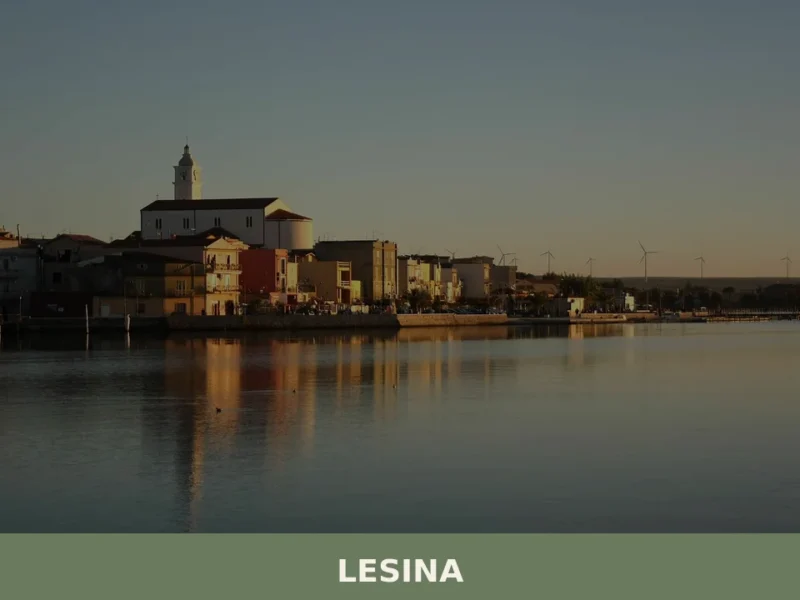
Lesina is a small Apulian town of 6,217 residents in the province of Foggia, shaped by the brackish lake at its edge and framed by the Parco Nazionale del Gargano.
Alezio
 Plains
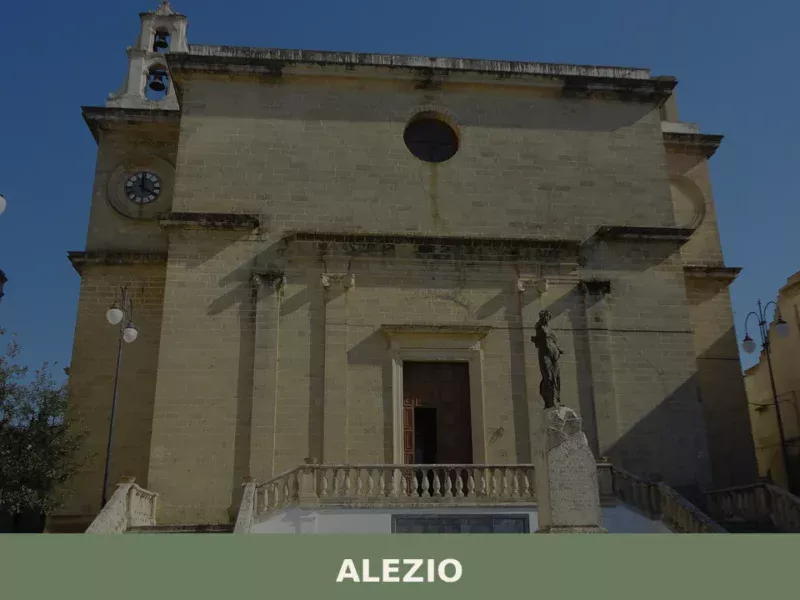
Discover what to see in Alezio, a Salento village with Messapian roots, a national archaeology museum, and ancient olive groves near Gallipoli in Puglia.
Calimera
Plains
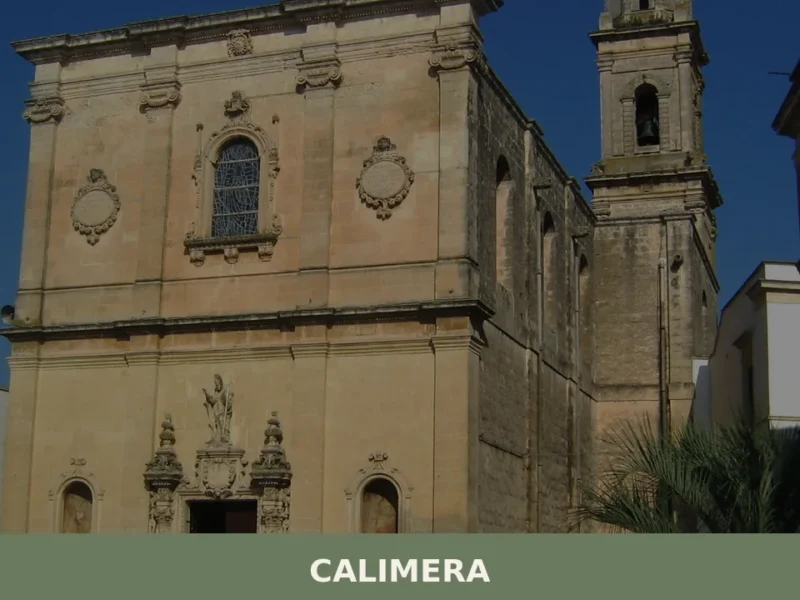
Discover what to see in Calimera, the Puglia village at the heart of the Grecu00eca Salentina u2014 Griko culture, historic architecture, olive oil and local festivals.
Alliste
Sea
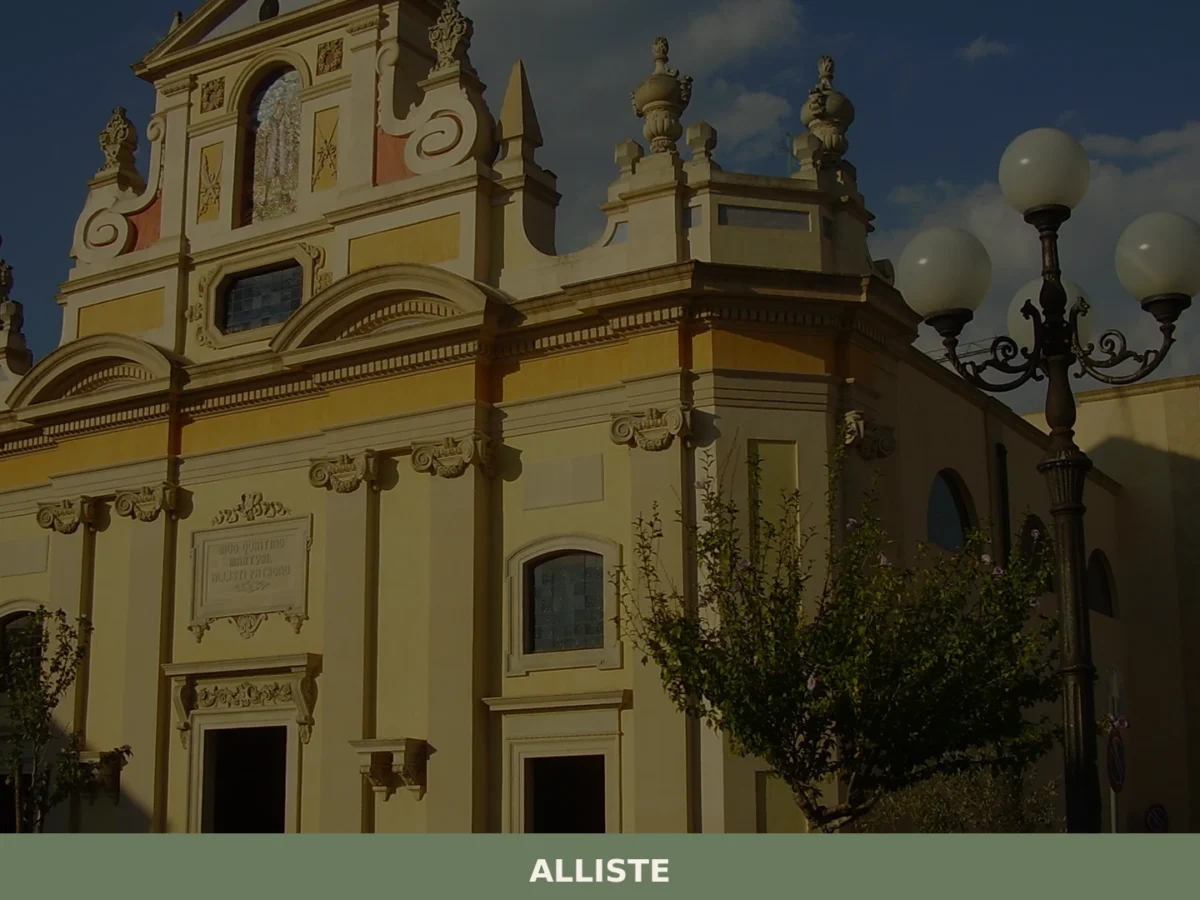
what to see ad Alliste: scopri il 6.481 abitanti. Visita chiese e masserie, assapora la cuisine salentina per un viaggio autentico.
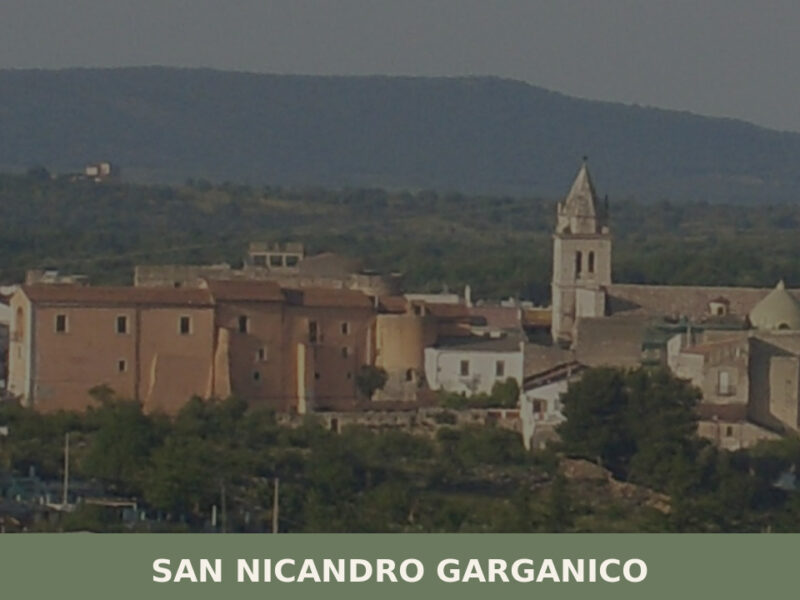
San Nicandro Garganico
Sea
A hilltop settlement on the Gargano promontory with a Norman castle, prehistoric dolmen, and a living agricultural culture shaped by wheat, olives, and limestone.
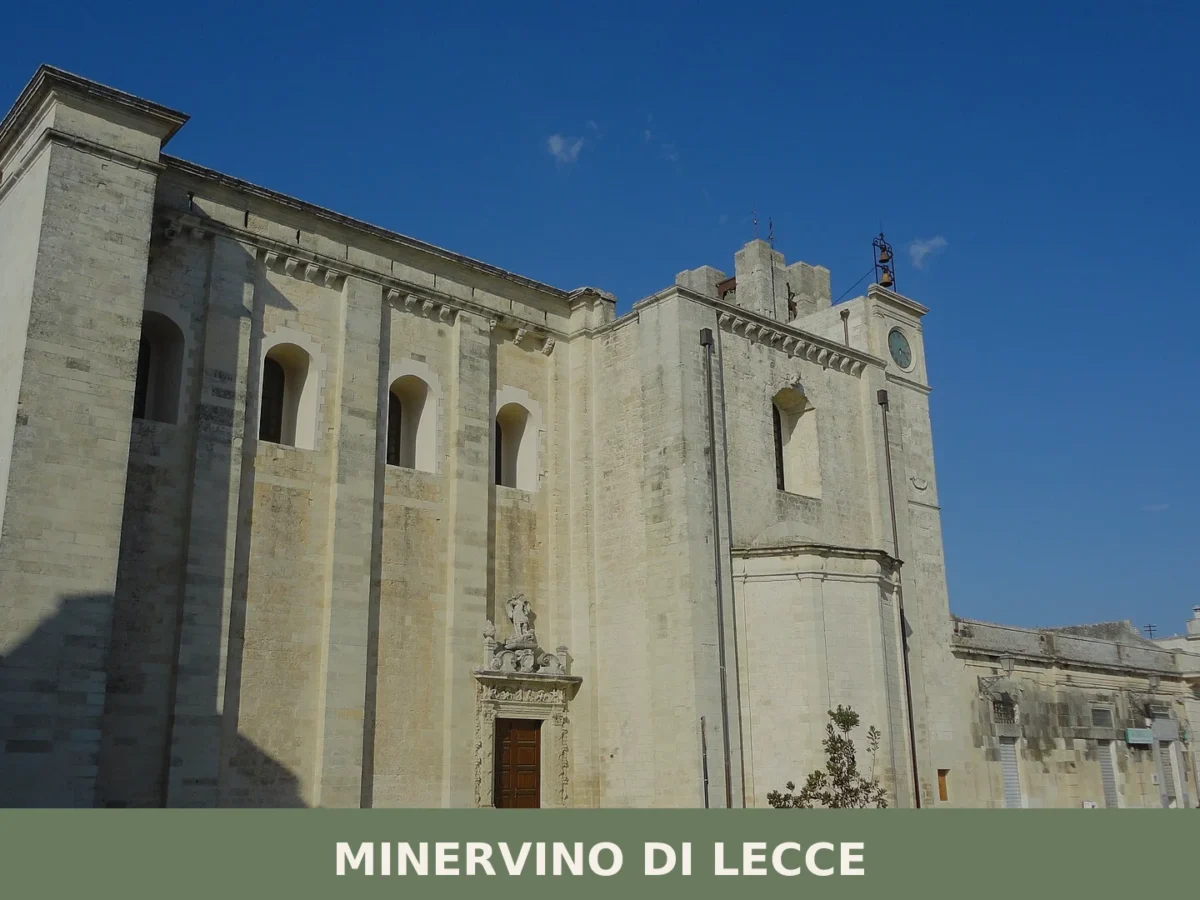
Minervino di Lecce
Plains
3,400 residents and 98 metres of elevation. A village where megalithic stones predate written history, and Renaissance architecture speaks of feudal ambition.
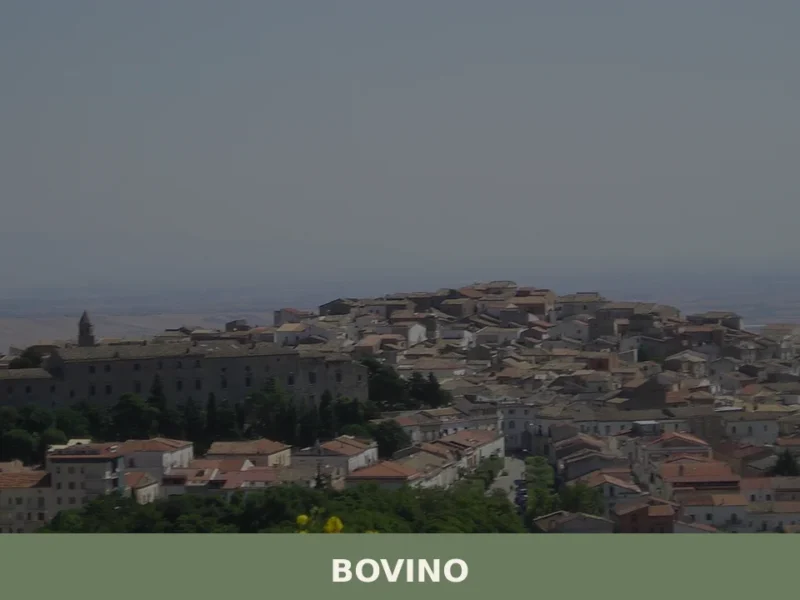
Bovino
 Mountain
Bovino is a hilltop comune of 2,881 residents at 624 metres in the Daunia mountains of Puglia, with a history stretching from an ancient Oscan-Samnite settlement to a living Norman castle and a mediev
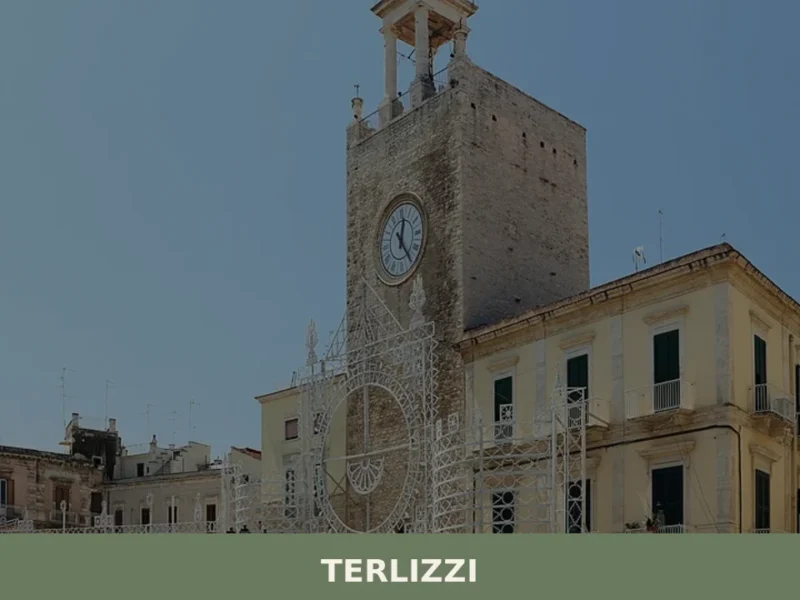
Terlizzi
Plains
Terlizzi is a town of around 25,982 residents in the Metropolitan City of Bari, set on the lower Murgia plateau at 194 metres above sea level, with a layered history stretching from prehistoric menhir
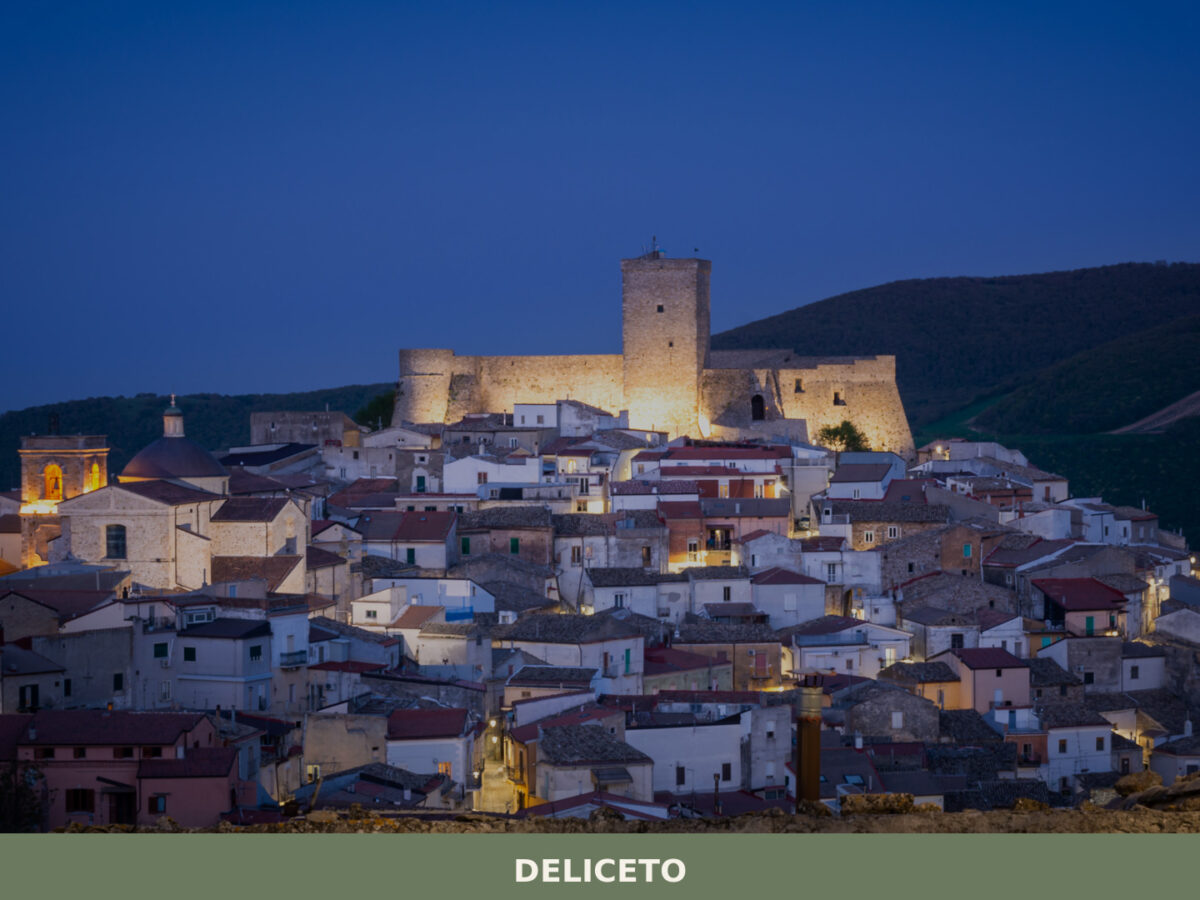
Deliceto
 Hills
Hills
Deliceto rises at 575 metres on a ridge of the Subappennino Dauno, commanding the Tavoliere plain. A Norman castle, layered churches, and a stone-built historic centre define this compact Puglia hill village.
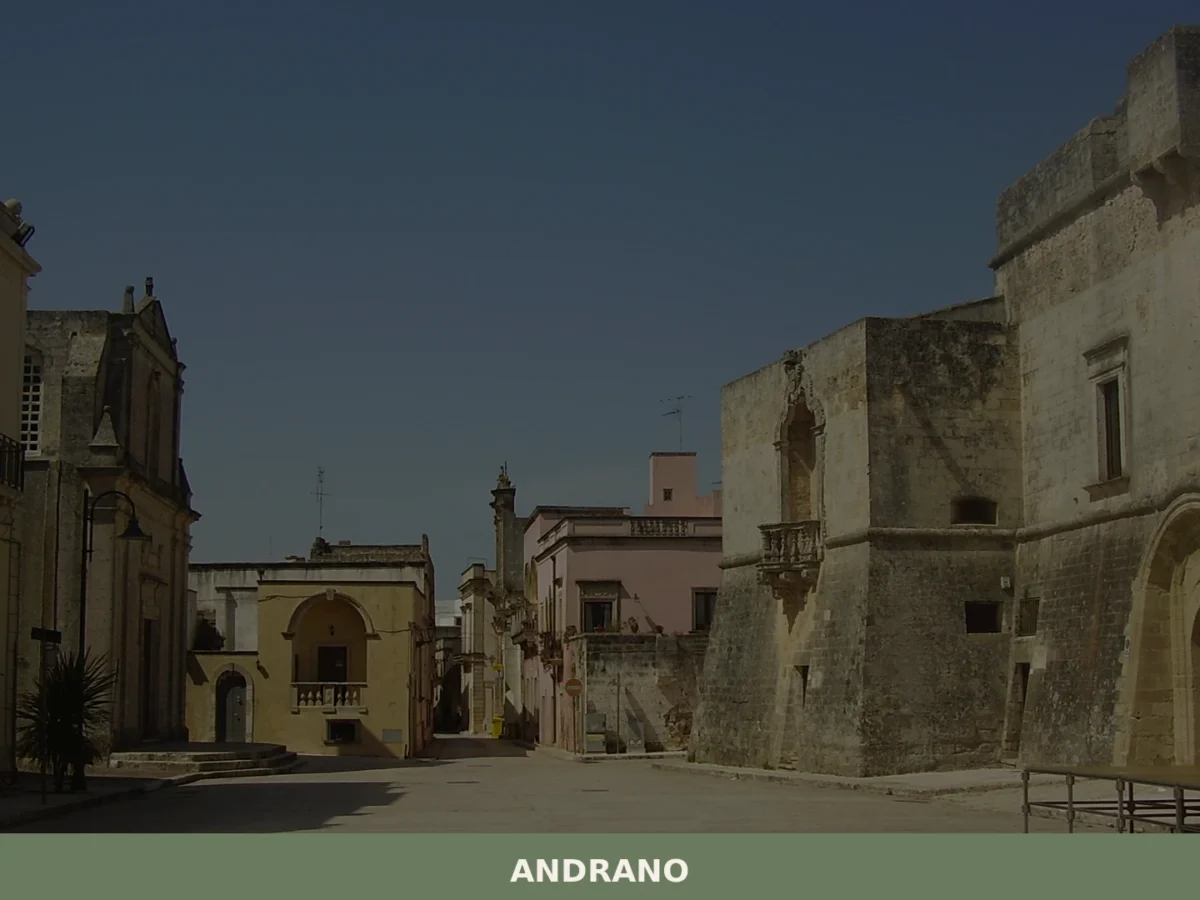
Andrano
Sea
Discover what to see in Andrano, a Lecce province comune with a medieval castello, Adriatic coastline and the hamlet of Castiglione d'Otranto. Complete travel guide.



🏡 Know Arnesano better than we do?
If you’re a local or have been there, your knowledge matters: add what’s missing or fix a detail on this page.