


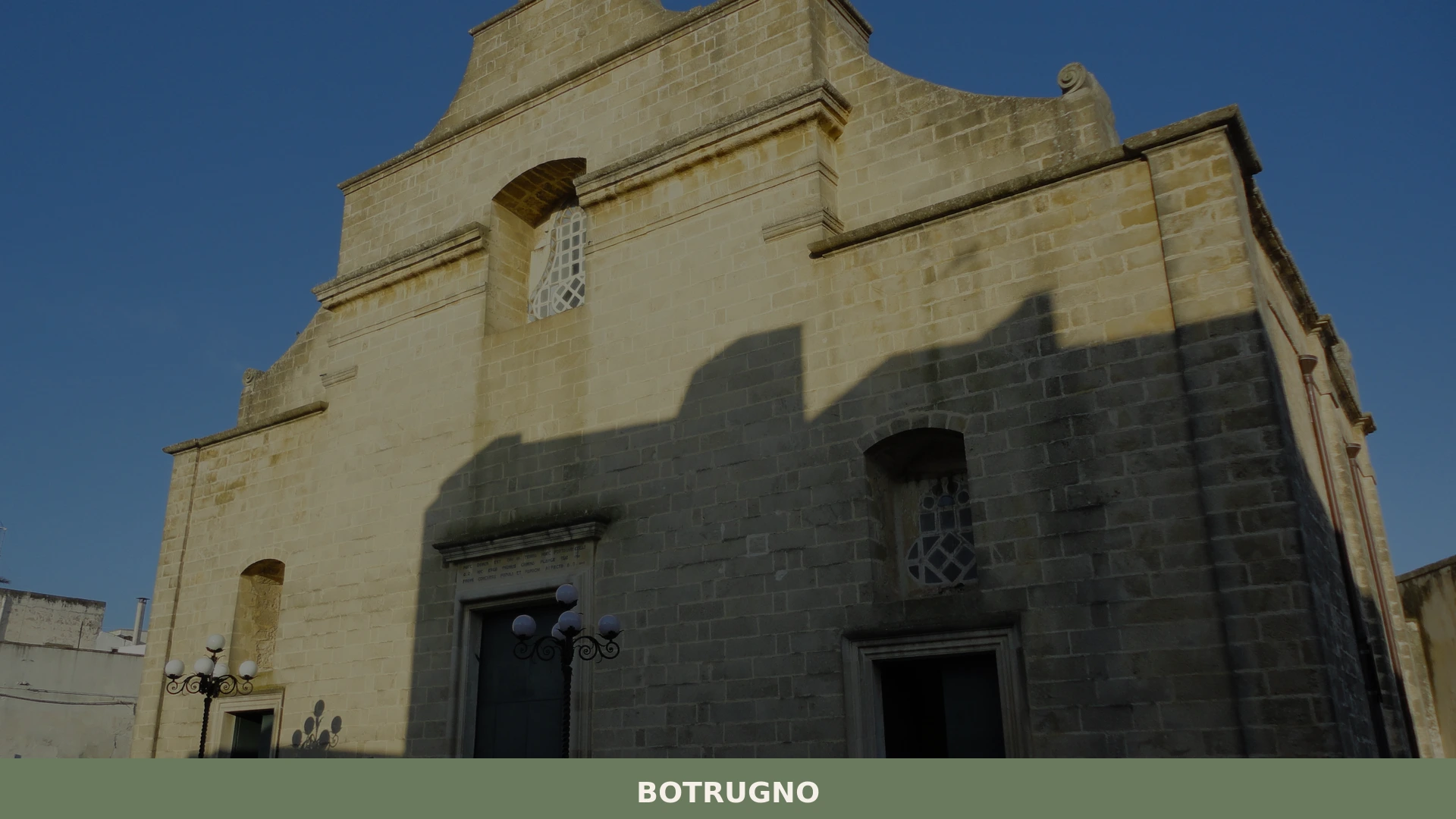
Botrugno
 Plains
Discover what to see in Botrugno, a Salentine village of 2,556 inhabitants in the Lecce province: churches, olive groves, local food and practical travel tips.
Discover Botrugno
Botrugno counts 2,556 inhabitants and sits in the interior of the Salento peninsula, in the province of Lecce, at a remove from the coastal resorts that draw most summer traffic to southern Puglia. It belongs to the Unione delle Terre di Mezzo, a municipal union grouping several small Salentine communities. Knowing what to see in Botrugno means looking past the well-documented coastline and turning inland, where the limestone plateau of the Salento holds its own architectural and agricultural record, written in stone churches, dry-stone walls, and the olive groves that have defined this economy for generations.
History of Botrugno
The place name Botrugno — rendered Vitrùgna in the Salentine dialect — is considered by local linguistic tradition to derive from the Latin butrum or from a related term linked to viticulture, reflecting the centrality of grape cultivation to the early agricultural settlement of this part of the Salento. The village sits on the Murge Salentine, the low limestone plateau that characterises the Lecce hinterland, a landscape settled continuously since pre-Roman times, with traces of messapic civilisation documented across the surrounding territory. The administrative history of Botrugno is inseparable from the broader feudal geography of the Terra d’Otranto, the historic province that covered the heel of the Italian boot and was governed through a layered system of baronial control under the Kingdom of Naples.
During the medieval and early modern periods, Botrugno passed through the hands of successive feudal lords, as was common for smaller settlements in the Salento interior. The County of Ugento, one of the dominant feudal structures of southern Salento, exerted political influence over communities in this zone, and Botrugno’s ecclesiastical and civil organisation followed patterns established under that system: a parish church as the focal point of communal life, a network of rural chapels marking the agricultural calendar, and land tenure arrangements that persisted well into the eighteenth century. The gradual dissolution of the feudal system following the Napoleonic reforms of the early nineteenth century — applied to the Kingdom of Naples after 1806 — restructured Botrugno as an autonomous municipality within the administrative framework that would become unified Italy in 1861.
The economic foundation of Botrugno through the modern period rested on the cultivation of olives, vines, and cereals on the limestone soils of the Salento interior. The olive mill — the frantojo — was a defining institution of village life across this region, and Botrugno was no exception. Membership in the Unione delle Terre di Mezzo, a formal administrative union with neighbouring municipalities, represents the most recent chapter in this community’s long negotiation between local identity and the practical demands of governance at scale, as smaller Salentine centres have pooled services and resources to sustain public administration in the face of gradual demographic pressure.
What to see in Botrugno: 5 must-visit attractions
Parish Church of San Nicola di Bari
The main parish church, dedicated to Saint Nicholas of Bari — patron saint of particular significance across the Adriatic-facing communities of Puglia — stands as the architectural anchor of Botrugno’s historic centre. Its façade and interior structure reflect the layered building campaigns typical of Salentine baroque, with interventions accumulated between the seventeenth and eighteenth centuries over an earlier medieval foundation.
The Historic Centre and Street Pattern
Botrugno’s old village fabric is built from the pale local limestone, pietra leccese, which gives the streets their characteristic warm-grey tone. The tightly packed courtyard houses and narrow viuzze follow a pattern common to Salentine inland settlements, organised around defensive compactness rather than urban display, with ground floors originally designed for agricultural storage and animals.
Rural Chapels of the Countryside
The agricultural land surrounding Botrugno is marked by small votive chapels and wayside shrines, a documentary layer of devotional geography that pre-dates the current road network. Several of these structures incorporate inscriptions or architectural details dateable to the sixteenth and seventeenth centuries, serving historically as orientation points for farmers working dispersed plots of land.
Dry-Stone Walls and Traditional Agricultural Landscape
The muretti a secco — dry-stone walls built without mortar from limestone cleared from cultivated fields — define the agricultural landscape around Botrugno with the same geometric precision seen across the Salento plateau. The technique, recognised by UNESCO in 2018 as Intangible Cultural Heritage, represents centuries of accumulated land management embedded in the physical fabric of the countryside.
The Communal Territory of the Unione delle Terre di Mezzo
Botrugno’s membership in the Unione delle Terre di Mezzo makes it a functional node in a cluster of Salentine inland villages whose combined territory rewards slow exploration on foot or by bicycle. The union’s shared civic infrastructure — accessible via the official portal of the Unione delle Terre di Mezzo — provides orientation for visitors moving between communities.
What to see in Botrugno: local food and typical products
The food of Botrugno belongs to the broader Salentine kitchen, one of the most ingredient-driven in southern Italy. Ciceri e tria — a dish of chickpeas with half-boiled, half-fried pasta strips — is among the oldest documented preparations of the Lecce province, its name derived from the Arabic itriyya, a reminder of the medieval Mediterranean trade routes that shaped this cuisine. Pittule, fried dough balls made with wheat flour and leavening, appear at communal celebrations and winter markets across the Salento interior. Olive oil produced from the Ogliarola Salentina and Cellina di Nardò cultivars — both native to this part of Puglia — is the base fat for virtually every preparation, and the quality of local oil is inseparable from the visual dominance of olive groves in the surrounding landscape. The Puglia Promozione regional tourism board maintains updated information on certified agri-food products from the Lecce province.
Alongside olive oil, the wines of the Salento — particularly those produced from Negroamaro and Primitivo grapes grown on the limestone soils of the interior — are commercially significant and available through local producers and cooperative cellars. Pane di Altamura DOP circulates widely across Puglia, but the local tradition of dense, long-keeping semolina breads baked in wood-fired ovens remains visible in the inland villages of the Lecce hinterland. For meals, the surrounding area of the Unione delle Terre di Mezzo has small family-run restaurants and agriturismi where fixed-price menus follow the seasonal availability of local produce rather than a standardised tourist offering.
Best time to visit Botrugno
The Salento interior has a Mediterranean climate with hot, dry summers and mild winters. July and August bring temperatures regularly above 35°C and strong tourist pressure on the coastal towns of the Lecce province, making the inland villages of the Terre di Mezzo comparatively quieter and more accessible by road during these months. Spring — from late March through May — offers the most balanced conditions for exploring the agricultural landscape: the olive trees are in early growth, the wildflowers on the limestone plateau are at their peak, and temperatures remain workable for walking. The feast of San Nicola, celebrated in communities dedicated to this patron across Puglia, typically falls in early December and in May, and the local observance in Botrugno follows the liturgical calendar with a public procession and associated market activity.
Autumn, from September through November, coincides with the olive harvest — the most economically significant seasonal event in villages like Botrugno — and represents a practical opportunity to observe the traditional picking methods still used in small-scale family groves. The provincial capital Lecce hosts a dense calendar of cultural events in autumn that can be combined with a visit to the inland municipalities. Winter visits are practical and low-cost, though some smaller local businesses operate reduced hours between January and February.
How to get to Botrugno
Botrugno is located in the central-southern interior of the Salento peninsula, in the province of Lecce. The nearest city with full transport infrastructure is Lecce, approximately 30 kilometres to the north. The practical access options are as follows:
- By car: From Lecce, take the SS16 or secondary provincial roads southward toward the Salento interior. The journey takes approximately 35–45 minutes depending on the route chosen. From the A14 motorway (Bologna–Taranto), exit at Taranto and continue south on the SS7 (Via Appia) toward Lecce, then pick up provincial roads for the final stretch.
- By train: Lecce railway station is the main rail hub for the area, served by Trenitalia intercity and regional services from Bari (approximately 1.5 hours), Brindisi (30 minutes), and connections from Rome and Naples. From Lecce, onward travel to Botrugno requires a local bus or a car — the Ferrovie del Sud Est regional rail network serves parts of the Salento interior, with stops at nearby centres.
- By air: Brindisi Papola Casale Airport (BDS) is the closest airport, approximately 50 kilometres from Botrugno. It receives domestic and European low-cost flights, particularly in summer. Lecce can be reached from Brindisi airport by taxi or bus in under an hour. Bari Karol Wojtyła Airport (BRI) is a larger hub, approximately 150 kilometres away, with a wider range of international connections.
Where to stay in Botrugno
Botrugno itself is a small inland municipality without a large dedicated accommodation infrastructure. Visitors who want to use the village as a base — or to include it as part of a circuit of Salentine inland communities — will find the most practical options in the surrounding area of the Unione delle Terre di Mezzo, where agriturismi and rural guesthouses in converted farmhouses offer accommodation set within working olive groves. These properties typically provide breakfast with local products and, in some cases, evening meals on request. Holiday apartments in restored stone buildings — trulli are less common here than in the Itria Valley, but traditional Salentine courtyard houses converted into self-catering units are available in nearby larger centres.
For a wider range of hotel accommodation, Lecce — 30 kilometres north — provides everything from budget rooms to boutique hotels in the baroque city centre, and functions comfortably as a base for day excursions into the inland villages. The coastal towns of the southern Salento, such as Santa Maria di Leuca or Ugento, are within 30–40 kilometres and offer beach-oriented accommodation that can be combined with inland visits. When booking, noting the distance to Botrugno and planning around car hire is the most efficient approach, as public transport connections within the Salento interior are limited outside the main intercity routes.
More villages to discover in Puglia
The inland villages of Puglia offer a range of landscapes and histories that extend well beyond the Salento. In the northern part of the region, on the slopes of the Gargano promontory, Rignano Garganico occupies a ridge position above the Tavoliere plain, its tight medieval street pattern and surrounding national park territory making it a very different experience from the limestone flatlands of the Lecce interior. Equally, Ischitella, also on the Gargano, represents the northern Pugliese tradition of hill settlements shaped by forest resources and Adriatic trade, distinct in climate and architecture from the dry Salento plateau.
In the Murge area and the northern agricultural plain, Terlizzi in the Bari hinterland has a documented history of floriculture — it is one of the most significant centres of flower production in Puglia — giving it an economic and visual identity unlike anything in the south of the region. Further into the Capitanata plain, Stornara illustrates the twentieth-century land reform settlements of the Tavoliere, a landscape and social history with its own precise documentary record. Each of these communities adds a different chapter to an understanding of how Puglia’s geography, economy, and settlement patterns vary across its long interior.
Nearby Villages near Botrugno
In Apulia More villages to discover
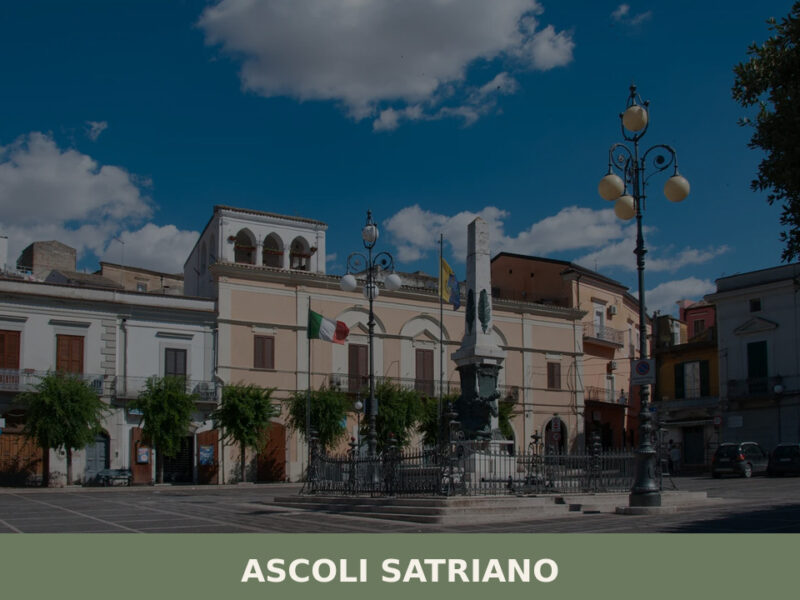
Ascoli Satriano
 Hills
Hills
Discover Ascoli Satriano, an ancient hilltop village in Puglia's Daunia hills. From Roman bridges to Daunian treasures, here's your complete guide.
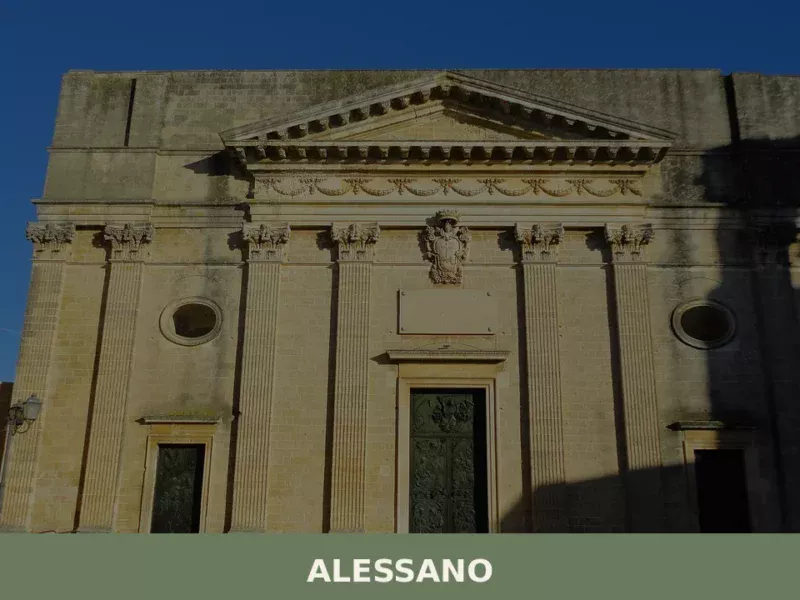
Alessano
 Sea
Sea
Until 1818, Alessano was the seat of its own diocese — a fact that explains the density of sacred architecture concentrated in a village of fewer than 6,000 inhabitants. Located in the basso Salento, the southernmost stretch of Puglia’s heel, the comune includes the hamlet of Montesardo and the coastal locality of Marina di Novaglie. […]
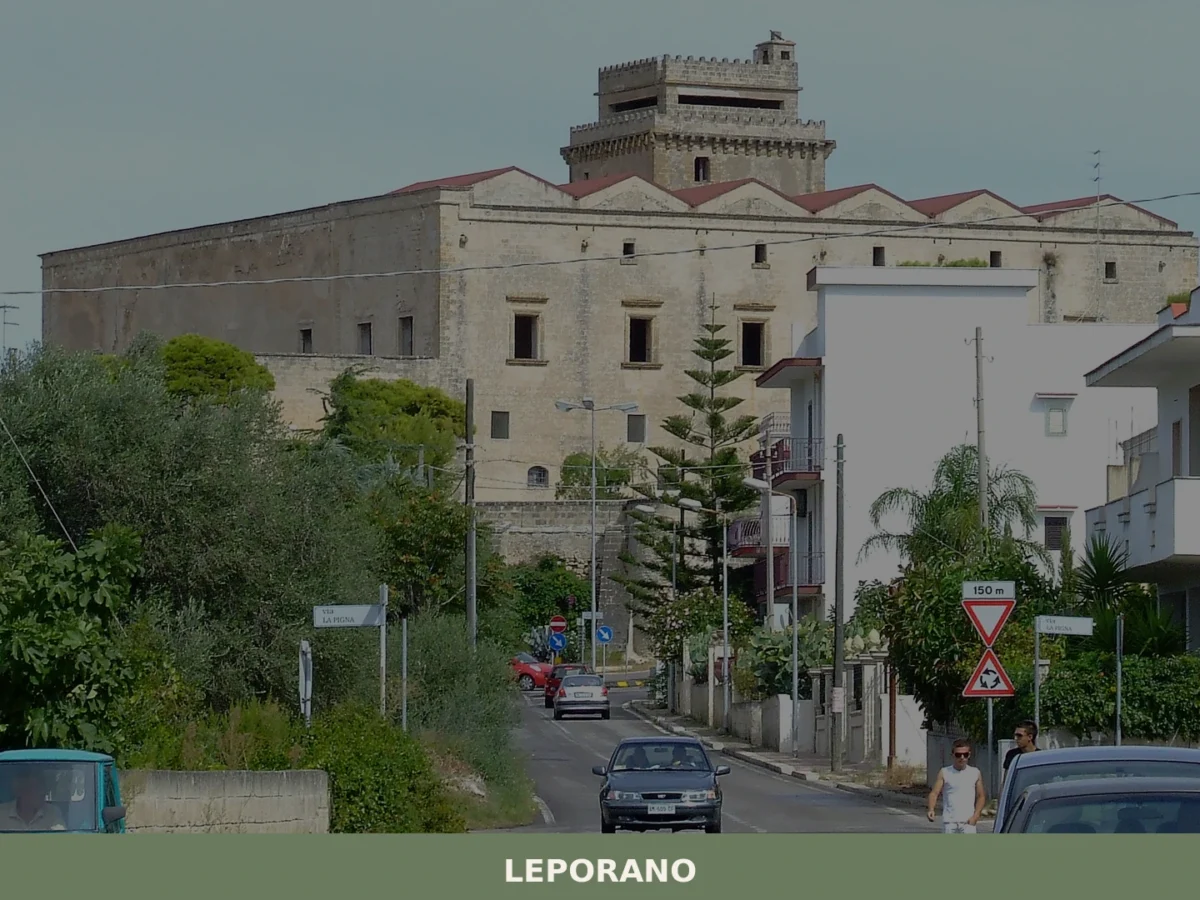
Leporano
Sea
Discover what to see in Leporano, Puglia: Aragonese tower, Ionian coastline, local food and practical tips for visiting this Taranto province municipality.

Caprarica di Lecce
Plains
2,250 residents and a living Griko heritage make Caprarica di Lecce a village where language, stone and landscape form a coherent, unbroken identity.
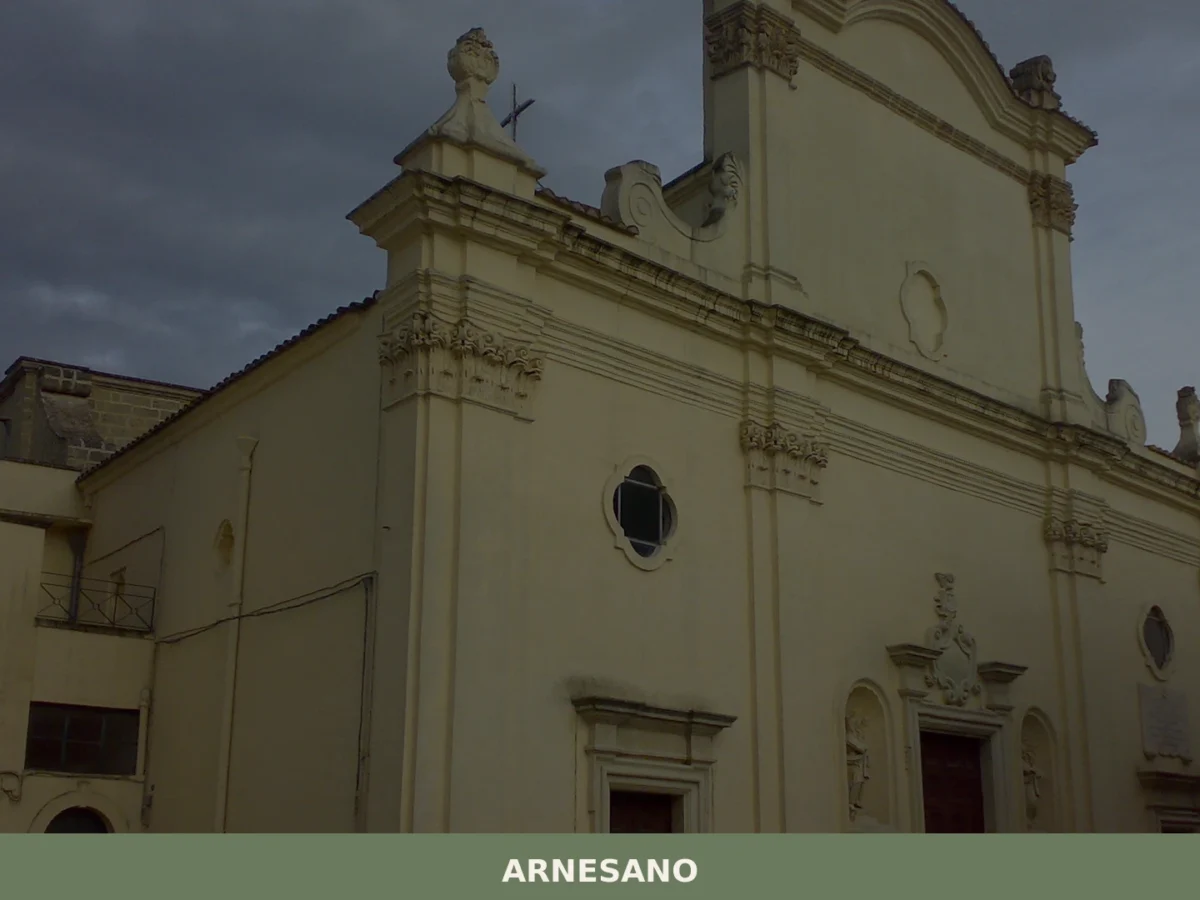
Arnesano
Plains
Discover what to see in Arnesano, a Lecce hinterland comune in the Valle della Cupa. History, food, travel tips and the best of the Salento interior.
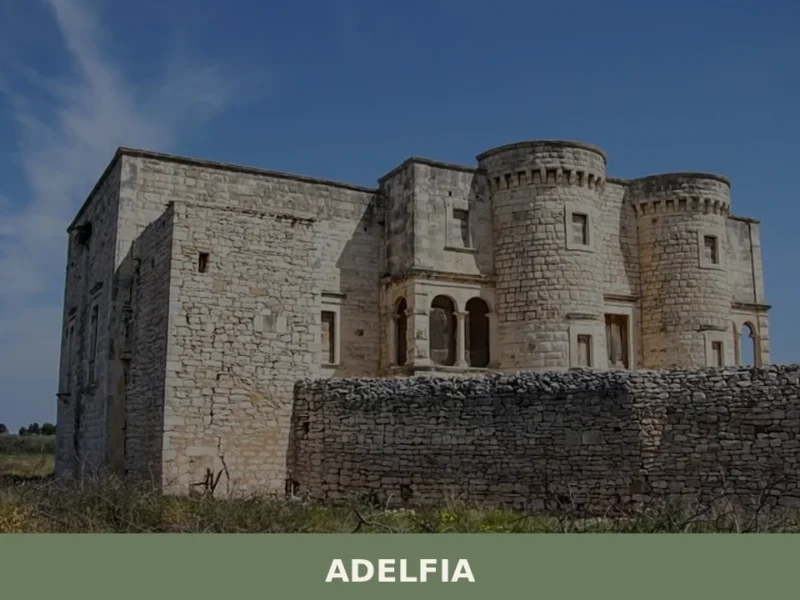
Adelfia
Plains
In 1927, a royal decree unified two separate municipalities — Canneto di Bari and Montrone — into a single administrative entity given the name Adelfia, from the Greek adelphós, meaning brother. It was a political gesture that encapsulated centuries of coexistence between two settlements separated by less than a kilometre of countryside, yet each fiercely […]
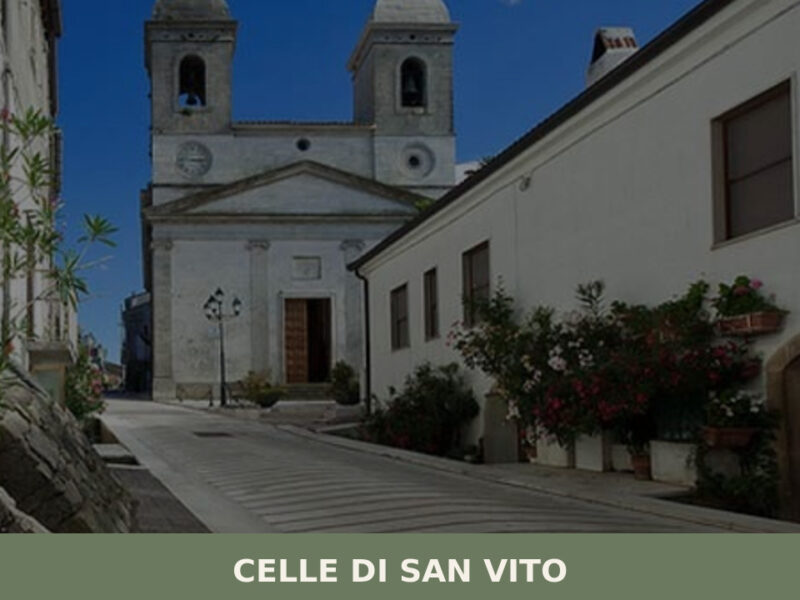
Celle di San Vito
 Mountain
A 148-resident Franco-Provençal enclave at 726 metres in the Daunia sub-Apennines. Discover what to see in Celle di San Vito, from medieval stone lanes to linguistic heritage.
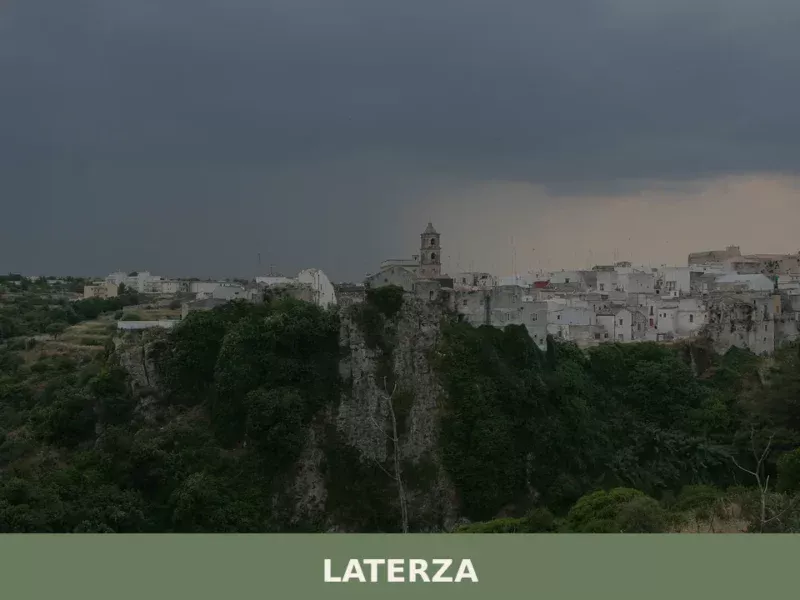
Laterza
Sea
Discover what to see in Laterza, Puglia: the giant karst gravina, Byzantine rock churches, maiolica ceramics and famous bread. Practical travel guide.
Lucera
Hills
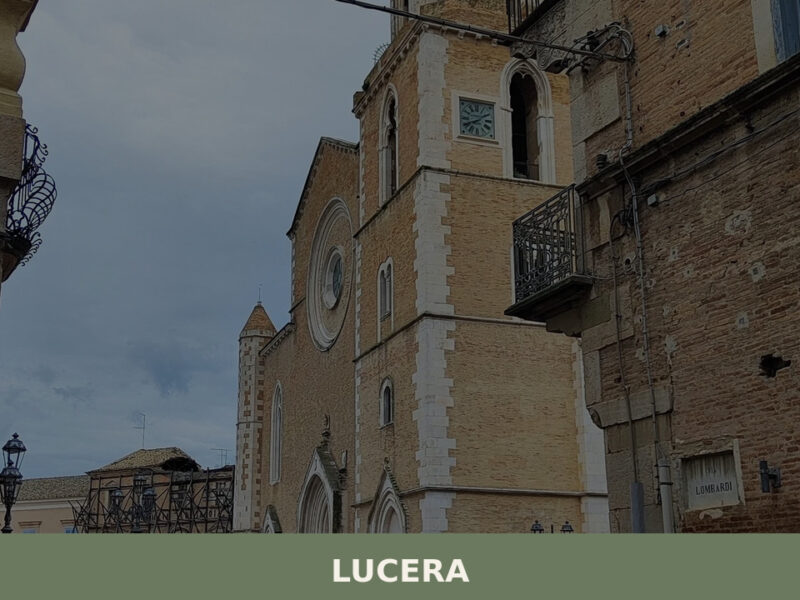
Discover Lucera, a historic hilltop city in Puglia where Roman ruins, a Saracen past, and Angevin grandeur converge amid the sun-drenched Tavoliere plain.
Mottola
Hills
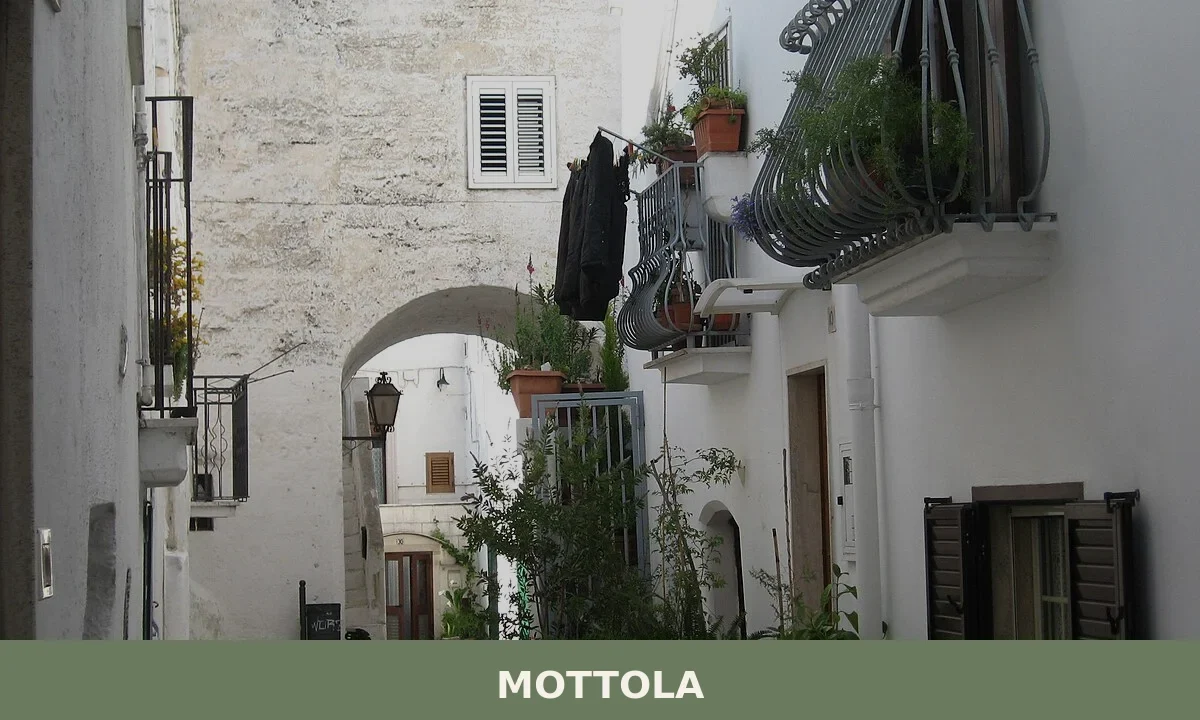
A hillside comune of 15,125 residents in Taranto province, Mottola rises 387 metres above sea level with panoramic views of the Ionian Sea and a landscape of ravines dotted with rupestrian churches and Byzantine caves.

🏡 Know Botrugno better than we do?
If you’re a local or have been there, your knowledge matters: add what’s missing or fix a detail on this page.