


Polignano a Mare
 Sea
Sea
What to see in Polignano a Mare: clifftop town at 24 m, 17,531 residents. Lama Monachile, Grotta Palazzese, PAT Africani. Plan your visit now.
Discover Polignano a Mare
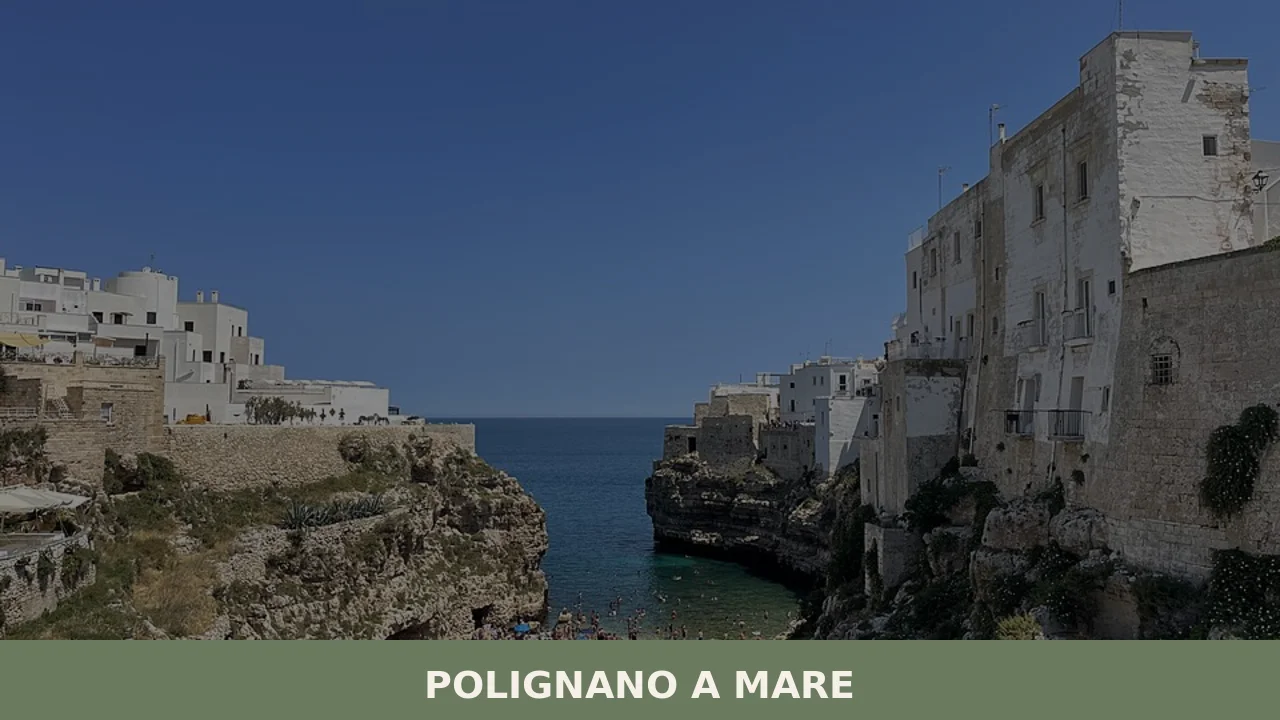
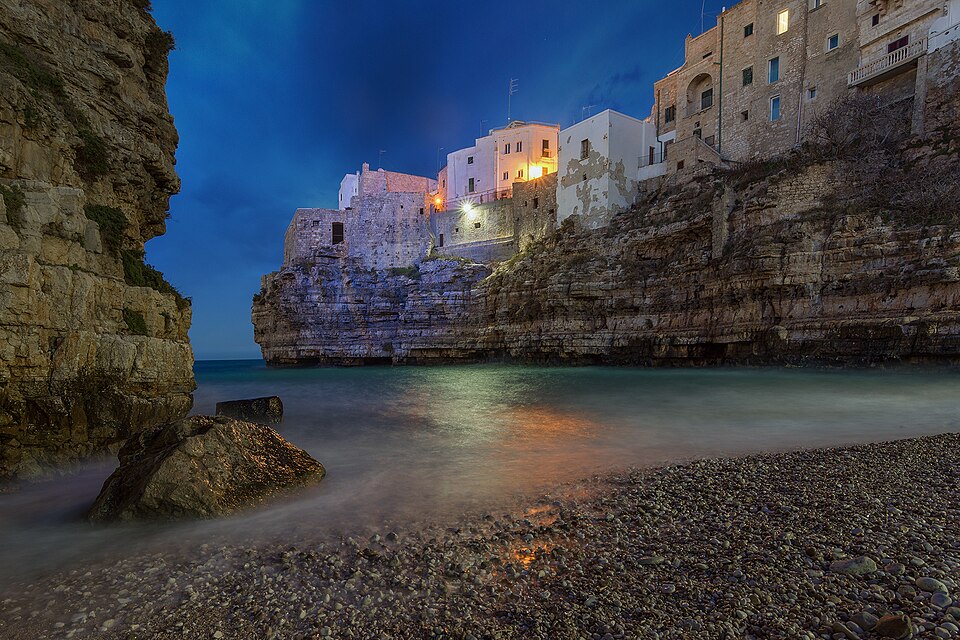
Twenty-five metres of limestone cliff separate the houses from the sea. The rock face supporting the old town of Polignano a Mare is not a scenic backdrop — it is the geological structure that determined the shape of the settlement, the position of its churches, the layout of its streets, and even the economic character of this community of 17,531 inhabitants overlooking the Adriatic, in the province of Bari.
Anyone looking into what to see in Polignano a Mare should start here: with the physical, measurable relationship between stone and water, which has produced sea caves, natural terraces, and an architecture built over the void.
History and origins of Polignano a Mare
The name “Polignano” has prompted several etymological hypotheses.
The most widely accepted traces it back to the Latin Polinianum, a predial toponym derived from a Roman landowner named Polinius or Palinianus. A scholarly tradition, already in circulation by the eighteenth century, attempted to link the name to the Virgilian helmsman Palinurus, but this is a literary association with no documentary support.
What archaeological evidence does confirm is human presence at the site since the Bronze Age: ceramic finds and settlement remains have been identified in the coastal caves, particularly in the Grotta delle Mura, where fragments of impressed pottery and burials dating to the Neolithic — between the sixth and fifth millennia BC — have been recovered. The strategic position of the cliff — defensible from the sea and equipped with natural landing points — made the site attractive to Peucetians, Greeks, and Romans.
In 1061, the Normans under Robert Guiscard incorporated Polignano into the territories conquered along the Apulian coast, initiating a phase of fortification of the settlement. The old town took on the form it still retains today: a compact nucleus bounded on three sides by the sea and on the fourth by walls with access gates. Between the twelfth and thirteenth centuries, under the Swabians, the town was granted the status of episcopal seat — the Diocese of Polignano remained active until 1818, when it was merged with that of Monopoli.
During Angevin and later Aragonese rule, Polignano passed through the hands of various feudal lords, including the Toraldo and Radogna families, and also suffered Turkish raids that in 1554 severely damaged the coastal settlement.
The most famous figure associated with Polignano is Domenico Modugno, born on 9 January 1928 in this very town.
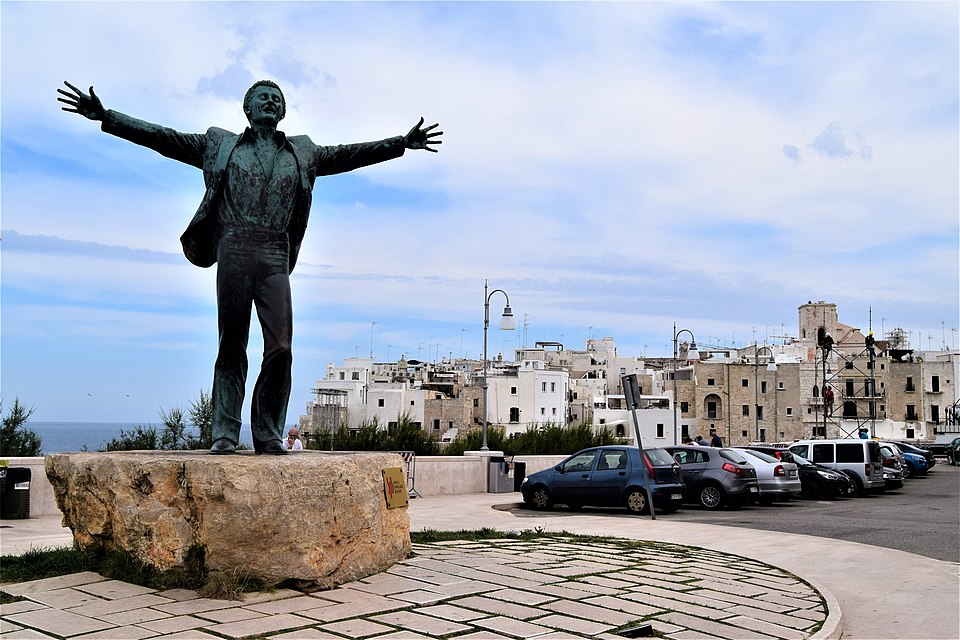
Singer-songwriter, actor, and politician, Modugno won the Sanremo Music Festival in 1958 with “Nel blu dipinto di blu”, a song known worldwide. A bronze statue in his honour, by Argentine sculptor Hermann Mejer, was installed in 2009 on the terrace overlooking the beach of Lama Monachile. The relationship between Polignano and its most renowned citizen has become a visible element of local identity: lines from his songs appear on plaques and walls throughout the old town, and since 2003 the city has hosted the festival “Il libro possibile”, a cultural event that draws thousands of visitors each year to the small square by the sea.
What to see in Polignano a Mare: 5 top attractions
1. Old town and Porta Marchesale (Arco Marchesale)
The only land-based entrance to the old nucleus is the Porta Marchesale, also known as Arco Marchesale, which dates in its current form to the sixteenth century but retains traces of the original thirteenth-century structure. Once through the gate, you enter a dense urban fabric where houses press against one another and narrow lanes open suddenly onto balconies overhanging the sea. The façades are finished in white lime wash, broken by blue and green shutters. On the walls, votive majolica tiles and plaques bearing lines of poetry — many dedicated to Modugno — mark the route. A complete walk through the old town takes roughly forty minutes, but the density of views and architectural details encourages you to take longer.
2. Lama Monachile (Cala Porto)
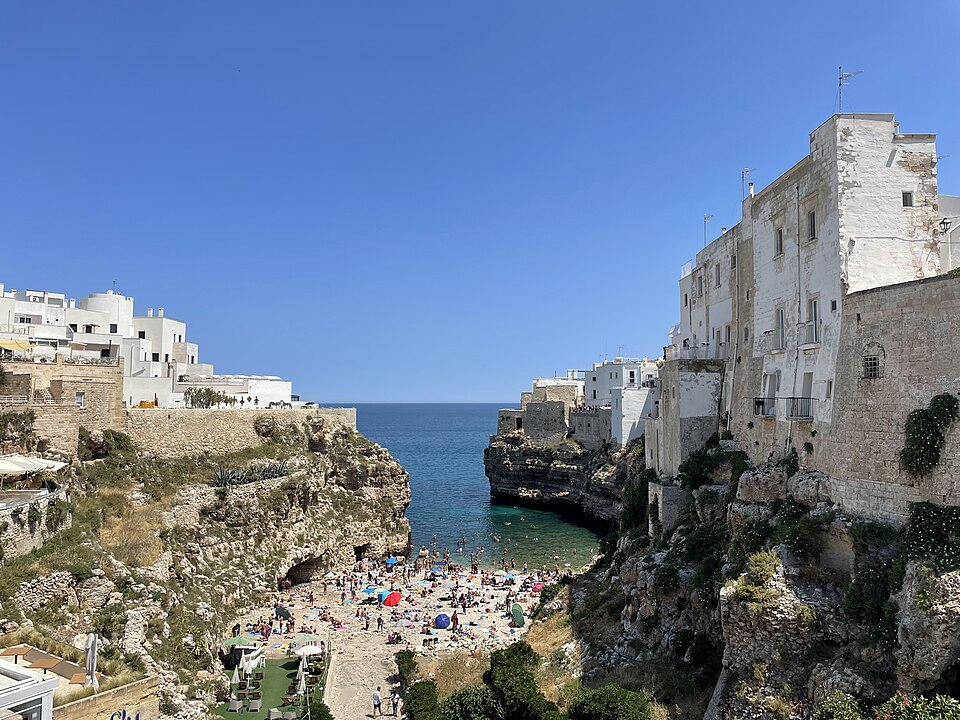
The most photographed beach in Polignano is called Lama Monachile, named after the lama — a karstic erosion channel — that cuts through the cliff to form a narrow inlet flanked by rock walls over twenty metres high. The name “Monachile” is thought to derive from the monk seal, once present in these waters. The beach is accessible from the bridge on Via Traiana, the Roman road that crossed Polignano, sections of which are still visible in the bridge’s foundations. In summer the space is limited and crowded; out of season, the cove reveals more clearly the geological stratigraphy of its walls, readable as a cross-section of millions of years of limestone sedimentation.
3. Chiesa Matrice (Church of Santa Maria Assunta)
The Chiesa Matrice di Santa Maria Assunta, the former cathedral of the now-suppressed diocese, stands at the centre of the old town. The current building is the result of successive alterations from the thirteenth to the eighteenth century. Inside, it holds a polyptych attributed to Bartolomeo Vivarini, a Venetian painter active in the fifteenth century, composed of eighteen panels depicting saints on a gold background, dated 1472. The painted wooden ceiling and Baroque altars document the artistic layering of the building. In the crypt, accessible from the side aisle, remains of older structures and fragments of medieval frescoes attest to the religious function of the site well before the Norman construction.
4. Grotta Palazzese
Among the sea caves that open in the cliff face beneath the old town, Grotta Palazzese is the most well known. The name refers to the baronial palace of the Marchesi Leto, which once stood above the cavity. As early as the eighteenth century, the cave was used for banquets and receptions, as documented in prints from the period.
Today it houses a restaurant — one of the most frequently cited in international rankings of dining venues with a view — operating inside the natural cavity, with tables arranged on the rocky terrace just metres from the water. Beyond the gastronomic aspect, the cave is a significant example of marine erosion in a karstic environment, with vaults approximately fifteen metres high and calcareous concretions visible on the walls.
5. Statue of Domenico Modugno and panoramic terrace
On the seafront, at the terrace overlooking Cala Paura and Lama Monachile, stands the statue of Domenico Modugno, roughly three metres tall, depicting the singer-songwriter with arms spread wide in the iconic gesture of “Volare”. Unveiled in 2009, it has become the most popular photo spot in the town.
But the terrace holds value beyond the tribute to Modugno: from here you can observe the geometry of the coastline — the caves, the low sea stacks, the sharp dividing line between white stone and the blue of the Adriatic — in a visual synthesis that conveys the geographical identity of Polignano better than any description.
What to eat in Polignano a Mare: local cuisine and regional products
The cuisine of Polignano is shaped by the dual vocation of its territory: the sea in front, the karstic countryside behind.
The Adriatic provides octopus, sea urchins, mussels, violet prawns, and the oily fish that dominate tables throughout the year. The hinterland, with its limestone soils and dry climate, yields vegetables with concentrated flavour, dense olive oil, and almonds that feature in local pastry-making.
This dual matrix — from the sea and from the land — has produced a gastronomic tradition in which the simplicity of preparation highlights the quality of the raw ingredients, without disguise.
The dish that best represents the link between the sea and rural poverty is Acquasale, recognised as a Traditional Agri-Food Product (PAT) by the Puglia Region. It is a stripped-down soup, born as food for fishermen and labourers: stale bread soaked in water, dressed with fresh tomatoes, raw onion, oregano, salt, and a drizzle of extra virgin olive oil. Some variations add olives and capers.
It is a summer dish, served cold, that transforms minimal ingredients into a full meal. Alongside Acquasale, the local tradition includes raw seafood — octopus, sea urchins, and prawns consumed fresh from the catch — and orecchiette with cime di rapa (turnip tops), a dish shared across all of Puglia but prepared here with hand-rolled semolina pasta and greens with a pronounced bitter edge.
Among the PAT-certified products of the Puglia region found on Polignano’s tables, the Africani deserve special mention: sweets made from sponge cake filled with pastry cream and coated in dark chocolate, whose name is said to derive from the dark colour of the glaze.
They are Polignano’s signature dessert, sold in the pastry shops of the centre and in demand year-round.
From the rural tradition of the Bari hinterland also come Agnello al forno con patate alla leccese (PAT), a preparation common during the Easter celebrations, and Agnello alla gravinese (PAT), lamb stewed with seasonal vegetables. Wild asparagus (PAT), gathered between March and April in the karstic countryside, is eaten in frittata or sautéed with oil and garlic, and is also available as Asparagus preserved in oil (PAT), a traditional conserve prepared for winter.
Polignano’s gastronomic calendar reaches its most intense period between June and September. On 15 June, for the feast of San Vito Martire, the town’s patron saint, stalls along the main street offer fried fish, Bari-style focaccia, and local sweets. In summer, the fish market at the harbour — active in the early hours of the morning — allows visitors to buy the day’s catch directly from the fishermen.
The pastry shops of the old town, open until late in the evening during the warm months, offer Africani alongside almond pastries and cartellate, while in the restaurants along the coast, raw seafood is served with fish brought in by local boats.
The territory of Polignano falls within the production zone of several quality Apulian wines.
Its proximity to the Valle d’Itria and the Murge means that local restaurants carry labels based on Primitivo, Negroamaro, and Minutolo, an indigenous white grape variety rediscovered in recent decades and vinified by several wineries in the province of Bari. Amaro del Gargano (PAT), a liqueur made from aromatic herbs and citrus, and Anisetta (PAT), an anise-based spirit, often accompany the end of the meal in trattorias that maintain the tradition of homemade digestifs.
When to visit Polignano a Mare: the best time of year
The peak tourist season runs from June to September, with the highest concentration in the first three weeks of August, when the number of people present in the town can triple compared to the resident population. During these weeks, the beaches — particularly Lama Monachile — reach full capacity in the middle of the day, and the old town becomes a continuous stream of visitors.
Those looking for swimming and nightlife will find July and August offer the widest range of events, seaside concerts, and restaurants open late into the night. The patronal feast of San Vito Martire, on 15 June, is one of the most deeply felt occasions, with a procession to the sea, fireworks, and stalls along the main street.
For those who prefer a cultural and landscape-focused visit, the ideal months are April, May, the first half of June, and all of October.
Temperatures range between 15 and 25 degrees, the sea is already (or still) accessible for the less cold-averse, and the old town can be explored without crowds. In spring, the surrounding karstic countryside is green and in bloom — it is the best time to explore the coastal stretches on foot as well, along the paths connecting the small coves to the north and south of the centre.
Winter, from December to February, often brings bright days with mild temperatures compared to northern Italy (average of 8–10 degrees), and allows you to visit churches and caves at a leisurely pace, though many restaurants and eateries reduce their hours and openings.
How to get to Polignano a Mare
By car, Polignano is reached from the A14 Bologna–Taranto motorway by taking the Polignano a Mare exit, located approximately 3 kilometres from the centre. From Bari the distance is 33 kilometres (about 30 minutes), from Lecce 150 kilometres (one hour and forty minutes), and from Naples 270 kilometres (three hours). The nearest airport is Karol Wojtyła in Bari-Palese, 45 kilometres away, connected to the town via the SS16 Adriatica state road.
There is no direct airport-to-Polignano rail link, but bus services and car hire are available from the airport.
The Polignano a Mare railway station, on the Trenitalia Bari–Lecce line, is just a few minutes’ walk from the old town — an uncommon advantage for a coastal tourist destination. Regional trains from Bari Centrale take approximately 25–30 minutes, with a frequency of one service every 30–60 minutes depending on the time of day. From Lecce, the journey takes about an hour and a half.
In summer, Trenitalia and Ferrovie del Sud Est increase the number of services, making the train the most practical option for avoiding the parking difficulties that affect the entire coastal area during the peak season.
Other villages to discover in Puglia
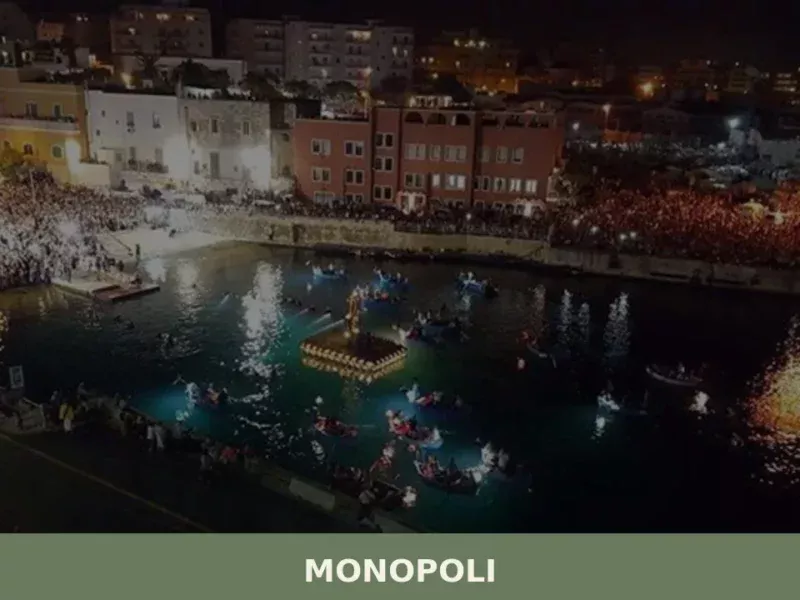
Just 8 kilometres south of Polignano, reachable in ten minutes along the SS16 or by a short train ride, lies Monopoli, a commercial port active since the Messapian era and today a tourist centre with a wealth of Baroque churches, a sixteenth-century seaside castle, and over twenty small coves accessible on foot along the coast.
Visiting Polignano and Monopoli on the same day is both feasible and recommended: the two centres share the same geological structure — the limestone cliff dropping sheer into the Adriatic — but Monopoli has a more extensive old town, a still-operating fishing port, and a density of religious buildings (over ten churches in the old nucleus alone) that sets it apart from its neighbour to the north. The combined itinerary provides a more complete picture of the Bari coastline.
Inland, roughly 30 kilometres to the west, Modugno offers a sharp contrast with the coastal landscape.
A municipality within the metropolitan area of Bari, Modugno preserves a historic core with the main church and traces of its medieval walls, but its identity is tied to the agricultural and artisanal life of the plain behind the coast. Anyone travelling through Puglia with the intention of understanding its internal contrasts — not just the seaside image but also the productive fabric of the interior — will find in Modugno an example of the less-photographed but equally significant side of the region.
The drive from Polignano to Modugno takes roughly thirty minutes, with a gradual shift from the coastal karstic landscape to the olive-covered plain of the Bari area. For further information on the history and administrative data of Polignano, you can consult the official website of the Municipality, the dedicated Wikipedia page, and the entry on Italia.it, the national tourism portal.
Frequently asked questions about Polignano a Mare
What is the best time to visit Polignano a Mare?
Late spring (May–June) and early autumn (September–October) offer the best balance: warm weather, swimmable sea, and far fewer crowds than July and August. The feast of the patron saint San Vito Martire on 15 June is a lively local event worth timing your visit around. Summer is peak season — Lama Monachile beach becomes very crowded — but evenings in the old town remain atmospheric. Winter is quiet and mild, ideal for exploring the cliffs and caves without the tourist rush.
What are the historical origins of Polignano a Mare?
Human presence at Polignano dates to the Neolithic (6th–5th millennia BC), confirmed by ceramic finds and burials in the Grotta delle Mura. The cliff site attracted Peucetians, Greeks, and Romans. In 1061 the Normans under Robert Guiscard incorporated it into their Apulian territories and fortified the settlement. Under the Swabians it became an episcopal seat — a diocese active until 1818. In 1554 Turkish raids severely damaged the coastal town. The name likely derives from the Latin predial toponym Polinianum, referencing a Roman landowner.
What to see in Polignano a Mare? Main monuments and landmarks
Key sites include: the Porta Marchesale (Arco Marchesale), the 16th-century gate into the old town; the Chiesa Matrice di Santa Maria Assunta, housing a 1472 polyptych by Bartolomeo Vivarini; Grotta Palazzese, a marine cave with a famous clifftop restaurant; Lama Monachile, the iconic karstic inlet beach accessible from the Roman-era bridge on Via Traiana; and the panoramic terrace with the bronze statue of Domenico Modugno. The old town itself can be walked in 40 minutes, though its views and architectural details reward a longer visit.
What are the main natural or scenic attractions of Polignano a Mare?
The coastline is the defining natural feature: 25-metre limestone cliffs riddled with sea caves carved by marine erosion in a karstic environment. Lama Monachile is a narrow inlet flanked by rock walls over 20 metres high, formed by a karstic erosion channel. Grotta Palazzese displays 15-metre vaulted ceilings and calcareous concretions. The broader karstic countryside behind the town produces wild asparagus (harvested March–April) and is characteristic of the Murge plateau landscape common to this stretch of the Puglia coast.
Where to take the best photos in Polignano a Mare?
The most iconic shot is from the bridge on Via Traiana looking down into Lama Monachile — the narrow cove framed by white limestone walls. The panoramic seafront terrace, where the Domenico Modugno statue stands with arms outstretched, offers a sweeping view of the coastline and sea caves. From within the old town, balconies overhanging the Adriatic provide dramatic vertical perspectives. Early morning light in summer gives the white-washed façades and blue shutters of the centro storico their best colour contrast.
Are there museums, churches or historic buildings to visit in Polignano a Mare?
The Chiesa Matrice di Santa Maria Assunta is the most significant religious building: the former cathedral of the suppressed Diocese of Polignano, it contains a documented 1472 polyptych by Venetian painter Bartolomeo Vivarini (18 panels on gold ground), a painted wooden ceiling, Baroque altars, and a crypt with medieval frescoes. The Porta Marchesale retains 13th-century structural traces within its 16th-century form. Grotta Palazzese, documented in 18th-century prints as a venue for aristocratic banquets, is another historically layered site accessible along the cliff.
What can you do in Polignano a Mare? Activities and experiences
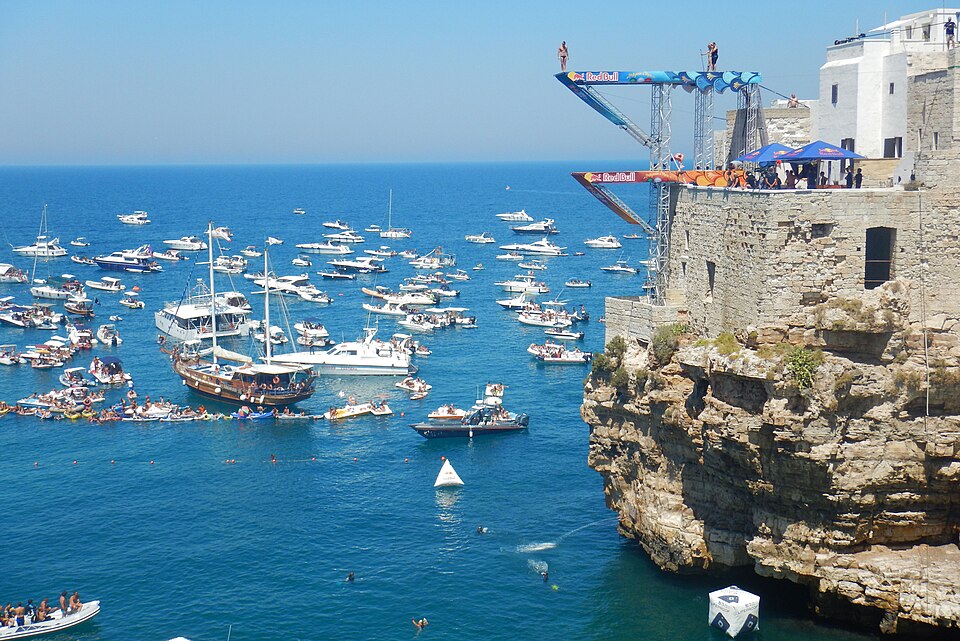
Swimming and snorkelling in the sea caves and coves along the cliff coast are the main summer activities. The town is a well-known venue for cliff diving — it has hosted international Red Bull Cliff Diving competitions from its rocky platforms. Walking the old town takes you past votive majolica tiles and Modugno dedications. Each year since 2003 the festival 'Il libro possibile' brings literary and cultural events to the seafront square. Local food experiences include raw seafood and the signature Africani pastries found in centro storico pastry shops.
Who is Polignano a Mare suitable for? Families, couples, hikers, solo travelers?
Polignano suits a wide range of visitors. Couples and photographers are drawn by the dramatic clifftop scenery, the intimate old town lanes, and the Grotta Palazzese dining experience. Families with older children can enjoy the beach at Lama Monachile and coastal exploration, though the rocky terrain and narrow alleys are less suited to very young children or pushchairs. Food lovers will find a strong local gastronomic identity. Culture-oriented travellers benefit from the historical depth of the old town, the Vivarini polyptych, and the Domenico Modugno heritage woven into the urban fabric.
What to eat in Polignano a Mare? Local products and specialties
Polignano's flagship sweet is the Africano: sponge cake filled with pastry cream and coated in dark chocolate, sold year-round in town pastry shops. Acquasale — a cold soup of stale bread, fresh tomatoes, raw onion, oregano, and olive oil — is a PAT-certified dish born from fishermen's and labourers' tradition. Raw seafood (octopus, sea urchins, violet prawns) is a local staple. Orecchiette with cime di rapa, lamb dishes (agnello al forno con patate, agnello alla gravinese), and wild asparagus in frittata round out a table rooted in both sea and karstic hinterland.
📷 Photo Gallery — Polignano a Mare
Nearby Villages near Polignano a Mare
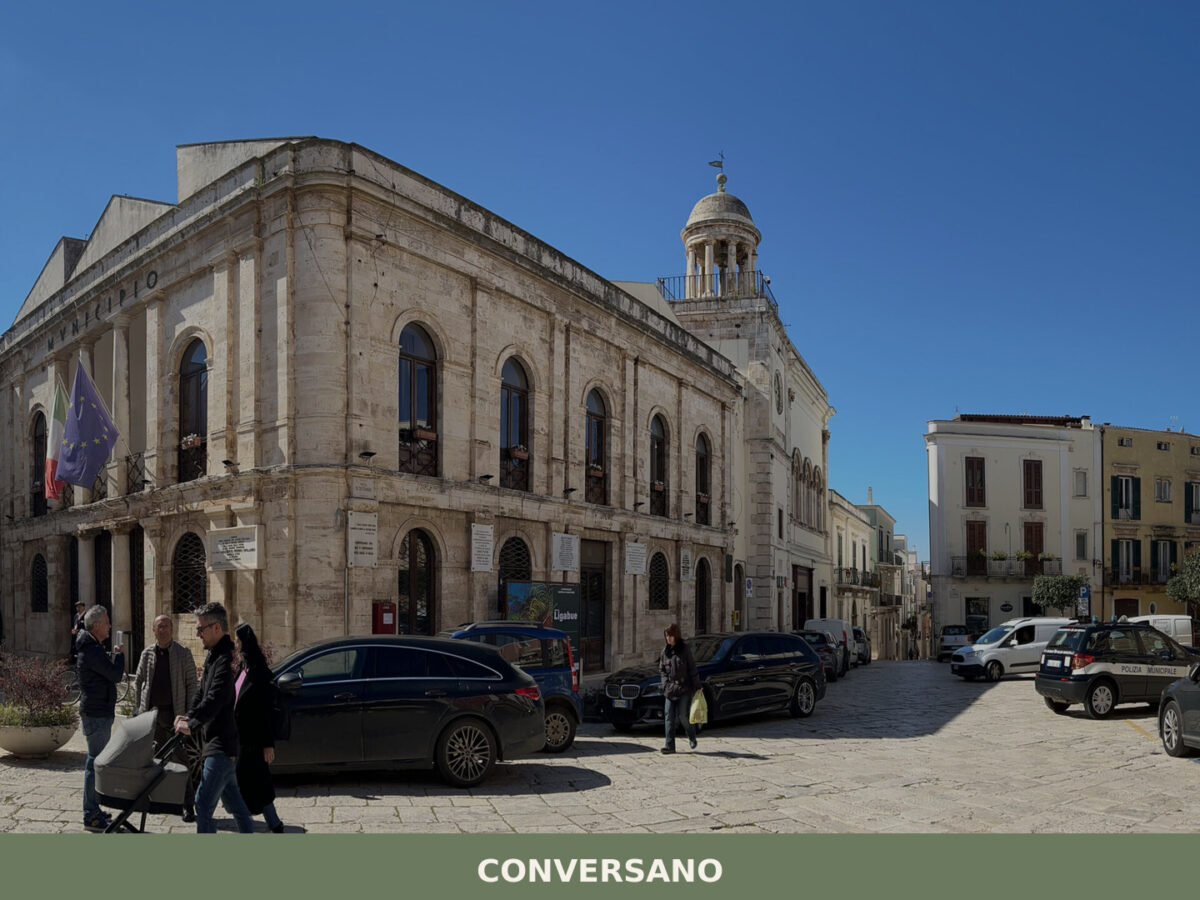
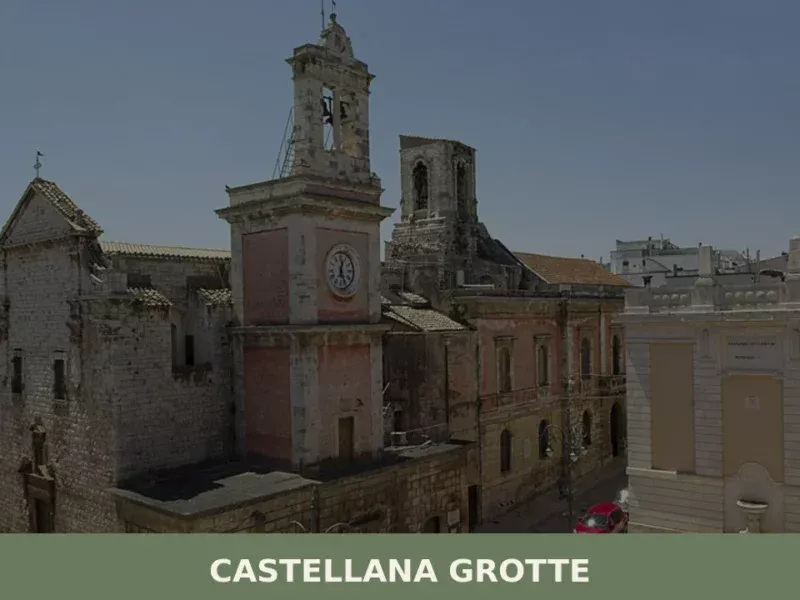
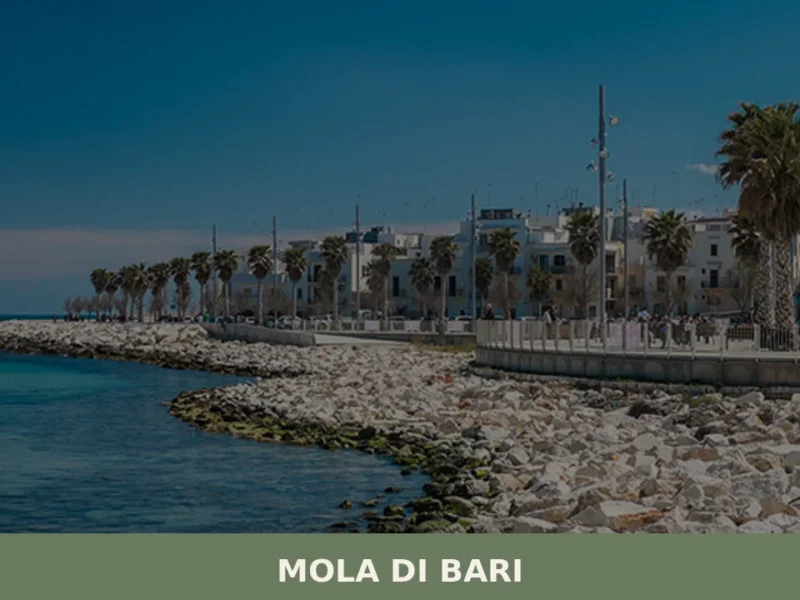
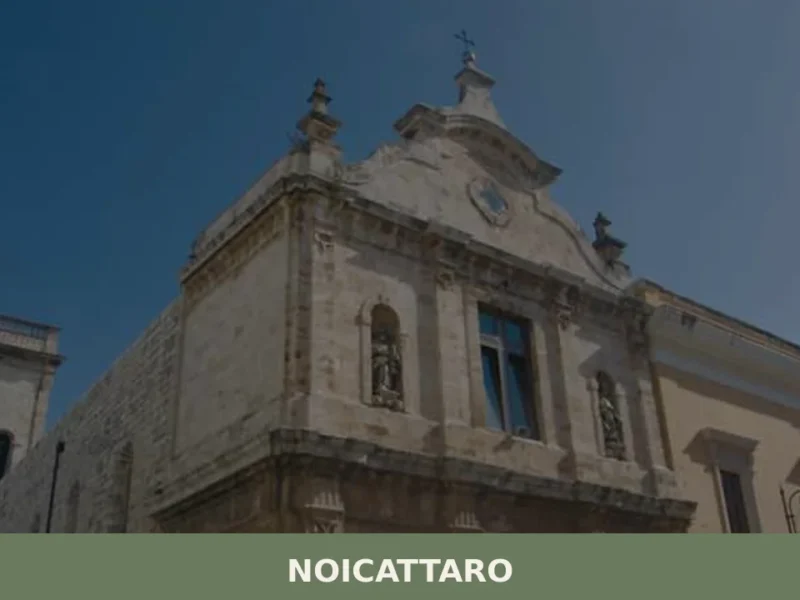
In Apulia More villages to discover
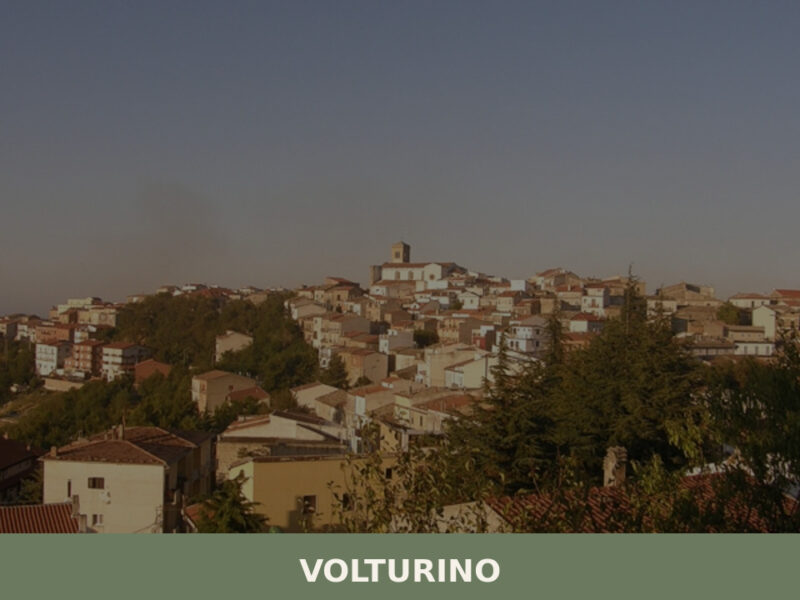
Volturino
 Mountain
A ridgetop village of 1,554 inhabitants in Puglia's Daunia mountains, Volturino overlooks the Tavoliere plain from 735 metres. Medieval lanes, stone churches, and panoramic silence.
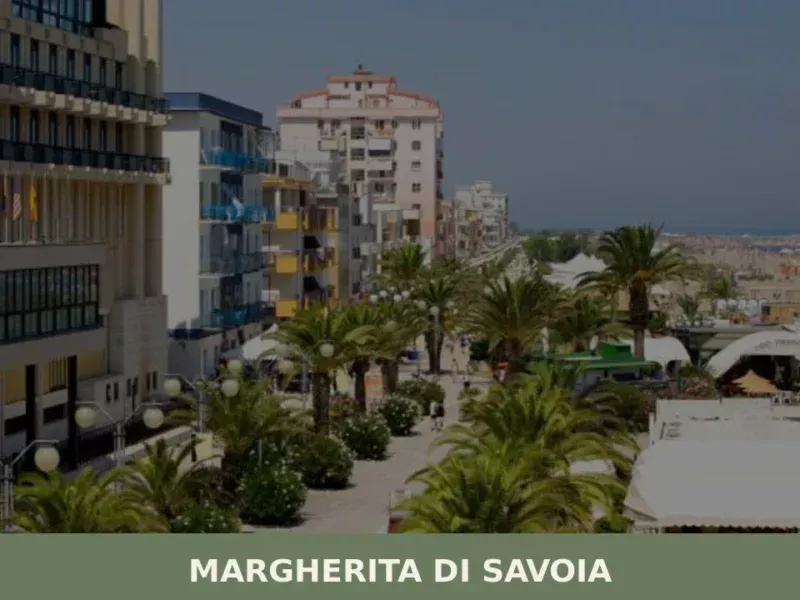
Margherita di Savoia
Sea
Discover what to see in Margherita di Savoia: Europe's largest salt flats, the historic Torre delle Saline, thermal baths and an Adriatic beach in Puglia.
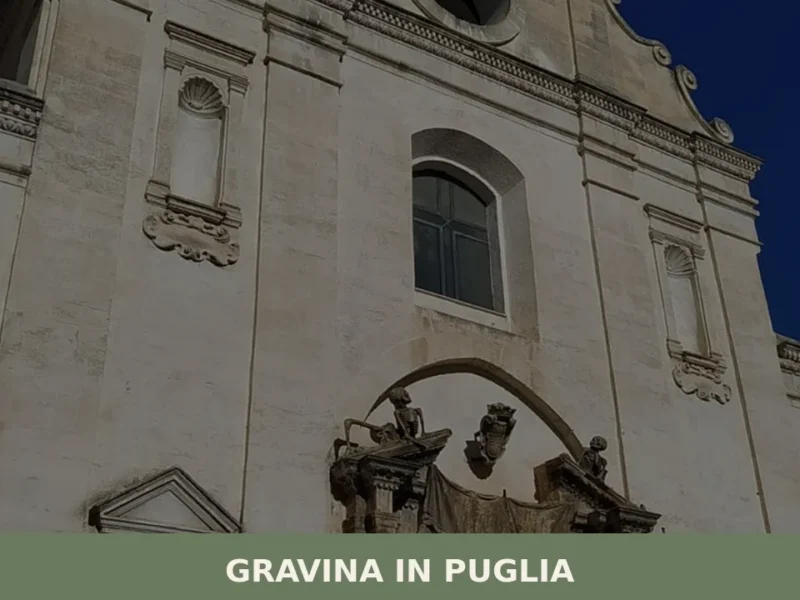
Gravina in Puglia
 Hills
Hills
In 1092, Humfred of Hauteville confirmed the privileges of the cathedral dedicated to Santa Maria Assunta, a document that fixes in the historical record the ecclesiastical rank of Gravina in Puglia well before Frederick II chose it as an imperial hunting reserve. Today, anyone walking along the edge of the gravina — the karstic canyon […]
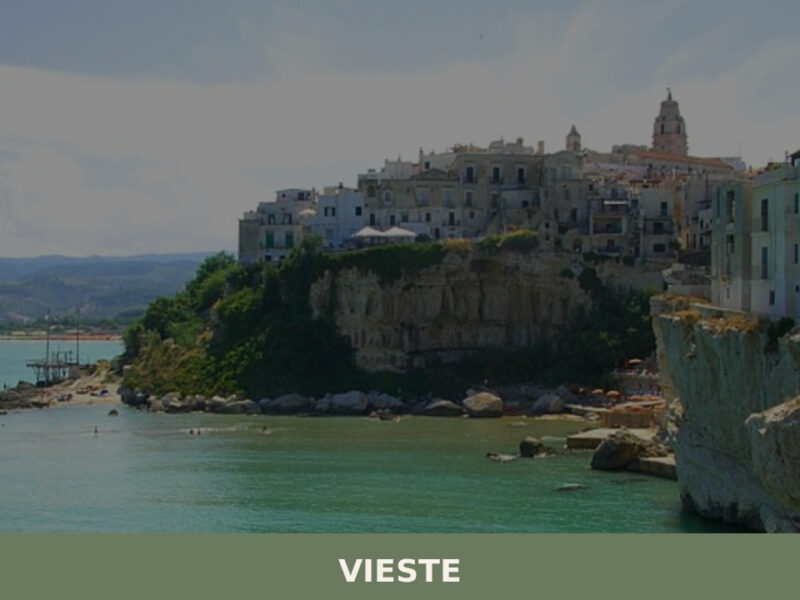
Vieste
Sea
Vieste occupies a position in Puglia that matters more than many tourist labels. It is not only a seaside resort, and not only a famous summer destination. It is an Adriatic village built on a Gargano promontory, with a white historic centre above the cliffs, a clearly legible maritime memory and a constant relationship between […]
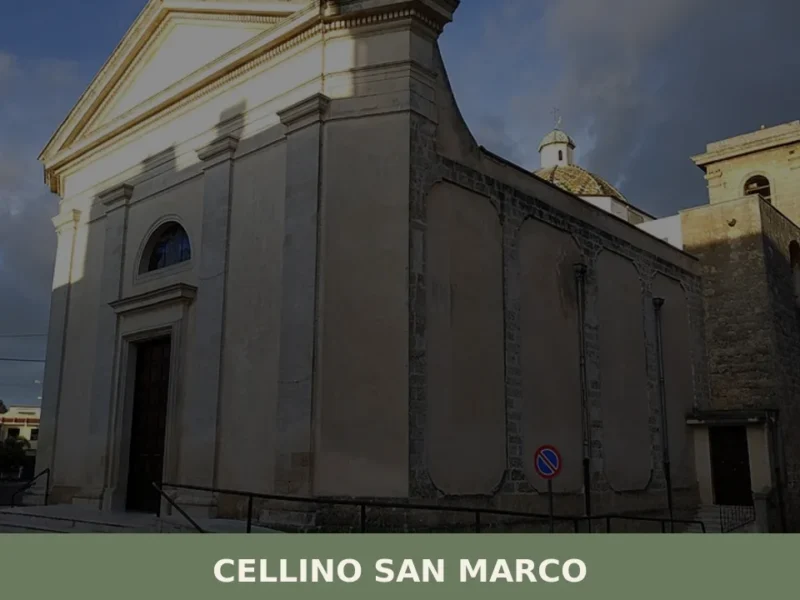
Cellino San Marco
 Plains
Scopri Cosa vedere a Cellino San Marco: un borgo agricolo ricco di storia e tradizioni in Puglia. Pianifica la tua visita e assapora l'autenticità del Salento.
Stornara
Plains
A quiet agricultural town on Puglia's Tavoliere plain, Stornara rewards visitors with honest rural architecture, sweeping wheat-field panoramas, and a food tradition rooted in durum wheat.
Castellaneta
Sea
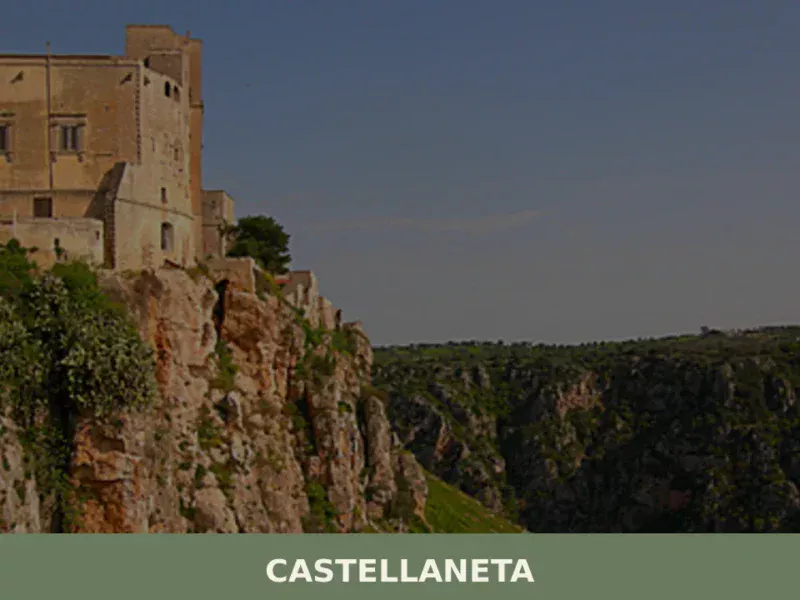
Castellaneta, a comune of around 15,784 inhabitants in the province of Taranto, sits above a dramatic ravine system carved into the Apulian plateau — a geological fact that has determined the town’s layout, its defensive logic, and the views that define it today. Visitors drawn to this corner of southern Puglia often arrive expecting little […]
Lucera
Hills
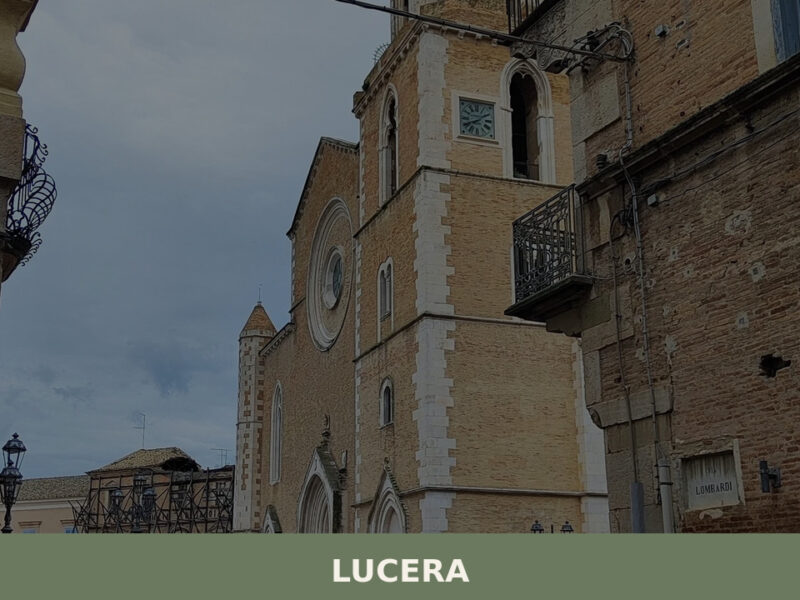
Discover Lucera, a historic hilltop city in Puglia where Roman ruins, a Saracen past, and Angevin grandeur converge amid the sun-drenched Tavoliere plain.
Alliste
Sea
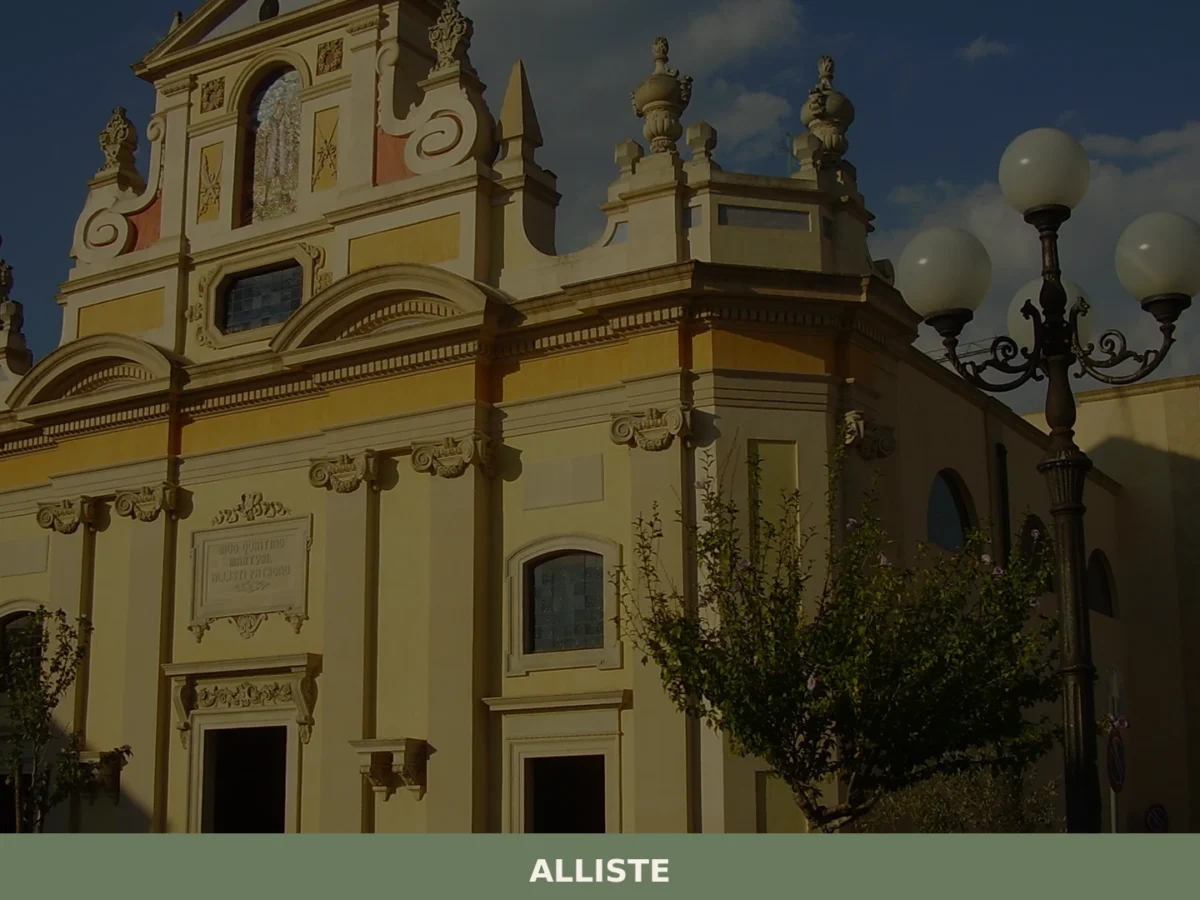
what to see ad Alliste: scopri il 6.481 abitanti. Visita chiese e masserie, assapora la cuisine salentina per un viaggio autentico.
Ordona
Plains
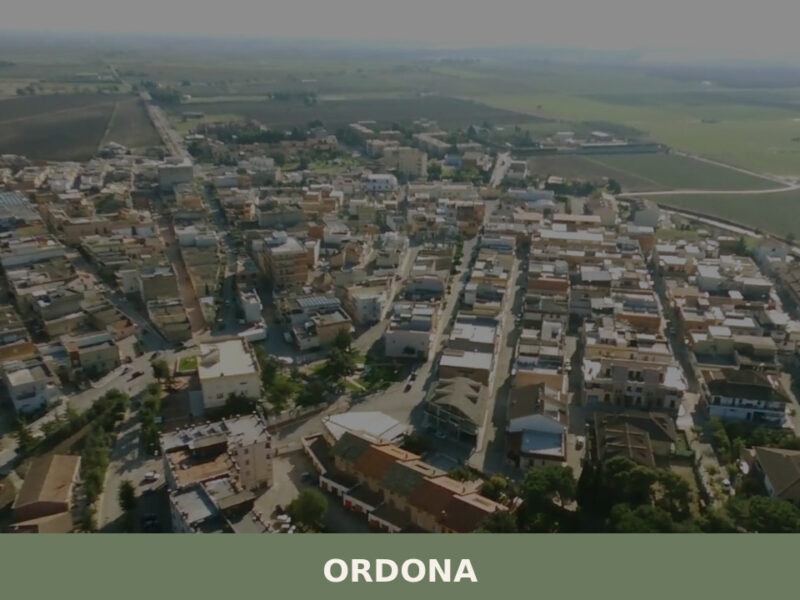
Ordona sits on the Tavoliere plain near Foggia, above the ancient Daunian-Roman city of Herdonia. A guide to its archaeology, food, and surroundings.


🏡 Know Polignano a Mare better than we do?
If you’re a local or have been there, your knowledge matters: add what’s missing or fix a detail on this page.