


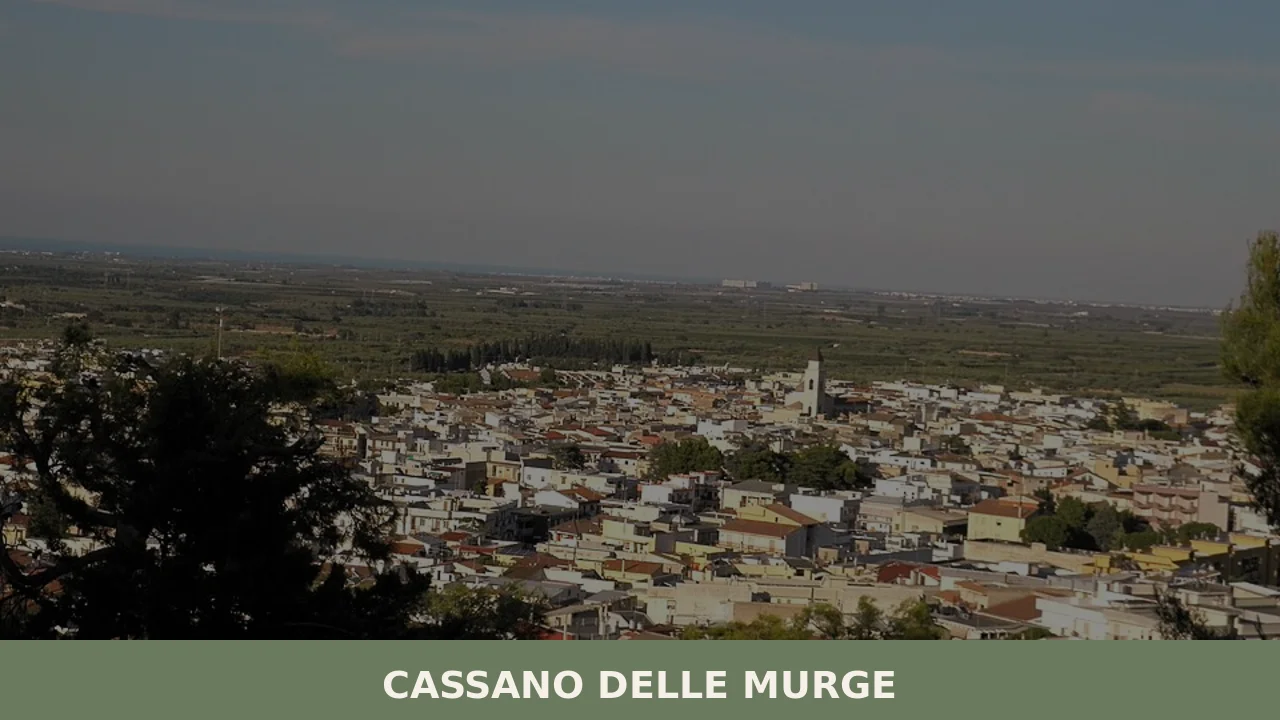
Cassano delle Murge
 Hills
Hills
Cassano delle Murge, a municipality in Puglia located in the Metropolitan City of Bari, stands at 341 meters above sea level, positioned on the Murge plateau. Its territory, spanning approximately 89 km², includes a significant portion of the Bosco di Mercadante, a forest area important for the local ecosystem. With a population of 14,395 inhabitants, […]
Discover Cassano delle Murge
Cassano delle Murge, a municipality in Puglia located in the Metropolitan City of Bari, stands at 341 meters above sea level, positioned on the Murge plateau. Its territory, spanning approximately 89 km², includes a significant portion of the Bosco di Mercadante, a forest area important for the local ecosystem. With a population of 14,395 inhabitants, the settlement developed around its historic core, which retains traces of its urban evolution. For those planning a visit and wondering about what to see in Cassano delle Murge, the village offers a route through religious architecture, civil buildings, and a natural environment characteristic of the Bari Murgia.
History and origins of Cassano delle Murge
The settlement of Cassano delle Murge has its roots in ancient times, with evidence suggesting a human presence since the Neolithic period, as highlighted by archaeological finds in the surrounding territory. The name “Cassano” is often traced back to the Latin term cassanus, meaning an oak grove, referring to the extensive forests that once characterized the area. The addition “delle Murge” specifies its geographical location on the eponymous limestone plateau, a geological formation typical of central Puglia.
During the Roman period, the area was likely involved in agricultural activities and rural settlements. Subsequently, in the medieval era, the village began to take shape as a populated center, developing a defensive structure around its oldest core. Its development was influenced by its strategic position along routes connecting the Adriatic coast with the hinterland, making it a focal point for exchanges and trade. Cassano’s history is also linked to the feudal events that marked the control of the territory, passing under various lordships over the centuries.
The construction of the Mother Church and other religious and civil buildings marked the expansion of the center, consolidating its urban identity. Over time, economic activities focused on agriculture and livestock farming, utilizing the resources of the Murgian territory. For further details on its history, dedicated sections can be consulted on Wikipedia Italy or the official website of the Municipality.
What to see in Cassano delle Murge: 5 essential attractions
1. The Mother Church of Santa Maria Assunta
The main church of Cassano, dedicated to Santa Maria Assunta, stands in the historic center. Its structure is the result of various construction phases, with architectural elements reflecting different styles. The interior preserves marble altars, pictorial works, and a statue of the Madonna. The facade features stone details, and the bell tower stands out in the village’s skyline.
2. The Convent of Santa Maria degli Angeli
Located in a commanding position, the Convent of Santa Maria degli Angeli was founded in the 17th century. Its architecture is sober, typical of monastic orders. The complex includes a church and conventual spaces, among them a cloister. It is a place that offers a perspective on religious life and sacred art of the past.
3. Palazzo Miani
Palazzo Miani is an example of civil architecture that characterizes the center of Cassano. This historic building, with its facade overlooking one of the main squares, testifies to the importance of the noble and bourgeois families who inhabited the village. Its architectural lines contribute to the overall appearance of the urban core.
4. The Bosco di Mercadante
The Bosco di Mercadante, a large wooded area of over 1,300 hectares, extends partly into the territory of Cassano delle Murge. This artificial pine forest, created starting in 1928, represents an important green lung and an environment for outdoor activities. It offers paths among Aleppo pines and holm oaks, with equipped areas for enjoyment.
5. The Historic Center
Walking through the streets of Cassano’s historic center means observing the urban layout that developed over centuries. The local stone constructions, small squares, and glimpses between buildings offer a view of the past. The center maintains a configuration that reflects the residential and social needs of previous eras.
Typical cuisine and local products
The cuisine of Cassano delle Murge is part of the Puglian gastronomic tradition, characterized by the simplicity of ingredients and the enhancement of local produce. Among the most representative dishes are orecchiette, often seasoned with turnip greens or fresh tomato sauce and basil. Legumes are also present, such as fava beans, used to prepare “purè di fave e cicorie” (fava bean puree with chicory), a hearty dish reflecting the peasant diet. Bari-style focaccia, with cherry tomatoes and olives, is another ever-present item, prepared with re-milled durum wheat flour and baked in a wood-fired oven.
The Murgian territory is renowned for the production of extra virgin olive oil, particularly Olio Terra di Bari PDO, obtained from the Coratina and Ogliarola Barese cultivars. Nearby, Pane di Altamura PDO is produced, a baked good with a crispy crust and yellow crumb. Among the cheeses, one finds fresh ricotta and burrata, the latter being a stretched-curd cheese filled with mozzarella shreds and cream. Local meats, particularly lamb and pork, are used in preparations such as braciole al sugo (meat rolls in sauce) or involtini (small stuffed rolls).
When to visit Cassano delle Murge: the best period
Cassano delle Murge can be visited in different seasons, each with its specific characteristics. Spring (April-May) offers mild temperatures and lush nature, ideal for exploring the Bosco di Mercadante and the surrounding green areas. Summer (June-August) is characterized by warm and sunny days, with cool evenings thanks to the altitude. On August 2nd, the Patron Saint’s Festival in honor of Santa Maria degli Angeli is celebrated, an event that enlivens the village with religious celebrations and festivities.
Autumn (September-October) offers pleasant weather and changing vegetation colors, a suitable period for tasting seasonal products and participating in any local festivals dedicated to olive harvesting or wine. Winter (November-March) is cooler and quieter, with the possibility of clear days allowing for an extensive view of the Murgian landscape. The choice of period depends on the visitor’s specific interests, whether outdoor activities, cultural events, or simply seeking an atmosphere of tranquility.
How to get to Cassano delle Murge
Cassano delle Murge is reachable by various modes of transport. By car, the village is located approximately 30 kilometers southwest of Bari. It is possible to take the A14 motorway (Bologna-Taranto) to the Bari Nord exit, then continue on the SS 96 towards Altamura, following signs for Cassano delle Murge. From Taranto, one can take the SS 100 towards Bari and then the SS 96.
For those traveling by train, the closest railway station is Bari Centrale. From there, one can use the scheduled bus services connecting Bari with Cassano delle Murge. The most convenient airport is Bari-Palese Airport (BRI), approximately 40 kilometers away, from which it is possible to rent a car or use taxis and shuttle services to reach the village.
Other villages to discover in Puglia
Puglia offers a variety of villages, each with its historical and landscape specificities. In addition to Cassano delle Murge, visitors can explore other centers that represent different aspects of the Puglian territory. For example, on the Adriatic coast of Gargano, one finds Vieste, a maritime village known for its beaches, its historic center of medieval origin, and the famous Pizzomunno, a limestone monolith emerging from the sea.
Still on the Gargano promontory, but inland, Monte Sant’Angelo is worth a visit. This village, listed as a UNESCO World Heritage site, is renowned for the Sanctuary of San Michele Arcangelo, a natural cave transformed into a place of worship since the 5th century. Its rock-cut architecture and narrow streets make it a destination of historical and spiritual interest.
Frequently asked questions about Cassano delle Murge
What is the best time to visit Cassano delle Murge?
Spring (April–May) is ideal for visiting Cassano delle Murge: mild temperatures and lush greenery make the Bosco di Mercadante particularly enjoyable for walks. Summer evenings are pleasant thanks to the 341-metre altitude. The highlight of the calendar is August 2nd, the Patron Saint's Festival of Santa Maria degli Angeli, when the village comes alive with religious processions and local festivities. Autumn (September–October) suits food-and-wine lovers, coinciding with the olive harvest season and the production of Terra di Bari PDO extra virgin olive oil.
What are the historical origins of Cassano delle Murge?
Human presence in the Cassano delle Murge area dates back to the Neolithic period, as confirmed by local archaeological finds. The name derives from the Latin cassanus, meaning oak grove, referencing the ancient forests of the Murge plateau. The village took shape during the medieval era, developing a defensive urban core along strategic routes linking the Adriatic coast to the interior. Over the centuries it passed through various feudal lordships, with religious and civil buildings — including the Mother Church of Santa Maria Assunta — marking its urban consolidation.
What to see in Cassano delle Murge? Main monuments and landmarks
The key sites in Cassano delle Murge include: the Mother Church of Santa Maria Assunta in the historic centre, with marble altars and a distinctive bell tower; the 17th-century Convent of Santa Maria degli Angeli, featuring a church and cloister; Palazzo Miani, an example of noble civil architecture; and the historic centre itself, with its stone streets and traditional layout. The Bosco di Mercadante — a forest of over 1,300 hectares partly within the municipal territory — completes the visit with marked paths and equipped picnic areas.
What are the main natural or scenic attractions of Cassano delle Murge?
The Bosco di Mercadante is the principal natural attraction: an artificial forest of over 1,300 hectares, planted from 1928 onwards with Aleppo pines and holm oaks, extending partly into Cassano delle Murge's territory. It offers well-trodden paths suitable for walking and hiking, along with equipped areas for outdoor relaxation. The surrounding Murge plateau — a limestone upland at around 341 metres — provides open landscape views characteristic of the Alta Murgia, particularly striking in spring when the plateau vegetation is at its most vivid.
Where to take the best photos in Cassano delle Murge?
The most photogenic spots in Cassano delle Murge are the historic centre's stone streets and small squares, where the traditional limestone architecture creates atmospheric glimpses. The bell tower of the Mother Church of Santa Maria Assunta stands out prominently against the skyline and makes a strong compositional subject. The Convent of Santa Maria degli Angeli, set in a commanding elevated position, offers a good vantage point over the surroundings. Inside the Bosco di Mercadante, the pine corridors and forest light provide excellent nature photography opportunities.
Are there museums, churches or historic buildings to visit in Cassano delle Murge?
Cassano delle Murge has several documented religious and civil heritage sites. The Mother Church of Santa Maria Assunta contains marble altars and pictorial works. The 17th-century Convent of Santa Maria degli Angeli preserves conventual spaces and a cloister. Palazzo Miani represents the village's noble civil architecture. For up-to-date visiting hours and access conditions, it is advisable to contact the Municipality of Cassano delle Murge directly or consult the local Pro Loco, as opening times for historic buildings in smaller Puglian villages can vary seasonally.
What can you do in Cassano delle Murge? Activities and experiences
Visitors to Cassano delle Murge can explore the historic centre on foot, visiting its churches and civil buildings. The Bosco di Mercadante offers hiking and walking trails through pine and holm oak woodland, suitable for various fitness levels. The area's strong food-and-wine culture invites tasting experiences centred on Terra di Bari PDO extra virgin olive oil, orecchiette, and local cheeses. The Patron Saint's Festival on August 2nd provides an authentic local cultural experience. The broader Bari Murgia territory also allows day trips to nearby towns such as Altamura and Gravina in Puglia.
Who is Cassano delle Murge suitable for? Families, couples, hikers, solo travelers?
Cassano delle Murge suits a varied range of visitors. Families will appreciate the Bosco di Mercadante's equipped outdoor areas and easy walking paths. Hikers and nature lovers are drawn to the plateau landscape and forest trails. Couples seeking a quiet, authentic Puglian hill village — away from coastal crowds — will find the historic centre and local food scene rewarding. Cultural travellers interested in religious architecture and medieval urban history will find several documented monuments. Solo travellers looking for a genuine, uncrowded southern Italian experience will feel at ease in this village of around 15,000 inhabitants.
What to eat in Cassano delle Murge? Local products and specialties
The local table reflects classic Bari Murgia tradition. Orecchiette with turnip greens or tomato sauce are the signature pasta dish. Fava bean purée with wild chicory (purè di fave e cicorie) is a staple of the peasant culinary heritage. Bari-style focaccia with cherry tomatoes and olives is baked in a wood-fired oven with re-milled durum wheat flour. The area produces Terra di Bari PDO extra virgin olive oil from Coratina and Ogliarola Barese olives. Local cheeses include fresh ricotta and burrata. Lamb and pork feature in dishes such as braciole al sugo. Nearby Pane di Altamura PDO is also widely available.
Nearby Villages near Cassano delle Murge
In Apulia More villages to discover
Alezio
 Plains
Discover what to see in Alezio, a Salento village with Messapian roots, a national archaeology museum, and ancient olive groves near Gallipoli in Puglia.
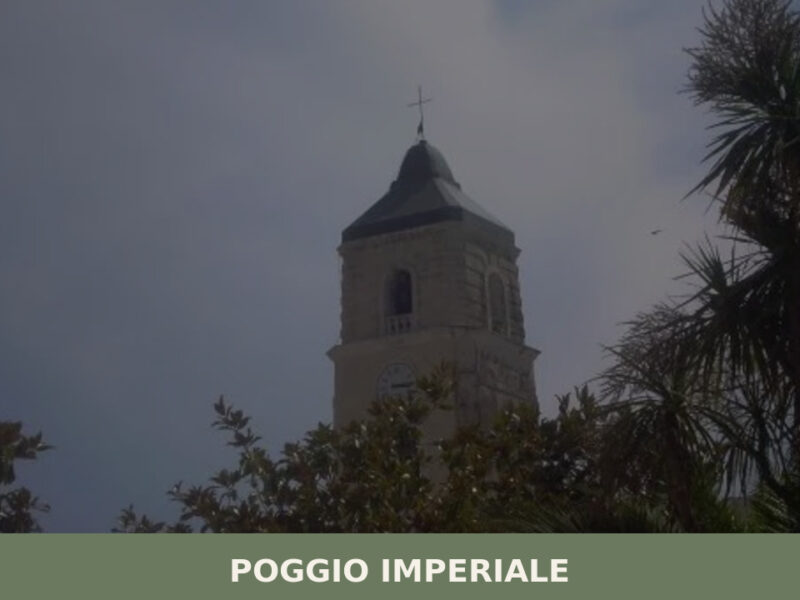
Poggio Imperiale
Plains
A planned eighteenth-century village on the Tavoliere plain, Poggio Imperiale offers grid-pattern streets, agricultural landscapes, and the unhurried rhythms of northern Puglia.

Campi Salentina
Plains
Discover what to see in Campi Salentina, Puglia: history, attractions, local food, best time to visit and how to get there. A full editorial guide.
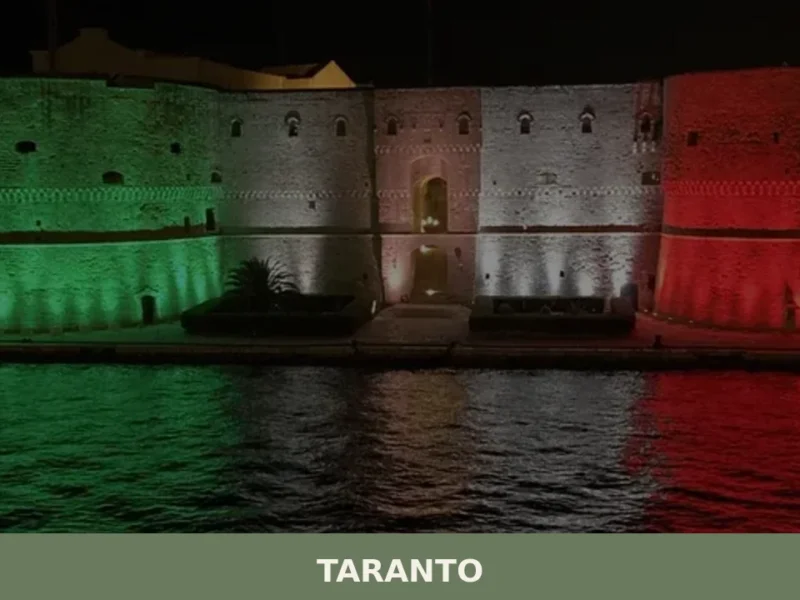
Taranto
 Sea
Sea
A port city of 186,000 on Apulia's coast, Taranto lives by the rhythm of its ancient harbour and working waterfront, not heritage tourism.
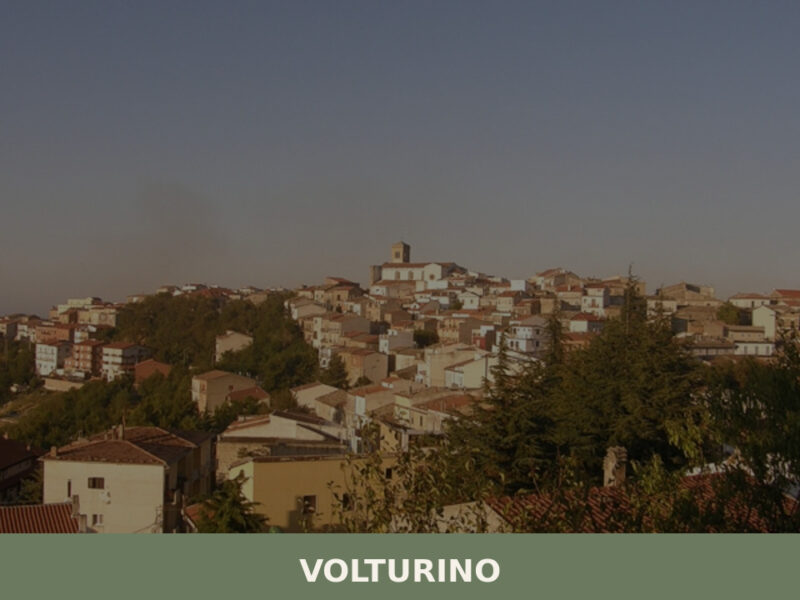
Volturino
 Mountain
A ridgetop village of 1,554 inhabitants in Puglia's Daunia mountains, Volturino overlooks the Tavoliere plain from 735 metres. Medieval lanes, stone churches, and panoramic silence.
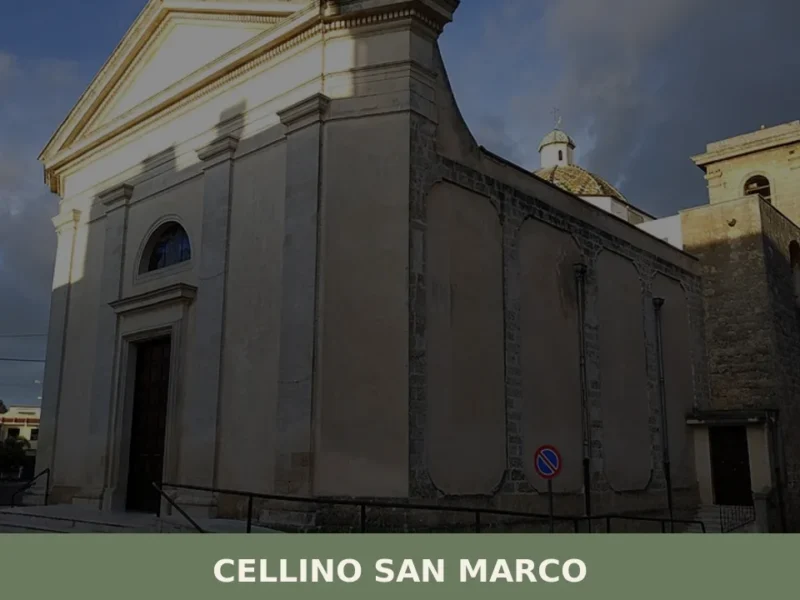
Cellino San Marco
Plains
Scopri Cosa vedere a Cellino San Marco: un borgo agricolo ricco di storia e tradizioni in Puglia. Pianifica la tua visita e assapora l'autenticità del Salento.
San Paolo di Civitate
Plains
A ridge-top village above the Tavoliere plain in Foggia province, San Paolo di Civitate holds Roman ruins, Norman battlefield history, and an unhurried agricultural life.
Castelluccio Valmaggiore
Mountain
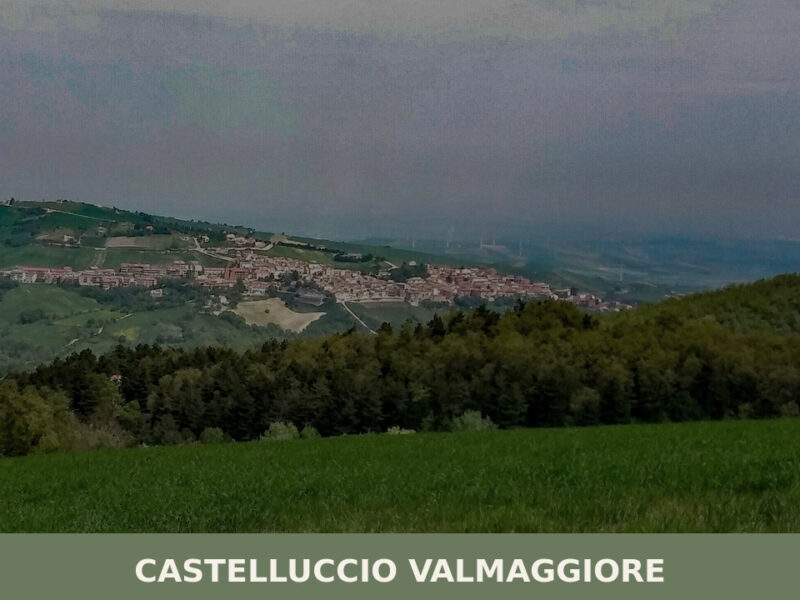
A hilltop village of 1,207 residents at 630 metres in the Daunian Sub-Apennines. Medieval lanes, long views over the Tavoliere plain, and mountain cuisine far from coastal Puglia.
Copertino
Plains
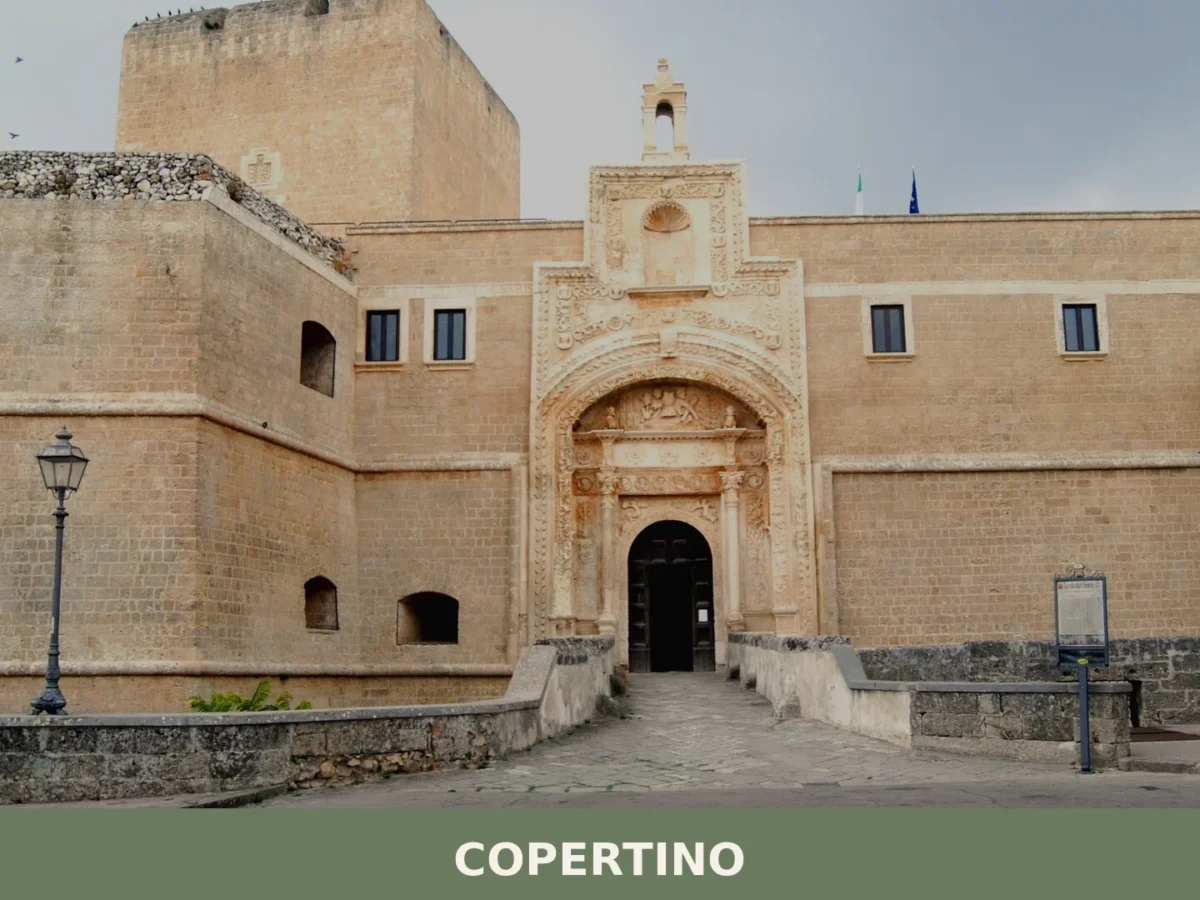
Population 22,827. A fortified medieval settlement transformed by Renaissance merchant wealth, with six convents and the birthplace of a Franciscan mystic.
Avetrana
Plains
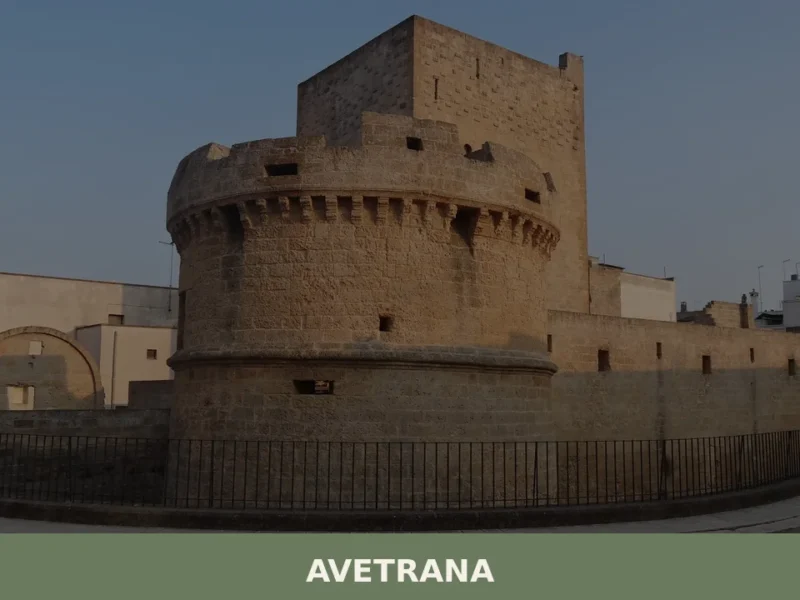
What to see in Avetrana, Italy: explore a 13th-century castle, the Chiesa Madre and Palazzo Imperiali. Population 6,277. Discover festivals, food and how to get there.


🏡 Know Cassano delle Murge better than we do?
If you’re a local or have been there, your knowledge matters: add what’s missing or fix a detail on this page.