


Alfonsine
 Plains
What to see in Alfonsine? Discover the top 5 attractions of the village in Emilia-Romagna. From the house museum to nature trails, plan your visit now!
Discover Alfonsine
The Senio River runs flat and deliberate through the lowland between Ravenna and the Adriatic coast, cutting through fields of grapevines and fruit orchards that stretch toward the horizon without interruption. Alfonsine sits at the edge of this landscape, 60 km (37 mi) east of Bologna and 15 km (9 mi) northwest of Ravenna, occupying land that was marshland until the 15th century.
The town’s current center was rebuilt between 1946 and 1956 by architect Giuseppe Vaccaro, after the original historic core was completely destroyed during World War II — a fact that gives the streetscape a deliberate mid-century coherence unlike most of its neighbors.
Deciding what to see in Alfonsine means engaging with a place shaped as much by reconstruction as by its founding.
Visitors to Alfonsine find a compact town of roughly 12,000 inhabitants where the main draws include a natural reserve that forms part of the Po Delta Regional Park, a cluster of surviving and rebuilt churches, and a documented wartime history that earned the municipality a silver medal for Military Valor. The Alfonsine highlights stretch from the banks of the Senio to the edges of reclaimed wetland now returned to nature.
History of Alfonsine
The name Alfonsine has two competing explanations, both documented and both plausible.
The dominant theory, supported by documents from the early 16th century, holds that the town takes its name from Alfonso Calcagnini, who led the land reclamation effort that made settlement possible. The alternative, proposed by Antonio Polloni in his 1966 work Toponomastica Romagnola — a scholarly study of place names across the Romagna region — suggests the name derives from the Latin fossa, meaning man-made ditch or channel, and that the Calcagnini connection emerged later by coincidence rather than design.
The town’s origins are precisely dated. In 1464, Borso d’Este donated wetland north of Fusignano to Teofilo Calcagnini, who began draining the marshes. By 1468, Teofilo had acquired additional land from a Venetian noble, expanding the territory further.
His son Alfonso Calcagnini built the church of Nostra Signora (Our Lady) in 1502, which became the nucleus of the town center. The area sat in disputed territory between Ravenna and the Este family’s holdings; a formal compromise in 1506 assigned it to Ravenna.
Three years later, in 1509, Ravenna’s territories passed to the Papal States, and in 1519 Pope Leo X transferred the region to Theophilus Calcagnini, who named it the “Leonian territory” in honor of his papal benefactor. The Calcagnini family’s feudal status was reconfirmed by Pope Clement VIII at the close of the 16th century. Visitors interested in the broader medieval landscape of Emilia-Romagna may find useful comparisons by exploring Castel del Rio, another settlement in the region shaped by the long reach of the Este family’s influence.
The 19th and 20th centuries brought repeated upheaval. Alfonsine became a municipality in 1814 during the Napoleonic period, then returned to the Holy See after Napoleon’s fall in 1815, before joining the Kingdom of Sardinia in 1859 and the Kingdom of Italy in 1861. Social tensions at the turn of the 20th century produced both criminal unrest and organized political activism.
During the period of “Settimana Rossa” (Red Week), which ran from 7 to 13 June 1914, widespread civil unrest led to the burning of both the city hall and the church.
World War II inflicted the most severe damage: 70% of houses in the surrounding area were destroyed, and German forces demolished the historic center entirely before retreating northward. The Allies had already subjected the town to heavy bombing. The silver medal for Military Valor awarded to Alfonsine specifically recognized the sacrifices of its population and their participation in the Partisan resistance.
What to see in Alfonsine, Emilia-Romagna: top attractions
Oratorio di San Vincenzo Ferrari
The oratory’s exterior is modest by the standards of Emilian religious architecture, but its survival alone makes it significant: this is one of the very few buildings in Alfonsine that remained standing after World War II. Constructed in the mid-18th century, the Oratorio di San Vincenzo Ferrari contains a painting of the Virgin Mary attributed to the Longhi school, a Venetian and Lombard artistic tradition associated with Pietro Longhi and his circle. Standing inside, the visitor can trace the contrast between the 18th-century devotional interior and the rebuilt surroundings beyond the doors.
The oratory sits within walking distance of the central piazza and requires no advance booking to visit during opening hours.
Santuario della Madonna del Bosco
The Santuario della Madonna del Bosco (Shrine of Our Lady of the Woods) was rebuilt directly on the ruins of its predecessor after the wartime destruction.
Its collection of 18th and 19th-century Christian artifacts — ex-votos, devotional objects, and liturgical items — provides a specific material record of two centuries of local religious practice. The shrine’s reconstruction followed the same postwar period as the rest of the town center, giving it an architectural duality: the footprint and dedication of a historic structure, with fabric that belongs to the 1950s. Visiting in the late morning allows the interior light to reach the artifact cases most directly.
Chiesa del Sacro Cuore and Piazza Monti
Piazza Monti marks the site of Alfonsine’s original parish church, which was destroyed in the war and never rebuilt at this location. In its place now stands the Chiesa del Sacro Cuore (Church of the Sacred Heart), while the parish function was transferred to a new building dedicated to Saint Mary elsewhere in town. The square itself therefore documents an urban decision: to maintain civic memory of the original church’s position while redirecting its liturgical role.
Walking across Piazza Monti with this history in mind gives the otherwise straightforward mid-century square a documentary quality that repays attention.
Special Natural Reserve of Alfonsine
The Special Natural Reserve of Alfonsine comprises three distinct zones, each occupying land that was once settled and subsequently cleared and returned to a natural state.
The reserve forms part of the larger Regional Park of the Po Delta, one of the most significant wetland ecosystems in northern Italy, stretching across the provinces of Ferrara and Ravenna. The territory between the Senio River and the Adriatic coast — the same geographic corridor that defines Alfonsine’s position — hosts bird populations, reed beds, and water channels characteristic of the Po Delta lowlands.
Access points to the reserve are reachable by bicycle along the flat paths that cross the agricultural plain surrounding the town.
Giuseppe Vaccaro’s Rebuilt Town Center
The town center of Alfonsine as it stands today is, in architectural terms, a single coherent project carried out between 1946 and 1956 under the direction of architect Giuseppe Vaccaro. Few Italian town centers of this period were reconstructed with such deliberate planning rather than piecemeal repair, which makes Alfonsine’s postwar urbanism a documentable case study in Italian reconstruction architecture. The street grid, the proportions of the main buildings, and the relationship between the central piazza and the surrounding blocks all reflect Vaccaro’s design decisions.
For those interested in 20th-century Italian architecture, this is one of the clearest examples in the Ravenna province of how a community rebuilt itself from near-total loss.
Local food and typical products of Alfonsine
Alfonsine’s agricultural economy has centered on wine and fruit production since at least the early modern period, a pattern confirmed by the land reclamation work that made cultivation possible from the 15th century onward.
The flat terrain between the Senio River and the Adriatic — once marshland — now supports vineyards and orchards that supply both local markets and the broader Ravenna province supply chain. The cooking traditions of this part of Romagna reflect the practical reality of an agricultural community: ingredients sourced from the immediate territory, preparations that preserved surplus through curing, fermentation, and drying.
The food culture of the area belongs to the broader Romagnol tradition, distinct from the Bolognese tradition to the west. Piadina romagnola is the foundational flatbread of the region: made from wheat flour, lard or olive oil, water, and salt, cooked on a flat stone or cast-iron griddle until it blisters and chars at the edges.
It is eaten folded around squacquerone, a fresh spreadable cheese with a sharp, slightly acidic flavor, or with cured meats such as salame romagnolo.
Passatelli in brodo, a pasta made from breadcrumbs, eggs, Parmigiano Reggiano, and nutmeg, extruded through a press directly into boiling broth, represents the kind of resourceful cooking — using stale bread rather than flour — that defined rural Romagna. Cappelletti, small stuffed pasta parcels, differ from Bologna’s tortellini in both shape and filling composition and appear regularly at Sunday tables throughout this province.
The vineyards around Alfonsine contribute to the production of wines under the Romagna DOC designation, which covers Sangiovese, Albana, and Trebbiano varieties grown across the province of Ravenna and neighboring areas. Sangiovese di Romagna, produced from the same grape variety used in Tuscany’s Chianti but vinified in the Romagnol style with generally lighter body and higher acidity, is the most widely produced red in this corridor.
Local fruit — particularly peaches and pears grown on the reclaimed agricultural land — feeds directly into the regional supply rather than a certified designation, but the orchards remain a visible and economically significant feature of the landscape around the town.
Festivals, events and traditions of Alfonsine
The town’s calendar carries the weight of its wartime history in a more formal way than many Italian municipalities.
The silver medal for Military Valor and the Military Valor award for the Italian war of Independence are institutional recognitions that frame Alfonsine’s commemorative culture. Civil remembrance events tied to the Partisan resistance and the Liberation mark the spring calendar, as they do across the towns of the Romagna plain that saw fighting along the Senio line in the winter of 1944 to 1945.
The church calendar remains active around the restored shrines and the dedicated parishes. The Santuario della Madonna del Bosco draws local pilgrims at established Marian feast days in the liturgical year, particularly in May and August, consistent with the broader regional pattern of shrine veneration in Emilia-Romagna. The agricultural roots of the community surface in local sagre — traditional food festivals tied to the harvest — held in the late summer and early autumn months when fruit and wine production peaks in the surrounding countryside.
Precise dates vary by year and are confirmed through the municipal website and local parish notices.
When to visit Alfonsine, Italy and how to get there
The most practical window for visiting Alfonsine runs from late April through June, and again in September and October.
Spring brings mild temperatures to the Po Delta lowlands, the orchards are in bloom, and the natural reserve is active with migratory bird species moving through the wetland corridors. Summer in this part of Emilia-Romagna can be humid and hot, with temperatures regularly exceeding 33°C (91°F) in July and August. Autumn gives the agricultural landscape a different character: harvested fields, grape-picking activity in the vineyards, and noticeably fewer visitors than the Adriatic coast nearby.
Winter is functional but climatically unremarkable — flat, grey, and often foggy across the Po Plain.
Alfonsine is straightforward to reach from Ravenna, which lies 15 km (9 mi) to the southeast and connects to the national rail network. Trenitalia operates services to Ravenna from Bologna (approximately 75 minutes), and from Ravenna local buses and regional connections cover the route to Alfonsine. By car, the A14 motorway (Bologna–Taranto) connects via Faenza or Ravenna exits, with Alfonsine reachable within roughly 20 minutes from either.
From Bologna, the drive covers approximately 60 km (37 mi) and takes under an hour on clear roads, making Alfonsine a practical day trip from that city. The nearest international airport is Bologna Guglielmo Marconi Airport, approximately 70 km (43 mi) west, with car rental available on site. International visitors should note that English is not widely spoken in smaller local businesses and shops; carrying a supply of euro cash remains practical in a town of this size where card terminals are not universal.
Travelers arriving from the south along the Adriatic corridor may combine a stop in Alfonsine with a visit to Rimini, which lies approximately 55 km (34 mi) southeast and offers a contrasting urban scale and a Roman-era historic center.
Those coming from the Apennine foothills to the west might also consider Grizzana Morandi, a municipality in the Bologna Apennines that represents a markedly different landscape from the flat delta country around Alfonsine.
Exploring what to see in Alfonsine rewards visitors who approach the town with a specific interest — in postwar Italian architecture, in the Po Delta ecosystem, or in the military history of the Gothic Line — rather than expecting a conventional medieval townscape.
The reconstruction gives the center a coherence that reads better once you understand it, and the flat terrain makes cycling between the town and the natural reserve entirely manageable. Those seeking to extend their time in the province will find that what to see in Alfonsine connects naturally to the broader cultural circuit of Ravenna’s Byzantine mosaics and the wetland routes of the Po Delta.
📷 Photo Gallery — Alfonsine
Getting there
Piazza Antonio Gramsci, 48011 Alfonsine (RA)
Nearby Villages near Alfonsine
Nearby villages we are mapping:
- Bagnacavallo Emilia-Romagna 📍 11.2 km Coming soon
In Emilia-Romagna More villages to discover
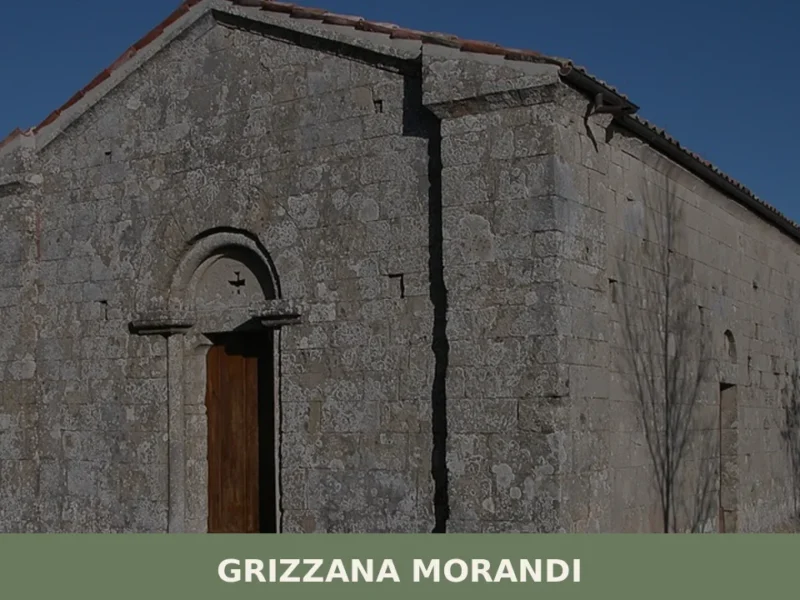
Grizzana Morandi
 Hills
Hills
In 1929, the Bolognese painter Giorgio Morandi travelled to Grizzana for the first time — a scattered municipality in the Emilian Apennines that he would return to every summer for over thirty years. From the barns and tower-houses of this valley, he painted hundreds of landscapes, transforming the clay badlands and mountain ridgelines into universal […]
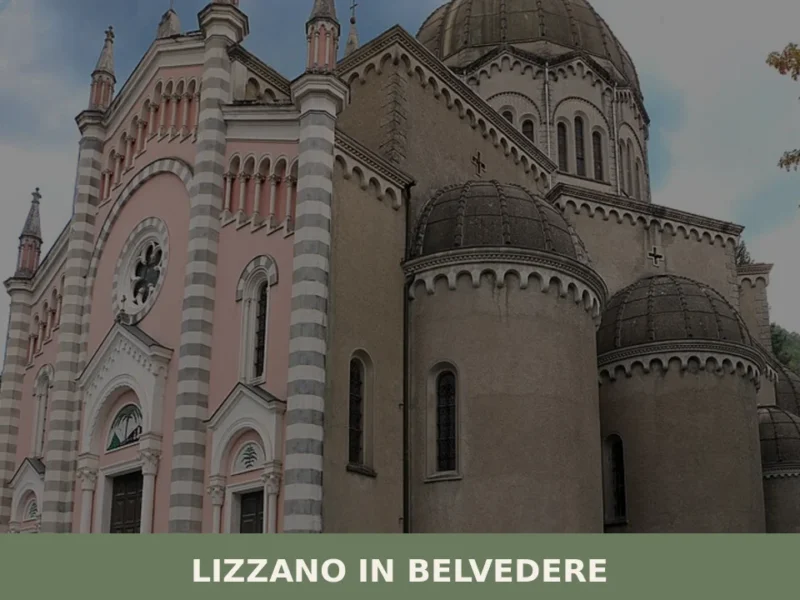
Lizzano in Belvedere
 Mountain
Every year, on 17 August, the procession in honour of Saint Mamante winds its way up the streets of Lizzano in Belvedere to the parish church, following a ritual that has been repeated since at least the 15th century. This municipality of 2,314 inhabitants, situated at 640 metres above sea level on the Bolognese Apennines, […]
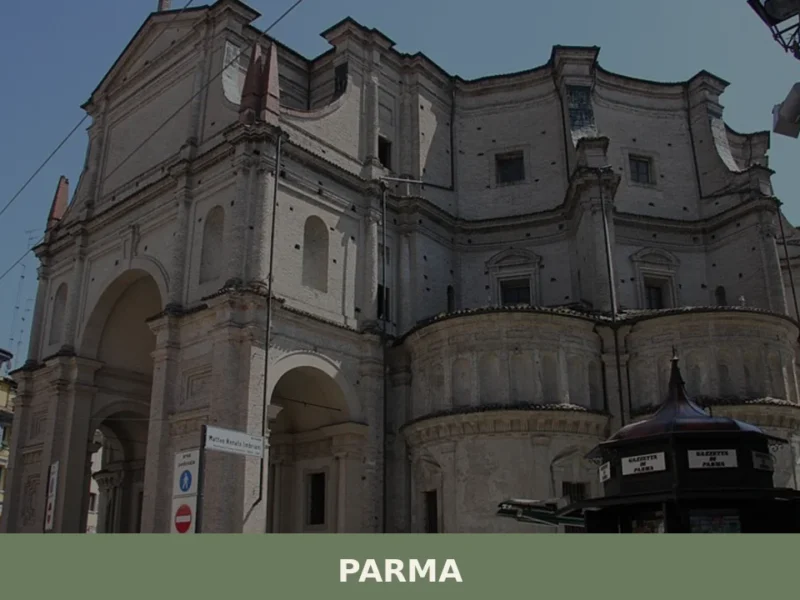
Parma
Plains
what to see in parma. Home to 177,714 residents, Parma offers the iconic Duomo, Baptistery, and world-famous Parma Ham. Explore its rich heritage.
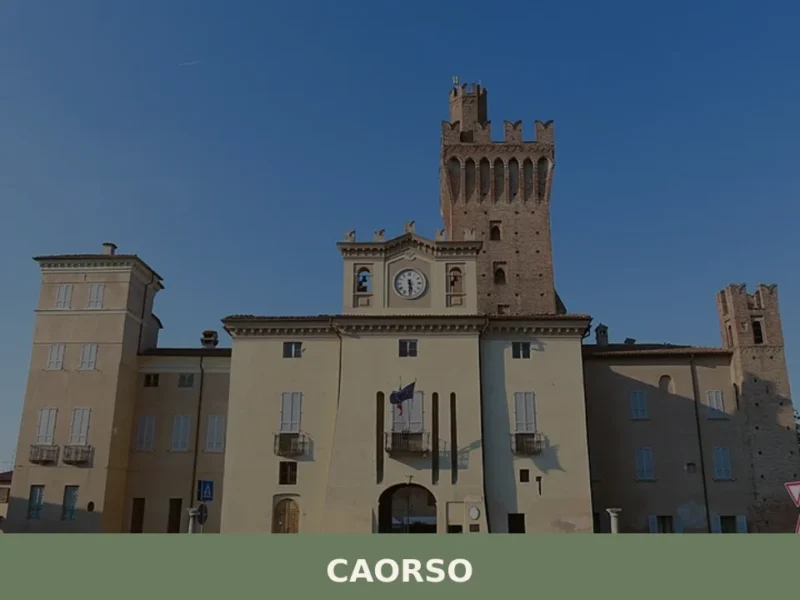
Caorso
Plains
What to see in Caorso: explore the medieval castle and the Parish Church of Santa Maria Assunta. Population 4,859, elevation 46m. Plan your visit now.
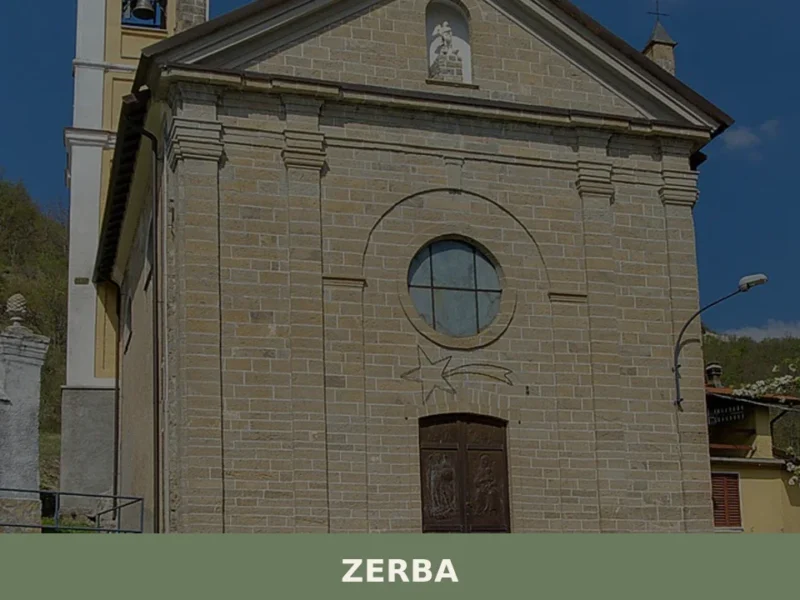
Zerba
Mountain
With just 71 registered inhabitants, Zerba is the least populated municipality in the entire province of Piacenza and one of the smallest in Italy. Situated at 906 metres above sea level in the upper Val Boreca, on the border between Emilia-Romagna and Liguria, this mountain settlement retains a sandstone building fabric that follows precise construction […]
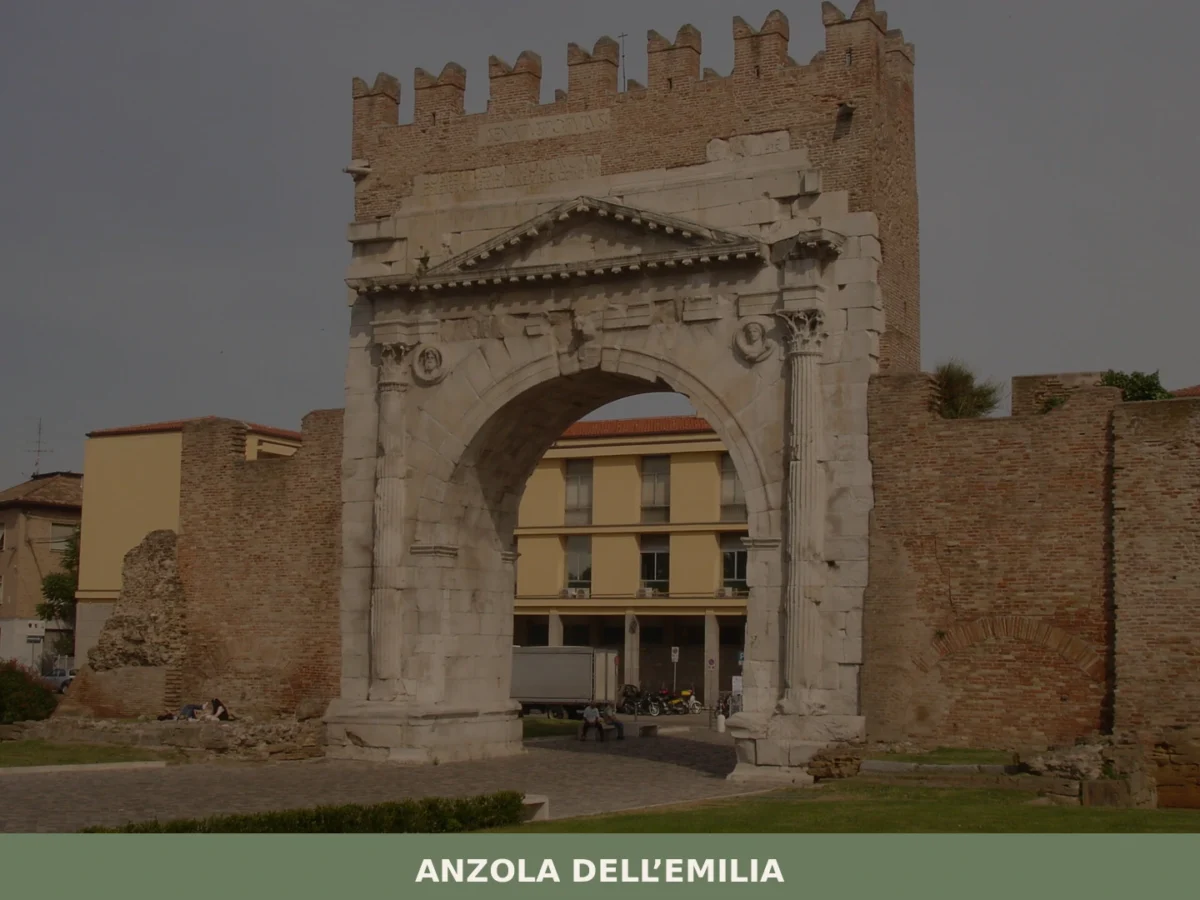
Anzola dell’Emilia
Plains
What to see in Anzola dell'Emilia: 5 must-visit attractions, from the medieval tower to the parish church. Discover the complete guide and plan your visit.
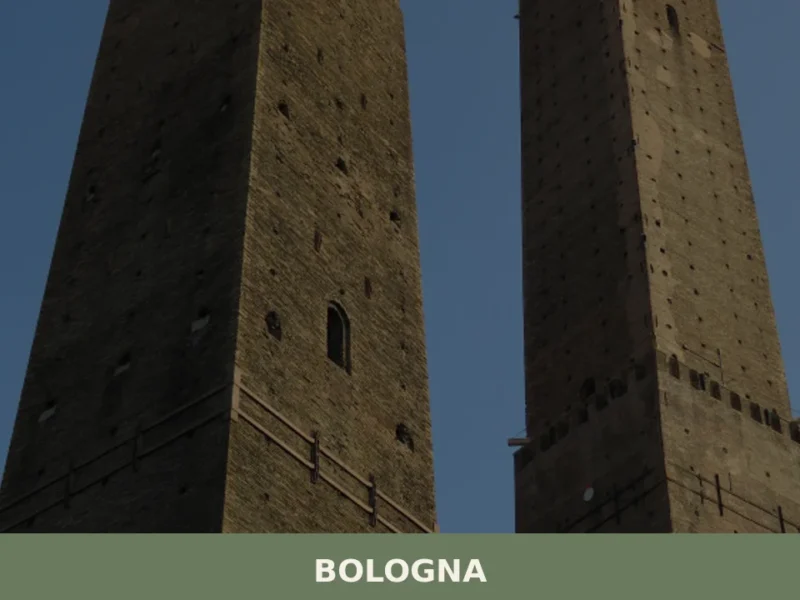
Bologna
Plains
What to see in Bologna: 388,000 inhabitants, UNESCO porticoes and the Two Towers. Plan your visit with our guide to tortellini, Mortadella IGP and top museums.
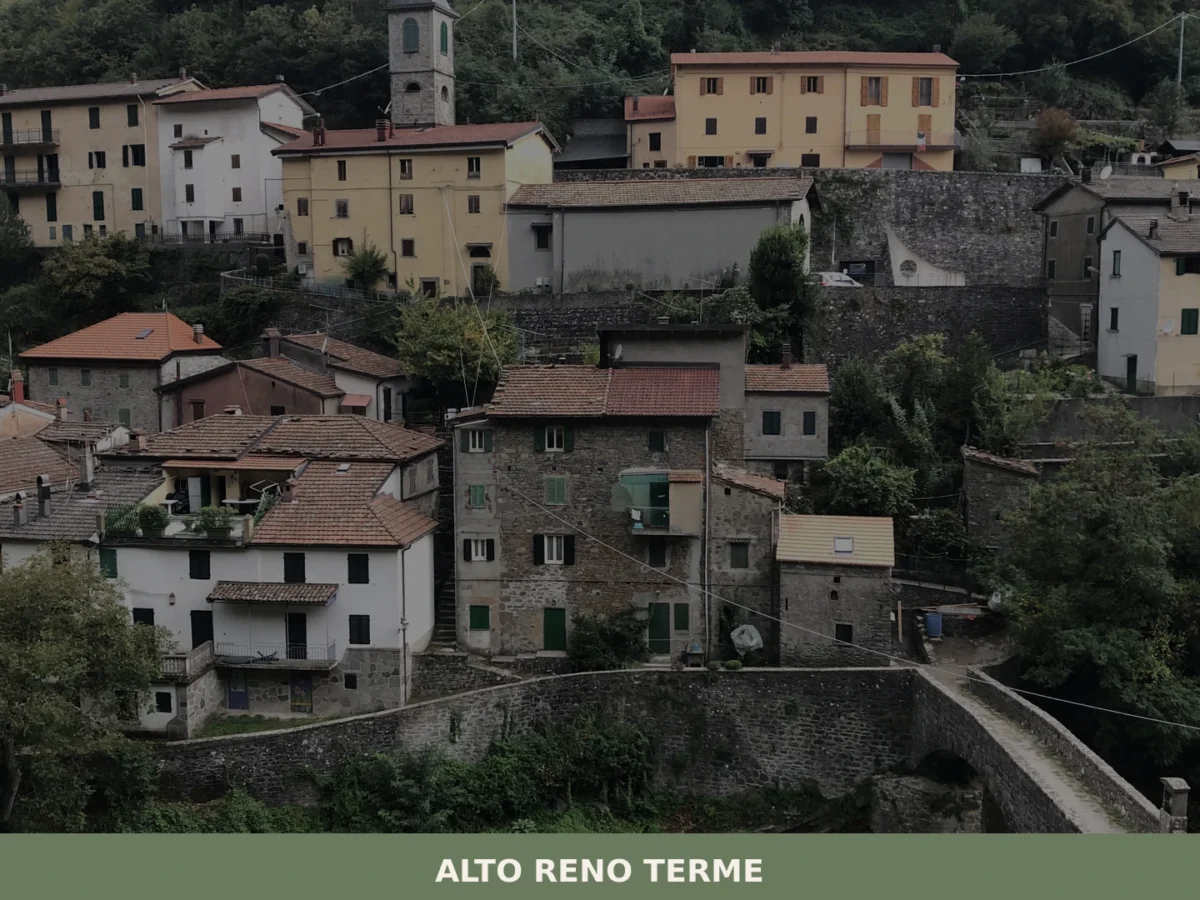
Alto Reno Terme
Mountain
What to see in Alto Reno Terme: 5 unmissable attractions, from thermal baths and historic villages to Apennine nature. Discover the complete guide to plan your visit.
Bagnara di Romagna
Plains
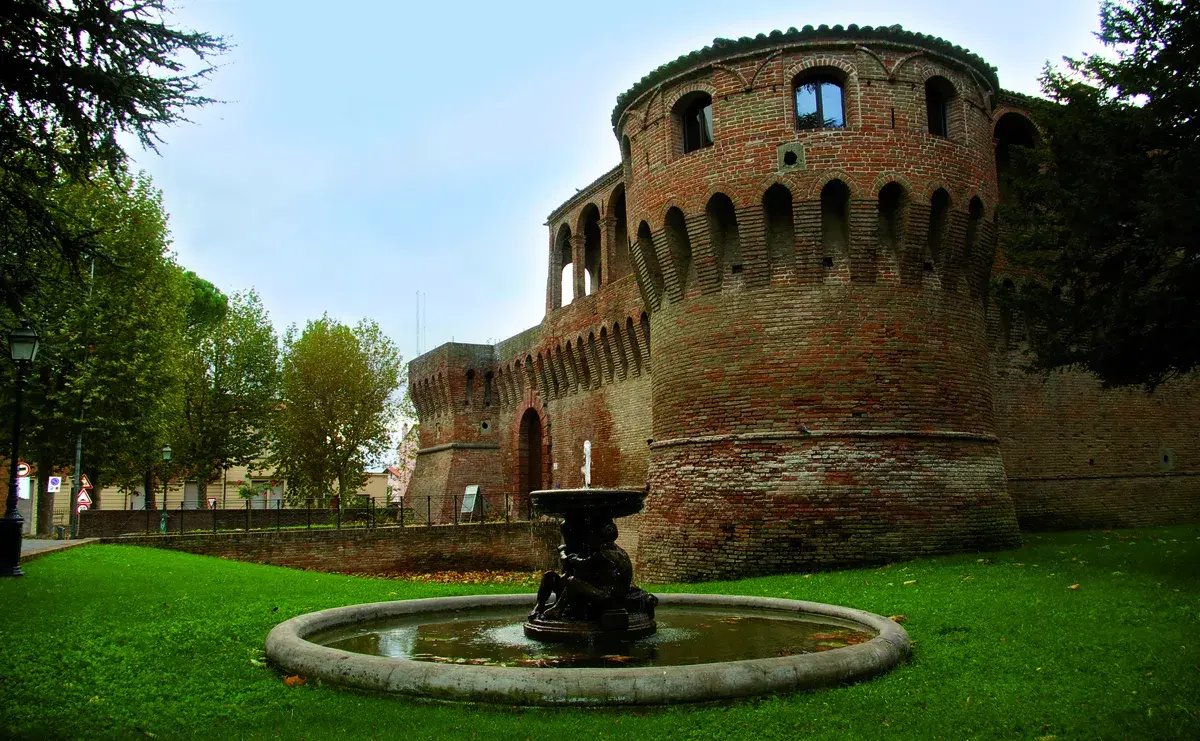
What to see in Bagnara di Romagna, Italy? Explore this 'Borgo più bello' at 22 m (72 ft) altitude. Discover its historical charm and annual Patron Saint's Feast.
Caminata
Hills
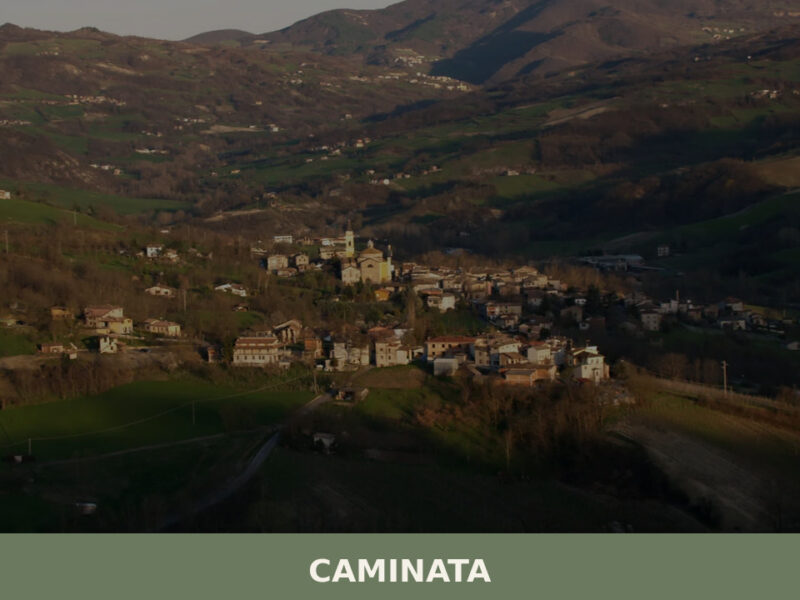
Caminata sits at 364 metres in the Val Tidone, Piacenza province. A guide to its church, trails, Apennine food traditions, and surrounding landscape.
🏡 Know Alfonsine better than we do?
If you’re a local or have been there, your knowledge matters: add what’s missing or fix a detail on this page.