
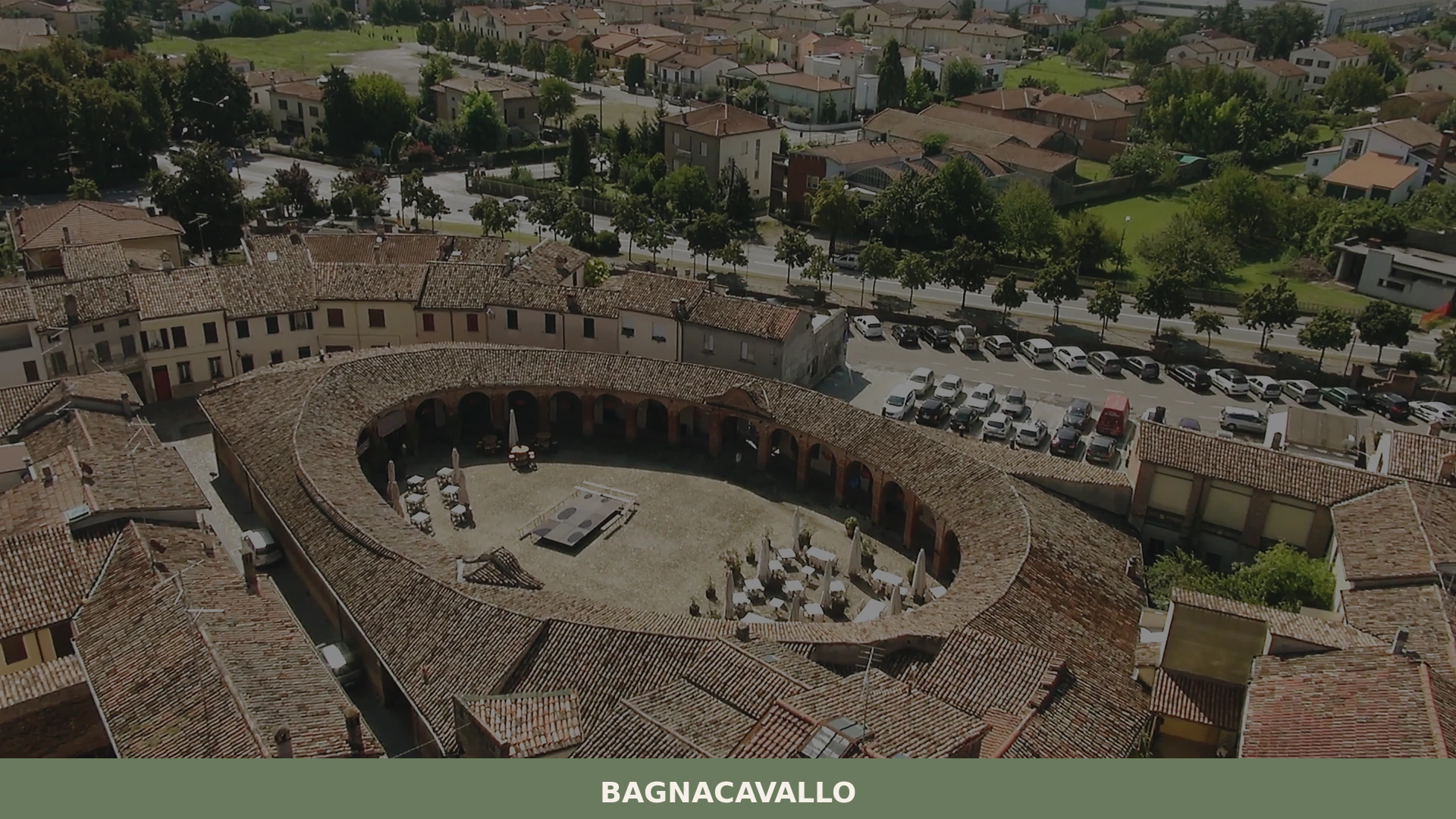
Bagnacavallo
What to see in Bagnacavallo? Explore 5 must-see attractions in this Emilia-Romagna village. Complete guide to its historic center and surroundings. Plan your visit!
Discover Bagnacavallo
Sixteen kilometres separate Bagnacavallo from Ravenna, yet the plain stretching between the two towns still bears the marks of a system of canals and river ridges shaped by the early Middle Ages to suit human settlement.
The very name of the municipality, documented for centuries first in its Latin form castrum Tiberiacum, then transformed by Romagnol popular usage into Bagnacavàl, carries with it the trace of a territory that has always known how to draw resources from water, fields, and trade between the hinterland and the wetland areas.
The historic centre preserves a medieval layout that is legible to the naked eye, with buildings that speak of commerce, devotion, and local government.
Those who want to understand what to see in Bagnacavallo will find a concrete answer within the first few hours of their visit: the 18th-century elliptical Piazza Nuova, the 7th-century Pieve di San Pietro in Sylvis, and Podere Pantaleone are the three main reference points around which to build an itinerary.
With its 16,511 inhabitants, the municipality in the province of Ravenna offers a porticoed historic centre, a religious heritage of rare antiquity, and a nature area documenting the original biodiversity of the Po Valley plain.
The main attractions can be reached on foot from one another, with no need for a car.
History and origins of Bagnacavallo
The documented roots of Bagnacavallo go back to the early Middle Ages, when the site was known as castrum Tiberiacum, a fortified settlement that controlled the links between the Romagnol hinterland and the wetland zones of the lower Ravenna area. The geographical position of the centre, set on a natural ridge in the alluvial plain between Ravenna and Faenza, made it a strategic node for the transit of goods and people along the routes crossing the Po Valley countryside.
The transformation of the Latin name into the vernacular term Bagnacavàl, attested in the Romagnol tradition, bears witness to the long linguistic and cultural sedimentation that characterised this territory in the transition from late antiquity to the full Middle Ages.
During the medieval period the centre acquired a growing role as a market town and agricultural hub in the province of Ravenna.
The urban structure that can still be read in the historic centre today reflects that era: the layout of the streets, the succession of porticoes, and the arrangement of religious and civic buildings all respond to a settlement logic that consolidated between the late Middle Ages and the early modern period.
The local agricultural tradition developed around cereal and wine production, activities that for centuries defined the economy of the lower Ravenna area and that still characterise the agrarian landscape of the municipality.
This commercial vocation found physical expression in the construction, in the 18th century, of a square specifically designed to host the town market.
Between the modern and contemporary eras, Bagnacavallo also consolidated a craft tradition linked to the working of marsh grasses, an activity that made use of plant materials available from the surrounding wetland areas.
This practice, widespread throughout the lower Ravenna area, constituted a source of income complementary to agriculture and helped define a specific productive identity for the territory.
The history of the municipality is intertwined with that of other centres on the Emilian-Romagnol plain that followed similar trajectories of agricultural and commercial development: a comparison that can be drawn, for example, with Campagnola Emilia, another municipality of the Emilian Po Valley plain that built its own history around the same crops and the same commercial exchanges of the lower plain.
What to see in Bagnacavallo: main attractions
Piazza Nuova
The elliptical shape of Piazza Nuova is clearly visible as soon as you enter the arcades: eighteen bays with red brick arches enclose the perimeter of a square designed in the 18th century with a specific purpose, that of serving as the city’s market place.
The regular geometry and the continuous colonnade set this space apart from any other square in the province of Ravenna, making it one of the most recognisable examples of 18th-century commercial architecture in the whole of Emilia-Romagna.
Those who stand at the centre of the square perceive the curve of the arcade as a calculated architectural embrace: the curve holds the gaze inward, concentrates the movement of people and creates a distinctive acoustics that amplifies every sound produced in the open space.
The exposed brick pillars still bear the marks of their mercantile use, with surfaces worn at shoulder height by centuries of footfall.
The weekly market continues to be held here, ensuring a functional continuity that few historic spaces can boast.
Pieve di San Pietro in Sylvis
The brick walls of the Pieve di San Pietro in Sylvis preserve the original structure dating back to the 7th century, a fact that places this building among the oldest religious architectures in the Ravenna area.
The three-nave plan, the sober profile of the façade and the bell tower set apart from the main body of the church are all elements that refer directly to early Christian and Lombard architecture, with constructive solutions that predate by centuries the great seasons of Padanian Romanesque.
Inside, the pictorial cycles preserved on the walls document different decorative phases, bearing witness to the continuous use of the building across the centuries and the successive changes in taste that followed. The pieve is located in the municipal territory of Bagnacavallo and represents one of the most significant testimonies of early Christian settlement on the Romagnol plain. Those who arrive here from the city immediately understand the difference between a medieval place of worship and a modern one: the low proportions, the filtered light and the simplicity of the interior spaces belong to a completely different system of architectural values from
Photo Gallery of Bagnacavallo
Do you have photos of Bagnacavallo?
Share your photos of the village: the best ones will be added to the official gallery, with your credit.
Send your photosFrequently asked questions about Bagnacavallo
What is the best time to visit Bagnacavallo?
The ideal time to visit Bagnacavallo is during spring (April-May) and autumn (September-October). Spring offers mild temperatures perfect for exploring the walkable historic center and the nascent nature of the Po Valley plain. Autumn provides pleasant weather and culminates in the Festa patronale of San Michele Arcangelo on September 29th, a significant local event. While summer can be warm, the porticoed streets offer some shade. The weekly market, held in Piazza Nuova, adds a vibrant atmosphere year-round, making any visit a chance to experience local life and traditions.
What to see in Bagnacavallo? Main monuments and landmarks
Bagnacavallo offers a compact itinerary of historical and natural attractions, easily explored on foot. Start with the elliptical Piazza Nuova, an 18th-century architectural marvel designed as a market square, unique in Emilia-Romagna for its continuous colonnade and vibrant weekly market. Next, visit the Pieve di San Pietro in Sylvis, a remarkable 7th-century church, one of the oldest religious buildings in the Ravenna area, showcasing early Christian and Lombard architecture. For nature lovers, Podere Pantaleone provides a glimpse into the original biodiversity of the Po Valley plain, offering a serene contrast to the historic center.
What are the main natural or scenic attractions of Bagnacavallo?
Bagnacavallo's primary natural attraction is Podere Pantaleone, a significant nature area dedicated to preserving and showcasing the original biodiversity of the Po Valley plain. This site offers a unique opportunity to experience the untouched natural environment of the region, providing a peaceful escape for nature enthusiasts. Beyond this specific reserve, the flat landscape of the plain itself, crisscrossed by canals and river ridges, offers scenic routes for walking or cycling, reflecting centuries of human interaction with water and land, and highlighting the area's strong connection to its agricultural roots.
Where to take the best photos in Bagnacavallo?
For memorable photos in Bagnacavallo, focus on the unique architectural elements and vibrant local life. The elliptical Piazza Nuova, with its striking 18th-century red brick arcades and continuous colonnade, offers exceptional perspectives, especially during the lively weekly market. Capture the ancient charm of the Pieve di San Pietro in Sylvis, highlighting its 7th-century brick walls and separate bell tower. Don't miss the picturesque porticoed historic center, which provides evocative backdrops reflecting Bagnacavallo's medieval origins and commercial history. The serene landscapes of Podere Pantaleone also offer beautiful shots of Po Valley nature.
Are there museums, churches or historic buildings to visit in Bagnacavallo?
Yes, Bagnacavallo boasts a rich heritage of churches and historic buildings. The most prominent is the Pieve di San Pietro in Sylvis, a remarkable 7th-century church representing one of the oldest religious structures in the Ravenna area, featuring early Christian and Lombard architectural styles. The town's historic center itself is a living museum, characterized by its medieval layout, charming porticoes, and buildings reflecting centuries of commerce and local government. The elliptical Piazza Nuova, an 18th-century masterpiece of commercial architecture, is another must-see historic building, still functioning as the town's market square.
What can you do in Bagnacavallo? Activities and experiences
In Bagnacavallo, you can immerse yourself in history, nature, and local traditions. Stroll through the porticoed historic center, admiring its medieval layout and unique architecture, culminating in the elliptical Piazza Nuova, where you can experience the vibrant weekly market. Explore the ancient Pieve di San Pietro in Sylvis, one of the oldest churches in the region. For nature lovers, a visit to Podere Pantaleone offers a chance to discover the original biodiversity of the Po Valley plain. You can also delve into the area's agricultural heritage, known for cereal and wine production, and its historical craft of marsh grass working.
Who is Bagnacavallo suitable for? Families, couples, hikers, solo travelers?
Bagnacavallo is ideal for a diverse range of visitors. It suits history and architecture enthusiasts, with its medieval historic center, unique 18th-century Piazza Nuova, and ancient Pieve di San Pietro in Sylvis. Couples will appreciate the charming, walkable atmosphere. Families can enjoy the easy navigation and the nature experiences at Podere Pantaleone. Solo travelers will find it a welcoming and manageable destination. Its flat terrain and the ability to reach main attractions on foot also make it perfect for those who prefer leisurely exploration and appreciate local culture, agricultural heritage, and tranquil natural settings.
What to eat in Bagnacavallo? Local products and specialties
Bagnacavallo's culinary identity is deeply rooted in its agricultural heritage, shaped by centuries of production in the lower Ravenna area. While specific dishes are not detailed, visitors can expect to savor local products derived from cereal and wine production, which remain central to the region's economy and landscape. This means high-quality local wines, alongside traditional products based on cereals, likely including various types of bread, pasta, and baked goods. Exploring local markets, especially the weekly market in Piazza Nuova, is an excellent way to discover and taste these authentic regional offerings.
Getting there
Piazza della Libertu00e0, 48012 Bagnacavallo (RA)
Nearby Villages near Bagnacavallo
 Sea
Sea 
In Emilia-Romagna More villages to discover
Argelato
 Plains
What to see in Argelato? Explore the 5 main attractions of this Emilian village. Our complete guide awaits for your trip. Read now!
Bardi
 Mountain
What to see in Bardi, Italy: Explore the Landi Castle and its 13th-century Oratory at 625 m altitude. Discover this mountain village in Emilia-Romagna.
Alfonsine
Plains
What to see in Alfonsine? Discover the top 5 attractions of the village in Emilia-Romagna. From the house museum to nature trails, plan your visit now!
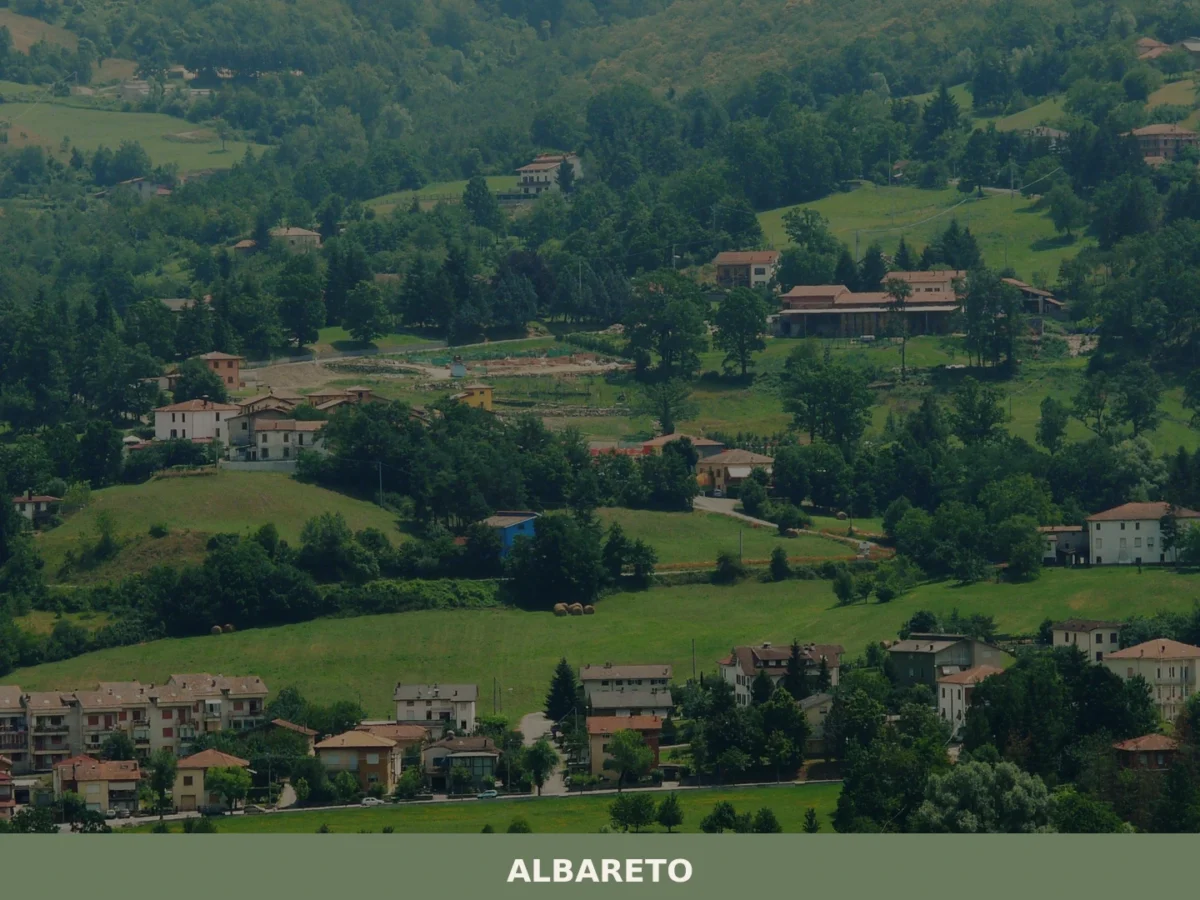
Albareto
 Hills
Hills
What to see in Albareto? Explore 5 must-see attractions and the most charming spots in this Emilia-Romagna village. Plan your visit!
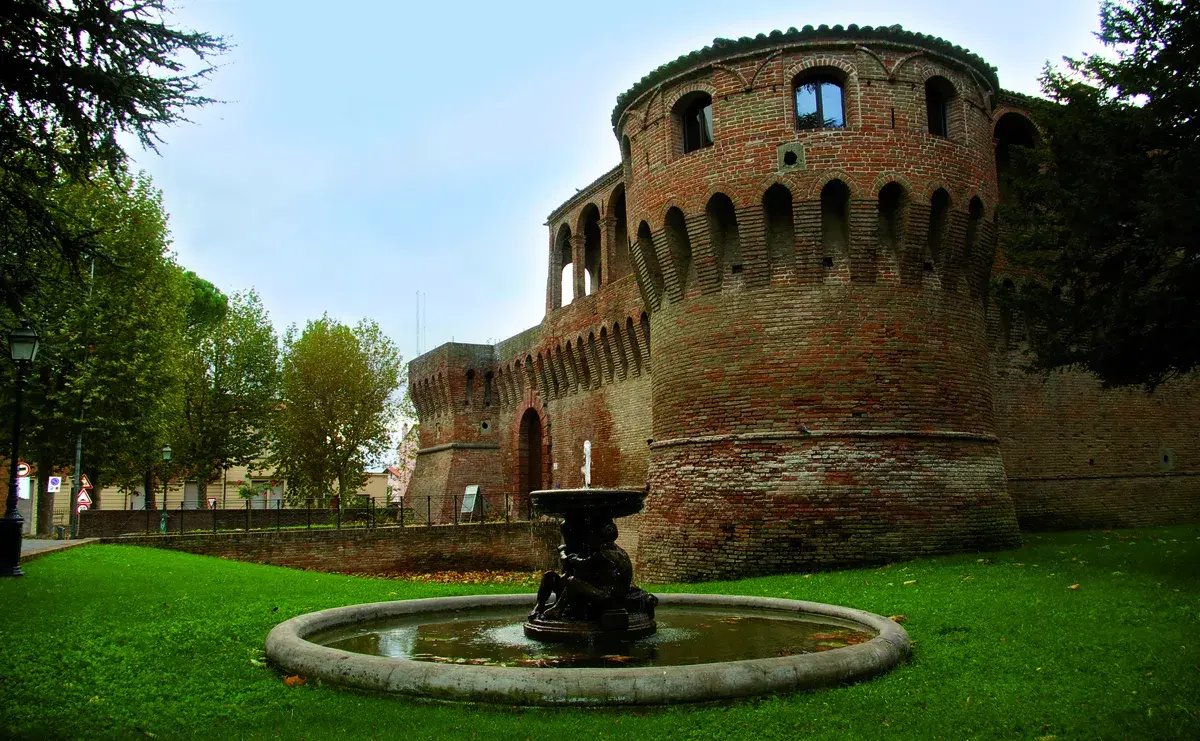
Bagnara di Romagna
Plains
What to see in Bagnara di Romagna, Italy? Explore this 'Borgo più bello' at 22 m (72 ft) altitude. Discover its historical charm and annual Patron Saint's Feast.



📝 Incorrect information or updates?
Help us keep the Bagnacavallo page accurate and up to date.