


Bagnara di Romagna
 Plains
What to see in Bagnara di Romagna, Italy? Explore this ‘Borgo più bello’ at 22 m (72 ft) altitude. Discover its historical charm and annual Patron Saint’s Feast.
Discover Bagnara di Romagna
The flat expanse of the Romagna plain, characterized by fertile agricultural lands, extends around Bagnara di Romagna, a village situated at a modest 22 m (72 ft) above sea level. This geographical setting defines much of the village’s character, positioning it within a region known for its productive landscapes and historical significance.
The consistent elevation across the surrounding territory suggests a long history of human settlement and cultivation, shaping the very fabric of the community.
For those planning a trip to this part of Italy, understanding what to see in Bagnara di Romagna is essential for a rewarding visit.
This small comune, home to 2,392 inhabitants, offers a glimpse into authentic Romagnol life and has earned a spot among “I Borghi più belli d’Italia,” signifying its preserved historical and architectural value. Visitors can explore its well-maintained village core and experience local traditions such as the annual Feast of Saint Andrew the Apostle.
History of Bagnara di Romagna
The administrative designation of Bagnara di Romagna as a comune (municipality) within the Province of Ravenna indicates its long-standing presence and governance structure within the Emilia-Romagna region. While specific founding dates for Bagnara di Romagna are not detailed in available records, its location in the historically rich Romagna plain suggests origins tied to agricultural development and strategic positioning within the broader regional landscape.
The village’s existence as a distinct entity implies a history stretching back centuries, evolving through various periods of local and regional influence.
Bagnara di Romagna’s historical trajectory is also marked by its relationships with neighboring settlements, bordering municipalities such as Cotignola, Imola, Lugo, Mordano, and Solarolo.
These connections would have facilitated trade, cultural exchange, and, at times, conflicts, all contributing to the village’s identity over time. The designation as one of “I Borghi più belli d’Italia” (The most beautiful villages of Italy) further underscores a commitment to preserving its historical integrity and architectural heritage, reflecting a conscious effort to maintain its traditional character into modern times.
Visitors exploring the history of Bagnara di Romagna might also consider a day trip to Carpaneto Piacentino, another village in Emilia-Romagna known for its historical continuity and preserved structures.
In more recent history, Bagnara di Romagna has fostered international relationships, establishing twin town agreements that promote cultural understanding and exchange. The village twinned with Adelmannsfelden, Germany, in 2007, marking a step towards broader European cooperation and friendship. Two years later, in 2009, a similar twinning agreement was formalized with Saint-Drézéry, France, further expanding its international ties.
These modern initiatives highlight Bagnara di Romagna’s role not just as a historical site but as an active participant in contemporary cultural diplomacy, connecting its local identity with a wider global community.
What to see in Bagnara di Romagna, Emilia-Romagna: top attractions
When considering what to see in Bagnara di Romagna, visitors are invited to appreciate the village as a cohesive entity, recognized for its preserved beauty.
The village’s inclusion in the prestigious “I Borghi più belli d’Italia” association speaks to its architectural harmony and the collective effort to maintain its historical character. This designation highlights Bagnara di Romagna itself as a primary attraction, offering an immersive experience into a traditional Romagnol settlement that respects its past.
The Historic Center of Bagnara di Romagna
A stroll through the historic center of Bagnara di Romagna reveals the deliberate preservation of its architectural heritage, which contributes to its status as one of Italy’s most beautiful villages. The narrow streets and traditional buildings reflect centuries of development, inviting visitors to observe the details of its construction. The village, located at 22 m (72 ft) above sea level, is largely flat and accessible, making it easy to explore on foot.
This well-maintained core provides a tangible connection to the past, allowing one to appreciate the urban planning of earlier eras.
The Agricultural Landscape of the Romagna Plain
Beyond the village core, the vast agricultural landscape of the Romagna plain constitutes a significant visual and cultural attraction, offering a stark contrast to the historical buildings.
This fertile land, where Bagnara di Romagna is situated, stretches for many kilometers (miles) in every direction, characterized by cultivated fields and rural tranquility. The plain’s productivity has shaped the region’s economy and lifestyle for generations, providing an insight into the agricultural roots of Emilia-Romagna. Observing the fields and their seasonal changes offers a peaceful perspective on rural Italian life, distinguishing it from the more mountainous regions like those surrounding Lizzano in Belvedere.
The Strategic Location between Major Cities
Bagnara di Romagna’s geographical position offers a unique perspective on the region, serving as a quiet point between significant urban centers.
The village is approximately 40 km (25 mi) southeast of Bologna and about 30 km (19 mi) west of Ravenna, positioning it within easy reach of both historical and artistic hubs. This strategic placement historically allowed it to benefit from trade routes and cultural exchanges, while today it provides a convenient base for exploring the wider Emilia-Romagna region.
Visitors can appreciate how the village, despite its tranquil setting, remains connected to the vibrant life of nearby major cities.
Communal Identity and International Twinning
The strong sense of communal identity in Bagnara di Romagna is further expressed through its international twinning relationships, which offer a unique cultural dimension to the village.
Since 2007, Bagnara di Romagna has been twinned with Adelmannsfelden in Germany, and from 2009, with Saint-Drézéry in France. These partnerships foster cultural exchange and solidarity, allowing visitors to appreciate the village’s outward-looking perspective. The presence of these international ties highlights a modern aspect of the village’s character, demonstrating a commitment to global engagement alongside local heritage.
The Feast of Saint Andrew the Apostle
The annual Feast of Saint Andrew the Apostle, held on 30 novembre, represents a vital cultural attraction and a highlight for those seeking what to see in Bagnara di Romagna. This celebration honors the village’s patron saint with traditions that bring the community together, often involving religious observances and local festivities. Experiencing this feast provides an opportunity to witness authentic Romagnol traditions and the deep-rooted faith of the inhabitants.
The event offers a specific date to plan a visit around, ensuring a chance to partake in a genuine local experience.
Local food and typical products of Bagnara di Romagna
The culinary identity of Bagnara di Romagna, while not detailed with specific local dishes in the provided sources, is intrinsically linked to the broader gastronomic traditions of the Emilia-Romagna region.
This area of Italy is renowned for its rich and diverse cuisine, often characterized by robust flavors and high-quality ingredients derived from its fertile plains and strong agricultural heritage. The flatland environment, or pianura, surrounding Bagnara di Romagna historically supported the cultivation of grains, fruits, and vegetables, alongside the rearing of livestock, which forms the bedrock of regional cooking.
Given its location within Emilia-Romagna, Bagnara di Romagna likely shares in the regional appreciation for dishes featuring fresh pasta, cured meats, and dairy products, though no specific village-level specialties are documented in the available information. Many towns in the Romagna area are known for their use of eggs and flour to create various pasta shapes, often served with rich meat sauces or simple butter and sage.
While particular recipes unique to Bagnara di Romagna are not confirmed, the general culinary landscape of the region emphasizes authentic, hearty preparations that reflect the agricultural bounty of the land.
The provided sources do not specify any certified products (such as PDO or PGI designations) directly associated with Bagnara di Romagna or its immediate vicinity.
Therefore, specific details about such products, including their names and the municipalities involved in their production, cannot be provided. The focus remains on the broader regional context where such certifications are more commonly found for widely recognized products like Parmigiano Reggiano or Prosciutto di Parma, which originate from other parts of Emilia-Romagna.
Festivals, events and traditions of Bagnara di Romagna
The most significant and verifiable tradition in Bagnara di Romagna is the celebration of its patron saint, Saint Andrew the Apostle, on 30 novembre each year. This annual feast day is a central event in the village calendar, bringing together the community to honor their spiritual protector.
While specific details on how the celebration unfolds, such as the exact nature of processions or the inclusion of music and fireworks, are not provided, it is a time when the village reinforces its communal bonds and expresses its cultural heritage.
This patron saint’s feast serves as a focal point for local traditions, allowing residents and visitors alike to experience the authentic spirit of Bagnara di Romagna.
Such events typically involve religious ceremonies, and often some form of public gathering or celebratory activities that reflect the local customs of the Romagna area. Beyond this confirmed date, the available sources do not provide information on other documented food fairs, markets, or recurring cultural events specific to the village, meaning any additional traditions would require further verification.
When to visit Bagnara di Romagna, Italy and how to get there
The best time to visit Emilia-Romagna, and specifically Bagnara di Romagna, generally spans from late spring (May-June) through early autumn (September-October), offering pleasant weather for exploring. During these months, temperatures are mild, making it comfortable for walking through the village and enjoying the surrounding agricultural landscapes without the intense heat of mid-summer.
Visiting in late November would allow travelers to experience the Feast of Saint Andrew the Apostle, offering a unique cultural insight into local life, though the weather may be cooler and wetter.
Bagnara di Romagna is situated in the flatland (pianura) of Emilia-Romagna, making its terrain relatively even and accessible for most visitors, including those with strollers or mobility considerations.
The village core is manageable on foot, allowing for a leisurely exploration of its historical elements. For international visitors, it is advisable to carry some Euros cash, as smaller shops and local establishments may have limited English speakers or prefer cash transactions.
To reach Bagnara di Romagna, several transportation options are available. If arriving by car, the village is conveniently located near major road networks; it is approximately 40 km (25 mi) southeast of Bologna and about 30 km (19 mi) west of Ravenna. Travelers can access the area via the A14 motorway, exiting at a nearby interchange that connects to provincial roads leading directly to Bagnara di Romagna.
The nearest major train station would likely be in Imola or Lugo, which are among the bordering municipalities, offering connections to regional and national rail services via Trenitalia.
The closest major international airport is Bologna Guglielmo Marconi Airport (BLQ), located approximately 50 km (31 mi) to the northwest, with travel times to Bagnara di Romagna typically around 45 minutes to an hour by car. A day trip from Bologna or Ravenna is quite feasible, making Bagnara di Romagna an accessible destination.
Getting there
Piazza IV Novembre, 48031 Bagnara di Romagna (RA)
Nearby Villages near Bagnara di Romagna
Nearby villages we are mapping:
- Bagnacavallo Emilia-Romagna 📍 12.4 km Coming soon
In Emilia-Romagna More villages to discover
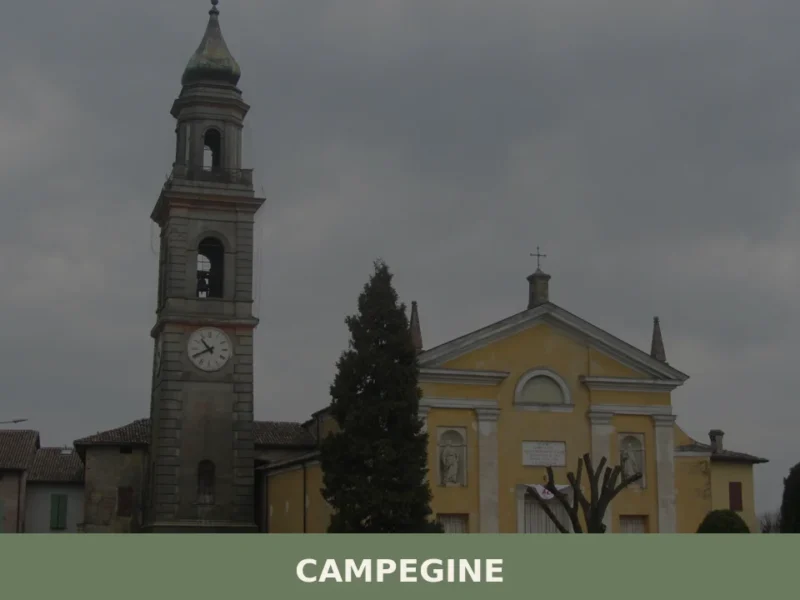
Campegine
Plains
What to see in Campegine, Emilia-Romagna, Italy: explore the hometown of the Cervi Brothers, local food traditions and festivals. Population 5,078. Discover now.

Langhirano
 Mountain
Population 10,916. Langhirano sits at 265 metres altitude on the slopes of Monte Milano, gateway to the Val Parma and epicentre of prosciutto production.
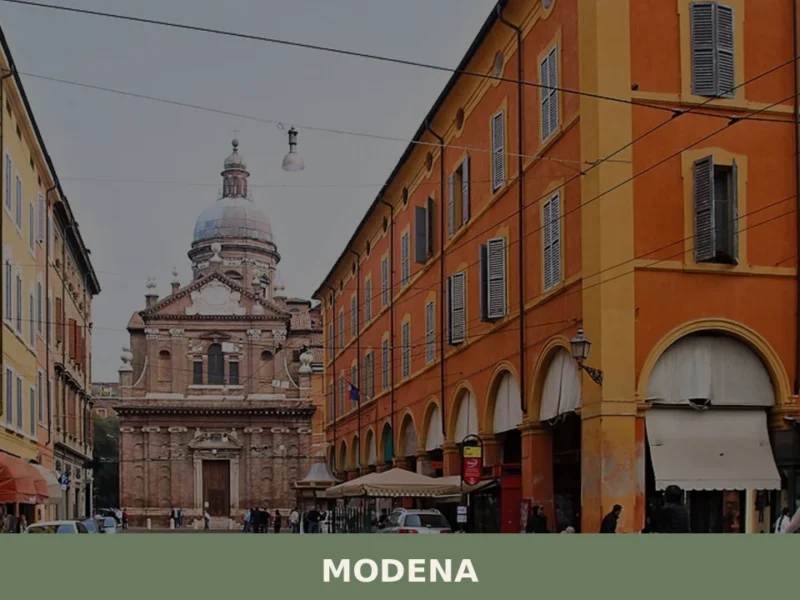
Modena
Plains
what to see in modena. Discover the UNESCO Duomo and Ducal Palace. Explore this city of 179,000+ residents and taste typical Modenese products.
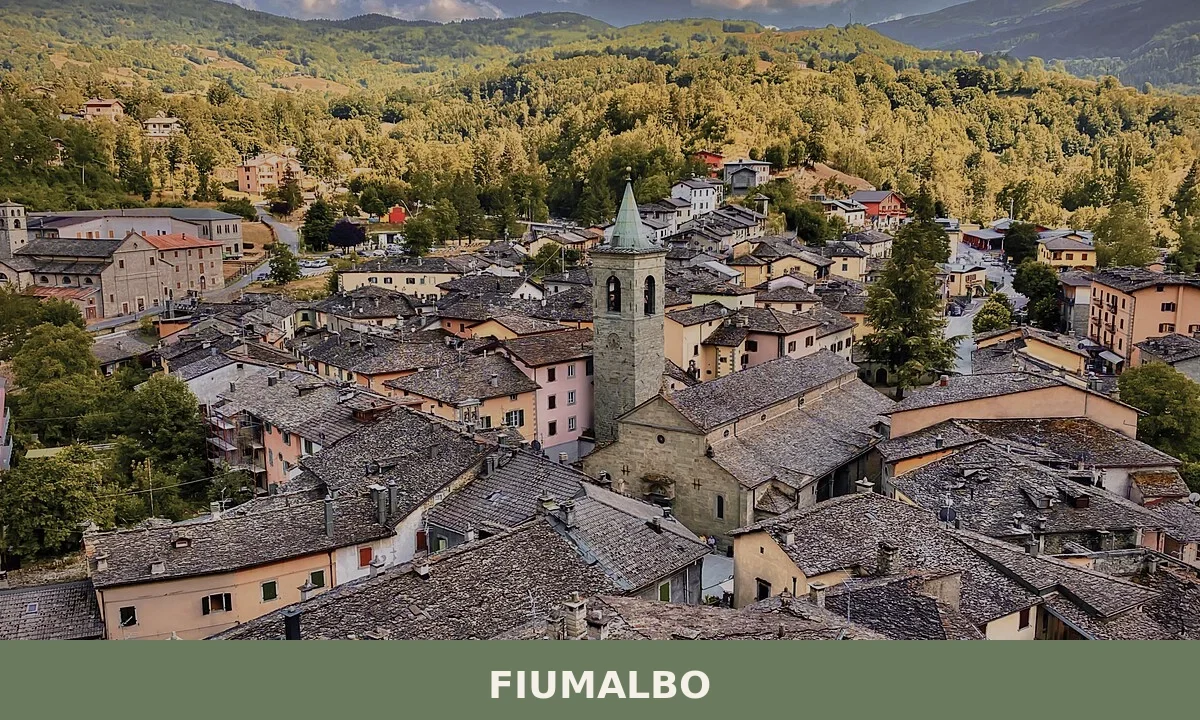
Fiumalbo
Mountain
Fiumalbo is a historic mountain comune at 938 metres in the province of Modena, where a documented past stretching back to 1038 meets living traditions including a celebrated living Nativity and a wea
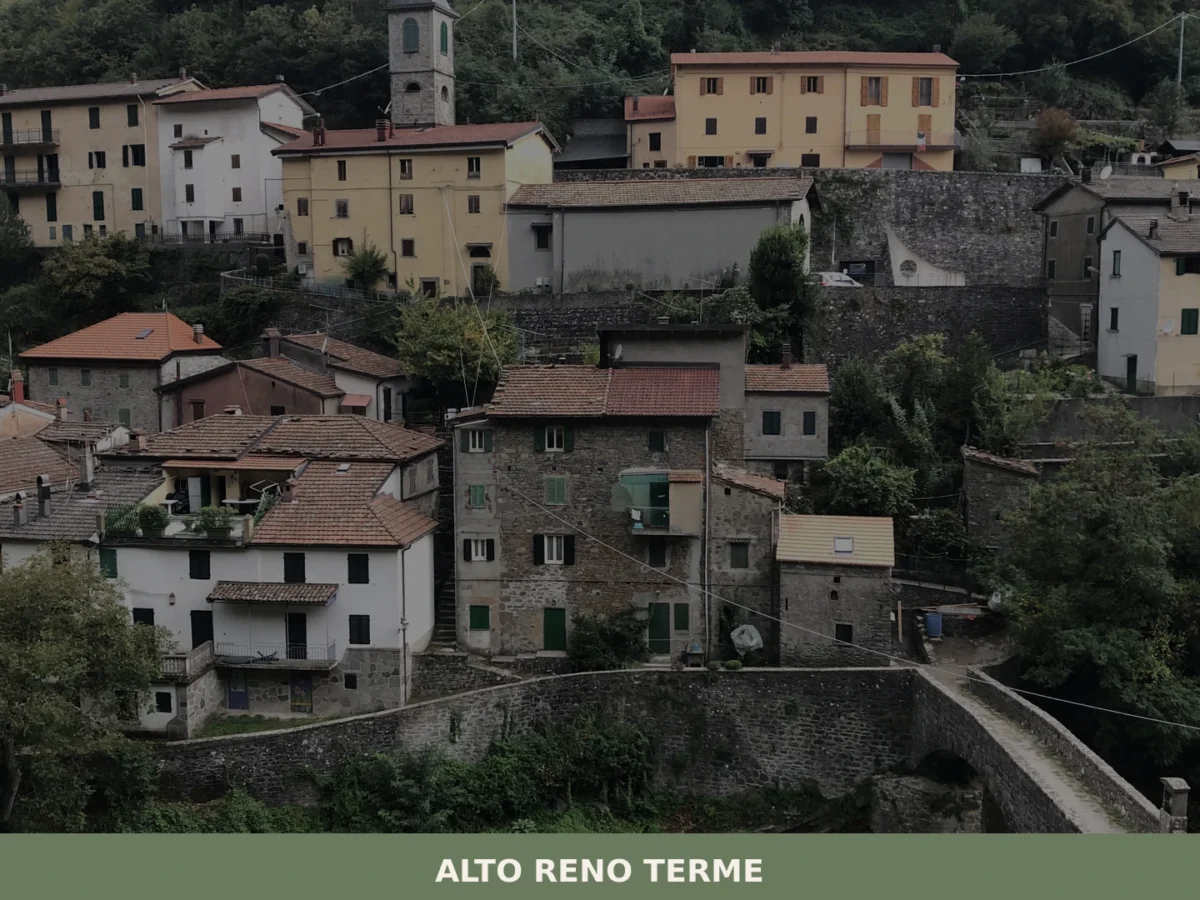
Alto Reno Terme
Mountain
What to see in Alto Reno Terme: 5 unmissable attractions, from thermal baths and historic villages to Apennine nature. Discover the complete guide to plan your visit.
Busseto
Plains
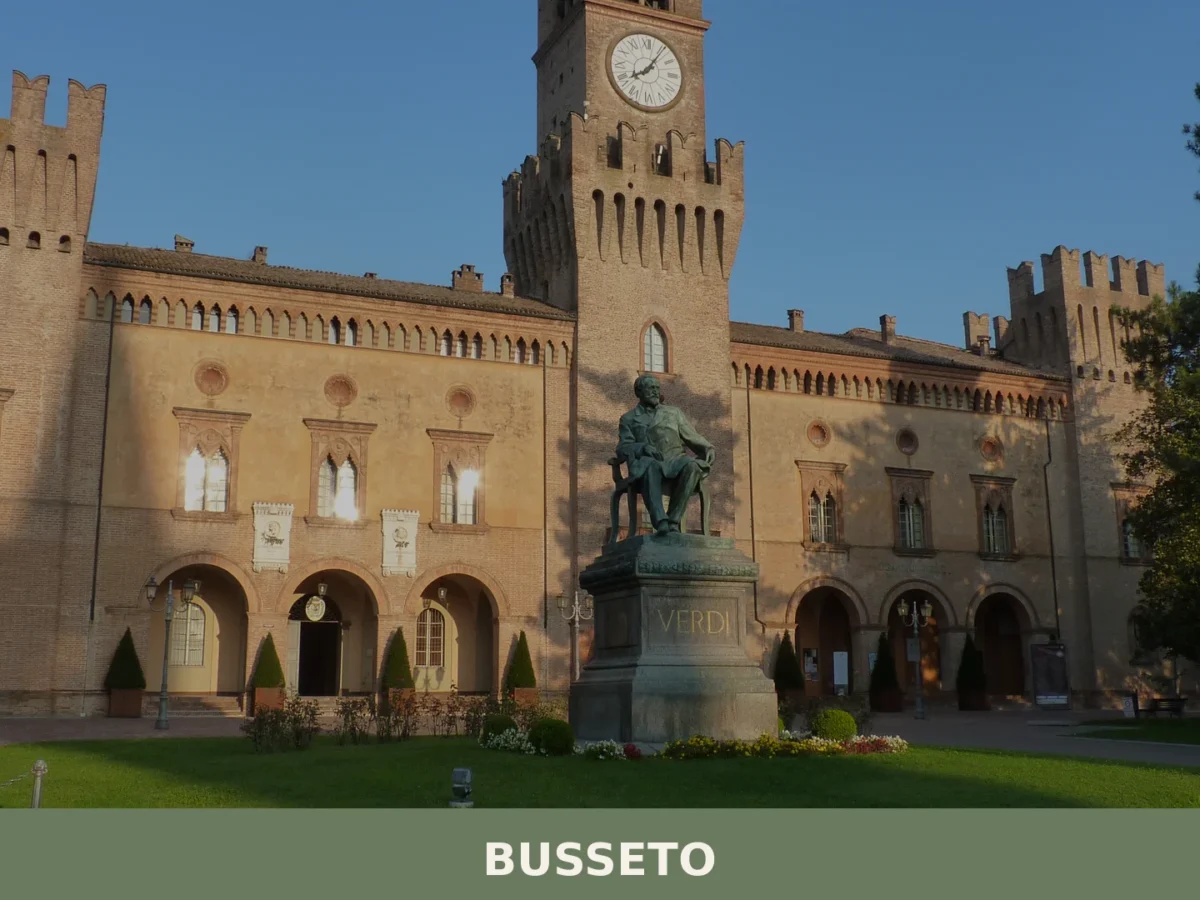
Busseto, a small town near Parma in Emilia-Romagna, pairs centuries of Pallavicino history with an unmissable trail through the life and music of Giuseppe Verdi.
Besenzone
Plains
What to see in Besenzone, Italy: Discover a tranquil village of 916 inhabitants at 48 m (157 ft) altitude. Explore its historical sites and local traditions. Read our guide.
Pecorara
 Hills
Hills
What to see in Pecorara? Discover 5 must-see attractions in this Emilia-Romagna village. Read the full guide and plan your visit!

Sorbolo
Plains
Sorbolo offers 3,000 years of history from Bronze Age terramare to Farnese noble palaces. Visit for Roman centuriation, a Serassi organ and authentic Po Valley cuisine.
Argenta
Plains
What to see in Argenta, Italy: Explore the 7m altitude of Argenta. Discover top attractions like San Nicola di Bari and enjoy local foods.



🏡 Know Bagnara di Romagna better than we do?
If you’re a local or have been there, your knowledge matters: add what’s missing or fix a detail on this page.